2027 Fastest Online Master's in Health Informatics Degree Programs Ranking in the USA

Co-Founder and Chief Data Scientist
Are you ready to advance your career in health informatics without compromising your busy lifestyle? This article introduces the 2027 Fastest Online Master's in Health Informatics Degree Programs Ranking in the USA, created by the Research.com team of data scientists to guide you toward the most efficient and reputable programs.
Choosing the right program can be overwhelming, but this ranking breaks down the options to help you make an informed decision. Earning a health informatics degree opens doors to rewarding opportunities in healthcare technology, making a positive impact on patient care while enhancing your skills.
Key benefits of getting online health informatics degree in America
- Health informatics graduates in America can expect rewarding careers with median salaries around $100,000 annually for roles like health information managers, reflecting strong demand and financial stability.
- Graduates from popular programs, such as those at the University of California, often pursue diverse roles including clinical informatics specialist, data analyst, or health IT consultant, offering exciting and varied career opportunities.
- Online degrees from respected institutions like Johns Hopkins University provide the flexibility to balance work and study, allowing students to gain valuable skills without interrupting their careers, making learning more accessible and convenient.
- 2027 Fastest Online Master's in Health Informatics Degree Programs Ranking in the USA
- What can I expect from online health informatics degree in America?
- Where can I work with online health informatics degree in America?
What can I expect from online health informatics degree in America?
The average cost of an online health informatics degree in America typically ranges from $15,000 to $30,000 at public universities, with private institutions often charging higher tuition. Graduates from well-known programs at universities like the University of Illinois or George Mason University often reflect on the value of balancing rigorous coursework with flexible scheduling, which helps them maintain jobs while studying. Many find the investment worthwhile given the strong job market and median salaries around $100,000 for health information managers reported by the U.S. Bureau of Labor Statistics.
Students can expect tuition to cover comprehensive curricula focused on health data management, EHR systems, healthcare analytics, and privacy regulations such as HIPAA. These programs often span 18 to 24 months, with part-time options designed for working professionals. Graduates note that practical experiences, including virtual labs or capstone projects, enhance their readiness for clinical informatics or health IT roles.
Financially, the cost aligns with the industry demand projections showing nearly 20% growth by 2030, which encourages many to view tuition as a strategic investment in a promising healthcare technology career.
Where can I work with online health informatics degree in America?
Graduates with an online health informatics degree in America find promising career paths spanning hospitals, government agencies, insurance companies, consulting firms, and academia. For instance, hospitals and healthcare systems seek experts to manage electronic health records (EHR) and ensure compliance with HIPAA, a role projected by the Bureau of Labor Statistics to grow 28% from 2021 to 2031. Many graduates from top programs at universities like the University of Illinois-Chicago have secured positions implementing EHR systems in large hospital networks, experiencing satisfaction from directly improving patient care.
Government agencies such as the CDC and Health and Human Services hire health informatics professionals to manage public health data and support emergency preparedness. Graduates often describe their work as impactful, contributing to national health policy. Health insurance firms also recruit these professionals to analyze claims data and enhance value-based care models, leveraging data analytics skills developed through their coursework.
Consulting and healthcare technology companies offer dynamic roles developing IT solutions and advising providers, with the U.S. health IT market valued at over $65 billion in 2023. Alumni from institutions like Johns Hopkins University often highlight the rewarding challenge of transforming healthcare technology. Academic and research positions enable graduates to advance knowledge and innovate, drawing passionate students from research-intensive universities nationwide.
Graduates holding an online health informatics degree in America can anticipate starting salaries typically ranging between $60,000 and $75,000 annually. This range reflects entry-level roles such as health data analysts or clinical informatics specialists, common among graduates from institutions like the University of Illinois or Johns Hopkins University. Many who have completed these programs share positive experiences about quickly finding roles in metropolitan healthcare organizations where salary offers are on the higher end due to demand and location.
With gained experience and additional certifications, especially in electronic health records (EHR) or data analytics, professionals often see their earnings climb significantly. Master's degree holders from renowned programs report median salaries between $90,000 and $120,000, aligning with findings from the Healthcare Information and Management Systems Society (HIMSS).
Senior positions such as directors of informatics or chief information officers (CIOs) frequently exceed $150,000 per year. This upward trajectory demonstrates that pursuing an online degree in health informatics from respected American universities can lead to rewarding and financially attractive healthcare career pathways.
- Online health informatics degrees in the U.S. are available at bachelor's and master's levels, with master's programs usually taking 1.5 to 2 years to complete.
- Tuition for online master's programs typically ranges from $20,000 to $50,000, with public universities generally offering lower costs than private institutions.
- Employment for medical and health services managers, including health informatics roles, is projected to grow 28% from 2021 to 2031.
- Starting salaries for health informatics master's degree holders usually range from $70,000 to $85,000 per year, with experienced professionals earning over $100,000.
- Most programs follow CAHIIM accreditation standards, which are important for program quality and certification eligibility.
Completing an online health informatics degree in America typically ranges from 18 months to 3 years for master's programs, depending on enrollment status and program structure. Graduates from institutions like the University of Illinois often mention balancing their careers with coursework, benefiting from flexible schedules that allow many to finish in about two years full-time. Part-time students, managing family or work, may extend their studies to three years or more.
Accelerated tracks at some universities enable ambitious students to complete their master's in just 12 to 18 months, which graduates find motivating as it fast-tracks career advancement. Credit requirements usually range from 30 to 50, and those without a health IT background might add foundational courses, increasing their timeline. Capstone projects or theses can add several months but bring valuable hands-on experience.
For bachelor's degrees, full-time online students often take about four years, though transfer-focused programs at well-regarded schools like the University of Michigan can reduce this to three years, helping students enter the workforce sooner.
The main difference between online and on-campus health informatics degrees in the US centers on delivery method and flexibility. Online programs, like those at the University of Illinois or George Washington University, offer remote access to lectures and assignments, fitting the schedules of working professionals and parents. Graduates frequently share how this flexibility allowed them to balance full-time jobs while advancing their education. In contrast, traditional campuses such as the University of Texas Health Science Center emphasize in-person experiences, providing direct access to faculty and hands-on lab work, which some students find invaluable for mastering complex healthcare technologies.
Cost is another key factor. Online students often save on housing and commuting, with total tuition varying broadly from $15,000 to $40,000 for master's programs in health informatics. Graduates from both paths affirm that accredited programs meet rigorous standards set by the CAHIIM, ensuring employer recognition regardless of format.
Networking differs as well: on-campus students enjoy spontaneous peer interaction and events, while online learners leverage virtual forums and webinars, sometimes complemented by local internships or residencies. Many find the online community supportive, enhancing their professional growth despite physical distance.
The average cost of an online health informatics degree in America varies but centers around key median figures. Data indicates the median total tuition fees for health informatics master's programs in the USA is approximately $25,576. In-state students at public institutions benefit from lower tuition rates, with median costs near $15,543, while out-of-state students typically face higher charges, averaging $18,645. These figures offer a realistic expectation for potential students budgeting their education expenses.
Many popular universities offering online health informatics degrees, whether public or private, require between 30 to 45 credit hours to complete the program. For instance, graduates recalling their experiences from schools well-known for flexible online programs mention balancing work and studies with financial aid options, which significantly softened their overall investment. Paying around $600 per credit hour suggests a total near $24,000, aligning closely with median data, though private institutions or specialized programs can exceed this substantially.
Additional fees such as technology and course materials modestly increase costs, but students emphasize that scholarships and employer tuition reimbursement were critical in managing expenses. The value of their degree is evident as many report positive outcomes, linking the degree to career advancement and salary growth. This highlights the importance of considering the health informatics job outlook when evaluating the average cost of online health informatics degree USA.

Students pursuing online health informatics degrees in America typically leverage a variety of financial aid options to offset costs ranging from $20,000 to $60,000. Federal aid is pivotal, with Direct Unsubsidized Loans allowing up to $20,500 annually at fixed interest rates near 7% to 8% in 2024. Grad students often rely on Direct PLUS Loans for additional funds, though these require credit approval. Some Pell Grants, traditionally for undergraduates, occasionally apply to graduate students under special circumstances.
Graduates from well-regarded programs such as those at the University of California or the University of Texas report meaningful relief from institutional scholarships, which frequently reward academic merit or healthcare experience. Partnerships between universities and healthcare organizations enhance scholarship availability, aligning with projected workforce growth exceeding 20% through 2030.
Healthcare employees pursuing degrees benefit from employer tuition reimbursements, significantly reducing out-of-pocket expenses. External grants from bodies like AHIMA also augment student resources, complementing state-specific aid programs that offer grants or loan forgiveness tied to local healthcare commitments.
Enrolling in an online health informatics degree program in America typically requires a bachelor's degree from an accredited university. Graduates from institutions like the University of Michigan or Johns Hopkins often recall the importance of having foundational coursework in biology, statistics, or healthcare systems. These prerequisites prepare students to tackle the interdisciplinary nature of health informatics, blending healthcare knowledge with IT skills.
Applicants frequently benefit from having 1 to 3 years of professional experience in healthcare or IT roles. Many online programs at schools such as the University of California, San Francisco, emphasize how this experience enables students to connect theoretical concepts with real-world applications, boosting confidence and relatability during coursework.
Additional requirements include letters of recommendation and personal statements. For international students, proof of English proficiency, like TOEFL scores, is necessary. Some programs may waive GRE or GMAT scores, especially if practical experience or advanced degrees are demonstrated, reflecting a growing trend toward valuing hands-on knowledge over standardized tests.
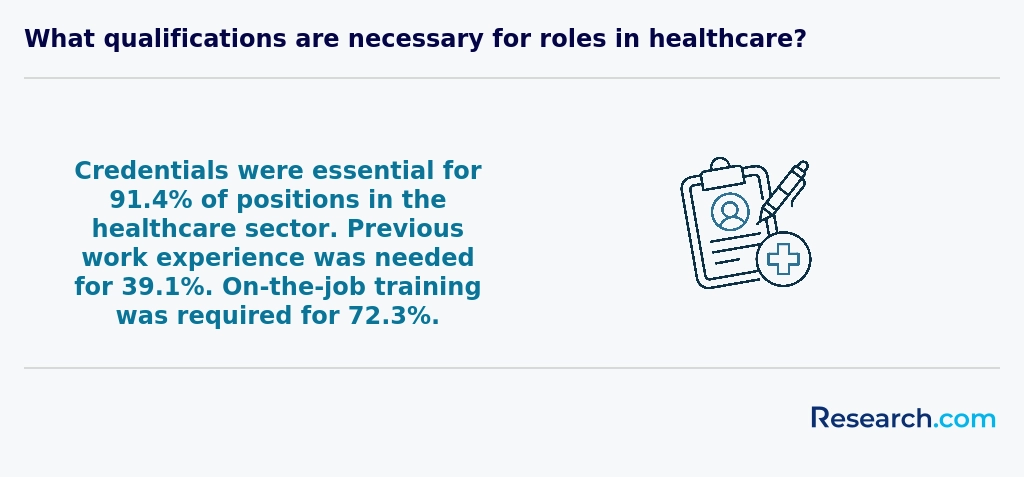
Online health informatics degrees in America typically include courses designed to bridge healthcare and information technology comprehensively. Graduates from well-known programs report mastering topics like Health Information Systems, which immerse them in managing electronic health records (EHRs) within healthcare environments. These courses equip students to navigate real hospital data flows confidently.
Healthcare Data Analytics is another core subject, teaching students to interpret large datasets for improving patient care-skills highly valued in clinical and administrative roles. Many students find studying Medical Terminology and Healthcare Delivery particularly empowering, as it enhances their communication with medical professionals, making complex healthcare settings more approachable.
Courses on Health Informatics Standards and Interoperability, such as HL7 and FHIR protocols, prepare students for seamless system integration challenges frequently encountered in American healthcare facilities. Additionally, Privacy, Security, and Compliance classes focus on HIPAA regulations, which graduates commonly praise for instilling a strong ethical foundation.
Hands-on Healthcare Project Management, Database Management, and Clinical Decision Support Systems rounds out the curriculum, reflecting real-world workflows at universities like Johns Hopkins and the University of Texas. Students often express satisfaction that these practical courses directly translate into confidence managing healthcare IT projects post-graduation.
Online health informatics specializations USA typically include Clinical Informatics, Health Data Analytics, Healthcare IT Management, Public Health Informatics, and Bioinformatics. Clinical Informatics focuses on improving patient care through managing electronic health records and supporting clinical decisions, with graduates often noting gains in both confidence and salary, reflecting the high demand where median incomes surpass $90,000 annually. Health Data Analytics prepares students to handle complex datasets using tools like R and Python, aligning with a projected 16% job growth in data analyst roles by 2030.
Healthcare IT Management combines informatics knowledge with leadership skills, essential for overseeing health IT projects and navigating regulations such as HIPAA. Graduates from popular colleges in America appreciate this specialization for its balance of technical and managerial expertise. Tuition for master's programs in this area often ranges from $20,000 to $40,000. Other students find value in Public Health Informatics and Bioinformatics, both critical as healthcare becomes more data-driven and technology-centric.
When exploring the health informatics degree focus areas America offers, prospective students often seek programs offering practical, hands-on experience, which several institutions successfully provide. For those interested in specialized tracks, it is helpful to explore resources like health informatics online certificate courses to complement their degree and enhance employability.
Choosing the best online health informatics degree in America requires analyzing accreditation and program flexibility. Graduates from well-known universities emphasize the importance of enrolling in programs accredited by regional bodies or CAHIIM, as this ensures the curriculum aligns with healthcare industry standards. Many students find that programs offering asynchronous learning schedules or part-time options allow them to manage work and family commitments effectively, increasing overall satisfaction and success.
Cost also plays a significant role when evaluating affordable health informatics degrees America has to offer. According to national data, tuition ranges from $10,000 to over $30,000, so understanding total expenses including fees is crucial. Financial aid and scholarships reported by graduates further ease the investment, making education attainable without sacrificing quality.
Curriculum alignment with career goals is essential. For instance, graduates from colleges popular in health informatics report that specialization in clinical informatics or health data science boosts employability. Employment outcomes are encouraging; the US Bureau of Labor Statistics cites a median wage of around $100,000 for specialists. For a comprehensive comparison, prospective students can explore masters health informatics online programs offered nationwide.
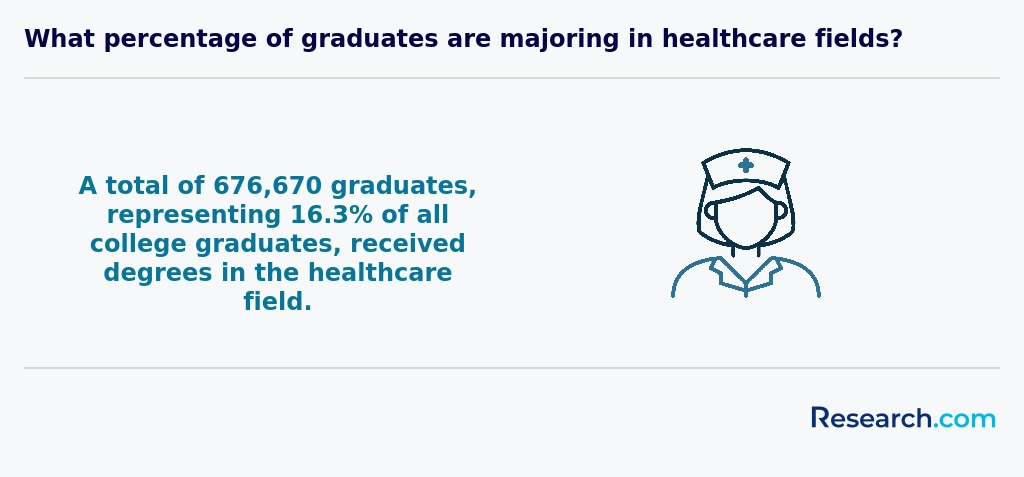
Graduates with an online health informatics degree from well-known American institutions often pursue careers as health informatics specialists and analysts, focusing on managing and interpreting healthcare data to optimize patient care. According to the U.S. Bureau of Labor Statistics, the demand for medical and health services managers is projected to grow by 28% from 2021 to 2031, reflecting robust job opportunities for these professionals. Many find roles as clinical informatics coordinators, who bridge technology and clinical workflows, or health information managers ensuring compliance with HIPAA and accurate patient records.
Technology-oriented careers, including health IT consultants and systems analysts, are popular among graduates, helping healthcare providers implement and maintain electronic health records and other technologies. Data scientists and bioinformatics specialists use advanced analytics to support medical research and personalized medicine. Real-life examples from graduates at top universities highlight increased job satisfaction due to the ability to contribute meaningfully to healthcare improvements.
Students interested in exploring accessible programs can also consider options like the easy nursing informatics degree, which helps streamline entry into growing health informatics careers USA. Overall, health informatics job opportunities in America are diverse, spanning hospitals, government agencies, and research institutions, providing career flexibility and growth.
The online health informatics job outlook USA is notably positive, with strong demand fueled by healthcare's digital evolution. Graduates from reputable programs at universities like the University of Michigan and Johns Hopkins report smooth transitions into roles such as clinical informatics specialists and health IT project managers. These professionals manage electronic health records, optimize data analytics, and contribute to improving patient outcomes, making them indispensable in healthcare settings.
The growth in health informatics career opportunities in America is supported by a 28% projected increase in related healthcare managerial roles from 2021 to 2031, according to the U.S. Bureau of Labor Statistics. This rapid expansion is due to widespread adoption of electronic health records and telemedicine, requiring skilled individuals to integrate tech effectively.
Many graduates find satisfaction working in diverse environments such as hospitals and government agencies, where the pressure to maintain data security and compliance is high. Understanding the nurse informaticist job requirements also helps build a focused career path in this expanding field.
2027 Fastest Online Master's in Health Informatics Degree Programs Ranking in the USA
Investing in your education is a significant decision that can shape your future, and the Research.com team understands the importance of making informed choices. To help prospective students navigate their options, we have carefully developed the "2027 Fastest Online Master's in Health Informatics Degree Programs Ranking in the USA." Our commitment to quality, credibility, and accuracy is demonstrated through rigorous research and analysis conducted to compile this ranking.
We utilized the following reputable data sources to ensure a comprehensive evaluation of health informatics programs:
By exploring this ranking, readers will gain valuable insights into the fastest online master's programs in health informatics, enabling them to make well-informed decisions about their educational journeys. For more details on our methodology, please visit our Research.com methodology page.


Frequently Asked Questions About health informatics
Online health informatics students in America can enhance their learning by actively engaging with digital course materials and participating in virtual discussions. According to the U.S. Bureau of Labor Statistics, health informatics roles are expected to grow 11% from 2021 to 2031, highlighting the importance of staying current with industry trends.
Students should also seek internships and practical projects to apply theoretical knowledge, as hands-on experience complements online study effectively. Networking through professional organizations like the American Medical Informatics Association (AMIA) offers access to resources and mentorship.
Finally, keeping pace with evolving health technologies and data privacy regulations strengthens a student's expertise and employability in the competitive U.S. health informatics job market.
The health informatics field is rapidly evolving, and several emerging niches are shaping its future. One key area is telehealth informatics, driven by the growth of remote care technologies. According to the American Medical Informatics Association (AMIA), telehealth use surged by over 38% in the U.S. since 2020.
Another growing niche is precision health informatics, which integrates big data and genomics to personalize patient care. The U.S. National Institutes of Health (NIH) is investing heavily in this sector.
Additionally, clinical informatics focusing on artificial intelligence (AI) applications in diagnostics and treatment planning is expanding, offering new opportunities for health informatics professionals.
After completing an online health informatics degree in America, preparing for the job market involves several key steps. First, obtaining relevant certifications such as Registered Health Information Administrator (RHIA) or Certified Health Data Analyst (CHDA) can significantly enhance employability. According to the U.S. Bureau of Labor Statistics, the demand for health informatics professionals is projected to grow 13% from 2021 to 2031, faster than average for all occupations.
Networking through professional organizations like the American Health Information Management Association (AHIMA) is crucial. Internships or project experience gained during studies also provide practical skills employers value. Updating your resume to highlight technical skills with electronic health records (EHR) systems is essential in this competitive field.
Employers in the United States highly value a combination of technical and interpersonal skills in health informatics graduates. Key technical abilities include proficiency in electronic health records (EHR) systems, data analysis, and understanding healthcare regulations like HIPAA. Additionally, familiarity with programming languages such as SQL or Python can enhance job prospects.
Communication skills are critical as professionals often act as liaisons between IT teams and medical staff. According to the Healthcare Information and Management Systems Society (HIMSS), teamwork and problem-solving skills are also essential for adapting to evolving healthcare technologies.
Data security knowledge remains a priority due to increasing cybersecurity threats in healthcare. Graduates equipped with these skills are better positioned to meet employer expectations in the growing US health informatics field.
Finding internships related to health informatics in America involves several strategic steps. Start by exploring university career centers linked to your online program, as many schools partner with healthcare organizations offering internships. According to the American Medical Informatics Association, healthcare employers seek candidates with practical experience.
Use platforms like Handshake and LinkedIn to locate internships specifically in health IT, data analysis, and clinical informatics. Networking with professionals through associations such as the Healthcare Information and Management Systems Society (HIMSS) also opens doors.
Many internships last 8-12 weeks and may be paid or unpaid. Early application is crucial, as these opportunities are competitive and align with academic calendars from May to September.
An online health informatics degree in America significantly enhances career mobility by equipping students with in-demand skills in health data management, analytics, and healthcare technology. According to the U.S. Bureau of Labor Statistics, employment of medical and health services managers, which includes health informatics professionals, is projected to grow 28% from 2021 to 2031, much faster than the average for all occupations.
The degree prepares graduates for roles in hospitals, insurance companies, and government agencies, enabling upward movement into leadership positions. It often leads to salary increases; the American Health Information Management Association reports median salaries for certified informatics professionals exceeding $90,000 annually.
Online formats provide flexibility, allowing working professionals to upskill without interrupting their careers, a key factor in achieving advancement in the dynamic U.S. healthcare sector.
Studying for a health informatics degree in America equips students with skills that bridge healthcare, technology, and data analysis. These programs emphasize collaboration across disciplines such as medicine, computer science, and public health to improve patient outcomes and healthcare systems.
According to the American Medical Informatics Association, over 60% of health informatics roles require expertise in both clinical and technical domains. American universities incorporate practical training with electronic health records (EHR) and data management tools, fostering teamwork among diverse healthcare professionals.
This interdisciplinary approach prepares graduates to handle complex challenges in hospitals, research institutions, and healthcare technology companies nationwide.
When choosing between a thesis and a non-thesis health informatics degree program in America, consider your career goals and learning preferences. Thesis programs typically emphasize research skills, requiring students to complete original research under faculty supervision. This path suits those aiming for PhD studies or research-oriented roles.
Non-thesis programs focus more on practical skills and coursework, appealing to professionals seeking advancement in clinical or administrative health informatics roles. The U.S. Bureau of Labor Statistics highlights growing demand in health informatics, with a 36% projected growth through 2031.
Costs and time commitment also differ; thesis options may take longer due to research requirements.
American students seeking to study health informatics abroad have limited options for fully online programs offered by foreign institutions that meet U.S. accreditation standards. Most international universities provide on-campus degrees, requiring physical presence. However, some European and Canadian schools offer hybrid or distance-learning models tailored to global students, often requiring regional clinical experience.
Students should verify if foreign credits transfer to U.S. programs and check eligibility for certification exams like those by AHIMA or HIMSS. The U.S. Bureau of Labor Statistics projects 9% job growth in health informatics through 2032, increasing demand for credentials recognized domestically.
Partnerships between U.S. and foreign universities sometimes allow joint degrees or exchange programs, adding flexibility and global exposure while maintaining U.S.-based accreditation.
Part-time job opportunities that complement a health informatics degree in America include roles such as medical transcriptionist, health data analyst intern, and electronic health records (EHR) assistant. These positions provide practical experience with healthcare data and software systems, crucial for understanding health informatics workflows.
According to the U.S. Bureau of Labor Statistics, employment in health information technology is projected to grow 9% from 2022 to 2032, reflecting strong demand for related skills.
Additionally, positions in telehealth support and clinical documentation improvement are ideal for students balancing work and study. These roles offer exposure to healthcare operations and data security standards, enhancing academic learning.
Online health informatics students in America benefit from varied networking opportunities that help build professional connections essential for career growth. Many programs partner with professional organizations such as the American Medical Informatics Association (AMIA), which offers conferences, webinars, and local chapter events tailored for students and professionals.
Colleges also facilitate virtual networking through online forums, group projects, and mentorship programs, allowing students to connect with peers and industry experts nationwide. Additionally, internships and practicum placements, increasingly available remotely, provide practical experience and industry contacts.
Data from AMIA shows that 70% of health informatics professionals find career opportunities through networking, emphasizing its importance in this field.
Alumni networks play a significant role in supporting students pursuing online health informatics degrees in America. These networks provide access to professional connections, which is vital in a field expected to grow 15% from 2021 to 2031, according to the U.S. Bureau of Labor Statistics.
Members often share job opportunities, mentorship, and industry insights, helping current students navigate the competitive healthcare technology landscape. Strong alumni engagement can lead to internships and collaborations with healthcare organizations, boosting practical experience.
Additionally, alumni networks facilitate continued learning through webinars and conferences, keeping students informed about evolving health informatics trends and regulations in the U.S.
Customizing an online health informatics degree in America allows you to align your studies with specific career goals. Many programs offer elective courses, letting you focus on areas like data analytics, clinical informatics, or project management. Students often can choose between technical tracks or managerial tracks depending on their interests. Accredited programs recognized by CAHIIM ensure curriculum relevance to current industry standards.
You may also select practicum or capstone projects tailored to real-world challenges, providing hands-on experience in settings such as hospitals or public health organizations. According to the Bureau of Labor Statistics, health informatics roles are expected to grow 28% by 2029, highlighting the value of specialized skills obtained through customization.
Additionally, some schools offer personalized advising to help choose coursework that complements your professional background or certifications, enhancing job market readiness.
Online health informatics students in America often face challenges related to balancing work, study, and family responsibilities. According to the National Center for Education Statistics, many online learners are working adults, making time management a critical issue. Additionally, technical difficulties with learning platforms or lack of access to reliable internet can hinder progress, especially in rural areas.
Another challenge is the need for hands-on experience in clinical informatics, which can be limited in online formats. Securing quality internships or practicums remains difficult for some students. Furthermore, navigating complex healthcare regulations and staying current with evolving technology demands continuous effort, posing obstacles for students aiming to stay competitive in the US job market.
Graduates with an online health informatics degree in the United States can pursue several well-recognized professional certifications that boost career prospects and industry credibility. One of the most popular certifications is the Certified Health Informatics Systems Professional (CHISP), which focuses on the technical and management aspects of health IT systems. Another key credential is the Registered Health Information Administrator (RHIA), awarded by the American Health Information Management Association (AHIMA), which emphasizes expertise in managing patient health data and electronic health records.
The American Medical Informatics Association (AMIA) offers the Clinical Informatics Board Certification for physicians, which is increasingly relevant as informatics integrates with clinical practice. Certifications like these often require a combination of formal education, professional experience, and passing a rigorous exam.
In 2023, healthcare employers reported that certified health informatics professionals earn up to 20% higher salaries and have better job security, according to the U.S. Bureau of Labor Statistics and industry reports. Pursuing certification after an online degree enhances both knowledge and marketability in the competitive U.S. healthcare sector.
To write a winning application for an online health informatics program in America, start by thoroughly researching the specific program requirements. Many accredited programs require a bachelor's degree in a related field, such as healthcare or IT, and relevant professional experience.
Craft a strong personal statement that highlights your passion for health informatics and your understanding of its role in improving healthcare outcomes. Incorporate recent data like the Bureau of Labor Statistics projection of 17% job growth in health information management by 2030 to show awareness of career opportunities.
Ensure your letters of recommendation come from professionals who can attest to your analytical skills and commitment to healthcare technology. Finally, prepare for any required standardized tests or prerequisite courses, as these can vary by institution.
Health informatics is a growing field with global relevance, but its development varies significantly by country. In the United States, the Bureau of Labor Statistics projects a 15% growth in health information roles from 2021 to 2031, faster than average for all occupations. This growth reflects increasing investments in electronic health records and data-driven healthcare improvements.
Internationally, the demand for health informatics professionals is also expanding due to digital health initiatives and telemedicine. However, the U.S. remains a leader in educational opportunities, especially with accredited online degree programs that emphasize both technology and healthcare policy.
Global health systems increasingly recognize the importance of informatics for improving patient outcomes, driving demand for skilled workers trained in American programs known for their rigor and innovation. According to the Healthcare Information and Management Systems Society (HIMSS), U.S.-based certifications and degrees are often benchmark standards worldwide, supporting graduates interested in international careers.
Gaining practical experience during an online health informatics degree in America is essential for career readiness. Many programs incorporate virtual labs and simulations that mirror real-world healthcare data management, allowing students to apply theoretical knowledge.
Internships are another common option; approximately 70% of accredited programs connect students with healthcare organizations, government agencies, or technology firms. These internships often provide remote opportunities, fitting well with online study schedules.
Additionally, some universities partner with hospital systems and public health departments to offer practicum experiences, which give hands-on exposure to electronic health record systems and health data analytics.
Professional certifications like Certified Health Data Analyst (CHDA) can also enhance practical skills alongside academic work.
Choosing the right concentration within an online health informatics degree program in America begins with understanding your career goals. Health informatics covers diverse areas like clinical informatics, data analytics, healthcare IT management, and public health informatics. According to the U.S. Bureau of Labor Statistics, roles in health data analytics are expected to grow by 15% from 2021 to 2031, highlighting the demand for expertise in this area.
Evaluate program curricula to ensure alignment with industry needs and future job markets. Consider concentrations that offer practical skills in electronic health records, data security, or population health, as these are highly valued by employers like hospitals and government agencies.
Accreditation by organizations such as CAHIIM (Commission on Accreditation for Health Informatics and Information Management Education) is essential when selecting your program. Accredited programs ensure that your concentration meets national education standards and enhances employability. Researching program faculty, resources, and networking opportunities can also help you make an informed decision.
- Master's in Health Informatics (MSHI) Online https://www.usfhealthonline.com/programs/masters-degree/ms-health-informatics/
- 2026 Most Affordable Online Healthcare Informatics Degrees https://www.onlineu.com/most-affordable-colleges/healthcare-informatics-degrees
- Career Path: Health Informatics https://www.brighthorizons.com/article/career/health-informatics-career-path
- Top 30 Best Online Master's in Healthcare Informatics Degree ... https://www.healthcare-administration-degree.net/best/online-masters-healthcare-informatics-programs/
- Online Master's in Health Informatics: Review Schools & ... https://www.edumed.org/online-schools/health-informatics-degrees/masters/
- Fully Online Master's Degree Programs in Health Informatics ... https://www.mhaonline.com/faq/fully-online-ms-health-informatics-programs
- Online Healthcare Informatics Training Course https://www.aapc.com/education/continuing-education/healthcare-informatics-course
- 11 Health Informatics Careers for Master's Graduates to ... https://www.nec.edu/news/health-informatics-careers
- Health Informatics Career Guide | DiscoverDataScience.org https://www.discoverdatascience.org/articles/guide-to-a-career-in-health-informatics/
- A Complete Guide to Studying Health Informatics in the USA https://www.applash.ai/study-health-informatics-usa