2027 Most Affordable Online Master's in Health Informatics Degree Programs Ranking in the USA

Co-Founder and Chief Data Scientist
Choosing the right online master's program in health informatics can be overwhelming. That's why this article presents the 2027 Most Affordable Online Master's in Health Informatics Degree Programs Ranking in the USA, carefully compiled by the Research.com team of data scientists.
Our goal is to help you make an informed decision by showcasing affordable, credible options that fit your needs and budget. Pursuing a health informatics degree can open doors to meaningful careers in healthcare technology and data management.
Explore this ranking to find programs that offer quality education and value, empowering your future success.
Key benefits of getting online health informatics degree in America
- Health informatics graduates in the US often find rewarding salaries, with median wages for related roles like medical and health services managers around $101,340 annually, reflecting strong financial potential.
- Career paths may include roles in healthcare administration, data analysis, and IT management, as seen in graduates from universities such as the University of Illinois at Chicago who leverage their degree to work in diverse healthcare settings.
- Online health informatics degrees, like those offered by Johns Hopkins University, provide flexible learning schedules and allow students to balance work and study, making it easier to gain experience while earning the credential.
- 2027 Most Affordable Online Master's in Health Informatics Degree Programs Ranking in the USA
- What can I expect from online health informatics degree in America?
- Where can I work with online health informatics degree in America?
What can I expect from online health informatics degree in America?
When considering the average cost of an online health informatics degree in America, students often find that prices range broadly depending on the institution and program length. Graduates from well-regarded universities such as the University of Illinois Chicago or Arizona State University report tuition costs typically between $20,000 and $40,000 for the entire master's program. This investment feels manageable when you think about the career doors it opens in hospitals, tech firms, or government roles managing crucial health data.
Many students appreciate that these programs blend rigorous coursework with flexible schedules, allowing them to balance work, family, and studies without overwhelming stress. For instance, a graduate from a CAHIIM-accredited program shared how the affordable tuition combined with practical learning-like virtual labs on EHR systems-gave real-world confidence and genuine enthusiasm for their new career.
Financial aid and employer tuition reimbursement can make a big difference, so be sure to explore scholarships or support offered by your chosen school. Think of this cost as an investment in a dynamic field projected to grow rapidly, turning your passion for healthcare and technology into a rewarding profession.
Where can I work with online health informatics degree in America?
With an online health informatics degree from top American universities like the University of Michigan or Johns Hopkins, you open yourself up to vibrant career paths that blend healthcare and technology. Graduates often find fulfilling roles in hospitals as clinical informatics specialists or EHR managers, where they directly improve patient care by optimizing health data systems.
Many alumni share how working for government agencies such as the CDC or the VA lets them impact public health on a national scale, analyzing crucial data to guide policy and health initiatives. Others have thrived at private tech companies developing telemedicine platforms or medical devices, applying their skills to cutting-edge innovations that transform healthcare delivery.
Consulting firms also value these graduates for their expertise in healthcare IT compliance and interoperability, providing exciting opportunities to advise major organizations on effective system adoption. Academic research positions allow collaboration with practitioners to elevate medical knowledge and improve outcomes, combining data analytics with real-world impact.
Graduates with an online health informatics degree in America often find themselves stepping into well-paying roles that reflect their valuable skills. While specific salary data from the US Bureau of Labor Statistics for many health informatics jobs is not available, reports and real-life examples show promising income ranges. For instance, graduates from respected programs such as those at the University of Michigan or Johns Hopkins often start their careers earning between $60,000 and $70,000 annually. This is especially common in smaller healthcare settings or administrative roles.
With practical experience and possibly certifications earned during or after your degree, many alumni rise to earn six-figure salaries, particularly in metropolitan hotspots like California or New York. Professionals with master's degrees in health informatics regularly command salaries from $80,000 to $120,000, often working at hospitals, tech firms, or large healthcare organizations. Leadership roles can push earnings beyond $150,000.
These figures highlight the rewarding potential of combining technology and healthcare, inspiring graduates to grow with the evolving field and enjoy financial stability in impactful careers.
- Tuition for online health informatics master's programs ranges from $15,000 to $40,000, depending on the institution and residency status.
- Entry-level salaries start around $70,000 annually, with mid-career professionals earning between $90,000 and $120,000.
- Senior positions in health informatics can offer salaries exceeding $130,000 per year.
- The job market for healthcare information technology is expected to grow 17% between 2022 and 2032, which is faster than the average for all occupations.
- Many programs offer flexible schedules for working professionals and accreditation by CAHIIM is important for quality assurance.
Completing an online health informatics degree in America usually takes about four years for a bachelor's degree when studied full-time. Many students at popular institutions like the University of Illinois Chicago or Arizona State University find that pacing themselves part-time extends completion to five or six years, which can be a great option if you're balancing work or family commitments.
For master's degrees, expect around 18 months to three years. Graduates from schools such as Johns Hopkins or the University of South Florida often share how flexible course loads allowed them to finish in about two years, even while maintaining a full-time job. Others who took accelerated paths, enrolling in extra courses or summer sessions, impressed employers by earning their degree sooner, completing it in under two years.
Many online programs include capstone projects or practicums which can pleasantly extend your learning journey, helping you turn theory into real-world skills. Remember, this investment of time is a stepping stone to joining a rapidly growing field, where your passion for healthcare and technology truly makes a difference.
Choosing between an online and on-campus health informatics degree in America often comes down to your lifestyle and learning preferences. Many graduates from programs at institutions like the University of Texas or Northeastern University appreciate the flexibility of online courses, which allow them to juggle work and family while advancing their education. They access lectures and assignments on their own schedule, avoiding commuting hassles and fitting study around busy days.
On the other hand, graduates from traditional campuses such as Boston University or Georgia Tech highlight the energizing atmosphere of face-to-face classes and hands-on labs. These experiences create strong networking bonds and immediate access to professors and campus resources, which can be a huge boost when developing practical skills.
Both paths offer rigorous core coursework in areas such as electronic health records and data analytics, with accreditation ensuring employers value your degree equally. Importantly, while tuition rates might appear similar-ranging roughly from $12,000 to $20,000 annually-online students often save on housing and transportation, balancing overall costs.
Through either route, you join a community dedicated to improving healthcare technology, equipped to thrive in this evolving field.
The average cost of an online health informatics degree in America centers around $25,576, with many students benefiting from in-state tuition rates near $15,543 or out-of-state rates around $18,645. Graduates from well-known public universities often share their surprise at how affordable these programs can be, especially when compared to private institutions. Public universities typically charge between $300 and $700 per credit hour, making a full program of 30 to 45 credits more accessible.
Private institutions, while sometimes more costly, can reach up to $54,000 in tuition, yet their students often appreciate the flexibility and wider availability of scholarships and financial aid. Many graduates report that understanding the total cost upfront, including technology fees and required materials, was vital to managing their investment wisely while focusing on career growth.
If you're exploring affordable health informatics master's programs in the USA, it helps to consider how financial aid can dramatically reduce your overall expenses. Over 70% of graduate students receive some aid, which changes the net price significantly and allows students to pursue their passion without overwhelming debt.
Students often find inspiration by looking into programs at universities renowned for blending quality education with affordability, sparking motivation to complete their degree. For those curious about career prospects, referencing a health informatics careers list after graduation provides a clear vision of where this affordable education can lead.
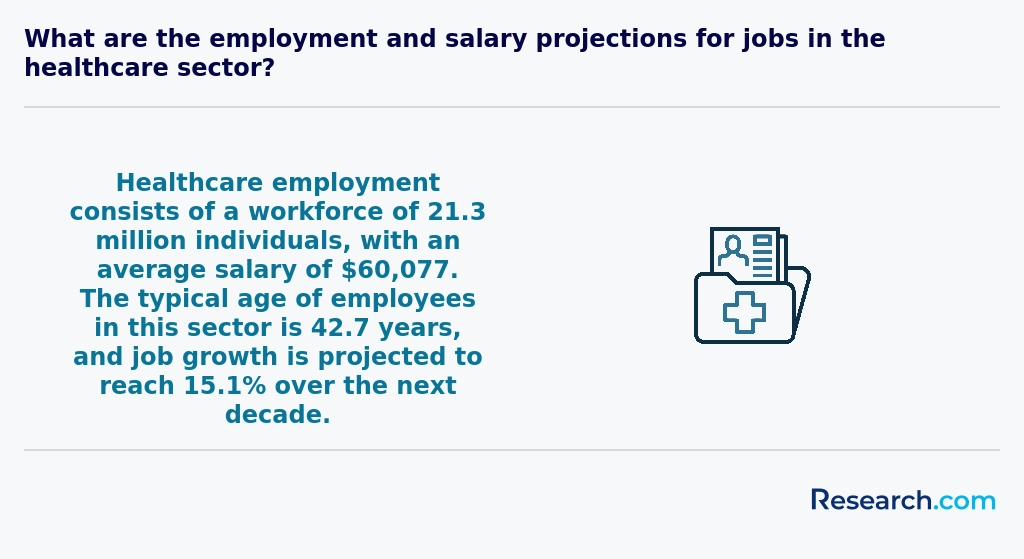
Many graduates from respected schools like the University of Michigan and Northeastern University share how federal financial aid transformed their health informatics journey. By completing the FAFSA, students unlock access to federal grants, such as the Pell Grant for some, and Federal Direct Unsubsidized Loans with manageable repayment plans. This support lightens the financial load and makes pursuing an online health informatics master's degree more achievable.
Scholarships and institutional grants specifically for health informatics are another lifeline. Graduates recall finding merit-based awards through program websites or university financial aid offices, often tailored to healthcare professionals eager to advance their careers. Imagine receiving a scholarship that acknowledges your dedication while easing tuition costs-that's a reality for many.
Employer tuition assistance is also vital. Many healthcare organizations, aware of the value of informatics expertise, offer reimbursement or support programs. With 56% of U.S. employers providing such aid, passionate students can often turn their job into a financial partner in their education.
State grants and loan repayment programs, like those from the National Health Service Corps, offer yet another opportunity for those willing to serve in underserved areas. This blend of federal, institutional, and employer resources makes funding an online health informatics degree in America much more accessible than it may seem at first.
To enroll in an online health informatics degree program in America, you'll typically need a bachelor's degree from an accredited institution, often in healthcare, IT, or a related field. Many graduates from popular schools like the University of Michigan or Johns Hopkins share that having a foundation in fields like biology or computer science makes the transition smoother. Some programs welcome students from diverse backgrounds but require you to complete prerequisite courses, ensuring you're ready to dive deep into this fast-growing field.
Maintaining a competitive GPA, usually around 3.0, is crucial-this reflects your dedication and ability to handle rigorous coursework. Many successful applicants submit strong letters of recommendation from professors or work supervisors who can attest to their passion and work ethic. For example, graduates often recall how these endorsements opened doors to their dream programs.
Work experience in healthcare or IT provides a valuable edge. Some who've worked in clinical settings or data analysis find it easier to apply their knowledge directly in coursework. However, many programs, like those at Northwestern University, also support recent grads eager to start fresh. Standardized tests like the GRE may be optional but check each program's policy carefully.
Finally, you'll need reliable internet and solid computer skills. Graduates often describe the convenience of studying remotely yet emphasize the importance of mastering digital platforms to stay on top of assignments and discussions. These technical skills keep you connected and engaged, making your online learning experience rewarding and effective.
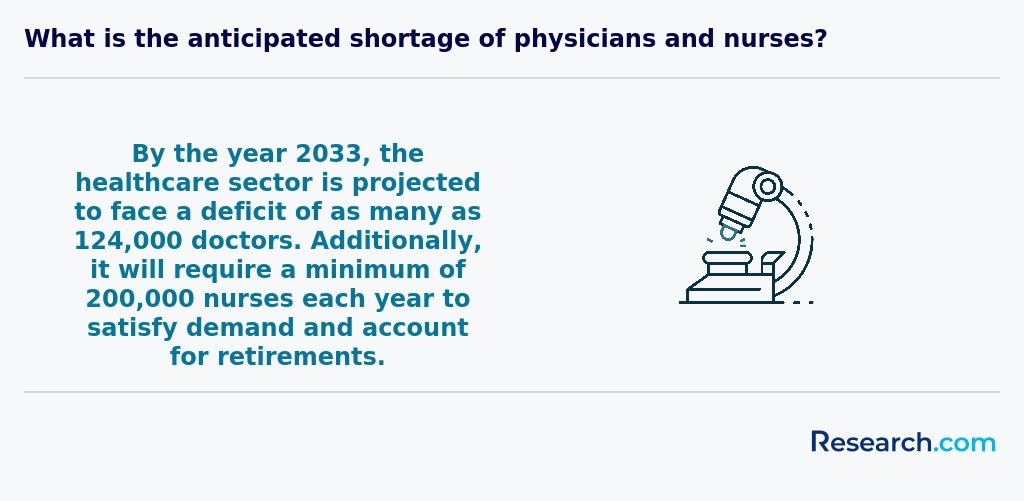
When you enroll in an online health informatics degree in America, you'll dive into courses that truly connect technology with patient care. Graduates from well-known universities share how foundational classes like Health Information Systems opened their eyes to the intricate workings of electronic health records and the challenges of keeping data flowing seamlessly across healthcare providers. Imagine being the person who ensures doctors have instant access to critical patient histories-that's the power of this knowledge.
Another course that students find transformational is Healthcare Data Analytics. This is where you build skills to analyze clinical data, uncover trends, and ultimately improve patient outcomes. Many students from respected programs say this gave them confidence to contribute meaningfully in real-world healthcare teams.
Courses in Health IT Project Management prepare you to lead vital tech projects in hospitals or clinics, an essential skill as the US healthcare IT sector grows rapidly. Finally, Health Policy and Ethics covers the legal and moral responsibilities you'll face, helping you navigate HIPAA compliance and patient privacy with integrity.
In America, students pursuing an online health informatics degree can explore diverse specializations that align with their passions and career ambitions. Clinical Informatics is a favored path for those wanting to improve patient care through mastery of electronic health records and clinical workflows. Graduates from this track often recount rewarding experiences collaborating with medical teams to bring data-driven solutions to life at institutions like the University of Illinois at Chicago.
Health Data Analytics is another dynamic specialization, leveraging big data and machine learning to uncover trends that impact population health. Those focused on this area enjoy opportunities to influence healthcare strategy and operational efficiency, especially in fast-growing roles highlighted in health informatics master's degree specializations America. The challenges and victories shared by graduates studying at places like Johns Hopkins University illustrate the real-world impact of their skills.
Many programs also offer tracks in Healthcare Information Systems Management and Public Health Informatics, preparing students to secure IT infrastructures or contribute to disease surveillance and community health. For those considering flexible learning options, reviewing health informatics certificate online programs offers insight into reputable paths that foster both expertise and career growth.
Choosing the best online health informatics degree in America means focusing on real-world value. Graduates from top programs at public universities often share how accreditation by CAHIIM not only ensured rigorous learning but also boosted their confidence entering competitive job markets. Imagine being trained on the latest electronic health records systems and analytics tools, skills that employers actively seek as the field grows rapidly.
Many affordable health informatics master's degrees in America balance quality with cost, especially through state universities where in-state tuition helps manage expenses without sacrificing curriculum depth. Flexibility matters too; working professionals appreciate programs with asynchronous classes and part-time options, which ease balancing work and study, a sentiment echoed by successful alumni from renowned colleges.
Don't overlook how strong connections to certification prep, like CHDA or CPHIMS, can elevate your career. Some graduates found that programs offering these pathways gave them a competitive edge. If you're eager for a comprehensive yet flexible path, explore master health informatics online options to find a program that fits your ambition and lifestyle perfectly.

Graduates with an online health informatics degree in America unlock a range of exciting opportunities that blend healthcare, technology, and data expertise. Many alumni from well-known schools like the University of Texas or George Washington University have stepped into roles such as Health Informatics Specialist, where they manage electronic health records (EHR) and collaborate closely with medical teams to enhance patient care. Others have found rewarding positions as Clinical Informatics Analysts, using data insights to streamline clinical workflows and improve outcomes in hospitals.
Some grads thrive as Health IT Project Managers, overseeing complex system implementations and ensuring healthcare providers receive the tools they need. Data Analysts in Healthcare are also in high demand, interpreting large datasets to support research and inform health policies - a perfect fit for those passionate about making data-driven decisions. These are just a few examples of diverse career paths in the growing field of health informatics career opportunities in the USA.
For those eager to start their journey, exploring options like the easiest nursing informatics programs to get into can be a practical step to jumpstart a thriving online health informatics jobs in America career.
The job market for online health informatics degree graduates in America is expanding rapidly, fueled by the growing integration of technology in healthcare. Many graduates from popular universities like Johns Hopkins and University of Texas have found success stepping into roles such as health data analyst or EHR implementation manager, benefiting from the strong demand across hospitals, clinics, and government agencies. This demand reflects broader trends where health informatics plays a crucial role in improving patient care and operational workflows.
For those exploring online health informatics careers in the USA, the opportunity to work in diverse settings-from telemedicine startups to large healthcare systems-is impressive. Graduates often share how their advanced skills in data management and IT prove indispensable. As one graduate noted, understanding the nuances of electronic health records helps them drive efficiency and regulatory compliance effectively.
Job outlook for health informatics professionals in America remains very promising, supported by projections showing 28% growth through 2031. If you're interested in charting a successful path, consider learning more about the nurse informaticist career to see how health informatics expertise elevates healthcare delivery.
2027 Most Affordable Online Master's in Health Informatics Degree Programs Ranking in the USA
Investing in your education is a significant decision that can profoundly impact your career and future. The Research.com team recognizes the challenges prospective students face and has dedicated extensive effort to ensure the quality, credibility, and accuracy of the "2027 Most Affordable Online Master's in Health Informatics Degree Programs Ranking in the USA." Our ranking is built on rigorous research and careful analysis to support informed educational choices.
We utilized the following reputable data sources to create this comprehensive ranking:
By consulting this ranking, readers will gain valuable insights into affordable and credible programs, enabling them to choose the best fit for their educational and professional goals. For more information about our methodology, please visit our Research.com methodology page.



Frequently Asked Questions About health informatics
Online health informatics students in America can maximize their learning by actively engaging with course materials and utilizing university resources. Participating in discussion forums and virtual study groups helps deepen understanding and build professional networks. According to the Bureau of Labor Statistics, employment in health informatics is expected to grow 36% from 2021 to 2031, making hands-on skills critical.
Students should also seek internships or practicum opportunities to gain real-world experience. Many programs partner with healthcare organizations, offering valuable exposure. Utilizing libraries, virtual labs, and faculty office hours supports academic success.
Finally, staying current on healthcare IT trends through trusted sources like the Healthcare Information and Management Systems Society (HIMSS) reinforces classroom knowledge.
The field of health informatics in America is rapidly evolving, creating new niche opportunities for professionals. One emerging area is telehealth informatics, driven by the rise of virtual care and remote patient monitoring technologies. The U.S. Department of Health and Human Services reported telehealth usage increased over 38 times during the COVID-19 pandemic, highlighting its growing importance.
Another niche is precision medicine informatics, which uses big data and genomics to tailor treatments to individual patients. The National Institutes of Health invests heavily in this area, aiming to improve outcomes by integrating personalized data.
Additionally, cybersecurity for healthcare systems is a critical and expanding specialty due to increasing cyber threats targeting medical records. The Bureau of Labor Statistics predicts healthcare information jobs will grow 17% through 2031, reflecting the demand in these emerging niches.
After completing an online health informatics degree in America, preparing for the job market requires strategic planning. Start by earning relevant professional certifications, such as the Certified Health Informatics Systems Professional (CHISP) or the Registered Health Information Administrator (RHIA). These credentials boost employability in the competitive healthcare technology field.
Engaging in internships or practicums during or after the program helps build practical skills and professional networks. According to the U.S. Bureau of Labor Statistics, employment for health informatics specialists is projected to grow 11% from 2022 to 2032, faster than average.
Networking through industry associations like the Healthcare Information and Management Systems Society (HIMSS) also offers valuable job leads.
Employers in the United States value a blend of technical and analytical skills in graduates with health informatics degrees. Proficiency in electronic health record (EHR) systems, such as Epic or Cerner, is highly sought after since these platforms dominate US healthcare facilities. Additionally, strong data analysis skills, including knowledge of SQL and statistical software, are essential for managing and interpreting health data effectively.
Critical thinking and problem-solving abilities help graduates address complex healthcare challenges, while communication skills are important for collaborating with clinical teams. According to the Healthcare Information and Management Systems Society (HIMSS), demand for professionals who understand regulatory compliance and data privacy, particularly HIPAA standards, continues to grow in the US healthcare sector.
Finding internships relevant to a health informatics degree in America requires strategic effort and knowledge of industry resources. Many universities offering online health informatics programs have partnerships with healthcare organizations that provide internship opportunities. Students should actively engage with their school's career services and alumni networks.
Professional associations like the American Medical Informatics Association (AMIA) often list internships and fellowships in health informatics fields. Additionally, platforms such as Handshake and LinkedIn post numerous internship openings tailored to US-based students.
According to the Bureau of Labor Statistics, health informatics is a growing field with a projected 17% job growth from 2022 to 2032, increasing demand for practical experience. Internships in hospitals, insurance companies, and government health agencies are common and help build industry connections.
An online health informatics degree in America significantly enhances career mobility and advancement opportunities. According to the U.S. Bureau of Labor Statistics, the health informatics field is expected to grow 36% from 2021 to 2031, faster than average for all occupations. This growth increases demand for professionals skilled in healthcare data management and analysis.
Graduates with online degrees can qualify for roles such as health informatics specialists, clinical informaticists, or IT project managers. Employers often value the flexibility and technical expertise gained through accredited online programs.
Additionally, holding a master's degree can boost salary potential. The American Medical Informatics Association reports median salaries around $100,000 annually for experienced professionals, indicating strong financial incentives tied to advanced education.
Studying for a health informatics degree in America equips students with skills that bridge healthcare, information technology, and data analytics. Programs emphasize collaboration across various fields such as clinical care, computer science, and management, preparing graduates for roles in diverse settings like hospitals, government agencies, and tech firms.
According to the U.S. Bureau of Labor Statistics, employment for medical and health services managers, which includes health informaticians, is projected to grow 28% from 2021 to 2031, reflecting high demand for interdisciplinary professionals.
Courses often include training in electronic health records, data privacy law, and big data interpretation, enabling students to communicate effectively with clinicians, IT specialists, and administrators.
This interdisciplinary approach is critical as healthcare increasingly relies on integrated technologies to improve patient outcomes and operational efficiency. Students learn project management and ethical decision-making tailored to healthcare environments.
Choosing between a thesis and a non-thesis health informatics degree in America depends largely on your career goals. Thesis programs emphasize research, ideal for students aiming to pursue doctoral studies or research roles. According to the U.S. Bureau of Labor Statistics, health informatics is growing at 17% annually, so research skills could provide an advantage in innovation-driven jobs.
Non-thesis programs focus more on practical skills and coursework, preparing graduates for immediate entry into clinical or administrative roles. Many accredited online programs, such as those recognized by CAHIIM, offer both options. Typically, thesis track students spend 6-12 months completing their research, while non-thesis track students finish with capstone projects or comprehensive exams.
Consider your learning style, interests, and time availability. Non-thesis paths may be more flexible for working professionals. Reviewing the curriculum and career placement rates at prospective schools can also guide your decision.
Students in America interested in studying health informatics abroad have several online options that partner with international institutions. Many U.S. universities collaborate with foreign universities to offer joint or dual-degree programs in health informatics. These programs often provide credits recognized by both countries, enabling students to gain global perspectives without relocating.
According to the Commission on Accreditation for Health Informatics and Information Management Education (CAHIIM), accredited online programs ensure quality education regardless of location. Additionally, some European universities, especially in the UK and the Netherlands, offer fully online health informatics degrees open to U.S. students.
This global approach equips American students with knowledge applicable to international health systems, expanding their career opportunities in an increasingly interconnected healthcare environment.
Many part-time jobs in America can effectively complement education in health informatics. Positions such as medical records technician, clinical data analyst intern, or IT support specialist in healthcare settings provide practical experience with electronic health records (EHR) systems. According to the U.S. Bureau of Labor Statistics, health information technicians earned a median annual wage of $47,670 in 2022, reflecting strong demand and growth. Part-time roles in research hospitals or outpatient clinics also allow students to engage with data management and analytics tasks. These jobs help build relevant skills in data security, patient privacy laws, and healthcare software, bridging theory with real-world application.
Online health informatics students in America have access to various networking opportunities designed to connect them with peers, professionals, and industry leaders. Many accredited programs encourage participation in virtual career fairs, webinars, and discussion forums hosted by schools and professional organizations like the American Medical Informatics Association (AMIA).
Students also benefit from membership in these organizations, which often provide exclusive online networking events and mentoring programs tailored to health informatics. According to AMIA, members gain access to a national network of over 5,000 professionals, aiding career development and job placement.
Finally, some online programs partner with healthcare providers and tech companies offering internships or project collaborations, expanding real-world connections despite the distance learning format.
Alumni networks play a crucial role for students pursuing online health informatics degrees in America. These networks provide valuable professional connections, helping students access job opportunities in a growing field expected to expand by 17% from 2022 to 2032, according to the U.S. Bureau of Labor Statistics. Through alumni events and social media groups, students can engage with experienced professionals and gain insights about industry trends and certifications.
Furthermore, alumni networks often offer mentorship programs that assist students in navigating their careers and tackling challenges specific to health informatics.
Strong alumni connections can improve graduate employability in hospitals, IT firms, and government agencies focused on health data management.
Customizing an online health informatics degree in America allows students to align their education with specific career goals in a rapidly growing field. Many programs offer elective courses in areas like data analytics, healthcare management, or clinical informatics, enabling learners to focus on the skills most relevant to their desired roles.
Some universities also provide specialization tracks, which can range from health IT project management to bioinformatics. Additionally, students may choose capstone projects or internships tailored to industry settings such as hospitals, insurance companies, or government agencies.
According to the U.S. Bureau of Labor Statistics, employment for medical and health services managers, which often requires informatics expertise, is projected to grow 28% from 2021 to 2031, emphasizing the value of targeted learning pathways.
Online formats usually allow flexible pacing, helping professionals balance studies with work while tailoring their educational experience to their professional timeline.
Online health informatics students in America often face challenges related to balancing rigorous coursework with professional and personal commitments. Many students are working professionals, making time management a critical issue. According to the Healthcare Information and Management Systems Society (HIMSS), nearly 60% of health informatics students juggle full-time jobs alongside studies.
Another common difficulty is limited access to hands-on clinical or technical experiences, which are vital for this field. While simulations help, they may not fully replace in-person training, impacting skill development.
Additionally, students sometimes encounter technological barriers, such as unreliable internet access or insufficient familiarity with advanced software used in health informatics. Support services vary widely across programs, affecting student success rates.
An online health informatics degree opens the door to several respected professional certifications in the United States. One of the most recognized is the Certified Health Informatics Systems Professional (CHISP), which validates expertise in healthcare information systems. Another popular certification is the Registered Health Information Administrator (RHIA), offered by the American Health Information Management Association (AHIMA), focusing on managing patient health data securely and effectively.
The Certified Professional in Health Informatics (CPHI™) is also notable, emphasizing advanced knowledge in health IT applications. These certifications enhance job prospects in a growing field projected to expand by 17% through 2031, according to the U.S. Bureau of Labor Statistics. Pursuing these credentials after completing an online degree can significantly boost a graduate's credibility and career advancement opportunities.
To write a winning application for an online health informatics program in America, start by clearly outlining your academic background and any relevant professional experience. Health informatics programs often value candidates with a blend of healthcare and IT skills. Be sure to highlight your understanding of data management, electronic health records, or health information systems.
Next, tailor your personal statement to explain your career goals and why you want to specialize in health informatics. Use specific examples of your achievements or projects related to healthcare technology or data analysis.
Include strong letters of recommendation from supervisors or professors who can attest to your skills and commitment.
Finally, check your application carefully for completeness and follow all instructions provided by the university. According to the American Medical Informatics Association, the demand for experts in health informatics is expected to grow by over 20% through 2030, so showing a clear motivation to enter this field can boost your chances.
Health informatics is increasingly recognized worldwide as a critical field that bridges healthcare and technology. In the United States, the Bureau of Labor Statistics projects a 17% growth in health information jobs from 2020 to 2030, much faster than the average for all occupations. This growth is mirrored globally, as countries invest in digital health to improve patient outcomes and reduce costs.
In many regions, including Europe and Asia, health informatics professionals help implement electronic health records and telemedicine, areas where the U.S. is also a leader. American training programs emphasize interoperability and data security, reflecting international standards and collaborations.
For U.S.-based students, understanding these global trends highlights the versatility and demand for informatics skills in a worldwide context, opening opportunities beyond domestic healthcare systems.
Gaining practical experience during an online health informatics degree in America is essential for career readiness. Many programs offer virtual internships or practicum opportunities in collaboration with healthcare organizations, allowing students to apply theoretical knowledge. According to the American Medical Informatics Association, hands-on experience can improve job prospects in a market expected to grow 16% through 2031 (U.S. Bureau of Labor Statistics).
Students can also engage in case studies, simulation projects, and use specialized health IT software to build skills. Joining professional groups such as HIMSS offers networking and mentorship opportunities. Some universities partner with hospitals or health tech companies to facilitate remote practicum placements, providing invaluable industry exposure without geographical constraints.
Choosing the right concentration within an online health informatics degree in America depends on your career goals and interests. Popular specializations include clinical informatics, data analytics, and health information management. Clinical informatics focuses on improving patient care through technology, while data analytics emphasizes interpreting healthcare data to support decision-making.
Consider workforce demand; the U.S. Bureau of Labor Statistics projects a 15% growth for medical and health services managers, which includes roles in health informatics, from 2021 to 2031. Research programs accredited by CAHIIM for quality assurance. Additionally, review faculty expertise and available practicum opportunities, as hands-on experience can enhance your readiness for industry roles.
- Master's in Health Informatics (MSHI) Online | USF Health https://www.usfhealthonline.com/programs/masters-degree/ms-health-informatics/
- 100 Percent Online Master's in Health Informatics - MSHI Degrees https://www.mhaonline.com/faq/fully-online-ms-health-informatics-programs
- Online Healthcare Informatics Training Course https://www.aapc.com/education/continuing-education/healthcare-informatics-course
- Health Informatics Personal Statement Examples and Tutoring | Vince Kotchian Test Prep https://vincekotchian.com/personal-statements/health-informatics-personal-statements/
- Health Informatics Career Form https://www.cambridgehealth.edu/health-informatics-career-form/
- Health Informatics Career Guide | DiscoverDataScience.org https://www.discoverdatascience.org/articles/guide-to-a-career-in-health-informatics/
- Online Master's in Health Informatics: Review Schools & Programs https://www.edumed.org/online-schools/health-informatics-degrees/masters/
- A Complete Guide to Studying Health Informatics in the USA https://www.applash.ai/study-health-informatics-usa
- 11 Health Informatics Careers for Master’s Graduates to Consider https://www.nec.edu/news/health-informatics-careers
- 5 Tips for Applying to a Master's in Healthcare Informatics Program - Healthcare Administration Degree Programs https://www.healthcare-administration-degree.net/lists/5-tips-for-applying-to-a-masters-in-healthcare-informatics-program/