
2027 Most Valuable Fine Arts Degree Programs Ranking in College Park

Co-Founder and Chief Data Scientist
Choosing the right fine arts degree program in College Park can shape your future in exciting ways. This article features the 2027 Most Valuable Fine Arts Degree Programs Ranking in College Park, created by the Research.com team of data scientists to guide you toward the best options available.
With this ranking, you'll gain valuable insights to make an informed decision that fits your passions and career goals. Pursuing a fine arts degree opens doors to creativity, growth, and fulfilling opportunities. Explore the programs that truly stand out in 2027.
Key benefits of getting fine arts degree in College Park
- Salary for fine arts degree graduates: Graduates in fine arts fields like Animator and Illustrator can earn impressive salaries, with mean annual wages of $109,630 and $71,420 respectively, reflecting strong earning potential.
- Career paths: A fine arts graduate from the University of Maryland, College Park, often pursues creative roles such as Graphic Artist or Art Therapist, enjoying diverse and fulfilling career opportunities.
- Online degree benefits: Earning a fine arts degree online from a College Park institution offers flexibility and access to innovative programs, making it easier to balance studies with personal commitments while gaining valuable skills.
- 2027 Most Valuable Fine Arts Degree Programs Ranking in College Park
- What can I expect from fine arts degree in College Park?
- Where can I work with fine arts degree in College Park?
What can I expect from fine arts degree in College Park?
The price tag for a fine arts degree in College Park can feel like a vibrant canvas itself-complex, layered, yet surprisingly approachable. At the University of Maryland, College Park, where many fine arts dreamers shape their futures, the annual tuition hovers around $30,000 for out-of-state students, while in-state attendees enjoy a more budget-friendly palette at roughly $11,000 per year. Graduates often recall juggling studio fees, art supplies, and digital lab access like a well-rehearsed dance, turning investment into priceless experiences.
Imagine a student balancing their budget while creating a sculpture that later graces a regional gallery, or crafting digital art in cutting-edge studios that feel more like playgrounds than classrooms. This blend of cost and opportunity energizes every brushstroke and pixel, making the financial commitment a tangible investment in both craft and connection. The personalized mentorship and access to exhibitions act as hidden bonuses that no price tag can fully capture.
Where can I work with fine arts degree in College Park?
Imagine walking through a vibrant gallery in downtown College Park, where a fine arts graduate from the University of Maryland curates an exhibit blending local culture with cutting-edge design. This is not just a dream; it's a typical career path. Graduates often find themselves weaving creativity into educational roles, inspiring students across Prince George's County as art teachers, merging passion with purpose inside classrooms.
Others dive into the bustling arts and culture scene near Washington, D.C., shaping exhibitions or managing projects at nonprofits that thrive on innovation and community spirit. A graduate might hop from coordinating gallery openings to collaborating with grassroots art councils, turning ideas into immersive experiences.
There's also the thrilling freelance world, where creative souls craft digital campaigns or sketch branding concepts for local startups. Many leverage digital savviness gained at College Park's renowned art programs to craft stunning multimedia content that captures attention in a noisy world.
Community-driven graduates develop workshops that transform public spaces into canvases of expression, embodying the heart of Prince George's County's arts and humanities outreach-where every brushstroke fuels connection.
Imagine graduating from a fine arts program at the University of Maryland in College Park and stepping into the vibrant creative scene. As a graphic artist, you could expect to earn around $64,700 per year, wielding your digital brush to craft visuals that captivate audiences. This salary reflects a nice balance of creativity and financial stability, making it a popular path for many graduates.
Perhaps your passion lies in illustration, where storytelling through images can command an annual wage of about $71,420. Graduates who embraced this path often share stories of landing freelance gigs and gallery projects, bringing both artistic fulfillment and solid income.
For those dabbling in digital realms, animation shines with a mean annual wage soaring to $109,630. Students at College Park often revel in internships within D.C.'s booming media industry, turning their dreams into high-paying realities.
And if healing through art calls to you, becoming an art therapist grants a comfortable mean salary of $75,660, blending empathy with creative expression in rewarding ways.
- In-state tuition for fine arts programs in College Park ranges from $10,000 to $12,000 per year.
- Out-of-state students can expect to pay over $35,000 annually at public institutions.
- Private schools in the area charge tuition upwards of $40,000 per year.
- Starting salaries for fine arts graduates average around $38,000 annually, increasing to about $55,000 with experience.
- Key employers include design studios, galleries, educational institutions, and government arts agencies.
- Many graduates supplement income through freelance work or teaching positions while building their careers.
Finishing a fine arts degree in College Park feels like unfolding a four-year story filled with vibrant canvases and late-night studio sessions. At the University of Maryland, many graduates recall juggling roughly 120 to 130 credit hours-each one a brushstroke contributing to their artistic mastery. Picture yourself immersed in foundational courses, then diving into specialized studios that challenge your creativity and craft every semester.
Of course, the rhythm can change. Some students stretch their journey by embracing internships that add real-world spark but may extend those years. Others ride accelerated tracks or double up with a master's, creating a whirlwind of growth and deadlines that redefine time itself.
Whether full-time or part-time, the adventure is tangible. You'll feel the buzz of late nights in studios, materials spreading across desks, and the thrill of exhibitions marking milestones. Every moment in College Park's fine arts scene is part of a deeply personal, evolving timeline.
Imagine stepping into a bustling studio at the University of Maryland in College Park, brush in hand, colors swirling under warm lights, the hum of peers exchanging spontaneous ideas and critiques. This is the heartbeat of on-campus fine arts-a tactile, immersive dance where sculpting, painting, and digital media unfold through hands-on practice and face-to-face mentorship. Graduates often reminisce about late-night gallery visits and the creative buzz that fueled their passion.
Contrast this with the quiet focus of an online learner balancing art with a job or family life. From their home workspace, they navigate video lessons and upload digital portfolios, crafting masterpieces under flexible hours. Online fine arts in College Park might lack the physical buzz of a studio, but it offers a distinctive rhythm-self-motivation pulsing through every pixel and stroke. Graduates treasure the freedom to explore their vision uninterrupted, trading in-person hustle for personalized discipline.
Both paths converge on recognized degrees with similar tuition-around $11,000 per year for in-state students at College Park's top institutions-but diverge deeply in experience, rhythm, and creative camaraderie.
When weighing Fine Arts degree options in College Park, MD, understanding the return on investment (ROI) is crucial for making an informed decision. On average, in-state tuition for a bachelor’s Fine Arts degree hovers around $22,609 per year, while out-of-state students may pay up to $39,895 annually. By comparing these costs against mean annual salaries-$64,500 for Graphic Artists, $69,870 for Illustrators, and $111,130 for Animators-you can estimate a typical payback period of 3–5 years post-graduation. This metric helps you gauge how quickly your artistic education translates into financial stability. To optimize your ROI, consider program length and additional expenses like studio fees and art supplies. A four-year Bachelor of Fine Arts with average total costs of $90,436 (in-state) can be recouped faster if you secure roles in high-demand digital fields or animation studios. For example, an Animator earning the local median wage can offset tuition in under three years, whereas portfolio-based fields may take a bit longer depending on market demand. Exploring flexible or lower-cost alternatives can further improve ROI. For instance, some students begin with a two-year associate program at community colleges-reducing total expenses by nearly 50%-before transferring to a four-year institution. Additionally, researching regional affordability can uncover hidden opportunities; our Most Affordable Fine Arts Degree Programs Ranking in Vermont highlights programs that balance low tuition with strong alumni outcomes, offering valuable comparisons for budget-minded artists. Ultimately, calculating ROI involves assessing tuition, living costs, expected entry-level salaries, and potential scholarship or grant support. By factoring in these elements, you can choose a Fine Arts path that not only nurtures your creativity but also secures your financial future.
Imagine the journey of a fine arts student at the University of Maryland in College Park, balancing creativity with the realities of cost. The average cost of a fine arts degree here is around $11,809 for in-state students, a figure that reflects the median total cost, combining tuition, fees, and living expenses. Graduates recall investing not only in their tuition but also in the palette of materials-paints, canvases, and sculpting tools-that bring their visions to life, embedding the experience with tangible commitment.
Out-of-state students face a steeper financial climb, with costs soaring past $58,000. This gap underscores a decisive factor in planning your fine arts degree expenses in College Park. Yet, the satisfaction of turning a blank canvas into a vibrant masterpiece echoes louder than the numbers. Many find hope in scholarships and aid that soften the financial brushstrokes, enhancing accessibility for passionate artists.
One graduate remembers late-night studio sessions fueled by nothing but determination and the glow of a desk lamp, a common scene for fine arts students here. Those moments define the intangible value behind numbers. While tuition shapes the structural foundation, housing, supplies, and personal costs paint the full picture of living and learning in this artistic hub.
If you're wondering how to navigate the fiscal landscape of arts education, exploring resources can illuminate your path. Just as the creative process involves trial and error, so does budgeting-perhaps connected to broader decisions like the Tennessee teacher licensure process for future educators blending art and instruction.
Ultimately, the average cost of fine arts degree College Park invites you into a world where creativity flourishes amid financial planning, blending passion with pragmatism in the pursuit of artistic excellence.
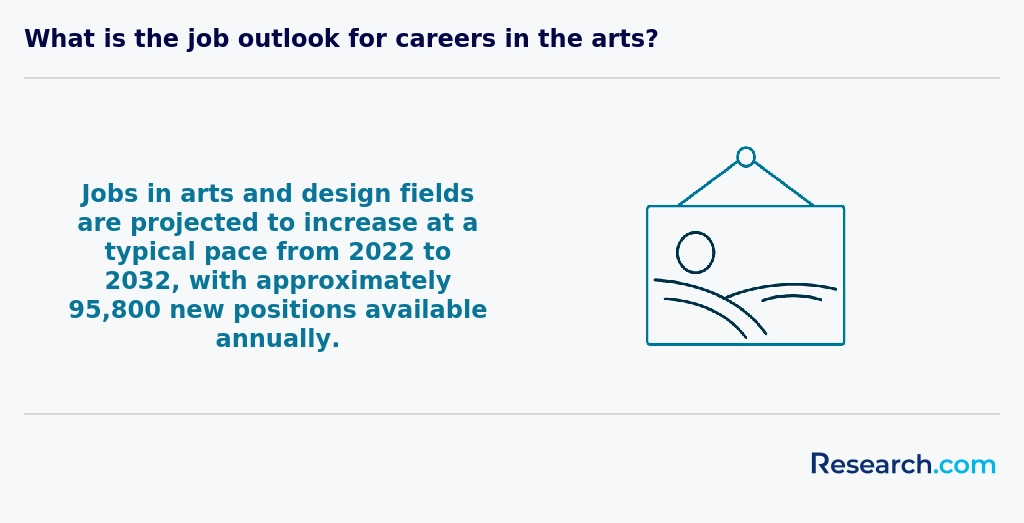
The fine arts landscape is evolving rapidly, driven by digital innovation, cross-disciplinary collaboration, and growing demand for immersive experiences. Between 2020 and 2030, the U.S. Bureau of Labor Statistics projects a 4% growth in arts-related occupations, with digital media roles-such as digital illustrators and multimedia artists-leading the surge. In College Park, MD, proximity to tech hubs in Washington, DC, and Baltimore amplifies opportunities for graduates to engage in augmented reality (AR), virtual reality (VR), and interactive installations that blend art and technology. Emerging sectors like NFT art platforms, sustainable art practices, and experiential design are reshaping career paths. Graduates skilled in 3D modeling, motion graphics, and user-experience design are increasingly sought after by start-ups and cultural institutions alike. Local galleries and museums are partnering with artists on community-driven projects, while tech incubators in the region are scouting creative talent to develop next-generation media. This trend underscores the importance of staying current with software like Unity and Unreal Engine, as well as mastering visual storytelling techniques. Students interested in expanding their digital skill set may even explore related fields-such as a degree for video game design-to position themselves at the intersection of art and interactive entertainment. By integrating fine arts foundations with interactive design principles, graduates can unlock roles in game studios, edutainment, and simulation development, where demand for visually compelling content continues to rise. To leverage these trends, fine arts students in College Park should seek internships with local VR labs, attend workshops at regional innovation centers, and build a dynamic online portfolio showcasing both traditional and digital work. Engaging in professional associations-such as the College Art Association (CAA) and Digital Artists Guild-can provide networking channels and access to cutting-edge research, ensuring that graduates remain competitive in a creative economy shaped by rapid technological advancement.
Imagine a fine arts student at the University of Maryland in College Park, portfolio brimming with creativity but budget squeaking under the pressure of $11,000 in-state tuition. Federal Pell Grants often feel like a lifeline here-need-based, non-repayable, and capable of covering up to $7,395. Graduates often recall this grant as their creative fuel, turning dreams into murals rather than mounting debt.
Beyond federal help, the Maryland State Grant offers a steady $3,000 lifeboat for in-state visionaries who prove financial need. Many artists in College Park share how this state-level support transformed uncertain semesters into studios alive with experimentation instead of stress.
Merit-based scholarships from the School of Art add another brushstroke of hope, rewarding talent and academic dedication with tuition relief. Anecdotes of recipients reveal how winning these scholarships felt like a collaborative handshake from the university, recognizing their artistic voice.
Work-study jobs, often nestled within the fine arts department, weave practical experience with paychecks, allowing students to immerse in the campus creative scene while easing expenses. Graduates fondly remember these roles as both learning moments and financial anchors.
College Park not only offers rigorous academic programs but also a vibrant campus life that fuels creativity and personal growth. Students can take advantage of a myriad of extracurricular opportunities, including art clubs, gallery exhibitions, workshops, and collaborative projects that extend learning beyond the classroom. Many prospective students are drawn to the supportive creative community found on campus, where networking events and artist meetups pave the way for long-lasting professional relationships. Engaging in campus activities also helps deepen an understanding of a locality’s cultural heritage and artistic trends. For those seeking a dynamic educational environment that marries academic excellence with real-world artistic engagement, exploring options like becoming a valuable fine arts school in maryland can be a transformative choice. Overall, the blend of robust campus life and exceptional creative resources creates an immersive experience that prepares students not only academically, but also socially and professionally for the competitive art world.
At College Park, unlocking the door to a fine arts degree starts with crafting a portfolio that whispers your artistic soul. Graduates often recall how their collection of paintings and digital experiments became a vivid handshake with the admissions committee, revealing creativity far beyond test scores or transcripts. The University of Maryland, College Park, for instance, expects this portfolio to be a mosaic of your genuine voice-sketches, sculptures, or digital murals that tell your story.
Alongside your artwork, letters of recommendation from art mentors or professionals act like echoes of your passion, amplifying your dedication to the craft. Imagine sitting down to pen a personal statement that paints your dreams with bold strokes, explaining why fine arts breathe life into your future.
Though standardized tests like the SAT or ACT sometimes peek in, College Park's art programs cherish your GPA in art classes more-an academic canvas reflecting your steady brushwork. Scholarships and financial aid, especially at flagship schools here, make this dream accessible, softening the edges of tuition costs that hover around $10,778 annually for in-state students.
For those with raw potential but shy from experience, foundation courses act as gentle mentors, ready to guide your hands and heart into the rhythm of college-level art. Some schools even invite you to interviews or auditions, a chance to verbally sketch your vision beyond the static portfolio.

A thriving campus environment can play a pivotal role in shaping a Fine Arts education beyond classrooms and studios. Prospective students often look for more than just rigorous coursework-they seek a dynamic community that nurtures creativity, encourages collaboration, and provides opportunities to engage with fellow artists through extracurricular activities, clubs, and gallery events. In College Park, MD, many institutions integrate immersive experiences such as hands-on workshops, live performances, and interactive exhibitions that not only foster artistic growth but also build lasting networks. Students can benefit from mentorship programs, student-run art shows, and collaborative projects that mirror real-world creative industries, enhancing both skill sets and professional confidence. For a closer look at institutions that excel in offering such enriching experiences, consider insights from this valuable fine arts school in maryland. Embracing campus life fully can transform a student's educational journey, making it both a memorable and a highly effective stepping stone toward a successful career in the arts.
Picture yourself inside a bright, bustling studio at the University of Maryland, College Park, where the scent of charcoal and the tap of chisels are part of daily rhythm. Here, fine arts students dive into Drawing and Painting classes, blending traditional strokes with modern flair, chasing that perfect balance between technique and free expression.
Take Sculpture, for instance-graduates recall the thrill of shaping raw clay into something alive, or fusing metal with bold ideas, transforming cold materials into warm stories that catch the eye.
Art History classes don't just recite facts; they ignite minds with tales of Renaissance rebels and modern visionaries, creating a backdrop for your own creative rebellion.
For those who crave innovation, Printmaking, Photography, and Digital Arts courses open doors to quirky prints, evocative photos, and multimedia wonders crafted on Adobe Creative Suite-tools that turn imagination into digital reality.
In studios and classrooms alike across College Park's vibrant campuses, students feel the pulse of past and future melding, driving their unique artistic journeys forward into the world.
Imagine stepping into a studio in College Park where a fine arts degree specializations in College Park unfold like a vibrant palette. Here, painting and drawing students experiment boldly with color and form, channeling emotion into canvas. Sculpture enthusiasts mold clay and metal, giving shape to imagination that graduates recall as tactile freedom. Photography students click through analog and digital lenses, capturing fleeting moments with both technical skill and artistic soul. Those drawn to printmaking mix etching and lithography techniques, blending tradition with daring innovation.
Graphic design concentrations meld creativity with real-world impact, preparing graduates for dynamic careers in advertising and multimedia. Textile and fiber arts students weave tangible stories through fabric, while interdisciplinary arts programs ignite boundary-pushing ventures across performance and digital realms. These College Park fine arts program concentrations cultivate not just skills but a lively, adaptive mindset.
Many graduates from institutions known in the area reflect on their journeys of self-discovery, supported by studios that buzz with energy and faculty who inspire vision. For those seeking flexibility, exploring online doctorate programs with low tuition offers an unexpected path forward amidst this rich creative landscape.
Choosing the best fine arts degree programs College Park offers feels like stepping into an artist's palette, rich with colors and textures unique to each institution. Graduates often recall the thrill of hands-on studio time at the University of Maryland, where state-of-the-art workshops stretch the imagination and transform raw ideas into tangible creations. Imagine late nights crafting sculptures under expert guidance or diving deep into digital media courses that blur lines between technology and expression.
Affordable fine arts colleges in College Park balance budget concerns with creative ambition. Graduates share how they navigated tuition costs around $10,900 annually while investing in materials that fueled their art. Some praise programs for career services that helped them build portfolios and connect with internships, turning passion into profession. One advised maximizing these resources early, a step as crucial as choosing the right studio light or brush.
Beyond tuition, immersion matters-faculty who inspire through active research and exhibitions, plus access to galleries buzzing with fresh ideas. When it comes to finding your path, tapping into alumni networks here can open doors decades down the line. And if you're curious about education routes beyond art, check out Illinois teacher certification renewal as an unexpected avenue for expanding your creative impact.

Visualize a sculptor turned gallery curator thriving in Washington, D.C.'s dynamic cultural institutions, fueled by the region's support for public art projects. Another graduate might blend digital savvy with artistic flair, shaping brand identities or storytelling through animation. Such job prospects expand beyond simple gallery walls, embraced fully by those from local universities and colleges famous for nurturing creativity.
The students who venture down these paths often balance traditional education with practical experiences. Some even explore highly rated affordable online early childhood education, blending arts with teaching to inspire new generations. College Park graduates capture a mosaic of livelihoods where creativity and community intersect.

Fine arts degree job outlook College Park shines with a vibrant pulse where creativity meets opportunity. Graduates often find themselves immersed in dynamic scenes-collaborating at design studios leveraging the area's tech edge, or curating exhibits just a metro ride away in Smithsonian-affiliated galleries. Imagine a recent graduate from a popular College Park university who, armed with rich portfolios and networking savvy, lands a role in an advertising agency crafting impactful campaigns. Such stories are common here, fueled by the region's blend of tradition and innovation.
College Park fine arts career opportunities extend deeply into education, from K-12 art programs to adult workshops, embracing those passionate about nurturing creativity. Yet, salaries vary widely; a graphic designer in Maryland might earn a median of around $63,000, while entry-level educators in nonprofits might start lower. Still, the joy of contributing to a community thriving on artistic expression often outweighs initial financial constraints.
For prospective students weighing costs, remember Maryland's average tuition near $11,400 annually for public institutions. This investment can pay off in a rich job market where a fine arts degree opens doors.
Exploring options, some turn to the valuable fine arts school in maryland to balance quality education and career potential in this competitive, growing landscape.
2027 Most Valuable Fine Arts Degree Programs Ranking in College Park
Investing in your education is a significant decision that can shape your future, and the Research.com team understands the importance of making informed choices. To assist prospective students in College Park, we have meticulously crafted the "2027 Most Valuable Fine Arts Degree Programs Ranking in College Park." Our commitment to quality, credibility, and accuracy is reflected in the extensive research and analysis conducted to compile this ranking.
We utilized the following reputable data sources to ensure a comprehensive evaluation of fine arts programs:
By exploring this ranking, readers will gain valuable insights into the most valuable fine arts degree programs available in College Park, empowering them to make well-informed decisions about their educational journeys. For more details on our methodology, please visit our Research.com methodology page.

Frequently Asked Questions About fine arts
Fine arts degree students in College Park can enhance their learning by actively engaging with the University of Maryland's extensive resources. The university offers access to state-of-the-art studios, galleries, and performance spaces that enable hands-on practice. Participating in local art exhibitions and collaborating with peers across disciplines also fosters creative growth. According to the National Center for Education Statistics, students involved in experiential learning show higher retention and skill acquisition. Additionally, seeking internships or assistantships in nearby Washington, D.C., helps students gain professional experience while expanding their networks within the vibrant regional arts community.
Emerging niches within the fine arts field reflect the growing influence of technology and interdisciplinary approaches. In College Park, students are increasingly exploring digital arts, where traditional techniques meet animation, 3D modeling, and virtual reality. According to the University of Maryland's Department of Art, this area has seen a 15% enrollment increase over the past five years.
Another niche gaining traction is socially engaged art, which emphasizes community collaboration and activism. This approach aligns with national trends highlighting art's role in social justice and public discourse.
Additionally, conservation and art restoration are becoming vital, especially as aging collections require skilled professionals. The American Institute for Conservation reports a steady demand growth in this specialization.
These niches offer fine arts students in College Park diverse pathways beyond traditional studio practices.
After completing a fine arts degree in College Park, graduates should focus on building a strong professional portfolio. Portfolios showcasing diverse work can significantly improve job prospects in competitive creative fields.
Networking plays a crucial role; attending local art exhibitions, workshops, and University of Maryland alumni events helps connect with artists and potential employers. According to the National Endowment for the Arts, about 71% of artists find jobs through networking and referrals.
Internships with galleries, design firms, or cultural institutions in the Washington, D.C. metro area provide valuable experience and local industry insight. Additionally, graduates should refine digital skills, such as graphic design software, to meet current market demands.
Employers in College Park highly value fine arts graduates who demonstrate strong creativity and technical proficiency. Key skills include mastery of various artistic media, digital tools, and software commonly used in design and visual arts. Communication skills are essential, as artists must clearly express their concepts to clients and collaborators.
Critical thinking and problem-solving abilities also rank prominently, enabling graduates to adapt to diverse project demands. According to a 2023 report by the Maryland Higher Education Commission, 68% of local arts employers prioritize collaborative skills and professionalism in their hiring criteria. Familiarity with art history and cultural literacy further supports graduates' versatility in the job market.
Finding internships in College Park for fine arts students involves leveraging local resources and university connections. The University of Maryland, located in College Park, offers a strong network through its arts departments and career centers, which regularly post internship opportunities in galleries, museums, and design studios.
Students should also explore partnerships between the university and cultural institutions like the College Park Arts Exchange and local community arts programs. According to the National Association of Colleges and Employers (NACE), relevant internships significantly increase job prospects after graduation.
Additionally, attending campus events, art shows, and networking sessions can connect students with professionals in the field. Online platforms like Handshake, frequently used by College Park students, also list tailored fine arts internships.
A fine arts degree in College Park can significantly impact career mobility and advancement within the creative sectors. Graduates often find opportunities in galleries, museums, design firms, and arts administration, as College Park is near cultural hubs like Washington, D.C. This proximity expands professional networks and internships, increasing chances for career growth. According to the National Endowment for the Arts, individuals with fine arts degrees see above-average employment in artistic roles, and local arts employment in the D.C. metro area grew by 6% from 2018 to 2023. Skills acquired in these programs support roles in education, digital media, and community arts.
Studying for a fine arts degree in College Park offers unique opportunities to prepare students for interdisciplinary roles by integrating diverse fields such as digital media, design, and technology. Many programs emphasize collaboration across disciplines, encouraging students to work with peers in computer science, communication, and business. According to the University of Maryland's Department of Art, this approach equips fine arts graduates with adaptable skills valued in creative industries and emerging tech sectors.
Courses often include hands-on projects that blend traditional arts with contemporary digital practices. This prepares students for careers requiring both artistic insight and technical expertise.
Additionally, College Park's proximity to Washington, D.C., provides access to internships and partnerships that foster real-world interdisciplinary experience, strengthening graduates' professional versatility.
Choosing between a thesis and a non-thesis fine arts degree program in College Park depends largely on your career goals and learning preferences. A thesis program emphasizes original research or a creative project, often suited for students aiming at academic, research, or advanced artistic careers. It typically requires producing a substantial body of work under faculty supervision.
In contrast, non-thesis programs focus more on practical skills and coursework. These are ideal for students seeking to enter the workforce quickly or those concentrating on applied art disciplines. According to data from the National Center for Education Statistics, College Park institutions offer about 35% of fine arts master's students thesis options.
Consider your interest in research and time commitment. Thesis tracks usually take longer to complete, while non-thesis routes provide more flexibility. Consulting program advisors at College Park schools can help clarify specific requirements and outcomes for each path.
Students based in College Park seeking to study fine arts abroad benefit from several practical options through their home institutions. The University of Maryland, College Park, for example, offers robust study abroad programs tailored to art majors. These programs include partnerships with schools in Italy, France, and Spain, where students can immerse themselves in masterclasses and cultural experiences relating to fine arts.
Additionally, financial aid and scholarship opportunities are often available specifically for study abroad in creative fields, helping to offset costs. According to the university's 2023 data, roughly 15% of fine arts students participate in overseas programs during their degree.
This international exposure provides valuable global perspectives and portfolio development, highly regarded by employers and graduate programs in the fine arts sector.
Students pursuing fine arts degrees in College Park have access to various part-time jobs that deepen their practical skills. Local galleries and art studios frequently offer roles such as gallery assistants or exhibition coordinators, providing hands-on experience with art curation and event management. According to the University of Maryland's career services, positions in campus theaters or digital media labs allow students to apply design and multimedia skills directly related to their coursework.
Additionally, many area nonprofits and community centers seek art instructors for youth programs, which helps students build teaching experience. Freelance opportunities like commissioned artwork or photography are also common, enabling students to develop client relations while earning income.
Fine arts students in College Park benefit from a variety of networking opportunities that connect them with faculty, peers, and professionals in the creative industries. The University of Maryland, College Park, hosts regular events such as art exhibitions, guest lectures, and workshops featuring established artists and alumni.
Students can join the Fine Arts Student Advisory Council and other campus organizations, promoting collaboration and professional growth. Additionally, the university's proximity to Washington, D.C., enables access to major galleries, museums, and art festivals, expanding networking beyond campus.
According to the National Center for Education Statistics, involvement in these activities significantly improves students' access to internships and job placements after graduation.
Alumni networks play an important role for fine arts degree students in College Park by providing valuable connections within the creative industry. These networks often include successful artists, curators, and educators who graduated from nearby institutions like the University of Maryland. By joining alumni events and workshops, students gain access to mentorship opportunities that can guide career development and portfolio improvement.
Alumni connections also increase access to internships and job openings in local galleries and cultural organizations. According to the National Endowment for the Arts, networking significantly boosts job prospects in creative fields. In College Park, the close-knit alumni community fosters collaboration and supports emerging artists in navigating competitive markets.
Students pursuing fine arts degrees in College Park have several options to tailor their programs according to career aspirations. Many institutions offer concentrations such as painting, sculpture, digital arts, or curatorial studies, allowing focused skill development. Elective courses and interdisciplinary studies enable students to combine fine arts with fields like art history, marketing, or digital media.
Colleges often provide studio opportunities and internships related to local galleries and cultural institutions, which help build professional networks. According to the National Center for Education Statistics, about 60% of fine arts students participate in internships, enhancing career readiness. Students should consult academic advisors to design curricula aligning with specific goals, such as animation, teaching, or gallery management.
Fine arts students in College Park often face several challenges throughout their education. One common issue is the high cost of tuition and materials, which can strain students financially. According to the National Endowment for the Arts, art supplies alone can add hundreds of dollars each semester. Additionally, balancing studio work and academic coursework demands significant time management skills, as fine arts programs require extensive practice and critique sessions.
Students also navigate the competitive job market post-graduation. Data from the Bureau of Labor Statistics shows that creative occupations grow slower than average, adding pressure to develop diverse skills. Access to professional networks and internships in the College Park area can be limited compared to larger cities, making career advancement challenging.
With a fine arts degree in College Park, graduates can pursue several professional certifications to enhance their careers. One common path is obtaining a teaching certification, which allows graduates to teach art at public schools. In Maryland, candidates typically need to complete additional coursework and pass certification exams through the Maryland State Department of Education.
For those interested in art therapy, certification as a Registered Art Therapist (ATR) is available, requiring relevant clinical experience and a master's degree in art therapy or a related field.
Additionally, fine artists can seek credentials through organizations like the National Association of Schools of Art and Design, which recognize professional development and expertise.
Writing a winning application for a fine arts program in College Park begins with a clear and focused portfolio. Schools emphasize creativity, technical skill, and originality, so include diverse work that best represents your artistic voice. According to the University of Maryland's admissions data, portfolios heavily influence acceptance in their fine arts department, which is highly competitive.
In addition, a well-crafted personal statement is essential. Clearly explain your passion for fine arts, career goals, and why College Park is the right environment for your growth. Admissions committees value honesty and reflection.
Finally, secure strong letters of recommendation from art instructors or professionals who can attest to your skills and commitment. This comprehensive approach improves your chances significantly.
Fine arts careers are increasingly viewed through a global lens, reflecting shifts in creative industries worldwide. In the US, including College Park, fine arts programs prepare students to engage with diverse cultural perspectives and international markets. According to the National Endowment for the Arts, employment in arts-related fields is expected to grow by 4% through 2031, emphasizing adaptability in a global context.
Many fine arts graduates from College Park pursue careers not only as artists but also in design, media, and education fields linked to global trends. This versatility is vital as digital platforms expand access and collaboration internationally. The University of Maryland, located in College Park, highlights its connections to global art networks, encouraging cultural exchange and broad career opportunities.
Gaining practical experience while pursuing a fine arts degree in College Park is crucial for developing skills and building a professional portfolio. Many students participate in internships with local galleries, theaters, or design firms, which provide hands-on learning and industry exposure. The University of Maryland, located in College Park, offers various student-run galleries and performance spaces where students can showcase their work and collaborate with peers.
Additionally, students often engage in community art projects and exhibitions, enhancing their real-world experience. According to the National Endowment for the Arts, over 40% of fine arts students benefit from such experiential learning opportunities nationwide, which is reflected locally in College Park's vibrant arts scene.
Choosing the right concentration within a fine arts degree in College Park involves understanding your personal interests alongside local academic offerings. Universities in College Park provide concentrations such as painting, sculpture, digital media, and graphic design. It is important to review course catalogs and faculty expertise to find programs matching your passion and career goals.
Consider the job market as well: according to the Maryland Higher Education Commission, digital arts have seen a 12% growth in local creative job openings over the past five years. Visiting campus studios and speaking with current students can also offer practical insights.
Additionally, evaluate program resources like studio space and technology access, which vary across institutions in College Park.
- 2027 Most Valuable Fine Arts Degree Programs Ranking in Washington
- 2027 Most Valuable Fine Arts Degree Programs Ranking in Baltimore
- 2027 Most Valuable Fine Arts Degree Programs Ranking in Lynchburg
- 2027 Most Valuable Fine Arts Degree Programs Ranking in Pittsburgh
- 2027 Most Valuable Fine Arts Degree Programs Ranking in Brooklyn
- 2027 Most Valuable Fine Arts Degree Programs Ranking in New York
- 2027 Most Valuable Fine Arts Degree Programs Ranking in Raleigh
- 2027 Most Valuable Fine Arts Degree Programs Ranking in Ithaca
- 2027 Most Valuable Fine Arts Degree Programs Ranking in Greensboro
- 2027 Most Valuable Fine Arts Degree Programs Ranking in New Haven
- Fine and… at University of Maryland-College Park | Vaia https://www.vaia.com/s/degree/university-of-maryland-college-park/fine-and-studio-arts-ba/
- ArtsConnection Alumni Network - ArtsConnection https://artsconnection.org/artsconnection-alumni-network/
- Certificate of Fine Arts | CFA Programs - New York Academy of Art https://nyaa.edu/continuing-studies/certificate-of-fine-arts/
- Looking for opportunities in fine arts? Use networking skills to build connections https://learn.rumie.org/jR/bytes/looking-for-opportunities-in-fine-arts-use-networking-skills-to-build-connections/
- Jobs | Academy of Fine Art https://academy-of-fine-art.com/en/jobs-en/
- Bachelor of Fine Arts: Guide to Duration, Curriculum, and Career Paths - Artemisia College https://www.artemisiacollege.com/blog/bfa-guide-duration/
- Internships https://www.mfa.org/working-at-the-mfa/internships
- How to Use Art Challenges to Push Your Creative Boundaries - OCAD https://artcoursework.com/how-to-use-art-challenges-to-push-your-creative-boundaries/
- 6 Tips for Selecting a School for Art Majors https://thecollegesolution.com/6-tips-for-selecting-a-school-for-art-majors/
- Is a thesis always mandatory in a master's degree program? - EFMU: The Euler-Franeker Memorial University and Institute https://euler.euclid.int/is-a-thesis-always-mandatory-in-masters-degree-program/


