
2027 Most Popular Fine Arts Degree Programs Ranking in Philadelphia

Co-Founder and Chief Data Scientist
If you're considering pursuing a fine arts degree in Philadelphia, choosing the right program is an important step. This article presents the 2027 Most Popular Fine Arts Degree Programs Ranking in Philadelphia, created by the Research.com team of data scientists to guide your decision.
By exploring this ranking, you'll gain insight into the most sought-after programs, helping you find one that fits your passions and goals. A fine arts degree can open doors to creative careers and personal growth. Let's explore the options available and find the perfect path for you.
Key benefits of getting fine arts degree in Philadelphia
- Salary benefits: Graduates with fine arts degrees in Philadelphia can expect strong earning potential in creative fields, such as animators making around $109,630 annually or illustrators earning about $71,420. These competitive salaries reflect valuable skills gained through the degree.
- Career paths: A fine arts graduate from a local university like the University of the Arts in Philadelphia often explores diverse careers such as graphic artist, animator, or art therapist, offering exciting opportunities to transform passion into a rewarding profession.
- Online degree advantages: Earning a fine arts degree online from institutions like Temple University allows flexible learning schedules and access to broad resources, perfect for balancing creativity with other life commitments while still achieving quality education.
- 2027 Most Popular Fine Arts Degree Programs Ranking in Philadelphia
- What can I expect from fine arts degree in Philadelphia?
- Where can I work with fine arts degree in Philadelphia?
What can I expect from fine arts degree in Philadelphia?
The average cost of pursuing a fine arts degree in Philadelphia typically ranges between $15,000 and $40,000 per year, depending on the institution chosen. For example, students attending popular local universities often balance tuition with financial aid options specifically tailored for the arts, helping to reduce the overall burden. Graduates from these programs frequently share how scholarships and grants eased their path, allowing them to focus more on creative exploration rather than financial stress.
When budgeting, it's crucial to consider not just tuition but also living expenses and art supplies, which can add up. Many students find part-time internships at institutions like the Philadelphia Museum of Art or Pennsylvania Academy of the Fine Arts valuable-not only for practical experience but also as opportunities to offset costs. Planning ahead and seeking out local scholarships or assistantships tied to Philadelphia's arts community can make this investment manageable and rewarding.
Where can I work with fine arts degree in Philadelphia?
Graduates with fine arts degrees in Philadelphia often find rewarding careers at institutions like the Philadelphia Museum of Art or the Barnes Foundation, where they can work as artists, curators, or educators. Those who studied at schools such as the University of the Arts or Community College of Philadelphia frequently share experiences of securing teaching positions in local public or private schools, bringing creativity directly to classroom settings.
Many graduates also thrive in community-centered roles, such as managing public art projects for nonprofits like the Mural Arts Program, which combines artistic skill with project management, offering a fulfilling way to impact neighborhoods. Others enter the commercial sector, joining design agencies or media companies where they apply fine arts expertise in graphic design and digital media, merging traditional skills with technology.
Philadelphia's vibrant arts economy supports steady opportunities, and alumni often describe the excitement of showcasing work in local galleries or city-wide events like Philadelphia Open Studios, making this city a place where creative careers grow alongside a supportive community.
Graduates with fine arts degrees in Philadelphia can anticipate diverse earning potential depending on their chosen career paths. For example, graphic artists in the area earn a mean annual wage around $64,700, providing a stable income option for those leveraging their artistic skills in design-focused roles. Graduates from institutions like the University of the Arts or the Pennsylvania Academy of the Fine Arts have reported finding rewarding graphic design positions that combine creativity with reliable paychecks.
Illustrators, another common career route for fine arts graduates, command mean wages around $71,420 annually. This role suits graduates who enjoy storytelling through visuals, often working freelance or in media studios across Philadelphia's bustling creative sector. Additionally, animators stand out with an average annual salary exceeding $109,000, attracting graduates excited by digital arts and multimedia opportunities in the city's expanding creative economy.
Art teachers in Philadelphia also benefit from steady income streams, earning an average of $70,740 per year. Many fine arts graduates supplement their earnings by teaching at local schools or colleges, balancing creative practice with education. These combined income strategies help graduates navigate Philadelphia's competitive arts market confidently and sustain fulfilling artistic careers.
- Fine arts degrees in Philadelphia include Bachelor of Fine Arts (BFA) and Master of Fine Arts (MFA) with focuses like painting, sculpture, graphic design, and digital arts.
- Annual tuition costs range from $15,000 to $40,000, with four-year BFA total tuition reaching between $60,000 and $160,000 depending on the institution.
- Additional expenses such as supplies, materials, and studio fees should be considered in the overall cost of fine arts programs.
- Starting salaries for fine arts graduates in Philadelphia range from $35,000 to $40,000, with experienced professionals earning between $50,000 and $70,000 annually.
- The job market shows about a 5% growth in art-related jobs over the past five years, with opportunities in galleries, museums, design firms, and nonprofits.
- Internships and networking are emphasized in many programs to improve employment prospects after graduation.
Completing a fine arts degree in Philadelphia typically takes about four years for a Bachelor of Fine Arts (BFA) when attending full-time. Graduates from schools like the University of the Arts often share how balancing studio practice, art history, and theory within this timeframe helped them develop a strong artistic foundation. Those pursuing a Master of Fine Arts (MFA) usually spend two to three years at institutions such as Temple University, focusing on advanced studio work and culminating in a thesis exhibition.
Some students choose part-time enrollment or extend their studies to accommodate internships in Philadelphia's vibrant arts scene, which can add a year or more but offer invaluable experience and networking opportunities. Community colleges offering associate degrees allow for a quicker two-year completion, providing a practical stepping stone to a BFA or a direct entry into creative jobs.
Planning your course load carefully and taking advantage of local galleries and internships can make your studies more efficient and rewarding, keeping you motivated throughout your fine arts journey.
Applying to Fine Arts degree programs in Philadelphia, PA involves several key steps and timeframes to ensure your application is competitive and submitted on time. First, research each institution’s specific requirements-most schools like the University of the Arts and Moore College of Art & Design post deadlines for portfolio submissions, letters of recommendation, and personal statements on their admissions pages. Aim to begin your application process at least six months before the preferred term: for fall enrollment, many programs require completed applications by December or January, while spring admits often close by September or October. Next, compile your portfolio with a curated selection of 10–15 works that showcase your strongest techniques and creative range. Digital portfolios should adhere to file-size limits and file-type guidelines (often JPEG or PDF), so review each school’s specifications in advance. Simultaneously, request letters of recommendation from instructors or professional mentors a month before deadlines to give your referees adequate time. Draft your personal statement early, focusing on your artistic vision, relevant experiences, and career goals. Don’t forget to submit your FAFSA by the federal priority deadline (usually June 30) to maximize eligibility for federal grants and work-study programs. State grant applications, such as those through PHEAA, often close by February 1 for Pennsylvania residents, so mark your calendar accordingly. If affordability is a top concern, you may also explore out-of-state programs in other regions-for comparative insights, see our rankings of the Cheapest Fine Arts Degree Programs Ranking in New Mexico, which can help you weigh cost versus program fit. Finally, track your application status through each school’s portal and schedule any required interviews or portfolio reviews. Staying organized with a timeline checklist will help you meet all requirements, avoid last-minute stress, and present a polished, professional application that reflects your commitment to a Fine Arts education in Philadelphia.
Choosing between online and on-campus fine arts degrees in Philadelphia means weighing hands-on experience against flexibility. On-campus students at institutions like the University of the Arts Philadelphia enjoy direct access to studios, workshops, and galleries, allowing immediate feedback from professors and peers during live critiques. Graduates often recall how face-to-face interactions sparked creative breakthroughs and built lasting connections within Philadelphia's vibrant arts community.
In contrast, online fine arts programs suit those balancing work or family, offering asynchronous lessons and virtual critiques. Many online students appreciate the convenience but miss the tactile experience of studio time and spontaneous peer collaboration. Public universities providing online degrees tend to be more affordable-sometimes costing about half the price of private on-campus options-making them attractive for budget-conscious learners in the area.
Ultimately, those excited by rich, immersive environments may thrive on campus, while students seeking flexibility and lower costs might find online programs more practical. Both paths demand dedication, but your choice shapes the way you engage with Philadelphia's dynamic art scene.
Students often highlight the vibrant campus culture and community engagement as integral parts of their overall educational experience in Philadelphia’s Fine Arts programs. Beyond classroom learning, the day-to-day life at these institutions offers dynamic studio sessions, collaborative projects, and interactive workshops that foster creativity and personal growth. Campus events, from art exhibitions and pop-up galleries to community outreach initiatives, create a nurturing environment where students evolve both artistically and socially. Many prospective students research the opportunities available at the most popular fine arts school, not just for its academic excellence, but also for its commitment to fostering an inclusive community that celebrates diverse artistic expressions. This immersive atmosphere plays a pivotal role in shaping a well-rounded artist, offering both critical skills and lifelong networks that bolster future career success.
The average cost of a fine arts degree in Philadelphia reflects a balance between tuition, fees, and living expenses, with in-state students typically spending around $47,505 for the full degree. This figure encompasses both tuition and additional costs, providing a clearer financial picture than annual tuition alone. Graduates from well-known schools like Temple University or University of the Arts often recall budgeting carefully for materials and studio fees on top of tuition, which can add $1,000 to $2,000 yearly to the cost.
Living in Philadelphia during your studies means accounting for housing, food, and transportation expenses. Many fine arts students describe their experience as vibrant yet manageable with proper planning, noting that living costs generally range between $12,000 and $18,000 per year. This makes the total investment for a fine arts degree not just about tuition but a comprehensive lifestyle expense.
The Philadelphia fine arts degree tuition and fees vary widely by institution type. Public universities offer more affordable pathways, especially for residents, while private colleges command higher tuition but often come with enhanced resources. Financial aid and scholarships targeted at arts students can significantly ease this financial commitment.
For students exploring options, it's helpful to look at the most popular fine arts school choices in Philadelphia, where you can see differences in cost and program focus firsthand. Many graduates emphasize that the investment pays off through rich educational experiences and networking opportunities in this culturally vibrant city.

Maximizing value while minimizing expenses is essential for aspiring fine arts students. Start by applying for institution-specific scholarships and grants, often reserved for high-achieving or underrepresented artists. In Philadelphia, schools like the University of the Arts and Moore College of Art & Design offer merit-based awards-be sure to meet their application deadlines and portfolio requirements. Consider enrolling first in a local community college, such as the Community College of Philadelphia, to complete general education credits at a fraction of the cost before transferring to a four-year BFA program. Federal work-study programs and on-campus art lab assistant positions not only reduce tuition bills but also build real-world experience. Don’t overlook state-level aid: the Pennsylvania State Grant can cover up to several thousand dollars per year for eligible residents. Professional associations-like the College Arts Association-also offer competition-based scholarships and small grants for travel, supplies, and research. For additional savings, explore low-residency or hybrid programs that blend online critique sessions with short on-campus intensives; these formats cut living and commuting expenses. If you’re open to programs outside Pennsylvania, review the Cheapest Fine Arts Degree Programs Ranking in New Mexico to find budget-friendly alternatives that still deliver quality instruction. By combining institutional funding, work-study, and strategic program selection, you can pursue your artistic ambitions without compromising financial stability.
Fine arts students in Philadelphia can access a variety of financial aid options to help manage tuition and fees, which commonly range from $15,000 to $50,000 annually depending on the school. Federal aid programs are a key resource: many graduates from institutions like the University of the Arts share how Pell Grants, which can provide up to $7,395 annually without repayment, significantly lowered their debt burden. Federal Work-Study opportunities also offer hands-on experience while earning money, which some Pennsylvania Academy of the Fine Arts students have used to fund materials and studio costs.
State grants through Pennsylvania's State Grant Program often provide around $4,000 to eligible in-state students, easing expenses for those attending local public schools. Meanwhile, dedicated scholarships at Philadelphia schools frequently reward artistic talent and academic achievement, with awards ranging from $1,000 to full tuition coverage-something many fine arts graduates describe as a crucial lifeline during their studies.
Additionally, private scholarships from arts organizations in Philadelphia supply flexible funding that can cover travel for portfolio development or specialized workshops, further supporting student success and creative growth in real-world settings.
The Fine Arts field in Philadelphia is evolving rapidly as technology, cultural shifts, and innovative teaching methods reshape traditional art practices. Emerging trends include the integration of digital media into classical art forms, an increased emphasis on sustainability in art production, and a growing market for interactive and immersive experiences in galleries and public spaces. These changes are not only redefining the artistic process but also opening new career paths for graduates. As industries such as gaming, film, and advertising lean more on creative digital illustration and animation techniques, Fine Arts programs are adapting their curricula to prepare students for these future challenges. Additionally, local institutions are placing a greater focus on experiential learning, collaborative projects, and partnerships with industry leaders, ensuring that their students can gain both creative skills and practical business insights. For instance, students might gain firsthand experience working on community-based art projects that align with current urban trends and social initiatives. If you are looking to see how traditional art education is meeting modern market demands, consider exploring resources from the most popular fine arts school listings, which highlight institutions that are successfully marrying heritage with innovation. Staying informed about these industry trends and future opportunities can empower prospective students and professionals alike to make strategic choices about their education and career paths in a dynamic creative landscape.
To enroll in a fine arts degree program in Philadelphia, applicants must first hold a high school diploma or equivalent, which provides the essential academic foundation. Graduates from well-known Philadelphia colleges often recall that maintaining a GPA around 2.5 to 3.0 was crucial for meeting minimum academic standards, ensuring they were prepared for college-level work.
A standout portfolio is indispensable. Many successful students remember the intense but rewarding process of assembling a collection of their best artwork. Philadelphia institutions typically expect portfolios to include a variety of media and neatly presented pieces, reflecting creativity and technical skill. This portfolio often serves as the primary way admissions committees gauge artistic potential beyond grades.
Letters of recommendation from art teachers or mentors helped many graduates express their passion clearly, adding a personal touch to their applications. Essays explaining why they chose fine arts in Philadelphia also gave them an edge by showing motivation and clear goals.
Standardized tests like the SAT or ACT are less emphasized, especially at art-focused schools here. Checking each school's requirements remains vital, but many artists found that their creative skills outweighed test scores in admissions decisions.
Exploring alternative degree options can enrich your artistic skill set and open doors to interdisciplinary careers. For instance, pairing a Fine Arts curriculum with a bachelor of liberal arts emphasizes critical thinking, communication and cultural studies-skills highly valued in gallery management, arts administration and creative consulting. • Interdisciplinary Strengths: A dual focus on fine arts and liberal arts cultivates adaptability, enabling you to navigate roles in education, marketing or nonprofit leadership with a well-rounded perspective. • Expanded Career Prospects: Graduates who combine studio practice with liberal arts coursework often pursue arts policy, public relations or community outreach, leveraging both creative talent and analytical insight. • Flexible Learning Formats: Many institutions offer joint or accelerated programs allowing credit-sharing between Fine Arts and Liberal Arts majors, reducing time-to-degree while maximizing skill diversity. • Enhanced E-E-A-T Credentials: Employers in museums, publishing and digital media increasingly seek candidates with proven artistic expertise alongside strong writing, research and project management abilities. By considering complementary pathways, you not only deepen your artistic practice but also strengthen your professional profile for today’s competitive cultural landscape.
Fine arts degree programs in Philadelphia typically include a diverse mix of courses designed to build both technical skills and artistic insight. Graduates often recall how classes like Drawing and Painting steadily improved their ability to express ideas visually, while Sculpture courses challenged them to experiment with shape and form using materials ranging from clay to metal. At institutions such as the University of the Arts and Pennsylvania Academy of the Fine Arts, students found that Art History courses deepened their understanding of the cultural context surrounding their work, making their creative process more meaningful.
Many students highlight the value of Digital Arts and New Media classes, which integrate modern technology and prepare them for the evolving art world. Practical skills in Printmaking and Photography round out the curriculum, offering hands-on experience that builds confidence. Electives in ceramics or graphic design allow for personal exploration, while portfolio critiques provide critical feedback to help polish professional presentations.
Students also appreciate courses focusing on business practices, equipping them with essential knowledge to navigate galleries, commissions, and marketing after graduation. Such a balanced curriculum ensures Philadelphia fine arts students leave programs ready to succeed creatively and professionally.
Fine arts degree specializations in Philadelphia focus on building practical skills across diverse creative fields. Common tracks include painting and drawing, where graduates from the University of the Arts develop mastery in oils, acrylics, and watercolors, preparing them for gallery exhibitions or commissions. Sculpture programs emphasize hands-on work with clay, metal, and wood, producing artists ready to tackle public installations or private collections. Temple University alumni often highlight graphic design as a specialization that successfully combines creativity with digital tools, opening career paths in advertising and web design.
Other popular areas include photography, teaching both technical and aesthetic skills in digital and analog formats, and printmaking, which covers etching and screen printing techniques geared towards producing reproducible artwork. Animation and digital arts programs at Drexel University train students in video production and interactive media, reflecting Philadelphia's growing media industry. Students who pursue a bachelor of liberal arts may also tailor their studies by combining multiple specializations, benefiting from Philadelphia fine arts programs with specializations that encourage interdisciplinary exploration and real-world application.
Start by identifying which fine arts discipline excites you most-whether it's painting, sculpture, or graphic design-since this focus shapes your academic path and career. Philadelphia offers strong programs at places like the University of the Arts and Tyler School of Art at Temple University, where graduates often highlight how specialized courses and extensive studio access fueled their creativity and growth.
Next, prioritize schools accredited by recognized bodies, ensuring your degree holds value with employers. Many students appreciate how these programs' hands-on learning-through galleries, workshops, and city arts events-provides concrete experience beyond the classroom, which is crucial for building confidence and real-world skills.
Cost is always a concern. Explore affordable fine arts colleges in Philadelphia and carefully assess tuition rates. You can also discover financial aid targeted for arts students to ease your budget. For a broader view on affordability, check out the Cheapest Fine Arts Degree Programs Ranking in New Mexico for additional financial planning insights.
Finally, look for programs with strong career support. Graduates from top Philadelphia schools often credit career counseling and internships for their smooth transition into the arts job market, turning academic passion into rewarding careers.
Graduates holding a fine arts degree in Philadelphia can pursue a variety of rewarding career paths that align with the city's rich artistic culture. Many find success as visual artists-painters, sculptors, or illustrators-who actively participate in renowned local galleries or sell their work through well-attended art shows. Others branch into graphic design roles within Philadelphia's vibrant advertising agencies or corporate offices, crafting compelling visual content that drives marketing efforts. Fine arts career opportunities in Philadelphia also include positions as art educators in schools or community programs, where graduates share passion and skills with aspiring artists.
Some graduates transition into curatorial or gallery management roles, overseeing exhibitions at cultural institutions known for their dynamic programming. Digital media arts offer another promising avenue, blending traditional artistry with animation, video game design, and multimedia production, thanks to Philadelphia's growing tech sector. Those seeking practical faster options might explore 6-month certificate programs that pay well online, which can complement or accelerate their career goals. These pathways offer a strong foundation for fine arts degree job prospects while enabling graduates to thrive in Philadelphia's creative economy.
The fine arts job opportunities Philadelphia offers are a mix of traditional and evolving roles. Graduates from institutions like the Pennsylvania Academy of the Fine Arts find positions in galleries, museums, and community arts education, often balancing passion with practical income needs. Employers increasingly value digital and multimedia skills, opening career paths in graphic design and animation that can provide more stable earnings. For example, graduates who supplement their portfolios with digital media coursework fare better in competitive markets.
Many graduates experience fluctuating freelance income, highlighting the importance of diversifying skills and networking within Philadelphia's vibrant creative community. Those attending popular local universities often combine studio practice with internships or part-time roles in curatorial or education departments to build sustainable career foundations.
Cost considerations are critical since a fine arts degree in Pennsylvania can range from $35,000 to $50,000. Prospective students should explore scholarships and grants to mitigate costs and realistically weigh these against local job prospects.
For students unsure about their path, exploring options like what's the easiest degree might offer clarity while planning their fine arts careers.
2027 Most Popular Fine Arts Degree Programs Ranking in Philadelphia
Investing in your education is a significant decision that can profoundly influence your future, and the Research.com team is fully aware of the importance of making well-informed choices. To support prospective students in Philadelphia, we have carefully developed the "2027 Most Popular Fine Arts Degree Programs Ranking in Philadelphia." Our dedication to quality, credibility, and accuracy is demonstrated through rigorous research and detailed analysis. We relied on the following trusted data sources to create a comprehensive and reliable ranking:
By consulting this ranking, readers will obtain valuable insights into the top fine arts degree programs in Philadelphia, empowering them to make confident and informed decisions about their academic and professional journeys. For further details on how this ranking was compiled, please visit our Research.com methodology page.





Frequently Asked Questions About fine arts
Fine arts degree students in Philadelphia can maximize their learning experience by engaging actively with the city's vibrant arts community. Philadelphia hosts over 50 art galleries and numerous museums, including the Philadelphia Museum of Art, which offers student discounts and special educational programs. Participating in local workshops and internships can provide valuable hands-on experience beyond the classroom.
Networking through organizations like the Philadelphia Artists' Network helps students gain professional connections and exhibit opportunities. Additionally, many Philadelphia universities collaborate with cultural institutions, enhancing access to resources and exhibits. Taking advantage of these opportunities improves both practical skills and career prospects in the competitive fine arts field.
Emerging niches within the fine arts field in Philadelphia reflect the city's evolving cultural and technological landscape. One growing area is digital and interactive art, where artists combine traditional techniques with digital media, virtual reality, and augmented reality. According to the Pennsylvania Council on the Arts, funding for digital art projects in Philadelphia has increased by 15% since 2020.
Another niche gaining traction is community-based public art. Philadelphia's commitment to public murals and installations creates expanding opportunities for artists to engage directly with diverse urban populations. Additionally, fine arts programs increasingly incorporate sustainable and eco-conscious practices, reflecting broader environmental trends in creative industries.
After earning a fine arts degree in Philadelphia, it is crucial to develop a strong professional portfolio showcasing your best work. Employers and galleries in the city often prioritize portfolios as a key measure of skill and creativity. Networking plays a vital role-joining local art organizations like the Philadelphia Artists' Collective or attending events at the Philadelphia Museum of Art can open doors to job opportunities. Additionally, gaining experience through internships at art studios or cultural institutions in the city increases employability. According to the Bureau of Labor Statistics, the Philadelphia region has a growing demand for designers and artists, with a 5% projected job growth through 2031. Enhancing business skills such as marketing and grant writing also improves career prospects in this competitive market.
Employers in Philadelphia seek fine arts graduates who combine creativity with practical skills. Strong technical abilities in mediums such as painting, sculpture, and digital design are essential. According to the National Endowment for the Arts, employers value proficiency in art software like Adobe Creative Suite, which enhances graduate employability.
Effective communication is also crucial. Graduates must clearly present their ideas and collaborate with clients or teams. Philadelphia's vibrant arts scene often demands adaptability, making flexibility and problem-solving key skills.
Portfolio development remains the primary way to showcase talent. A well-organized portfolio reflecting diverse techniques and concepts increases career prospects in Philadelphia's competitive market. Employers typically prioritize graduates who demonstrate both artistic vision and professional discipline.
Finding internships in Philadelphia relevant to a fine arts degree involves exploring local galleries, museums, and creative organizations that regularly offer opportunities. Institutions like the Philadelphia Museum of Art and the Pennsylvania Academy of the Fine Arts often provide internships tailored to fine arts students.
Students should also check university career centers, as schools like the University of the Arts in Philadelphia have partnerships with local arts institutions. According to the National Endowment for the Arts, internships in the arts can shape career paths, making early experience critical.
Online platforms such as Handshake and the Philadelphia Arts & Business Council's website are useful for locating internship openings specific to the city's creative sector.
A fine arts degree in Philadelphia can significantly enhance career mobility and advancement within the local creative industries. The city's growing arts sector offers diverse opportunities in galleries, design agencies, and cultural institutions, which often value formal education combined with a strong portfolio. According to the Philadelphia Cultural Alliance, arts-related jobs have grown by 12% over the last five years, highlighting increased demand for skilled artists and designers.
Graduates with fine arts degrees gain essential skills that open paths to roles such as graphic designer, art director, or curator. Networking in Philadelphia's vibrant arts community further supports career growth, with many institutions offering internships and apprenticeships tailored to graduates. Furthermore, fine arts holders often pursue additional credentials or certifications to diversify their expertise, boosting their employment prospects in competitive markets.
Studying for a fine arts degree in Philadelphia offers robust preparation for interdisciplinary roles by combining traditional artistic training with exposure to diverse fields. Philadelphia's vibrant arts scene and institutions encourage collaboration across media, technology, and design. Many programs emphasize critical thinking, digital skills, and project-based learning, equipping students to navigate careers that merge art with marketing, education, or digital content creation.
According to the National Endowment for the Arts, Philadelphia ranks among the top U.S. cities for artist employment, reflecting strong local demand for versatile creative skills. Universities often partner with museums and tech startups, providing real-world experience essential for interdisciplinary work.
When choosing between a thesis and a non-thesis fine arts degree program in Philadelphia, consider your career goals and learning preferences. Thesis programs typically involve a substantial research project or creative work, which is ideal for students aiming for advanced study or academic careers. Non-thesis programs often focus on practical skills and coursework, suiting those who plan to enter the professional art world directly.
The City of Philadelphia hosts renowned schools like the University of the Arts and Temple University, offering both options. According to the National Center for Education Statistics, about 40% of fine arts graduates in Philadelphia pursue thesis tracks for enhanced research experience.
Funding and time commitment also differ; thesis routes usually take longer but can open doors to grants or residencies. Weigh these factors carefully before deciding.
Students based in Philadelphia pursuing fine arts degrees have various opportunities to study abroad through their home institutions. Many Philadelphia universities, including the University of the Arts and Temple University, offer established exchange programs with partner art schools in Europe and Asia. These allow students to gain international experience while earning credits toward their degrees.
According to NAFSA's 2023 data, approximately 7% of Philadelphia fine arts students participate in study abroad programs, slightly lower than the national average of 9%. Popular destinations include Italy, France, and Japan, known for their rich art traditions.
Financial aid and scholarships specifically for study abroad in the arts are often available, reducing costs for eligible students. Advisors at Philadelphia colleges typically assist with program selection and credit transfer to ensure a smooth academic path.
Philadelphia offers diverse part-time job opportunities that complement fine arts degree education. Many students find roles as gallery assistants or museum attendants at institutions like the Philadelphia Museum of Art, gaining firsthand experience with art curation and exhibition. According to the Greater Philadelphia Cultural Alliance, over 200 arts organizations employ part-time staff annually.
Additionally, portrait or freelance artists can sell their work at local markets such as the South Street Spring Festival, fostering entrepreneurial skills. Teaching assistant positions in community art centers also provide practical exposure to educational methods. These roles enhance artistic development while supporting academic commitments.
Philadelphia offers fine arts students numerous networking opportunities through its vibrant arts community and educational institutions. Schools like the University of the Arts and Pennsylvania Academy of the Fine Arts host artist talks, gallery exhibitions, and workshops, enabling students to connect with established professionals and peers. According to the Philadelphia Cultural Alliance, the city boasts over 200 arts organizations, providing ample chances for collaboration and community engagement. Internship programs with local museums and galleries, such as the Philadelphia Museum of Art, also help students gain valuable experience and contacts. These opportunities are essential for career development in the competitive arts field.
Alumni networks play a crucial role in supporting fine arts degree students in Philadelphia. These networks provide access to experienced professionals who offer mentorship, career advice, and portfolio reviews, which are vital in the competitive art world. According to the National Endowment for the Arts, connections in creative fields significantly improve job placement rates after graduation.
Philadelphia's vibrant arts community benefits from strong alumni ties, particularly through institutions like the Pennsylvania Academy of the Fine Arts. Alumni often organize exhibitions and workshops, giving current students opportunities to showcase their work and build professional reputations.
Networking events and online platforms allow students to engage directly with alumni, fostering collaborations and internships that enhance practical experience before entering the job market.
Customizing a fine arts degree in Philadelphia allows students to align their education with specific career goals. Many local colleges offer flexible curricula with concentrations in areas like painting, sculpture, digital media, or art education. Students can often choose electives, studio courses, and internships relevant to their interests.
Philadelphia's rich arts community, including institutions such as the Pennsylvania Academy of the Fine Arts, provides opportunities for practical experience. Engaging in internships or cooperative programs with local galleries and museums can enhance professional skills.
Additionally, students may integrate courses from related departments such as graphic design or arts management to broaden their expertise and career options.
Fine arts students in Philadelphia often face financial challenges due to high tuition costs and limited funding opportunities. According to the National Endowment for the Arts, many arts programs receive less financial support compared to STEM fields, affecting resources available for students.
Another common challenge is access to professional gallery spaces and exhibition opportunities. Philadelphia's competitive art scene means students must work hard to gain visibility and build networks.
Additionally, balancing intensive studio work with academic coursework can be demanding. Time management is crucial as students juggle creating art, attending classes, and pursuing internships.
Finally, students may encounter limited job prospects locally after graduation, necessitating strategic career planning and flexibility.
With a fine arts degree in Philadelphia, graduates can pursue several professional certifications to enhance their career prospects. One common path is obtaining a teaching certification through the Pennsylvania Department of Education, allowing graduates to teach art at public schools. Additionally, certifications in art therapy or museum studies can open doors to specialized roles. The Art Therapy Credentials Board offers the Registered Art Therapist (ATR) credential, which requires relevant graduate education and supervised experience.
Philadelphia's rich cultural scene, including institutions like the Philadelphia Museum of Art, provides opportunities for certified professionals in curatorship and arts administration. According to the National Center for Education Statistics, art-related jobs in Pennsylvania are expected to grow by 8% through 2030, reflecting increasing demand for certified experts.
To write a winning application for a fine arts program in Philadelphia, start by thoroughly researching each school's requirements. Many top programs, such as those at the University of the Arts and Temple University, emphasize a strong portfolio showcasing technical skill and creativity.
Applicants should include an artist statement that clearly communicates their vision and influences. Admissions committees often look for originality as well as a coherent artistic voice.
Additionally, letters of recommendation from art instructors or professionals can strengthen your application by providing credible endorsements of your talent and work ethic.
Philadelphia institutions generally require standardized test scores and a detailed resume highlighting relevant experience or exhibitions. Preparing with enough lead time improves your chances.
Globally, a fine arts career is recognized for its cultural and creative contributions, but economic opportunities vary widely. In the US, including Philadelphia, fine arts graduates face a competitive job market, with the National Endowment for the Arts reporting that about 2 million people work in the arts sector nationwide.
Philadelphia's strong arts scene offers unique advantages. The city ranks high in per capita artist employment among major US metros, reflecting growing local demand for fine arts professionals. This aligns with international trends where vibrant cultural centers often provide more career opportunities.
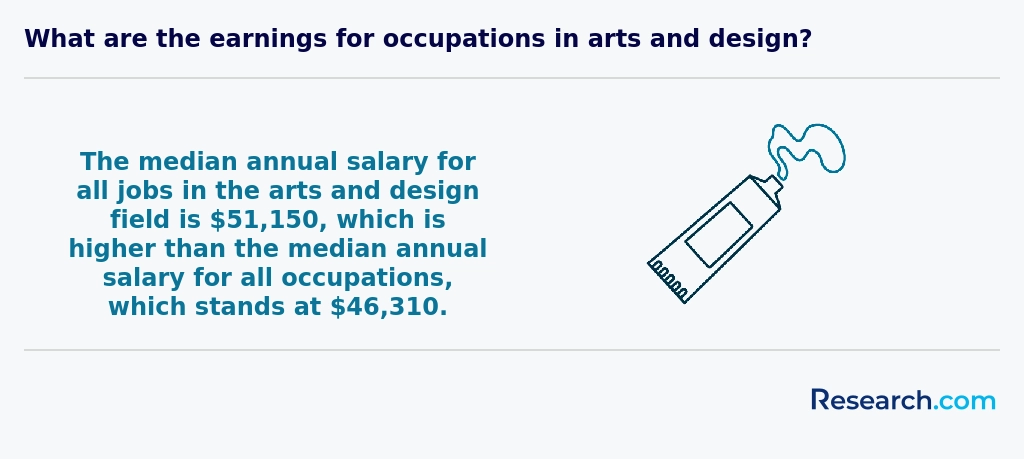
However, salary averages for fine arts graduates remain modest compared to other fields; data from the Bureau of Labor Statistics shows median annual wages for artists and related workers around $50,000.
These figures highlight the importance of combining artistic skill with business and digital competencies to succeed globally and locally.
Gaining practical experience while studying for a fine arts degree in Philadelphia is essential for building a strong portfolio and professional network. Students can participate in internships offered by local galleries, museums, and arts organizations, such as the Philadelphia Museum of Art and the Pennsylvania Academy of the Fine Arts. These institutions frequently collaborate with universities to provide hands-on opportunities.
Many Philadelphia art schools encourage students to engage in community art projects or work in campus galleries to showcase their work. Additionally, students often join artist collectives or attend workshops to refine their skills in a real-world context.
According to the National Endowment for the Arts, Philadelphia ranks among the top cities in the U.S. for arts employment, increasing local opportunities for fine arts students to gain valuable experience.
Choosing the right concentration within a fine arts degree program in Philadelphia begins with identifying your personal interests and career goals. Philadelphia offers a variety of concentrations such as painting, sculpture, graphic design, and digital media, each catering to different artistic skills and job markets. According to the National Center for Education Statistics, programs in Pennsylvania prioritize hands-on studio time, which is crucial for skill development.
Consider the local art scene, too. Philadelphia hosts over 50 galleries and several art fairs annually, providing opportunities for networking and exhibitions. Concentrations aligned with the city's strong community art initiatives, like mural arts programs, can offer practical experience. Research each program's faculty expertise and alumni success to ensure a good match with your aspirations. Cost and program length also vary, impacting your decision.
- 2027 Most Popular Fine Arts Degree Programs Ranking in Brooklyn
- 2027 Most Popular Fine Arts Degree Programs Ranking in New York
- 2027 Most Popular Fine Arts Degree Programs Ranking in Baltimore
- 2027 Most Popular Fine Arts Degree Programs Ranking in Washington
- 2027 Most Popular Fine Arts Degree Programs Ranking in New Haven
- 2027 Most Popular Fine Arts Degree Programs Ranking in Ithaca
- 2027 Most Popular Fine Arts Degree Programs Ranking in Providence
- 2027 Most Popular Fine Arts Degree Programs Ranking in Worcester
- 2027 Most Popular Fine Arts Degree Programs Ranking in Rochester
- 2027 Most Popular Fine Arts Degree Programs Ranking in Pittsburgh
- Alumni Network at Moore https://moore.edu/alumni/
- Alumni network - ESMA https://www.esma-artistique.com/en/outreach/alumni-network/
- Benefits of Fine Arts Education: Creativity & Confidence Boost https://palcs.org/advantage-fine-arts-education-creativity-confidence/
- Tuition and Fees | PAFA - Pennsylvania Academy of the Fine Arts https://www.pafa.org/education/academic-programs/admissions/tuition-fees
- BA Hons Fine Art Enrolment Form https://www.oca.ac.uk/courses/ba-fine-art/
- Fine Arts https://www.wits.ac.za/course-finder/undergraduate/humanities/fine-arts/
- Fine Arts https://en.uap.edu.pl/admission/programmes/fine-arts/
- ArtsConnection Alumni Network - ArtsConnection https://artsconnection.org/artsconnection-alumni-network/
- What Alumni Say https://www.cityandguildsartschool.ac.uk/ma-fine-art/student-and-alumni-case-studies/
- Careers in Fine Art https://www.artcenter.edu/academics/undergraduate-degrees/fine-art/careers-in-fine-art.html


