2027 Most Valuable Fine Arts Degree Programs Ranking in Tuscaloosa

Co-Founder and Chief Data Scientist
If you're considering a fine arts degree in Tuscaloosa, this article is designed to guide you. It features the 2027 Most Valuable Fine Arts Degree Programs Ranking in Tuscaloosa, created by the Research.com team of data scientists. This ranking helps you understand which programs offer the best value and opportunities for your future.
Choosing the right program can shape your creative career and personal growth. By exploring these rankings, you'll gain insight into programs that align with your passions and goals. Your journey toward a rewarding fine arts education starts here.
Key benefits of getting fine arts degree in Tuscaloosa
- Fine arts graduates in Tuscaloosa can enjoy competitive salaries, with animators earning around $109,630 annually and illustrators approximately $71,420, making these careers financially rewarding.
- A graduate from the University of Alabama with a fine arts degree can pursue diverse paths such as graphic design, animation, or art therapy, allowing for creative expression and meaningful work.
- Obtaining a fine arts degree online offers flexibility, enabling students in Tuscaloosa to balance studies with personal commitments while gaining skills recognized by employers, as seen in successful online graduates.
- 2027 Most Valuable Fine Arts Degree Programs Ranking in Tuscaloosa
- What can I expect from fine arts degree in Tuscaloosa?
- Where can I work with fine arts degree in Tuscaloosa?
What can I expect from fine arts degree in Tuscaloosa?
The average cost of pursuing a fine arts degree in Tuscaloosa, particularly at the University of Alabama, is generally more affordable than many larger cities, especially for in-state students. Graduates often reflect on how the lower tuition fees gave them freedom to focus more deeply on their creative work without overwhelming financial stress. For instance, many found that maintaining a balance between studio expenses and tuition was feasible, thanks to the university's reasonable in-state rates combined with scholarships tailored to fine arts majors.
Tuscaloosa's community-driven support system also played a crucial role in easing financial concerns. Graduates recall how art scholarships and grants specifically designed for fine arts students helped cover materials, exhibition costs, and even travel to local galleries or cultural centers like the Dinah Washington Cultural Arts Center. This practical financial relief allowed them to immerse fully in their studies and artistic development.
Overall, the cost structure in Tuscaloosa encourages students to embrace their passion for arts without compromising their educational goals, nurturing confidence and creativity throughout their degree journey.
Where can I work with fine arts degree in Tuscaloosa?
Graduates with fine arts degrees from institutions like The University of Alabama in Tuscaloosa often find rewarding careers in education, teaching art at various levels within local public and private schools. The chance to inspire young minds through creative expression brings a deep sense of fulfillment and community connection. Many also step into roles at the university itself, gaining valuable experience as instructors or assistants in its respected Department of Art and Art History.
The city's thriving arts scene offers galleries and cultural centers like the Paul R. Jones Gallery or Kentuck Art Center, where artists showcase their work or collaborate on projects. Graduates often work as freelance painters, sculptors, or multimedia artists, enjoying the freedom and challenge of building their own artistic careers supported by a welcoming local market.
For those drawn to the performing arts, Tuscaloosa's theater groups and the Community Playhouse provide practical roles in production, stage design, and technical support, allowing graduates to blend creativity with teamwork. Others apply their artistic skills in marketing and graphic design roles, helping local businesses craft compelling brand identities with a personal touch.
Graduates of fine arts programs in Tuscaloosa, such as those from the University of Alabama, often find initial salaries ranging from $30,000 to $45,000, especially in roles like graphic design or art education. For example, a graphic artist in the area might start near the state median but can aspire to a mean annual wage of $64,700 nationwide, reflecting strong potential growth with experience.
Similarly, graduates pursuing careers as art teachers benefit from stable earnings, with mean national salaries around $70,740 annually. These figures align with local trends showing typical starting salaries between $40,000 and $55,000, influenced by teaching credentials and experience. Graduates who venture into illustration may find their work rewarding both creatively and financially, with mean pay reaching $71,420 yearly.
Some fine arts alumni develop specialized skills such as animation, where the financial prospects brighten considerably. Nationally, animators earn a mean wage exceeding $109,000, a promising target for those combining creativity with digital expertise, a skillset increasingly valued in Tuscaloosa's growing tech scene.
Passion and perseverance are often the keys to bridging the gap between entry-level and rewarding salaries, as many find success blending their talents with additional skills learned through vibrant local arts communities and continuing education.
- The University of Alabama in Tuscaloosa offers fine arts programs including visual arts, theater, and design.
- In-state tuition costs average around $11,000 per year, while out-of-state students pay about $30,000 annually including fees and supplies.
- Entry-level salaries for fine arts graduates range from $30,000 to $40,000 per year, increasing to $45,000 to $60,000 with experience.
- Career options include jobs in educational institutions, museums, galleries, and local creative firms like graphic design and media companies.
- Local arts organizations and the university provide valuable support for internships, portfolio reviews, and collaborative projects.
Completing a fine arts degree in Tuscaloosa typically takes about four years when attending full-time, a timeline familiar to many graduates from institutions like the University of Alabama. This period allows students to immerse themselves fully in both creative studios and rigorous academic coursework, balancing hands-on projects with art history and theory. Several graduates recall how this structured journey across eight semesters offered them just the right pace to develop their skills deeply without feeling rushed.
That said, the path is flexible. Some students extend their studies because they juggle part-time enrollment or engage in enriching internships, which add invaluable real-world experience. Others accelerate their progress by taking extra classes in summer sessions, driven by passion and commitment to see their work evolve rapidly. These variations highlight that while four years is the norm, personal ambition and life circumstances shape each student's unique timeline in Tuscaloosa's vibrant fine arts community.
Graduates from Tuscaloosa's fine arts programs often reflect on the clear contrast between online and on-campus experiences. Those who attended the University of Alabama recall the vibrant energy of studio classes-surrounded by peers, engaging directly with instructors, and accessing specialized equipment that fueled their creative growth. Painting or sculpture projects flourished with immediate feedback during lively critique sessions, making the on-campus environment deeply immersive and rewarding.
Conversely, graduates from online or hybrid programs appreciate the flexibility that comes with balancing studies alongside personal and work commitments. Virtual critiques, video demonstrations, and digital portfolio work allow creativity to persist beyond campus walls, though some miss the tactile connections of a physical studio. Hybrid formats that combine online coursework with occasional campus residencies offer a thoughtful bridge, particularly suited for those living in Tuscaloosa who seek both convenience and practical engagement.
Cost and access to resources also shape these experiences. While on-campus students embrace studio fees and housing as part of an immersive journey, online learners often benefit from reduced expenses though sometimes face technology fees. Both paths, however, can nurture artistic passion when aligned with personal circumstances and learning preferences.
Tuscaloosa offers more than just outstanding academics-it boasts a vibrant campus life that directly enriches the Fine Arts experience. Students not only have access to state-of-the-art studios, galleries, and performance spaces, but also enjoy numerous extracurricular opportunities like student-run art exhibitions, creative clubs, and community art projects. Engaging events such as local art fairs, workshop series, and collaborative projects foster a sense of belonging and offer practical avenues for networking with peers and industry professionals. The supportive community extends beyond the classroom, with campus career centers and alumni networks providing mentorship and guidance, helping students transition smoothly into the professional world of art. For those looking to explore further, our ranking of valuable fine arts programs in alabama delves into institutions that not only emphasize academic excellence but also create enriching campus environments tailored to creative thinkers.
The average cost of a fine arts degree in Tuscaloosa reflects the unique environment of this vibrant college town, where students pursuing their passion for art find both opportunity and challenge. For in-state students attending institutions like the University of Alabama, the median total expense hovers around $12,180, a figure that encompasses tuition, fees, and essential supplies. Graduates often recall the balance of stretching budgets while investing in quality materials and studio time, which is part of what shapes a fulfilling fine arts education.
Out-of-state students, however, face a notably higher price tag, with median costs reaching approximately $50,300. This considerable difference speaks to the value of residency in public universities here and encourages potential students to explore the full scope of their options carefully. Many find that financial aid and scholarships aimed especially at fine arts majors can soften these expenses, making a dream degree more attainable. Reflecting on their journeys, graduates emphasize the role of institutional support and resourcefulness in managing total expenses for fine arts degree Tuscaloosa.
Living in Tuscaloosa offers a dynamic backdrop where creativity flourishes amidst an affordable cost of living compared to larger cities. Students often share how this affordability supports their artistic growth and daily life. If you are considering teaching as a career after your fine arts degree, exploring pathways such as the nevada teacher certification steps can offer additional guidance and support as you plan your future beyond graduation.

Tuscaloosa offers much more than just classrooms and studios-it boasts a dynamic campus environment where creative expression thrives through diverse extracurricular activities and cultural events. Students can engage in art clubs, regular exhibitions, community workshops, and collaborative projects that foster a sense of belonging and enhance their academic experience. Many programs organize gallery tours, art fairs, and live demonstration sessions that allow students to interact with established local artists and industry professionals. Notably, the integration of on- and off-campus experiences helps aspiring artists build robust portfolios and networks that can be crucial in their professional journeys. For those looking to compare institutions and discover the most promising academic environments, exploring valuable fine arts programs in alabama can provide added insights into supportive and enriching campus cultures where creativity is celebrated around every corner.
Many fine arts students in Tuscaloosa find financial aid essential in shaping their educational journey, especially when attending institutions like the University of Alabama. Federal aid often provides the foundation; grants such as the Pell Grant can cover a significant portion of tuition, relieving the stress of balancing bills while creating art. Graduates often recall how these funds allowed them to focus on their craft without the weight of debt looming overhead.
State programs like the Alabama Student Assistance Program (ASAP) further ease costs, offering need-based grants that helped numerous fine arts majors maintain enrollment and access quality materials. Students frequently share how ASAP grants, ranging from $750 to $3,000, provided crucial support alongside their federal aid, making the dream of obtaining a fine arts degree more tangible.
Local scholarships and university awards based on talent or merit also play a hopeful role. Several alumni mention receiving scholarships through community arts organizations in Tuscaloosa, which not only boosted their finances but also their confidence. Additionally, work-study opportunities allow students to gain hands-on experience in creative fields while earning money, fostering both skill and independence.
Finally, many recall applying for national scholarships from organizations like the National Endowment for the Arts, which recognize artistic achievement and help fund the pursuit of their passions. These combined resources form a vital safety net, allowing fine arts students in Tuscaloosa to thrive and grow in their creative fields.
Graduate-level Fine Arts study is increasingly accessible through online platforms that combine academic rigor with affordable tuition. While Tuscaloosa’s on-campus offerings are robust, prospective students prioritizing cost and flexibility should explore accredited online master’s pathways. For detailed tuition comparisons, program lengths, and student success metrics, visit our Most Affordable Online Master's in Fine Arts Degree Programs Ranking in the Midwest. These online MFA programs allow you to develop a professional portfolio, engage with expert faculty across institutions, and tailor your study schedule around work or personal commitments-all while minimizing student debt.
When applying for a fine arts degree in Tuscaloosa, particularly at institutions like the University of Alabama, students quickly learn that a solid academic foundation is essential. Graduates often recall how their high school transcripts showcasing strong performance in core subjects complemented their portfolios, strengthening their applications.
One vivid memory shared by alumni involves the intense preparation of their portfolios-carefully curated collections of drawings, paintings, or digital art representing their unique creative voices. This portfolio is more than just a requirement; it's a showcase of passion and potential, often paired with an artist statement that brings their vision to life in the eyes of admissions reviewers.
Some applicants also navigate interviews or auditions, moments that initially spark nervousness but ultimately provide a chance to express genuine enthusiasm and inspirations. These experiences reveal how Tuscaloosa's programs value not only skill but also heartfelt commitment to the arts.
Finally, keeping abreast of standardized testing policies and scholarship opportunities in Tuscaloosa helps ease financial concerns, allowing students to focus on growth and exploration within their chosen creative paths.

Fine arts degree programs in Tuscaloosa, such as those at the University of Alabama, offer a well-rounded curriculum carefully designed to nurture both technical skills and creative expression. Graduates often recall how foundational courses like drawing and painting provided essential hands-on experience, allowing them to experiment with various media while developing their unique artistic voices.
Students also dive into sculpture and digital arts, blending traditional craftsmanship with modern technology-an approach that reflects the evolving nature of art today. Many find that studying art history and theory enriches their understanding, helping them connect their work to broader cultural and historical movements, a perspective frequently emphasized in Tuscaloosa's studio settings.
Practical components such as art criticism, professional practices, and portfolio development are invaluable. Alumni frequently mention how these classes built their confidence to navigate art careers and showcase their portfolios effectively, essential steps toward success in competitive creative fields.
- Drawing and Painting
- Sculpture
- Art History and Theory
- Digital Arts and Photography
- Art Criticism
- Professional Practices for Artists
- Portfolio Development
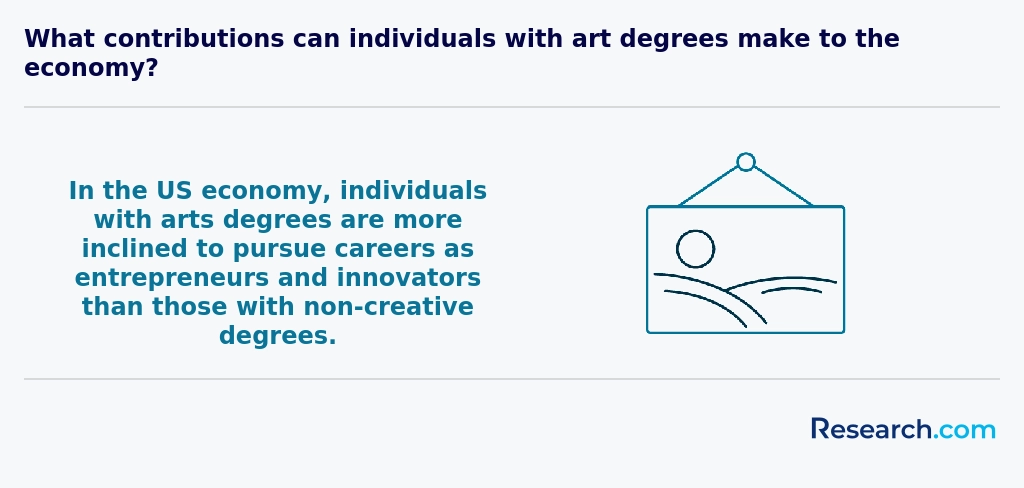
Fine arts degree specializations Tuscaloosa students often explore offer a dynamic blend of traditional and modern disciplines. At the University of Alabama, graduates fondly recall the balance between studio art, where they honed hands-on skills in painting and sculpture, and graphic design, which introduced them to digital tools that are essential in today's creative industries. These Tuzscaloosa fine arts program concentrations also include photography and ceramics, allowing students to immerse themselves in both artistic expression and technical mastery.
Students frequently share how Art History deepened their appreciation of cultural context, enriching their creative process. The immersive environment in Tuscaloosa's studios and galleries fosters a sense of community and professional readiness, which many graduates find invaluable.
For those considering a career that blends creativity with education, opportunities linked to education job openings further demonstrate the versatility of a fine arts degree in Tuscaloosa.
Choosing the best fine arts degree in Tuscaloosa means balancing practical experience with academic rigor. Graduates from the University of Alabama often reflect on how access to studio time and local exhibitions deepened their creative skills and built confidence. A program's curriculum variety is key; focusing on disciplines from painting to digital media ensures a well-rounded education. Many students appreciate how the affordable fine arts colleges in Tuscaloosa offer strong faculty mentorship, connecting theory to real-world projects through community outreach or internships in the vibrant local art scene.
When comparing programs, accreditation by the National Association of Schools of Art and Design (NASAD) signals quality and consistency, a point noted by many successful alumni. Tuition costs align closely with the state average of approximately $10,700, yet supplies can add up quickly, so budgeting wisely is pivotal. Looking beyond the classroom, graduates often value institutions that provide career services tailored to artists, which makes a tangible difference in post-graduate opportunities.
Exploring opportunities like the online child development curriculum has also helped some students integrate interdisciplinary perspectives, enriching their artistic approach. Ultimately, choosing a fine arts path in Tuscaloosa is about finding a program that nurtures creativity, offers strong support, and connects learners to local and broader art communities.

Graduates with a fine arts degree in Tuscaloosa discover a rich array of career paths that blend creativity with practical application. Many find rewarding roles in art education, teaching in local K-12 schools or community centers, where they shape the next generation of artists using skills honed at institutions like the University of Alabama. These graduates often navigate the Arkansas teacher licensure process or its regional equivalent to formalize their roles.
Others thrive in vibrant Tuscaloosa businesses and marketing agencies, applying fine arts expertise to graphic design and visual communication projects. Local galleries and museums also eagerly employ fine arts alumni for curation or exhibition coordination, offering chances to immerse in the city's cultural heartbeat. The fine arts career opportunities in Tuscaloosa extend further into media, animation, and even art therapy, illustrating how diverse and meaningful these job prospects can be for graduates seeking personal fulfillment and community impact.
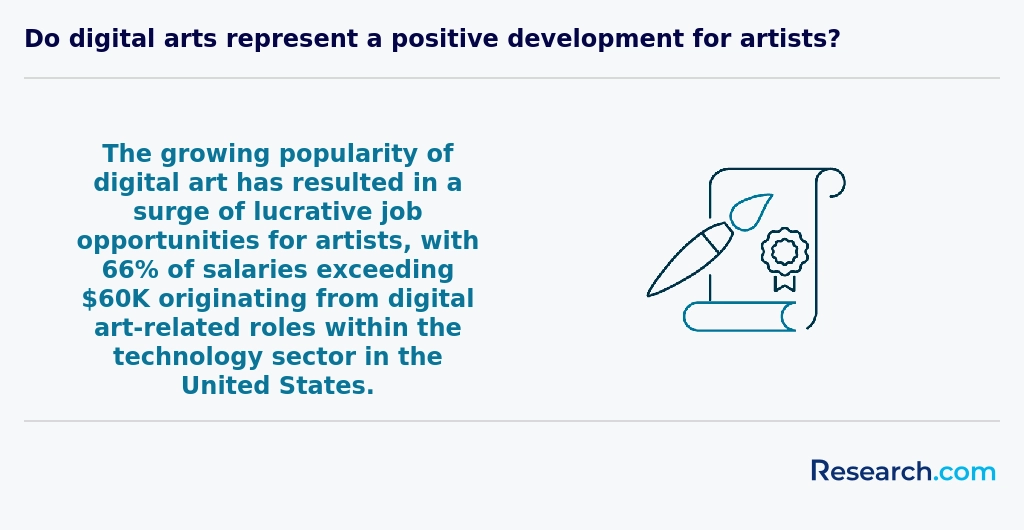
The fine arts degree job opportunities in Tuscaloosa reflect a close relationship between the city's cultural institutions and the education sector. Graduates from the University of Alabama often share how their local internships and involvement with places like the Tuscaloosa Arts Council helped them build portfolios that stood out to employers. While the creative market here is smaller compared to major cities, the sense of community allows fine arts professionals to connect meaningfully with galleries and local businesses seeking graphic design and creative expertise.
Employment outlook for fine arts graduates Tuscaloosa is steady, with growth rates in line with national trends. Entry-level salaries, while sometimes below the national median, can still provide a viable starting point within a supportive environment. Some graduates find success freelancing or joining smaller marketing firms that value their digital skills. For those considering further education, exploring options like the best value teaching masters can enhance career flexibility and open new doors.
2027 Most Valuable Fine Arts Degree Programs Ranking in Tuscaloosa
Investing in your education is a significant decision that can shape your future, and the Research.com team understands the importance of making informed choices. To assist prospective students in Tuscaloosa, we have meticulously crafted the "2027 Most Valuable Fine Arts Degree Programs Ranking in Tuscaloosa." Our commitment to quality, credibility, and accuracy is reflected in the extensive research and analysis conducted to compile this ranking.
We utilized the following reputable data sources to ensure a comprehensive evaluation of fine arts programs:
By exploring this ranking, readers will gain valuable insights into the most worthwhile fine arts degree programs in Tuscaloosa, helping them make informed and confident decisions about their educational paths. For more details on our methodology, please visit our Research.com methodology page.

Frequently Asked Questions About fine arts
Fine arts degree students in Tuscaloosa can enhance their learning by engaging deeply with the University of Alabama's extensive arts programs. Participating in on-campus exhibitions and events provides practical experience that complements classroom knowledge. According to the university's College of Arts and Sciences, involvement in student galleries and performance ensembles is a key factor in skill development.
Networking through local arts organizations like the Kentuck Art Center offers exposure to professional artists and community projects. Additionally, students benefit from internships available within Tuscaloosa's cultural institutions, fostering real-world applications of their studies.
Maintaining active collaboration with faculty and peers supports critical feedback and creative growth, essential in fine arts education.
Emerging niches within the fine arts field reflect technological advances and cultural shifts reshaping traditional art careers. In Tuscaloosa, students pursuing fine arts degrees increasingly explore digital arts, including animation, 3D modeling, and virtual reality, which are growing fields nationwide according to the National Endowment for the Arts.
Another notable niche is community-engaged art, where artists collaborate directly with local populations to address social issues. Tuscaloosa's diverse cultural environment supports projects linking art with activism and education, reflecting broader US trends.
Additionally, fine arts graduates are turning to art therapy, combining psychological principles with artistic expression to support mental health, a field expanding by 3-4% annually as noted by the American Art Therapy Association.
Graduates with a fine arts degree in Tuscaloosa should focus on building a strong portfolio that showcases their skills and versatility. According to the National Endowment for the Arts, practical experience through internships or local exhibitions significantly boosts employment opportunities. Tuscaloosa's vibrant art community, including venues like the Dinah Washington Cultural Arts Center, offers students valuable networking and exhibit chances.
Additionally, developing technical skills such as digital design or multimedia art can increase marketability. Fine arts professionals often pursue freelance work, so acquiring business and marketing knowledge is crucial. Collaborating with local galleries and participating in community projects helps build a professional network essential for career growth in the area.
Employers in Tuscaloosa seeking fine arts degree graduates prioritize a combination of creative and practical skills. Strong artistic technique and a solid grasp of various media are essential, reflecting the comprehensive training provided by local programs such as those at the University of Alabama. Communication skills are highly valued, as artists frequently collaborate with clients, galleries, and marketing teams.
Additionally, proficiency in digital tools like Adobe Creative Suite is increasingly important, supporting work in graphic design and multimedia art. Time management and self-motivation rank among top soft skills since many fine artists balance multiple projects.
According to industry surveys from the National Endowment for the Arts, 68% of employers also seek adaptability, showing graduates must stay current with evolving art trends and technologies.
Finding internships in Tuscaloosa relevant to a fine arts degree involves leveraging local resources and connections. The University of Alabama, the city's main institution, often posts internship opportunities through its College of Arts and Sciences career portal. Students can access partnerships with local galleries and cultural organizations such as the Dinah Washington Cultural Arts Center.
Networking plays a significant role. Attending Tuscaloosa art exhibits, MFA shows, and community events helps build relationships with practicing artists and potential employers. Additionally, contacting city arts councils and regional museums can reveal unadvertised internship positions.
Using national platforms like Handshake and the Alabama Career Center can also increase access to listings specifically tailored for Alabama-based fine arts students.
A fine arts degree in Tuscaloosa can significantly influence career mobility and advancement, especially within the local creative industries. Graduates equipped with such degrees often find opportunities in galleries, museums, design firms, and educational institutions. According to the U.S. Bureau of Labor Statistics, art-related occupations are projected to grow by 7% nationally through 2032, which aligns with increasing demand seen in Alabama's cultural sectors.
The University of Alabama, located in Tuscaloosa, offers robust fine arts programs that help students build professional portfolios and networks, which are essential for career progression. Additionally, Tuscaloosa's growing arts community hosts numerous exhibitions and events, fostering connections between artists and employers. This local engagement enhances the potential for career advancement by expanding practical experience and visibility within the region.
Studying for a fine arts degree in Tuscaloosa equips students with skills that extend beyond traditional art forms. Many programs at local institutions, including the University of Alabama, integrate courses in digital media, art history, and communication. This multidisciplinary approach fosters creative problem-solving and adaptability, essential for interdisciplinary roles.
Students often collaborate with departments like theater, design, and technology, enhancing their ability to work across various fields. According to the University of Alabama's 2023 academic report, over 40% of fine arts students engage in cross-departmental projects, reflecting strong interdisciplinary preparation.
Such experiences prepare graduates for diverse careers in education, marketing, and multimedia arts, where blending artistic and technical skills is crucial.
Choosing between a thesis and a non-thesis fine arts degree program in Tuscaloosa depends largely on your academic and career goals. A thesis option typically involves creating a comprehensive project or research paper, ideal for students interested in pursuing advanced study or academic careers. The University of Alabama, a leading institution in Tuscaloosa, offers both pathways in its fine arts graduate programs.
Non-thesis programs focus more on practical skills and studio work, suited for students aiming to enter the professional art world directly. According to data from the National Center for Education Statistics, nearly 40% of fine arts graduates prefer the non-thesis path for quicker graduation and hands-on experience.
Consider your timeline and whether you want to engage deeply in research or prioritize creating a portfolio. Consulting faculty advisors in Tuscaloosa's fine arts departments can also clarify which option aligns best with your aspirations.
Students in Tuscaloosa interested in studying fine arts abroad typically explore study abroad programs offered through local universities, such as the University of Alabama. These institutions often partner with European and Asian art schools to provide semester-long or year-long exchange opportunities focused on fine arts disciplines.
Additionally, Tuscaloosa students can apply for competitive scholarships and grants that support international fine arts education. According to the Institute of International Education, about 10% of U.S. art students participate in study abroad during their undergraduate career, enhancing their global artistic perspectives.
Some programs emphasize hands-on studio work, internships, or cultural immersion experiences, broadening students' artistic techniques and understanding of global art markets.
Part-time job opportunities in Tuscaloosa can greatly enhance the education of fine arts students by providing practical experience alongside academic learning. Many students find employment at local galleries, such as the Dinah Washington Cultural Arts Center, where they can assist with exhibitions and learn about art curation.
Additionally, Tuscaloosa's public schools often seek art tutors or assistants, which allows students to practice teaching skills and deepen their understanding of artistic techniques. Freelance opportunities, including commissioned artwork or digital design for small businesses, are accessible thanks to the city's growing entrepreneurial sector.
According to the Alabama Department of Labor, these roles typically offer flexible hours beneficial to students balancing coursework.
Fine arts students in Tuscaloosa have several valuable networking opportunities through the University of Alabama's College of Arts & Sciences. The university hosts regular student exhibitions and gallery events where artists can showcase their work and meet local professionals. Additionally, organizations like the Tuscaloosa Arts Council facilitate connections by sponsoring workshops and community art projects. Students can also benefit from internship programs with regional galleries and public art initiatives that provide practical experience and industry contacts. According to the National Endowment for the Arts, communities with active art councils typically boost professional networking, which supports students' career advancement in the arts field.
Alumni networks play a significant role in supporting fine arts degree students in Tuscaloosa. Graduates from local institutions often remain connected through these networks, providing current students with valuable mentorship opportunities. According to the University of Alabama's Alumni Association, active alumni engagement increases students' chances of securing internships and gallery showings by up to 40%. These connections also help students navigate the competitive art market by offering insights about venues, grants, and exhibitions in the region. Furthermore, alumni networks frequently organize workshops and exhibitions, fostering practical experience and professional growth for both students and recent graduates.
Customizing a fine arts degree program in Tuscaloosa allows students to align their education with specific career goals in fields like painting, sculpture, or digital media. Many local institutions, such as the University of Alabama, offer elective courses and studio options that enable specialization. Students can choose concentrations or minors in areas like art history, graphic design, or photography to broaden their skill sets. Additionally, experiential learning through internships with Tuscaloosa's vibrant arts community or local galleries enhances practical experience. According to the National Association of Schools of Art and Design, such tailored programs improve job readiness and creative portfolio development.
Fine arts students in Tuscaloosa commonly face financial challenges, as tuition and supply costs can be high. According to the National Center for Education Statistics, art supplies and materials add an average of 10-15% to overall expenses. Many students struggle to balance part-time jobs alongside demanding studio and coursework hours.
Access to specialized equipment and studio space is also limited in some programs, which can hamper creative development. Furthermore, Tuscaloosa's smaller arts job market means internship opportunities within local galleries or arts organizations may be fewer compared to larger cities.
Finally, students often report pressure to adapt traditional fine arts skills to digital media, requiring ongoing technical learning alongside their core studies.
With a fine arts degree in Tuscaloosa, graduates can pursue a variety of professional certifications that enhance their career opportunities. One prominent option is certification in art education, such as becoming a licensed art teacher through Alabama's state certification process. This requires completing a teacher preparation program and passing relevant exams.
Additionally, certifications in museum studies or art conservation provide specialized credentials for roles in galleries and cultural institutions. Professional organizations like the National Art Education Association offer certifications that can improve job prospects.
While there are no universal national certifications exclusive to fine arts degrees, regional credentials tied to education or specific art professions are valuable in Tuscaloosa's job market.
Writing a winning application for a fine arts program in Tuscaloosa requires a clear presentation of your artistic skills and academic achievements. Many programs, including those at the University of Alabama, emphasize portfolio quality, which should showcase originality, technical skill, and a range of media. Including an artist statement that explains your creative vision can strengthen your application. Tuscaloosa fine arts programs often require official transcripts reflecting strong academic performance in arts-related courses. Additionally, letters of recommendation from instructors familiar with your work add credibility. Be sure to carefully follow each school's application guidelines and deadlines as published on their official websites.
Fine arts careers in the United States, including Tuscaloosa, are increasingly influenced by global trends emphasizing versatility and cross-cultural collaboration. Many graduates pursue paths combining traditional art skills with digital media, reflecting a worldwide shift towards technology integration. According to the National Endowment for the Arts, approximately 5% of U.S. adults engage professionally in creative arts, a figure that highlights steady demand but also intense competition.
Internationally, fine arts professionals often work in diverse fields such as education, design, and entertainment. Tuscaloosa's institutions mirror this trend by offering programs that prepare students for global markets. The city's access to international art exhibitions and cultural events enhances students' global awareness and career readiness.
Students pursuing fine arts degrees in Tuscaloosa can gain valuable practical experience through various opportunities offered by local universities and the community. The University of Alabama, the city's primary institution, provides access to on-campus galleries, student exhibitions, and internships with local art organizations. According to the university's 2023 Fine Arts annual report, over 70% of fine arts students participate in hands-on projects that include digital media labs and public art installations.
Additionally, Tuscaloosa's vibrant arts scene allows students to collaborate with regional galleries and nonprofits, enhancing real-world skills in curation, marketing, and art production. Community art festivals and workshops also serve as platforms to build portfolios and network with practicing artists and art professionals.
Choosing the right concentration within a fine arts degree program in Tuscaloosa depends on your personal interests, career goals, and the specific offerings at local institutions. The University of Alabama, for example, provides concentrations such as painting, sculpture, and graphic design, which cater to diverse artistic skills and industry demands. According to the National Center for Education Statistics, students who select concentrations aligned with market needs often have better job prospects post-graduation.
Consider exploring Tuscaloosa's local art scene and internship opportunities to see which concentration best fits your creative style and professional ambitions. Additionally, reviewing course curricula and faculty expertise can help you make an informed decision.
- 2027 Most Valuable Fine Arts Degree Programs Ranking in Mobile
- 2027 Most Valuable Fine Arts Degree Programs Ranking in Atlanta
- 2027 Most Valuable Fine Arts Degree Programs Ranking in Memphis
- 2027 Most Valuable Fine Arts Degree Programs Ranking in Nashville
- 2027 Most Valuable Fine Arts Degree Programs Ranking in New Orleans
- 2027 Most Valuable Fine Arts Degree Programs Ranking in Jacksonville
- 2027 Most Valuable Fine Arts Degree Programs Ranking in Saint Louis
- 2027 Most Valuable Fine Arts Degree Programs Ranking in Cincinnati
- 2027 Most Valuable Fine Arts Degree Programs Ranking in Indianapolis
- 2027 Most Valuable Fine Arts Degree Programs Ranking in Columbia
- Essential Strategies for Artists to Master the Art of Networking https://www.artworkarchive.com/blog/essential-strategies-for-artists-to-master-the-art-of-networking
- THE ARTS COUNCIL https://tuscarts.org/support-the-arts/small-grants/small-grants-guidelines-education
- Careers in the Arts: Who Stays and Who Leaves? https://snaaparts.org/findings/reports/careers-in-the-arts-who-stays-and-who-leaves
- $4 Million Grant to Expand Scholarships in UA's Nationally Recognized Book Arts Program https://tuscaloosathread.com/alabama-book-arts-program-major-grant/
- Certificate of Fine Arts | CFA Programs - New York Academy of Art https://nyaa.edu/continuing-studies/certificate-of-fine-arts/
- Tuition & Financial Aid - Admissions | Alabama Center for the Arts https://alabamacenterforthearts.org/admissions/tuition-financial-aid/
- Visual Arts https://www.alasu.edu/academics/programs-majors/programs/BA-VisualArts.php
- Eliot W Eisner: What can education learn from the arts? - infed.org https://infed.org/dir/welcome/what-can-education-learn-from-the-arts-about-the-practice-of-education/
- Complete guide to studying Fine Arts - TAI Arts https://taiarts.com/en/blog/guide-to-studying-fine-arts/
- Application writing tips for individual artists https://www.affta.ab.ca/funding/help-and-resources/resources-individual-artists/application-writing-tips-individual-artists