
2027 Most Popular Fine Arts Degree Programs Ranking in Montana

Co-Founder and Chief Data Scientist
Choosing the right fine arts degree program is an exciting step for students in Montana. This article introduces the 2027 Most Popular Fine Arts Degree Programs Ranking in Montana, crafted by the Research.com team of data scientists to guide you toward the best options available.
By exploring this ranking, you can discover degree programs that match your passions and career goals. Pursuing a fine arts degree opens doors to creativity, personal growth, and meaningful opportunities. Let this guide help you make an informed, confident choice for your future.
Key benefits of getting fine arts degree in Montana
- Fine arts degree graduates in Montana can earn competitive salaries, such as illustrators making around $71,420 and animators earning up to $109,630 annually, providing strong financial stability.
- Career paths for graduates include work as graphic artists, animators, or art therapists, with many starting from institutions like the University of Montana, which supports diverse artistic professions.
- Obtaining a fine arts degree online from schools like Montana State University offers flexibility and accessibility, allowing students to balance their studies with personal commitments while gaining valuable skills.
- 2027 Most Popular Fine Arts Degree Programs Ranking in Montana
- What can I expect from fine arts degree in Montana?
- Where can I work with fine arts degree in Montana?
What can I expect from fine arts degree in Montana?
Studying fine arts in Montana is not only creatively fulfilling but also financially accessible. At institutions like the University of Montana and Montana State University, in-state tuition for fine arts degrees typically ranges from $7,000 to $8,000 per year. This affordable cost allows students to focus their energy on developing their artistic vision without overwhelming financial stress. Many graduates share how this balance between cost and quality gives them peace of mind while exploring their talents in painting, sculpture, or digital media.
Imagine immersing yourself in hands-on studio work, guided by passionate faculty who are practicing artists themselves, all while knowing your education fits within a manageable budget. Scholarships and financial aid available specifically for arts students further lighten the financial load, encouraging more creative exploration and personal growth. This supportive environment empowers Montana's art students to thrive and build thriving careers in galleries, education, and cultural institutions.
Where can I work with fine arts degree in Montana?
Graduates from fine arts programs at institutions like the University of Montana and Montana State University discover exciting career opportunities throughout the state. Many find fulfillment working as artists and illustrators, showcasing their creativity in local galleries or vibrant art festivals held in Missoula, Bozeman, and Billings. These communities provide inspiring spaces to connect with fellow creatives and share their unique visions.
Others thrive in education, becoming passionate art teachers who inspire students in both rural and urban schools. Fine arts graduates often bring color and imagination to classrooms where their expertise is highly valued, especially in areas where arts exposure is limited.
Employment at Montana's museums and cultural institutions also offers a rewarding path. Working at places like the Yellowstone Art Museum allows graduates to blend art knowledge with skills in curation and arts management, contributing to preserving the state's rich cultural heritage.
Additionally, creative roles in graphic design and multimedia firms in Montana's growing cities open doors for graduates to innovate in marketing and digital communications, turning artistic passion into impactful careers.
Graduates from fine arts programs in Montana, such as those at the University of Montana or Montana State University, find promising earning opportunities that grow with skill and experience. For example, entry-level artists may start earning closer to $25,000 to $35,000 annually, but many move into specialized roles with salaries that reflect their dedication and creativity.
Fine arts graduates working as illustrators in Montana can expect a mean annual wage of around $71,420, while graphic artists earn an average of $64,700. Those who pursue animation often achieve even higher earnings, with an average annual wage of $109,630, showcasing the potential for significant financial growth. Meanwhile, art therapists bring in about $75,660 yearly, demonstrating the diversity of well-paid career paths available to Montana graduates.
Many graduates from Montana's colleges enrich their income by blending their artistic talents with teaching or by engaging with the vibrant cultural communities in cities like Missoula or Billings. By embracing Montana's unique artistic heritage, graduates are not only building rewarding careers but are also deeply connected to the state's supportive creative environment.
- Fine arts degrees in Montana typically require four years of full-time study for a Bachelor of Fine Arts (BFA) or Bachelor of Arts (BA) degree.
- Annual tuition for in-state students at public universities ranges from $7,000 to $10,000, while out-of-state students pay between $25,000 and $30,000; private universities usually charge over $30,000 per year.
- Additional costs for materials, studio fees, and supplies are common and should be included in the total expenses.
- Early-career salaries for fine arts graduates average between $30,000 and $40,000 annually, with potential growth to $50,000 or more in specialized or commercial fields.
- Financial aid options like scholarships and grants are available through universities and local arts organizations to help reduce tuition and material costs.
Completing a fine arts degree in Montana is an exciting journey that typically takes about four years of full-time study. Imagine yourself at the University of Montana or Montana State University, immersing in vibrant studios filled with painting, sculpture, and digital art projects. Many graduates recall how this focused timeframe allowed them to develop their creativity deeply while forming lasting connections with inspiring professors and peers.
For students balancing work or personal commitments, part-time options mean taking five to six years, turning your passion into a rewarding experience at a comfortable pace. Some find joy in stretching their studies, allowing moments of exploration and growth beyond the classroom.
If you're thinking ahead, master's programs at these schools extend the adventure for two to three years, offering intensive professional development that truly hones your artistic voice. Whether full-time or part-time, Montana's fine arts programs support your path with warmth and flexibility, helping you turn your creative dreams into reality.
Montana's Fine Arts programs offer more than just rigorous academics-they provide a dynamic, immersive campus experience that fuels creativity and community. Students benefit from state-of-the-art studios, on-campus galleries, and interactive workshops that not only refine their artistic skills but also foster essential lifelong skills such as collaboration, cultural awareness, and creative problem-solving. Beyond the classroom, fine arts students join vibrant clubs, attend regular art critiques, and participate in community-centered events that bring together emerging artists and industry professionals. For many, choosing a program with a balanced focus on both academic excellence and enriched campus life is key; in fact, exploring options like the most affordable fine arts schools in montana can lead to discovering institutions that truly integrate supportive student services with outstanding creative opportunities. This enriching environment helps transform raw talent into a refined artistic practice, preparing students for both professional success and personal growth.
Choosing between online and on-campus fine arts degrees in Montana comes down to how you want to experience your creativity and learning. On-campus programs at schools like the University of Montana offer vibrant studios and galleries where graduates recall the energy of collaborating face-to-face with passionate peers and receiving hands-on guidance from instructors. Imagine painting in a well-lit studio or rehearsing in a theater where feedback flows instantly, fueling artistic growth. This immersive setting helps develop technical skills and a strong connection to Montana's rich art community.
Online degrees, meanwhile, provide inspiring flexibility for those balancing work or life in remote areas. Graduates often share how virtual tools allowed them to explore artistic techniques at their own pace while still engaging in occasional on-campus residencies that deepen practical skills. This blend lets you tailor your art journey while embracing Montana's creative spirit, making fine arts education accessible and empowering no matter where you live.
Montana’s fine arts programs offer more than just coursework-they provide a vibrant campus culture that nurtures creativity and builds lifelong connections. Students benefit from collaborative spaces, on-campus exhibitions, and immersive community projects that inspire artistic growth both inside and outside the classroom. From student-led art clubs and gallery events to interactive workshops and live performances, the campus community plays a pivotal role in shaping a well-rounded educational experience. These programs often organize art walks, cultural festivals, and networking events where local artists and industry professionals share valuable insights. Additionally, engaging in community art initiatives not only enriches your portfolio but also helps you build meaningful relationships with peers and mentors. For students looking for affordable opportunities without compromising on quality, exploring most affordable fine arts schools in montana can be especially beneficial, offering access to resources and facilities that support both academic excellence and creative exploration.
The average cost of a fine arts degree in Montana offers an encouraging opportunity for aspiring artists seeking quality education without overwhelming financial burden. In-state students typically experience a median total cost of around $8,506, providing access to well-regarded programs at institutions such as the University of Montana and Montana State University. Graduates have shared how this affordability allowed them to focus on cultivating their creativity rather than worrying about debt, fueling their passion in inspiring studio environments.
Out-of-state students face a higher expense, with median costs near $48,737, reflecting tuition and fees at Montana's private colleges and out-of-state rates at public universities. Yet, many find that scholarships, grants, and financial aid open doors to these vibrant art communities. These students recall their rewarding experiences participating in hands-on workshops and collaborative exhibitions that justified the investment.
Those exploring the average cost of fine arts degree in Montana often appreciate the balanced combination of quality education and reasonable expenses. Beyond tuition, additional supplies like canvases and digital tools are essential but often offset by institutional support. For a comprehensive list of the most affordable fine arts schools in montana, many prospective students discover pathways that align with their goals and budgets.

As tuition costs continue to rise, prospective Fine Arts students in Montana may find attractive options by considering accredited online fine arts degree programs that offer both flexibility and lower overall expenses. An online fine arts degree enables you to access a diverse range of coursework, from digital media design to art history, while studying at your own pace and avoiding relocation costs. These programs often partner with leading faculty and leverage virtual studios and collaborative platforms to replicate on-campus experiences. When evaluating online programs, it’s important to verify regional or national accreditation, review course delivery methods, and confirm that practical components-such as portfolio reviews and virtual critiques-are robust. Many accredited institutions also provide dedicated career services, virtual exhibitions, and industry connections to ensure graduates remain competitive in the job market. Additionally, online learning communities can foster peer networking and mentorship opportunities, which mirror the collaborative environment of traditional campuses. For students seeking cost-effective options, the Cheapest Online Bachelor's in Fine Arts Degree Programs Ranking in Missouri highlights programs with some of the lowest tuition rates without compromising academic quality. Comparing these rankings with Montana offerings can reveal significant savings-sometimes cutting the cost of a four-year degree by thousands of dollars-while still providing rigorous studio practice and theoretical coursework. Before enrolling, compare factors such as credit transfer policies, technology fees, and required on-site residencies. Look for programs that include extensive faculty interaction, clear graduation pathways, and student support services like online tutoring and virtual library access. By thoughtfully exploring affordable online fine arts degree alternatives, you can achieve your artistic goals with both economic and educational confidence.
Fine arts students in Montana can feel empowered knowing a variety of financial aid options are within reach to help turn creative dreams into reality. Graduates from the University of Montana often share how federal Pell Grants, which can provide up to $7,395 annually, made focusing on their art rather than expenses possible.
At Montana State University, many fine arts majors highlight the value of the Montana Governor's Scholarship Program, offering up to $1,850 each year to reward dedication and academic excellence. Such support truly lightens the financial load while nurturing passion for the arts.
Private scholarships geared toward artists also open doors, rewarding talent showcased through portfolios or community engagement. These opportunities bring inspiration and encouragement to students across the state.
Work-study programs and campus jobs add both income and practical experience, allowing students to grow creatively while gaining financial independence within their own university communities.
Loans remain an option when needed, with federal loans offering manageable terms, helping students invest in their futures without overwhelming burdens.
Montana’s fine arts schools not only offer robust academic curricula but also vibrant campus communities that can greatly enrich your educational journey. Outstanding facilities, student-led art clubs, galleries, and community projects create an immersive environment where creative talents can flourish both inside and outside the classroom. Many campuses host regular workshops, exhibitions, guest lectures, and cultural festivals that enable you to network with seasoned professionals and forge lasting connections with peers who share your artistic passion. For example, students at some institutions often participate in collaborative mural projects that celebrate Montana’s natural beauty and cultural heritage, transforming campus life into a living canvas of creativity. Moreover, exploring opportunities at the most affordable fine arts schools in montana can provide excellent options where academic excellence meets enriching campus experiences. Embracing both academic rigor and extracurricular engagement ensures that you not only develop your technical skills but also build a well-rounded portfolio of leadership, community involvement, and practical experience-qualities that future employers highly value.
To embrace a fine arts degree in Montana, you begin with a high school diploma or equivalent, laying a solid academic foundation. Many students recount how preparing a portfolio-showcasing paintings, sculptures, or digital art-became their proudest achievement during applications. At the University of Montana, for instance, graduates emphasize the joy of expressing their unique creativity through diverse media in their portfolios, which truly sets them apart.
While some schools may ask for art-related courses from high school, the heart of your application lies in your artistic potential and passion. Test scores like the SAT or ACT are often optional, enabling you to shine by focusing on your creative journey. Many admitted students share that maintaining a cumulative GPA of about 3.0 demonstrates academic dedication alongside their artistry.
Letters of recommendation and personal statements offer you a chance to voice your dedication and dreams vividly. At vibrant campuses like Rocky Mountain College, interview experiences or portfolio reviews spark excitement, helping students feel their artistic spirit is genuinely valued. Montana's welcoming programs affirm that your talent and drive open doors to a rewarding fine arts future.
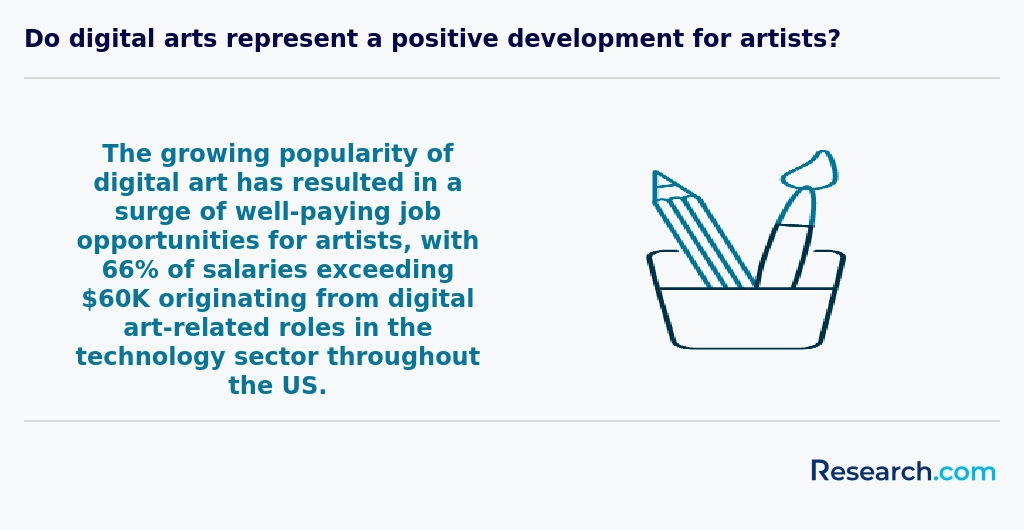
Upon completing a bachelor’s degree in Fine Arts, many students choose to deepen their expertise through graduate study. Master of Fine Arts (MFA) programs-offered both on-campus and online-provide advanced training in disciplines such as studio art, sculpture, graphic design, and creative writing. In Montana, Montana State University’s MFA in Visual Arts emphasizes mentorship, research, and exhibition, while the University of Montana’s MFA combines studio practice with teaching assistantships. Key considerations for selecting an MFA program include:
- Curriculum focus: Compare thesis requirements, studio hours, and interdisciplinary workshops.
- Faculty expertise: Look for programs with active artists whose work aligns with your interests.
- Funding and assistantships: Seek programs offering teaching or research assistantships to offset tuition.
- Delivery format: Decide between immersive on-campus residencies and the flexibility of online study. For students seeking flexibility and affordability, exploring low cost online mfa programs in creative writing can be a strategic step in advancing their artistic career. Whether you aim to exhibit in galleries, publish creative work, or teach at the collegiate level, an MFA serves as both a credential and a laboratory for professional growth in the fine arts.
A fine arts degree in Montana offers an inspiring blend of courses that nurture creativity and mastery. Students at popular institutions like the University of Montana and Montana State University dive into foundational classes such as drawing, painting, sculpture, and ceramics, where they embrace hands-on experimentation with diverse materials and techniques. Graduates often recall how these studio classes sparked their passion and boosted their confidence in their artistic voice.
Alongside traditional practices, digital arts and photography courses keep students engaged with today's evolving art landscape. Many find joy in exploring these modern mediums, blending technology with creativity to produce unique projects that reflect contemporary culture.
Art history classes enrich understanding by exploring influential movements and cultural moments, framing students' own work within a meaningful historical context. Specialized offerings like animation, graphic design, and video production provide tailored pathways, enabling learners to pursue careers in vibrant fields like multimedia and commercial art.
When pursuing a fine arts degree specializations Montana students can immerse themselves in dynamic creative paths like Painting and Drawing, Sculpture, or Graphic Design, each offering a chance to unlock unique talents and express individual vision. Graduates from the University of Montana often describe how hands-on experiences in Sculpture, working with materials like clay and metal, open doors to both traditional craftsmanship and innovative artistic exploration, fueling their passion and confidence.
Many of the best fine arts programs Montana campuses offer also include Photography and Digital Arts, where students blend classic techniques with cutting-edge technology, or Printmaking, mastering time-honored processes like etching and screen printing. Ceramics is another vibrant specialization, inviting learners to turn raw clay into meaningful, tactile works that celebrate both form and texture.
With opportunities to combine areas or venture into multimedia art, Montana's fine arts programs inspire creativity and versatility. Students looking to balance quality education and affordability might explore options such as low cost online mfa programs in creative writing, which complement artistic study with flexible pathways.
Choosing from the best fine arts degree programs Montana offers means focusing on what truly fuels your passion. Graduates from the University of Montana often share how immersive experiences in studios and galleries helped shape their creative voice while balancing core theory with hands-on projects. Selecting a program with strong accreditation ensures you receive valued education recognized by employers and enhances your chances for scholarships and financial aid.
Consider the diverse specializations available-from graphic design to photography-and imagine yourself thriving in classes that offer personalized mentorship and access to cutting-edge digital labs. Many affordable fine arts colleges Montana hosts provide vibrant communities where you can collaborate and grow both artistically and professionally. Connecting with alumni stories reveals how career support, such as internships and gallery partnerships, opens doors even in Montana's smaller art markets.
For smart budgeting of your education journey, explore options like the Cheapest Online Bachelor's in Fine Arts Degree Programs Ranking in Missouri, reflecting similar affordable paths nearby. Choosing the right location-from urban hubs buzzing with creative energy to peaceful rural campuses-can make all the difference in your joy and success as an artist.
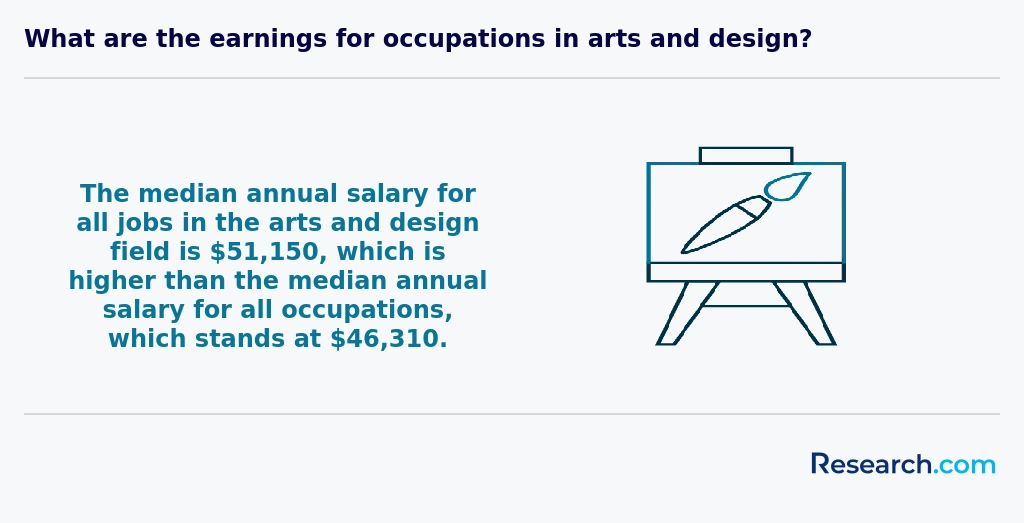
Graduates with a fine arts degree in Montana discover a vibrant range of career paths that blend creativity with real-world impact. From becoming visual artists crafting paintings and sculptures to graphic designers shaping the media landscape, opportunities abound. Many graduates from Montana universities find joy working as art educators, inspiring the next generation in classrooms or community centers. The state's rich cultural scene, featuring institutions like the Missoula Art Museum, provides perfect platforms for curators, photographers, and costume designers to grow professionally and build meaningful connections. This diversity in roles perfectly suits those exploring fine arts career opportunities in Montana, allowing creative passions to flourish alongside practical skills.
Students who blend their art education at Montana's respected schools with digital expertise often unlock even broader job prospects, including animation and web design. Graduates consistently share how their Fine Arts degree opens doors in unique creative industries. If you're considering your future, explore the best college degree to get that offers both inspiration and opportunity in Montana's growing arts community.
The job market for fine arts degree jobs Montana offers a vibrant and growing landscape, especially for graduates from well-regarded schools like Montana State University. Many graduates find rewarding opportunities in cities such as Missoula and Billings, where thriving galleries, theaters, and arts organizations celebrate creative talent. These communities provide fertile ground for artists to develop careers in visual arts, design, and education, helping graduates turn their passions into meaningful work.
Graduates often supplement traditional roles with freelance projects, thriving at local art fairs and markets that foster direct connections with art lovers. The relatively affordable education at Montana institutions means less financial pressure and greater freedom to explore diverse career paths, including graphic design or digital media.
Those pursuing Montana fine arts career opportunities benefit from combining traditional skills with new digital platforms, as well as engaging actively with the local arts scene. For students eager to enhance their professional prospects, exploring the best online certificate programs that pay well can open additional doors in this dynamic field.
2027 Most Popular Fine Arts Degree Programs Ranking in Montana
Investing in your education is a significant decision that can shape your future, and the Research.com team understands the importance of making informed choices. To assist prospective students in Montana, we have meticulously created the "2027 Most Popular Fine Arts Degree Programs Ranking in Montana." Our commitment to quality, credibility, and accuracy is demonstrated through extensive research and careful analysis.
We utilized the following reputable data sources to ensure a comprehensive evaluation of fine arts programs:
By exploring this ranking, readers will gain valuable insights to help select the best fine arts degree programs in Montana, enabling them to make well-informed decisions about their educational futures. For more details on our methodology, please visit our Research.com methodology page.


Frequently Asked Questions About fine arts
Fine arts degree students in Montana can maximize their learning by actively engaging with local arts communities and university resources. Participating in campus galleries, workshops, and exhibitions offers hands-on experience that complements classroom instruction. Schools like the University of Montana emphasize experiential learning through their fine arts programs.
Networking with Montana-based artists and organizations helps students gain insight into regional art scenes and potential career paths. Utilizing internships and mentorship opportunities can provide practical skills and professional connections.
Students should also take advantage of state arts funding and grants available through the Montana Arts Council to support projects and study.
Emerging niches within the fine arts field in Montana reflect broader national trends alongside local influences. Digital art and interactive media have gained prominence, driven by advancements in technology and demand for multimedia skills. According to the National Endowment for the Arts, digital art careers grew by nearly 12% between 2019 and 2023 nationwide, impacting Montana's academic offerings.
Environmental and land art is another niche resonating in Montana, where artists integrate natural landscapes into their work, reflecting regional ecological concerns. Additionally, fine arts programs increasingly emphasize cultural preservation, focusing on Native American art traditions prevalent in the state. These areas present new opportunities for students seeking innovative and relevant fine arts careers.
Preparing for the job market after completing a fine arts degree in Montana involves several strategic steps. Students should build a strong portfolio showcasing diverse artwork, as this is critical for attracting galleries, employers, and freelance clients. Networking within Montana's art communities, including events hosted by organizations like the Montana Arts Council, helps create valuable professional connections. According to the U.S. Bureau of Labor Statistics, fine artists' employment growth is projected at 4% nationally through 2032, emphasizing the importance of adaptability and continued skill development.
Internships or part-time roles related to fine arts provide practical experience and industry insight. Montana's universities often facilitate opportunities with local galleries and museums. Additionally, graduates should consider broadening their skills to include digital media and marketing, which enhance job prospects in an evolving market. Staying informed about grants and residency programs available in Montana can also support career growth in fine arts.
Employers in Montana value fine arts graduates who demonstrate strong creativity and technical skills. Proficiency in digital tools like Adobe Creative Suite and 3D modeling software is increasingly important, reflecting the growing integration of technology in art professions.
Effective communication skills are also crucial. Graduates must present ideas clearly and collaborate on multidisciplinary projects, particularly in Montana's small but expanding creative industries, as noted by the Montana Arts Council.
Adaptability and critical thinking enable fine arts professionals to meet diverse project requirements and shifting market demands. According to the National Endowment for the Arts, these skills enhance employability in Montana's competitive art sector.
Finding internships in Montana related to a fine arts degree involves leveraging both local resources and academic connections. Students should first consult their college's career services office, which often partners with Montana galleries, museums, and cultural organizations to provide internship opportunities. Montana's growing arts scene, including cities like Missoula and Bozeman, hosts various nonprofit art centers where internships are available. According to the Montana Arts Council, internships in visual arts and creative industries are increasingly prioritized to develop regional talent. Networking through statewide events such as the Big Sky Documentary Film Festival can also open doors for hands-on experience.
Online platforms like Handshake and LinkedIn also list relevant internships specifically in Montana's art community. Students are encouraged to contact local galleries and studios directly, as many fine arts internships are posted locally rather than on large national job boards. Exploring opportunities at university-affiliated museums, such as the Montana Museum of Art & Culture, can be particularly beneficial due to their focus on educational partnerships. Seeking internships early and maintaining professional relationships help secure valuable placements in Montana's fine arts sector.
A fine arts degree in Montana can significantly impact career mobility and advancement within the state's evolving creative industries. Graduates often find roles in education, gallery management, design, and media, where creative skills are increasingly valued alongside technical expertise.
According to the National Center for Education Statistics, Montana awarded over 60 fine arts bachelor's degrees in recent years, reflecting steady interest in the field. Employers in Montana's art and culture sectors emphasize portfolio development and community engagement, which fine arts programs typically foster.
The degree also provides networking opportunities in Montana's close-knit arts community, enhancing prospects for freelance work or leadership positions in cultural organizations. However, career advancement often depends on continuous skill development and connections rather than just the degree itself.
Studying for a fine arts degree in Montana equips students with skills that extend beyond traditional studio practice. Programs often integrate courses in digital media, art history, and communication, fostering versatility necessary for interdisciplinary roles.
Montana's universities encourage collaboration between fine arts and other fields like technology, education, and cultural management. According to the Montana University System, nearly 65% of fine arts graduates engage in careers that blend multiple disciplines within five years of graduation.
This blend helps students develop critical thinking, problem-solving, and adaptive creativity, attributes valued in emerging job markets nationwide, including Montana's growing creative economy.
Choosing between a thesis and a non-thesis fine arts degree program in Montana depends largely on your career goals and learning preferences. Thesis programs generally require original research or a creative project, suitable for students interested in academia or advanced study.
Non-thesis options often focus more on practical skills and coursework, appealing to those aiming for immediate employment in artistic fields. According to the National Center for Education Statistics, Montana institutions offer both formats, with thesis tracks commonly available in the University of Montana's fine arts graduate programs.
Consider program requirements, time commitment, and potential mentorship opportunities when deciding.
Students in Montana seeking to study fine arts abroad have a few structured pathways supported by their home institutions. Many Montana colleges with fine arts programs, such as the University of Montana, participate in exchange agreements with universities in Europe and Asia. These programs typically last a semester or a full academic year, offering immersive experiences in diverse artistic traditions.
In addition, Montana students can access federal and institutional financial aid to support study abroad costs. The U.S. Department of Education reports that approximately 10% of Montana college students engage in study abroad programs, with art-related disciplines being a growing segment.
Advisors often recommend exploring options through the National Association of Schools of Art and Design to ensure credit transferability.
Montana offers diverse part-time job opportunities that complement fine arts degree education. Many students find roles as gallery assistants or museum docents, gaining hands-on experience with art curation and public engagement. According to the Montana Arts Council, over 60% of arts graduates work in community arts programs part-time to build professional networks.
Retail positions in local art supply stores are also common, allowing students to deepen their material knowledge and practical skills. Theater companies in cities like Missoula often hire part-time stagehands and costume assistants, providing real-world creative collaboration experience.
Additionally, freelance graphic design and commissioned art projects are popular among fine arts students, thanks to Montana's growing digital economy.
Fine arts students in Montana benefit from diverse networking opportunities through local colleges and community organizations. Schools like the University of Montana and Montana State University host art exhibitions, workshops, and guest lectures that connect students with regional artists and industry professionals. These events often offer chances to collaborate on projects or showcase work to potential employers.
Additionally, Montana's active arts communities, including the Missoula Art Museum and the Yellowstone Art Museum, provide platforms for students to engage with established artists and participate in juried shows. The Montana Arts Council supports networking by funding statewide arts events and residencies that foster professional relationships.
According to the Montana University System, over 60% of fine arts graduates participate in internships, enhancing industry contacts. Such structured experiences complement informal networking at local art fairs and public gallery openings. These settings allow emerging artists to build connections essential to launching successful creative careers in Montana's culturally rich environment.
Alumni networks play a crucial role in supporting fine arts degree students in Montana by providing valuable connections within the local and regional art communities. These networks often offer mentorship opportunities, helping current students navigate career paths and develop professional skills. According to the Montana Arts Council, around 40% of fine arts graduates find employment through contacts made in alumni groups.
Networking through alumni can lead to invitations to exhibitions, workshops, and collaborative projects, which are significant for artists building portfolios and gaining visibility. Many Montana institutions also facilitate job placement and internships through their active alumni chapters.
Customizing a fine arts degree program in Montana often involves selecting specialized courses that align with your career goals, such as painting, sculpture, digital media, or art education. Institutions like the University of Montana and Montana State University provide flexible curriculums allowing students to focus on studio practice or theoretical study.
Many programs encourage internships or community-based projects, which enhance practical experience and networking opportunities within Montana's arts community. According to the National Endowment for the Arts, Montana supports growing regional art markets, making hands-on experience valuable.
Additionally, students can often tailor their studies by choosing electives in art history, graphic design, or arts administration, preparing them for diverse roles in galleries, educational institutions, or creative industries.
Fine arts students in Montana often encounter unique challenges related to the state's rural nature and smaller college programs. Limited access to large-scale art markets and galleries can restrict opportunities for exhibitions and networking, which are crucial for career development. According to the Montana Arts Council, funding for fine arts programs and student resources is comparatively lower than in urban states, affecting access to materials and advanced technologies.
Additionally, students may face difficulty finding specialized faculty due to fewer full-time fine arts professors statewide. Financial constraints are common, with Montana's average annual college tuition around $7,000 at public institutions, requiring many students to seek scholarships or part-time work. These factors combined create a distinctive environment that requires fine arts students in Montana to be resourceful and proactive in pursuing their career goals.
With a fine arts degree in Montana, students can pursue several professional certifications that enhance career opportunities. While the degree itself focuses on creative skills, certifications like Certified Visual Arts Educator can be obtained by passing state licensing exams required for teaching in K-12 schools. Montana's Office of Public Instruction offers guidance on certification pathways for art teachers.
Additionally, credentials such as Graphic Design Certification or Digital Media Certification may be pursued through recognized institutions to boost employability in commercial arts fields. These certifications often require portfolios and practical experience rather than formal exams.
Montana's growing arts sector supports diverse professional roles, and certification can provide a competitive edge in grant applications and freelance work.
Writing a winning application for a fine arts program in Montana requires a strong portfolio that highlights your creativity and technical skills. Most programs, such as those at the University of Montana and Montana State University, emphasize originality and clear artistic vision. Applicants should also include a well-crafted personal statement explaining their motivation and goals in fine arts.
It is important to meet all academic requirements; typically, a high school diploma or equivalent and satisfactory SAT or ACT scores are needed. Additionally, letters of recommendation from art instructors can strengthen your application.
Research published by the National Endowment for the Arts shows Montana students benefit from programs blending traditional and contemporary art styles, so showcasing versatility can be advantageous.
Globally, fine arts careers are valued for fostering creativity and cultural expression. In the United States, including Montana, a fine arts degree can open opportunities in visual arts, design, education, and media. According to the National Endowment for the Arts, creative industries contribute over $877 billion annually to the U.S. economy, highlighting the sector's significance.
Montana's fine arts programs emphasize practical skills and community engagement, preparing students for diverse careers. Graduates often work as artists, educators, or in arts administration, benefiting from increasing demand for cultural experiences.
While salaries vary, the U.S. Bureau of Labor Statistics reports median wages for artists and related workers at around $50,000 per year, with growth expected over the next decade.
Students pursuing fine arts degrees in Montana can gain practical experience through several established avenues. Many colleges, such as the University of Montana, offer on-campus galleries and studios where students create and exhibit artwork. These institutions often partner with local arts organizations, providing internship opportunities that allow direct engagement with Montana's vibrant art scene.
Community art centers and theaters in cities like Missoula and Bozeman also host workshops and collaborative projects. These experiences help students develop technical skills and professional networks. According to the Montana Arts Council, internships and public exhibitions significantly enhance student portfolios and employment prospects in the state's creative industries.
Choosing the right concentration within a fine arts degree program in Montana involves evaluating your personal interests and career goals. Common concentrations include painting, sculpture, digital media, and photography. Montana schools such as the University of Montana and Montana State University offer specialized tracks reflecting regional artistic trends.
Consider the faculty expertise and available studio facilities since hands-on experience is crucial in fine arts. According to the National Center for Education Statistics, Montana had over 200 fine arts graduates in 2022, showing steady interest in this field statewide. Research job prospects in your chosen concentration, as some areas like digital media may offer broader opportunities.
Visiting campuses and reviewing course catalogs can also help identify a program aligned with your ambitions. Connecting with current students or alumni provides insight into how different concentrations support career paths in Montana's arts community.
- 2027 Most Popular Fine Arts Degree Programs Ranking in North Dakota
- 2027 Most Popular Fine Arts Degree Programs Ranking in South Dakota
- 2027 Most Popular Fine Arts Degree Programs Ranking in Washington
- 2027 Most Popular Fine Arts Degree Programs Ranking in Oregon
- 2027 Most Popular Fine Arts Degree Programs Ranking in Utah
- 2027 Most Popular Fine Arts Degree Programs Ranking in Wisconsin
- 2027 Most Popular Fine Arts Degree Programs Ranking in Kansas
- 2027 Most Popular Fine Arts Degree Programs Ranking in California
- 2027 Most Popular Fine Arts Degree Programs Ranking in Arizona
- 2027 Most Popular Fine Arts Degree Programs Ranking in Missouri
- How to Network as an Artist - AGI Fine Art Blog https://agifineart.com/advice/the-art-of-reputation-how-to-network-if-youre-an-emerging-artist/
- New Fine Arts Pathway at Da Vinci Design Blends Studio Skills with Real-World Experience | Da Vinci Schools https://www.davincischools.org/new-fine-arts-pathway-at-da-vinci-design-blends-studio-skills-with-real-world-experience/
- BA Hons Fine Art Enrolment Form https://www.oca.ac.uk/courses/ba-fine-art/
- fine art teaching and its challenges in the 21st century post ... https://www.sgojahds.com/index.php/SGOJAHDS/article/viewFile/296/320
- Study Fine Arts Abroad – Top Universities & Careers https://thearchinternational.com/fine-arts/
- Networking for Artists https://artquest.org.uk/how-to-articles/networking-for-artists/
- Create a Niche Market for Your Art in a Sea of Artists https://lorimcnee.com/create-a-niche-market-for-your-art-in-a-sea-of-artists/
- Alumni Network at Moore https://moore.edu/alumni/
- Alumni network - ESMA https://www.esma-artistique.com/en/outreach/alumni-network/
- Certificate of Fine Arts | CFA Programs - New York Academy of Art https://nyaa.edu/continuing-studies/certificate-of-fine-arts/





