
2027 Most Affordable Online Master's in Fine Arts Degree Programs Ranking in the West

Co-Founder and Chief Data Scientist
Embarking on a Master's in Fine Arts is an exciting step toward advancing your creative career. Finding an affordable, quality program can make that journey even more rewarding.
This article presents the 2027 Most Affordable Online Master's in Fine Arts Degree Programs Ranking in the West, developed by the Research.com team of data scientists. It offers a clear, trusted guide to help you explore valuable options that align with your goals and budget.
By reading this, you'll gain confidence in choosing a program that supports your passion and future success.
Key benefits of getting online fine arts degree in the West
- Salary for fine arts degree graduates: Graduates can expect competitive salaries in various fields, such as Art Directors earning around $125,920 annually and Museum Curators making approximately $70,870 per year, offering a rewarding financial outlook.
- Career paths: A fine arts graduate from a leading Western university might pursue roles like Senior Graphic Designer or Art Historian, enjoying diverse opportunities in creative industries that match their passion and skills.
- Benefits of online degrees: Completing a fine arts degree online offers flexible schedules and accessibility, as seen with graduates from top online programs in the West, empowering students to balance studies with personal and professional life effectively.
- 2027 Most Affordable Online Master's in Fine Arts Degree Programs Ranking in the West
- What can I expect from online fine arts degree in the West?
- Where can I work with online fine arts degree in the West?
What can I expect from online fine arts degree in the West?
Expect the cost of an online fine arts degree in the Western United States to vary broadly, with tuition generally competitive compared to on-campus options. Graduates from respected institutions in California or Oregon often recall how the affordability of these programs combined with flexible payment plans made pursuing their artistic passions feel attainable, not a financial burden. Many students find that rates hover around several thousand dollars per year, often supplemented by scholarships or financial aid tailored to creative disciplines.
One graduate from a renowned West Coast university shared how the reasonable tuition allowed them to invest more in art supplies and software essential for their digital media projects-luxuries that wouldn't have been possible otherwise. Another found that balancing work and study was smoother knowing fees were manageable and transparent, an unexpected relief when embarking on such an intensive creative path.
Far from a simple price tag, the cost question reveals a deeper truth: affordability in Western online fine arts programs enables students to nurture both technical mastery and genuine artistic growth without the overwhelming pressure of debt-a vital factor shaping their joyful, sustained commitment to their craft.
Where can I work with online fine arts degree in the West?
Graduates from online fine arts programs at institutions like the California College of the Arts or the University of Washington often find their careers unfolding in dynamic, culturally rich environments. Many land roles in bustling galleries or museums, where they don't just display art but actively shape the local creative scene. Picture working in a contemporary art gallery in San Francisco, collaborating with artists and curators, turning passion into influence.
Others leverage their degrees into education, teaching art in K-12 schools or community colleges across Oregon and Washington. These educators experience the rewarding challenge of inspiring young creatives, fueled by expanding state support for arts funding. Their classrooms become incubators of innovation, reflecting the West's growing commitment to arts education.
Some graduates dive into digital media careers in Los Angeles, joining animation studios or game developers. Their skills in digital illustration acquired online translate seamlessly into storyboard creation or character design, linking traditional artistry to cutting-edge entertainment. Alternatively, many embrace entrepreneurial paths, running independent studios or selling their work through vibrant local artist collectives and online marketplaces unique to the West Coast's creative economy.
Consider the journey of graphic designers who come from reputed programs; their mean wage stands at $64,700, a figure that grows with creativity and tech skills. Art directors, especially those working in the booming media hubs of Los Angeles, see even higher compensation-averaging $125,920 annually-showcasing how leadership in art-driven businesses is richly rewarded in the West.
Visualizing these paths, graduates often tell stories of portfolio-building during their time at schools like UCLA or the California College of the Arts, where networking transforms ambition into tangible results. The Western art economy's vibrancy offers fresh graduates the chance to blend artistic passion with meaningful financial success.
- Online fine arts degrees in the Western U.S. typically cost between $15,000 and $30,000 for a bachelor's from public universities, with private schools charging higher fees.
- Entry-level salaries for fine arts graduates range from $38,000 to $45,000 per year, depending on specialization and location.
- Experienced professionals in the field can earn between $50,000 and $65,000 annually, influenced by industry and individual skills.
- Key job markets include cities like Los Angeles, San Francisco, Seattle, and Portland, offering roles in galleries, design firms, media, education, and freelance work.
- Regionally accredited programs are preferred and often include portfolio development and virtual exhibitions to enhance job readiness.
Master of Fine Arts students in the West frequently experience a similar fluidity. Many report that part-time options-extending studies to five years-enable them to juggle work, family, and deeper artistic exploration. They highlight how final exhibitions and thesis preparation, integral to these programs, sometimes add unexpected months yet become treasured elements of their journey rather than mere hurdles.
This unpredictability, far from frustrating, is embraced by many as part of the authentic artistic process-reminding prospective students that the duration is shaped by both institutional requirements and personal growth trajectories.
A cornerstone of any exemplary Online Fine Arts program is the caliber of its faculty and the mentorship opportunities available to students. Experienced educators and active industry professionals play a pivotal role in guiding students toward both creative and career success. Faculty members not only bring decades of personal experience and academic expertise to the table but also create an environment that fosters innovation, collaboration, and individualized growth. Many programs invite accomplished artists and practitioners to offer virtual masterclasses, portfolio reviews, and one-on-one mentoring sessions that help students refine their techniques and build a distinctive artistic voice. This dynamic interaction often transforms the online learning experience into a holistic journey of professional development and creative exploration. For example, institutions frequently noted among the best online fine arts schools in colorado are celebrated for their commitment to integrating industry insights with rigorous academic training, ensuring graduates leave with both technical proficiency and a robust professional network. Emphasizing the significance of mentorship, these programs help students transition seamlessly from academic environments into successful careers, armed with the tools and connections necessary to thrive in the fast-evolving art world.
Choosing between online and on-campus fine arts degrees in the West confronts students with more than just location-it challenges their expectations of art education itself. Graduates from traditional programs at universities like UCLA or the California Institute of the Arts often rave about the dynamic energy of physical studios and impromptu critiques, experiences that digital classrooms strive to replicate but can never quite match.
On the other hand, alumni of online programs from Western institutions appreciate the flexibility to create within their own spaces, balancing life and art without geographic limits. They speak warmly of virtual galleries and interactive video feedback that, while different, cultivate a unique sense of creative independence.
Cost also reshapes the narrative. Public institutions in the West average $8,500 annually, making on-campus life accessible yet expensive, while online alternatives cut hidden fees and commute time, easing financial strain. Yet, both formats maintain accreditation standards, ensuring artistic rigor whether your studio is a campus or your living room.
Networking diverges sharply. On-campus students find inspiration in hallway conversations and live workshops, whereas online learners must proactively seek virtual communities, transforming connectivity into deliberate, rewarding effort.
Ultimately, the real difference lies not in quality but in how each path molds your artistic journey within the vibrant, diverse West Coast art scene.
Students seeking to expand their creative and analytical skill set can often pair an affordable Online Master’s in Fine Arts with complementary disciplines through dual‐degree or certificate pathways. In the West, leading universities enable MFA candidates to collaborate with departments in fields such as business, psychology, new media and STEM. For example, some programs partner with mathematics departments to offer minors or joint credentials, leveraging the analytical rigor of different types of math degrees to enhance data visualization, computational art, and interactive design projects. By integrating coursework from both areas, graduates gain a unique portfolio that showcases mastery in creative expression and technical proficiency. This interdisciplinary approach not only fosters innovation in fields like digital installation and generative art but also broadens post‐graduate career options-ranging from UX design and animation to research roles in academic or museum settings. When evaluating Online Master’s in Fine Arts programs in the West, prospective students should explore:
- Collaborative course structures that allow simultaneous enrollment in fine arts and secondary disciplines.
- Shared studios, galleries, and labs that support cross‐departmental projects and networking.
- Faculty teams with dual expertise who mentor interdisciplinary capstone experiences.
The average cost of an online fine arts degree in the West typically centers around $18,660, a number that challenges the common perception that quality education in this field must come with an exorbitant price tag. Graduates from universities in California, Oregon, and Washington describe their experience balancing affordability with the depth and flexibility their programs offered. This median figure reflects tuition fees that remain accessible compared to many private institutions, without sacrificing the rich curriculum or mentorship crucial to fine arts education.
Consider the journey of a student who opted for an online MFA at a renowned public university in the Pacific Northwest. They found tuition rates around $400 to $700 per credit hour manageable, totaling between $12,000 to $28,000 for the full degree. This aligns with what many deem affordable online MFA tuition fees in the Western US, especially when weighed against the ability to work and create simultaneously.
Unlike traditional fine arts programs that require high studio fees and physical materials, many online programs minimize additional costs, making the pursuit more financially friendly. These offerings attract aspiring artists eager to develop their craft without geographic or financial constraints, helping reshape how we value art education's cost and accessibility.
For those considering the intricacies of funding and licensing post-degree, resources like the Wisconsin teaching license application illuminate paths beyond the studio.

Crafting a standout portfolio is essential for admission to an online Master’s in Fine Arts program. Begin by selecting 8–12 of your strongest pieces that showcase a range of techniques-drawing, painting, digital media, sculpture or photography. Aim for diversity in style and medium, highlighting both technical skill and conceptual depth. Optimize your digital presentation:
- Scan or photograph work at high resolution, ensuring accurate color and detail.
- Name files consistently (e.g., “Smith_Jane_OilPainting_Untitled_2024.jpg”) to help admissions committees navigate your submission.
- Write concise captions (50–100 words) that explain the medium, dimensions and creative intent behind each piece. Seek feedback early by sharing drafts with mentors or colleagues. Constructive critique will refine your portfolio’s narrative arc and reveal any technical or conceptual gaps. Incorporate any relevant sketches or process images to illustrate your creative evolution-this transparency demonstrates critical thinking and artistic growth. Research program requirements carefully, and tailor your portfolio to align with faculty interests and specializations. For example, if you’re applying to programs known for digital media, emphasize your strongest multimedia projects. While evaluating cost considerations, you may also compare regional tuition trends with other states, such as the Cheapest Fine Arts Degree Programs Ranking in New Jersey, to benchmark affordability and ensure you select a program that fits both your artistic goals and budget. By presenting a cohesive, technically polished portfolio that reflects your unique voice, you’ll greatly enhance your chances of acceptance into a top online MFA program in the West.
Many students pursuing online fine arts degrees in the Western U.S. find that federal aid forms their financial lifeline. Pell Grants, for instance, can cover a substantial portion of tuition-up to $7,395 annually-offering a breath of relief to students struggling with the high costs at public schools. Graduates recall how these grants made their passion for art more accessible without sinking into overwhelming debt.
Federal Direct Loans supplement this aid, especially for graduate students at universities like the University of California. These fixed-rate loans provide flexibility, allowing students to focus on refining their artistic voice rather than their finances. Meanwhile, some students describe institutional scholarships at Western universities as game-changers-targeted specifically to artistic achievement, these awards can sometimes cover full tuition.
State programs in California, Oregon, and Washington add another layer, with grants tailored to local residents. For example, the California College Promise Grant significantly reduces tuition, easing the burden for aspiring artists. Finally, private scholarships from arts organizations frequently spotlight portfolio talent, reflecting a deep appreciation of creative potential beyond just numbers.
When selecting a 2024 online Master’s in Fine Arts program, confirm that the institution holds regional accreditation from bodies like the WASC Senior College and University Commission (WSCUC) or the Northwest Commission on Colleges and Universities (NWCCU). Regional accreditation ensures that curricula, faculty credentials, and student support services meet rigorous academic and professional standards. Additionally, look for programmatic accreditation through the National Association of Schools of Art and Design (NASAD), which specifically evaluates fine arts degrees for quality and relevance. Accredited programs qualify for federal financial aid, are widely recognized by employers, and allow seamless credit transfer. To compare accredited and cost-effective fine arts degrees beyond the West, students may consult our Cheapest Fine Arts Degree Programs Ranking in New Jersey. Always verify accreditation status on the U.S. Department of Education’s database and review annual reports to ensure your chosen program remains in good standing and aligns with your career objectives.
Enrolling in an online fine arts degree in the Western United States demands more than simply submitting an application. Graduates from leading institutions like the University of California or Pacific Northwest colleges often recall how their portfolios-carefully curated collections of their most expressive work-became the linchpin of their acceptance. This tangible showcase of skill and creativity reveals not just talent but an applicant's unique artistic voice, something no transcript or resume can fully capture.
While a bachelor's degree is a baseline requirement, whether in art or another discipline, it's the personal journey conveyed through a statement of purpose that resonates deeply with admissions committees. Imagine a candidate articulating how their digital work reflects the evolving intersection between technology and fine arts-this kind of narrative can elevate an application beyond traditional academic metrics.
Access to reliable technology and familiarity with digital tools isn't just a convenience; it's a necessity for thriving in online programs across the West. Graduates recall the empowering feeling of mastering software that transformed their visions into compelling digital pieces, enabling them to engage fully despite physical distance.
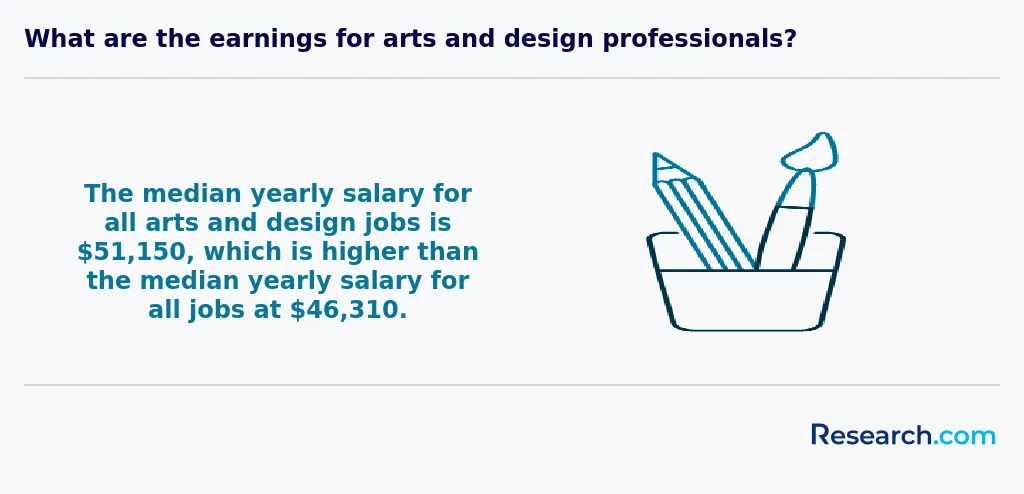
Success in an online fine arts program depends on proactive strategies and smart use of available resources. Start by setting clear goals for both skill development and career outcomes. Developing a dedicated workspace and consistent schedule can help maintain focus, while actively participating in online critiques and group projects fosters meaningful connections. Moreover, take advantage of digital tools and art software to both refine your techniques and build a standout online portfolio. It’s also beneficial to seek guidance from mentors and alumni who can offer real-world advice on transitioning your skills into professional opportunities. For instance, exploring the options listed among the best online fine arts schools in colorado can provide insights into how top institutions support their online learners. These actionable tips not only enhance your academic experience but also boost your confidence and competitiveness in the evolving art market.
Online fine arts degrees in the West consistently include a core set of courses that shape both the mindset and skills of emerging artists. Graduates from universities like UCLA or the University of Washington often reflect on the impact of foundational courses such as Art and Design fundamentals, where mastery of color theory and composition transforms simple sketches into compelling creations. These are not just abstract concepts but practical tools that artists use daily in virtual studio spaces.
Courses in Drawing and Painting taught through digital platforms enable intimate critique sessions, echoing the in-person feedback received on campus. Many students express how this interactive environment fuels their confidence and artistic risk-taking, despite the physical distance.
Art History remains central, connecting students deeply to Western art movements, making their work resonate with cultural context and critical depth. Online learners from colleges like Portland State frequently recount how this perspective expanded their creative approach.
Emerging digital media courses-including graphic design and animation-reflect a West Coast embrace of technology, preparing students to navigate the evolving art market. Beyond technical skills, class projects often simulate real-life portfolio reviews, honing presentation and storytelling abilities vital for future success.
Online fine arts specializations in the West challenge the stereotype that art education is confined to traditional studio work. Graduates from universities such as those in the University of California system find themselves immersed in diverse tracks like visual arts, graphic design, creative writing, and digital media-each reflecting the dynamic cultural and technological landscape of the region.
Visual arts students sharpen their craft blending classical techniques with digital innovation, preparing portfolios that open doors to esteemed galleries or museum roles. Meanwhile, graphic design students embrace the booming tech markets of the West, mastering advertising, branding, and web design, buoyed by employment growth predictions that validate this creative investment.
Creative writing thrives as a discipline aimed at storytellers eager to impact media industries, often supported by thriving communities focused on scriptwriting and multimedia narratives. Digital media, blending fine arts with cutting-edge technology, draws graduates to California's digital studios, representing a living laboratory of entertainment evolution. For those weighing options, exploring financial details alongside academics-perhaps comparing with a resource like library and information science online-helps frame the true value of pursuing these exciting specializations.
Choosing the best online fine arts degree in the West demands more than just scanning tuition rates or program lengths; it calls for an immersed understanding of how the unique cultural and creative environment of Western states shapes your education. Graduates from renowned colleges in California or Washington often recall how programs blending studio practice with digital arts empowered their artistic voices while staying relevant to today's market. They highlight the value of faculty who juggle professional artistry and mentorship, creating connections that transcend virtual classrooms.
Budget considerations should extend beyond sticker price to weigh flexible tuition models and scholarships tailored for fine arts aspirants. This is essential when searching for affordable online MFA degrees in Western states, where cost ranges widely but options like in-state tuition can ease financial pressure. One graduate's breakthrough came after discovering an online program with robust career services and virtual studios, which made remote collaboration feel alive and inspiring.
To truly thrive, reflect on your own ambitions and lifestyle. Programs offering flexibility in pace and interdisciplinary opportunities align well with the dynamic lives of many artists pursuing a creative practice alongside study. If you are unsure how your fine arts journey could intersect with other passions, explore related paths like a music degree career options to broaden your horizons while anchored in your core interests.

Graduates with an online fine arts degree in the West often find themselves navigating a vibrant spectrum of careers that defy the narrow stereotypes of "artist" alone. From painting and sculpture produced at institutions like the California Institute of the Arts to digital media crafted by graduates of the University of Washington, the possibilities reflect the innovative spirit inherent in West coast culture. Many alumni thrive as illustrators, graphic designers, or photographers, translating creative vision into commercial success within dynamic markets like Los Angeles and Seattle.
But the journey doesn't stop with personal artistry. Careers in arts administration and education emerge as equally compelling paths. Graduates who immerse themselves in community programs or K-12 schools harness their degrees beyond studios, inspired by examples found in programs at prominent Western colleges. These roles demand complex leadership and communication skills, expanding horizons for those pursuing online fine arts careers in the West.
Interestingly, some graduates pivot to technology-driven fields such as animation or virtual reality, industries flourishing in tech hubs across the region. As creative professionals discover how to blend artistic craft with emerging digital tools, exciting intersections unfold. For those interested in crossing interdisciplinary boundaries, exploring early childhood education graduate programs online represents another avenue to transform passion into impact.

The job market for graduates with an online fine arts degree in the West challenges the idea that creative fields are niche and unstable. Graduates from institutions known for their arts programs in cities like Los Angeles and San Francisco share stories of navigating diverse roles-from graphic design and animation to emerging fields like UI/UX in gaming and digital media. The demand in these cultural hubs remains robust, fueled by entertainment and tech industries, where salaries for experienced professionals often reach $75,000 to $90,000 annually.
Career opportunities for fine arts graduates Western US are no longer confined to traditional studios; many find rewarding freelance or remote positions, allowing flexibility and a broader geographic reach. Graduates appreciate that while the path requires entrepreneurial grit, it also offers creative freedom and connection to vibrant communities. Prospective students weigh these outcomes alongside tuition costs that can reach $40,000, making it crucial to explore the top colleges for financial payoff when planning their investment.
2027 Most Affordable Online Master's in Fine Arts Degree Programs Ranking in the West
Investing in your education is a significant decision that can shape your future, and the Research.com team understands the importance of making informed choices. To assist prospective students interested in Fine Arts, we have meticulously crafted the "2027 Most Affordable Online Master's in Fine Arts Degree Programs Ranking in the West." Our commitment to quality, credibility, and accuracy is demonstrated through extensive research and analysis undertaken to compile this ranking.
We utilized the following reputable data sources to ensure a comprehensive evaluation of online Fine Arts programs:
By exploring this ranking, readers will gain valuable insights into affordable online options for advancing their Fine Arts education while making well-informed decisions. For more details on our methodology, please visit our Research.com methodology page.


# 3 position
Anaheim University
Master of Digital Filmmaking

# 4 position
Academy of Art University
Master of Visual Development

Frequently Asked Questions About fine arts
Online fine arts degree students in the West can maximize their learning by actively engaging with digital platforms that offer interactive tools and virtual studios. According to the National Center for Education Statistics, over 70% of students in Western states take advantage of online resources to supplement their coursework.
Joining regional art communities and attending virtual galleries or critiques helps develop networking skills and provides critical feedback. Students should also schedule regular virtual meetings with instructors to clarify concepts and enhance mentorship opportunities. Leveraging local cultural institutions' online offerings, like museum virtual tours in California or Washington, enriches their understanding of contemporary and historical art practices.
Emerging niches within the fine arts field reflect growing technological integration and cultural shifts in the Western US. Digital arts, including virtual reality (VR) and augmented reality (AR) applications, are rapidly expanding, with enrollment in related graduate programs increasing by 15% annually according to the National Endowment for the Arts. Another rising area is socially engaged art, where practitioners collaborate with communities to address social issues through creative work.
Environmental art focusing on sustainability is gaining traction, supported by grants from organizations like the Pollock-Krasner Foundation. Additionally, interdisciplinary fields combining fine arts with artificial intelligence offer new creative possibilities, appealing to students interested in innovation within art forms.
Graduates with an online fine arts degree in the West should start preparing for the job market by building a strong portfolio showcasing their best work. According to the National Endowment for the Arts, 67% of artists find employment through personal networking and professional connections. Engaging in internships and freelance projects during or after studies enhances practical experience.
Additionally, understanding digital marketing and social media skills is critical, as 85% of arts professionals promote their work online, reports the Western States Arts Federation. Finally, joining regional arts organizations can provide valuable job leads and community support.
Employers in the Western United States highly value fine arts graduates who demonstrate strong creative and technical skills. According to the National Endowment for the Arts, proficiency in digital design tools and software like Adobe Creative Suite is essential. Additionally, visual communication abilities are key, as they help artists effectively convey ideas.
Critical thinking and problem-solving skills are increasingly sought after, enabling graduates to adapt across various industries. Collaboration and communication also rank as top skills, with 78% of Western art employers prioritizing teamwork abilities, based on surveys by the College Art Association.
Time management and professionalism remain fundamental to meet project deadlines and maintain client relationships.
Finding internships relevant to a fine arts degree in the Western United States involves strategic research and networking. Start by exploring university career centers, which often maintain exclusive internship listings tailored to their students, including partnerships with local galleries, museums, and art organizations.
Online platforms like Handshake and LinkedIn also provide valuable internship opportunities specifically in the arts sector. According to the National Endowment for the Arts, California, Oregon, and Washington host over 60% of fine arts internships on the West Coast, reflecting strong local industry presence.
Additionally, professional arts organizations such as the College Art Association and regional arts councils frequently post openings. Consider reaching out directly to studios and nonprofits for unpaid or volunteer roles, which can lead to paid internships.
An online fine arts degree can significantly enhance career mobility and advancement for students in the Western United States. According to the National Endowment for the Arts, professionals with advanced fine arts degrees in the West often access a wider range of job opportunities beyond traditional art roles, including digital media, design, and education.
Online programs offer flexibility, allowing students to balance work and study, which is crucial for career growth. A report by the Bureau of Labor Statistics projects a 3% growth in arts-related occupations in Western states through 2031, emphasizing the importance of formal education.
Moreover, many employers in creative industries in the West recognize online degrees from accredited institutions as equal to on-campus credentials, helping graduates compete effectively in the job market.
Studying for a fine arts degree in the Western United States increasingly emphasizes interdisciplinary skills. Programs integrate digital media, design, and traditional studio arts to broaden student expertise. This approach aligns with industry demands where employers value versatility across creative fields. For example, many Western universities incorporate courses in graphic design, animation, and art history alongside core fine arts subjects.
According to the National Endowment for the Arts, nearly 30% of arts graduates pursue cross-disciplinary roles. Online degrees in the West often provide access to diverse faculty and collaborative projects, preparing students to work in various settings like advertising, education, and digital production.
These programs also encourage critical thinking and innovation, essential for evolving art careers. Students develop a versatile portfolio that enhances employability in a competitive market.
When choosing between a thesis and a non-thesis online fine arts degree in the West, consider your career goals and learning preferences. Thesis programs typically require original research or a significant creative project, making them suitable for students aiming for academic, research, or teaching careers. Non-thesis tracks often emphasize practical skills and may include internships or comprehensive exams instead.
According to the National Center for Education Statistics, about 40% of MFA programs in the West offer these options, reflecting varied demands. Thesis options usually extend program length by a semester, which can affect cost and time commitments. Carefully review program requirements and outcomes to decide what aligns best with your goals.
Students based in the Western United States have multiple options for studying fine arts abroad through online degree programs offered by accredited US institutions. Many Western universities provide fully online master's degrees in fine arts, allowing students to benefit from international faculty expertise without relocating. According to the National Center for Education Statistics, Western states like California and Washington lead in enrollment for online arts programs.
Several programs emphasize global art history and cross-cultural practices, offering students exposure to international art scenes. Accreditation by bodies such as NASAD ensures program quality, critical for students considering careers abroad. This approach allows Western students to access diverse curricula while balancing personal and professional commitments.
Students pursuing an online fine arts degree in the Western US can benefit from various part-time job opportunities that enrich their education. Common roles include gallery assistants, museum staff, and art therapy aides, which provide practical exposure to art handling and curation. According to the Bureau of Labor Statistics, gallery and museum positions in Western states like California and Washington offer flexible hours suitable for students.
Additionally, freelance graphic design and digital illustration are in demand, enabling students to apply digital art skills while earning income. These jobs build portfolios and professional networks essential for careers in fine arts. Retail positions in art supply stores also offer relevant experience and industry insight.
Online fine arts students in the Western United States have increasing access to valuable networking opportunities. Many programs partner with regional art galleries, museums, and cultural organizations, offering virtual internships and workshops. According to the National Endowment for the Arts, the West hosts over 7,000 art-related organizations, creating a fertile environment for connections.
Programs often facilitate virtual meetups, critique sessions, and alumni networks. Platforms like LinkedIn and specialized online forums help students connect with local artists and industry professionals. Additionally, some schools organize in-person networking events in major Western cities to complement online learning.
Alumni networks provide vital support for online fine arts degree students in the Western US by fostering professional connections and mentorship opportunities. According to the National Association of Colleges and Employers, 85% of jobs are filled through networking, highlighting the importance of these communities. Fine arts graduates benefit from access to job leads, gallery exhibits, and collaborative projects through their alumni groups.
In the West, where creative industries such as film, design, and digital media are thriving, alumni networks help students navigate competitive markets. Institutions often host virtual events, connecting remote students with established artists and industry professionals.
These networks also offer a platform for lifelong learning and skill sharing, which is crucial in evolving art fields.
Customizing an online fine arts degree program in the Western US allows students to align their education with specific career goals. Many universities offer elective courses, concentrations, or specializations in areas like graphic design, painting, or digital media. These options enable students to develop skills directly applicable to their desired professions.
Additionally, students can select project-based courses and participate in virtual internships to gain practical experience. Western institutions often provide access to industry professionals through webinars and portfolio reviews, aiding career readiness.
According to the National Center for Education Statistics, over 35% of art and design students in the West tailor their coursework toward emerging digital arts fields, reflecting growing market demand.
Online fine arts students in the Western United States encounter several notable challenges. A key difficulty is limited access to hands-on studio experiences, which are vital for skill development in disciplines like painting or sculpture. Many programs attempt to mitigate this through virtual workshops, but these cannot fully replace in-person guidance. According to the National Endowment for the Arts (2022), 45% of Western fine arts students expressed concerns about the lack of physical equipment and space.
Networking is another challenge; online learners often struggle to connect with peers and professionals compared to traditional settings. Furthermore, maintaining motivation remotely can be difficult given the solitary nature of virtual study.
Technical barriers also play a role, as some students face issues with reliable internet or appropriate software for digital art tools, impacting their workflow and project deadlines.
With an online fine arts degree, graduates in the Western United States can pursue several professional certifications to enhance their credentials. One of the most relevant is the Certified Art Therapist (ATR) credential, granted by the Art Therapy Credentials Board, which requires a master's degree in art therapy or related fine arts fields. Additionally, individuals can seek certification as Museum Technicians or Registrars through organizations like the American Alliance of Museums, which supports careers in curation and preservation.
Those interested in teaching may pursue state-specific teaching certifications to become licensed art educators in public schools. For example, California or Washington offer endorsements in visual arts education upon meeting state requirements.
Professional certifications do not only expand career opportunities but also validate specialized skills in areas such as digital media, gallery management, and art restoration, reflecting the evolving fine arts landscape in the West.
To write a winning application for an online fine arts program in the West, start by clearly articulating your artistic goals and how the program supports them. Admissions committees value a strong personal statement that connects your past experiences with future ambitions. According to the National Endowment for the Arts, highlighting unique creative projects can set you apart.
Include a portfolio showcasing both technical skill and originality. Many Western programs recommend 10-15 diverse pieces. Pay attention to quality over quantity. Additionally, secure letters of recommendation from professionals familiar with your art practice or academic performance.
Finally, ensure all materials meet program deadlines and follow specific submission guidelines to avoid automatic disqualification.
The global perspective on a fine arts career is increasingly shaped by a diverse and interconnected art market. In the United States and the Western world, fine arts graduates often find opportunities not only locally but also internationally, thanks to digital platforms and global networks.
According to the National Endowment for the Arts, over 2.5 million Americans were employed in arts and design occupations in 2022, reflecting steady growth. The U.S. remains a leader in fine arts education, attracting students interested in careers ranging from gallery management to multimedia art.
Online fine arts degrees expand access by allowing students in the West to engage with global artistic trends while preparing for flexible career paths. This adaptability aligns with the increasing demand for artists who can navigate both traditional and digital spaces.
Gaining practical experience while studying for an online fine arts degree in the West is essential for skill development and career readiness. Many programs encourage internships or collaborative projects with local galleries and art studios, allowing students to engage directly with the art community. According to the National Endowment for the Arts, about 45% of fine arts students participate in internships during their degree, which enhances their portfolios and networking opportunities. Additionally, virtual workshops and critiques led by experienced artists are commonly integrated into online courses, offering hands-on feedback and real-world practice.
Students can also join regional art associations or attend exhibitions to build professional connections. Many Western universities offer access to digital studios where students can create and showcase their work remotely. Leveraging these opportunities helps bridge the gap between theory and practice, preparing graduates for diverse art careers.
Choosing the right concentration within an online fine arts degree in the Western US requires careful consideration of your career goals and interests. Popular specializations include studio art, creative writing, and digital media, each offering distinct skill sets. According to the National Endowment for the Arts, digital arts are rapidly growing in demand, especially in metropolitan areas like Los Angeles and San Francisco. Research universities in states such as California and Washington often provide diverse online options with accredited programs recognized by the National Association of Schools of Art and Design (NASAD).
Review course offerings closely to ensure they align with industry standards and your creative aspirations. Additionally, consider programs that provide mentorship opportunities, as interaction with faculty enhances practical learning. Finally, evaluate how each concentration supports freelance or employment-based pathways prevalent in the Western arts economy.
- 404 – Seite nicht gefunden https://www.gostudent.org/en-gb/blog/what-jobs-can-you-get-with-a-fine-arts-degree
- Degrees & Diplomas | College of Arts, Conservation and Design https://www.westdean.ac.uk/degrees-and-diplomas/courses
- 10 Real-World Ways Art Class Can Impact Your Life https://theartofeducation.edu/2019/03/10-real-world-ways-art-class-can-impact-your-life/
- Careers in Fine Art https://www.artcenter.edu/academics/undergraduate-degrees/fine-art/careers-in-fine-art.html
- What Alumni Say https://www.cityandguildsartschool.ac.uk/ma-fine-art/student-and-alumni-case-studies/
- Arts, History and Humanities in Global Perspective https://u-paris.fr/language/en/arts-history-and-humanities-in-global-perspective-en/
- Choosing to Go to Art School https://www.gallerieswest.ca/magazine/art-studies/choosing-to-go-to-art-school/
- MFA Statement of Purpose: The Artist Statement + Academic Goals Hybrid https://gradpilot.com/news/mfa-statement-of-purpose-artist-statement-guide
- Careers in the Arts: Who Stays and Who Leaves? https://snaaparts.org/findings/reports/careers-in-the-arts-who-stays-and-who-leaves
- Fine Arts Course Duration: Complete Guide to Eligibility, Fees, & Career Scope - AAFT https://aaft.com/blog/fine-art/fine-arts-course-duration-complete-guide-to-eligibility-fees-career-scope/


