
2027 Most Popular Fine Arts Degree Programs Ranking in Lancaster

Co-Founder and Chief Data Scientist
Choosing the right fine arts degree program can be both exciting and overwhelming. To help students in Lancaster navigate their options, this article presents the 2027 Most Popular Fine Arts Degree Programs Ranking in Lancaster, carefully developed by the Research.com team of data scientists.
By exploring this ranking, you'll gain valuable insights into the programs that stand out locally. Whether you aim to enhance creativity, build skills, or prepare for a fulfilling career, understanding these choices makes your decision clearer and more confident.
Discover how a fine arts degree can open doors to meaningful opportunities and personal growth.
Key benefits of getting fine arts degree in Lancaster
- Graduates with a fine arts degree in Lancaster can earn competitive salaries, such as $64,700 annually for graphic artists and up to $109,630 for animators, reflecting strong financial potential in creative careers.
- Many fine arts graduates from Lancaster's colleges pursue diverse career paths including illustration, animation, and art therapy, offering exciting opportunities to turn creativity into a fulfilling profession.
- Online fine arts degrees from Lancaster institutions provide flexibility and affordability, allowing students to balance work and study while gaining valuable skills valued by employers.
- 2027 Most Popular Fine Arts Degree Programs Ranking in Lancaster
- What can I expect from fine arts degree in Lancaster?
- Where can I work with fine arts degree in Lancaster?
What can I expect from fine arts degree in Lancaster?
When diving into a fine arts degree in Lancaster, students often find themselves immersed in vibrant studios and tight-knit classes where creativity flows freely. Graduates from local colleges frequently share how the mix of hands-on projects and inspiring faculty guidance fueled their growth. Imagine sculpting a piece inspired by a city-sponsored exhibition or collaborating on digital media work that pushes the boundaries of traditional art.
Financially, the adventure includes balancing tuition and art supplies. The average annual cost of pursuing fine arts in Lancaster ranges between $12,000 and $22,000, varying by whether you choose a public or private institution. Many students feel encouraged by available federal aid and scholarships tailored specifically for studio arts, helping soften the financial load.
One graduate recounted how access to local galleries and internships brought real-world excitement, complementing the classroom experience and creating fruitful connections for the future. This blend of creative exploration and practical support makes studying fine arts in Lancaster a truly engaging journey.
Where can I work with fine arts degree in Lancaster?
Graduates from fine arts programs at places like Franklin & Marshall College often find themselves immersed in Lancaster's vibrant cultural scene, working in local museums such as the Lancaster Museum of Art or the Demuth Museum. Imagine showcasing your paintings during the buzzing First Friday events or curating exhibitions that draw in art enthusiasts from all around.
Many fine arts alumni choose to become artists or illustrators, freelancing or collaborating with businesses and community groups eager for fresh creative talent. Others dive into education, teaching in Lancaster's public and private schools or leading community workshops, where their passion sparks new creative journeys in young minds.
Working in nonprofit arts organizations, like the Phillips Museum of Art, also draws graduates who enjoy blending artistic knowledge with leadership. Plus, some find exciting roles in graphic design, multimedia, and advertising, joining Lancaster's growing network of media and marketing agencies eager for imaginative professionals who understand visual storytelling.
Each path offers the chance to live creatively and make a meaningful impact in Lancaster's supportive arts community.
If you're diving into a fine arts degree in Lancaster, imagine launching your career with a graphic designer role earning around $64,700 per year-quite a rewarding start for those fresh from local colleges. Graduates have shared how their skills blossomed through hands-on projects and networking events hosted by Lancaster's art programs, setting them on paths toward these creative jobs.
For those inspired by illustration, alumni often find themselves making about $71,420 annually, blending passion with a solid paycheck. Animators, a thrilling option for tech-savvy artists, can dream even bigger with average salaries near $109,630, reflecting the growing demand for digital creativity here and beyond.
Art therapists, combining empathy and art, earn about $75,660 yearly, a path offering both personal fulfillment and economic stability. Exploring these career avenues after graduation feels like stepping into a vibrant local scene, where every workshop or gallery visit at Lancaster's institutions fuels your potential to earn and grow.
- Fine arts degrees in Lancaster are offered at accredited institutions with programs in painting, sculpture, graphic design, and digital media.
- Tuition ranges from $10,000 to $25,000 per year at public colleges and can exceed $30,000 annually at private schools, with additional studio and material fees each semester.
- Graduates start with an average salary of about $35,000 per year, increasing to $50,000-$55,000 with experience, especially in graphic design and digital arts roles.
- The job market shows moderate growth, with steady demand in arts education, museums, galleries, marketing firms, and freelance work, though competition can be high.
- Local arts organizations and cooperative studios provide professional networks and opportunities for career development beyond studies.
Embarking on a fine arts degree journey in Lancaster usually takes about four years for full-time students, mirroring the exciting pace found at local colleges like Millersville University or the Pennsylvania College of Art & Design. Imagine diving deep into painting and sculpture studios, balancing your time between creative bursts and thoughtful art history classes-all within this vibrant four-year window. Graduates often describe how this timeframe felt like a perfect adventure: immersive yet manageable, allowing them to explore their artistic voice fully.
Some students choose part-time paths, stretching this journey a bit longer while juggling work or personal projects. In fact, a few have found this balance enriching, turning their studies into a flexible discovery process unique to their own pace. Meanwhile, associate degrees in the area offer a quicker, two-year immersion, acting as a gateway for those eager to ignite their creativity sooner.
Throughout the process, many Lancaster students cherish the hands-on experiences-from lively campus galleries to collaborative projects-that add layers of meaning and excitement to those four transformative years.
Choosing between an online and on-campus fine arts degree in Lancaster means stepping into two very different creative worlds. Imagine attending a popular Lancaster college, where graduates recall the thrill of late-night studio sessions surrounded by vibrant canvases and the hum of fellow artists nearby. The hands-on experience-access to galleries, workshops, and live critiques-creates an immersive environment that sparks inspiration and spontaneous collaboration.
On the flip side, online learners in Lancaster embrace flexibility, fitting assignments and virtual critiques around busy schedules. Graduates from well-known local universities appreciate that digital platforms offer video demos and remote feedback, making art accessible from any corner of their lives. However, they often describe missing the tactile magic of a physical studio, where materials and textures come alive beneath their fingers.
Both paths invite deep creative exploration, but Lancaster's on-campus programs uniquely place students in the heart of a thriving arts community, while online options open doors to art-making without geographic limits.
Prospective students should verify that Fine Arts programs in Lancaster, PA, hold both regional and programmatic accreditation to guarantee academic quality and industry acceptance. Most reputable institutions in Lancaster are accredited by the Middle States Commission on Higher Education, ensuring their degrees meet rigorous standards. Additionally, program-specific accreditation from the National Association of Schools of Art and Design (NASAD) confirms that studios, faculty credentials, and curricula align with national benchmarks for art education. Accredited programs facilitate smooth credit transfers, eligibility for federal financial aid, and recognition by graduate schools and employers. Industry recognition-such as student exhibitions juried by professional artists or partnerships with local galleries-further demonstrates a program’s commitment to real-world skills. When evaluating Fine Arts degrees, consider both accreditation status and cost efficiency; for example, our Cheapest Online Fine Arts Degree Programs Ranking in Florida offers insights into affordable, quality-driven online options. Ensuring accreditation and strong industry ties will empower you to earn a respected degree and launch a successful career in the arts.
Exploring the average cost of fine arts degree in Lancaster reveals a fascinating range shaped by local institutions. For those studying at public universities such as Millersville University, in-state students might anticipate total expenses close to $32,150 for their degree. Graduates from these schools often fondly recall the balance between affordable tuition and hands-on studio experiences that enriched their learning journey without overwhelming financial stress.
On the other hand, private colleges like Franklin & Marshall College offer a distinctly different experience-and cost. Here, tuition and fees can soar beyond typical public rates, contributing to a median total near $51,030. Despite the higher investment, many alumni treasure the intimate class sizes, personalized mentorship, and vibrant artistic community that justify this commitment.
Considering Lancaster fine arts degree tuition and fees involves more than just tuition numbers. Creative students know that supplies, studio fees, and materials add an extra $1,000 to $3,000 annually, reflecting the specialized equipment needed to bring their visions to life. This attention to detail is part of what makes Lancaster's fine arts programs truly immersive.
Financial aid plays a key role too. Many students find relief through institutional scholarships and federal aid. Curious learners might explore opportunities from state grants or even most affordable online doctorate programs for funding inspiration. This dynamic financial landscape makes pursuing a fine arts degree in Lancaster an ever-engaging adventure where creativity and pragmatism meet.

Lancaster’s vibrant arts ecosystem plays a crucial role in shaping the educational and professional opportunities for Fine Arts students. Beyond classroom learning, local galleries, museums, and artist collectives actively engage with institutions to offer real-world experience through internships, collaborative exhibitions, and community events. These partnerships not only enrich the curriculum but also create a continuous feedback loop between emerging talent and industry professionals, ensuring that graduates are well-prepared for creative careers. Students are encouraged to tap into networks that foster mentorship and hands-on opportunities with seasoned artists and art organizations. For instance, connecting with the local arts scene can lead to participation in city-sponsored projects and cultural festivals, offering invaluable exposure that extends far beyond academic settings. Many prospective students can also deepen their understanding of these opportunities by exploring the comprehensive data on the city's leading programs, including the most popular fine arts programs. By leveraging these local partnerships and immersing themselves in Lancaster’s dynamic arts community, students can build strong portfolios that resonate with employers while also contributing to the cultural fabric of the region. This collaborative environment not only nurtures artistic skills but also empowers graduates to thrive in a competitive creative industry.
Imagine stepping into a vibrant studio at Millersville University, where a fine arts student eagerly sketches, knowing their tuition is partially covered by a generous Pennsylvania State Grant. This grant, designed to support local talent, eases financial stress so creativity can flourish. Many Lancaster fine arts students unlock similar opportunities by filling out the FAFSA, opening doors to Pell Grants that can reduce costs by thousands-up to $7,395 in 2023.
Beyond federal aid, institutional scholarships from schools like Franklin & Marshall College reward artistic passion and academic excellence, fueling dreams with merit-based awards. Some graduates recall how community groups, such as the Lancaster Arts Council, offered scholarships that felt like personal endorsements of their creative journeys.
Balancing wallets and work, numerous students embrace work-study roles on campus or in community art programs, weaving practical experience into their evolving portfolios. Occasionally, passionate artists tap into competitive national grants like those from the NEA-ambitious moves that transform financial hurdles into inspiring milestones.
Lancaster’s fine arts scene is rapidly evolving, with new creative technologies and interdisciplinary approaches reshaping how art is produced and appreciated. As digital platforms and innovative media converge with traditional techniques, students and professionals alike are finding exciting ways to express their creativity and connect with broader audiences. Key trends include the integration of virtual reality in exhibition design, the rise of eco-friendly art practices, and an increasing emphasis on community-based projects that foster local engagement. Moreover, these shifts are opening up diverse career opportunities that extend beyond conventional roles. For example, many aspiring artists are now exploring collaborative initiatives with tech firms to create interactive installations and digital galleries. For an in-depth view of educational pathways that can leverage these trends, be sure to check out the most popular fine arts programs available in the region. Staying informed about these emerging opportunities not only enhances your creative skills but also ensures you remain competitive in a dynamically changing market. By embracing both the traditional foundations of fine arts education and the innovative techniques defining today’s art world, Lancaster, PA, continues to be a thriving hub for artistic growth and professional success.
Diving into a fine arts degree in Lancaster means bringing more than just a high school diploma to the table. Graduates from Franklin & Marshall College often describe the excitement-and nerves-of assembling a portfolio that truly captures their unique style, from bold paintings to intricate sculptures. This portfolio becomes a visual story of your skills and creativity, opening doors to professors who see your potential beyond grades.
Many applicants share how crafting a personal statement and gathering letters of recommendation helped them express their artistic journey and passion. At Lancaster's art schools, these documents paint a fuller picture, guiding admissions through your motivations and dreams.
Some programs add another layer of adventure with placement tests or interviews, moments where confidence and authenticity meet. These steps ensure you're ready to thrive in a competitive environment, setting the stage for an inspiring artistic path.

Program accreditation ensures that a Fine Arts degree in Lancaster, PA meets rigorous academic and professional standards, safeguarding your investment and enhancing your qualifications. Prospective students should verify both institutional accreditation-typically granted by the Middle States Commission on Higher Education-and specialized programmatic accreditation from bodies such as the National Association of Schools of Art and Design (NASAD). Accredited programs undergo periodic review of curriculum, faculty credentials, facilities, and student outcomes to maintain quality assurance. Choosing an accredited Fine Arts program affects more than academic recognition. It determines eligibility for federal financial aid, impacts credit transferability, and strengthens graduate school or employment applications. For instance, graduates from NASAD-approved programs often benefit from streamlined admissions into MFA or EdD pathways and enjoy greater credibility in gallery exhibitions and grant competitions. When evaluating costs, it’s also valuable to compare alternative online offerings-such as the cheapest online bachelors degree in video game design-to ensure you select a program that balances affordability with accreditation excellence. To confirm accreditation, consult the U.S. Department of Education’s Database of Accredited Postsecondary Institutions and Programs (DAPIP) and review each Lancaster institution’s accreditation disclosures. By prioritizing accredited Fine Arts programs, students secure a quality education that is widely recognized, transferable, and aligned with professional standards.
At Lancaster's leading colleges, diving into a fine arts degree means embracing a vibrant mix of courses that awaken your creativity and sharpen your skills. Imagine yourself in a bustling painting studio, just like many graduates recall, experimenting with color and composition while mastering fundamentals of drawing and sculpture. These core classes build your hands-on experience, pushing you to explore diverse techniques and find your unique artistic voice.
Digital arts are also front and center, reflecting Lancaster's embrace of evolving technology. Students often describe the thrill of working on digital imaging and animation projects, preparing them for careers that blend creativity with cutting-edge tools. In classrooms filled with energy, art history and theory courses add depth-offering fresh perspectives by diving into cultural stories and artistic movements that shape your work.
Alongside studios and lectures, portfolio development and professional practices classes equip you with the confidence to present your art and navigate the vibrant Lancaster art scene. Many graduates treasure the opportunities for internships with local galleries, enriching their experience and connections while exploring the city's lively creative community.

Exploring fine arts degree specializations in Lancaster reveals a rich tapestry of creative paths that students eagerly dive into. Graduates from popular colleges here often share stories of thriving in hands-on Sculpture studios, shaping clay and metal into breathtaking forms, or immersing themselves in the vibrant world of Graphic Design, where digital tools merge with artistic vision to craft compelling media. Painting and Drawing remain core favorites, where students revel in expressing emotion through brush and pencil, fueled by Lancaster's inspiring cultural backdrop.
Others find themselves captivated by the intricate techniques of Printmaking, or the storytelling power of Photography, learning to manipulate light and shadow on bustling campus streets. Art History lovers cherish deep dives into artistic movements, linking theory to Lancaster's own dynamic art scene. The diversity seen in art degree programs with Lancaster focus empowers students to explore both traditional studios and contemporary spaces. Many alumni speak warmly of how this adventurous journey prepared them not only for artistry but also for thriving in best in-demand jobs in education.
When you embark on the adventure of choosing the best fine arts degree programs Lancaster offers, imagine walking through vibrant studios filled with the scent of paint and the hum of creativity. Graduates from popular schools like Millersville University often share how hands-on experiences in sculpture or digital media classes fueled their passion and opened doors. Seeking programs with diverse coursework and expert faculty who inspire can transform your education into a thrilling journey of personal and artistic growth.
It's exciting to find colleges in Lancaster that combine well-equipped facilities and close-knit artistic communities, where collaboration and experimentation thrive. Affordable fine arts colleges Lancaster offers, such as public institutions, let you focus on creating without the stress of overwhelming tuition costs. Plus, understanding career paths is rewarding-if you're curious about career options beyond art, exploring high-paying music degree jobs alongside your studies can spark fresh ideas as you shape your future.

Imagine launching your creative journey in Lancaster, where graduates from local colleges often find themselves immersed in vibrant roles like visual artists, commissioned by galleries or collaborating with small businesses. Many who pursued a fine arts career opportunities in Lancaster blossom as graphic designers for marketing firms or nonprofits, turning bold ideas into compelling visual stories. Teaching art, whether in schools or private workshops, also appeals to those craving direct impact, while some adventurous graduates blend their artistic passion with psychology, working as art therapists to help the community heal through creativity.
Others dive into the bustling world of curation, managing exhibitions at Lancaster's cultural institutions, crafting experiences that captivate visitors. The best jobs with fine arts degree Lancaster graduates cherish also include advertising and multimedia roles, fueled by digital media skills. Students eager to blend art with innovation sometimes take additional paths like pursuing an online special education teaching certification to diversify their career options and enrich their professional lives.
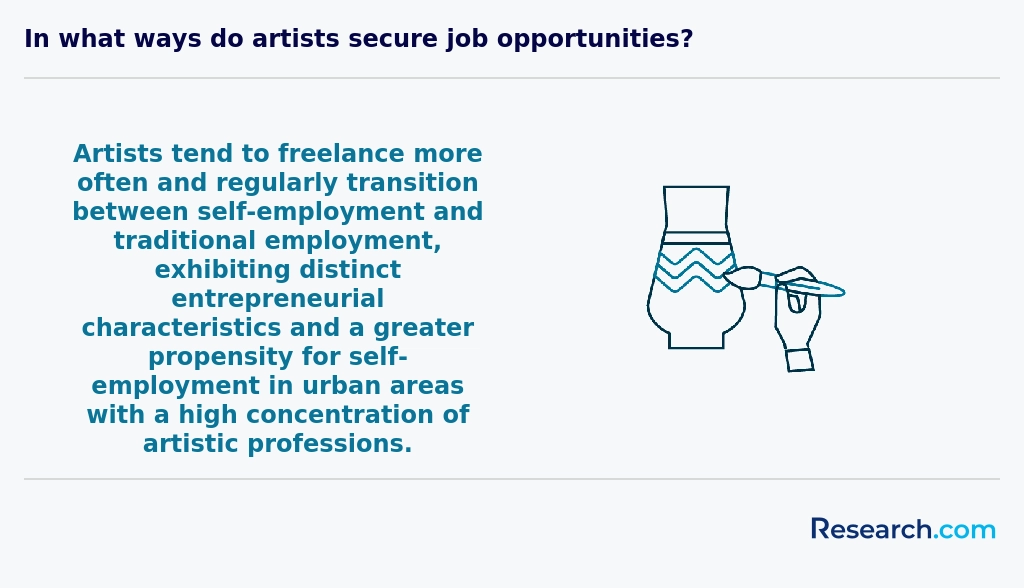
The fine arts employment opportunities in Lancaster reveal a dynamic yet challenging scene for graduates ready to dive into the creative world. Imagine stepping out from one of Lancaster's vibrant universities or colleges with a diploma in hand, eager to translate passion into a paycheck. Graduates often find themselves navigating a competitive market where part-time, freelance, or contract work is common-but this flexibility also opens doors to a variety of unique projects and collaborations within the local arts scene.
Many artists build strong portfolios and cultivate connections through the city's bustling galleries and community programs, turning artistic dreams into tangible opportunities. Those who blend fine arts skills with business or digital media know they often lead their peers toward more sustainable careers, especially when aiming for roles in graphic design or marketing.
For students choosing fine arts studies here, considering the most popular fine arts programs can help balance the cost of education against practical job outcomes in Lancaster's art market. The Lancaster fine arts job market outlook encourages new graduates to embrace diverse creative paths, using both their talent and adaptability to thrive.
2027 Most Popular Fine Arts Degree Programs Ranking in Lancaster
Investing in your education is a significant decision that can shape your future, and the Research.com team understands the importance of making informed choices. To assist prospective students in Lancaster, we have meticulously crafted the "2027 Most Popular Fine Arts Degree Programs Ranking in Lancaster." Our commitment to quality, credibility, and accuracy is reflected in the extensive research and analysis conducted to compile this ranking.
We utilized the following reputable data sources to ensure a comprehensive evaluation of fine arts degree programs:
By exploring this ranking, readers will gain valuable insights into the most popular fine arts degree programs in Lancaster, enabling them to make well-informed decisions about their educational paths. For more details on our methodology, please visit our Research.com methodology page.


Frequently Asked Questions About fine arts
Fine arts degree students in Lancaster can maximize their learning experience by actively engaging with both academic coursework and the local arts community. Participating in workshops and visiting nearby galleries like the Demuth Museum enriches understanding of art history and contemporary practices. Lancaster, with its growing cultural scene, offers opportunities for internships and collaborations that provide practical experience and professional networking.
Students should also take advantage of resources at institutions like Millersville University, which offers specialized fine arts programs with access to state-of-the-art studios and exhibitions. Balancing studio time with critical study enhances artistic skills and conceptual development.
Furthermore, students benefit from joining student art organizations to foster peer feedback and community support, which research shows improves creative growth and career readiness.
Emerging niches within the fine arts field are reshaping education and career opportunities in Lancaster. One notable area is digital arts, where students focus on skills like animation, virtual reality, and 3D modeling. According to the National Endowment for the Arts, digital fine arts programs grew by over 15% nationwide in recent years.
Another developing niche is arts entrepreneurship, which blends creativity with business skills. This teaches students how to market their art and manage freelancing careers effectively.
Environmental art, which incorporates sustainability themes, is also gaining traction. Lancaster's local art organizations increasingly support this through community projects.
After completing a fine arts degree in Lancaster, preparing for the job market involves strategic steps to enhance employability. Graduates should develop a strong portfolio showcasing diverse projects, as this is crucial for artists and designers. Participating in local art exhibitions and networking events in Lancaster can increase visibility within the community.
Internships or freelance opportunities provide practical experience and connections. According to the National Endowment for the Arts, creative jobs in Pennsylvania grew by 4.5% from 2015 to 2021, indicating some opportunities locally. Additionally, graduates should consider continuing education or certifications in digital arts to meet evolving industry demands.
Employers in Lancaster seek fine arts graduates who demonstrate strong creative skills and technical proficiency. Candidates with expertise in digital media tools, such as Adobe Creative Suite, often have an advantage. According to the National Endowment for the Arts, adaptability and collaboration skills remain crucial in this evolving field.
Critical thinking and problem-solving abilities are highly valued, as many projects require innovative approaches. Furthermore, effective communication skills, both visual and verbal, help graduates work closely with clients and teams. Local galleries and studios in Lancaster emphasize practical experience, so portfolios showcasing professional work significantly impact hiring decisions.
Finding internships in Lancaster for fine arts students involves leveraging local arts organizations, galleries, and educational institutions. Lancaster is home to several art galleries and the Lancaster Museum of Art, which often offer internship opportunities relevant to fine arts. Students can also check with nearby universities like Millersville University, which may have partnerships or listings for internships.
Online platforms, such as Handshake and the National Art Education Association's job board, provide listings tailored to fine arts internships. Networking through local art events and social media groups focused on Lancaster's arts community significantly increases the chances of finding opportunities.
According to the Pennsylvania Department of Labor & Industry, internships in creative fields in Lancaster have grown by 12% over the past five years, highlighting increasing local support for emerging artists.
A fine arts degree in Lancaster offers valuable skills that enhance career mobility and advancement. Graduates acquire expertise in visual and creative arts, which employers in fields such as design, education, and media highly seek. According to the U.S. Bureau of Labor Statistics, job growth for art and design occupations is projected at 7% nationally through 2030, a positive outlook that extends to local markets like Lancaster.
Local cultural institutions and galleries also support career opportunities for fine arts graduates by providing networking and exhibition platforms. Additionally, alumni of Lancaster's art programs often report improved prospects in securing leadership roles or freelance projects. These outcomes are supported by data from the National Endowment for the Arts, which highlights the importance of formal art education in fostering professional advancement.
Studying for a fine arts degree in Lancaster equips students with versatile skills that are highly valuable in interdisciplinary roles. Programs often integrate traditional studio practice with courses in digital media, art history, and design, enabling students to engage with multiple creative fields.
Local institutions emphasize collaborative projects, encouraging students to work alongside peers in areas like technology, communications, and business. This approach mirrors real-world professional environments where cross-disciplinary teamwork is essential.
According to the National Endowment for the Arts, fine arts graduates develop critical thinking and problem-solving abilities that are transferable across sectors. In Lancaster, these qualities are reinforced through internships and partnerships with community organizations.
This prepares graduates to pursue careers not only as artists but also in advertising, education, and digital content creation, demonstrating the broad applicability of a fine arts education in the region.
When choosing between a thesis and a non-thesis fine arts degree program in Lancaster, consider your career goals and learning preferences. A thesis program typically involves in-depth research and a significant creative project, ideal for students aiming for academic or research careers. The non-thesis option focuses more on practical skills and studio work, which suits those planning to enter the art industry directly.
According to recent data from the National Center for Education Statistics, about 60% of fine arts graduates in Pennsylvania choose non-thesis programs for quicker workforce entry. Lancaster's local art schools often reflect this trend.
Also, consider program requirements: thesis paths usually demand more credits and time commitment.
Students based in Lancaster who wish to study fine arts abroad have several options through US colleges that offer exchange programs or partnerships with international institutions. Many universities in Pennsylvania, including those near Lancaster, participate in study abroad programs in countries known for their art heritage, such as Italy, France, and Spain. These programs typically last from a semester to a full academic year and combine practical studio work with art history courses.
The National Center for Education Statistics reports that about 15% of art and design undergraduates participate in study abroad programs, reflecting growing interest in international exposure. Additionally, scholarships targeting fine arts students for overseas study are available, helping mitigate costs.
To explore these opportunities, Lancaster students should consult with their college's study abroad office or academic advisors, who can provide updated lists of partner schools and application requirements. This approach ensures they receive both credit recognition and a valuable cultural experience essential for artistic growth.
Lancaster offers various part-time job opportunities that align well with fine arts degree studies. Students often find roles in local galleries and museums, assisting with exhibitions or art education programs. These positions provide valuable hands-on experience and networking. Additionally, freelance graphic design and illustration jobs are common, supported by Lancaster's growing creative community.
Retail positions in art supply stores can also complement studies by exposing students to essential materials and tools. According to the Lancaster Chamber of Commerce, art-related employment in the region has grown by 8% over the past five years, benefiting part-time job seekers in fine arts.
Fine arts students in Lancaster benefit from various networking opportunities that connect them with local artists, galleries, and cultural institutions. Colleges often partner with the Lancaster Arts Council and local galleries to provide internships and workshops, offering students practical experience and professional contacts.
Annual events such as the Lancaster Visual Art Exhibition draw regional attention, allowing students to showcase their work and meet established artists and potential employers. According to the Lancaster Arts Council, such events have increased student participation by 15% over recent years.
Many institutions also facilitate student memberships in national organizations like the College Art Association, broadening networks beyond the local community.
Alumni networks play a significant role for fine arts degree students in Lancaster by providing valuable connections within the local and broader artistic community. Graduates often gain access to exclusive workshops, exhibitions, and mentorship opportunities through these networks.
According to data from the National Association of Colleges and Employers, students who engage with alumni networks report a 20% higher likelihood of employment within six months post-graduation. In Lancaster, local arts organizations frequently collaborate with alumni groups, creating internships and job placements specifically for fine arts graduates.
These networks also facilitate peer support and collaboration, helping students showcase their work beyond the campus. For emerging artists in Lancaster, such connections can be crucial to building a sustainable career.
Customizing your fine arts degree program in Lancaster allows you to align your studies with your specific career goals. Many local institutions offer flexible curricula where you can choose concentrations such as graphic design, painting, sculpture, or digital media. This helps build relevant skills for careers in galleries, advertising, or multimedia production.
Internships and community partnerships in Lancaster's vibrant arts scene provide practical experience and networking opportunities. You can also select electives that focus on entrepreneurial skills, preparing you for freelancing or managing your own studio.
Consult academic advisors early to tailor your program effectively and explore available scholarships for fine arts students in Lancaster.
Fine arts students in Lancaster often face several common challenges during their studies. One primary difficulty is balancing creative work with academic requirements, as fine arts programs demand significant time for developing portfolios alongside written assignments. According to the National Center for Education Statistics, fine arts majors spend about 25% more time on coursework outside class compared to other disciplines.
Another issue is limited access to resources such as studio space and materials, which can be costly and sometimes scarce in smaller college settings. Additionally, students frequently encounter stress linked to subjective evaluations of their work, making feedback more challenging to interpret.
Financial pressures also impact many fine arts students in Lancaster, with the Bureau of Labor Statistics reporting that graduates often face lower median earning potential compared to other fields, which can influence decisions about continuing education or career paths.
A fine arts degree in Lancaster can open doors to several professional certifications that enhance career opportunities. Many graduates pursue certification in Art Education, such as obtaining a teaching license through the Pennsylvania Department of Education. This credential allows individuals to teach visual arts in public and private schools.
Another option includes certifications in Graphic Design or Digital Arts, offered by organizations like Adobe Certified Expert (ACE). These credentials validate technical skills highly valued by employers.
Additionally, some fine arts graduates seek curatorial or museum studies certificates. While not mandatory, these certifications improve qualifications for roles in galleries and cultural institutions.
According to Lancaster County's local arts organizations, demand for certified arts educators and professionals continues to grow, reflecting a strong regional market for fine arts expertise.
When applying for a fine arts program in Lancaster, start by researching each school's specific requirements carefully. Most institutions expect a portfolio showcasing your best work, reflecting a range of skills and creative vision. According to the National Association of Schools of Art and Design, portfolios demonstrating originality and technical skill significantly improve acceptance odds.
Write a clear personal statement explaining your passion for fine arts and how studying in Lancaster fits your goals. Schools in Lancaster, such as Millersville University, value applicants who articulate their artistic journey and future aspirations.
Ensure all application materials, including transcripts and recommendation letters, are submitted on time. Attention to detail and professionalism can positively influence admissions decisions.
The global outlook on a fine arts career is evolving, reflecting changes in technology and cultural exchange. In the US, including Lancaster, fine arts graduates face diverse opportunities across galleries, design industries, and digital media. According to the National Endowment for the Arts, employment in fine arts fields is projected to grow about 4% through 2030, showing steady demand despite economic shifts.
Internationally, fine arts careers are increasingly interdisciplinary, combining traditional skills with digital platforms. Many US institutions now emphasize global art history and multicultural perspectives, preparing students for worldwide markets. Lancaster's art programs similarly integrate these trends, offering students exposure to both local and international art scenes.
Understanding contemporary art's global network helps graduates adapt to varied cultural contexts and enhances career flexibility. Data from the Bureau of Labor Statistics highlights that earnings for fine arts professionals vary widely, often linked to geography, specialization, and experience. Prospective students should weigh these factors based on career goals.
Students pursuing a fine arts degree in Lancaster have multiple options to gain practical experience. Many local colleges encourage participation in internships with nearby galleries, theaters, and arts organizations. According to the National Endowment for the Arts, internships significantly improve job prospects in creative fields. Community art centers in Lancaster frequently offer volunteer opportunities where students can build portfolios and network with professionals.
The city's vibrant arts scene also supports student involvement in exhibitions and collaborative projects. Additionally, some institutions provide studio practice courses that simulate real-world environments, enhancing hands-on skills. Access to these resources prepares students effectively for careers in fine arts.
Choosing the right concentration within a fine arts degree program in Lancaster involves careful consideration of your personal interests and career goals. Common concentrations include painting, sculpture, graphic design, and digital media. Lancaster's institutions, such as Millersville University and Franklin & Marshall College, offer varied specializations reflecting regional art trends and industry demands.
Research shows that approximately 60% of fine arts students in Lancaster pursue concentrations that combine traditional and digital techniques, aligning with modern creative fields (National Center for Education Statistics, 2023). Visiting campuses, reviewing faculty expertise, and exploring internship opportunities can help guide your choice.
Additionally, consider how a concentration's curriculum aligns with job prospects in Lancaster's vibrant arts community. Local galleries and media companies often seek skills in multimedia arts and design.
- 2027 Most Popular Fine Arts Degree Programs Ranking in Baltimore
- 2027 Most Popular Fine Arts Degree Programs Ranking in Washington
- 2027 Most Popular Fine Arts Degree Programs Ranking in New York
- 2027 Most Popular Fine Arts Degree Programs Ranking in Brooklyn
- 2027 Most Popular Fine Arts Degree Programs Ranking in Ithaca
- 2027 Most Popular Fine Arts Degree Programs Ranking in New Haven
- 2027 Most Popular Fine Arts Degree Programs Ranking in Pittsburgh
- 2027 Most Popular Fine Arts Degree Programs Ranking in Rochester
- 2027 Most Popular Fine Arts Degree Programs Ranking in Buffalo
- 2027 Most Popular Fine Arts Degree Programs Ranking in Lynchburg
- Careers in the Arts: Who Stays and Who Leaves? https://snaaparts.org/findings/reports/careers-in-the-arts-who-stays-and-who-leaves
- Study Fine Arts Abroad – Top Universities & Careers https://thearchinternational.com/fine-arts/
- Academic Answers https://pcad.edu/parents/academic-answers/
- Networking for Artists https://artquest.org.uk/how-to-articles/networking-for-artists/
- Create a Niche Market for Your Art in a Sea of Artists https://lorimcnee.com/create-a-niche-market-for-your-art-in-a-sea-of-artists/
- Summer Internships | National Gallery of Art https://www.nga.gov/employment-opportunities/summer-internships
- BA Hons Fine Art Enrolment Form https://www.oca.ac.uk/courses/ba-fine-art/
- How to Network as an Artist - AGI Fine Art Blog https://agifineart.com/advice/the-art-of-reputation-how-to-network-if-youre-an-emerging-artist/
- Fine Arts https://www.wits.ac.za/course-finder/undergraduate/humanities/fine-arts/
- Insert/edit link https://www.fineartsassociation.org/scholarships/


