
2027 Most Affordable Online Master's in Fine Arts Degree Programs Ranking in the Northeast

Co-Founder and Chief Data Scientist
For aspiring artists in the Northeast, choosing the right online Master's in Fine Arts program can feel overwhelming. Our 2027 Most Affordable Online Master's in Fine Arts Degree Programs Ranking in the Northeast was carefully developed by the Research.com team of data scientists to guide you through this decision with reliable insights.
This article highlights programs that balance quality and affordability, helping you invest wisely in your creative future. Pursuing a fine arts degree opens doors to personal growth and exciting opportunities, and this guide is here to support your journey.
Key benefits of getting online fine arts degree in the Northeast
- Fine arts graduates in the Northeast can earn rewarding salaries, such as Art Directors making around $125,920 annually and Museum Curators earning about $70,870 per year, reflecting strong financial potential.
- Career paths include roles like Senior Graphic Designer and Art Historian, providing graduates from popular schools in the region with diverse and creative job opportunities.
- Online fine arts degrees offer flexibility and allow students to balance life while accessing quality education, as experienced by graduates from well-known Northeast online programs.
- 2027 Most Affordable Online Master's in Fine Arts Degree Programs Ranking in the Northeast
- What can I expect from online fine arts degree in the Northeast?
- Where can I work with online fine arts degree in the Northeast?
What can I expect from online fine arts degree in the Northeast?
The average cost of an online fine arts degree in the Northeast varies widely, reflecting the diverse landscape of institutions. Public universities offer some of the most affordable tuition options, particularly for in-state students, often falling within a range that made it feasible for several recent graduates from well-known regional schools to pursue their education without excessive financial strain. These graduates often highlight affordable tuition combined with access to high-quality faculty and resources as a key factor in their ability to balance work and study effectively.
On the other hand, private colleges in the Northeast, while more costly, typically provide specialized courses and notable faculty expertise that many students find worth the investment. Graduates from these institutions frequently mention that scholarship opportunities and flexible payment plans helped ease the financial burden, making the higher tuition manageable. The sometimes steep costs are balanced by personalized instruction and networking opportunities that enhanced their creative development and career prospects.
Overall, when contemplating costs, it is wise to consider not just tuition but also the value of experiential learning, digital resources, and community engagement offered by Northeast programs-elements that graduates credit with enriching their education and supporting their artistic ambitions.
Where can I work with online fine arts degree in the Northeast?
Graduates with an online fine arts degree in the Northeast often find themselves immersed in dynamic careers shaped by the region's rich artistic heritage. Many secure roles in gallery management or museum curation, contributing to iconic institutions like those near Boston or New York, where their training directly influences exhibition design and community engagement. From personal accounts shared by alumni of reputed programs at universities such as RISD and Pratt Institute, the transition from virtual classrooms to hands-on roles feels both exciting and fulfilling.
Others channel their creativity as professional artists, illustrators, or designers, thriving within New York's bustling art scene or Boston's growing nonprofit art centers. The flexibility of an online degree allows these graduates to balance freelance projects with positions in advertising firms or publishing houses. Many also pursue teaching, nurturing future talents at community colleges or art schools across the region, where their online education enriches traditional curricula and inspires students in real-world studio settings.
Graduates with an online fine arts degree in the Northeast often find rewarding career opportunities with salaries that reflect the vibrant creative markets of cities like New York, Boston, and Philadelphia. For instance, many alumni from respected programs at institutions such as the School of Visual Arts or Boston University secure roles with competitive wages. Art directors, who blend creative leadership and business acumen, earn an average of $125,920 annually, representing one of the highest-paid positions in the field.
Similarly, fine arts graduates taking paths as art historians or museum curators enjoy mean salaries of $76,120 and $70,870, respectively. These roles often appeal to those passionate about cultural preservation and public education. Senior graphic designers can expect to make around $64,700, a salary reflecting both creativity and technical expertise highly sought after in industries across the Northeast.
Many graduates find that earning potential grows with experience and specialization. For example, faculty teaching positions at universities like the Rhode Island School of Design report mean salaries near $100,840, rewarding educators who continue to contribute to the academic and artistic community.
- Online fine arts degrees in the Northeast can be earned fully online from accredited schools in states like New York, Massachusetts, and Pennsylvania.
- Annual tuition for in-state students at public universities ranges from $12,000 to $20,000, while private schools charge between $25,000 and $40,000 per year.
- Early-career salaries for fine arts graduates in the region range from $35,000 to $45,000, with experienced professionals earning $50,000 to $65,000 on average.
- Job growth in fine arts careers is projected to increase by about 4-5% in the next decade, aligned with the national average.
- Key employment sectors include visual arts, design firms, education, advertising agencies, museums, and digital arts industries in major cities like Boston and New York.
Completing an online fine arts degree in the Northeast typically takes about four years for a bachelor's when attending full-time, reflecting the experience of many graduates from institutions like Boston University or the School of Visual Arts. These students often share how balancing online studio assignments with personal commitments made pacing essential, especially since the hands-on approach demands real-world application alongside academic study.
Master's degree programs generally span two to three years full-time, with some graduates appreciating the option to extend their studies part-time to better accommodate work or family life. The flexibility offered by Northeast programs helps them maintain progress without sacrificing quality.
Many find that accelerated tracks or credit transfers, common in these schools, allow them to finish sooner, bringing a rewarding sense of accomplishment. Understanding these timelines through others' journeys helps prospective students visualize how they might shape their own meaningful, manageable learning path amid Northeast's vibrant art communities.
Choosing between an online and on-campus fine arts degree in the Northeast often comes down to how you want to engage with your craft. Graduates from schools like the Rhode Island School of Design describe the immersive energy of daily studio work and vibrant gallery visits as vital to their growth. The tactile experience of molding clay or mixing paints under a professor's immediate guidance can't be fully replicated online.
On the other hand, online programs-offered by institutions such as the School of Visual Arts-allow you to balance creativity with life's demands. Graduates often appreciate the freedom to design their own schedules, submitting digital portfolios from home without long commutes. This flexibility is especially valuable in Northeastern cities, where living costs and transit times are significant.
Both paths encourage artistic exploration, but where on-campus students thrive in hands-on environments, online learners develop self-discipline and adaptability. Many alumni attest that supplementing online studies with occasional visits to local art spaces or workshops enhances their experience and connection to the creative community.
Pursuing an online Master’s in Fine Arts demands more than creativity-it requires reliable hardware, software, and studio supplies to ensure smooth learning and artistic production. First, a high-performance computer with at least 8GB of RAM (16GB recommended) and a dedicated graphics card will support digital media coursework and programs like Adobe Creative Suite, Corel Painter, or Procreate. Students should also have a stable broadband connection (minimum 25 Mbps) to participate in live critiques, stream high-resolution video demos, and upload large portfolio files without interruption. Beyond digital tools, building a functional home studio is essential. Standard supplies include quality drawing tablets, calibrated monitors for accurate color representation, and reliable printers or scanners for physical artwork submissions. Investing in basic traditional media-acrylics, watercolor sets, sculpting clay, or charcoal pencils-ensures you can complete hands-on assignments. Many programs ship specialized studio kits, but budgeting approximately $300–$500 per semester for extra materials will keep you prepared for unexpected project needs. To maximize affordability, explore financial planning resources and consider program rankings that highlight cost-effective options; for example, the Low Cost Fine Arts Degree Programs Ranking in Baltimore, MD offers insight into programs with lower equipment fees and included software licenses. Finally, verify that your institution provides technical support, access to online libraries, and tutorials for key art applications-this combination of hardware, software, and institutional resources will empower you to thrive in an online fine arts environment.
The average cost of an online fine arts degree in the Northeast typically centers around $15,780, with in-state students paying slightly less at approximately $15,630. This affordability is notable compared to some private institutions in the region, where full program costs can dramatically exceed $50,000. Graduates from public universities often share that careful budgeting for tuition plus additional fees-such as supplies or studio materials-is crucial for success, making these programs feel both challenging and rewarding. For those seeking affordable online fine arts master's programs Northeast offers several public institutions that provide in-state tuition discounts or flat-rate pricing, enabling students to focus more on their creative growth and less on financial burden.
Many fine arts students find joy in balancing their coursework with personal commitments, especially at renowned universities where online programs reflect the rigorous standards of their on-campus counterparts. These programs accommodate diverse lifestyles and often waive out-of-state fees for online learners, which can significantly reduce costs. However, it's wise to anticipate some extra expenses for technology or specialized materials, which some graduates recall as an investment in their artistic development rather than just a cost.
Prospective students should also be aware that various forms of financial aid and scholarships exist, but they vary widely by school and availability. Those curious about additional career options might consider exploring how an oklahoma teaching license requirements could complement their fine arts education, potentially opening doors to rewarding teaching roles after graduation.
Understanding the average cost of online fine arts degree in the Northeast empowers students to make informed choices, ensuring that passionate artists can pursue their ambitions without undue financial stress.
Embarking on the application process for an online Master’s in Fine Arts requires careful planning and attention to detail. Follow this roadmap to submit a competitive application: 1. Research and Shortlist Programs Begin by evaluating program curricula, faculty expertise, and tuition rates. Use resources like the Research.com ranking to compare affordability and quality. You can also explore additional options through our Low Cost Fine Arts Degree Programs Ranking in Baltimore, MD for more budget-friendly alternatives. 2. Prepare Your Portfolio Select 8–12 of your strongest works that demonstrate technical skill and creative range. Digitize projects at high resolution, include a brief description for each piece, and organize files by medium (painting, sculpture, digital). Tailor the portfolio to align with each program’s focus-e.g., experimental digital media or traditional printmaking. 3. Gather Application Materials - Personal Statement: Craft a 500–750 word narrative highlighting your artistic journey, career goals, and why you’re drawn to online MFA study in the Northeast. - Letters of Recommendation: Request 2–3 endorsements from professors, mentors, or industry professionals who can speak to your artistic potential and work ethic. - Transcripts: Obtain official records from previous institutions; ensure they reflect any specialized art coursework or high GPA. 4. Meet Technical Requirements Verify that you have reliable hardware and software for virtual critiques and studio assignments. Confirm minimum internet speed and any required graphics programs (e.g., Adobe Creative Suite). 5. Complete and Submit Applications Adhere strictly to each program’s deadline. Review all materials for consistency and completeness. Pay attention to supplemental questions or optional interviews that can differentiate your application. 6. Follow Up and Prepare for Interviews After submission, send a brief thank-you email to the admissions coordinator. If invited for an online interview or portfolio review, prepare talking points about your artistic influences and future projects. By following these steps, you’ll present a polished application that stands out to admissions committees and positions you for success in an affordable, high-quality online MFA program.
When pursuing an online fine arts degree in the Northeast, students often find that financial aid can be a lifeline, making their creative dreams more attainable. Federal aid, such as Pell Grants and Graduate PLUS Loans, has been a cornerstone for many graduates from institutions like the School of the Art Institute of Chicago's online programs, helping to ease tuition costs while offering manageable repayment plans. Completing FAFSA early is a step no one should delay.
State grants also prove invaluable, especially for those enrolled at schools like the Rhode Island School of Design or Massachusetts College of Art and Design, which benefit from state-specific funding programs. Graduates recall how New York's Tuition Assistance Program (TAP) or Massachusetts scholarships directly reduced their financial burdens, even for online learners.
Institutional scholarships focused on merit and artistic potential serve as a boost for talented students. Many recall how awards based on portfolio strength and academic achievement at universities like Pratt Institute not only provided funding but also recognition that inspired confidence.
Finally, assistantships offer the dual benefit of financial support and practical experience, especially for master's students at research-focused universities. These roles often come with stipends and tuition remission, reinforcing the value of balancing work and study in the fine arts field.
For prospective students, navigating the application process for an online Fine Arts degree in the Northeast can be as creative as your art. Here are several expert tips and insights to help you build a competitive portfolio and secure admission to programs that best fit your career goals. First, invest time in curating a diverse and well-documented portfolio that showcases your technical skills and creative evolution. Many admissions committees value depth and originality, so include projects that reflect both experimentation and consistency in your style. Next, craft a compelling personal statement that narrates your artistic journey and future aspirations. Use clear, descriptive language to explain how your experiences have shaped your vision, and be sure to address any unique challenges you’ve overcome. Additionally, reach out to faculty and current students in your programs of interest to gain insider information about course structure and support services-these conversations can provide valuable context for your application. For further guidance, check out our in-depth review of the top online fine arts programs in massachusetts to compare curriculum, faculty expertise, and networking opportunities. Finally, stay organized by tracking application deadlines and required documents for each institution, and don’t hesitate to seek feedback from mentors to refine your submission. By preparing methodically and showcasing your passion for art, you’ll be well-positioned to join a program that not only meets your academic and financial needs but also paves the way for a flourishing creative career.
Enrolling in an online fine arts degree in the Northeast typically requires a bachelor's degree from an accredited institution. Many graduates from well-regarded schools like Rhode Island School of Design or Pratt Institute recall how their varied artistic backgrounds-ranging from visual arts to digital media-strengthened their applications even when their undergraduate majors weren't strictly fine arts.
One key element is the portfolio. Graduates often describe the portfolio submission as a defining moment, where their unique creative voice could shine through paintings, sculptures, or photography. It serves not just as proof of skill but as a narrative of artistic growth, something faculty at these Northeast programs deeply appreciate.
Alongside the portfolio, applicants must craft a personal statement that reflects genuine passion and precise goals. Letters of recommendation, often from mentors who witnessed their artistic journey, provide important support. While some schools may ask for GRE scores, many students find this requirement waived, emphasizing instead the importance of authentic creative expression.
Success in an online Fine Arts program goes beyond coursework-it requires proactive engagement, effective time management, and a commitment to continuous growth. Students should start by establishing a dedicated workspace that fosters creativity and minimizes distractions. Networking online with peers and instructors, engaging in virtual studio sessions, and participating in webinars or digital workshops are excellent ways to expand your skill set and build a robust professional network. Additionally, setting clear academic and creative goals helps keep your projects on track, ensuring that each assignment contributes strategically toward your long-term aspirations. For those looking to explore outstanding options, consider the top online fine arts programs in massachusetts, which are known for combining excellent curriculum with strong student support services. This holistic approach not only boosts academic performance but also prepares you for the competitive landscape of the arts industry by integrating critical feedback, collaboration, and self-driven learning into your daily routine.
Online fine arts degree programs in the Northeast offer a rich variety of courses that balance practical skills with deep theoretical knowledge. Graduates from respected institutions often recall foundational classes in drawing, painting, and sculpture that helped them gain confidence in their craft while exploring different media. These courses are thoughtfully designed to nurture a unique artistic voice, with many including figure drawing and color theory to sharpen technical precision and creative expression.
Beyond studio work, students frequently engage with art history courses that open windows into movements from the Renaissance through contemporary times. These classes help contextualize their work, making each brushstroke feel part of a larger artistic conversation-a perspective often praised by alumni of prominent regional colleges.
In today's evolving art world, digital arts and design courses have become essential. Many students find excitement in learning graphic design, animation, or digital photography, skills that extend their creativity into new realms and improve career readiness. Electives like gallery management or arts administration also prepare them for vibrant roles beyond the studio, blending creative passion with leadership and community impact.
Online fine arts specializations in the Northeast reflect a thoughtful blend of traditional artistry and modern technology, supporting diverse creative ambitions. Graduates from programs at institutions like the University of Massachusetts often share how specializations such as creative writing, visual arts, graphic design, photography, and theater arts uniquely prepared them for dynamic careers. These programs emphasize practical skills-whether it's mastering digital tools in graphic design or developing storytelling through photography-that resonate deeply with students balancing work and study.
Choosing Northeast online MFA degree options often means engaging with interdisciplinary opportunities, such as combining fine arts with arts administration or art history. This approach gives students a distinct advantage in creative hubs like New York City and Boston, where understanding both artistic creation and business proves invaluable. Some graduates even find pathways to related careers through connections like Tennessee teaching certification pathways, illustrating the versatility of these programs in expanding future options.
When choosing the best online fine arts degree in the Northeast, accreditation should be your first checkpoint. Graduates from well-known institutions in this region often emphasize how regional accreditation by bodies like NECHE or MSCHE assures both academic quality and broad acceptance of their credentials. This credibility has opened doors for them, especially in competitive art markets.
Affordability also shapes the decision. Many students have found that affordable online MFA degrees in Northeast schools offer substantial savings by cutting out relocation and commuting costs. This allows them to invest more in supplies and creative development, enriching their studio practice despite tight budgets.
Reflecting on alumni stories from popular colleges, a common theme is the value of tailored curricula. Graduates appreciate programs that integrate their chosen specializations, from digital media to arts administration, with faculty who are actively engaged artists. Their experience highlights how these programs foster meaningful mentorship and relevant skills.
Support services and networking opportunities also distinguish these degrees. Well-designed platforms with virtual studios and technical help ensure sustained engagement, while alumni networks in the Northeast's vibrant art community frequently help graduates access exhibitions and teaching roles. For those aiming to understand future prospects, examining employment pathways through resources like education careers with job growth can provide clarity.
Graduates of online fine arts degrees in the Northeast often discover a wealth of career opportunities, ranging from traditional roles like professional artists and illustrators to emerging digital positions. Many find rewarding work within galleries or museums, contributing as curators or arts educators, roles that blend artistic passion with community engagement. Alumni from renowned institutions in the region often share how these paths bring deep personal fulfillment and a sense of meaningful contribution to vibrant cultural spaces.
With the rise of digital media, several graduates leverage digital production skills honed in programs at notable colleges, landing jobs in animation, multimedia arts, or user experience design. The Northeast's bustling tech and media sectors, especially in cities like Boston and New York, create dynamic environments where creative talent thrives. These trends showcase the growing relevance of online fine arts career opportunities in the Northeast, inspiring graduates to embrace innovation while staying rooted in their artistic ambitions.
For those inclined toward helping others, art therapy and teaching present rewarding alternatives. Graduates often reflect on how combining creativity with mental health or education creates a powerful impact, though these paths may require additional certification. Exploring the top online fine arts programs in massachusetts reveals a supportive foundation for such diverse job prospects for Northeast fine arts graduates.
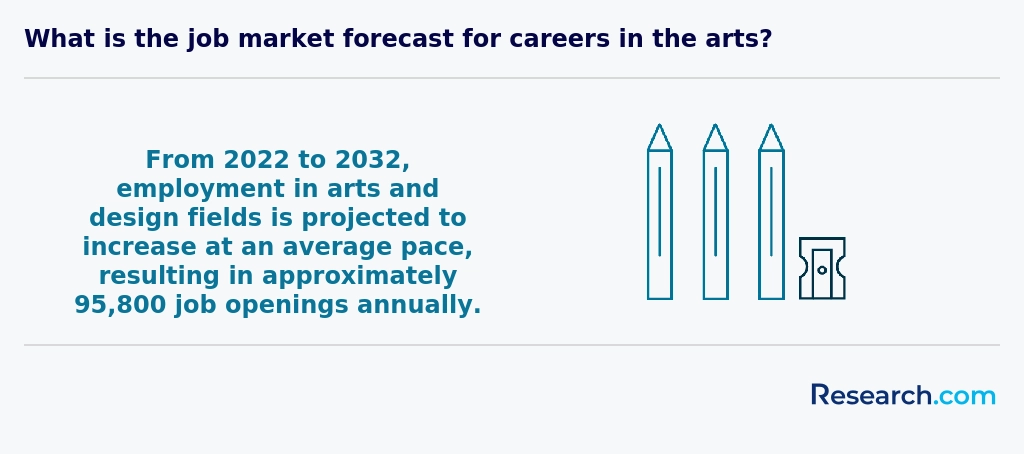
The job market for graduates with an online fine arts degree in the Northeast reflects a vibrant yet competitive landscape. Graduates from institutions known for strong arts programs often find themselves drawn to urban hubs like New York City and Boston, where creative industries and cultural institutions provide numerous opportunities. Many fine arts graduates share stories of navigating freelance roles and gallery positions, benefiting from the flexibility their online education afforded them. These experiences highlight the importance of building a portfolio and networking within the close-knit art communities common to the region.
Career opportunities for fine arts graduates Northeast include roles in visual arts, digital media, and art management, often within vibrant cultural settings bolstered by museums and galleries. Tuition costs for online programs also encourage diverse candidates, including working professionals and career changers, to pursue degrees without relocating. For those considering their academic path, exploring what can you do with a liberal arts degree can shed additional light on complementary career options in creative fields.
2027 Most Affordable Online Master's in Fine Arts Degree Programs Ranking in the Northeast
Investing in your education is a significant decision that can shape your future, and the Research.com team recognizes the importance of making informed choices when selecting an online Master's in Fine Arts program in the Northeast. To support prospective students, we have carefully developed the "2027 Most Affordable Online Master's in Fine Arts Degree Programs Ranking in the Northeast." Our dedication to quality, credibility, and accuracy is demonstrated through thorough research and analysis.
We utilized the following reputable data sources to ensure a comprehensive evaluation of programs:
By consulting this ranking, readers will gain valuable insights into affordable and credible online MFA programs, enabling well-informed academic and financial decisions. For a deeper understanding of our approach, please visit our Research.com methodology page.



Frequently Asked Questions About fine arts
Online fine arts degree students in the Northeast can maximize their learning experience by actively engaging with their virtual classrooms. Participating in discussion forums and live critiques enhances understanding of artistic concepts. Many institutions in this region, including those in New York and Massachusetts, offer virtual studio sessions to simulate hands-on practice, which is crucial for developing technical skills.
Networking with local artists and joining regional art organizations, such as the New England Foundation for the Arts, provides valuable community connections and professional opportunities. According to the National Endowment for the Arts, the Northeast boasts a higher concentration of arts funding, which benefits online students seeking grants and exhibitions.
Additionally, students should leverage available digital resources like online galleries and databases that Northeastern universities subscribe to, enriching their research and inspiration sources.
The fine arts field is expanding with several emerging niches gaining momentum, especially for online students in the Northeast. Digital arts and multimedia design have become prominent, driven by technological advancements and the demand for virtual content. According to the National Endowment for the Arts, digital art programs in the Northeast have seen a 15% enrollment increase over the past five years.
Another growing area is art therapy, which combines creativity with mental health support. This niche appeals to students interested in both psychology and art. Additionally, sustainable and eco-art practices are rising, reflecting broader environmental concerns in the region.
Graduates with an online fine arts degree in the Northeast should focus on building a strong portfolio showcasing their best work. Employers in creative fields prioritize demonstrable skills. Joining regional art societies and attending local exhibitions can expand professional networks. According to the National Endowment for the Arts, the Northeast hosts 30% of all US art galleries, offering ample opportunities for exposure.
Internships or freelance projects in states like New York or Massachusetts provide valuable experience and build contacts. Additionally, staying updated on industry software and techniques through continuing education helps maintain competitiveness. Research by the Bureau of Labor Statistics highlights a 4% employment growth for artists nationally, emphasizing ongoing demand.
Employers in the Northeast highly value fine arts graduates who demonstrate strong creativity and technical proficiency. Skills in digital media, such as Adobe Creative Suite and 3D modeling, are increasingly important due to the region's vibrant design and media industries.
Additionally, communication and collaboration skills rank prominently. According to the National Endowment for the Arts, 65% of regional arts organizations seek graduates capable of working across diverse teams and managing projects efficiently.
Furthermore, adaptability is essential, as many employers expect artists to navigate both traditional techniques and emerging technologies.
Finding internships in the Northeast relevant to a fine arts degree involves leveraging both regional resources and university networks. Many colleges partner with nearby galleries, museums, and arts organizations, providing students access to local internship opportunities. The Massachusetts Cultural Council and New York Foundation for the Arts often list paid internships for emerging artists.
Students should also explore internships via professional platforms like Handshake and the National Endowment for the Arts, which host listings specific to fine arts.
Networking through local arts festivals, such as Philadelphia's Mural Arts Program, can also lead to valuable internship offers. According to a 2023 report from the National Association of Colleges and Employers, 65% of internships in the arts sector lead to job offers, underscoring the importance of these experiences for career development in the Northeast.
An online fine arts degree can significantly enhance career mobility and advancement in the Northeast, where the creative industries are rapidly growing. According to the National Endowment for the Arts, states like New York, Massachusetts, and Pennsylvania employ over 400,000 arts professionals combined, offering numerous opportunities. Earning a degree online offers flexible access to accredited programs without geographic constraints, allowing students to build credentials while continuing to work.
Graduates gain skills valued by employers in galleries, theaters, and design firms, which may lead to promotions or new job prospects. The ability to network digitally also expands connections beyond local markets, supporting career growth in a competitive region.
Studying for a fine arts degree in the Northeast offers strong interdisciplinary opportunities by integrating diverse fields such as digital media, design, and cultural studies. Many institutions emphasize collaboration, combining traditional art skills with technology, business, and communication.
According to the National Endowment for the Arts, Northeastern states lead in arts funding and interdisciplinary programming, which enhances access to resources and innovative curricula. Online programs often include projects that connect students with industries like film and advertising, preparing graduates for varied professional environments.
This approach equips students to work effectively across sectors, adapting their artistic skills to evolving market demands and technological advances.
When choosing between a thesis and a non-thesis fine arts degree program in the Northeast, students should consider their career goals and learning preferences. Thesis programs typically require producing original artwork or a research project, which suits those aiming for doctoral studies or university teaching positions. In contrast, non-thesis options focus more on coursework and practical skills, appealing to those seeking professional careers in art or design industries.
According to the National Center for Education Statistics, over 40% of fine arts graduate students in the Northeast opt for thesis tracks, reflecting the region's emphasis on research and artistic innovation. Costs and program lengths also vary, so students should assess these practical factors alongside academic interests.
Students in the Northeast interested in studying fine arts abroad often explore virtual exchange programs offered by their home universities. Many institutions incorporate international collaborations into online fine arts curricula, allowing learners to engage with global art communities remotely. According to the National Center for Education Statistics, about 25% of fine arts students in the Northeast participate in study-abroad or international programs during their degree.
Schools such as the School of the Art Institute of Chicago and Maryland Institute College of Art provide partnerships with European and Asian art schools for online global workshops. These options enable Northeast students to gain cross-cultural artistic exposure without leaving the US.
Financial aid and scholarships targeting study abroad for fine arts students can also help reduce costs.
Part-time jobs that complement fine arts degree education in the Northeast often include roles in galleries, museums, and art studios. These positions provide hands-on experience and professional networking opportunities essential for an artist's growth. According to the National Endowment for the Arts, states like New York and Massachusetts offer numerous part-time openings in creative sectors that bolster practical skills. Additionally, freelance work in graphic design or art instruction is common, allowing students to apply their skills flexibly while pursuing their degrees. Local art festivals and community centers also frequently seek assistants, providing valuable exposure to the regional art scene and creative industries.
Online fine arts students in the Northeast benefit from multiple networking opportunities through regional art organizations, virtual conferences, and university-hosted events. Many Northeastern institutions encourage online learners to join local chapters of national groups like the College Art Association, which had over 7,000 members in 2023. Additionally, universities often offer virtual workshops where students can connect with peers, faculty, and industry professionals. Some programs also partner with city galleries and museums in hubs such as New York and Boston to provide internships and collaborative projects. These resources help students build professional contacts despite studying remotely.
Alumni networks are invaluable for online fine arts degree students in the Northeast, providing key connections in a competitive job market. Graduates gain access to mentorship, internships, and job opportunities through these established professional communities.
In the Northeast, where fine arts industries in cities like New York and Boston are highly active, 62% of graduates report that alumni connections directly helped them secure employment (National Association of Colleges and Employers, 2023). These networks often host workshops and exhibitions, enriching student exposure despite remote learning.
Moreover, alumni can offer guidance on navigating local art scenes, gallery submissions, and collaborations, which is crucial for career development, especially in a region known for its cultural hubs. The shared regional focus enhances networking efficiency among students and graduates.
Customizing an online fine arts degree program in the Northeast allows students to align their education with specific career goals. Many universities in the region offer flexible curricula where you can select concentrations, such as graphic design, studio art, or art education. Schools like the Rhode Island School of Design provide options for interdisciplinary study to expand skill sets.
Elective courses and independent study projects enable further tailoring of your learning experience. Additionally, some programs incorporate internships or portfolio development tailored to regional arts markets, which is beneficial given the Northeast's vibrant cultural scene, as reported by the National Endowment for the Arts.
Advisors typically assist in course planning based on individual aspirations, enhancing career readiness upon graduation.
Online fine arts students in the Northeast often face challenges unique to their field of study. One significant issue is limited access to hands-on studio work, which is essential for skill development in disciplines such as painting, sculpture, and printmaking. According to the National Endowment for the Arts, 34% of online fine arts students express difficulty in replicating in-person studio experiences virtually.
Additionally, students may encounter technology barriers, including insufficient access to high-quality digital tools needed for graphic design or animation courses. Networking opportunities are also more scarce online, limiting connections with local art communities and galleries common in cultural hubs like New York City and Boston.
Time management and self-discipline are critical as many Northeast learners balance studies with professional duties. Lastly, inconsistent state licensing and accreditation standards can complicate transfers or employment prospects after graduation, highlighting the need for careful program selection.
With an online fine arts degree, graduates in the Northeast can pursue several professional certifications to enhance their career prospects. One common path is obtaining teaching certification for K-12 art education, which requires meeting state-specific licensure standards through departments of education like New York's or Massachusetts'. This credential opens doors to public and private school teaching positions.
Another option is certification in arts therapy, such as becoming a registered Art Therapist (ATR) through the Art Therapy Credentials Board. While less common, this credential is growing in demand across the region's healthcare facilities.
Additionally, some graduates seek credentials in museum education or arts administration to work in local galleries and nonprofit organizations. These certifications often involve professional workshops and accreditation by regional art councils.
Writing a winning application for an online fine arts program in the Northeast begins with a clear, well-organized portfolio. Most schools, such as those listed by the National Association of Schools of Art and Design (NASAD), require samples that highlight your best creative work. Including a variety of styles or media can demonstrate your versatility.
Strong personal statements are essential. Admissions committees look for candidates who articulate their goals and how the program fits their career path. Tailor your essay to reflect specific features of the Northeast's art scene or faculty expertise where possible.
Letters of recommendation should come from professionals familiar with your artistic skills and academic potential. Additionally, ensure all transcripts and application materials meet each institution's deadlines to avoid disqualification.
Global perspectives on a fine arts career emphasize versatility and cultural awareness. In the United States, especially in the Northeast, fine arts graduates benefit from diverse cultural institutions and international art markets. According to the National Endowment for the Arts, the Northeast hosts over 40% of the nation's nonprofit art organizations, making it a vibrant hub for creative professionals.
Online fine arts degrees in this region often integrate global art history and contemporary practices, preparing students for international collaboration. The U.S. Bureau of Labor Statistics projects a 4% growth in fine arts occupations nationally through 2031, reflecting steady demand influenced by global cultural exchange.
Ultimately, pursuing a fine arts career from a Northeast online program offers exposure to worldwide artistic trends while rooted in a rich, regional art scene.
Gaining practical experience while pursuing an online fine arts degree in the Northeast is essential for career readiness. Many programs incorporate virtual studio projects and peer critiques that simulate real-world artistic collaboration. Additionally, students often engage in internships with museums, galleries, or cultural institutions located in major Northeast cities such as New York, Boston, and Philadelphia. According to the National Endowment for the Arts, these cities offer numerous opportunities for emerging artists to connect professionally.
Students can also participate in local art exhibitions or community art programs to showcase their work. Online workshops and portfolio reviews with regional artists further enhance practical skills.
Choosing the right concentration within an online fine arts degree program in the Northeast involves assessing your artistic interests and career goals. Common concentrations include visual arts, creative writing, graphic design, and performance arts, each offering specialized skills suited for different industries. According to the National Center for Education Statistics, Northeast institutions have seen a 15% increase in online fine arts enrollments over the past five years, reflecting growing demand for flexible programs.
Consider the faculty expertise and resources available for your chosen concentration. For example, universities in New York and Massachusetts often provide extensive digital art tools and writing workshops tailored for online students. Research regional job market trends; the Bureau of Labor Statistics notes New York State employs the highest number of artists nationally, making concentrations in visual arts highly marketable. Finally, confirm the program's accreditation and how well it supports remote collaborative projects.
- A Model of Early-Stage Artistic Career Development ... https://edupij.com/index/arsiv/85/1068/a-model-of-early-stage-artistic-career-development-among-chinese-fine-arts-graduates-and-implications-for-higher-art-education
- Complete guide to studying Fine Arts - TAI Arts https://taiarts.com/en/blog/guide-to-studying-fine-arts/
- Why Choose a Fine Arts Degree at a Liberal Arts College? https://www.pacificu.edu/blog/liberal-arts-education-aspiring-artists
- Online Fine Arts Programs | Onlinedegrees.com https://www.onlinedegrees.com/fine-art-craft/
- Studio Art Financial Aid Application https://www.mfa.org/programs/studio-art-classes/studio-art-scholarship-application
- How to Write a Great Fine Art Personal Statement: Expert Tips https://oxbridgeapplications.com/application-resources/fine-art-personal-statement/
- Art-Fine Arts/Media Arts Concentrations, BA https://www.nec.edu/programs/bachelor-of-arts-fine-arts-media-arts
- Bachelor of Fine Arts in Art & Design (BFA) https://www.ualberta.ca/en/art-design/undergraduate-programs/bfa-art-and-design.html
- Standards & Guidelines » CAA Guidelines https://www.collegeart.org/standards-and-guidelines/guidelines/mfa
- Alumni Network at Moore https://moore.edu/alumni/





