2027 Most Affordable Fine Arts Degree Programs Ranking in Tucson

Co-Founder and Chief Data Scientist
Are you considering pursuing a fine arts degree in Tucson but unsure where to start? This article introduces the 2027 Most Affordable Fine Arts Degree Programs Ranking in Tucson, created by the Research.com team of data scientists. It's designed to help you make an informed decision about which programs offer the best value.
By exploring this ranking, you'll find opportunities that balance quality education with affordability. A fine arts degree can open doors to creative careers and personal growth, making it a rewarding investment in your future.
Key benefits of getting fine arts degree in Tucson
- Fine arts graduates in Tucson can earn competitive salaries, such as $64,700 annually for Graphic Artists and up to $109,630 for Animators, providing rewarding financial opportunities.
- Career paths include roles like Illustrator or Art Therapist, with many Tucson graduates finding success using their creativity in diverse fields beyond traditional art roles.
- Completing a fine arts degree online offers flexibility and accessibility, allowing Tucson students to balance life commitments while gaining valuable skills similar to those from traditional programs.
- 2027 Most Affordable Fine Arts Degree Programs Ranking in Tucson
- What can I expect from fine arts degree in Tucson?
- Where can I work with fine arts degree in Tucson?
What can I expect from fine arts degree in Tucson?
The average cost of pursuing a fine arts degree in Tucson, particularly at institutions like the University of Arizona, hovers around $12,000 per year for in-state students. Graduates often reflect on this as an affordable investment compared to other public universities nationwide, highlighting how it balances quality education with manageable expenses. Many fine arts students appreciate the value of this tuition given the hands-on experiences in well-equipped studios and personalized mentorship from practicing artists.
However, cost alone doesn't paint the full picture. Some graduates note that additional expenses, such as art supplies or digital tools, can subtly increase the overall financial commitment. Scholarships and local grants specifically aimed at art students help ease this burden, making the degree more accessible for many.
By engaging deeply with Tucson's vibrant art community through internships and exhibitions, students find opportunities that extend beyond the classroom, offering practical growth that justifies the cost in a meaningful way. This real-world immersion is often cited as a critical part of their rewarding educational experience.
Where can I work with fine arts degree in Tucson?
Graduates from fine arts programs at Tucson's prominent institutions often find themselves working in dynamic cultural settings such as the Tucson Museum of Art and Historic Block or the Center for Creative Photography. These well-known venues provide roles in curatorial work, exhibition design, and educational outreach, allowing graduates to engage directly with the city's vibrant arts community. For example, a typical graduate might contribute to exhibition planning while developing skills in storytelling through art, creating fulfilling professional experiences.
Teaching positions in local schools also attract many fine arts alumni, who value the chance to nurture artistic expression in younger generations. Public and private schools across Tucson, including those in the Tucson Unified School District, regularly seek educators capable of combining creativity with instructional expertise. Alumni report rewarding moments when students grasp challenging concepts in art history or techniques, reinforcing their passion for both art and education.
Beyond institutional roles, some graduates choose freelance careers, supported by Tucson's affordable living costs and an enthusiastic local audience. They leverage connections made through university art fairs or collaborative community projects, often balancing independent art creation with event coordination or grant writing for organizations like the Tucson Pima Arts Council. While freelance income can fluctuate, many find personal and professional satisfaction in crafting their unique artistic paths here.
Graduates with a fine arts degree in Tucson can expect varied earnings depending on their chosen path. For instance, those pursuing work as graphic artists often earn a mean annual wage of about $64,700, while illustrators make roughly $71,420 according to the latest U.S. Bureau of Labor Statistics data. Animators, who often have advanced technical skills, can earn significantly more, with an average annual wage of $109,630. These figures reflect potential earnings for graduates from local institutions such as the University of Arizona, where many students develop portfolios that open doors to such roles.
Art therapists in Tucson also see competitive salaries averaging $75,660, though this path requires additional qualifications. Even though these numbers are promising, it's important to remember that initial earnings can start lower, especially for freelancers or entry-level positions. Graduates often balance passion with pragmatism, supplementing income through teaching or commissions amid Tucson's vibrant arts community.
- Fine arts degrees in Tucson typically last four years and include disciplines such as painting, sculpture, and digital arts.
- Public universities in Tucson charge between $10,000 and $15,000 per year for in-state undergraduate tuition, while private colleges may exceed $25,000 annually.
- Additional costs like art supplies, equipment, and studio fees are important to consider in the overall expenses.
- Entry-level salaries for fine arts graduates in Tucson generally start between $30,000 and $40,000 annually, with potential to rise above $50,000 with experience.
- Jobs for fine arts graduates include studio artists, graphic designers, art educators, and gallery or museum roles.
- The local job market is competitive and often encourages freelance work or combining art skills with other fields for better career opportunities.
Completing a fine arts degree in Tucson typically takes about four years when attending full-time, as seen at popular institutions like the University of Arizona. Graduates often describe their experience as a balanced journey between foundational courses and immersive studio work, blending painting, sculpture, and digital arts. However, this timeline isn't fixed. For some students, part-time enrollment or financial challenges may extend the process beyond four years, requiring creativity in managing tuition and material costs.
Others find internships or co-op programs invaluable, even if they add extra semesters, because these opportunities enhance practical skills and professional connections. Graduates often recall how engaging with diverse art mediums and balancing hands-on projects with academic coursework builds confidence and artistic identity over time.
While the national average for art-related bachelor's degrees can stretch to 4.5 years, many Tucson fine arts students appreciate the flexibility within their programs to accelerate progress through summer courses or adapt to changing interests within the field.
Tucson’s fine arts programs emphasize hands-on learning through internships, community partnerships, and study-abroad experiences that bridge classroom theory with real-world practice. Many students secure placements at local cultural institutions-such as the Tucson Museum of Art and local galleries-where they assist with exhibition design, curation, and public outreach. Graphic design majors often intern at creative agencies, contributing to branding projects for Tucson businesses, while digital arts students collaborate with animation studios on short-form media. Community art initiatives also play a vital role: programs partner with nonprofits to design murals, lead workshops, and curate public art installations, giving students a platform to showcase their work and build professional networks. For those seeking broader exposure, semester-long exchanges in California and Texas connect students with diverse artistic communities and specialized facilities. To maximize these opportunities, students should:
- Begin exploring placements by sophomore year, coordinating with faculty advisors and the university’s career center.
- Craft a targeted portfolio reel or digital showcase tailored to each host organization’s style and mission.
- Attend local art walks and networking events, where many internship leads surface organically. For additional affordable options beyond Tucson, students can also explore our Inexpensive Fine Arts Degree Programs Ranking in the West, highlighting cost-effective programs across the region.
Choosing between online and on-campus fine arts degrees in Tucson involves weighing tangible differences in learning environments and experiences. Graduates from the University of Arizona often emphasize how on-campus programs provide invaluable, hands-on access to studios, galleries, and immediate feedback from faculty-elements crucial for mastering painting or sculpture. This tactile, immersive setting can spark a strong sense of community and collaboration among peers.
Conversely, those who pursued online fine arts degrees appreciate the flexibility to juggle work and personal commitments, especially in Tucson's vibrant creative economy. They engage through digital critiques and virtual studios, which, while less tactile, still foster meaningful interaction. However, some mention missing spontaneous in-person networking and exhibitions available on campus.
Cost-wise, online students may save on commuting and housing but still face fees for technology or shipped art supplies. On-campus learners often invest more in materials and facility access. These nuanced trade-offs impact both skill development and daily satisfaction, reflecting personal priorities rather than a one-size-fits-all choice.
As you plan your journey toward a Fine Arts degree in Tucson, AZ, leveraging additional resources can empower you to make well-informed decisions and optimize your educational experience. In this section, we outline actionable steps and curated resources to help you advance your studies, build a robust portfolio, and explore internship opportunities that align with your career goals. Start by attending open houses and speaking with current students and faculty to gain insights into the campus culture and learning environment. Additionally, explore workshops and online tutorials that bolster both your technical and soft skills. For those looking to compare program affordability and advantages, consider reviewing our detailed profile of affordable fine arts programs in arizona, which provides further guidance on cost-effective options and scholarship opportunities. Engaging with alumni networks and career centers can also provide mentorship, tips for building a captivating portfolio, and strategies for securing internships that often act as a launchpad into the creative industry. Ultimately, combining proactive research with these hands-on resources will not only prepare you for academic success but also for a thriving professional career in the arts.
The average cost of obtaining a fine arts degree in Tucson can vary significantly depending on residency status and the institution attended. For example, graduates from the University of Arizona-a leading choice for fine arts education in Tucson-often report a median total cost near $13,926 for in-state students, which aligns well with broader regional expectations. Out-of-state students face a higher median total cost, roughly $55,328, reflecting the greater tuition burden often seen in public institutions.
Fine arts students frequently mention that these numbers represent just the starting point. Additional expenses, such as art supplies, studio fees, and specialized equipment, add a practical layer of financial consideration. For many, these materials feed the creative energy that makes their education rewarding, yet they can swell costs beyond standard tuition. This dynamic means prospective students should carefully consider both tuition and the realistic costs of hands-on learning when evaluating the average tuition for fine arts programs Tucson offers.
Many graduates fondly describe the vibrant artistic environment at Tucson's colleges, where the investment feels worthwhile. However, they also emphasize the importance of understanding financial aid options, including scholarships tailored to fine arts disciplines. Speaking with financial aid offices and art departments can uncover valuable assistance, which helps lessen the monetary strain.
Prospective students interested in the local educational landscape might also explore related career paths by reviewing the steps to becoming a teacher in Washington, an example of how education choices can align with creative careers.
Fine Arts degree programs in Tucson, AZ, emphasize hands-on learning through structured internships and community collaborations that bridge classroom instruction with real-world practice. Many institutions, such as the University of Arizona and Pima Community College, partner with local galleries, museums, design studios, and arts nonprofits to offer credit-bearing internships. These placements enable students to assist with exhibition installations, participate in public art projects, and contribute to marketing campaigns-valuable experience that enhances portfolios and professional networks. Students typically apply for internships during their junior or senior year, submitting a project proposal and faculty recommendation. Once accepted, they commit 10–20 hours per week to roles such as curatorial assistant, gallery technician, or digital content creator. Supervising professionals provide performance feedback, and academic mentors guide reflective journals that translate practical tasks into academic learning outcomes. Many graduates credit these immersive experiences for securing full-time roles upon graduation. Beyond in-house internships, students engage in fieldwork at annual events like the Tucson Festival of Books and local art fairs, where they manage artist coordination, public relations, and installation logistics. These short-term projects refine soft skills-teamwork, time management, and client communication-that are in high demand across creative industries. To diversify career prospects further, programs encourage exploring interdisciplinary placements and jobs to get with liberal arts degree, which can expand opportunities in education, administration, and cultural programming. To maximize the benefits of experiential learning, students should begin researching opportunities early, attend on-campus internship fairs, and leverage career services for resume workshops and interview preparation. By strategically selecting internships aligned with their artistic goals, Tucson’s Fine Arts students gain a competitive edge in the job market and build a robust professional portfolio.
Fine arts students in Tucson can access various financial aid forms that make the pursuit of their creative passions more feasible. Federal aid, particularly Pell Grants offering up to $7,395 annually, often forms the foundation of financial support, alleviating some tuition burdens for those eligible. Graduates from institutions like the University of Arizona recall how such grants allowed them to focus more on artistic development rather than financial stress.
Federal and state student loans with relatively low interest and flexible repayment options further support these students. The Direct Subsidized Loan is especially valuable, as interest is covered while attending at least half-time-something many fine arts students benefit from when balancing studio work and classes.
Merit-based scholarships at Tucson's colleges recognize artistic talent and academic achievement, with awards ranging from $1,000 to full tuition. Graduates often mention feeling validated and motivated by these acknowledgments of their portfolio strengths, which can change their educational experience substantially.
Local arts councils and private scholarships also play a critical role. Engaging with Tucson's vibrant arts community, students often find both financial aid and part-time work through work-study programs, enriching their education by blending financial support with hands-on artistic involvement.
Choosing a Fine Arts degree program is not only about academics and career opportunities; it's also about the vibrant campus life and the supportive resources that enhance the overall student experience. Prospective students should consider the diverse range of extracurricular activities, mentorship programs, and creative communities that thrive on Tucson campuses. Many institutions offer state-of-the-art studios, collaborative workspaces, and access to local art galleries, all of which foster an environment where creativity flourishes both inside and outside the classroom. Additionally, student-led clubs, community art projects, and regular workshops create plenty of opportunities for networking and personal growth, allowing aspiring artists to build lasting relationships with peers and industry professionals. For those exploring their educational options, detailed insights can be found when reviewing affordable fine arts programs in arizona, helping to balance academic rigor with a well-rounded campus life that nurtures both artistic talent and professional development.
To enroll in a fine arts degree program in Tucson, most applicants must hold a high school diploma or equivalent, such as a GED. This basic educational requirement aligns with national standards but is only the first step. Graduates from the University of Arizona, a prominent Tucson institution, often reflect on how submitting a thoughtfully prepared portfolio was crucial. This portfolio-featuring diverse artwork like paintings, sculptures, or digital compositions-allows applicants to vividly express their creativity and dedication. Preparing this can feel both challenging and rewarding, especially when capturing one's artistic voice.
In addition, foundational art coursework completed during high school or previous studies often strengthens an application, demonstrating familiarity with essential concepts. Though standardized tests like the SAT or ACT are less emphasized due to test-optional policies at many universities, some applicants find submitting scores beneficial for a competitive edge.
Other typical prerequisites include writing application essays, securing letters of recommendation, and sometimes interviews. These help admissions staff assess motivation and personal fit, aspects that many Tucson fine arts students recount as meaningful parts of their journey.
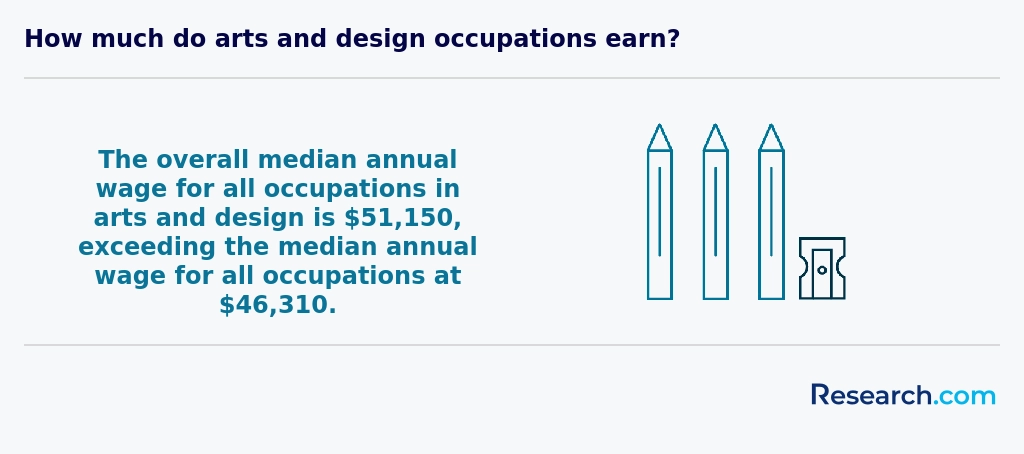
Fine arts degree programs in Tucson typically include a blend of traditional studio courses and contemporary practices, designed to foster both technical skill and creative growth. Students at well-regarded local institutions often describe engaging deeply with courses like Drawing and Painting Fundamentals, where they learn essential techniques that build a strong artistic foundation. These classes frequently involve hands-on projects that encourage experimentation and personal expression.
Other core courses such as Sculpture and Printmaking introduce students to physical materials, helping them develop a tactile understanding of three-dimensional art, which many graduates recall as transformative for their spatial awareness. Art History classes provide critical context, enabling students to connect their work with broader movements from classical to contemporary art.
Digital Media and Photography reflect Tucson's recognition of evolving artistic technologies, offering students practical skills relevant to today's creative industries. Electives in areas like animation or arts management also allow fine arts students to tailor their education, making their experience more dynamic and aligned with their career goals. Overall, these course combinations at Tucson universities often leave graduates feeling confident, inspired, and well-prepared for the art world.

Fine arts degree specializations Tucson students encounter reflect both traditional and evolving artistic practices. At institutions like the University of Arizona, graduates have found that options such as Studio Art foster hands-on mastery in painting, drawing, and sculpture, helping them build personal artistic voices through direct creation. Alternatively, Graphic Design addresses contemporary demands by combining digital media with visual communication, appealing to those interested in careers at the crossroads of creativity and technology.
Other specializations include Ceramics and Sculpture, which attract those passionate about crafting with diverse materials, and Photography, where students engage deeply with both artistic composition and technical skills. Some graduates pursuing fine arts programs with specializations Tucson highlight appreciate the Art Education track, which prepares them for certification and careers in teaching. This pathway is ideal for those drawn to the best careers in education that connect creativity with community impact.
Choosing the best fine arts degree in Tucson means balancing curriculum strengths with your artistic goals. Graduates from local universities often highlight how programs focused on painting, digital media, or sculpture helped shape their unique styles. Yet, it's important to evaluate whether a program's approach aligns with your personal vision rather than assuming one size fits all. In Tucson, public institutions offer affordable fine arts schools with tuition typically lower than private alternatives, easing financial pressure while still providing robust learning environments.
Another critical factor is faculty expertise. Graduates frequently praise professors who remain active in Tucson's art scene, providing mentorship that extends beyond classrooms. Engaging with such instructors can open doors to internships and exhibitions-a chance to connect theory with practice. Additionally, access to well-equipped studios and nearby galleries enriches hands-on experiences, making abstract concepts tangible.
Considering long-term outcomes is equally vital. Programs accredited by NASAD and with strong career placement records better prepare students for post-degree success. Tucson's vibrant arts community encourages students to explore different paths, much like those who researched music degree career options before settling on their niche. This thoughtful approach helps prospective students navigate the diversity of the best fine arts degree programs Tucson has to offer.
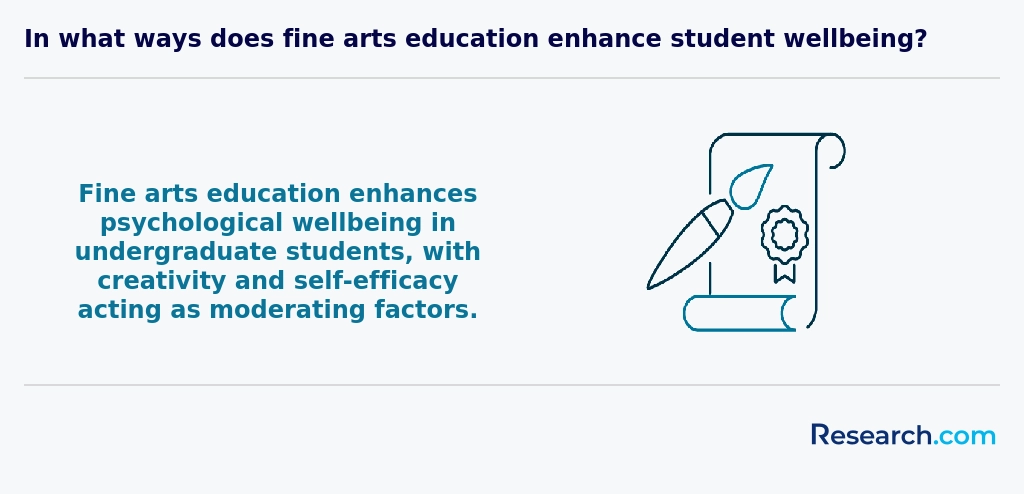
Graduates with a fine arts degree in Tucson encounter diverse career paths, each shaped by the local arts ecosystem. Many find fulfillment working as professional artists, leveraging Tucson's galleries and art fairs to gain exposure and sell their work. These opportunities reflect the city's unique cultural vibrancy, although income can vary widely depending on one's network and market presence. Fine arts career opportunities Tucson also extend into education, where graduates from institutions like the University of Arizona pursue teaching roles. Obtaining a Tennessee professional educator license or similar certification is often a practical step for those aiming to influence creativity in younger generations through established school systems.
Others channel their talents into graphic design and multimedia jobs, sectors experiencing steady growth as technology reshapes communication. Graduates skilled in digital tools find jobs in local agencies or startups, melding creativity with market demands. Tucson fine arts degree job prospects also include roles in museums and theaters, where graduates contribute to curation, conservation, or production design, combining artistic insight with organizational expertise. These paths reveal that while challenges exist, Tucson offers fertile ground for fine arts graduates to cultivate rewarding careers across creative and cultural industries.

The fine arts job opportunities in Tucson reflect a dynamic yet challenging landscape for graduates. Many find that success involves balancing freelance projects, teaching roles, and arts administration positions, often anchored by connections to local institutions such as the University of Arizona and Tucson College of Fine Arts. Graduates describe a fulfilling experience drawing on Tucson's vibrant arts community, yet they acknowledge that steady, full-time positions can be scarce.
Tucson fine arts degree employment outlook often includes entrepreneurship, with many graduates opening small studios or participating in art fairs. This entrepreneurial spirit allows for creative freedom but requires adaptability and business skills. For those interested in combining education with leadership roles, exploring internet-based EdD programs in leadership may offer pathways to stable career advancement within arts education organizations.
Locally, the average income for fine arts graduates is generally lower than national averages, partly due to the region's smaller arts market. However, Tucson's comparatively affordable tuition for fine arts degrees helps reduce financial burdens early in graduates' careers, making the pursuit of artistic careers more accessible. Graduates emphasize that thriving here means embracing diverse roles and cultivating local networks.
2027 Most Affordable Fine Arts Degree Programs Ranking in Tucson
Investing in your education is a significant decision that can shape your future, and the Research.com team understands the importance of making informed choices. To assist prospective students in Tucson, we have meticulously crafted the "2027 Most Affordable Fine Arts Degree Programs Ranking in Tucson." Our commitment to quality, credibility, and accuracy is reflected in the extensive research and analysis conducted to compile this ranking.
We utilized the following reputable data sources to ensure a comprehensive evaluation of fine arts degree programs:
By exploring this ranking, readers will gain valuable insights into the most affordable fine arts degree options in Tucson, empowering them to make well-informed decisions about their educational investments. For more details on our methodology, please visit our Research.com methodology page.

Frequently Asked Questions About fine arts
Fine arts degree students in Tucson can maximize their learning by engaging actively with the vibrant local art community. Tucson hosts numerous galleries, museums, and art festivals, providing valuable opportunities to experience diverse art forms. Participating in internships and cooperative programs at places like the Tucson Museum of Art or the University of Arizona's art departments enriches practical skills.
Students are encouraged to attend workshops and artist talks offered locally to gain insights from practicing professionals. According to the National Center for Education Statistics, hands-on experience improves employment prospects in creative fields.
Joining student art organizations and collaborating on projects can also enhance both creativity and networking, essential for a successful career in fine arts.
The fine arts field in Tucson is seeing growth in several emerging niches driven by technology and community engagement. Digital arts, including animation and virtual reality design, are gaining traction as institutions incorporate modern multimedia techniques into their programs. According to the University of Arizona's School of Art, students increasingly explore these areas to meet industry demands.
Additionally, interdisciplinary art involving environmental themes is expanding, reflecting Tucson's focus on sustainability and the desert landscape. Performance art combining traditional and contemporary styles is also evolving, supported by local cultural organizations.
These niches offer new pathways for students seeking innovative fine arts careers in Tucson's vibrant creative scene.
Preparing for the job market after earning a fine arts degree in Tucson involves building a strong portfolio that showcases your skills and style. Many graduates find freelance opportunities or work with local galleries and arts organizations, which are prominent in Tucson's creative scene.
Networking is crucial; Tucson hosts events like the Tucson Arts Festival, where emerging artists can connect with professionals. Additionally, internships or assistant roles with local studios can provide valuable hands-on experience.
According to the U.S. Bureau of Labor Statistics, employment for artists and designers is projected to grow 4% from 2022 to 2032, reflecting steady demand. Tucson's growing cultural community supports this trend, helping fine arts graduates find diverse opportunities.
Employers in Tucson seek fine arts graduates with strong creative and technical skills. Mastery of traditional mediums such as painting, drawing, and sculpture remains essential. Additionally, digital proficiency, including graphic design and multimedia software, increasingly shapes job opportunities in the local arts sector.
Communication skills are highly valued, as artists must often present ideas and collaborate with clients or teams. According to data from the Arizona Commission on the Arts, adaptability and problem-solving are also top attributes, helping graduates thrive in Tucson's evolving art markets and galleries.
Awareness of cultural trends and local art history further enhances employability, enabling graduates to connect their work to the community effectively.
Finding internships in Tucson relevant to a fine arts degree involves a combination of university resources, local arts organizations, and networking. The University of Arizona, a major institution in Tucson, offers career services and internship listings specifically tailored for arts students. Additionally, Tucson's vibrant arts scene includes galleries, museums, and nonprofits like the Tucson Museum of Art and the Center for Creative Photography, which often provide internship opportunities.
Students should also engage with local art festivals such as the Tucson Gem and Mineral Show, where internships related to curation and event management can be found. Utilizing platforms like Handshake or the Arizona Commission on the Arts website helps connect with paid and unpaid internships. Networking through faculty and alumni remains essential to discovering less-advertised positions.
A fine arts degree in Tucson can significantly enhance career mobility and advancement by equipping graduates with versatile skills in creativity, critical thinking, and visual communication. According to the U.S. Bureau of Labor Statistics, artists and designers in Arizona, including Tucson, are expected to see employment growth of around 4% through 2031, slightly below the national average but steady for the region.
Graduates often find opportunities in local galleries, design firms, and educational institutions, benefiting from Tucson's growing arts scene supported by organizations like the Tucson Pima Arts Council. The degree can open pathways not only in traditional art fields but also in marketing, media, and tech startups that value artistic insight.
Networking through local exhibitions and internships available to fine arts students further enhances job prospects. Studies show that fine arts degree holders in Tucson report a higher likelihood of career advancement within five years compared to those without specialized training, reflecting the value employers place on formal education.
Studying for a fine arts degree in Tucson equips students with skills applicable across multiple disciplines. Local institutions like the University of Arizona emphasize collaborative projects that integrate visual arts with technology, media, and design. This approach helps students develop critical thinking and problem-solving abilities relevant in fields such as advertising, digital media, and education.
In Tucson, fine arts curricula often include community engagement and internships, providing practical experience beyond traditional studio work. According to the National Center for Education Statistics, about 30% of art graduates engage in interdisciplinary jobs within five years of graduation, highlighting the flexibility of skills gained.
Exposure to Tucson's diverse cultural scene further enriches students' ability to adapt their artistic talents to various professional contexts.
When deciding between a thesis and a non-thesis fine arts degree program in Tucson, consider your career goals and learning preferences. Thesis programs require original research and a substantial project, suitable for students aiming for academic or professional art careers. Non-thesis programs focus more on coursework and practical experience, appealing to those wanting to enter the art industry quickly.
In Tucson, universities like the University of Arizona offer both options, with about 20% of fine arts graduates choosing thesis tracks for deeper specialization (source: UA Institutional Research 2023). Costs and time commitments also differ; thesis tracks typically extend study duration by one semester.
Students based in Tucson who wish to study fine arts abroad have several pathways available through partnerships and study abroad programs affiliated with local institutions. The University of Arizona, a major higher education provider in Tucson, offers exchange programs with schools in Europe and Asia where fine arts students can gain international experience. According to the university's 2023 study abroad report, fine arts students comprise roughly 15% of all participants, reflecting strong interest in global artistic practices.
Additionally, some community colleges in Tucson coordinate with cultural organizations to facilitate short-term art residencies overseas. These options enable students to explore diverse artistic techniques while earning academic credit recognized by U.S. institutions. Financial aid and scholarships are often available specifically for students engaging in international fine arts study, helping to offset costs associated with travel and living expenses.
Students pursuing fine arts degrees in Tucson can benefit from various part-time job opportunities that complement their studies. Local art galleries, such as the Tucson Museum of Art, often offer internships or assistant roles that provide hands-on experience in curation and gallery management. Additionally, Tucson's vibrant arts scene includes teaching assistant positions at community centers like the Tucson Arts Institute, supporting art classes or workshops. Freelance opportunities, including graphic design or commissioned artwork, are also common, allowing students to build portfolios while earning income. According to the Arizona Commission on the Arts, arts-related jobs in Tucson grew by 5% from 2019 to 2023, reflecting a positive environment for aspiring artists.
Fine arts students in Tucson have access to several valuable networking opportunities that can enhance their academic and professional growth. The University of Arizona, a prominent institution in Tucson, offers connections through its School of Art, which hosts exhibitions, workshops, and guest lectures featuring established artists. According to the university's 2023 annual report, over 70% of fine arts students participate in these events, benefiting from direct interaction with professionals.
Local art organizations like the Tucson Pima Arts Council also provide networking platforms, including monthly artist meetups and community art projects that encourage collaboration. Additionally, Tucson's vibrant gallery scene, with venues like the Tucson Museum of Art, regularly hosts openings where students can meet curators and collectors.
Participation in these activities helps students build professional contacts and gain exposure in the regional art community, supporting career development beyond the classroom.
Alumni networks play a crucial role for fine arts degree students in Tucson by offering valuable professional connections and mentoring opportunities. Graduates from local institutions, such as the University of Arizona, often stay involved, providing guidance and sharing job leads within the arts community. According to the National Association of Colleges and Employers, 80% of job openings are filled through networking, which emphasizes the importance of these alumni ties. In Tucson's tight-knit art scene, these connections can lead to internships, gallery exhibitions, and collaborative projects.
Active alumni networks also support emerging artists through workshops and events, fostering skill development beyond the classroom. This ongoing engagement helps fine arts students transition more smoothly into their careers by building reputations and broadening their exposure in the region.
Students pursuing fine arts degrees in Tucson can tailor their programs to align with specific career goals by selecting electives, concentrations, and internships that emphasize their interests. Many local institutions offer courses in diverse media such as painting, sculpture, digital arts, and photography, allowing customization within the core curriculum. Tucson's active arts community provides opportunities for hands-on experience through internships at galleries, museums, and studios, which can be integrated into degree requirements.
Advisors typically assist students in designing a course plan that incorporates both technical skills and professional development. According to the National Center for Education Statistics, interdisciplinary approaches in fine arts programs are increasing nationally, reflecting trends also present in Tucson's higher education landscape.
Fine arts students in Tucson often confront financial challenges given the modest funding allocated to arts programs in many local institutions. According to the National Endowment for the Arts, Arizona ranks below the national average in per-student arts spending, impacting resource availability. Additionally, students may struggle with limited exhibition opportunities in Tucson's smaller art market, which can affect portfolio development and professional growth. Balancing part-time work with demanding studio courses is another common difficulty. Moreover, access to specialized equipment and materials can be costly. These challenges require students to be resourceful and seek external scholarships or community engagement to supplement their education.
With a fine arts degree in Tucson, graduates can pursue professional certifications that enhance career opportunities in teaching, design, and art management. One common path is obtaining a K-12 teaching certification in art education, which allows graduates to teach in public schools across Arizona. This certification typically requires passing the Arizona Educator Proficiency Assessments and completing supervised teaching experience.
Additionally, many fine arts professionals seek certification in digital design or graphic arts, such as Adobe Certified Expert credentials, which are valuable in Tucson's growing creative industry. For artists interested in museum work, the American Alliance of Museums offers certification programs to boost credentials in curation and conservation.
Applying for a fine arts program in Tucson requires careful preparation to stand out. Start by researching local schools such as the University of Arizona, which offers respected fine arts degrees and values strong portfolios. Your portfolio should showcase diverse work, demonstrating technical skills and creativity, as it often carries significant weight in admissions.
Include a well-written personal statement explaining your artistic goals and motivations. Be clear and concise, showing awareness of the Tucson arts scene. Letters of recommendation from instructors who know your artistic capabilities can strengthen your application.
Many universities require standardized test scores, but some Tucson programs have test-optional policies, so verify specific requirements early. Meeting application deadlines and following all guidelines precisely is crucial for consideration.
The global perspective on a fine arts career recognizes both challenges and opportunities within creative industries. In the United States, including Tucson, fine arts professionals benefit from a strong cultural infrastructure and expanding digital platforms that increase global reach. According to the National Endowment for the Arts, employment in arts-related fields is projected to grow moderately, reflecting steady demand for artistic skills.
Fine arts careers often involve international collaboration, broadening students' cultural understanding and professional networks. Tucson's local art scene, supported by institutions like the University of Arizona, offers access to diverse artistic traditions, enriching student experiences and preparing them for global markets.
However, earnings and job security vary widely, with many artists supplementing income through related work. National surveys show median wages in fine arts are lower than in other professions but may increase with specialization and reputation. Awareness of global trends and skills like digital media can enhance employability.
Students pursuing a fine arts degree in Tucson can gain practical experience through various campus and community opportunities. Many Tucson institutions offer internships in local galleries, museums, and arts organizations, providing hands-on exposure to the art world. For example, the Tucson Museum of Art often collaborates with nearby universities for student internships. Additionally, students can participate in on-campus studio courses where they create and exhibit original work, helping to build portfolios. Community art projects and local art festivals like the Tucson Meet Yourself event also provide valuable real-world experience. According to the National Endowment for the Arts, involvement in such activities improves job prospects after graduation.
When choosing a concentration within a fine arts degree program in Tucson, start by assessing your personal interests and skills. Popular concentrations include painting, sculpture, digital media, and graphic design. Each has unique career paths and skill requirements. Research local Tucson institutions like the University of Arizona, which offers diverse fine arts options supported by strong faculty and community art programs.
Look into job market trends in Tucson's creative sectors. According to the Arizona Commission on the Arts, fine arts occupations in the region are growing steadily. Consider concentrations with higher local demand. Visit galleries and exhibitions to understand practical applications of different fields.
Finally, review curriculum details and available resources at Tucson schools to ensure they align with your goals and learning style.
- 2027 Most Affordable Fine Arts Degree Programs Ranking in Riverside
- 2027 Most Affordable Fine Arts Degree Programs Ranking in San Diego
- 2027 Most Affordable Fine Arts Degree Programs Ranking in La Jolla
- 2027 Most Affordable Fine Arts Degree Programs Ranking in Los Angeles
- 2027 Most Affordable Fine Arts Degree Programs Ranking in Denver
- 2027 Most Affordable Fine Arts Degree Programs Ranking in San Francisco
- 2027 Most Affordable Fine Arts Degree Programs Ranking in San Antonio
- 2027 Most Affordable Fine Arts Degree Programs Ranking in Denton
- 2027 Most Affordable Fine Arts Degree Programs Ranking in Dallas
- 2027 Most Affordable Fine Arts Degree Programs Ranking in Houston
- The Arts https://www.pima.edu/community/the-arts/index.html
- Bachelor of Fine Arts - Dine College - https://www.dinecollege.edu/academics/b-f-a-fine-arts/
- Experiences and Studies - cedfa https://www.cedfa.org/experiences-and-studies
- Application writing tips for individual artists https://www.affta.ab.ca/funding/help-and-resources/resources-individual-artists/application-writing-tips-individual-artists
- How to Use Art Challenges to Push Your Creative Boundaries - OCAD https://artcoursework.com/how-to-use-art-challenges-to-push-your-creative-boundaries/
- What Alumni Say https://www.cityandguildsartschool.ac.uk/ma-fine-art/student-and-alumni-case-studies/
- Careers in Fine Art https://www.artcenter.edu/academics/undergraduate-degrees/fine-art/careers-in-fine-art.html
- Certificate of Fine Arts | CFA Programs - New York Academy of Art https://nyaa.edu/continuing-studies/certificate-of-fine-arts/
- Fine Arts https://en.uap.edu.pl/admission/programmes/fine-arts/
- Challenges in the Arts in the 21st Century https://www.arts.gov/stories/magazine/2016/2/challenges-arts-21st-century