
2027 Best Fine Arts Degree Programs Ranking in Illinois

Co-Founder and Chief Data Scientist
Choosing the right fine arts degree program in Illinois can feel overwhelming. That's why this article presents the 2027 Best Fine Arts Degree Programs Ranking in Illinois, developed by the Research.com team of data scientists. It's designed to guide you through top programs worth considering.
Discover opportunities that align with your creative dreams and career goals. A fine arts degree empowers your passion and opens doors in artistic fields. Dive in to make a confident, informed choice that supports your future success.
Key benefits of getting fine arts degree in Illinois
- Graduates with a fine arts degree in Illinois can expect rewarding salaries, such as $64,700 annually for graphic artists and $109,630 for animators, making creative careers financially promising.
- Potential career paths include graphic design, animation, illustration, and art therapy, showcasing diverse opportunities for artistic growth and personal fulfillment.
- Online fine arts degrees offer flexibility and convenience, allowing students to balance work and study while still gaining strong skills, as shown by graduates from University of Illinois Springfield's online programs.
- 2027 Best Fine Arts Degree Programs Ranking in Illinois
- What can I expect from fine arts degree in Illinois?
- Where can I work with fine arts degree in Illinois?
What can I expect from fine arts degree in Illinois?
If you're wondering about the cost of a fine arts degree in Illinois, it generally ranges between $10,000 and $15,000 a year for in-state students at public universities. For example, graduates from the University of Illinois at Urbana-Champaign often mention that while tuition is relatively affordable, the real value comes from access to great studios and galleries without breaking the bank. On the flip side, private schools like the School of the Art Institute of Chicago usually have higher tuition, but many students feel it's worth it because of the specialized faculty and extensive resources they get.
Many fine arts students appreciate that despite the costs, Illinois schools offer hands-on experience with equipment and space that feel like an artist's dream. Plus, the chance to connect with the vibrant Chicago arts scene adds a priceless dimension that feels exciting and motivating every semester.
Where can I work with fine arts degree in Illinois?
If you're diving into a fine arts degree in Illinois, you'll find plenty of cool places to work once you graduate. Many grads land gigs at spots like the Art Institute of Chicago or get involved with local museums where they handle art curation, conservation, or even run community art projects. It's pretty inspiring to see their work on display or help shape public exhibitions around the city.
Others choose teaching, joining countless schools across Illinois as art teachers-from elementary right up to high school. Some with extra chops go on to teach at big-name schools like the School of the Art Institute of Chicago or Northern Illinois University, sharing studio art skills and art history with college students.
And if you're more into graphic design or animation, Chicago's advertising and publishing world has tons of opportunities. Many grads turn freelance, taking on fun commissions, while others jump into multimedia roles in bustling agencies. The state's theater scene is another vibrant option, with theaters like Steppenwolf hiring for set and costume design roles-perfect if you want to mix fine arts with performing arts.
Finally, nonprofit arts orgs are always on the lookout for folks to organize events, run fundraising, or manage arts programs. Many graduates feel proud knowing their work supports the creative heartbeat of Illinois communities.
If you're thinking about what you could make with a fine arts degree in Illinois, there's a pretty good range depending on the job you chase. Graduates from places like the School of the Art Institute of Chicago often find gigs as graphic artists, where the mean annual wage clocks in around $64,700. Not bad for a creative career, right?
Some art grads land roles as illustrators, earning about $71,420 a year on average, which can be a sweet spot for those who love bringing ideas to life visually. Animation is a whole other level-with a mean salary near $110,000, animators in Illinois really get to cash in on their creative and technical chops, especially if they've had solid training.
And for those who want to combine art and helping people, becoming an art therapist pays around $75,660 annually. It's a unique path, but one that blends passion and a decent paycheck.
Fine arts graduates from Illinois schools often share stories about building networks through internships and local art shows that bump these paychecks even higher. So, if you're looking for a mix of creativity and a comfortable living in Illinois, the numbers definitely offer some encouraging vibes.
- Annual in-state tuition at public universities in Illinois ranges from $15,000 to $18,000, while private schools can charge over $45,000 per year.
- Total yearly costs including living expenses can range from $25,000 to $60,000 depending on location and personal spending.
- The Chicago area offers more job opportunities in creative industries like design, advertising, and education compared to rural regions.
- Entry-level fine arts jobs in Illinois typically pay between $35,000 and $45,000 annually, with mid-career salaries reaching $50,000 to $60,000.
- Skills in digital media and arts administration can improve a graduate's chances of finding employment in the competitive arts job market.
If you're thinking about how long it takes to finish a fine arts degree in Illinois, the answer is usually around four years. That's the normal path for a Bachelor of Fine Arts (BFA) or a Bachelor of Arts (BA) in Fine Arts at places like the School of the Art Institute of Chicago or Illinois State University. Most students finish about 120 to 130 credit hours, which breaks down to roughly 15 credits each semester over eight semesters.
Many grads share how balancing hands-on studio work with art history classes keeps their days busy but fun, making those four years fly by. Some students might take longer if they're studying part-time or have transfer credits, but the typical full-time student usually wraps up in that timeframe.
If you go for a Master of Fine Arts after, you're looking at another two to three years. It's more intense but super rewarding if you're into getting really deep into your art practice.
When evaluating Fine Arts programs in Illinois, it’s essential to verify both regional and specialized accreditations to ensure academic quality and professional credibility. Most reputable institutions will hold regional accreditation from the Higher Learning Commission (HLC), which confirms that the university meets rigorous standards for faculty qualifications, student support, and continuous improvement. In addition, look for specialized accreditation from the National Association of Schools of Art and Design (NASAD), as this seal of approval indicates that the fine arts curriculum, facilities, and faculty expertise have been reviewed against industry-specific benchmarks. Accreditation affects more than just the prestige of your degree-it can impact your eligibility for federal financial aid, the transferability of credits, and your qualifications for licensure or certification in art-related professions. For example, if you plan to teach art at the K–12 level, graduating from an HLC- and NASAD-accredited program typically satisfies state certification requirements and streamlines your path to the classroom. Similarly, specialized accreditation ensures your portfolio and practicum experiences align with professional standards, enhancing your competitiveness for internships and gallery placements. Beyond accreditation, professional recognition through partnerships with museums, galleries, and cultural organizations can elevate your educational experience. Many Illinois programs maintain formal affiliations with institutions like the Art Institute of Chicago or the Chicago Cultural Center, offering students curated exhibition opportunities, guest lectures by renowned artists, and hands-on project collaborations. These connections not only enrich your learning but also expand your professional network-critical for securing exhibitions, residencies, and post-graduate employment. Finally, if you’re mapping out a long-term academic path, it’s wise to consider graduate study costs early on. For insights into program affordability and to plan your investment wisely, explore our guide on how much does an mfa cost. Understanding both accreditation and cost factors ensures you choose a Fine Arts program that balances quality, recognition, and return on investment.
If you're thinking about a fine arts degree in Illinois, the big question is usually: online or on-campus? On-campus programs give you that classic college vibe-imagine spending hours in studios at the School of the Art Institute of Chicago, getting hands-on with materials, chatting face-to-face with your professors, and soaking in the energy of galleries around you. Graduates often say that feeling the texture of paint or molding clay right there makes a huge difference.
On the flip side, online programs offer serious flexibility, which is a lifesaver if you're juggling a job or family. Some Illinois schools do a great job mixing video critiques and sending art supplies right to your door so you can still get creative at home. But most grads note it's harder to replicate that in-person magic and spontaneous studio chats.
Plus, costs vary a lot-public universities usually run around $14,000 a year in-state, while private spots like SAIC can be pricey but give that intense, immersive experience.
For many prospective Fine Arts students, campus life is just as important as the academic curriculum when choosing a program in Illinois. Beyond the classroom, schools foster vibrant communities where creativity is nurtured through student organizations, workshops, live events, and experienced mentors who guide your artistic journey. You'll have access to specialized art studios, collaborative spaces, and cultural events that enrich both your practical skills and your personal growth. Most institutions also provide career services, portfolio reviews, and networking opportunities with professional artists and local galleries-a crucial resource for building connections in the competitive art world. When researching programs, consider not just the academic rigor but also the supportive campus environment that can provide an invaluable, hands-on learning experience. For instance, some campuses offer unique initiatives that balance affordability with high-quality resources, as highlighted by rankings on the cheapest fine arts school in illinois list. This vibrant blend of academic excellence and community engagement can be the key to unlocking your full creative potential and ensuring you’re well-prepared for a flourishing career in the arts.
If you're thinking about earning a fine arts degree in Illinois, you'll want to know the average cost before diving in. On average, the total expenses for a fine arts degree Illinois students face hover around $34,680 for in-state tuition, while out-of-state students might see closer to $47,067. These numbers cover tuition and fees but don't always include extra costs that art students quickly discover.
Take graduates from popular spots like the University of Illinois at Urbana-Champaign or Illinois State University-they often mention budgeting not just for classes but also for supplies, studio fees, and sometimes specialized technology. For instance, art supplies alone can add a few hundred dollars each semester, while studio fees can vary from a couple hundred to over a thousand annually. It's part of the creative hustle that makes their experience real and rewarding.
Private schools like the School of the Art Institute of Chicago are on the higher end, with tuition well over $50,000 a year. However, many students appreciate the tailored scholarships and financial aid packages available to help lighten the load. If you're hunting for the cheapest fine arts school in Illinois, you'll find options that make balancing quality and cost a bit easier.
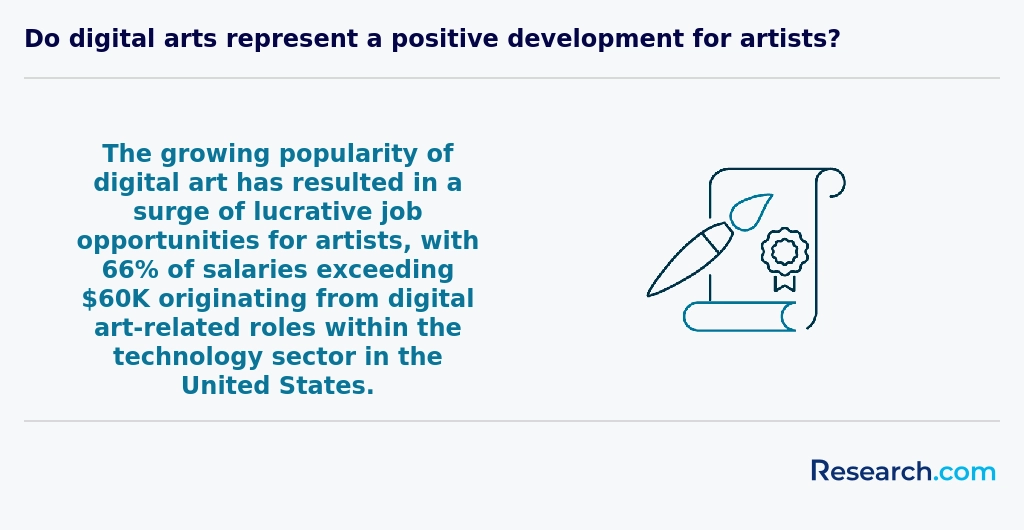
Immersing yourself in a Fine Arts program goes well beyond classroom learning-your overall student experience plays a critical role in shaping your creative journey. Engaging in diverse extracurricular activities, such as art clubs, community exhibitions, guest lectures, and collaborative workshops, fosters an environment where passion and professional growth intersect. Many Illinois institutions organize regular campus events, from open studio nights and local gallery visits to mentorship sessions with industry experts, providing students with networking opportunities and real-world insights. Moreover, these activities help nurture your artistic identity and build a well-rounded portfolio. Institutions often support student-run organizations that host contests, pop-up exhibitions, and collaborative projects, making the campus a lively canvas for creativity. For prospective students keen on balancing quality education with affordable campus experiences, exploring programs at the cheapest fine arts school in illinois might be a smart and practical move. A vibrant campus life not only enriches your academic journey but also cultivates valuable soft skills such as teamwork, time management, and communication. These experiences, combined with formal education, prepare you for industry challenges while reinforcing a strong sense of community and creative exploration throughout your Fine Arts career.
If you're thinking about a fine arts degree in Illinois, there's good news-financial aid options are pretty solid. Lots of students at places like the School of the Art Institute of Chicago lean on federal aid by filling out the FAFSA, which opens doors to grants, loans, and work-study gigs. Those Pell Grants, for instance, can chip away up to $7,395 of your tuition bill, which is a huge relief when tuition at public schools hovers around $12,000 to $15,000 a year.
Merit scholarships are another big help. Many fine arts students at Illinois universities have scored awards based on their artistic talent and grades, sometimes covering a chunk of the costs. Alumni-funded smaller grants and art foundation awards are like hidden treasures, too, helping students pay for supplies or extra classes.
On top of that, the state's Monetary Award Program (MAP) assists those with financial needs, easing the burden at public universities. And if you want to earn while you learn, work-study programs often place students right in art studios or campus galleries, making the experience fun and rewarding. Many graduates say these aids made their creative journey way less stressful and more focused on art, not just bills.
While the academic rigor and diverse course offerings of Illinois’ Fine Arts programs are key attractions, an often-overlooked element is the vibrant campus life and strong sense of community among students and faculty. In these programs, you’ll find that immersive studio environments, collaborative projects, on-campus exhibitions, and culturally rich events help forge lasting relationships and nurture creative growth. Engaging with peers during workshops, artist talks, and portfolio reviews not only sharpens your technical skills but also builds a network of mentors, industry connections, and lifelong friends. Many schools also offer dedicated art clubs, guest lectures from renowned artists, and community-driven projects that encourage innovation and interdisciplinary exploration. Additionally, prospective students seeking affordability paired with quality education can explore options like the cheapest fine arts school in illinois, which blends cost-effectiveness with an enriching campus experience. This vibrant community atmosphere plays a significant role in developing well-rounded artists who are prepared to thrive both creatively and professionally in an ever-changing art landscape.
If you're thinking about enrolling in a fine arts degree in Illinois, the first thing you'll need is a high school diploma or something equivalent, like a GED. That's the basic starting point at any of the popular Illinois schools offering fine arts, whether it's a big public university or a private art college.
What really makes a difference though is your portfolio. Graduates from well-known Illinois art programs often say that their portfolio was what helped them get admitted. It's your chance to show off your creativity and skills-whether that's sketches, paintings, or digital pieces. Imagine walking onto a campus like the School of the Art Institute or a state university, portfolio in hand, ready to impress the admissions folks.
Some schools ask for a personal statement too, where you explain why art matters to you. You might even have an interview or audition, which sounds scary but is actually a great way to show your passion and personality beyond the paper. And don't worry too much about standardized tests; lots of Illinois schools are moving away from SAT or ACT scores, focusing more on your art itself.

If you're diving into a fine arts degree in Illinois, you'll find a cool mix of courses that really boost both your skills and creativity. At places like the University of Illinois at Urbana-Champaign or Northern Illinois University, graduates often talk about how their drawing and painting classes helped them get comfortable with different styles and techniques - it's pretty hands-on from day one.
You'll also tackle sculpture and 3D design, which means working with clay, metal, or wood to bring ideas to life. One graduate described how their time in these studios was like a creative playground, where mistakes turned into new discoveries.
Art history classes are a big part of the program too, offering a deeper look into the stories behind famous artworks and movements. Digital media and photography courses keep things fresh and modern, so you're not just stuck with brushes but also get to play with today's tech tools.
Printmaking, graphic design, and critique sessions help sharpen your eye and get you thinking critically about your work. Many students from Illinois universities say these moments of feedback and concept development were game-changers for their artistic growth.
If you're diving into a fine arts degree in Illinois, you'll find plenty of cool specializations to choose from. Students at places like the School of the Art Institute of Chicago or the University of Illinois love focusing on everything from painting and drawing to graphic design and digital media. Many grads talk about how these programs helped them build their own creative voice, whether they're into traditional sculpture or the latest in animation. The diverse curriculum really reflects Illinois's rich arts scene, so you get a hands-on vibe that's hard to beat.
Plus, with Illinois fine arts degree program options, you're not limited to just studio art. You can explore things like film and video arts or interdisciplinary art practices, blending a few disciplines into something totally unique. Students often mention how awesome it is to have access to Chicago's art community-it keeps the inspiration going strong.
For anyone curious about costs, checking out how much does an mfa cost can give you a clearer picture as you plan your next move.
Picking the best fine arts degree in Illinois starts with figuring out what type of art really excites you-whether it's painting, digital design, or something more hands-on like sculpture. Graduates from schools in Chicago often rave about the buzz of the city's arts scene, which totally fuels their creativity and opens doors to cool gigs and shows.
When searching for affordable fine arts college Illinois options, don't forget to check if the program is accredited by groups like NASAD, which means you're getting legit training. Also, consider how much extra you might spend on supplies and studio fees; some grads mention budgeting an extra couple thousand each year on materials.
Faculty can make or break your experience. Students at well-known Illinois schools often appreciate profs who are active artists themselves, offering inside access to the art world. Plus, great studios and gallery spaces are game changers for building your portfolio and confidence.
If cost is a big concern, you might want to explore financial aid or scholarships, or even look into a fast-track online associates degree to get started without breaking the bank.
Finally, think about location. Smaller towns can be quieter and cozier, but lots of grads love the energy in Chicago's art hubs for internships and networking. The right vibe for you can really boost how much you get out of your fine arts degree program.
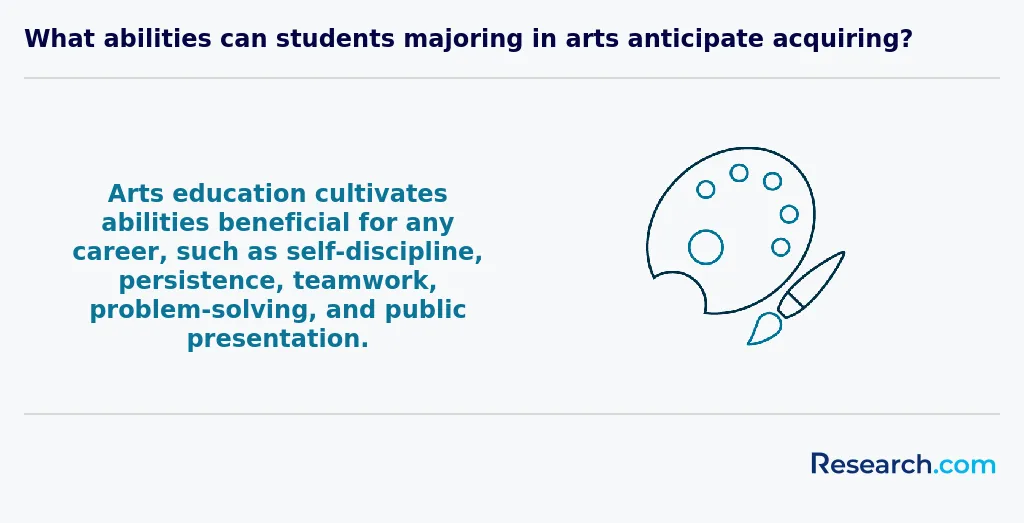
If you're earning a fine arts degree in Illinois, there's a whole range of career paths waiting for you. Many grads from popular schools like the School of the Art Institute of Chicago find themselves thriving in visual arts - think painting, sculpture, or printmaking - either freelancing or partnering with galleries. Others dive into graphic design and digital media, which is booming in Chicago's advertising and entertainment scenes.
Jobs for fine arts graduates Illinois also include teaching art in public schools or running community workshops, something a lot of recent grads from Illinois State University enjoy. Plus, the state's museum scene is buzzing with openings in curatorial and gallery management roles. You could even explore illustration or animation with Illinois' growing publishing and gaming industries, which many find creatively rewarding.
Many graduates expand their horizons beyond traditional art gigs, exploring arts administration or set design, especially if they've got a knack for blending creativity with organization. If you want a flexible option, freelancing is popular too, especially with the digital skills many pick up. Exploring the easiest degree to get online can also help if you're balancing work and study.
If you're wondering about fine arts degree job prospects Illinois offers, the scene is pretty vibrant, especially around Chicago. Graduates from well-known schools often find opportunities in graphic design, animation, and art education thanks to the city's buzzing arts community, packed with galleries, theaters, and design studios. Many grads share how mixing creativity with tech skills really helps them land gigs or freelance projects, which is super common to boost income while building a portfolio.
Jobs can be competitive, but the growth outlook is steady, so getting creative with internships and networking is key. Salaries for artists and designers in Illinois usually match national averages, which is encouraging if you're weighing potential earnings against costs of study. For those looking to speed through their education and enter the market faster, exploring a quickest associates degree might be a smart move.
Overall, art career opportunities in Illinois might not be everywhere, but they're solid where the culture is thriving and connections are strong.
2027 Best Fine Arts Degree Programs Ranking in Illinois
Investing in your education is a significant decision that can shape your future, and the Research.com team understands the importance of making informed choices. To assist prospective students, we have meticulously crafted the "2027 Best Fine Arts Degree Programs Ranking in Illinois." Our commitment to quality, credibility, and accuracy is reflected in the extensive research and analysis conducted to compile this ranking.
We utilized the following reputable data sources to ensure a comprehensive evaluation of fine arts programs:
By exploring this ranking, readers will gain valuable insights into the best fine arts degree programs available in Illinois, helping them make informed decisions about their educational paths. For more details on our methodology, please visit our Research.com methodology page.





Frequently Asked Questions About fine arts
Fine arts degree students in Illinois can maximize their learning experience by engaging actively both inside and outside the classroom. Participating in local art galleries, workshops, and community projects provides practical experience that complements academic study.
Illinois hosts many renowned institutions offering fine arts programs, such as the School of the Art Institute of Chicago, where students benefit from access to vibrant art scenes and professional networks. According to the National Center for Education Statistics, Illinois awards over 1,000 fine arts bachelor's degrees annually, indicating a competitive and resource-rich environment.
Additionally, seeking internships and collaborating with local artists can deepen skills and understanding. Leveraging state arts grants and scholarships can support hands-on learning opportunities that enrich education beyond textbooks.
Emerging niches within the fine arts field in Illinois reflect a blend of traditional skills and new technologies. Digital arts, including animation and game design, are rapidly growing due to the expanding entertainment and tech industries in Chicago, which employs over 14,000 artists and designers according to the Illinois Department of Employment Security. Interactive media and virtual reality (VR) art are gaining traction, offering innovative ways to engage audiences. Another rising area is socially engaged art, where artists collaborate with communities to address social issues, aligning with Illinois' strong cultural diversity. These niches highlight the evolving landscape for fine arts degrees, preparing graduates for diverse career paths.
Preparing for the job market after completing a fine arts degree in Illinois involves building a strong professional portfolio that showcases diverse skills and artistic style. Illinois fine arts graduates benefit from networking in major art hubs such as Chicago, where local galleries, museums, and art festivals offer valuable exposure.
Internships and assistantships during or after studies provide hands-on experience and industry connections. According to the Illinois Arts Alliance, over 30,000 individuals work in arts-related occupations statewide, highlighting competitive yet abundant opportunities.
Additionally, gaining proficiency with digital tools and marketing, including social media, can significantly enhance employability in the evolving arts sector.
Employers in Illinois seek fine arts graduates with strong creative and technical skills. According to the Illinois Arts Council, proficiency in diverse media such as digital design, painting, and sculpture is highly valued. Graduates must also demonstrate problem-solving abilities and adaptability to various artistic challenges.
Effective communication is another key skill. Artists often collaborate with clients and team members; therefore, clear presentation and negotiation skills are essential. Additionally, knowledge of art history and contemporary trends enhances a graduate's ability to produce relevant work.
Business acumen, including marketing and portfolio management, is important for freelance artists in Illinois. These competencies increase employability in competitive job markets such as Chicago's arts sector. Data from the National Endowment for the Arts highlights that 68% of arts employers prioritize these interdisciplinary skills.
Finding internships in Illinois for fine arts students involves leveraging connections within local art communities and academic networks. Many universities, such as the School of the Art Institute of Chicago, offer career services that list internships tailored to fine arts majors. According to the Illinois Arts Alliance, Chicago alone hosts over 50 arts organizations seeking interns annually.
Students should also explore museum internships, galleries, and nonprofit arts groups in urban centers like Chicago, Springfield, and Peoria. Websites such as Handshake and internships.com frequently post fine arts opportunities specific to Illinois.
Networking through local art festivals and professional associations like the Illinois Art Education Association can further increase access to internships.
A fine arts degree in Illinois can significantly impact career mobility by providing graduates with diverse skills applicable to various creative industries. According to the Illinois Art Alliance, the state hosts a vibrant arts sector with over 120,000 arts-related jobs that offer opportunities for advancement. Employers often value the combination of technical proficiency and critical thinking fostered in fine arts programs.
Graduates equipped with fine arts degrees may pursue careers not only in traditional studios but also in digital media, design, and education, sectors growing steadily in Illinois. The Illinois Department of Employment Security reports steady growth in multimedia artist and animator roles by 12% through 2030, reflecting these opportunities.
Networking and internships through Illinois' art schools also enhance upward mobility, providing practical experience and industry connections vital for career progression within the state's competitive job market.
Studying for a fine arts degree in Illinois often involves a curriculum designed to foster interdisciplinary skills. Many programs integrate courses in digital media, design, and communication, reflecting the evolving nature of art in contemporary society. For example, institutions like the School of the Art Institute of Chicago emphasize collaboration across disciplines, preparing students to work in areas such as multimedia production or arts administration.
Illinois fine arts students also benefit from access to diverse cultural resources and professional networks in major cities, notably Chicago. These opportunities enhance experiential learning beyond traditional studio practice.
According to the National Endowment for the Arts, arts graduates who engage in interdisciplinary study tend to show increased adaptability in creative industries. Such skills are essential as employers seek versatile professionals able to blend artistic vision with technology and business knowledge.
Choosing between a thesis and a non-thesis fine arts degree program in Illinois depends largely on your career goals and learning preferences. Thesis programs require original research, often culminating in a formal project or exhibition, which may benefit those considering academic or advanced study. Non-thesis programs focus more on practical skills and coursework, ideal for students aiming directly for professional art careers. According to the Illinois Board of Higher Education, approximately 40% of fine arts graduate students opt for thesis tracks, reflecting a strong emphasis on research and creativity. Consider your time commitment too, as thesis options usually demand more extended study periods and faculty mentorship.
Students based in Illinois interested in studying fine arts abroad have several opportunities through partnerships and study abroad programs offered by Illinois universities. Many institutions, such as the School of the Art Institute of Chicago, encourage international study experiences to broaden artistic perspectives. Illinois colleges often collaborate with renowned art schools in Europe and Asia to provide semester-long exchanges or summer programs.
According to the Institute of International Education, over 2,500 Illinois students studied abroad in 2022, with a growing number focusing on arts disciplines. Popular destinations include Italy, France, and Japan, where students can immerse themselves in vibrant art scenes.
Financial aid, scholarships, and academic credits typically support these programs, enabling students to advance their fine arts training while gaining global exposure.
Students pursuing fine arts degrees in Illinois have several part-time job opportunities that complement their education. Working as an art gallery assistant or museum docent provides hands-on experience with curation and art presentation. Illinois hosts over 60 art galleries and 80 museums, including the Art Institute of Chicago, offering potential internships and employment.
Freelance graphic design or illustration work is also common, allowing students to build portfolios while earning income. Local theaters and community arts organizations often seek part-time assistants for set design and production roles. These jobs enhance practical skills and networking within Illinois' vibrant arts community, as reported by the Illinois Arts Council Agency.
Fine arts students in Illinois benefit from numerous networking opportunities through the state's vibrant arts community and academic institutions. Universities such as the School of the Art Institute of Chicago and Illinois State University host regular exhibitions, workshops, and guest lectures, allowing students to connect with established artists and industry professionals.
Additionally, Illinois offers access to organizations like the Chicago Artists Coalition, which provides networking events, portfolio reviews, and mentorship programs tailored for emerging artists. According to the Illinois Arts Council Agency, over 2,500 art-related events take place annually statewide, offering ample occasions for collaboration and career building.
Internships at local galleries and theaters also serve as important venues for professional connections, often leading to job opportunities post-graduation.
Alumni networks play a significant role in supporting fine arts degree students in Illinois. These networks provide valuable connections to industry professionals, galleries, and potential employers, which can be crucial in the competitive arts field. According to the Illinois Arts Alliance, graduates involved in alumni associations report higher job placement rates within two years of graduation.
Students benefit from mentorship opportunities, portfolio reviews, and workshops hosted by alumni who understand local market needs. Many Illinois institutions facilitate alumni events promoting collaboration and career guidance. Networking through these groups can also lead to exhibitions and commissions, essential for building a reputation.
Overall, alumni networks bridge academic experiences with professional growth, enhancing students' chances of success in Illinois' diverse fine arts community.
In Illinois, many fine arts degree programs offer flexible curricula, allowing students to tailor their studies to align with specific career goals. You can often choose specializations such as painting, sculpture, digital media, or art education. Additionally, internships at local galleries, museums, or design studios provide practical experience and networking opportunities. Colleges may also permit elective courses in related fields like business or technology to enhance professional skills.
Illinois institutions like the School of the Art Institute of Chicago report that nearly 70% of fine arts students pursue individualized study plans. Exploring such options can help craft a degree that matches personal ambitions within the arts industry.
Fine arts students in Illinois often face several challenges during their studies. One common difficulty is the high cost of materials and supplies, which can exceed $1,000 annually according to the Illinois Art Education Association. This financial strain adds to the already substantial tuition fees many students encounter.
Additionally, students may struggle with limited access to studio space and specialized equipment, especially at smaller institutions. Balancing classroom work with developing a strong personal portfolio can be demanding, requiring significant time management skills.
Moreover, the competitive nature of the arts field means students must frequently seek internships and networking opportunities to improve their job prospects after graduation. According to the National Endowment for the Arts, employment growth in art-related careers in Illinois remains modest, intensifying pressure on students to excel.
Graduates with a fine arts degree in Illinois have several professional certification options to enhance their career prospects. One common path is obtaining a teaching certification through the Illinois State Board of Education (ISBE), enabling graduates to teach art in public schools. The state requires passing the Illinois Art Content Area Test as part of certification.
Additionally, fine arts professionals can pursue certification in museum studies or art conservation, often recognized by institutions such as the American Alliance of Museums. While not mandatory, these credentials can improve job opportunities in galleries and cultural organizations across Illinois.
For those interested in digital arts, certifications in software tools like Adobe Creative Suite are highly valued by employers in Chicago's creative industry.
Applying to a fine arts program in Illinois requires a clear demonstration of both creativity and technical skills. Start by researching programs accredited by the National Association of Schools of Art and Design (NASAD), which ensures high educational standards. Prepare a portfolio showcasing your best and most diverse work-this is often the central component of the application. Illinois schools like the School of the Art Institute of Chicago emphasize originality and a strong conceptual foundation.
Include a well-written personal statement explaining your artistic vision, experience, and goals. Highlight any Illinois-based exhibitions or community projects you've participated in, as regional engagement can strengthen your application. Additionally, maintain a competitive GPA; many programs expect at least a 3.0 on a 4.0 scale.
Fine arts careers are increasingly viewed through a global lens, especially for students in Illinois considering their educational paths. The U.S. Bureau of Labor Statistics projects a 3% growth in art and design occupations nationally from 2022 to 2032, reflecting steady demand. Illinois, home to vibrant art hubs like Chicago, offers unique opportunities for fine arts graduates to engage with diverse cultural and professional networks.
Internationally, fine arts professionals often collaborate across borders, influenced by global trends in digital media and cultural exchange. Studying fine arts in Illinois provides access to this global market while grounded in U.S. higher education standards recognized worldwide.
According to the Illinois Board of Higher Education, over 2,000 students annually pursue fine arts degrees statewide, highlighting growing interest and potential career pathways within the U.S. and abroad.
Gaining practical experience is essential for students pursuing a fine arts degree in Illinois. Many Illinois institutions encourage involvement in internships, which offer real-world exposure to galleries, studios, and museums. For example, the Illinois Arts Council provides resources facilitating such opportunities across the state. Participating in on-campus exhibitions and community art projects also helps students build portfolios and professional networks.
Some universities partner with local art organizations in Chicago and Springfield, allowing students to work alongside experienced artists. Additionally, student-run galleries and workshops offer hands-on experience in curating and managing art shows. Engaging in these activities enhances skills and increases employability after graduation.
Choosing the right concentration in a fine arts degree program in Illinois involves understanding your personal interests and career goals. Common concentrations include painting, sculpture, graphic design, and digital media. According to the National Center for Education Statistics, Illinois offers a diverse range of specialized programs across its universities, providing options that suit various artistic skills.
Students should consider faculty expertise and available facilities, as schools like the School of the Art Institute of Chicago provide advanced studio spaces and technology. Additionally, reviewing alumni success and internship opportunities in local arts organizations can guide your decision.
Exploring course catalogs and attending open houses are practical steps to compare concentrations effectively.
- 2027 Best Fine Arts Degree Programs Ranking in Wisconsin
- 2027 Best Fine Arts Degree Programs Ranking in Michigan
- 2027 Best Fine Arts Degree Programs Ranking in Ohio
- 2027 Best Fine Arts Degree Programs Ranking in Tennessee
- 2027 Best Fine Arts Degree Programs Ranking in Arkansas
- 2027 Best Fine Arts Degree Programs Ranking in Nebraska
- 2027 Best Fine Arts Degree Programs Ranking in Kansas
- 2027 Best Fine Arts Degree Programs Ranking in West Virginia
- 2027 Best Fine Arts Degree Programs Ranking in Oklahoma
- 2027 Best Fine Arts Degree Programs Ranking in Mississippi
- Careers | The Art Institute of Chicago https://www.artic.edu/employment
- Networking for Artists https://artquest.org.uk/how-to-articles/networking-for-artists/
- Careers in the Arts: Who Stays and Who Leaves? https://snaaparts.org/findings/reports/careers-in-the-arts-who-stays-and-who-leaves
- Art Internships: Your Complete Guide | Sotheby's Institute of Art https://sothebysinstitute.com/articles/art-internships-your-complete-guide/
- 404 – Seite nicht gefunden https://www.gostudent.org/en-gb/blog/what-jobs-can-you-get-with-a-fine-arts-degree
- What is Fine Arts? Meaning, Scope & Careers Explained https://jgu.edu.in/opjgublog/what-is-fine-arts/
- MFA Statement of Purpose: The Artist Statement + Academic Goals Hybrid https://gradpilot.com/news/mfa-statement-of-purpose-artist-statement-guide
- Summer Internships | National Gallery of Art https://www.nga.gov/employment-opportunities/summer-internships
- Complete guide to studying Fine Arts - TAI Arts https://taiarts.com/en/blog/guide-to-studying-fine-arts/
- Fine Arts https://en.uap.edu.pl/admission/programmes/fine-arts/


