2027 Most Valuable Online Bachelor's in Finance Degree Programs Ranking in the Midwest

Co-Founder and Chief Data Scientist
Choosing the right finance degree program can feel overwhelming, especially when so many options exist. That's why this article presents the 2027 Most Valuable Online Bachelor's in Finance Degree Programs Ranking in the Midwest, carefully created by the Research.com team of data scientists. It's designed to help you make an informed decision about which programs truly stand out.
Discover programs that combine quality education with flexibility and value. Earning a finance degree opens doors to exciting career opportunities and financial confidence. This ranking guides you toward the best choices for your future success.
Key benefits of getting online finance degree in the Midwest
- Finance degree graduates in the Midwest can expect strong salary potential, with roles like Financial Advisor earning around $150,670 annually and Financial Analysts or Investment Banking Analysts making close to $112,950 per year.
- Career paths for finance graduates from Midwest universities include diverse roles such as Credit Analyst, Insurance Underwriter, and Financial Advisor, offering stability and chances to grow in various finance fields.
- Obtaining a finance degree online provides flexibility and convenience, allowing students to balance work and study effectively while still gaining respected credentials from well-known Midwestern schools.
- 2027 Most Valuable Online Bachelor's in Finance Degree Programs Ranking in the Midwest
- What can I expect from online finance degree in the Midwest?
- Where can I work with online finance degree in the Midwest?
What can I expect from online finance degree in the Midwest?
The average cost of an online finance degree in the Midwest is both accessible and budget-friendly, making higher education achievable without overwhelming financial strain. Many students attending public universities in states like Illinois, Ohio, and Michigan experience in-state tuition rates ranging from $8,000 to $15,000 per year. This affordability allows aspiring finance professionals to invest confidently in their futures while balancing work and family commitments.
Graduates from well-known Midwestern programs often share how these reasonable costs empower them to focus on mastering skills like financial modeling and investment analysis through state-of-the-art online platforms. Imagine studying corporate finance on your schedule, with career support that connects you to job opportunities in vibrant cities like Chicago or Columbus without the burden of excessive debt.
This combination of cost-effectiveness and high-quality education makes pursuing an online finance degree in the Midwest a smart, energizing step toward a rewarding and stable career in finance.
Where can I work with online finance degree in the Midwest?
Graduates with an online finance degree from respected Midwestern institutions like the University of Chicago or Ohio State University find themselves stepping into abundant career opportunities. Many move into exciting roles as financial analysts or investment advisors in bustling cities like Chicago and Columbus, where strong economies support vibrant finance sectors.
Others thrive in the insurance industry, especially in states like Wisconsin and Indiana, applying their skills in risk management and financial planning. These careers not only offer stability but also allow graduates to contribute meaningfully to important community sectors.
Graduates often share how starting as loan officers or financial consultants at local banks and credit unions helps them build a strong foundation, especially as these institutions embrace innovative financial technologies. Meanwhile, those passionate about corporate finance often find rewarding positions within Midwest manufacturing and agribusiness firms, engaging in strategic financial planning that supports regional growth.
This blend of accessible job markets and diverse industries makes earning an online finance degree in the Midwest a powerful launchpad for an inspiring and fulfilling career.
Graduates with an online finance degree in the Midwest are stepping into a workforce ripe with promising earnings and career growth. Financial analysts, common roles for these graduates, earn a mean annual wage of around $112,950 according to the latest U.S. Bureau of Labor Statistics data. This figure reflects strong demand in cities like Chicago and Minneapolis, where many graduates of respected programs at universities such as the University of Illinois or Ohio State find rewarding opportunities.
Financial advisors enjoy even higher salaries, with a mean annual wage of $150,670, offering a lucrative path for those passionate about guiding clients toward financial success. Credit analysts earn a mean of $94,750 annually, demonstrating solid returns for graduates entering banking or corporate finance sectors.
Many Midwest graduates appreciate the flexibility of online degrees, enabling them to balance early career roles and further certifications, increasing their earning potential. Investment banking analysts see salaries around $112,950, while insurance underwriters earn $85,610, showing diverse financial career paths in the region that reward ambition and expertise.
Seeing peers from established schools thrive in these roles can inspire you to envision your own bright financial future.
- Online finance bachelor's degrees in the Midwest typically cost between $12,000 and $25,000 for in-state students, with public universities generally being more affordable than private ones.
- These programs cover subjects like financial planning, investment analysis, and risk management to prepare students for finance careers.
- Entry-level salaries for finance graduates in the Midwest start around $55,000 per year, increasing to over $85,000 annually after five to ten years.
- The Midwest job market for finance professionals is strong, with 5% to 7% expected employment growth and many opportunities in cities like Chicago, Minneapolis, and Columbus.
- Accreditation by recognized agencies ensures program quality and helps graduates qualify for professional certifications.
Completing an online finance degree in the Midwest typically takes about four years for full-time students, mirroring the traditional college experience but with much more flexibility. Many graduates from well-regarded public universities in Illinois and Ohio share how this balance allowed them to manage work, family, and studies effectively. With roughly 120 to 130 credit hours required, students dive into exciting fields like investments and risk management while progressing at their own pace.
For those eager to finish sooner, accelerated programs offer the opportunity to earn a degree in as little as two and a half to three years. Imagine powering through courses year-round, just like some Midwest university students who embrace summer sessions to fast-track their dreams without compromising on quality.
Part-time learners find encouragement in self-paced online classes that fit busy schedules, sometimes extending study time to five or seven years but providing valuable freedom and control. This supportive structure turns challenges into achievements, inspiring countless Midwestern students to reach their goals confidently and joyfully.
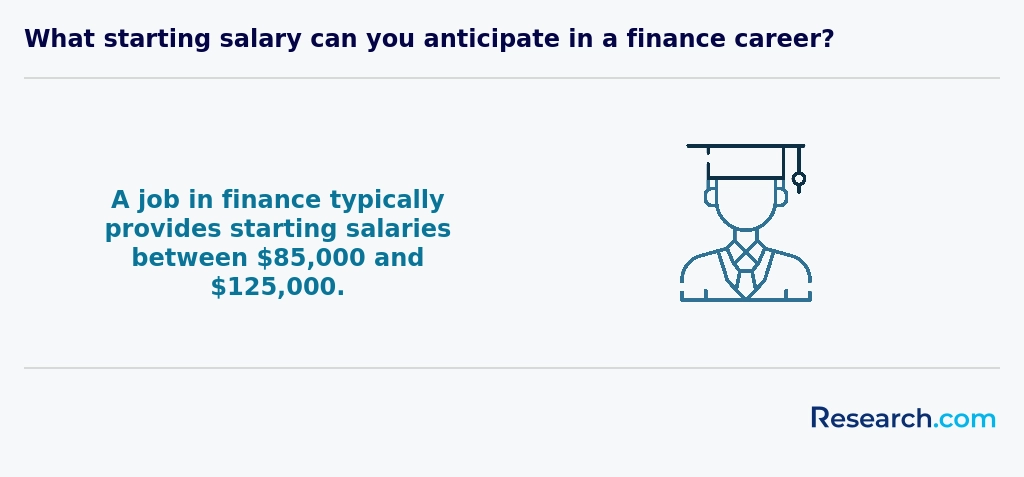
Investing in an online finance degree requires careful consideration of costs versus long-term earnings. On average, Midwest online bachelor’s programs cost between $42,570 (in-state) and $60,834 (out-of-state), while graduates report starting salaries from $85,000 to $125,000. By dividing net program cost by annual net income gain, students typically recoup their investment within 2–4 years. Key factors driving ROI include tuition, duration, and career trajectory. For example, a graduate who pays $50,000 in tuition and secures a $90,000 financial analyst position (versus a $45,000 pre-degree salary) can expect to break even in roughly three years. Programs with strong employer networks and dedicated career services often accelerate this timeline by facilitating internships and job placements. It’s also helpful to compare finance to related fields-just as those exploring a business analytics career weigh data science roles against their tuition, finance students should evaluate specializations like investment management or corporate finance for their impact on salary growth. When calculating ROI, remember to include indirect benefits such as networking opportunities, certification preparation (e.g., CFA exam support), and long-term salary growth. A robust ROI analysis empowers prospective students to choose programs that not only fit their budget but also maximize their earning potential in the competitive Midwest finance market.
Online and on-campus finance degrees in the Midwest both open doors to rewarding careers, yet they offer distinct experiences tailored to your lifestyle. Imagine a graduate from a well-known Michigan university who balances family and work by accessing courses online anytime, enjoying the freedom to learn at their own pace. Meanwhile, another graduate from a respected Illinois college thrives in face-to-face interactions, joining finance clubs and attending campus career fairs that spark real-time connections.
The beauty of online programs lies in flexibility-perfect for those managing busy schedules without missing out on quality education prevalent at Midwest institutions. On-campus students benefit from vibrant campus energy and immediate mentorship, nurturing both personal and professional growth.
Regardless of where you study, Midwest finance degrees maintain high standards, accredited to ensure your knowledge is trusted by employers. Graduates often find steady demand for finance professionals locally, making either path a smart, empowering choice for advancing your future.
The average cost of an online finance degree in the Midwest offers an encouraging balance of quality and affordability. Median total costs hover around $43,560, with in-state students often benefiting from slightly lower rates near $42,570. This makes pursuing an online bachelor's in finance an accessible investment for many, especially when compared to more expensive regions.
Graduates from respected Midwestern universities like the University of Illinois and Michigan State University frequently share how manageable tuition costs allowed them to focus on mastering finance concepts without overwhelming financial stress. These schools provide robust programs that blend academic rigor with flexibility, perfectly suited for working professionals and motivated learners.
Students considering their finances should also remember that the total price for online bachelor's in finance Midwest includes a range of helpful resources such as financial aid, scholarships, and employer tuition assistance. These options are often tailored to the unique needs of Midwestern students and can significantly lighten the cost burden, empowering more individuals to achieve their career goals.
In practical terms, students might imagine how balancing studies and life is made easier knowing the average cost of online finance degree Midwest remains competitively affordable. Many find inspiration in pathways that transform their passion for finance into rewarding careers, supported by smart financial planning combined with strong educational programs. For further guidance, exploring options through a business analytics career can also open diverse doors in the financial world.

As the finance industry evolves, Midwest online programs are integrating cutting-edge topics to ensure graduates stay ahead. In recent years, schools have expanded coursework in:
- Fintech and Blockchain: Universities now offer modules on digital currencies and distributed ledger technologies, preparing students for roles in crypto asset management and blockchain consulting.
- Data Analytics and AI: Programs emphasize Python, R, and machine learning techniques to analyze large financial datasets, equipping students with skills increasingly demanded by employers.
- Environmental, Social, and Governance (ESG) Finance: With sustainability at the forefront, courses on green bonds, impact investing, and corporate responsibility are becoming staples, reflecting the growing market for ethically driven investments.
- Personalized Learning Paths: Adaptive learning platforms tailor content to individual progress, allowing students to focus on areas like financial modeling or risk management where they need the most practice.
- Micro-credentials and Badges: Many schools now offer stackable certificates in specialized topics-such as advanced derivatives or fintech strategy-that can be earned alongside a bachelor’s degree, boosting resume appeal. Staying informed about these trends can help you choose a program that aligns with your career goals. For those aiming to advance beyond a bachelor’s, consider exploring our Most Affordable Online Master's in Finance Degree Programs Ranking in the Midwest to continue your education in these emerging fields.
Students pursuing an online finance degree in the Midwest discover a welcoming landscape of financial aid designed to lift their educational journey. Graduates from institutions like the University of Illinois or the University of Wisconsin often share how federal resources such as Pell Grants-offering up to $7,395-transformed their ability to afford tuition without overwhelming debt. These grants, combined with federal loans boasting flexible repayment terms, provide a solid financial foundation.
Many state programs also play a crucial role. For example, Illinois' Monetary Award Program (MAP) and Wisconsin's Grant program offer valuable support specifically to residents attending in-state schools, easing tuition burdens for online learners. On top of this, university scholarships geared toward finance students reward academic excellence and professional promise, lifting spirits and wallets alike.
Local employers frequently offer tuition reimbursement, empowering students in metropolises like Chicago and Minneapolis to invest in their education while working. Private scholarships from regional foundations add yet another ray of hope, making the dream of a finance degree both achievable and inspiring.
To enroll in an online finance degree in the Midwest, you'll typically need a solid academic foundation-most schools expect a high school diploma or GED, ensuring you're ready to tackle finance's exciting challenges. Graduates from respected institutions like the University of Illinois or Ohio State University often recall how their strong background in algebra and statistics really gave them confidence as they began coursework.
Standardized tests like the SAT or ACT may still play a role, but many schools now offer test-optional policies, making access easier. Transcripts reflecting a GPA around 2.5 to 3.0 show you can manage the analytical and quantitative demands ahead. Some adult learners find that relevant work experience in finance or business gives them an extra edge, turning real-world skills into academic success.
Financial readiness matters too-knowing that public Midwest universities typically cost between $10,000 and $27,000 per year helps you plan and pursue scholarships or aid. Finally, making sure you have reliable internet and basic tech skills creates the perfect environment for thriving in the online learning community.
They eagerly dive into Corporate Finance classes, learning to make strategic decisions that affect real companies' growth and sustainability, bringing concepts of capital budgeting to life as if managing a company's future. Investments courses empower students with the skills to analyze portfolios and securities, preparing them for exciting careers in Chicago's bustling financial markets.
Additionally, programs emphasize Financial Markets and Institutions, connecting theoretical frameworks to the Midwest's economic pulse-whether in agricultural finance in rural areas or banking in urban hubs. Courses in Business Statistics and Economics sharpen analytical skills, enabling students to interpret data that influences real-world financial decisions.
Many also embrace electives like Behavioral Finance or Real Estate Finance, tailoring their education to personal passions and regional opportunities. This blend of coursework inspires confidence and readiness to thrive in the vibrant Midwest finance landscape.
Online finance degree specializations Midwest offer exciting pathways tailored to your ambitions. Graduates from renowned universities in Chicago and Indianapolis often highlight how Corporate Finance empowered them to lead savvy capital projects, while Investment Management sharpened their portfolio strategies in bustling financial markets. Many Midwest online bachelor's finance concentrations focus on Financial Planning, guiding students to confidently advise families on retirement and tax strategies, a skill highly valued throughout the region.
Risk Management prepares you to anticipate and mitigate financial threats, essential in Midwest hubs like Detroit's manufacturing sector. Banking specialization connects learners to operational and regulatory expertise rooted in dynamic centers such as Minneapolis. Specialized tracks like Real Estate Finance, Quantitative Finance, and FinTech are increasingly popular, giving students an edge by applying data analytics and innovative technologies.
Students love how these specializations open doors to vibrant careers reflecting the Midwest's unique economy. To explore affordable paths and find your perfect fit, check the Most Affordable Online Master's in Finance Degree Programs Ranking in the Midwest.
Choosing the best online finance degree programs Midwest means focusing on quality and flexibility. Graduates from well-known Midwest universities often highlight how regional accreditation, like that from the Higher Learning Commission, ensured their degree held strong value with employers and graduate schools alike. These students found that aligning their studies with real industry demands-covering financial analysis, investment strategies, and financial technology-empowered them to confidently step into rewarding careers.
Affordability also plays a big role; many appreciate how affordable online finance bachelor's Midwest options allowed them to pursue their dreams without overwhelming debt. The convenience of asynchronous courses helped working professionals balance family and job commitments while advancing their education. Some even chose quickest online degree programs for working adults to move faster toward their goals.
Graduates often praise programs that connect them with local financial firms in hubs like Chicago, unlocking valuable internships and job opportunities. When you choose wisely, you're not just earning a degree-you're launching your future with confidence and excitement.
Graduates with an online finance degree in the Midwest enjoy a wealth of career opportunities that align perfectly with the region's thriving financial landscape. Popular universities like those in Chicago and Minneapolis have seen their alumni flourish in fields such as financial analysis, where they evaluate investment options that empower individuals and businesses to achieve their goals. Many graduates from Ohio colleges embark on rewarding careers in corporate finance, managing budgets and capital that drive company growth. Others find their passion in risk management, protecting organizations from unexpected challenges.
Those pursuing online finance degree jobs Midwest often step into roles within commercial banks, credit unions, and insurance firms thriving in states like Illinois and Wisconsin. Graduates highlight how flexible online programs allowed them to balance work while preparing for roles as financial advisors, helping clients with retirement and estate planning. For students seeking an accessible pathway, exploring the easiest associate degree to obtain might be a motivating first step toward these futures.
The job market for online finance degree holders in the Midwest is thriving with promising growth and rewarding opportunities. Graduates from well-known Midwest universities often share stories of landing roles in major financial hubs like Chicago and Minneapolis, where their education directly translates to success in banking, corporate finance, and insurance. This robust market reflects steady expansion across diverse sectors including manufacturing and healthcare, making it an ideal region for finance graduates seeking dynamic careers.
Those pursuing finance degrees online appreciate the affordability and accessibility of programs from respected institutions, which emphasize practical skills like financial modeling and data analysis. This skill set perfectly suits the demands of employers in the Midwest job market for finance graduates online. Graduates frequently attest to their smooth transition into roles requiring both traditional finance knowledge and digital expertise, especially as the fintech industry flourishes.
Access to professional certification pathways and competitive salaries further motivates students in the region. For those aiming even higher, exploring the highest paid masters degree options can unlock greater earning potential and career advancement.
2027 Most Valuable Online Bachelor's in Finance Degree Programs Ranking in the Midwest
Investing in your education is a significant decision that can shape your future, and the Research.com team understands the importance of making informed choices. To assist prospective students, we have meticulously created the "2027 Most Valuable Online Bachelor's in Finance Degree Programs Ranking in the Midwest." Our commitment to quality, credibility, and accuracy is reflected in the extensive research and analysis conducted to compile this ranking.
We utilized the following reputable data sources to ensure a comprehensive evaluation of online finance degree programs:
By exploring this ranking, readers will gain valuable insights into the best online bachelor's finance programs in the Midwest, empowering them to make well-informed decisions about their educational journeys. For more details on our methodology, please visit our Research.com methodology page.





Frequently Asked Questions About finance
Online finance degree students in the Midwest can maximize their learning experience by actively engaging with their program's resources. Joining virtual study groups and networking with classmates helps simulate traditional campus interactions, crucial for understanding complex finance concepts. Utilizing career services offered by Midwestern universities often provides access to internships or job placements in key financial hubs like Chicago, one of the nation's largest financial centers.
Students should also take advantage of supplementary materials such as webinars or workshops focused on regional economic trends. According to the Federal Reserve Bank of Chicago, understanding the Midwest's manufacturing and agricultural finance sectors can give students practical insights relevant to local job markets. Time management and consistent communication with instructors further enhance academic success in an online setting.
The finance field is rapidly evolving, with several emerging niches gaining prominence, especially in the Midwest. One key area is financial technology (fintech), which combines finance and software innovation. Midwest cities like Chicago have become fintech hubs, attracting startups and established firms alike. According to the Illinois Technology Association, fintech investment in the region grew over 20% annually between 2018 and 2023.
Another growing niche is sustainable finance, focused on ethical investing and environmental impact. Midwest financial institutions increasingly incorporate Environmental, Social, and Governance (ESG) criteria in their portfolios.
Additionally, data analytics and risk management are vital areas where online finance degrees often emphasize skills, reflecting industry needs for handling complex datasets and regulatory challenges.
After completing an online finance degree in the Midwest, preparing for the job market involves several strategic steps. First, graduates should build a strong professional network by joining finance-related associations such as the Midwest Finance Association or local chapters of the CFA Institute.
Gaining relevant experience through internships or part-time roles during or after studies is essential. According to the Bureau of Labor Statistics, financial analyst jobs in the Midwest are expected to grow by 6% through 2030, highlighting steady opportunities.
Additionally, obtaining certifications like the CFA or CPA can significantly increase employability and salary potential. Developing proficiency in financial software and Excel remains critical in Midwest finance roles, ensuring competitiveness in the market.
Employers in the Midwest highly value finance graduates who demonstrate strong analytical and quantitative skills. According to the Bureau of Labor Statistics, financial analysts in this region must interpret complex data and market trends to guide investment decisions.
Additionally, proficiency in financial software and tools, such as Excel and Bloomberg Terminal, is often required. A 2023 survey by the National Association of Colleges and Employers (NACE) highlighted that 68% of Midwestern employers prioritize technological literacy in new hires.
Communication skills are also critical. Graduates must effectively present financial information to clients and stakeholders in clear, concise terms.
Problem-solving ability and ethical judgment remain vital due to the regulatory nature of finance work in the Midwest.
Finding internships in the Midwest relevant to a finance degree involves strategic research and networking. Start by exploring university career centers, as many Midwest schools maintain partnerships with local financial firms and banks for internship opportunities. According to the National Association of Colleges and Employers (NACE), networking remains the top way students secure internships, so attending local finance events, job fairs, and student organizations is crucial.
Websites like Handshake and Indeed often list internships in Chicago, Minneapolis, and Indianapolis, key finance hubs in the Midwest. Additionally, companies such as JPMorgan Chase and Cargill often offer summer internships targeted to finance students based in the region.
Using LinkedIn to connect with alumni from your online program can also help uncover unadvertised internships. Remember, applying early and tailoring your resume to finance roles improves your chances of success.
Obtaining an online finance degree significantly enhances career mobility and advancement opportunities in the Midwest. Finance roles in this region have grown steadily, with the U.S. Bureau of Labor Statistics projecting a 7% increase in financial analyst jobs nationally through 2031, many centered in Midwestern hubs such as Chicago and Cleveland.
Employers increasingly recognize online degrees from accredited institutions as equivalent to traditional ones, especially when paired with relevant certifications like CFA or CPA. Graduates from online programs can access a broader job market without relocating, an important factor in a region where cost of living varies widely.
In addition, online degrees offer flexibility for working professionals in the Midwest seeking promotion or career shifts, allowing them to build skills relevant to emerging financial technologies and regulations shaping the local economy, according to the Midwestern Economic Review.
Studying for a finance degree online in the Midwest equips students with skills that cross traditional business boundaries. Many Midwestern universities integrate courses in economics, data analytics, and management, preparing graduates for roles involving finance, technology, and strategy. According to the National Center for Education Statistics, Midwestern institutions award over 20% of the nation's finance degrees, reflecting strong regional expertise.
Graduates often gain applied knowledge in software tools and financial modeling, valued in interdisciplinary teams. Employers in the Midwest's growing sectors-manufacturing, agribusiness, and healthcare-seek finance professionals who understand multiple domains. This broad focus enhances adaptability, essential for careers that combine finance with IT, marketing, or operations.
Choosing between a thesis and a non-thesis finance degree program in the Midwest depends on your career goals and learning preferences. Thesis programs usually involve conducting original research, which suits students aiming for careers in academia, research, or advanced graduate studies. Non-thesis programs focus more on practical skills and coursework, ideal for those targeting immediate employment in finance industries like banking or investment firms.
Midwestern universities like the University of Illinois and Michigan State offer both options, reflecting regional demand for finance professionals skilled in data analysis and financial modeling. The U.S. Bureau of Labor Statistics expects a 7% growth for financial analysts from 2022-2032, emphasizing practical skills.
Consider program flexibility, time commitment, and your interest in research when deciding.
Students in the Midwest seeking online finance degrees with an international focus have several options for studying finance abroad through partnerships and study abroad programs. Many Midwest universities with online finance programs collaborate with institutions in Europe, Asia, and Latin America, allowing students to earn credit while gaining global perspectives.
For example, some schools offer virtual exchange programs, enabling students to participate in joint courses or projects with peers abroad without traveling. According to NAFSA (Association of International Educators), approximately 15% of U.S. undergraduates engage in study abroad, with finance-related fields increasingly popular.
While physical mobility may be restricted, digital globalization encourages Midwest students in finance to explore global case studies and international markets as part of their curriculum.
Students pursuing online finance degrees in the Midwest can benefit from part-time jobs that align with their studies and enhance practical skills. Positions such as financial analyst interns, bookkeeping assistants, and bank teller roles offer valuable experience in real-world finance settings. According to the U.S. Bureau of Labor Statistics, the Midwest sees steady growth in finance-related jobs, making these roles accessible to students.
Additionally, internships within local accounting firms or corporate finance departments provide exposure to budgeting, investment analysis, and risk management. These jobs cultivate analytical thinking and proficiency with finance software, both critical for graduates entering the competitive finance sector.
Online finance students in the Midwest have several networking opportunities through university-hosted virtual events and regional finance organizations. Many Midwestern schools, like those in Illinois and Ohio, offer online platforms for students to connect with alumni and local finance professionals. According to the Midwest Finance Association, over 50% of top universities facilitate online networking forums and mentorship programs.
Additionally, students can participate in virtual finance conferences and webinars hosted by groups such as the CFA Society Chicago, which has more than 8,000 members. These events provide access to industry leaders and job openings specifically within the Midwest market.
Local business chambers in cities like Minneapolis and Indianapolis also host hybrid networking events that online students may attend, helping bridge the gap between remote learning and in-person professional connections.
Alumni networks provide significant advantages for students pursuing online finance degrees in the Midwest. These networks connect current students with graduates who work in regional financial hubs such as Chicago, Minneapolis, and Detroit. According to the National Association of Colleges and Employers (NACE), 85% of jobs are filled through networking, highlighting the importance of these connections.
Midwest alumni often share job leads, internship opportunities, and industry insights specific to local markets. This support can be critical for online learners seeking in-person professional experiences.
Furthermore, many alumni networks offer mentorship programs, helping students develop skills tailored to Midwestern financial sectors, including banking, investment, and insurance.
Customizing an online finance degree program in the Midwest typically involves selecting electives and specializations that align with your career goals. Many universities allow students to focus on areas such as corporate finance, investment analysis, or financial planning. Some programs also offer certificates in risk management or financial technology, enhancing specific skill sets.
Midwestern schools often emphasize practical experience through virtual internships or capstone projects, enabling you to apply theory to real-world scenarios. According to the National Center for Education Statistics, over 60% of Midwest finance programs provide such hands-on learning options online.
Advisors usually help tailor course loads to meet professional certifications like CFA or CFP, which are highly regarded in finance careers across this region's growing markets. This flexibility supports career advancement in industries like banking, insurance, and manufacturing finance based in states such as Illinois and Ohio.
Online finance students in the Midwest face several challenges unique to their region and mode of study. One common issue is limited access to high-speed internet in rural areas; according to the Federal Communications Commission, about 23% of rural Midwestern households lack broadband connectivity, affecting online learning consistency.
Another significant challenge is balancing work, family, and study commitments. Many Midwestern students juggle full-time jobs while pursuing their degrees, often causing stress and time management difficulties.
Additionally, students may struggle with fewer local networking opportunities compared to traditional campus learners. Building connections with finance professionals locally can be limited, impacting internship and job prospects.
Lastly, varied accreditation standards across institutions in the Midwest can create confusion about program quality, underscoring the importance of selecting reputable, regionally accredited schools.
Graduates with an online finance degree in the Midwest can pursue numerous professional certifications to boost their careers. Popular options include the Certified Financial Planner (CFP), Chartered Financial Analyst (CFA), and Certified Public Accountant (CPA) credentials. These certifications are well-recognized by employers across finance sectors.
For example, the CFA designation is highly valued in investment management, and Midwest finance professionals holding this certification often report higher salaries, according to the CFA Institute's regional data. The CPA credential is essential for those aiming to work in accounting or auditing within finance firms based in states like Illinois and Ohio.
The CFP certification suits those interested in personal financial advising. It requires coursework that aligns well with many online finance degree curricula offered by Midwest universities. Additionally, certifications such as Financial Risk Manager (FRM) and Certified Management Accountant (CMA) provide specialized knowledge relevant to risk assessment and managerial accounting roles.
Applying to an online finance program in the Midwest requires clear focus and preparation. Start by researching schools accredited by recognized bodies such as AACSB or ACBSP, ensuring quality education recognized by employers. Highlight your interest in finance by demonstrating relevant skills or experience, such as internships or previous coursework, which strengthens your application.
Personalize your statement of purpose to reflect knowledge about the program and its alignment with Midwest financial markets, like Chicago's strong banking sector. According to the Federal Reserve Bank of Chicago, highlighting local economic insights can set your application apart.
Be sure to submit all documents on time, including transcripts and recommendation letters that emphasize your analytical and quantitative abilities. Maintaining at least a 3.0 GPA in prior studies boosts your chances significantly.
The finance career path holds significant value worldwide, reflecting the global nature of markets and economies. Professionals with a finance degree in the Midwest benefit from the region's growing financial hubs like Chicago, which ranks as the third-largest financial center in the U.S., according to the Chicago Metropolitan Agency for Planning.
Internationally, strong finance skills are highly sought after due to increased cross-border trade, investment, and regulatory standards. The U.S. Bureau of Labor Statistics projects a 17% growth in financial analyst jobs nationally through 2031, driven by demand in corporate finance, investment banking, and risk management.
Midwestern institutions offering online finance degrees prepare students to navigate global economic trends and regulatory environments, combining theoretical knowledge with practical skills. The emphasis on data analysis and financial technology aligns well with worldwide industry developments, enhancing graduate adaptability.
Gaining practical experience while pursuing an online finance degree in the Midwest is essential for enhancing career prospects. Many regional universities partner with local banks, financial firms, and corporations to offer virtual internships or cooperative education programs. These opportunities allow students to apply classroom knowledge directly to real-world situations.
Additionally, students can participate in online simulations and case competitions hosted by Midwestern universities or financial organizations, which replicate market scenarios and decision-making challenges.
According to the National Association of Colleges and Employers (NACE), about 65% of finance graduates in the Midwest secured internships before graduating, which significantly improved job placement rates.
Students are encouraged to leverage alumni networks and regional finance associations, such as the Chicago CFA Society, to build connections that lead to practical experience.
Choosing the right concentration within an online finance degree in the Midwest depends on your career goals and local industry demands. Common specializations include corporate finance, investment management, and financial planning. According to the Bureau of Labor Statistics, financial analyst roles in the Midwest grew by 7% from 2020 to 2030, highlighting demand in investment-related fields.
Consider concentrations that align with the region's economic strengths, such as agribusiness finance in states like Iowa and Nebraska or banking in Illinois. Research local job markets using sources like the Midwest Economic Development Index to ensure your focus matches available opportunities.
Also, check that the program's curriculum covers relevant certifications, which can improve employability in competitive Midwestern cities like Chicago and Minneapolis.
See What Experts Have To Say About Studying Finance
Read our interview with Finance experts

Andrew Karolyi
Finance Expert
Dean of the Cornell SC Johnson College of Business
Cornell University

H. Kent Baker
Finance Expert
Professor at Department of Finance and Real Estate
American University

Ekaterina Potemkina
Finance Expert
Assistant Professor of Finance
Indiana University

- Navigating financial challenges in higher education - Office for Students https://www.officeforstudents.org.uk/publications/navigating-financial-challenges-in-higher-education/
- Best Online Finance Degrees https://www.onlineu.com/degrees/finance
- What Major is Best for Finance? Top 10 Picks https://zoetalentsolutions.com/what-major-is-best-for-finance/
- Guide to Finance Internships | Higherin https://higherin.com/career-guides/finance/finance-internships
- Finance Internships: Find 255 Finance Intern Jobs https://internshala.com/internships/finance-internship/
- Best Finance Degrees Online | Accounting.com https://www.accounting.com/degrees/finance/bachelors/best-online-programs/
- Top Ways to Leverage a Finance Degree – AP Professionals Rochester https://rochesterap.com/top-ways-to-leverage-a-finance-degree/
- Online Bachelor's Degree: Finance https://www.umgc.edu/online-degrees/bachelors/finance
- Athabasca University https://www.athabascau.ca/programs/summary/bachelor-of-commerce-in-finance.html
- Upgrade to Global Finance Major: What It Is & Why It Matters https://pages.riley-eyewear.com/riley-eyewear/global-finance-major-what-it-is-and-why-it-matters-1767646948