
2027 Most Affordable Online Master's in Finance Degree Programs Ranking in the USA

Co-Founder and Chief Data Scientist
Choosing the right online master's in finance program can feel overwhelming, especially with so many options available. This article presents the 2027 Most Affordable Online Master's in Finance Degree Programs Ranking in the USA, carefully developed by the Research.com team of data scientists. It offers a trusted guide to help you find programs that balance cost and quality.
With a finance degree, you open doors to exciting career paths and greater financial security. This ranking simplifies your decision-making and supports your journey toward a brighter future.
Key benefits of getting online finance degree in America
- Finance degree graduates can earn impressive salaries, such as $174,820 annually as a Finance Manager or Financial Controller, and $112,950 as a Portfolio Manager or Private Equity Analyst, making it a rewarding investment.
- Career paths after graduation are diverse, including roles in investment banking, asset management, and corporate finance, offering exciting opportunities to grow and specialize in the finance industry.
- Online finance degrees offer flexibility and accessibility, allowing graduates to balance work and study effectively, as seen with many students from top universities enhancing their skills without pausing their careers.
- Key benefits of getting online finance degree in America
- What can I expect from online finance degree in America?
- Where can I work with online finance degree in America?
- How much can I make with online finance degree in America?
- 2027 Most Affordable Online Master's in Finance Degree Programs Ranking in the USA
- Key Findings
- How long does it take to complete online finance degree in America?
- Essential Skills and Industry Tools for Online Finance Graduates
- What's the difference between online and on-campus finance degree?
- What is the average cost of online finance degree in America?
- Return on Investment (ROI) Analysis
- What financial aid is available to online finance degree students in America?
- What are the prerequisites for enrolling in online finance degree program in America?
- What courses are typically in online finance degree programs in America?
- What types of specializations are available in online finance degree programs in America?
- How do you choose the best online finance degree in America?
- What career paths are available for online finance degree students in America?
- What is the job market for online finance degree in America?
- Top Trending Finance Rankings
- See What Experts Have To Say About Studying Finance
What can I expect from online finance degree in America?
The average cost of an online finance degree in America typically ranges between $15,000 and $30,000, depending on the school and program length. Many graduates from prominent universities have found these costs manageable compared to traditional on-campus degrees, thanks to savings on commuting and housing. For example, students pursuing online finance programs at well-known institutions often share relief at avoiding relocation expenses while still receiving quality instruction.
These programs usually offer flexible payment options, including installment plans and financial aid, making it easier to budget. Many students balance coursework with jobs, appreciating that their tuition investment aligns with practical learning in financial modeling and investment analysis, skills highly valued in the job market.
Affordability combined with recognized accreditation, such as AACSB, ensures the degree holds value when pursuing careers in corporate finance or investment banking. Online programs at respected colleges empower students to achieve their goals without the hefty price tag often associated with on-campus studies.
Where can I work with online finance degree in America?
With an online finance degree from well-known American schools like the University of Pennsylvania or the University of Michigan, graduates often find themselves thriving in corporate finance roles, managing budgets, and driving strategic plans that impact a company's growth. These positions bring solid paychecks-financial analysts earned about $95,570 per year in 2023, according to the U.S. Bureau of Labor Statistics-and the satisfaction of influencing major business decisions.
Many alumni also pursue careers in investment banking or asset management. They become portfolio managers or financial advisors, helping clients from startups in Silicon Valley to family-owned businesses in the Midwest grow their wealth. This path offers a dynamic environment and steady demand, as FINRA projects a 9% job growth for financial advisors through 2030.
Others find rewarding careers in government agencies like the SEC or Federal Reserve, where their analytical skills contribute to economic policies affecting millions.
Graduates have shared how their online degrees gave them flexibility to work in insurance firms as risk analysts, thriving in roles that combine financial insight with real-world problem-solving.
How much can I make with online finance degree in America?
Graduates with an online finance degree from well-regarded American universities often find rewarding salary prospects in key finance roles. For instance, finance managers earn a mean annual wage of about $174,820, reflecting the high value of advanced skills gained through programs at institutions popular for online finance degrees. Similarly, financial controllers and hedge fund managers command the same mean salary, showcasing substantial earning power well beyond entry-level roles.
Positions like portfolio managers and private equity analysts have a mean annual wage near $112,950, a competitive figure that recent graduates from online programs at recognized schools in cities such as Chicago or New York can realistically achieve within a few years. These salaries align with positive career trajectories seen by many graduates who combine their degree with certifications like CFA and sharpen in-demand skills such as data analysis and financial modeling.
Choosing an accredited online program effectively opens doors to metropolitan financial hubs where salaries tend to be higher, adding geographic advantage to your education's value. Graduates consistently report that their online degrees equip them to negotiate strong starting salaries and grow into lucrative roles in America's dynamic finance sector.
2027 Most Affordable Online Master's in Finance Degree Programs Ranking in the USA
How do we rank schools?
Investing in your education is a significant decision that can shape your future, and the Research.com team understands the importance of making informed choices. To assist prospective students in finance, we have meticulously crafted the "2027 Most Affordable Online Master's in Finance Degree Programs Ranking in the USA." Our commitment to quality, credibility, and accuracy is reflected in the extensive research and analysis conducted to compile this ranking.
We utilized the following reputable data sources to ensure a comprehensive evaluation of online finance master's programs:
By exploring this ranking, readers will gain valuable insights into the most affordable, high-quality online finance master's programs in the USA, enabling them to make well-informed educational decisions. For more details on our methodology, please visit our Research.com methodology page.


# 6 position
Penn State University Park
Master of Finance


# 12 position
Walsh College
Master of Finance


# 17 position
Golden Gate University
Master of Finance

# 18 position
Cambridge College Global
Master of Finance



Key Findings
- Online finance bachelor's degrees typically cost between $15,000 and $40,000, while master's degrees range from $20,000 to $50,000.
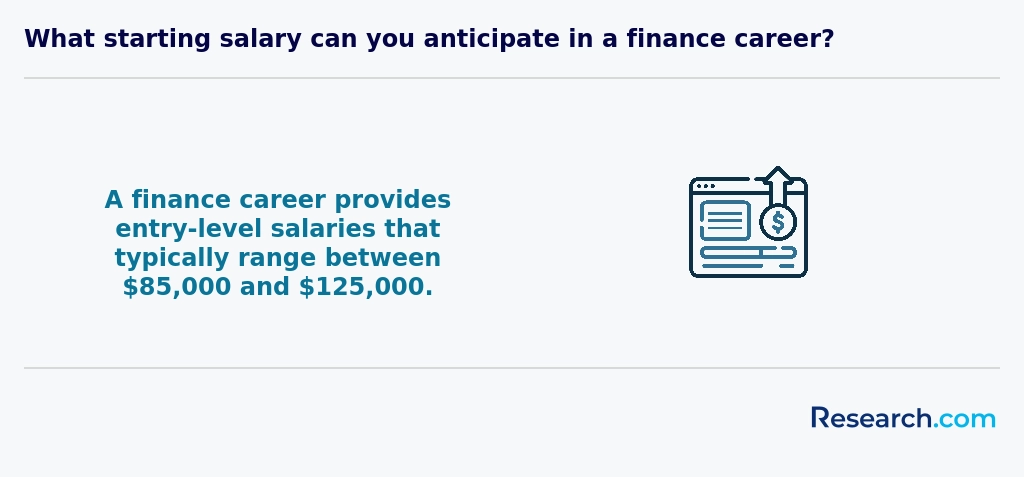
- Starting salaries for recent finance graduates average around $60,000 per year, with experienced professionals earning over $100,000 annually in major cities.
- Employment in finance-related jobs is expected to grow by about 9% from 2022 to 2032, faster than the average for all occupations.
- Many online programs offer asynchronous classes, allowing flexibility for students balancing work and personal commitments.
- Accredited online degrees prepare students for professional certifications such as CFA and CPA.
- Financial aid, scholarships, career counseling, and virtual internships are often available to online finance students.
How long does it take to complete online finance degree in America?
Completing an online finance degree in America typically takes about four years for full-time bachelor's students, mirroring traditional campus programs. For example, graduates from popular institutions like the University of Florida Online often find this timeline realistic and achievable while balancing work and family. Part-time students, who may be working professionals, usually extend their studies to five or six years, allowing them to maintain a steady pace without overwhelming their schedules.
Many schools also offer accelerated tracks, enabling motivated students to finish bachelor's degrees in three years by taking extra courses during summer terms. Graduate degrees, such as online master's programs at well-regarded colleges like Arizona State University, are completed in one to two years full-time, but part-time learners often stretch this to three or four years.
Graduates frequently mention that flexible pacing options made it easier to stay motivated and manage other life responsibilities. Choosing between full-time and part-time enrollment hinges on your personal goals, financial situation, and time availability.
Essential Skills and Industry Tools for Online Finance Graduates
Pursuing an online finance degree equips you with a powerful blend of technical, analytical, and interpersonal skills that are highly valued by employers. Below are the core competencies and industry-standard tools you’ll master: 1. Financial Modeling and Valuation - Excel (advanced formulas, pivot tables, macros) and VBA for building dynamic models - Discounted Cash Flow (DCF), Comparable Company Analysis, and LBO modeling techniques 2. Data Analysis and Programming - Python or R for statistical analysis, automating data workflows, and back-testing investment strategies - SQL for querying large financial databases and extracting actionable insights - Familiarity with data visualization libraries (e.g., Matplotlib, ggplot2) to present findings clearly 3. Professional Financial Platforms - Bloomberg Terminal and Thomson Reuters Eikon for real-time market data, news feeds, and research tools - FactSet and Morningstar for portfolio analytics and equity research 4. Risk Management and Compliance Tools - Value at Risk (VaR) frameworks and stress-testing software to identify and mitigate financial risk - Knowledge of regulatory reporting systems (e.g., XBRL, Basel III requirements) 5. Communication, Leadership, and Ethics - Crafting persuasive investment pitches and board-level presentations - Leading virtual teams, managing stakeholder relationships, and upholding ethical standards in all analyses With the rise of data-driven decision-making across finance, professionals equipped with both financial acumen and analytical expertise can explore roles highlighted in the business analytics career outlook, positioning themselves at the forefront of industry innovation.
What's the difference between online and on-campus finance degree?
Online finance degrees in America offer flexibility unmatched by traditional on-campus programs, making them ideal for busy professionals or parents. For example, graduates from institutions like the University of Florida highlight how accessing lectures anytime fits seamlessly into their hectic lives. In contrast, on-campus students at colleges such as the University of Michigan appreciate scheduled classes that encourage consistent study habits and direct networking with professors and peers.
Cost is a practical consideration. Public universities often charge around $12,000 annually for in-state on-campus students, while online students may pay reduced or flat tuition fees regardless of residency. Graduates from online programs report feeling relieved by avoiding extra campus-related expenses and appreciating the faster completion options that many online courses offer.
On-campus programs provide valuable access to campus resources like finance labs and guest lectures from industry leaders, which some find motivating. Meanwhile, online programs use interactive tools such as virtual simulations and discussion boards, helping students stay engaged even when studying remotely.
What is the average cost of online finance degree in America?
The average cost of an online finance degree in America generally centers around $29,760, based on median total tuition and fees for finance master's online programs. This makes online degrees from institutions like the University of Florida or Arizona State University more accessible than some might expect. Graduates often share that managing tuition within this range allowed them to focus on their studies without overwhelming financial pressure, particularly when balancing work and family commitments.
Public universities typically offer lower tuition rates, with many charging between $12,000 and $25,000 for the entire online program. Those attending private universities may face higher costs, sometimes exceeding $40,000. However, students have found value in exploring financial aid options or scholarships available at private schools, which can significantly ease the financial burden. Additional fees, such as technology charges or course materials, usually add up to $1,500 but are often offset by savings on housing and commuting expenses.
Practical approaches from students who completed an online finance degree include budgeting carefully for tuition and fees and comparing institutions based on total costs and available scholarships. For those concerned about career prospects, understanding the business analytics career outlook alongside finance can offer additional pathways to maximize return on investment. Overall, keeping the total tuition and fees for finance master's online within realistic expectations empowers students to pursue their goals successfully.

Return on Investment (ROI) Analysis
When evaluating the true value of an online Master’s in Finance, it’s essential to compare total program cost against potential salary gains and career advancement opportunities. On average, graduates report tuition expenses between $20,000 and $30,000 for a fully online master’s, including fees and materials. With entry-level salaries for financial analysts ranging from $60,000 to $70,000-and mid-career financial managers earning $100,000 or more-the typical break-even point for program costs is often reached within two to three years of graduation. Several factors influence ROI: the institution’s reputation, alumni network strength, and specialization chosen. For example, graduates from programs with a strong corporate finance focus may secure higher starting offers in Fortune 500 companies, accelerating cost recovery. Meanwhile, those who opt for niche tracks such as sustainable finance or fintech often command premium salaries due to specialized expertise. Prospective students should also research state-specific affordability; for instance, our Inexpensive Finance Degree Programs Ranking in California highlights top-value options for residents seeking lower tuition without sacrificing program quality. Beyond salary, don’t overlook intangible ROI elements: career stability, remote work flexibility, and professional networking. Many online finance programs partner with industry leaders to offer virtual internships and mentorships, which can translate into faster promotions and bonus eligibility. By considering both quantitative (tuition vs. salary) and qualitative (networking, flexibility) returns, you can make a well-informed decision about the long-term value of your degree.
What financial aid is available to online finance degree students in America?
Many online finance students in America rely on federal financial aid as a first step to manage tuition costs, which can range widely from $10,000 to over $50,000 depending on the university. Completing the Free Application for Federal Student Aid (FAFSA) unlocks access to loans specifically designed for graduate programs, such as Direct Unsubsidized Loans and Grad PLUS Loans, which offer favorable interest rates and flexible repayment plans. For example, graduates from schools like the University of Illinois or Northeastern University have found these loans vital in easing their financial burden.
Scholarships and grants provide another essential funding source, often offered by finance-related professional associations or institutions. Graduates from recognized finance programs frequently mention receiving awards from organizations like the Financial Management Association International, which helped reduce their out-of-pocket expenses significantly.
Employer tuition reimbursement programs are also commonly noted by students working in finance roles. Graduates pursuing degrees from online programs at universities such as Indiana University Kelley School of Business often report employer support, turning education costs into a shared investment.
Private loans remain an available option but are generally recommended only after exhausting federal aid and scholarships due to higher interest rates and stricter terms.
- Federal loans like Direct Unsubsidized and Grad PLUS are common for graduate students.
- Scholarships from finance-related organizations can reduce out-of-pocket costs.
- Tuition reimbursement through employers is an effective way to finance studies.
- Private loans should be a last resort due to potentially higher costs.
What are the prerequisites for enrolling in online finance degree program in America?
To enroll in an online finance degree in America, you need to meet key academic and professional prerequisites. For undergraduate programs, universities like the University of Florida or Arizona State University expect applicants to have a high school diploma or GED, alongside a GPA typically between 2.5 and 3.0. Graduates often mention that a strong foundation in algebra and basic statistics made the transition to finance courses smoother, especially since these skills are essential for quantitative analysis.
Standardized tests like the SAT or ACT are less frequently required due to test-optional policies, but some programs still ask for them. Prior coursework in economics or accounting is a tremendous advantage and helps students thrive, as reported by graduates from Boston University's finance program.
For master's programs at schools such as the University of Illinois or Georgetown University, a relevant bachelor's degree with a minimum 3.0 GPA is crucial. Many successful students highlight how professional experience or a clear, motivated statement of purpose strengthened their applications. Letters of recommendation from finance professionals or professors also play a pivotal role in winning admission.
What courses are typically in online finance degree programs in America?
Online finance degree programs in America typically include core courses like Financial Accounting and Managerial Accounting, which help students at universities such as the University of Florida understand how to analyze balance sheets and income statements-skills they apply immediately in internships or entry-level jobs.
Graduates from institutions like Indiana University often highlight the value of Corporate Finance, where they learn to assess investment risks and capital budgeting decisions, crucial for roles within banks or financial firms.
Courses like Investment Analysis and Portfolio Management teach practical strategies for managing real investment portfolios, a favorite among students from the University of Illinois who run simulated trading clubs to reinforce learning.
The study of Financial Markets and Institutions prepares learners to navigate U.S. regulatory environments, a topic emphasized by programs at Boston University given the dynamic compliance landscape post-2008 crisis.
Finally, quantitative skills from Quantitative Methods and Financial Modeling classes, including Excel, Python, or SQL, empower students to forecast trends-a capability frequently praised by recent graduates landing data-intensive finance roles.
What types of specializations are available in online finance degree programs in America?
Online finance degree specializations USA typically include areas designed to match distinct career paths and industry needs. Popular concentrations in America's finance master's programs focus on Corporate Finance, where graduates from universities like Indiana or Michigan state campuses excel at managing corporate budgets and investments. Investment Management prepares students for dynamic roles such as portfolio management, often praised by alumni from well-known colleges who share their positive experiences applying theories in real market research scenarios.
Many students also choose Financial Planning, gaining skills critical for personal finance advisory, with schools in New York frequently noted for strong reputations in this track. Risk Management and Insurance is chosen by those interested in protecting companies against financial uncertainty, while the emerging Financial Technology (FinTech) specialization blends finance with data analytics and blockchain technology, attracting forward-thinking students from tech-savvy academic environments.
International Finance prepares learners for roles in global markets, a benefit highlighted by graduates from top American colleges. Prospective students can explore affordable options in the sector through resources like the Inexpensive Finance Degree Programs Ranking in California, ensuring they find a program aligned with both budget and ambition.
How do you choose the best online finance degree in America?
Choosing the best online finance degree in America starts with verifying strong accreditation, such as AACSB or ACBSP, which ensures employers recognize your qualification. Graduates from well-known public universities often praise affordable tuition combined with high-quality instruction, showing that cost and reputation both matter. For example, students balancing full-time jobs find programs offering asynchronous courses crucial for managing their time effectively.
Look closely at curricula that cover core topics like corporate finance and investments, but also emerging fields like fintech and risk management. Graduates from popular programs highlight how practical projects helped them confidently enter competitive job markets. Considering graduation rates and employment statistics can boost your confidence too, especially given the U.S. Bureau of Labor Statistics' optimistic demand growth for financial analysts.
To manage expenses, many students research affordable master's in finance degrees America options, often comparing flat-rate versus per-credit tuition. Additionally, networking opportunities and career services from schools can make a real difference after graduation. For those seeking quick skill-building, check out 6 month certifications that pay well as a complement to your degree.
What career paths are available for online finance degree students in America?
Graduates holding an online finance degree in America find career paths with strong job prospects and rewarding salaries. Popular roles include financial analyst, financial manager, personal financial planner, risk manager, investment banker, and budget analyst. For example, graduates from well-known finance programs at top colleges often take on financial analyst positions, interpreting data to guide strategic decisions. This practical role offers a median salary around $95,000 and steady demand.
Others leverage their degree to become financial managers, overseeing organizational finances and earning a median salary exceeding $130,000, reflecting the high value of this position. Personal financial planners are in demand too, with job growth expected to rise by 9%, helping families map out retirement or investment plans. Many graduates also move into risk management, protecting companies from financial uncertainties in an evolving market.
Students balancing work and study appreciate that affordable programs in America typically charge $10,000 to $25,000 for a master's online finance degree. For those considering options, exploring college degrees for seniors online can also open doors in this field. The diversity of roles makes an online finance degree career opportunities in USA promising for practical and achievable growth.
What is the job market for online finance degree in America?
The job market for online finance degrees in America is robust and expanding, supported by consistent demand across key sectors such as banking, investment, and corporate finance. Graduates from popular universities and colleges with online finance degrees often secure roles in financial planning, risk management, and analysis, all areas showing steady growth. Many find remote financial analyst positions that offer flexibility and competitive salaries, illustrating the strong job outlook for online finance degrees USA.
Successful graduates emphasize the advantage of combining their online education with internships or certifications like the CFA to stand out. This practical experience enhances employability in competitive markets like New York or San Francisco, where wages tend to be higher. Online finance programs provide working professionals with affordable and accessible pathways; students report savings on commuting and tuition compared to traditional settings, making finances manageable during study.
Those interested in advancing further could consider a doctorate without dissertation, which aligns with the evolving career opportunities with online finance degree in America and further increases marketability in finance roles demanding advanced expertise.
Frequently Asked Questions About finance
Online finance degree students in America can maximize their learning experience by actively engaging with coursework and utilizing available resources. Many accredited programs offer interactive elements such as live webinars, discussion boards, and virtual study groups, which foster collaboration and deepen understanding.
Consistent time management is crucial; setting a structured study schedule helps balance coursework with professional and personal commitments. Additionally, students should seek internships or remote projects to apply theoretical finance knowledge practically.
Accessing up-to-date financial data from sources like the U.S. Securities and Exchange Commission or Federal Reserve enhances learning by linking theory to real-world market trends. According to the National Center for Education Statistics, students who actively participate in online discussions perform 20% better on assessments.
The finance field in America is rapidly evolving, with several emerging niches gaining attention among professionals and students. One prominent area is financial technology (fintech), which merges finance with technology to innovate payment systems, blockchain, and digital currencies. According to a 2023 report by Deloitte, the US fintech market grew by over 20% annually.
Another growing niche is sustainable finance, focusing on investments that promote environmental, social, and governance (ESG) criteria. The US sustainable investment market has surpassed $17 trillion, per the US SIF Foundation.
Additionally, quantitative finance and data analytics are increasingly vital, as companies seek experts who can analyze big data to guide investment strategies.
After completing an online finance degree in America, preparing for the job market involves several strategic steps. First, gaining relevant internship or practical experience is essential. According to the Bureau of Labor Statistics, finance-related roles often prefer candidates with hands-on experience. Networking is another critical factor; joining finance organizations such as the CFA Institute or local chapters of the Financial Planning Association can expand connections.
Additionally, earning certifications like the Chartered Financial Analyst (CFA) or Certified Financial Planner (CFP) can enhance employability and salary prospects. Developing strong skills in data analysis, Excel, and financial modeling is also highly valued by employers. Staying informed about U.S. financial regulations and market trends further prepares graduates for success.
Employers in America prioritize several key skills when hiring finance degree graduates, especially from online programs. Analytical ability is essential, as it helps professionals interpret data and forecast financial trends accurately. According to the National Association of Colleges and Employers (NACE), critical thinking ranked among the top skills requested by employers in 2023.
Strong proficiency in financial modeling and the use of software like Excel and Bloomberg Terminal is also highly valued. Communication skills, both written and verbal, are crucial for explaining complex financial information clearly.
Additionally, ethical judgment and understanding of regulatory compliance play an increasing role due to evolving financial laws in the US. Attention to detail is critical for roles involving investment analysis and risk management.
Finding internships relevant to a finance degree in America requires proactive research and networking. Many universities with online finance programs offer career services that connect students to internship opportunities with firms in banking, investment, and financial consulting sectors. According to the National Association of Colleges and Employers (NACE), about 56% of finance internships lead to full-time job offers, highlighting their importance for career entry.
Students should also explore major job platforms like Handshake, which partner with over 1,000 U.S. universities to list internships specifically for finance majors. Networking through LinkedIn and attending virtual finance career fairs can expand access to opportunities. Finally, targeting finance hubs such as New York City, Chicago, and San Francisco increases chances to find internships aligned with top industry employers.
Online finance degrees in America significantly enhance career mobility by providing flexible access to advanced education. According to the National Center for Education Statistics, completing a master's degree in finance online can increase earning potential by approximately 20-30% compared to a bachelor's degree alone.
These degrees equip students with up-to-date financial analysis, risk management, and investment skills, aligning with industry demands. Graduates often qualify for roles in corporate finance, banking, and investment management, fields growing at 5% annually per the U.S. Bureau of Labor Statistics.
Additionally, online programs attract working professionals, allowing them to balance education and employment, which supports career advancement without career interruption.
Studying for a finance degree in America equips students with skills beyond traditional finance concepts, preparing them for interdisciplinary roles. Programs often include coursework in economics, data analysis, information technology, and business management. This broad curriculum helps graduates understand how finance intersects with areas like technology and strategy.
The US higher education system emphasizes practical experience, offering case studies, internships, and project-based learning. For example, finance students might analyze real-world data using statistical software, a skill valuable in roles such as financial technology (FinTech) or corporate strategy.
According to the U.S. Bureau of Labor Statistics, finance jobs requiring analytical and technological skills are expected to grow 17% from 2022 to 2032, highlighting the importance of interdisciplinary knowledge. This wide-ranging training makes American online finance degrees suitable for diverse career paths.
Choosing between a thesis and a non-thesis option in an online finance degree program depends on your career goals and learning preferences. Thesis programs often appeal to students interested in research or a future PhD, requiring significant original work. They can be more time-intensive but offer deeper expertise.
Non-thesis programs typically focus on practical skills and coursework, allowing faster completion, which suits professionals aiming for immediate industry roles. According to the National Center for Education Statistics, most U.S. finance master's graduates enter corporate or financial analysis roles, favoring applied skills.
Consider how much research you want and your long-term plans when choosing.
American students seeking to study finance abroad have several options, particularly through online and hybrid programs offered by U.S.-accredited institutions with global partnerships. Many universities in the U.S. provide online finance master's degrees featuring international case studies and virtual exchanges, allowing students to gain a global perspective without relocating. According to the National Center for Education Statistics, about 14% of graduate students in finance enrolled in distance education programs as of 2022, reflecting the increasing appeal of flexible study formats.
Additionally, students can enroll in study abroad programs sponsored by their home institutions, often lasting a semester or summer, which provide direct exposure to international finance markets. Institutions like the University of Florida and Arizona State University offer finance courses with global focus components, facilitating networking opportunities with overseas peers and professionals.
Financial considerations also play a role; online or hybrid degrees typically cost less than traditional abroad programs, with average tuition for U.S. online master's in finance ranging between $20,000 and $40,000, according to U.S. News & World Report. This affordability makes international finance education accessible without the full expenses of living abroad.
Part-time jobs can significantly enhance the educational experience for students pursuing an online finance degree in America. Common roles include bookkeeping assistant, financial analyst intern, and bank teller. These positions provide practical skills directly relevant to financial concepts taught in coursework.
According to the U.S. Bureau of Labor Statistics, financial analysts earned a median annual wage of $95,570 in 2023, highlighting the value of early exposure through internships or part-time roles.
Working in roles like tax preparer or accounting clerk also helps students apply analytical skills and gain industry insights, facilitating career readiness.
Many universities encourage students to seek employer-sponsored internships that may lead to full-time employment after graduation.
Online finance degrees in America offer growing networking opportunities despite the virtual format. Many accredited programs provide access to exclusive student and alumni networking groups. For example, LinkedIn groups specifically for finance students and graduates enable connections across industries nationwide.
Additionally, universities often host live webinars, virtual career fairs, and workshops featuring finance professionals. According to the National Association of Colleges and Employers (NACE), 80% of jobs are landed through networking, highlighting the importance of these events.
Professional organizations such as the CFA Institute or Financial Management Association (FMA) also offer student memberships with access to conferences, mentorships, and job boards. These resources help online students build meaningful contacts.
Alumni networks play a critical role for students pursuing online finance degrees in America by providing valuable connections that extend beyond the classroom. These networks offer access to seasoned professionals working at major financial institutions, investment firms, and corporate finance departments across the country.
They enable students to engage in mentorship programs, which can help clarify career paths and improve job placement rates. According to the National Association of Colleges and Employers (NACE), graduates with strong alumni ties experience a 20% higher likelihood of securing employment within six months after graduation.
Additionally, many alumni participate in exclusive webinars and networking events geared toward finance careers, enhancing students' understanding of market trends and new regulations in the U.S. financial sector.
Customizing an online finance degree in America allows students to align their education with specific career goals. Many programs offer elective courses or specialization tracks such as corporate finance, investment management, or financial technology (FinTech). This flexibility helps students develop skills relevant to high-demand areas.
Students may also benefit from internships or virtual practicums integrated into the curriculum, which provide practical experience. According to the U.S. Bureau of Labor Statistics, finance-related jobs are expected to grow by about 10% from 2022 to 2032, emphasizing the value of targeted skills.
Additionally, some universities collaborate with industry partners, offering certificate options or capstone projects that address real-world financial challenges. Choosing programs accredited by recognized bodies like AACSB ensures high academic standards and better employer recognition.
Online finance students in America often face several challenges that can impact their success. One common difficulty is balancing coursework with professional and personal responsibilities. According to the National Center for Education Statistics (NCES), over 40% of online learners are employed full-time, making time management critical.
Another challenge is the lack of direct interaction with professors and peers, which can hinder networking opportunities essential in the finance industry. Students may also struggle with the self-discipline needed to complete rigorous finance curricula without traditional classroom structure.
Technical issues and inconsistent access to reliable internet can further disrupt learning, particularly for those in rural areas. Finally, the rapidly evolving nature of finance demands continual updates to course materials, sometimes causing curriculum lag in online programs.
Graduates with an online finance degree in America have access to several respected professional certifications. One of the most sought-after is the Chartered Financial Analyst (CFA) designation, which is highly respected in investment management and financial analysis fields. The CFA Institute reports that over 170,000 professionals worldwide hold the CFA charter, with many completing studies online.
Another key certification is the Certified Financial Planner (CFP), ideal for those interested in personal financial advising. The CFP Board requires candidates to hold a bachelor's degree and complete specific finance coursework, which can be fulfilled through many online finance programs.
The Financial Risk Manager (FRM) certification, offered by the Global Association of Risk Professionals, is valuable for careers in risk assessment and management. The demand for risk management professionals in the U.S. financial sector grew steadily by 7% annually, according to the U.S. Bureau of Labor Statistics.
These certifications complement an online finance degree by enhancing expertise and proving professional commitment to employers in the competitive U.S. finance market.
Writing a winning application for an online finance program in America starts with thorough research. Understand the program's curriculum, faculty expertise, and career services to tailor your application accordingly. Highlight your quantitative skills, such as proficiency in statistics or Excel, which are critical in finance jobs. According to the U.S. Bureau of Labor Statistics, finance occupations are expected to grow by 7% from 2021 to 2031, so emphasize your commitment to this growing field.
Demonstrate relevant work or internship experience, especially roles involving financial analysis or data interpretation. Strong letters of recommendation from supervisors or professors in related subjects can greatly boost your application. Additionally, craft a clear, concise personal statement explaining your motivation for pursuing finance and your long-term career goals within the U.S. financial sector.
The finance industry in the United States is a vital part of the global economy, with American financial institutions playing a key role in international markets. According to the U.S. Bureau of Labor Statistics, employment in financial occupations is projected to grow by 7% from 2022 to 2032, reflecting steady demand for finance professionals.
Globally, a finance career offers opportunities to work with diverse markets, regulations, and financial products. U.S.-based online finance degrees often incorporate international finance topics to prepare students for global challenges. For example, many programs cover currency risk and international investment strategies.
Understanding global economic trends is essential for finance graduates, particularly as cross-border financial activities increase. The U.S. Treasury and Federal Reserve provide data critical for such insights, underlining the importance of a strong financial education tailored to worldwide perspectives.
Gaining practical experience while studying for an online finance degree in America is essential for career success. Many programs integrate internships, allowing students to work remotely with financial firms, banks, or corporate finance departments. According to the National Association of Colleges and Employers (NACE), 60% of finance graduates secured jobs through internship connections in 2023.
Additionally, students can participate in virtual finance simulations or case studies provided by universities. Some schools collaborate with platforms like Wall Street Prep and CFA Institute for experiential learning tools that build real-world skills.
Online finance programs also encourage joining professional organizations such as the Financial Management Association International (FMA) to network and access industry events.
Choosing the right concentration within an online finance degree in America begins with understanding your career goals. Finance fields vary widely, including corporate finance, investment banking, financial planning, and risk management. Each area demands distinct skills and offers different job prospects.
Research labor market trends in the U.S. Bureau of Labor Statistics reports that financial analyst roles are expected to grow 11% from 2021 to 2031, faster than average. This suggests a strong demand for skills linked to investment analysis and portfolio management.
Accreditation and curriculum content matter. Look for programs offering concentrations aligned with recognized certifications, such as CFA or CFP, which can enhance employability.
Finally, consider your preferences for quantitative analysis versus client-facing roles to select the concentration that fits your strengths and interests.
Top Trending Finance Rankings
See What Experts Have To Say About Studying Finance
Read our interview with Finance experts

Jason James Sandvik
Finance Expert
Assistant Professor of Finance
University of Arizona

H. Kent Baker
Finance Expert
Professor at Department of Finance and Real Estate
American University

Andrew Karolyi
Finance Expert
Dean of the Cornell SC Johnson College of Business
Cornell University

References
- Study Finance Abroad | Go Overseas https://www.gooverseas.com/study-abroad/finance
- Level up your finance future - propel your career with our MBA in Financial Management! https://www.daad.pl/pl/university-ad/coburg-hs-fm-260414/
- Our Culture https://www.iif.com/Careers
- Online Finance Degrees: Your Path To A USA Career https://w3.framtida.no/framtida-news/online-finance-degrees-your-path-to-a-usa-career-1767648506
- London: J.P. Morgan, Finance and Technology Work Experience Day - Event on Fri, December 2, 2022 https://uptree.co/events/jp-morgan/3511313523/
- What studies are needed to work in finance? https://www.monaco.edu/en/everything-you-need-to-know-about-the-role-of-an-hse-manager-duties-studies-and-salary-2-2-3-2/
- Online bachelor's in finance degrees | edX https://www.edx.org/bachelors/online-bachelors-degree-finance
- The Rise of Niche Jobs in Africa’s Finance Sector | CA Global https://www.caglobalint.com/post/the-rise-of-niche-jobs-in-africas-finance-sector/
- FINANCE AND BANKING (THESIS / NON-THESIS) - Lisansüstü Eğitim Enstitüsü https://lee.nisantasi.edu.tr/en/finance-and-banking-thesis-non-thesis-2/
- Navigating financial challenges in higher education - Office for Students https://www.officeforstudents.org.uk/publications/navigating-financial-challenges-in-higher-education/


