
2027 Easiest Online Bachelor's in Finance Degree Programs Ranking in the South

Co-Founder and Chief Data Scientist
Choosing the right online finance degree can feel overwhelming, especially with so many options in the South. This article presents the 2027 Easiest Online Bachelor's in Finance Degree Programs Ranking in the South, carefully created by the Research.com team of data scientists to guide you toward the best choices.
By exploring this ranking, you'll discover programs that balance quality and flexibility, making your educational journey smoother. A finance degree opens doors to rewarding careers, and finding the right fit is the first step toward your success.
Key benefits of getting online finance degree in the South
- Finance degree graduates in the South can earn strong salaries, with roles like Financial Advisors making around $150,670 annually and Financial Analysts earning about $112,950, offering great financial rewards.
- Career paths are diverse, including positions such as Credit Analyst, Insurance Underwriter, and Investment Banking Analyst, providing many exciting options for graduates from universities like the University of Florida.
- Online finance degrees offer flexibility and convenience, allowing graduates to balance work and study while gaining the same valuable skills as traditional students, as seen with alumni from Southern New Hampshire University's online program.
- 2027 Easiest Online Bachelor's in Finance Degree Programs Ranking in the South
- What can I expect from online finance degree in the South?
- Where can I work with online finance degree in the South?
What can I expect from online finance degree in the South?
The average cost of an online finance degree in the South ranges broadly depending on the institution, with public universities like the University of Florida typically charging between $15,000 and $25,000 for in-state students to complete a bachelor's degree online. Private colleges such as Rollins College often have higher tuition, with total costs around $40,000 to $50,000. Graduates from these programs have reported satisfaction with the investment, emphasizing that the balance of cost and career outcomes felt worthwhile, especially given the strong regional market for finance roles.
Students appreciate that tuition expenses often align with access to comprehensive curriculum components, including financial modeling and data analysis skills, which were hands-on parts of their studies. These practical experiences helped them feel confident entering financial hubs like Charlotte or Atlanta, where competitive internships and job placements are abundant.
Moreover, many Southern graduates highlight the value of accredited programs, like those recognized by SACSCOC, ensuring that tuition contributes to nationally respected credentials that facilitate career advancement.
Financial aid and scholarships specific to Southern schools also play a significant role in managing costs, making online finance education more attainable for many students.
Where can I work with online finance degree in the South?
Graduates with an online finance degree in the South frequently secure jobs in major financial centers such as Atlanta, Charlotte, Dallas, and Houston. These cities host headquarters of leading banks and investment firms, offering roles in banking, financial planning, insurance, and investment management. For example, graduates from well-known Southern universities report landing analyst positions with strong starting salaries and opportunities for advancement.
The U.S. Bureau of Labor Statistics projects an 8% growth in demand for financial analysts in the South from 2022 to 2032, driven by needs in data analysis, financial forecasting, and risk management. This aligns with graduates' experiences in cities like Atlanta, where several hold positions advising corporations on financial strategy and regulatory compliance.
In Texas and Louisiana, energy sector jobs attract finance professionals supporting asset management and budgeting. Houston, the energy capital, is a prime example where graduates contribute to corporate finance teams in oil, gas, and renewable energy firms.
Additionally, graduates find roles in public sector agencies managing budgets and audits across Southern states like South Carolina and Tennessee, reflecting the region's expansion in government financial administration.
Finance graduates also benefit from growing technology and healthcare industries in Southern metros such as Austin, with employment growth exceeding 12% from 2019 to 2023, increasing finance roles in investment management and project funding.
Graduates with an online finance degree from institutions such as the University of Florida or the University of Texas often find competitive salary opportunities in the Southern U.S. Financial analysts, a common entry point, earn an average annual wage close to $113,000 nationally, though Southern salaries typically range from $70,000 to $78,000 in states like Texas and Florida. This range reflects regional economic differences but remains strong relative to local living costs.
Many graduates advance to roles like financial advisors, whose mean annual wage reaches about $150,670. This upper-tier earning potential excites many students envisioning client-facing careers after graduation. Credit analysts earn roughly $94,750 annually, offering solid mid-level options.
Investment banking analysts command salaries similar to financial analysts, near $113,000, especially in major financial hubs like Charlotte or Houston. Insurance underwriters earn around $85,610 annually, a steady choice for those interested in risk management.
Those who leverage local industry strengths-such as Houston's energy sector or Atlanta's corporate finance market-report positively transforming their online degree into rewarding financial careers, underscoring the degree's strong value in the South.
- Tuition for an online finance bachelor's degree in the South ranges from $10,000 to $25,000 at public universities, with private institutions charging over $30,000.
- Many Southern universities offer in-state tuition rates for online students, reducing the overall cost of the program.
- Starting salaries for finance graduates average between $55,000 and $60,000 per year shortly after graduation.
- Experienced finance professionals in the South can expect salaries from $85,000 to $100,000 annually, with higher wages in cities like Atlanta, Charlotte, and Dallas.
- Key careers for finance graduates include financial analysts, investment advisors, accountants, and risk managers, with demand growing due to economic expansion in the region.
- Most online finance programs in the South are accredited and may offer internships or virtual networking to help students gain practical experience.
Completing an online finance degree in the South typically requires about four years of full-time study, reflecting the standard 120 credit hours necessary for graduation. For example, students at well-known institutions such as the University of Texas or Florida State University often follow this timeline. However, many graduates appreciate the flexibility that online programs offer, allowing them to balance work, family, and education.
Part-time enrollment is common among Southern students, extending the degree completion to five or six years. This approach suits professionals who need to manage tuition costs-averaging between $4,000 and $8,000 annually at public universities in the region-and maintain steady income. Online programs at universities like Georgia Southern provide options such as year-round courses and credit for prior learning, enabling some students to accelerate their studies.
Graduates often report feeling empowered by these flexible pathways, as they can progress upon mastery through competency-based education or take advantage of summer semesters. This adaptability helps Southern students stay motivated and successfully complete their finance degrees on personalized timelines.
Ensuring an online Finance degree holds recognized accreditation is paramount for both academic credibility and employer recognition. When evaluating programs in the South, look for regional accreditation by bodies such as the Southern Association of Colleges and Schools Commission on Colleges (SACSCOC), as well as specialized business accreditations like AACSB (Association to Advance Collegiate Schools of Business). These credentials guarantee rigorous curriculum standards, qualified faculty, and continuous improvement processes that align with industry best practices. Key accreditation considerations include: • Regional Accreditation (e.g., SACSCOC): Confirms the institution meets overarching quality criteria and allows seamless credit transfers between accredited colleges. • AACSB or ACBSP Accreditation: Signals excellence in business education and often correlates with stronger alumni networks and enhanced recruiting opportunities. • Programmatic Reviews: Some states require finance programs to undergo periodic state-level reviews, ensuring compliance with local workforce demands and regulatory standards. Beyond accreditation, prospective students should investigate each school’s institutional performance metrics-such as retention rates, graduate satisfaction surveys, and post-graduation employment statistics. For example, pairing insights from our Southern rankings with specialized cost analyses like the Low Cost Finance Degree Programs Ranking in Michigan can help you assess both program quality and value. By prioritizing accredited programs, you safeguard your educational investment and position yourself competitively in the finance job market.
Online and on-campus finance degree programs in the South primarily differ in flexibility, cost, and learning environment. Graduates from University of Florida's online program often highlight the freedom to manage coursework around busy schedules, enabling them to work full-time or care for family while advancing their education. Conversely, students attending Texas A&M on campus benefit from direct interactions with professors and peers, which can accelerate understanding through real-time discussions and collaborative projects.
Cost-wise, online degrees tend to be more affordable because they eliminate expenses like commuting and housing. For instance, Southern public universities average about $9,500 annually for in-state students, but online students frequently pay less due to reduced ancillary fees.
Both formats cover core finance principles such as investment analysis and risk management, maintaining the same regional accreditation that ensures quality. While online platforms use multimedia tools for immersive learning, some students miss the hands-on labs and face-to-face mentorship found on campus, reflecting distinct but complementary educational benefits.
Ensuring your online Finance bachelor’s degree is accredited is crucial for academic rigor, credit transferability, and employer recognition. Accreditation confirms a program meets established standards set by recognized bodies, safeguarding your educational investment and enhancing your professional credibility. Most reputable Southern institutions hold regional accreditation from agencies such as the Southern Association of Colleges and Schools Commission on Colleges (SACSCOC). In addition, programmatic accreditation for business and finance is often granted by organizations like the Association to Advance Collegiate Schools of Business (AACSB), the Accreditation Council for Business Schools and Programs (ACBSP), or the International Accreditation Council for Business Education (IACBE). To verify accreditation: • Visit the U.S. Department of Education’s Database of Accredited Postsecondary Institutions and Programs. • Check each university’s official website for accreditation statements. • Review accreditation renewal dates and any sanctions or warnings. Accredited programs offer several tangible benefits: • Seamless credit transfers if you decide to change schools or pursue graduate studies. • Greater eligibility for federal financial aid and employer tuition reimbursement. • Recognition by professional bodies and smoother pathways to certifications like CFA or CFP. • Enhanced program quality through regular peer reviews and continuous improvement processes. Finally, after completing your accredited bachelor’s in Finance, many graduates aim for advanced credentials to maximize earning potential. To explore top graduate opportunities, see our guide on what is the highest paying business masters degree, which outlines specialized master’s programs that build on your finance foundation.
The average cost of an online finance degree in the South varies significantly depending on residency and institution type. Recent data indicates the median total cost for students attending in-state public universities is approximately $28,830, making these programs a very affordable option for many. Out-of-state students can expect to pay a median total of about $68,160, reflecting higher tuition rates and fees. The overall median cost across all students is roughly $58,500, illustrating the financial commitment required for a quality education in this field.
Students pursuing affordable online bachelor's in finance tuition Southern states often choose public institutions like the University of Florida or Texas A&M. Graduates from these programs frequently share that paying around $129 to $170 per credit feels reasonable given the career advancement opportunities post-graduation. These universities provide accessible pathways without sacrificing the flexibility students need to balance work, family, and study.
Additional expenses such as technology fees and course materials add roughly $500 to $1,500 over the entire program, but many students appreciate the availability of scholarships, employer tuition reimbursement, and financial aid to reduce their costs. This financial support often makes a significant impact on students' ability to pursue their degrees without excessive debt.
Understanding the investment required and the potential returns, Southern students studying finance online often report feeling optimistic and motivated about their futures. For those exploring graduate options, it is helpful to consider what is the highest paying business masters degree to plan effectively for career growth and financial stability.
Online finance students in the South frequently rely on federal aid such as Pell Grants offering up to $7,395 annually and Federal Supplemental Educational Opportunity Grants (FSEOG) for exceptional need. Graduates from popular institutions like the University of North Carolina and University of Georgia often describe how these grants significantly reduced their financial stress during studies.
State-specific programs further support students: for example, Texas residents attending Texas A&M benefit from the Texas Grant providing up to $5,000 yearly, while Georgia students may receive the HOPE Scholarship which can cover from $1,000 to full tuition, depending on academic performance. These funds directly alleviate tuition fees that range widely, with Southern public schools charging between $8,000 and $12,000 per year on average.
Private scholarships geared toward finance majors and employer tuition assistance in financial hubs like Charlotte and Atlanta add another layer of aid. Many graduates recall employer reimbursement programs that made balancing work with online study not only possible but empowering.
Additionally, institution-specific scholarships and work-study options at Southern universities provide practical financial relief and valuable work experience, enhancing post-graduation career readiness.
Enrolling in an online finance degree program in the Southern United States generally requires a high school diploma or GED as a baseline credential. Universities such as the University of Florida expect applicants to provide official transcripts reflecting their academic history, with minimum GPA expectations often falling between 2.5 and 3.0. For instance, transfer students applying to Florida's online finance program must meet at least a 2.75 GPA, ensuring a solid academic foundation to succeed in the curriculum.
Standardized tests like the SAT or ACT are mostly optional now, especially after the pandemic, although some institutions might still review scores if submitted. This flexibility benefits adult learners balancing work and study, reflecting the evolving admissions landscape for finance education in the South.
Applicants typically submit a personal statement or essay, which gives them a chance to express their motivation and career goals clearly-essential for competitive programs. Reliable internet and proper technology are also non-negotiable for engaging fully in virtual classes at Southern institutions.
Graduates often recall how these prerequisites shaped their positive journey, helping them stay focused and prepared in programs spanning from public universities to private colleges within the region.
Online finance degree programs in the Southern United States typically include a robust set of courses that balance foundational business knowledge with specialized financial training. Students at well-known Southern institutions often engage deeply with Principles of Microeconomics and Macroeconomics, gaining essential insight into how markets and economic policies influence financial decisions. Graduates frequently highlight how courses like Financial and Managerial Accounting provided practical skills to analyze balance sheets and income statements, a critical step for roles in corporate finance or banking.
Core classes such as Corporate Finance and Investment Analysis and Portfolio Management offer hands-on frameworks for budgeting, valuing stocks, and assessing risk, reflecting challenges graduates face when managing investments. Courses covering Financial Markets and Institutions illuminate the operational roles of banks and insurance companies in the economy, making the content relatable as students navigate real-world financial news and trends.
Quantitative skills are emphasized through coursework in Business Statistics and Quantitative Methods, which sharpen data analysis capabilities-a key advantage for graduates moving into analytics-driven finance roles. Electives in areas like personal finance and international finance also resonate strongly with Southern students, reflecting the region's growing economic diversity and global business connections.
Online finance degree specializations in the South commonly include corporate finance, investment management, financial planning, and risk management. Corporate finance focuses on skills like budgeting and capital structuring, which graduates from universities in Texas and Georgia find valuable for entering roles in financial analysis and business efficiency. Investment management, popular around cities such as Atlanta and Charlotte, trains students in portfolio management and securities analysis, aligning well with the region's growing asset management industry.
Financial planning specialization emphasizes personal finance, retirement, tax strategies, and estate planning, attracting students aiming to become certified financial planners. Graduates from Southern institutions often report satisfaction with their ability to meet rising demand for personal financial advisors, a trend noted by the Bureau of Labor Statistics. Risk management prepares students to assess and mitigate financial risks, a critical skill in Southern banking and insurance sectors.
Some programs also offer concentrations in real estate finance, international finance, and FinTech, reflecting evolving industry needs, particularly in Austin's innovative market. Students seeking affordability can explore online options where tuition ranges from $150 to $350 per credit hour, making it practical to specialize in areas directly linked to regional career opportunities. Prospective students may consider the Low Cost Finance Degree Programs Ranking in Michigan for comparable affordable options outside the South.
Choosing the best online finance degree in the South involves evaluating accreditation, curriculum, and faculty expertise to ensure academic rigor and industry relevance. Graduates from prominent Southern universities often highlight how programs accredited by agencies like AACSB or SACSCOC provide confidence in quality education and bolster career prospects. Specifically, programs with coursework covering financial management, investment analysis, and emerging fintech trends equip students with practical skills valued by employers.
Considering tuition costs is crucial; public universities in the region typically charge between $7,000 and $10,000 annually for in-state students, while private institutions may exceed $25,000. Many online students benefit from lower fees and flexible scheduling, enhancing affordability for working professionals. Selecting affordable online finance bachelor's degrees southern states ensures you balance cost with educational value.
Practical experience and specialization matter. Graduates often recommend seeking programs that offer internships or corporate partnerships with local financial firms, which can translate to real-world opportunities. Also, program flexibility enables students to manage work-life commitments effectively. For those eager to accelerate their studies, exploring fast track degrees online can be advantageous.
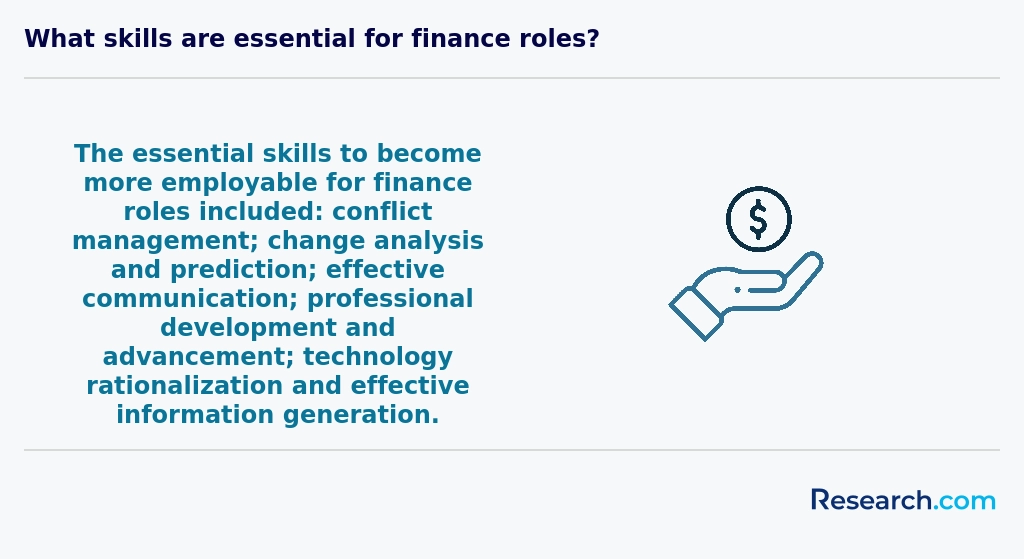
Graduates with an online finance degree in the South often pursue career paths such as financial analyst or financial advisor. Financial analysts evaluate investment opportunities and economic trends, with a median wage of $88,260 nationally, and southern cities like Atlanta and Dallas offering strong job markets. Financial advisors, in demand particularly in Florida and Texas, guide clients on retirement and investment decisions; their jobs are projected to grow 17% through 2031, surpassing average occupation growth. Many southern graduates also find roles in corporate finance departments, such as budget analyst or treasurer, where they manage budgets and assess financial risks for expanding companies in tech and healthcare sectors.
Other roles include banking operations, insurance underwriting, and credit analysis, with entry-level salaries typically between $50,000 and $65,000. Students from institutions like the University of Florida and University of Texas appreciate practical experience that complements their credentials, enhancing employability. For those exploring educational pathways, learning more about what is the easiest and fastest bachelor degree to obtain can provide useful insights related to their academic planning in this field of study.
The job market for individuals with an online finance degree in the South remains robust, aligning with national growth projections in finance-related occupations. Graduates from prominent Southern institutions, such as the University of Florida or the University of North Carolina, often find ample opportunities in cities like Atlanta or Dallas, where finance sectors thrive in banking, insurance, and energy. These graduates report satisfaction balancing work and study, as the online format caters well to professionals aiming to advance without relocating.
Salary ranges for finance roles across the Southern US are competitive, with median wages for financial analysts typically between $65,000 and $85,000. This favorable compensation is complemented by a lower cost of living, enhancing overall career value. Many early-career professionals choose to bolster their credentials with certifications such as CFA or CFP for increased marketability.
For those evaluating program options or seeking quick masters degrees online, the region offers cost-effective tuition rates, often lower than private institutions, which supports accessibility and financial viability for students pursuing a finance career opportunities in Southern US. The outlook for online finance degree job prospects South is promising, driven by steady economic growth and expanding industry demand.
2027 Easiest Online Bachelor's in Finance Degree Programs Ranking in the South
Investing in your education is a significant decision that can shape your future, and the Research.com team fully recognizes the importance of making well-informed choices. To support prospective students interested in finance, we have carefully developed the "2027 Easiest Online Bachelor's in Finance Degree Programs Ranking in the South." Our dedication to quality, credibility, and accuracy is demonstrated through comprehensive research and thorough analysis behind this ranking.
We utilized the following reputable data sources to ensure a robust evaluation of online finance degree programs:
By reviewing this ranking, readers will gain valuable insights into accessible and credible online finance programs in the South, empowering them to make confident decisions about their education. For further information on how this ranking was created, please visit our Research.com methodology page.

# 2 position
University of Arkansas Grantham
Bachelor of Business Administration, Financial Planning


Frequently Asked Questions About finance
Online finance degree students in the South can maximize their learning by actively engaging with digital resources and networking opportunities. Many Southern universities offer access to financial databases and software, essential for practical skills. According to the National Center for Education Statistics, Southern states like Texas and Florida lead in online finance graduations, highlighting strong program availability.
Students should join virtual study groups or finance clubs to foster collaboration and real-world problem solving. Leveraging local economic data, such as the Federal Reserve Bank of Atlanta's reports, can provide relevant context for assignments. Staying disciplined with a structured study schedule also improves retention and success in these demanding programs.
The finance field is evolving rapidly, especially with emerging niches driven by technology and shifting economic priorities. In the South, areas like financial technology (FinTech) are growing fast, fueled by cities such as Atlanta and Charlotte becoming major FinTech hubs. According to the Federal Reserve Bank of Atlanta, this sector is expected to increase employment by over 25% through 2030.
Another rising niche is sustainable finance, which focuses on investments supporting environmental and social governance (ESG) criteria. Southern universities are incorporating these topics into their online finance degrees to meet growing market demand.
Additionally, cybersecurity in finance is a critical area due to the rise of digital banking and online transactions, with Southern companies investing heavily in protecting financial data.
After earning an online finance degree in the South, preparation for the job market involves practical steps aligned with regional economic trends. Graduates should focus on building strong professional networks within key Southern financial hubs such as Atlanta, Charlotte, and Dallas, which host numerous banks and investment firms. According to the U.S. Bureau of Labor Statistics, finance employment in these areas is projected to grow by 8% through 2032, highlighting job opportunities.
Internships and certifications like CFA or CPA can enhance employability by demonstrating expertise. Tailoring resumes and LinkedIn profiles to emphasize relevant skills and Southern market knowledge helps attract local employers. Continuous learning of financial technologies and regulatory requirements prevalent in the South's industries is critical for success.
Employers in the Southern United States prioritize a combination of technical and interpersonal skills when hiring finance degree graduates. Key technical skills include proficiency in financial analysis, data interpretation, and familiarity with industry-standard software such as Excel and financial modeling tools. According to the Bureau of Labor Statistics, demand for professionals skilled in quantitative analysis continues to grow in Southern financial hubs like Atlanta, Charlotte, and Dallas.
Communication skills are equally important, as finance professionals must clearly explain complex data to clients and stakeholders. Critical thinking and problem-solving abilities also rank high among desired skills. The Southern Business Review highlights teamwork and adaptability as necessary for success in the region's evolving financial sector.
Finding internships in the South relevant to a finance degree involves strategic networking and research. Start by exploring regional financial hubs like Atlanta, Charlotte, and Dallas, where many banks and firms offer internship programs. Utilize university career services, even if enrolled online, as they often have partnerships with Southern employers.
Websites such as Handshake and regional job boards frequently post internship openings focused on finance. Additionally, professional organizations like the Financial Management Association International have Southern chapters that connect students with internships and mentors.
According to the U.S. Bureau of Labor Statistics, finance internships in the South have grown 12% over recent years, reflecting increased opportunities.
Obtaining an online finance degree in the South can significantly enhance career mobility and advancement opportunities. The Southern US, with its growing banking, fintech, and corporate sectors, increasingly values graduates with formal finance education. According to the U.S. Bureau of Labor Statistics, financial analyst jobs in Southern states like Texas, Georgia, and Florida are projected to grow by 11% through 2030, faster than the national average.
An online finance degree offers flexibility and accessibility, allowing working professionals to upskill without interrupting their careers. Employers in the region often prioritize candidates with bachelor's credentials, especially those with relevant knowledge in financial analysis, risk management, and investment strategies.
Moreover, regional industry hubs, such as Atlanta and Charlotte, provide abundant networking and internship opportunities, which online programs increasingly facilitate. This access helps graduates translate their education into promotions or new job roles within competitive sectors.
Studying for an online finance degree in the South equips students with a well-rounded skill set ideal for interdisciplinary roles. Programs often integrate coursework in economics, data analysis, and business management, reflecting the region's growing financial and tech sectors. According to the U.S. Bureau of Labor Statistics, finance-related jobs in Southern states like Texas and Florida are projected to grow by over 8% between 2022 and 2032, increasing the need for graduates who can collaborate across fields.
Southern universities emphasize practical skills such as financial modeling and risk assessment, combined with communication and leadership training. This broad approach prepares students to work seamlessly with professionals in marketing, IT, and operations, enhancing their adaptability.
Choosing between a thesis and a non-thesis online finance degree in the South depends largely on your career goals and learning preferences. Thesis programs emphasize research skills and culminate in a substantial research paper, ideal for students considering graduate studies or analytical roles in finance.
Non-thesis programs focus more on coursework and practical applications, which suits those aiming for direct entry into the workforce. According to the Southern Association of Colleges and Schools Commission on Colleges, many Southern institutions offer both options to accommodate diverse student needs.
Cost and program length may also differ, with non-thesis tracks typically shorter. Research published by the National Center for Education Statistics shows about 40% of Southern finance programs provide thesis options.
Students based in the South seeking to study finance abroad have several pathways through online programs offered by U.S. institutions with international partnerships. Many Southern universities collaborate with global schools, allowing students to engage in exchange programs or joint online courses. For example, the University of Florida and Texas A&M provide dual-degree options involving European or Asian universities.
According to the National Center for Education Statistics, approximately 12% of Southern finance students participate in study abroad or virtual international experiences, broadening their global finance perspective.
Online finance degrees also increasingly include international case studies and cross-border financial regulations, preparing students for global careers without the need to relocate.
Students pursuing online finance degrees in the South can benefit from part-time jobs that build practical skills. Positions such as bank teller, financial clerk, or accounting assistant offer direct exposure to financial transactions and record-keeping. According to the U.S. Bureau of Labor Statistics, the Southern region has a steady demand for these roles, with finance-related employment projected to grow by 8% from 2022 to 2032.
Internships at local banks or credit unions provide hands-on experience with loan processing and client advising. Additionally, working as a tax preparer during tax season can deepen understanding of tax laws and financial planning.
These jobs align closely with coursework in investments, risk management, and financial analysis, enhancing both knowledge and employability in the competitive Southern finance market.
Online finance students in the South have growing networking opportunities thanks to regional professional organizations and university-affiliated groups. Many Southern universities offering online finance degrees connect students with local chapters of the Financial Management Association International (FMA) and the National Association of Black Accountants (NABA). These groups often hold virtual meetings and local events, helping students build connections in major Southern cities like Atlanta, Dallas, and Charlotte.
Additionally, Southern states have strong finance job markets, with sectors like banking and fintech expanding rapidly. According to the U.S. Bureau of Labor Statistics, finance-related jobs in Texas and Florida are projected to grow above the national average through 2031, creating more local industry contacts for students. Universities frequently invite Southern-based finance professionals for webinars and mentorship programs to support online learners.
Alumni networks offer valuable benefits to online finance degree students in the South by providing connections within a regional community of professionals. These networks often include graduates working in key Southern financial hubs such as Atlanta, Charlotte, and Dallas, enhancing access to local job opportunities.
According to the Southern Regional Education Board, states in the South have seen a 12% growth in finance-related jobs over the past five years, making alumni connections crucial for career advancement. Networking events, mentorship programs, and exclusive job postings through alumni associations support students in building practical skills and industry insights.
Moreover, Southern universities often foster strong relationships with local businesses and banks, facilitating internships and career placements for online students through alumni referrals. This localized support can be particularly important for remote learners seeking to establish themselves professionally in Southern markets.
Many online finance degree programs in the South offer flexible curricula that allow students to tailor their studies toward specific career paths. For example, students can choose electives in areas like corporate finance, investment analysis, or financial planning. This customization helps align academic goals with industry demands in Southern financial hubs such as Atlanta, Charlotte, and Dallas.
Some programs provide opportunities for internships or capstone projects with regional businesses, enhancing practical experience. According to the Southern Regional Education Board, more than 60% of Southern institutions offer online degrees with customizable tracks. Students should review course catalogs carefully to select specializations that support certifications like CFA or CFP, boosting employability in their desired finance fields.
Online finance students in the South face several common challenges that can affect their academic success. Limited access to reliable high-speed internet remains a significant barrier, especially in rural areas where nearly 20% of households lack broadband connectivity, according to the FCC. This impacts students' ability to participate in live lectures and access financial databases essential for coursework.
Additionally, many students struggle with time management due to balancing work, family, and studies. Southern states report higher proportions of working adult learners enrolling in online programs compared to national averages, intensifying this challenge (NCES, 2023).
Another hurdle is the limited availability of local internship opportunities in finance, which are critical for practical experience but often concentrated in larger urban centers. Students must also navigate the rigor of financial concepts that require strong quantitative skills, which can be difficult without in-person guidance.
With an online finance degree from a Southern university, graduates can pursue several professional certifications that enhance career prospects. Popular certifications include the Chartered Financial Analyst (CFA), highly valued in investment and portfolio management fields. The CFA Institute reports strong candidate participation across the U.S., including Southern states with growing financial hubs like Atlanta and Charlotte.
Another common option is the Certified Financial Planner (CFP) certification, relevant for those focused on personal financial advising and wealth management. According to the CFP Board, demand for planners in the South is rising due to demographic and economic trends.
Other certifications suited to finance graduates include the Certified Public Accountant (CPA) for accounting specialization and the Financial Risk Manager (FRM), recognized in risk analysis roles. These certifications typically require passing exams and relevant work experience, offering graduates multiple pathways based on their career goals.
To write a winning application for an online finance program in the South, start by highlighting your relevant academic background and any work experience in finance or related fields. Southern universities often value clear evidence of analytical skills and financial knowledge. Include a well-crafted personal statement explaining your career goals and why you chose an online program in this region. According to the Southern Regional Education Board, many Southern states emphasize practical experience alongside academic achievement.
Be sure to submit all required materials on time, including transcripts and recommendation letters from professionals who know your abilities well. Demonstrating familiarity with the specific program's curriculum and how it aligns with economic trends in Southern markets can strengthen your application.
The finance sector continues to expand globally, and a career in finance offers diverse opportunities both in the United States and internationally. According to the U.S. Bureau of Labor Statistics, finance-related jobs are projected to grow 8% from 2022 to 2032, reflecting steady demand. In the South, states like Texas and Georgia have seen notable growth in financial services, driven by expanding business hubs and international trade.
Worldwide, a finance career often involves understanding global markets, currency exchanges, and international regulations. This means graduates with online finance degrees can expect to work in multinational corporations, banks, or consulting firms that operate across borders.
Finance is increasingly influenced by global economic trends, making cross-cultural knowledge vital. For students in the South pursuing online finance degrees, exposure to international financial standards and strategic management prepares them for competitive roles locally and globally.
Gaining practical experience while pursuing an online finance degree in the South involves several effective strategies. Many Southern universities collaborate with local financial firms to offer virtual internships, allowing students to apply classroom knowledge in real-world settings. According to the Southern Regional Education Board, nearly 60% of online finance students in the region secure internships during their studies. Students can also participate in case competitions or join finance-related student organizations that host workshops and networking events. Additionally, Southern states like Georgia and Texas have thriving financial sectors where remote freelance opportunities in data analysis or bookkeeping are increasingly available for online learners.
Choosing the right concentration within an online finance degree in the South requires careful evaluation of career goals and regional market trends. Popular concentrations include financial planning, corporate finance, and risk management.
Consider industries thriving in Southern states like Texas and Florida, where energy and real estate sectors dominate. The U.S. Bureau of Labor Statistics projects a 10% job growth in financial analyst roles nationwide through 2032, with Southern cities showing higher demand due to economic expansion.
Research program flexibility and curriculum focus, ensuring courses align with your interests and the specific skills sought by Southern employers. Accreditation and faculty expertise also matter for quality education and job placement success.
See What Experts Have To Say About Studying Finance
Read our interview with Finance experts

Andrew Karolyi
Finance Expert
Dean of the Cornell SC Johnson College of Business
Cornell University

Ekaterina Potemkina
Finance Expert
Assistant Professor of Finance
Indiana University

Jason James Sandvik
Finance Expert
Assistant Professor of Finance
University of Arizona

- How applied finance can boost your career goals | Kaplan Professional https://www.kaplanprofessional.edu.au/blog/how-applied-finance-courses-can-boost-your-career-goals/
- Getting a Finance degree: All you need to know https://www.study.eu/article/getting-a-finance-degree-all-you-need-to-know
- Upgrade to Global Finance Major: What It Is & Why It Matters https://pages.riley-eyewear.com/riley-eyewear/global-finance-major-what-it-is-and-why-it-matters-1767646948
- The Rise of Niche Jobs in Africa’s Finance Sector | CA Global https://www.caglobalint.com/post/the-rise-of-niche-jobs-in-africas-finance-sector/
- Exploring Alternative Finance Careers: Niche Opportunities in Cambridge's Dynamic Sector https://www.cavillrobinson.co.uk/blog/2023/07/exploring-alternative-finance-careers-niche-opportunities-in-cambridges-dynamic-sector
- Online Bachelor's in Finance https://www.monroeu.edu/academics/undergraduate-programs/school-business-and-accounting/online-bachelors-finance
- How to write a cover letter for a finance job | Standard Chartered https://www.sc.com/en/news/careers-about-standard-chartered/cover-letter-for-a-finance-job/
- International Finance Careers: A Comprehensive Guide https://survey.moorlandassociation.org/moorlandassociation-news/international-finance-careers-a-comprehensive-guide-1767647521
- Athabasca University https://www.athabascau.ca/programs/summary/bachelor-of-commerce-in-finance.html
- What studies are needed to work in finance? https://www.monaco.edu/en/everything-you-need-to-know-about-the-role-of-an-hse-manager-duties-studies-and-salary-2-2-3-2/


