
2027 Best Online Doctorate in Family Nurse Practitioner Degree Programs Ranking in the USA

Co-Founder and Chief Data Scientist
Choosing the right Family Nurse Practitioner degree program is an important step toward advancing your healthcare career. This article presents the 2027 Best Online Doctorate in Family Nurse Practitioner Degree Programs Ranking in the USA, developed by the Research.com team of data scientists.
It offers clear insights to help you make a confident and informed decision about which programs are worth considering. Earning this degree can open doors to greater professional opportunities and personal growth.
Explore the ranking and discover pathways to achieve your goals with flexibility and support tailored to your needs.
Key benefits of getting online family nurse practitioner degree in America
- Family nurse practitioner graduates in the US often enjoy competitive salaries, with median annual wages typically ranging from $95,000 to $120,000, offering financial stability and rewarding compensation.
- Career paths for graduates often include roles in primary care, pediatrics, and geriatrics, similar to those from top universities like the University of Pennsylvania, opening diverse and fulfilling job opportunities.
- Obtaining a family nurse practitioner degree online, as graduates from schools like Vanderbilt University report, provides flexibility to balance work and study, making it easier to advance your career without pausing life commitments.
What can I expect from online family nurse practitioner degree in America?
When it comes to the cost of an online family nurse practitioner (FNP) degree in America, students often find themselves navigating a landscape as diverse as the clinical skills they'll master. Graduates from renowned institutions-those balancing coursework amidst jobs and family life-report tuition generally ranging from about $25,000 to $60,000 for full MSN-FNP or DNP programs. Imagine juggling late-night study sessions while clinical hours tick away in local hospitals, all while knowing that investment paves a pathway to a rewarding career.
One graduate shared how choosing a hybrid program at a respected college saved both money and commute time, stretching their budget without sacrificing quality. Another, pursuing a post-master's DNP, emphasized that accelerated options, sometimes around $30,000, allowed faster entry into advanced practice. Scholarships, employer tuition assistance, and flexible payment plans further soften what might otherwise seem a steep climb.
Whether tuition leans closer to $20K or climbs past $50K, students find that the cost mirrors the rigor and support embedded in these programs-transforming passion into expertise across America's healthcare frontlines.
Where can I work with online family nurse practitioner degree in America?
Graduates from online family nurse practitioner programs at top American universities often find themselves stepping into a kaleidoscope of vibrant healthcare roles. Imagine starting your day in a bustling outpatient clinic, like many grads from renowned programs, where you diagnose a child's flu, guide elderly patients through chronic disease management, and engage in heartening conversations that turn strangers into lifelong patients. This versatility is no accident; family nurse practitioners are the Swiss Army knives of healthcare, shaping futures in primary care offices that dominate nearly 60% of their employment landscape.
Other grads picture themselves navigating the fast-paced corridors of hospitals, particularly in rural or underserved areas, where their skills become lifelines for communities craving quality care. Some thrive in community health agencies or school clinics, championing wellness in creative, grassroots ways that textbooks alone can't teach. Telehealth, another thrilling frontier embraced by online learners, breaks geographic chains, letting you deliver mental health support or chronic illness follow-ups from your own home in any state that offers full practice authority. The career canvas for family nurse practitioners in America is as vast as your ambition.
How much can I make with online family nurse practitioner degree in America?
Graduates from online family nurse practitioner programs across the U.S. often find themselves stepping into a world where a $123,780 median annual wage isn't just a number-it's a gateway to financial independence. Imagine a recent FNP grad from a renowned university in New England, celebrating a first paycheck that comfortably beats many peers in other fields.
Location spices up the salary story. Those landing in buzzing cities like New York or California see their incomes climb higher, fueled by demand and vibrant healthcare ecosystems. Meanwhile, graduates who choose quieter states or rural clinics might trade a chunk of salary for invaluable perks like loan forgiveness or signing bonuses, turning their career path into a strategic investment.
Growth and experience turbocharge earnings. A fresh FNP might start near $90,000 annually, but as hands-on skills deepen, mid-career professionals often enjoy salaries soaring beyond $140,000-especially when adding certifications or leadership roles into the mix. Online students from top colleges appreciate how flexible learning unlocks these milestones without sacrificing current work life.
By carving out niches in outpatient centers, hospitals, or telehealth, family nurse practitioners turn their degrees into lucrative, meaningful livelihoods. The blend of passion, knowledge, and savvy career moves reshapes what an FNP can make in America.
- Key benefits of getting online family nurse practitioner degree in America
- What can I expect from online family nurse practitioner degree in America?
- Where can I work with online family nurse practitioner degree in America?
- How much can I make with online family nurse practitioner degree in America?
- How do we rank schools?
- 2027 Best Online Doctorate in Family Nurse Practitioner Degree Programs Ranking in the USA
- What online family nurse practitioner degree graduates have to say
- Key Findings
- How long does it take to complete online family nurse practitioner degree in America?
- What's the difference between online and on-campus family nurse practitioner degree?
- What is the average cost of online family nurse practitioner degree in America?
- What financial aid is available to online family nurse practitioner degree students in America?
- What are the prerequisites for enrolling in online family nurse practitioner degree program in America?
- What courses are typically in online family nurse practitioner degree programs in America?
- What types of specializations are available in online family nurse practitioner degree programs in America?
- How do you choose the best online family nurse practitioner degree in America?
- What career paths are available for online family nurse practitioner degree students in America?
- What is the job market for online family nurse practitioner degree in America?
- Frequently Asked Questions About family nurse practitioner
- Top Trending Family Nurse Practitioner Rankings
How do we rank schools?
Investing in your education is a significant decision that can shape your professional future, and the Research.com team is dedicated to helping you make well-informed choices. To support aspiring Family Nurse Practitioners, we have meticulously developed the "2027 Best Online Doctorate in Family Nurse Practitioner Degree Programs Ranking in the USA." Our commitment to quality, credibility, and accuracy drives the thorough research and detailed analysis behind this ranking.
We utilized the following reputable data sources to ensure a comprehensive evaluation of programs:
By exploring this ranking, readers will gain valuable insights into the highest-quality online doctorate programs in Family Nurse Practitioner education, enabling them to choose the best path for their careers. For more information on how we created this ranking, please visit our Research.com methodology page.
2027 Best Online Doctorate in Family Nurse Practitioner Degree Programs Ranking in the USA
# 1 position

Maryville University of Saint Louis offers a 24-month Doctoral program focused on Family Nurse Practitioner, Nursing, and Healthcare. The program has an open admission policy with a 95% acceptance rate, supporting a large online community of 7,061 students. Graduates see a 66% completion rate. The average total cost is $63,687, with 99% of students benefiting from high levels of financial aid.
# 2 position
Simmons University
Doctor
Simmons University offers a 24-month Doctoral program focusing on Family Nurse Practitioner, Nursing, and Healthcare. The program has a graduation rate of 72% and an acceptance rate of 70%, indicating a less selective admission process. The average total cost is $43,200, with 100% of students receiving high levels of financial aid. Currently, 2,983 students are enrolled in the online format of this program.
# 3 position

Loyola University New Orleans offers a Doctor-level program focused on Family Nurse Practitioner, Nursing, and Healthcare fields. The program spans 36 months with a graduation rate of 59%. It admits students through an open admission process with a 93% acceptance rate. Nearly all students (99%) receive high levels of financial aid. Currently, 483 online students are enrolled. The average total cost for this program is $61,350.
# 4 position
Baylor University
Doctor
Baylor University offers a Doctor-level program focused on Family Nurse Practitioner, Nursing, and Healthcare. The program duration is 36 months, with a graduation rate of 80%. It has a less selective admission process with an acceptance rate of 51%. High financial aid is available, assisting 99% of students. The program supports a significant number of online students, with 2,100 enrolled, providing flexibility for distance learners.
What online family nurse practitioner degree graduates have to say
- "Studying the online family nurse practitioner program at Vanderbilt University gave me the perfect balance of flexibility and rigorous academics. The interactive platform made learning engaging, while expert faculty supported my growth. I felt prepared and confident to advance my career without compromising my family time." - Emily
- "Pursuing my FNP degree online through the University of Washington was an empowering journey. The curriculum's focus on evidence-based practice and real-world application connected me directly to patient care challenges. The collaborative virtual environment truly made me feel part of a professional community." - Marcus
- "The online Family Nurse Practitioner program at Texas Tech University allowed me to study at my own pace without sacrificing quality. The personalized mentorship and comprehensive clinical prep breathed new life into my nursing career. It was inspiring to achieve this milestone while managing a busy schedule." - Sophia
Key Findings
- Online family nurse practitioner programs offer MSN or DNP degrees and usually require an RN license and BSN degree.
- Master's level programs typically cost between $30,000 and $70,000, while doctoral programs can range from $40,000 to over $100,000.
- The median annual salary for family nurse practitioners is about $120,000, with entry-level salaries between $95,000 and $110,000.
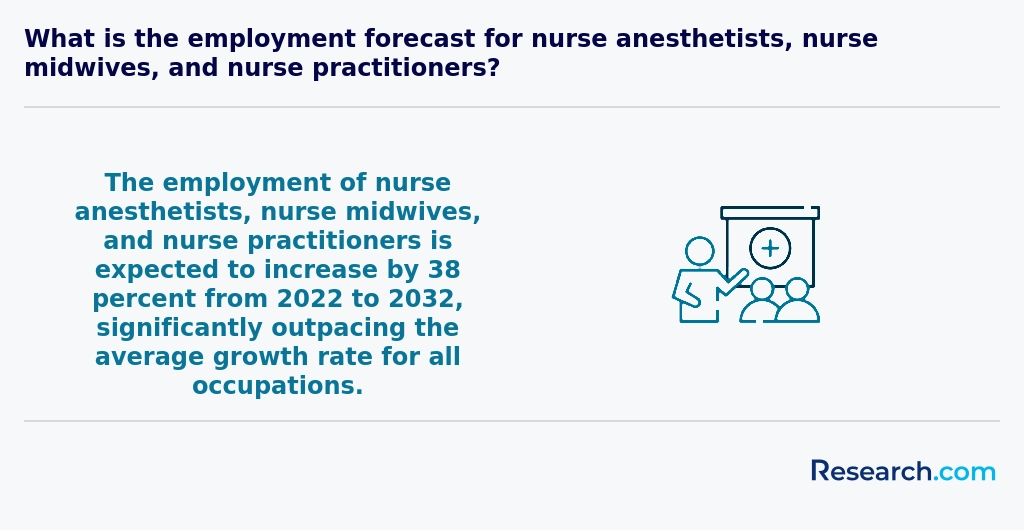
- The job market for nurse practitioners is expected to grow 45% from 2021 to 2031, much faster than average.
- Programs often include local clinical placements to help meet state licensing requirements.
How long does it take to complete online family nurse practitioner degree in America?
Imagine juggling evening shifts at a bustling hospital while diving into your Family Nurse Practitioner courses from a cozy corner of your apartment. That's the daily rhythm for many online FNP students in America, where finishing the journey typically spans two to four years. Graduates from renowned programs like those at the University of Alabama or Georgetown University often describe the process as a marathon peppered with sprints-two to three years full-time if you come in fresh with a BSN, or three-plus years if you're chasing a Doctor of Nursing Practice. Some accelerated routes, especially for those already armed with clinical chops or an MSN, can trim this down to a focused two-year whirlwind.
Part-time students paint a picture of balancing life's orchestra-work, family, and study-in a graceful, sometimes exhausting, dance that sometimes stretches the process to four or five years. Clinical hours, often hovering around 500 to 1,000 depending on the degree, become chapters of real-world learning, not just requirements. These hands-on experiences transform textbooks into stories of healing, right from programs accredited by top bodies like CCNE or ACEN, bringing comfort and confidence to every aspiring FNP across America.
What's the difference between online and on-campus family nurse practitioner degree?
Imagine juggling a 9-to-5 job, family dinners, and PTA meetings while earning your Family Nurse Practitioner degree-this is the daily rhythm for many who choose an online FNP program at institutions like the University of Florida or Penn State. The digital classroom becomes your sanctuary, accessible whenever your schedule permits, turning the coffee shop or your living room into your campus. On the flip side, traditional on-campus students at places like Duke or the University of Washington thrive on face-to-face energy, thriving amid lively debates and study groups that spill into the quad.
Both paths demand those crucial clinical hours-no shortcuts here. Online learners find local clinics to sharpen their hands-on skills, blending flexibility with real-world care. Meanwhile, campus students benefit from immediate access to university-affiliated hospitals, immersing themselves in bustling medical environments.
Cost-wise, online often whispers affordability, sparing you from housing and commuting blues. Graduates from either route share a victorious sense of accomplishment, ready to ace national certification boards and step into impactful roles across America's health care spectrum.
What is the average cost of online family nurse practitioner degree in America?
When diving into the journey of an online family nurse practitioner degree in America, the cost can feel like a navigating star-steady yet vast. The typical investment tilts around a median total cost of $61,350, with many in-state and out-of-state students sharing a similar ballpark near $43,200. Imagine a graduate from a well-regarded college in the Midwest, feeling the thrill of learning online while managing this financial commitment wisely. This financial stretch often combines tuition with textbooks, clinical fees, and tech tools that bring lessons to life beyond the screen.
Students chasing the dream in popular universities across the country often find that balancing study with personal and work life brings both challenge and joy. Many find comfort in the structured but flexible realm of the online classroom, where the overall cost is often offset by scholarships or employer tuition reimbursement programs. The average cost online family nurse practitioner degree USA sees is truly more than expense-it's an investment toward higher impact in healthcare communities.
Consider the way these programs' tuition varies, reflecting the reputation and location of schools, where public universities offer somewhat friendlier rates for in-state learners. Those seeking fast tracks may even explore options like the shortest post master's FNP program, tailoring both time and cost to fit their ambitions. Navigating the total tuition fees family nurse practitioner programs 2027 means considering all hidden costs but knowing how these investments lead to rewarding, meaningful careers.

What financial aid is available to online family nurse practitioner degree students in America?
Imagine a busy nurse juggling shifts while eyeing an online Family Nurse Practitioner program at institutions like Duke or Johns Hopkins. The thought of tuition fees between $15,000 and $40,000 might feel like a mountain. Yet, federal financial aid swoops in as a reliable sherpa. Direct Unsubsidized Loans become that steady rope, offering fixed interest and postponed repayment until you've conquered graduation.
A graduate from a well-known program recalls how completing the FAFSA unlocked access to Federal Grad PLUS Loans, bridging gaps when Unsubsidized Loans fell short. State-funded scholarships often play the role of unexpected allies-imagine receiving a Nurse Corps Scholarship grant, covering tuition in exchange for serving in healthcare deserts, making your sacrifice feel heroic and rewarding.
Employer tuition reimbursement programs are oftentimes the unsung heroes. Nurses working at bustling hospitals in Chicago share how these reimbursements transformed their professional dreams into attainable realities without drowning in debt.
Private scholarships from foundations like the American Nurses Foundation sprinkle extra hope onto this journey, often topping off funding so students can focus on learning rather than looming bills.
What are the prerequisites for enrolling in online family nurse practitioner degree program in America?
To dive into an online family nurse practitioner degree in America, you'll need to bring a solid nursing foundation to the table-an active RN license is your golden ticket. Imagine a graduate from a top program like the University of Washington recounting how her year-long ICU experience transformed raw knowledge into instinctive patient care, a crucial step echoed across countless FNP students nationwide.
Your academic backbone typically needs a BSN, though some schools, like Vanderbilt University, offer pathways for ADN holders willing to embrace extra coursework. Clinical hours aren't just boxes to check; they are the lived moments where theory meets the heartbeat of real patients. Picture a graduate describing late-night shifts honing assessment skills that textbooks simply can't capture.
Transcripts showing a GPA around 3.0 unlock doors, signaling readiness to take on advanced courses. Prerequisites in pathophysiology or pharmacology might pop up, depending on the school's flavor. GRE scores? A fading ghost-some programs still ask, but many focus more on your passion reflected in recommendation letters and personal statements.
Every requirement threads into a tapestry defining your journey through FNP programs across America, priming you not just to enroll, but to thrive. These prerequisites are less hurdles and more springboards, propelling future practitioners toward impactful careers.

What courses are typically in online family nurse practitioner degree programs in America?
Diving into an online family nurse practitioner degree in America feels like unlocking a carefully crafted roadmap through the human body and society's health landscapes. Graduates from renowned institutions find themselves immersed first in the dense forests of advanced pathophysiology and pharmacology-where understanding disease mechanisms and medication magic becomes second nature.
Picture a student from a top American college juggling a busy family schedule, yet thriving as they absorb advanced health assessment techniques, learning to read subtle patient cues like a seasoned detective. Their journey then flows into courses exploring the rich terrain of population health: from the tiny hands of pediatric care to the complexities of adult and geriatric primary care, each class feels like preparing to serve a new chapter of life's story.
Behavioral health and women's health weave empathy and precision, shaping practitioners who confidently blend science with compassion. Meanwhile, courses on healthcare policy and leadership add powerful tools, turning learners into advocates ready to influence the pulse of American healthcare systems.
What types of specializations are available in online family nurse practitioner degree programs in America?
Diving into online family nurse practitioner specializations USA feels like unlocking tailored paths through the vast healthcare landscape. Imagine graduates from well-known colleges in America who chose pediatrics, waking up eager to treat energetic children and teenage patients with a sparkle in their eyes. Others venture into geriatrics, driven by a heartfelt mission to ease the golden years of America's growing elderly population. Women's Health specialization calls to those inspired by empowering mothers and navigating reproductive care with compassion. Some graduates embrace mental health, blending FNP skills with psychiatric insights, painting hope on the canvas of patient wellness.
Specialty options in family nurse practitioner degrees America reflect a rich palette-from managing chronic diseases like diabetes and hypertension to intertwining elective courses that turn theoretical lessons into real-world healing moments. Popular universities often foster these journeys, making the "online nurse practitioner programs" experience vivid and deeply personal for each learner.
How do you choose the best online family nurse practitioner degree in America?
Choosing the best online family nurse practitioner degree in America feels like charting a personal healthcare voyage. Graduates from top public universities recall the relief of finding programs accredited by CCNE or ACEN, understanding this seal meant their future licenses wouldn't hit unexpected storms. Imagine balancing your studies while securing 500 clinical hours-local hospitals serving as classrooms, helping you translate theory into real-world care. Some grads chose institutions where online platforms felt less like bridges over troubled water and more like seamless portals to expert faculty and vibrant peer communities.
One shared joy is discovering affordable family nurse practitioner degrees online America-wide, where tuition matches ambition without anchoring budgets. Others found solace in programs aligned with their state's licensure, smoothing the path to certification. And for those curious about flexible pacing, there's even an easiest NP program that whispers promises of accelerated progress. These layered choices transform a degree hunt into a journey anchored in possibility and excitement.
What career paths are available for online family nurse practitioner degree students in America?
Graduates of online family nurse practitioner degrees in America often find themselves stepping into a kaleidoscope of career paths, each painted with the vibrant brushstrokes of patient care and community impact. Imagine a recent grad from a top nursing college in the US thriving in a bustling primary care clinic, expertly managing the complexities of health for all ages-this is the heartbeat of many family nurse practitioner careers USA. Others discover a rhythm in specialty outpatient clinics, from comforting tiny patients in pediatrics to guiding seniors through geriatrics, turning knowledge into healing art.
Some FNP grads, fueled by passion and education from renowned universities, embrace the calm predictability of urgent care centers or the demanding pace of hospitals, where they navigate pre- and post-operative care with precision. Beyond hands-on roles, FNPs innovate in healthcare policy and education, shaping the system itself. If you're wondering about transitions, check out this helpful guide on FNP to acute care np for layered career growth possibilities.
Picture yourself in these roles, energized by the freedom an online family nurse practitioner degree offers, fully prepared to meet America's booming healthcare needs.
What is the job market for online family nurse practitioner degree in America?
The family nurse practitioner job outlook USA sparkles with opportunity as healthcare systems scramble to bridge gaps where physicians are scarce. Graduates from online FNP programs at well-known universities share stories of landing roles in primary care clinics or bustling outpatient centers right after licensure, buoyed by a projected 40% employment growth. Imagine a nurse practitioner navigating rural America's healthcare deserts, their online education from a reputable college fueling confidence to thrive in communities craving accessible care.
Tuition may range from $20,000 to $60,000, but graduates often find this investment rewarded with median salaries north of $120,000, especially in high-demand states like California and New York. Online study formats give busy students the flexibility they need without compromising quality, as echoed by many alumni balancing work, family, and coursework. For those wondering about pathways, exploring RN to NP programs offers a practical step forward.
For online family nurse practitioner employment opportunities America reveals a vast landscape of potential governed by varying state licensing laws. Some states empower FNPs with full practice authority, allowing independence, while others foster collaborative frameworks. This diverse regulatory mosaic means graduates can tailor their careers nationwide, stepping confidently into roles that suit their style and location preferences.
Frequently Asked Questions About family nurse practitioner
Online family nurse practitioner (FNP) students in America can maximize their learning experience by actively engaging with faculty and peers through virtual platforms. Research shows that students who participate in discussion boards and group projects report higher satisfaction and knowledge retention (American Association of Colleges of Nursing, 2023). Scheduling regular study times and creating a dedicated learning environment also improves focus.
Balancing clinical practicum with coursework is crucial since at least 500 supervised clinical hours are required for FNP certification by the American Nurses Credentialing Center (ANCC). Utilizing simulation labs offered online enhances practical skills. Additionally, accessing up-to-date digital libraries and evidence-based resources supports deeper understanding.
The family nurse practitioner (FNP) field is evolving with several emerging niches gaining prominence across the United States. One notable area is geriatric care, driven by the aging American population; the U.S. Census Bureau projects that by 2030, 1 in 5 Americans will be 65 or older, increasing demand for specialized elder care practitioners. Additionally, behavioral health integration is growing, where FNPs address mental health alongside primary care, reflecting the rising need for accessible mental health services.
Another expanding niche is telehealth, boosted by advancements during the COVID-19 pandemic and supported by CMS policy changes allowing broader remote care reimbursement. FNPs trained in telehealth can serve rural and underserved populations more effectively.
Lastly, chronic disease management, including diabetes and hypertension care, remains a critical focus. According to the CDC, 6 in 10 Americans live with at least one chronic condition, underscoring the relevance of FNP specialization here. These emerging niches highlight diverse opportunities for FNPs trained through online programs.
After earning an online family nurse practitioner (FNP) degree in America, preparing for the job market is essential. First, graduates should obtain national certification through organizations like the American Nurses Credentialing Center (ANCC) or the American Academy of Nurse Practitioners Certification Board (AANPCB). These credentials are often required by employers and increase job prospects.
Networking is also vital. Joining professional associations such as the American Association of Nurse Practitioners (AANP) offers access to job boards and continuing education.
Additionally, gaining clinical experience through residencies or fellowships can improve expertise and employability.
The U.S. Bureau of Labor Statistics projects a 45% growth in nurse practitioner employment through 2032, highlighting strong demand.
Employers in America highly value family nurse practitioner (FNP) graduates who demonstrate strong clinical skills and the ability to provide comprehensive primary care. According to the American Association of Nurse Practitioners (AANP), proficiency in patient assessment, diagnosis, and treatment is essential for job readiness. Communication skills are also critical; FNPs must effectively collaborate with patients and interdisciplinary teams.
Data from the Bureau of Labor Statistics notes that adaptability to technological tools like electronic health records (EHR) is increasingly sought after. Additionally, employers prefer graduates who show leadership and critical thinking abilities, crucial for managing complex cases in diverse healthcare settings.
Finding internships relevant to family nurse practitioner (FNP) degrees in America requires targeted efforts. Many online FNP programs partner with healthcare facilities across states to secure clinical placements for students. Students should leverage their university's career services and clinical coordinators to access approved internship sites.
The American Association of Nurse Practitioners (AANP) reports that clinical hours are mandatory, generally ranging between 500 to 600 hours. Internships or clinical practicums typically occur in community clinics, hospitals, or primary care settings.
Additionally, professional networking through local nursing associations or job portals like Nurse.com can uncover internship opportunities suited for FNP students.
Obtaining an online family nurse practitioner (FNP) degree significantly enhances career mobility and advancement opportunities in America. According to the American Association of Nurse Practitioners (AANP), FNPs are among the fastest-growing healthcare professions, with a projected 45% employment growth from 2021 to 2031. This growth is fueled by increasing demand for primary care providers. Online programs offer flexible learning, enabling working nurses to advance without pausing their careers. Graduates gain eligibility for national certification exams, required for state licensure and practice.
Advanced degrees expand job prospects beyond clinical roles into leadership, education, and policy. Higher salaries often follow; the Bureau of Labor Statistics reports a median annual wage of $120,680 for nurse practitioners in 2022. Online FNP degrees thus provide a practical path to upward career trajectories and increased earning potential.
Studying for a family nurse practitioner (FNP) degree in America equips students with essential skills for interdisciplinary collaboration in healthcare settings. FNP programs emphasize teamwork by integrating coursework in communication, ethics, and evidence-based practice. This training prepares graduates to work effectively alongside physicians, specialists, social workers, and other healthcare professionals.
The American Association of Nurse Practitioners (AANP) highlights that about 83% of NPs collaborate regularly with other providers, underscoring the importance of interdisciplinary skills. Clinical hours in accredited programs often involve exposure to multiple specialties, helping students understand diverse patient needs.
Such preparation ensures FNPs can coordinate patient care efficiently and contribute to improved health outcomes across healthcare teams.
When choosing between a thesis and a non-thesis family nurse practitioner (FNP) degree program in America, consider your career goals and learning preferences. Thesis programs typically involve original research and are suited for students interested in academic or research careers. They often require strong writing and analytical skills. Non-thesis programs focus more on clinical practice and coursework, which may be a faster route to certification.
According to the American Association of Nurse Practitioners, the average time to complete a thesis can extend a program by 6 to 12 months. Non-thesis pathways often appeal to working professionals seeking quicker entry into the workforce.
Check accreditation and faculty expertise in your chosen area to ensure quality education aligned with your goals.
American students seeking to study family nurse practitioner (FNP) degrees abroad face limited options, as most accredited FNP programs are based in the United States. The U.S. higher education system tightly regulates nurse practitioner licensing, requiring graduates to complete programs that meet American Association of Colleges of Nursing (AACN) or National Organization of Nurse Practitioner Faculties (NONPF) standards.
Online programs with clinical placements in the U.S. are preferred to ensure eligibility for national certification exams. Some students consider hybrid options offered by U.S. institutions with international study components, but fully foreign online FNP degrees often lack U.S. accreditation.
According to the American Association of Nurse Practitioners (AANP), over 270,000 nurse practitioners practice in America, with demand steadily increasing, emphasizing the importance of accredited domestic education for licensure and practice.
Part-time job opportunities that complement family nurse practitioner (FNP) degree education in America often involve clinical and healthcare support roles. Many FNP students work as registered nurses (RNs) in hospitals, clinics, or long-term care facilities, gaining crucial hands-on experience while managing flexible hours. According to the U.S. Bureau of Labor Statistics, registered nursing jobs are projected to grow 6% from 2021 to 2031, emphasizing strong job availability.
Some students also find part-time roles as medical assistants or health educators, which help develop communication and patient-care skills essential to FNP roles. Additionally, telehealth positions offer remote work options, allowing students to balance studies and work.
Online family nurse practitioner (FNP) students in America have access to various networking opportunities despite their remote status. Many programs encourage participation in virtual discussion boards, webinars, and group projects to foster peer connections. Some offer access to alumni networks and professional nursing associations, such as the American Association of Nurse Practitioners (AANP), which reported over 100,000 members nationwide in 2023.
Students can also attend regional or national conferences, gaining valuable in-person networking to complement online interactions. Clinical placements often put students in contact with healthcare professionals, enhancing local professional relationships. These avenues help students build essential connections for career development in the FNP field.
Alumni networks play a vital role for students pursuing online family nurse practitioner (FNP) degrees in America. These networks connect current students with graduates who have firsthand experience in the field. Through mentorship programs, students gain career guidance and professional advice essential for navigating complex healthcare environments.
Additionally, alumni often share job leads and clinical placement opportunities, which are crucial given the competitive nature of FNP roles. According to the American Association of Nurse Practitioners (AANP), over 70% of nurse practitioners find their first positions through professional contacts. Networking within alumni groups enhances access to these connections.
Finally, alumni networks support continuing education and professional development, helping graduates stay updated with evolving clinical guidelines and certifications recognized by U.S. nursing boards.
Customizing an online family nurse practitioner (FNP) degree program in America allows students to align their education with specific career goals. Many programs offer elective courses focused on areas such as pediatrics, geriatrics, or chronic disease management. This flexibility helps tailor clinical experiences and knowledge to desired practice settings.
Students can also choose programs with varied practicum sites, often near their location, to gain relevant hands-on experience. According to the American Association of Nurse Practitioners, over 80% of FNPs work in primary care, making clinical placement a critical customization factor.
Additionally, selecting programs accredited by organizations like the Commission on Collegiate Nursing Education ensures a rigorous curriculum that supports career advancement and certification eligibility.
Online family nurse practitioner (FNP) students in America often face several challenges that can impact their educational experience. One major obstacle is managing clinical hour requirements, which typically range from 500 to 700 hours and must be completed in healthcare settings, requiring coordination with local providers (American Association of Nurse Practitioners, 2023). These hours cannot be completed online and may limit flexibility for students balancing work and family.
Additionally, online learners frequently report feelings of isolation and require strong self-discipline to stay on track academically. According to a 2022 National Student Clearinghouse report, 40% of online graduate students struggle with time management amid competing responsibilities.
Technical issues and inconsistent internet access in rural areas also present barriers, affecting about 15% of students nationally (Pew Research Center, 2023). Furthermore, accreditation and program quality variations mean students must carefully evaluate options to ensure their degree meets licensure requirements.
Graduates with an online family nurse practitioner (FNP) degree in the United States can pursue several key professional certifications. The most recognized certification is offered by the American Nurses Credentialing Center (ANCC) or the American Association of Nurse Practitioners (AANP). Both provide the Family Nurse Practitioner-Board Certified (FNP-BC) credential, which validates clinical expertise and allows for national certification.
Obtaining FNP certification typically requires passing a comprehensive exam and maintaining active registered nurse (RN) licensure. Certification renewal occurs every five years and includes continuing education requirements. According to the National Board of Certification and Recertification for Nurse Anesthetists and Nurse Practitioners (NBCNAP), there were over 325,000 certified FNPs in 2023, reflecting strong demand.
The FNP credential expands professional opportunities in primary care, pediatrics, and geriatrics, among others. It also meets state licensure requirements in most states, facilitating broader clinical practice. Professionals may also pursue specialty certifications for areas like psychiatric or acute care to enhance expertise.
To write a winning application for an online family nurse practitioner (FNP) program in America, start by carefully reviewing each program's admission requirements. Most schools require a Bachelor of Science in Nursing (BSN) degree and an active RN license in the U.S.
Strong academic records, typically with a GPA of 3.0 or higher, improve your chances. Including clear, concise personal statements that explain your passion for family nursing and career goals is crucial. Highlight relevant clinical experience and leadership roles.
Many programs value recommendation letters from supervisors or educators familiar with your nursing skills and work ethic. Additionally, some programs may require GRE scores, though this is becoming less common.
According to the American Association of Nurse Practitioners, well-prepared applications reflect awareness of the growing demand for FNPs, which is projected to increase by 45% through 2030.
Globally, the role of family nurse practitioners (FNPs) varies widely, but in the United States, it is highly valued and well-defined. The American Association of Nurse Practitioners reports that over 325,000 licensed NPs currently practice in the US, with family practice being the largest specialty.
Compared to many countries, the US offers more autonomy to FNPs, allowing them to diagnose, treat, and prescribe medications independently in most states. This level of responsibility is less common internationally, where nurse practitioners may have more limited scopes of practice.
The global demand for nurse practitioners is rising due to aging populations and healthcare shortages. However, the US remains a leader in advanced practice nursing education, especially through online programs, which provide accessibility to diverse students nationwide.
Gaining practical experience is essential when pursuing an online family nurse practitioner (FNP) degree in America. Most programs require clinical hours, which students complete at local healthcare facilities. This allows students to apply theoretical knowledge in real-world settings under professional supervision.
The American Association of Nurse Practitioners (AANP) states that FNP students typically need to complete 500 to 700 clinical hours. These include tasks like patient assessments, diagnosis, and treatment planning. Many online programs help students find appropriate clinical sites near their residence, ensuring compliance with accreditation requirements.
Partnering with hospitals, clinics, or community health centers provides valuable exposure to diverse patient populations. This hands-on training is crucial for developing essential skills and meeting state licensing prerequisites.
Choosing the right concentration within an online family nurse practitioner (FNP) degree program in America depends on career goals, patient populations, and state licensing requirements. Concentrations often include pediatrics, geriatrics, or women's health, reflecting specific patient needs. According to the American Association of Nurse Practitioners (AANP), about 70% of nurse practitioners work in primary care, making broad FNP programs versatile.
Prospective students should research program curricula and clinical placement opportunities to ensure alignment with their interests. Additionally, reviewing state nursing boards' certification requirements is crucial, as scope of practice varies. Accreditation by bodies like the Commission on Collegiate Nursing Education (CCNE) ensures program quality and eligibility for certification exams.
Considering healthcare demand trends may also help; for example, geriatrics is growing due to an aging population, according to the U.S. Bureau of Labor Statistics. Choosing a concentration with strong job prospects supports long-term career success.
Top Trending Family Nurse Practitioner Rankings
References
- Family nurse practitioner (FNP) programs in the United States https://www.npreasoning.com/practice-management/family-nurse-practitioner-fnp-programs-united-states
- How to become a Family Nurse Practitioner (FNP) in The ... https://www.shiftmed.com/professionals/blog/how-to-become-a-family-nurse-practitioner/
- Master of Science in Nursing – Family Nurse Practitioner https://www.usuniversity.edu/degrees/master-of-science-in-nursing-family-nurse-practitioner
- Online Resources & Scholarships for Nurse Practitioner ... https://www.edumed.org/financial-aid/scholarships/nurse-practitioner-programs/
- What Can I Do as a Family Nurse Practitioner? https://online.aic.edu/blog/what-can-i-do-family-nurse-practitioner
- MSN Family Nurse Practitioner Online https://www.chamberlain.edu/academics/nursing-school/fnp-family-nurse-practitioner
- Your guide to becoming a Family Nurse Practitioner (FNP) https://www.allnursingschools.com/specialties/family-nurse-practitioner/
- Online Family Nurse Practitioner Degree https://www.phoenix.edu/online-nursing-degrees/family-nurse-practitioner-masters-degree.html
- The Path to Becoming a Nurse Practitioner (NP) https://www.aanp.org/news-feed/explore-the-variety-of-career-paths-for-nurse-practitioners
- Most Affordable Online NP Programs (2027) - NPSchools https://www.npschools.com/rankings/all-affordable-online-np-programs


