
2027 Easiest Online Master's in Family Nurse Practitioner Degree Programs Ranking in Ohio

Co-Founder and Chief Data Scientist
Choosing the right Family Nurse Practitioner master's program is an important step toward a rewarding career in healthcare. This article introduces the 2027 Easiest Online Master's in Family Nurse Practitioner Degree Programs Ranking in Ohio, thoughtfully created by the Research.com team of data scientists.
Designed to help Ohio students find programs that match their goals, this ranking makes it easier to compare options and make confident decisions.
Whether you're starting your journey or advancing your skills, earning this degree opens doors to meaningful work and personal growth.
Key benefits of getting online family nurse practitioner degree in Ohio
- Family nurse practitioners in Ohio typically earn an average salary of around $110,000 per year, offering a rewarding and stable income for graduates.
- Graduates from popular Ohio schools like Ohio State University often pursue careers in primary care, pediatrics, and community health, showcasing diverse opportunities in the state.
- Online degrees, such as those from the University of Cincinnati, provide flexibility and convenience, allowing students to balance work and study without commuting, making education more accessible.
What can I expect from online family nurse practitioner degree in Ohio?
Students pursuing an online family nurse practitioner degree in Ohio typically pay between $15,000 and $40,000, depending largely on their institution and residency status. Graduates from popular programs at Ohio State University or Kent State University often share how in-state tuition rates make the investment manageable while still accessing top-tier education. For example, a working nurse appreciated that affordable tuition allowed balancing family life and job duties without overwhelming debt.
Many Ohio public universities offer significantly lower tuition for residents, making these programs an economical choice for local students. Those attending private institutions may encounter higher costs but often benefit from scholarships and financial aid targeted specifically at nursing students.
Students emphasize the value of flexible online coursework combined with quality clinical placements nearby, which keeps commuting costs low and maintains a steady income. Graduates frequently highlight feeling supported by faculty who understand the pressures of budgeting alongside rigorous study.
Where can I work with online family nurse practitioner degree in Ohio?
Graduates with an online family nurse practitioner degree in Ohio find diverse career paths ready for their skills. Many begin in outpatient clinics or physician offices, where they enjoy strong prescriptive authority and independence, making a real difference managing patients' chronic conditions and preventive care. Graduates from well-known Ohio programs often share how working in these settings builds confidence quickly.
Hospitals offer another robust career avenue, with opportunities in emergency care or pediatrics. Here, family nurse practitioners collaborate directly with doctors, sharpening clinical skills in high-impact cases. Those who trained at popular Ohio universities highlight feeling supported and prepared to step into these roles immediately.
Community health centers and rural clinics attract many family nurse practitioners passionate about expanding care access, especially in underserved areas. Graduates appreciate how their Ohio education equips them to serve diverse populations effectively.
Additionally, long-term care facilities and telehealth services are growing fields. Online FNP alumni often describe the satisfaction of improving seniors' quality of life or reaching patients remotely across Ohio's wide geography, enabled by strong state support for telehealth practices.
How much can I make with online family nurse practitioner degree in Ohio?
Graduates with an online Family Nurse Practitioner degree in Ohio can expect to start their careers with salaries around $95,000 annually, reflecting the state's competitive healthcare market. For instance, those who completed programs at well-known Ohio schools such as Ohio State University or the University of Cincinnati have reported quickly advancing to roles with salaries exceeding $125,000 as they gain experience.
Working in metropolitan areas like Columbus or Cleveland often results in higher pay due to greater demand and living costs. Many FNPs employed in outpatient care centers or physician's offices report better compensation compared to those in rural clinics. This geographic flexibility is a significant advantage for online graduates, enabling them to negotiate salaries across the state.
Beyond base pay, graduates often benefit from bonuses, tuition reimbursement, and other incentives, enhancing overall earnings. The Ohio healthcare sector's projected 20% job growth over the next decade further supports strong salary prospects for online FNP degree holders.
- Key benefits of getting online family nurse practitioner degree in Ohio
- What can I expect from online family nurse practitioner degree in Ohio?
- Where can I work with online family nurse practitioner degree in Ohio?
- How much can I make with online family nurse practitioner degree in Ohio?
- How do we rank schools?
- 2027 Easiest Online Master's in Family Nurse Practitioner Degree Programs Ranking in Ohio
- What online family nurse practitioner degree graduates have to say
- Key Findings
- How long does it take to complete online family nurse practitioner degree in Ohio?
- What's the difference between online and on-campus family nurse practitioner degree?
- What is the average cost of online family nurse practitioner degree in Ohio?
- What financial aid is available to online family nurse practitioner degree students in Ohio?
- What are the prerequisites for enrolling in online family nurse practitioner degree program in Ohio?
- What courses are typically in online family nurse practitioner degree programs in Ohio?
- What types of specializations are available in online family nurse practitioner degree programs in Ohio?
- How do you choose the best online family nurse practitioner degree in Ohio?
- What career paths are available for online family nurse practitioner degree students in Ohio?
- What is the job market for online family nurse practitioner degree in Ohio?
- Frequently Asked Questions About family nurse practitioner
- Related Family Nurse Practitioner Rankings for Nearby States
- Top Trending Family Nurse Practitioner Rankings
How do we rank schools?
Investing in your education is a significant decision that can shape your future, and the Research.com team understands the importance of making informed choices. To assist prospective students in Ohio, we have carefully developed the "2027 Easiest Online Master's in Family Nurse Practitioner Degree Programs Ranking in Ohio." Our dedication to quality, credibility, and accuracy is demonstrated through rigorous research and analysis performed to create this ranking.
We utilized the following reputable data sources to ensure a comprehensive evaluation of family nurse practitioner programs:
By reviewing this ranking, readers will gain valuable insights into accessible and reputable online programs tailored to their career goals. To learn more about our data collection and ranking process, please visit our Research.com methodology page.
2027 Easiest Online Master's in Family Nurse Practitioner Degree Programs Ranking in Ohio
# 1 position
Cedarville University
Master
Cedarville University offers a 24-month Master's program focusing on Family Nurse Practitioner, Nursing, and Healthcare. The program has a graduation rate of 73% and an acceptance rate of 65%, making it less selective. It serves 3,308 online students and provides high levels of financial aid, with 100% of students receiving assistance. The average total cost of the program is $28,512.
# 2 position
Xavier University
Master
Xavier University offers a 24-month Master's program focused on Family Nurse Practitioner, Nursing, and Healthcare fields. With an open admission acceptance rate of 86%, it provides access to a broad range of applicants. The program has a graduation rate of 69%, and the average total cost is $33,934. Notably, 100% of students receive financial aid. Currently, 2,936 students are enrolled online, reflecting a strong distance learning presence.
# 3 position
University of Cincinnati
Master
The University of Cincinnati offers a 24-month Master's program focused on Family Nurse Practitioner, Nursing, and Healthcare. The program has an open admission policy with an 85% acceptance rate and a 75% graduation rate. It enrolls 6,865 online students, with 88% receiving high levels of financial aid. The average total cost of the program is $38,046, making it accessible to many prospective students.
What online family nurse practitioner degree graduates have to say
- Maria: The University of Cincinnati's online family nurse practitioner program perfectly balanced rigorous coursework with flexibility. I appreciated the supportive faculty and interactive virtual labs, which made learning engaging. This degree boosted my confidence and career prospects while allowing me to care for my family at home.
- James: Choosing Ohio State University's online FNP program was a game-changer. The curriculum was comprehensive, and the clinical placements arranged nearby offered real-world experience. Studying online let me maintain my full-time job without stress. The community feel among students kept me motivated throughout.
- Karen: Wright State University's online family nurse practitioner degree exceeded my expectations. The personalized mentorship and up-to-date resources made studying enjoyable and effective. Completing this program remotely gave me a sense of accomplishment and prepared me to serve diverse patients across Ohio confidently.
Key Findings
- Tuition for online FNP master's programs in Ohio ranges from $30,000 to $60,000 depending on the school and residency status.
- Entry-level family nurse practitioners in Ohio earn about $85,000 to $95,000 annually, with experienced practitioners making over $110,000.
- Job growth for nurse practitioners in Ohio is projected at 31% through 2030, driven by population growth and preventive care needs.
- Licensure requires an active registered nurse license and passing a national certification exam approved by the Ohio Board of Nursing.
- Many online programs require clinical hours to be completed locally, aligning with licensure and certification requirements.
How long does it take to complete online family nurse practitioner degree in Ohio?
Completing an online Family Nurse Practitioner degree in Ohio typically takes about 2 to 3 years for full-time students, aligning with many graduates' experiences at institutions like Wright State University and Ohio University. These programs balance academic rigor with flexibility, allowing nurses to maintain their careers while progressing steadily toward their degree.
Part-time enrollment is a common strategy for those managing work and family, extending the timeline to around 4 years or more but easing financial and scheduling pressures. Many graduates emphasize the benefit of completing clinical practicum hours locally, which makes integrating hands-on experience more manageable without disrupting daily life.
Graduates often advise planning ahead for prerequisite courses, especially if foundational topics need strengthening, as these can add extra months but build crucial confidence for advanced study. Choosing Ohio's accredited programs ensures a smooth path through 40 to 50 required credits and 500 to 700 clinical hours, providing both a solid education and real-world readiness.
What's the difference between online and on-campus family nurse practitioner degree?
Online and on-campus family nurse practitioner (FNP) programs in Ohio offer distinct experiences tailored to different lifestyles. Graduates from schools like Ohio State University often praise the online format's flexibility, which allows working nurses to study anytime without sacrificing family or job commitments. For instance, one online learner juggled evening coursework after shifts, appreciating the ability to access lectures asynchronously.
In contrast, on-campus students at institutions such as the University of Cincinnati value the structured environment and face-to-face interactions, finding that direct engagement with faculty and peers boosts motivation and accountability. However, they must manage fixed schedules and commute, adding to expenses beyond tuition, like parking and housing.
Both routes in Ohio require around 500 to 700 clinical hours. Online students typically arrange local placements with the program's help, enabling hands-on training near home, while on-campus learners tap into university-affiliated clinical sites offering more immediate supervision. This flexibility in clinical opportunities helps online students maintain their personal and professional balance while achieving licensure readiness.
Choosing between these paths depends on your daily demands and learning style, but Ohio's accredited programs support success either way, combining rigorous academics with practical training designed for the state's workforce.
What is the average cost of online family nurse practitioner degree in Ohio?
The average cost of an online family nurse practitioner degree in Ohio typically centers around $33,934 in total tuition. In-state students at well-regarded public universities, such as those in the University of Ohio system, often find tuition more affordable, roughly ranging from $20,000 to $35,000. Graduates from these programs frequently share how balancing affordability with quality education allowed them to focus on mastering their skills without overwhelming financial stress.
Out-of-state tuition is higher, with many programs charging closer to $38,811, reflecting the premium for non-resident enrollment. Private colleges in Ohio tend to exceed $40,000, influenced by higher per-credit-hour fees and added costs for clinical placements, textbooks, and technology. Students attending these schools emphasize the value of comprehensive clinical support and innovative online platforms in their learning journey, even with a higher price tag.
Many Ohio students reduce their out-of-pocket expenses using scholarships, grants, or employer tuition assistance. For those weighing financial options, finding programs with available aid is crucial. Several graduates recommend exploring state-specific funds designed to help nursing students. Ohio's online family nurse practitioner tuition fees, combined with these financial aids, help make advanced nursing education more manageable.
When reviewing program options, prospective students should also investigate the best post-master's pathways, such as those listed in the best online post master's FNP program. These offerings can accelerate certification and further improve job prospects, balancing cost and career advancement effectively.

What financial aid is available to online family nurse practitioner degree students in Ohio?
Students pursuing an online Family Nurse Practitioner degree in Ohio often rely on multiple financial aid sources to manage tuition and fees. For example, graduates from Ohio University's online FNP program note that completing the FAFSA early unlocked Pell Grants and Federal Supplemental Educational Opportunity Grants (FSEOG), which directly reduced their costs without repayment worries.
Many also tap into federal Direct Loans, such as unsubsidized and Grad PLUS loans, providing flexible repayment options that ease financial stress while studying. At institutions like Wright State University, graduates report that state aid through the Ohio College Opportunity Grant (OCOG) significantly lowered tuition bills, especially for those balancing work and study.
Scholarships targeted at nursing professionals, offered by the Ohio Nurses Foundation or Ohio Board of Nursing, have helped students fund their education without adding debt. Additionally, some graduates have benefited from employer tuition reimbursement programs or loan repayment assistance available through hospitals and healthcare facilities partnering with universities.
Programs such as the HRSA Nursing Scholarship and Nursing Faculty Loan encourage Ohio students to serve in underserved areas, turning financial aid into rewarding career opportunities. Early research and application are key to maximizing these practical funding options.
What are the prerequisites for enrolling in online family nurse practitioner degree program in Ohio?
To enroll in an online family nurse practitioner (FNP) program in Ohio, applicants must hold a Bachelor of Science in Nursing (BSN) from an accredited school, such as those recognized by the Commission on Collegiate Nursing Education (CCNE) or the Accreditation Commission for Education in Nursing (ACEN). Many successful graduates from universities like Ohio State University and University of Cincinnati emphasize how their BSN foundation was crucial for handling advanced clinical concepts online.
Applicants also need an active, unrestricted Registered Nurse (RN) license in Ohio and typically at least one year of full-time nursing experience. Graduates often share that hands-on work in settings like ambulatory care helped them feel confident managing family health care during their FNP studies. Meeting a minimum GPA of around 3.0 is common, ensuring readiness for graduate coursework.
Additional materials like recommendation letters and personal statements help programs gauge your career passion. While some programs once required GRE scores, many listed schools in Ohio have dropped this prerequisite, making enrollment smoother for working nurses aiming to advance faster.

What courses are typically in online family nurse practitioner degree programs in Ohio?
Online family nurse practitioner (FNP) degree programs in Ohio typically include courses that build a strong clinical and theoretical foundation. Graduates from popular universities like Ohio State University often highlight how advanced health assessment, pathophysiology, and pharmacology coursework helped them confidently evaluate patients and manage medications in busy clinical settings.
Many students appreciate courses focused on family healthcare management, health promotion, and disease prevention, which prepare them to develop personalized treatment plans for diverse patients-from children to older adults. These topics are essential, especially for those planning to work in community health centers or primary care clinics.
Clinical practicum remains a core element, with programs requiring 500 to 700 supervised hours. Graduates recall how this hands-on experience in hospitals and outpatient clinics was critical for applying classroom knowledge and building real-world confidence in patient care.
Electives in gerontology, pediatric care, mental health, and healthcare policy further round out the training, ensuring FNPs in Ohio can address a wide range of patient needs effectively and compassionately.
What types of specializations are available in online family nurse practitioner degree programs in Ohio?
Online family nurse practitioner specializations Ohio programs commonly include pediatric care, geriatric care, women's health, and mental health. Graduates from leading Ohio universities report that choosing a specialization adds practical skills and confidence when managing specific patient populations. For example, those focusing on pediatric care feel empowered to address childhood illnesses effectively, while mental health specializations prepare students to support patients facing psychiatric challenges.
Many Ohio FNP degree specialization options also feature blended formats combining online coursework with local clinical experiences, making it easier for working adults to balance studies and family life. Graduates often share that the hands-on clinical hours completed at nearby healthcare facilities provide invaluable real-world exposure. This approach is typical at popular colleges across Ohio, helping students feel ready to hit the ground running.
Cost can vary, especially when pursuing specialized tracks. Ohio residents may find lower tuition compared to out-of-state options, and those interested in affordability sometimes explore the cheapest online NP programs as a starting point in their search for quality and value.
How do you choose the best online family nurse practitioner degree in Ohio?
Start by verifying that the online program holds proper accreditation from the CCNE or ACEN, as this ensures quality education and eligibility for Ohio licensure. Many graduates from popular Ohio universities emphasize how accreditation gave them confidence in their training. Additionally, confirm the program is authorized to enroll Ohio residents, which is critical for securing clinical placements within the state. Programs partnered with local hospitals or clinics help streamline this hands-on experience, a vital part of family nurse practitioner degrees. For example, students often praise flexible clinical scheduling options at well-known Ohio colleges, which helped them balance work and study.
Cost matters too. Look into affordable FNP master's degrees Ohio offers, particularly from public institutions where tuition might range from $400 to $700 per credit hour. Many graduates have found financial aid or employer tuition reimbursement indispensable. Finally, consider program length and flexibility-some schools allow part-time study with asynchronous classes, making it easier for working nurses. For those seeking less competitive options, exploring easy nurse practitioner programs to get into can be beneficial.
What career paths are available for online family nurse practitioner degree students in Ohio?
Graduates with an online family nurse practitioner degree in Ohio find diverse career paths tailored to their skills and interests. Many work in primary care clinics across cities like Columbus and Cleveland, providing essential health services and managing chronic conditions. Community health centers, especially those serving underserved urban and rural areas, are a common choice for those passionate about accessible care.
Hospitals in Ohio, including outpatient and urgent care units, offer dynamic environments where FNPs handle acute patient needs. Specialty practices managing diabetes, hypertension, and heart disease also employ FNPs seeking to deepen clinical expertise. Long-term care facilities appeal to graduates who enjoy building ongoing relationships with elderly patients.
Some Ohio FNP graduates from institutions such as Ohio State University transition into healthcare leadership, education, or policy roles. They may train new nurses or design care protocols. For FNPs considering expanded practice, programs focusing on the FNP to acnp pathway provide a valuable career development option. Exploring online family nurse practitioner jobs in Ohio can reveal a variety of opportunities suited to different work styles and goals.
Ohio family nurse practitioner career opportunities are thriving, giving graduates the flexibility to contribute in clinical or administrative settings while enjoying competitive compensation and professional growth.
What is the job market for online family nurse practitioner degree in Ohio?
The job market for online family nurse practitioner degree graduates in Ohio is robust and expanding. Graduates from leading Ohio institutions often find rewarding roles in diverse settings like hospitals and rural clinics, benefiting from the state's strong demand driven by healthcare shortages. For example, nurses completing their studies at popular universities in Columbus or Cleveland have reported quick placement in full-time FNP positions, especially given Ohio's recent full practice authority that allows independent practice. This means fewer barriers and greater professional autonomy.
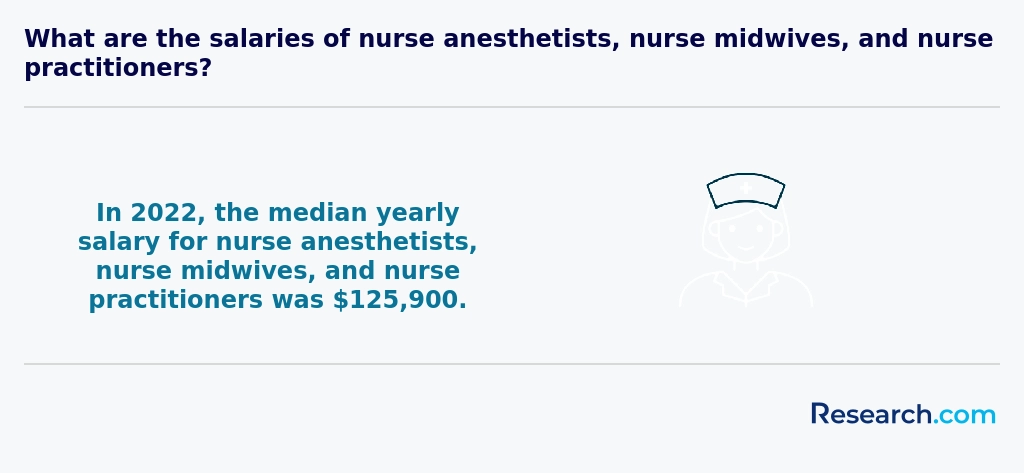
Ohio's competitive salaries, ranging typically from $105,000 to $115,000, reflect the high value employers place on FNP expertise. Many students pursuing an online family nurse practitioner job outlook Ohio appreciate the flexibility of programs that enable them to balance work, family, and study. Financial resources such as scholarships and employer tuition aid further support this pathway. Those interested can also explore related opportunities by checking out ADN to MSN NP programs tailored for career advancement.
Frequently Asked Questions About family nurse practitioner
Students pursuing online family nurse practitioner (FNP) degrees in Ohio can maximize their learning by actively engaging with clinical placement opportunities. Ohio requires at least 500 clinical hours for FNP students, making connections with local healthcare facilities essential. Utilizing state resources like the Ohio Board of Nursing can help verify approved clinical sites.
Additionally, forming study groups via online platforms encourages peer support and deeper understanding of coursework.
Time management is critical; setting regular study schedules helps balance professional and academic responsibilities effectively.
Finally, staying updated on Ohio's nurse practitioner scope of practice ensures relevance in clinical training and future employment.
Emerging niches within the family nurse practitioner (FNP) field are rapidly evolving as healthcare demands shift. In Ohio, telehealth is a prominent growth area, with many FNPs providing remote patient care, especially following the expanded use during the COVID-19 pandemic. According to the Ohio Board of Nursing, telehealth services by FNPs increased by over 40% between 2020 and 2023.
Behavioral health integration is another expanding niche, where FNPs address mental health alongside physical care. Ohio faces a shortage of mental health providers, creating opportunities for FNPs trained in psychiatric assessment and counseling.
Additionally, geriatric care specialization is rising due to Ohio's aging population; the state has one of the highest percentages of residents over 65 in the U.S., intensifying demand for providers skilled in elder care.
After completing an online family nurse practitioner (FNP) degree in Ohio, graduates should focus on obtaining state licensure to practice legally. The Ohio Board of Nursing requires passing the national FNP certification exam through organizations like the ANCC or AANPCB.
Networking is essential; joining professional groups such as the Ohio Association of Advanced Practice Nurses can provide job leads and mentoring. Ohio's healthcare sector is growing, with a projected 26% increase in nurse practitioner jobs through 2030, according to the Bureau of Labor Statistics.
Internships, clinical experience, and tailored job applications aligned with Ohio's healthcare needs improve employability.
Employers in Ohio prioritize strong clinical skills when hiring family nurse practitioner (FNP) graduates. This includes proficiency in patient assessment, diagnosis, and treatment across all ages. According to the Ohio Board of Nursing, graduates must demonstrate competence in managing chronic illnesses and preventive care.
Effective communication is another essential skill. FNPs must clearly explain medical conditions and treatments to patients and collaborate with healthcare teams. Employers also look for solid critical thinking and decision-making abilities to handle diverse clinical scenarios confidently.
Knowledge of Ohio healthcare laws and electronic health record (EHR) systems is increasingly important. These skills ensure compliance and efficient patient data management, which are crucial in today's healthcare environment.
Finding internships in Ohio relevant to a family nurse practitioner (FNP) degree often begins with leveraging your nursing program's resources. Many accredited online FNP programs require clinical hours, which can be completed through internships or practicum placements. Ohio's Board of Nursing reports that clinical experience is a mandatory step toward certification and licensure.
Reach out to local healthcare facilities such as hospitals, clinics, and community health centers. Institutions like The Ohio State University Wexner Medical Center frequently offer internship opportunities for FNP students. Additionally, professional organizations such as the Ohio Association of Advanced Practice Nurses offer directories and networking events that can help identify placement options.
University career services and state workforce agencies also maintain listings of internships. Checking regulatory guidelines at the Ohio Board of Nursing website can ensure that your internship meets state requirements for clinical hours.
Obtaining an online family nurse practitioner (FNP) degree in Ohio significantly enhances career mobility and advancement opportunities. The Ohio Board of Nursing requires FNPs to hold a master's degree and national certification to practice, making accredited online programs a viable path for many working nurses.
According to the U.S. Bureau of Labor Statistics, Ohio employs over 7,000 nurse practitioners, with a projected growth rate of 31% through 2031, well above the national average. This demand creates a favorable job market for FNP graduates.
Holding an online FNP degree opens doors to higher-paying roles, leadership positions, and specialized practices, particularly in underserved urban and rural areas across Ohio.
Studying for a family nurse practitioner (FNP) degree in Ohio through online programs equips students to work effectively in interdisciplinary healthcare teams. Ohio's FNP curricula emphasize collaboration with physicians, social workers, and other healthcare professionals to improve patient outcomes. Coursework and clinical experiences often include scenarios that mimic real-world team settings, helping students learn communication and coordination skills essential for complex care delivery.
According to the Ohio Board of Nursing, graduates must demonstrate competence in areas like patient management and interprofessional collaboration, aligning education with state healthcare demands. This training prepares FNPs to contribute meaningfully across various care environments.
When choosing between a thesis and a non-thesis family nurse practitioner (FNP) degree program in Ohio, consider your career goals first. A thesis option typically involves conducting original research and is suited for students interested in clinical research, academia, or doctoral studies. The non-thesis path usually focuses more on practical skills and clinical practice, appealing to those who want to enter the workforce directly.
Ohio's Board of Nursing requires FNP licensure candidates to complete accredited programs with sufficient clinical hours, regardless of thesis choice. According to the American Association of Nurse Practitioners, Ohio employs over 7,000 FNPs, highlighting strong clinical opportunities.
Online programs in Ohio often allow flexibility in thesis requirements; verify with each institution's curriculum and faculty support. Research Ohio-specific graduation rates and licensure exam pass rates to help inform your choice.
Students based in Ohio interested in studying family nurse practitioner (FNP) programs abroad have limited direct options due to licensing and accreditation differences. Most U.S. nursing regulatory bodies require completion of programs accredited by the Commission on Collegiate Nursing Education (CCNE) or the Accreditation Commission for Education in Nursing (ACEN). Few international programs meet these standards, which may complicate licensure in Ohio.
However, Ohio students can consider hybrid programs offered by U.S. schools with clinical partnerships overseas, allowing some international experience combined with U.S.-based online coursework.
The Ohio Board of Nursing emphasizes that clinical hours must comply with state requirements, often making fully international clinical placements challenging.
According to the American Association of Nurse Practitioners, careful verification of program accreditation and clinical site approval is critical before enrolling in any foreign-based FNP program.
Part-time job opportunities in Ohio that complement family nurse practitioner (FNP) degree education often include roles in clinical settings that enhance hands-on skills. Many students work as registered nurses (RNs) in hospitals, clinics, or long-term care facilities. The Ohio Board of Nursing reports over 200,000 licensed RNs, showing diverse opportunities for gaining practical experience.
Other options include working as medical assistants or health educators, positions that strengthen patient communication and care coordination skills relevant for FNP students. Some also find part-time roles in community health organizations focusing on preventive care, which supports their academic learning.
Balancing work and study in Ohio is feasible since 40% of nursing programs offer flexible hours or online coursework, according to the Ohio Department of Higher Education. This allows students to gain valuable clinical experience while completing their FNP degree online.
Online family nurse practitioner (FNP) students in Ohio benefit from diverse networking opportunities despite the virtual format. Many Ohio universities offering these degrees facilitate connections through virtual meetups, discussion boards, and collaborative projects. Professional organizations like the Ohio Association of Advanced Practice Nurses (OAAPN) host regular events and provide platforms for online members to engage with local healthcare leaders.
Clinical placements, required for FNP certification, also serve as vital networking channels, connecting students with practicing professionals across Ohio's healthcare settings. According to the Ohio Board of Nursing, approximately 3,500 nurse practitioners are licensed in the state, presenting substantial potential for mentorship and collaboration.
In addition, national groups such as the American Association of Nurse Practitioners (AANP) offer special access and resources for Ohio students seeking broader professional interaction.
Alumni networks play a crucial role for students enrolled in online family nurse practitioner (FNP) degree programs in Ohio. These networks provide valuable connections to experienced professionals who understand Ohio's healthcare system and licensing requirements. Engaging with alumni often leads to mentorship opportunities, which can enhance clinical decision-making and career guidance.
Furthermore, Ohio's healthcare market benefits from strong professional relationships, and alumni networks often share local job openings and residency placements that may not be widely advertised. According to the Ohio Board of Nursing, networking is a key factor in securing employment post-graduation.
Participation in alumni events and online forums also fosters continuous learning and professional development. This support system can improve licensure exam pass rates and help graduates stay current with Ohio-specific healthcare policies and practices.
Ohio offers multiple online family nurse practitioner (FNP) degree programs that allow students to tailor their education according to career goals. Many programs provide elective courses, clinical placement options, and specialty tracks to help customize learning experiences. Students can often select clinical sites near their homes, enhancing practical training flexibility.
The Ohio Board of Nursing requires at least 500 supervised clinical hours for FNP licensure, so choosing programs with strong local healthcare partnerships is important. According to the Ohio Nurses Association, customizing your program with a focus on rural health or pediatric care can meet specific community needs while expanding job prospects.
Additionally, some Ohio universities enable part-time enrollment or dual degree options, allowing students to balance work and education. Reviewing school curricula and state licensure prerequisites ensures your chosen program aligns with both your professional aims and Ohio's regulatory standards.
Online family nurse practitioner (FNP) students in Ohio often face challenges related to clinical placement availability. Although many programs offer virtual coursework, students must complete in-person clinical hours, which can be difficult to schedule, especially in rural areas where healthcare facilities are limited. According to the Ohio Board of Nursing, securing diverse clinical sites remains one of the biggest hurdles for FNP students statewide.
Another common challenge is balancing coursework with personal and professional responsibilities. Many students are working nurses, making time management critical when juggling job shifts and online classes. Additionally, students sometimes experience limited access to faculty, which can impact guidance during complex clinical cases.
Finally, technological issues and adapting to remote learning platforms may also pose obstacles for some learners, though Ohio institutions increasingly invest in user-friendly systems to ease this transition.
Graduates with an online Family Nurse Practitioner (FNP) degree in Ohio can pursue professional certifications that boost their career opportunities. The most recognized credential is the FNP certification offered by the American Nurses Credentialing Center (ANCC) or the American Association of Nurse Practitioners (AANP). Both require passing a national exam after completing an accredited FNP program.
Obtaining FNP certification allows nurses to provide primary care, pediatrics, and geriatric services. Ohio also requires state licensure through the Ohio Board of Nursing, which includes verification of national certification.
Many FNPs further specialize by obtaining certifications in areas such as pharmacology or gerontology, enhancing their qualifications in Ohio's healthcare market. According to the Bureau of Labor Statistics, Ohio employs over 7,000 nurse practitioners, with a steady job growth rate anticipated through 2030.
To write a winning application for an online Family Nurse Practitioner (FNP) program in Ohio, start by carefully reviewing program prerequisites and aligning your credentials accordingly. Most Ohio programs require a Bachelor of Science in Nursing (BSN) and an active RN license. Highlight your clinical experience, especially in primary care, as Ohio employers value hands-on skills.
Craft a clear personal statement explaining your motivation to serve Ohio communities as an FNP. Reference Ohio's growing demand for primary care providers-projected to increase by over 15% through 2030, according to the Ohio Department of Health. Demonstrating awareness of this local need strengthens your application.
Request strong recommendation letters from supervisors familiar with your nursing competencies. Lastly, maintain a GPA of at least 3.0, as most Ohio online FNP programs prefer candidates with solid academic records, based on data from the Ohio Board of Nursing.
A family nurse practitioner (FNP) career is increasingly valued worldwide, reflecting a growing need for accessible primary healthcare. In the United States, including Ohio, FNPs provide essential services, often bridging gaps in underserved communities. According to the American Association of Nurse Practitioners, there are over 325,000 licensed NPs nationwide as of 2023, with Ohio among the top states employing FNPs.
Globally, nurse practitioners support healthcare systems facing physician shortages and aging populations. While scope of practice varies internationally, US-trained FNPs are recognized for their advanced clinical skills and autonomy.
For Ohio residents pursuing online FNP degrees, this global demand highlights career stability and opportunities for leadership in healthcare delivery.
Students pursuing an online family nurse practitioner (FNP) degree in Ohio must complete clinical hours to gain practical experience. Ohio requires approximately 500 to 700 clinical hours, depending on the specific program and accrediting bodies. These hours are typically arranged through clinical placements at local healthcare facilities, including hospitals, clinics, and community health centers.
Online programs often assist students in securing these placements close to their residences to fulfill state requirements. Working with licensed preceptors, students gain hands-on experience in patient care, diagnosis, and treatment planning under supervision.
Clinical experience is essential for licensure by the Ohio Board of Nursing and eligibility for certification exams offered by national organizations like the AANP and ANCC.
Choosing the right concentration within an online family nurse practitioner (FNP) degree program in Ohio involves evaluating your career goals and the healthcare needs of the local population. Ohio's healthcare system offers diverse settings where FNPs work, from primary care clinics to rural health centers. Focusing on pediatric, adult-gerontology, or psychiatric-mental health concentrations depends on which patient population you prefer to serve.
Ohio's Nursing Board approves programs that meet the state's standards, so ensure your chosen program is accredited. According to the Ohio Board of Nursing, FNPs are in high demand, with employment growth expected to rise by 26% through 2030. This makes specialized skills particularly valuable.
Research the clinical training options within each concentration to confirm they align with your learning style and schedule. Online programs often partner with local healthcare sites in Ohio for hands-on experience, essential for certification.
Related Family Nurse Practitioner Rankings for Nearby States
Top Trending Family Nurse Practitioner Rankings
References
- Master's in family nurse practitioner programs https://www.edx.org/masters/online-msn-programs/online-fnp-programs
- Alumni - Nursing - Grateful Student Spotlight https://www.upstatefoundation.org/GratefulStudentSpotlight
- Online Nurse Practitioner Schools, A to Z - NPSchools https://www.npschools.com/profiles
- Where Can FNPs Work, Besides Primary Care? https://www.usuniversity.edu/trailblazers/blog/where-can-fnps-work
- Online Family Nurse Practitioner Degree https://www.phoenix.edu/online-nursing-degrees/family-nurse-practitioner-masters-degree.html
- Family Nurse Practitioner (FNP) Success Tips https://rm.edu/news/fnp-success-tips/
- 10 different career options for nurse practitioners https://comphealth.com/resources/career-options-nps
- 5 Common Steps to Become a Family Nurse Practitioner ... https://nursinglicensemap.com/advanced-practice-nursing/nurse-practitioner/family-nurse-practitioner/
- The Benefits of Networking for Nurse Practitioners https://www.aanp.org/news-feed/the-benefits-of-networking-for-nurse-practitioners
- Nurse Practitioner (NP) Jobs - Credenza https://credenzahealth.com/jobs/nurse-practitioner


