
2027 Best Online Family Nurse Practitioner Degree Programs Ranking in the USA

Co-Founder and Chief Data Scientist
Choosing the right Family Nurse Practitioner degree program can be a big decision. To help you with this important step, we present the 2027 Best Online Family Nurse Practitioner Degree Programs Ranking in the USA. This ranking, developed by the Research.com team of data scientists, offers clear insights to guide your choices.
Whether you're looking to advance your career or start a rewarding new path in healthcare, this article highlights programs worth considering. Discover options that fit your goals and lifestyle. Pursuing this degree opens doors to meaningful work and personal growth.
Key benefits of getting online family nurse practitioner degree in America
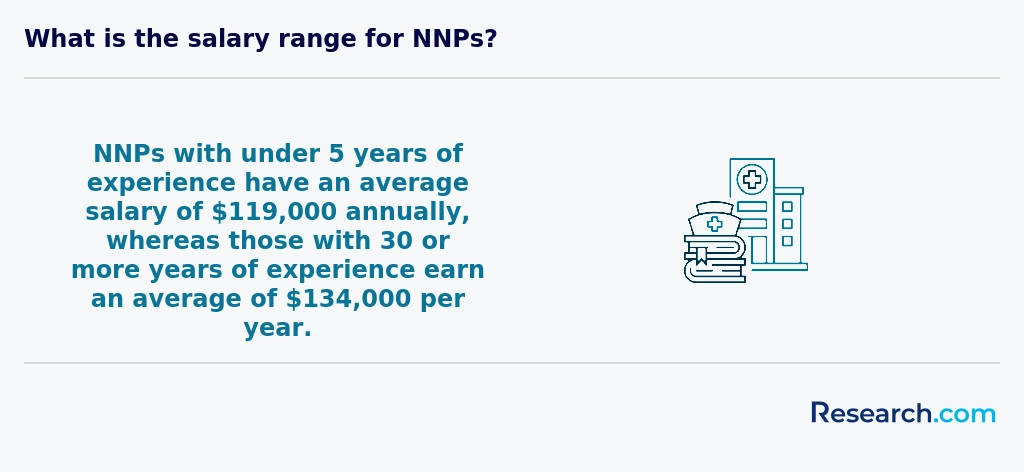
- Family nurse practitioners in the US typically earn a strong salary, with median annual wages around $120,000, offering financial stability and rewarding compensation for their expertise.
- Graduates from respected universities often find diverse career paths, including primary care, pediatrics, and gerontology, allowing for fulfilling roles tailored to personal passions in healthcare.
- Online family nurse practitioner degrees provide flexibility, enabling students to balance work, family, and study efficiently, as experienced by many from popular programs like the University of South Alabama's online FNP track.
What can I expect from online family nurse practitioner degree in America?
The average cost of an online family nurse practitioner (FNP) degree in America generally ranges from $30,000 to $60,000 for the entire program, depending on the institution and degree level. Graduates from well-known universities such as the University of Cincinnati or the University of Alabama describe the tuition as a significant but worthwhile investment in their careers. These programs often include fees for technology, clinical placements, and course materials, which can add to the overall expense.
Students appreciate the value of flexible online coursework combined with required in-person clinical hours, typically completed in local healthcare settings. The ability to balance work and study while progressing toward certification motivates many enrolled nurses despite the financial commitment. Many report that financial aid options, scholarships, and employer tuition reimbursement programs help mitigate costs.
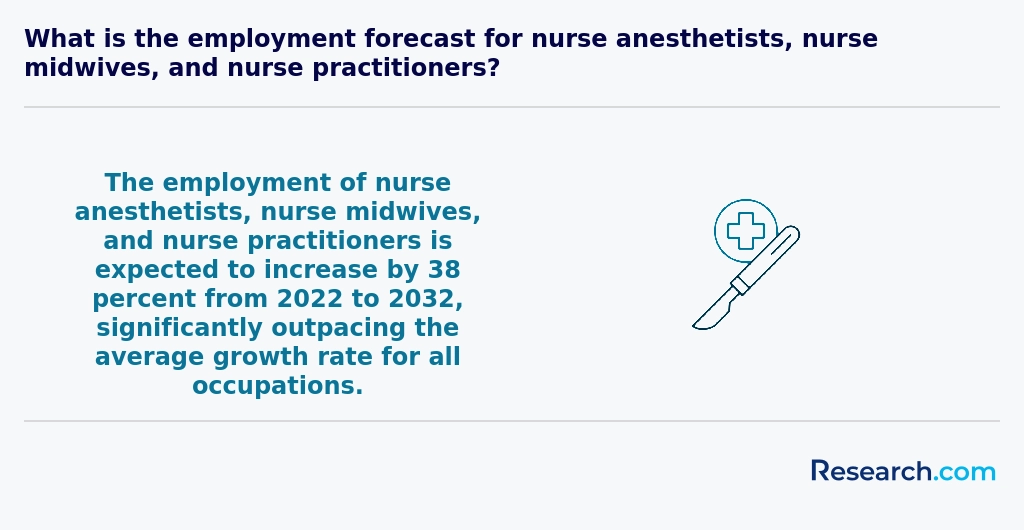
Because accreditation and national certification eligibility are essential, graduates view the cost as justified by the quality of education and the potential 45% projected job growth in the field. This growth and average salaries around $120,000 provide a positive outlook that encourages investment in this specialized nursing path.
Where can I work with online family nurse practitioner degree in America?
Graduates with an online family nurse practitioner degree in America find extensive opportunities in primary care, with nearly 70% working in settings such as private medical practices, outpatient clinics, and federally qualified health centers. These roles allow FNPs to manage acute and chronic illnesses for patients of all ages, reflecting their comprehensive training from well-regarded programs like those offered by Duke University and the University of Alabama at Birmingham.
Many graduates also enter hospital and urgent care environments, contributing to inpatient care and emergency departments. Here, FNPs collaborate with physicians to provide focused, patient-centered treatment, a transition former students describe as both challenging and rewarding for developing clinical expertise.
Additional work pathways include home health agencies and long-term care facilities, where FNPs support aging populations by managing chronic diseases and promoting preventive care. The projected 40% growth in nurse practitioner roles over the next decade aligns with these expanding demands.
Other career options include educational institutions, public health organizations, and telehealth platforms, offering flexibility and meaningful impact, especially for graduates from recognized online programs who want to serve rural and underserved communities.
How much can I make with online family nurse practitioner degree in America?
Graduates with an online family nurse practitioner (FNP) degree in America typically see strong earning potential, reflecting the high demand for advanced nursing professionals. While specific salary data from the US Bureau of Labor Statistics for FNPs is unavailable, nationwide median figures from professional sources indicate annual salaries near $123,780. Graduates from popular programs at universities such as the University of North Carolina or Georgetown share experiences of starting salaries around $90,000 to $110,000.
As these graduates gain experience, many report salaries rising past $130,000 within five years, especially in metropolitan regions like California or New York. This growth highlights the practical value of advanced skills gained through online FNP programs in America. Those working in hospitals or outpatient care centers often enjoy higher compensation than peers in public health, creating appealing opportunities for graduates targeting such settings.
These earnings come alongside promising career stability, backed by a projected 45% job growth for nurse practitioners through 2031. Graduates often express optimism about their prospects, motivated by the ability to serve communities while achieving financial goals.
- Key benefits of getting online family nurse practitioner degree in America
- What can I expect from online family nurse practitioner degree in America?
- Where can I work with online family nurse practitioner degree in America?
- How much can I make with online family nurse practitioner degree in America?
- How do we rank schools?
- 2027 Best Online Family Nurse Practitioner Degree Programs Ranking in the USA
- What online family nurse practitioner degree graduates have to say
- Key Findings
- How long does it take to complete online family nurse practitioner degree in America?
- What's the difference between online and on-campus family nurse practitioner degree?
- What is the average cost of online family nurse practitioner degree in America?
- What financial aid is available to online family nurse practitioner degree students in America?
- What are the prerequisites for enrolling in online family nurse practitioner degree program in America?
- What courses are typically in online family nurse practitioner degree programs in America?
- What types of specializations are available in online family nurse practitioner degree programs in America?
- How do you choose the best online family nurse practitioner degree in America?
- What career paths are available for online family nurse practitioner degree students in America?
- What is the job market for online family nurse practitioner degree in America?
- Frequently Asked Questions About family nurse practitioner
- Top Trending Family Nurse Practitioner Rankings
How do we rank schools?
Investing in your education is a significant decision that can shape your future, and the Research.com team understands the importance of making informed choices. To assist prospective students, we have meticulously crafted the "2027 Best Online Family Nurse Practitioner Degree Programs Ranking in the USA." Our commitment to quality, credibility, and accuracy is reflected in the extensive research and analysis conducted to compile this ranking.
We utilized the following reputable data sources to ensure a comprehensive evaluation of online FNP programs:
By exploring this ranking, readers will gain valuable insights into the top-quality online Family Nurse Practitioner degree programs nationwide, enabling them to make well-informed decisions about their educational journey. For more details on our methodology, please visit our Research.com methodology page.
2027 Best Online Family Nurse Practitioner Degree Programs Ranking in the USA
# 1 position
Western Governors University
Master
Western Governors University offers a master's program focused on Family Nurse Practitioner, Nursing, and Healthcare fields. The program serves over 210,000 online students and has a graduation rate of 46%. Approximately 72% of enrolled students receive moderate levels of financial aid, making this program accessible to many who seek advanced nursing education through online study options.
# 2 position
Vanderbilt University
Master
Vanderbilt University offers a highly competitive Master's program focused on Family Nurse Practitioner, Nursing, and Healthcare fields. The program spans 18 months, with a strong graduation rate of 94%. It enrolls 856 online students and provides moderate financial aid to 70% of its students. The average total cost is $114,752, reflecting its rigorous and specialized training environment designed for dedicated nursing professionals.
# 3 position

The University of Texas at Arlington offers a Master's program focused on Family Nurse Practitioner, Nursing, and Healthcare fields. The 36-month program features an open admission policy with an 80% acceptance rate. Approximately 92% of students receive high levels of financial aid. The program has a graduation rate of 54% and enrolls 18,750 online students. The average total cost is $73,462.
# 4 position
University of Cincinnati
Master
The University of Cincinnati offers a 24-month Master's program focused on Family Nurse Practitioner, Nursing, and Healthcare. The program has an open admission policy with an 85% acceptance rate and a 75% graduation rate. It enrolls 6,865 online students, with 88% receiving high levels of financial aid. The average total cost of the program is $38,046, making it accessible to many prospective students.
# 5 position

Maryville University of Saint Louis offers a 24-month Doctoral program focused on Family Nurse Practitioner, Nursing, and Healthcare. The program has an open admission policy with a 95% acceptance rate, supporting a large online community of 7,061 students. Graduates see a 66% completion rate. The average total cost is $63,687, with 99% of students benefiting from high levels of financial aid.
# 6 position

Purdue University Northwest offers a 24-month Master's program focused on Family Nurse Practitioner, Nursing, and Healthcare. The program has a graduation rate of 43% and is less selective with a 72% acceptance rate. It enrolls 2,495 online students and costs an average total of $15,331. A high level of financial aid is available, as 92% of students receive assistance.
# 7 position

Loyola University New Orleans offers a Master's program focused on Family Nurse Practitioner, Nursing, and Healthcare. The program spans 24 months with an average total cost of $36,810. It has an open admission policy with a 93% acceptance rate. Approximately 99% of students receive high levels of financial aid. The graduation rate is 59%, and 483 students are enrolled online, making it accessible for remote learners.
# 8 position
Xavier University
Master
Xavier University offers a 24-month Master's program focused on Family Nurse Practitioner, Nursing, and Healthcare fields. With an open admission acceptance rate of 86%, it provides access to a broad range of applicants. The program has a graduation rate of 69%, and the average total cost is $33,934. Notably, 100% of students receive financial aid. Currently, 2,936 students are enrolled online, reflecting a strong distance learning presence.
# 9 position
Maryville University of Saint Louis offers a 24-month online Master's program focused on Family Nurse Practitioner, Nursing, and Healthcare. With an open admission policy and a graduation rate of 66%, the program enrolls 7,061 online students. The average total cost is $38,211, and 99% of students receive financial aid, reflecting a high level of support for learners pursuing advanced nursing education.
# 10 position

Georgia College & State University offers a 24-month Master's program focused on Family Nurse Practitioner, Nursing, and Healthcare. With a graduation rate of 64%, it has an open admission acceptance rate of 78%. The program serves 1,620 online students and has a high level of financial aid, available to 97% of students. The average total cost is $14,920, providing accessible options for prospective students.
# 11 position

The University of South Carolina-Columbia offers a Master's program focused on Family Nurse Practitioner, Nursing, and Healthcare fields. The program spans 36 months and has a graduation rate of 79%. With an acceptance rate of 60%, it is considered less selective. The average total cost is $36,201, and 94% of students receive high levels of financial aid. Currently, 18,955 online students are enrolled in the program.
# 12 position
Cedarville University
Master
Cedarville University offers a 24-month Master's program focusing on Family Nurse Practitioner, Nursing, and Healthcare. The program has a graduation rate of 73% and an acceptance rate of 65%, making it less selective. It serves 3,308 online students and provides high levels of financial aid, with 100% of students receiving assistance. The average total cost of the program is $28,512.
# 13 position
Texas Woman's University
Master
Texas Woman's University offers a 36-month Master's program focused on Family Nurse Practitioner and Healthcare fields. Admission is open with a 96% acceptance rate, making it accessible for most applicants. The program costs approximately $20,448 in total, with 94% of students receiving a high level of financial aid. The graduation rate stands at 49%, and the university supports a substantial online enrollment of 5,972 students.
# 14 position

Concordia University Wisconsin offers a 36-month Master's program focusing on Family Nurse Practitioner, Nursing, and Healthcare. The program has an open admission policy with a 78% acceptance rate and a graduation rate of 68%. It serves 2,425 online students and provides high levels of financial aid, with 100% of students receiving assistance. The average total cost of the program is $28,659.
# 15 position
Graceland University
Master
Graceland University offers a master's program focused on Family Nurse Practitioner, Nursing, and Healthcare. The program spans 24 months and costs an average of $37,459. It has an open admission policy with an 81% acceptance rate. The graduation rate is 42%, and all students receive financial aid. Nearly 1,000 online students are currently enrolled, reflecting a strong distance learning presence.
# 16 position
Simmons University
Doctor
Simmons University offers a 24-month Doctoral program focusing on Family Nurse Practitioner, Nursing, and Healthcare. The program has a graduation rate of 72% and an acceptance rate of 70%, indicating a less selective admission process. The average total cost is $43,200, with 100% of students receiving high levels of financial aid. Currently, 2,983 students are enrolled in the online format of this program.
# 17 position
Duquesne University
Master
Duquesne University offers a 36-month Master's program focused on Family Nurse Practitioner, Nursing, and Healthcare. The program has an open admission policy with an 84% acceptance rate and maintains a strong 77% graduation rate. It enrolls 561 online students, reflecting its accessible structure. The average total cost is $68,670, with all students receiving high levels of financial aid, benefiting from comprehensive support throughout their studies.
# 18 position
Gonzaga University
Master
Gonzaga University offers a Master's program focused on Family Nurse Practitioner, Nursing, and Healthcare disciplines. This 36-month program has an open admission policy with an 82% acceptance rate. It boasts a high graduation rate of 86% and enrolls 480 online students. The average total cost is $53,580, and all students benefit from a high level of financial aid, with 100% receiving support.
# 19 position
Texas A&M University
Master
Texas A& M University offers a Master's program focused on Family Nurse Practitioner, Nursing, and Healthcare with an 84% graduation rate. The program is less selective, having a 57% acceptance rate, and is accessible to a large online community of 31,393 students. Approximately 74% of students benefit from moderate financial aid, making this option viable for many prospective students seeking advancement in nursing and healthcare fields.
# 20 position
Old Dominion University
Master
Old Dominion University offers a Master's degree focused on Family Nurse Practitioner, Nursing, and Healthcare. The program is open admission with a 90% acceptance rate, making it accessible to many applicants. About 94% of students receive high levels of financial aid. The graduation rate is 46%, and the program serves a large online student body of 7,401. The average total cost is $27,550.
What online family nurse practitioner degree graduates have to say
- "Pursuing my online Family Nurse Practitioner degree at the University of Arizona was a life-changing experience. The flexible schedule allowed me to balance work and study seamlessly, while the faculty's expertise made complex concepts easier to grasp. I felt truly supported throughout my journey." - Emily
- "The University of Washington's online FNP program stands out for its cutting-edge curriculum and patient-centered approach. I appreciated how the virtual clinical simulations prepared me for real-world scenarios, boosting my confidence and skills as a family nurse practitioner." - Marcus
- "Studying my Family Nurse Practitioner degree online at Emory University was empowering and convenient. The collaborative online community encouraged lively discussions, and the personalized mentorship made all the difference in enhancing my clinical decision-making." - Sophia
Key Findings
- Online Family Nurse Practitioner (FNP) programs usually require an active RN license and a BSN for admission.
- Most programs offer Master's or Doctor of Nursing Practice (DNP) degrees with coursework and local clinical practicum hours.
- The total cost of an online FNP degree in the US typically ranges from $30,000 to $70,000, depending on the school.
- New FNP graduates start with an average salary of about $90,000 per year, increasing up to $120,000 with experience.
- Employment for nurse practitioners is projected to grow 45% from 2021 to 2031, much faster than average for all jobs.
- Programs must be accredited by bodies like the CCNE to meet licensure requirements, which vary by state.
How long does it take to complete online family nurse practitioner degree in America?
Completing an online Family Nurse Practitioner (FNP) degree in America typically takes between 2 to 4 years, depending on the program type and enrollment status. For example, students enrolled full-time in a Master of Science in Nursing (MSN) FNP program at well-regarded schools such as the University of Texas or Northeastern University generally finish in about 2 to 3 years. Part-time study, chosen by many balancing work and family commitments, more closely aligns with a 3 to 4-year timeline. Graduates often describe the flexible pacing as a positive aspect, allowing them to integrate coursework with clinical practice.
Doctor of Nursing Practice (DNP) FNP programs, offered by institutions like Johns Hopkins and Duke University, require more time. Full-time students usually complete these in 3 to 4 years, while part-time pathways can extend to 4 to 6 years or beyond. Clinical hour requirements averaging around 600 hours significantly shape the timeline, with many graduates emphasizing how meaningful hands-on experience enhances their learning.
What's the difference between online and on-campus family nurse practitioner degree?
Online family nurse practitioner (FNP) programs in the United States offer registered nurses the advantage of completing coursework remotely, ideal for balancing work and family life. Graduates from universities like the University of Arizona highlight how asynchronous lectures and interactive modules create a flexible learning experience. However, all students must still arrange in-person clinical hours locally, ensuring hands-on practice remains integral despite remote theoretical study.
Conversely, traditional on-campus programs at institutions such as Georgetown University emphasize face-to-face faculty interaction and peer collaboration. Students often value immediate feedback and access to simulation labs, fostering a more immersive clinical environment. Yet, these benefits come with higher tuition, frequently ranging from $30,000 to $70,000, coupled with costs for relocation or commuting.
Financially, online programs tend to reduce housing and commuting expenses. Some schools offer tuition parity or discounts for online students, though fees for technology or clinical placement are additional considerations. These differences help prospective students align educational choices with their lifestyle and budget.
What is the average cost of online family nurse practitioner degree in America?
The average cost of an online family nurse practitioner degree in America generally centers around the median total tuition of $37,835. This figure represents a balanced estimate that reflects a wide range of programs across popular universities well-known for their nursing offerings, such as those in states with robust medical education infrastructures. Graduates often report that understanding these costs upfront helped them plan better and feel more confident investing in their careers.
Out-of-state students usually face higher expenses, with median total costs around $41,005. This reflects the reality that many public universities charge more for non-resident enrollment, making it crucial for candidates to consider their residency status when budgeting. Conversely, in-state students benefit from more affordable tuition, with median costs near $31,875, often making programs at state flagship institutions a more attractive option.
These tuition ranges, combined with additional fees for clinical placements, textbooks, and occasional travel for hybrid programs, contribute to the total tuition and fees for family nurse practitioner programs 2027. Successful students often share that financial aid and employer tuition reimbursement significantly reduced their financial burden, allowing them to focus more on mastering their coursework and clinical skills.
For learners seeking a shorter pathway to certification, exploring the shortest post master's FNP program can be a smart strategic choice, balancing time and cost effectively while maintaining quality education. This approach helps many aspiring practitioners accelerate their careers without overwhelming financial pressure.
What financial aid is available to online family nurse practitioner degree students in America?
Students pursuing an online Family Nurse Practitioner (FNP) degree in America typically access federal aid via FAFSA, which opens eligibility for loans and, less often, grants. Graduate nursing students, such as those at institutions like Georgetown University or the University of Arizona, often rely on Federal Direct Unsubsidized Loans, which provide up to $20,500 annually, supporting their education costs that range from $30,000 to $80,000. Many graduates share positive experiences managing these loans thanks to fixed interest rates and flexible repayment options.
State-specific scholarships and loan forgiveness programs also play a vital role, especially in states with nursing shortages. For example, graduates working in underserved areas may benefit from the National Health Service Corps' loan repayment assistance. Institutional scholarships are common at prominent schools like the University of Pennsylvania, often awarded based on merit or financial need, easing the burden significantly.
Employer tuition reimbursement programs further reduce costs for working nurses, while professional organizations like the American Association of Nurse Practitioners offer additional grants, making advanced education more accessible and financially feasible.
What are the prerequisites for enrolling in online family nurse practitioner degree program in America?
Enrolling in an online family nurse practitioner (FNP) degree program in America typically requires a Bachelor of Science in Nursing (BSN) from an accredited institution. Graduates from popular universities often credit their BSN foundation with providing critical nursing skills that eased their transition to advanced practice. Some programs accept nurses with an associate degree but expect them to complete bridge courses to meet BSN equivalency, ensuring readiness for graduate-level study.
An active registered nurse (RN) license in the United States is essential. Many successful students maintain their RN licensure throughout their studies, reflecting the importance of current clinical practice. For example, at well-known colleges, FNP candidates share that their ongoing RN work enhances their grasp of family health scenarios discussed during coursework.
Most programs also ask for one to two years of clinical nursing experience. This requirement helps students relate theory to real-life patient care. Maintaining a minimum GPA of around 3.0 is a common academic benchmark, and while GRE scores were once standard, many schools, especially after COVID-19, have reduced this demand. Letters of recommendation and personal statements are valued to assess commitment and interpersonal skills crucial to the FNP role.
What courses are typically in online family nurse practitioner degree programs in America?
Online family nurse practitioner (FNP) degree programs in America typically include core courses such as advanced physiology, pathophysiology, and pharmacology, providing essential knowledge about body functions and medication effects. Graduates from well-regarded institutions report that mastering these subjects was crucial for confidently diagnosing and managing patient care.
Advanced health assessment courses are standard, teaching students detailed physical examination techniques and patient history gathering. This training prepares students to address real-life cases, from pediatric visits to chronic disease management in older adults, as experienced by graduates from popular universities like University of Florida and University of Michigan.
Programs also emphasize health promotion and disease prevention, equipping students to develop holistic treatment plans that consider all family members' needs. Specialized courses often cover areas such as primary care management, pediatric and adult-gerontology care, women's health, mental health assessment, and health policy.
Clinical practicums, ranging from 500 to 700 hours, reinforce theoretical learning with hands-on patient care under supervision. Many graduates highlight this practical experience as where theory met reality, boosting their confidence and readiness for family practice.
What types of specializations are available in online family nurse practitioner degree programs in America?
Online family nurse practitioner specializations USA commonly include pediatric care, women's health, gerontology, and psychiatric mental health. Pediatric tracks focus on infants and adolescents, aligning with data showing nearly 30% of nurse practitioners serve pediatric populations. Graduates from prominent colleges often share how this specialization prepared them to confidently manage childhood illnesses and promote health from early stages.
Women's health specialization addresses reproductive and prenatal care, enabling FNPs to provide primary care tailored to female patients' life stages. Gerontology is increasingly vital given demographic shifts, with programs at well-known universities equipping students to handle complex elder care needs effectively. Psychiatric mental health options reflect growing awareness of mental illness, training FNPs to integrate mental health support into routine care settings.
These diverse tracks are offered through many family nurse practitioner degree tracks America, often combined with elective courses and varied clinical placements. Prospective students value programs recognized for robust clinical support. For details on costs and accreditation, many consult resources listing online nurse practitioner programs.
How do you choose the best online family nurse practitioner degree in America?
Choosing the best online family nurse practitioner degree in America involves prioritizing accreditation by bodies such as CCNE or ACEN, which ensures the program meets rigorous national standards. Graduates from popular universities often emphasize how accreditation directly impacted their eligibility for certification exams and employment opportunities.
Cost is a significant consideration; average tuition ranges from $25,000 to $80,000 nationwide, with public universities typically offering lower in-state rates. Former students highlight the importance of factoring in additional expenses like textbooks and travel for clinical hours, which must be completed in person despite the online coursework. Many programs coordinate these clinical placements locally to ease logistics.
Faculty expertise and student support services contribute substantially to success, as reported by alumni who valued accessible academic advising and career counseling. Examining graduation and AANP exam pass rates is crucial since strong results reflect program effectiveness. For those seeking guidance on affordable routes, researching the easiest NP program can be a helpful step in finding the best online family nurse practitioner programs USA.
What career paths are available for online family nurse practitioner degree students in America?
Graduates of online family nurse practitioner degree programs in America have diverse career paths across healthcare settings. Many FNPs work as primary care providers in outpatient clinics, family practices, and community health centers, focusing on preventive care and managing chronic illnesses. Graduates from popular universities consistently report satisfaction with the clinical preparedness such programs provide, enabling them to confidently treat patients of all ages.
Family nurse practitioners also find roles in hospitals, especially outpatient departments and emergency rooms, where collaboration with physicians is essential. This flexibility allows graduates from top-ranked institutions to explore units such as urgent care or specialized clinics, expanding their professional scope. The robust job growth in these areas corresponds with increasing demand driven by an aging population and ongoing healthcare needs.
Additional career opportunities include occupational health, school health programs, and public health advocacy. The telehealth sector, growing rapidly post-pandemic, offers new remote patient management roles. For those exploring timelines, understanding how to become a nurse practitioner efficiently is a critical step. This wide array of job opportunities aligns well with the focus on family nurse practitioner career options USA, making online FNP degree job opportunities America a promising pathway.
- Primary care provider in outpatient clinics and family practices
- Hospital-based roles in outpatient and emergency departments
- Occupational health and school health programs
- Public health and policy advocacy positions
- Telehealth and remote patient management
What is the job market for online family nurse practitioner degree in America?
The online family nurse practitioner job outlook USA is notably strong, reflecting rapid employment growth projected at 46% through 2031 by the U.S. Bureau of Labor Statistics. Graduates from highly regarded universities offering family nurse practitioner degrees often share positive experiences securing roles in diverse clinical settings such as primary care clinics, hospitals, and telehealth services. This demand is fueled by a shortage of primary care providers in both rural and urban areas, making FNP graduates essential components of healthcare teams.
Family nurse practitioner employment opportunities in America extend across multiple environments including community health centers and occupational health. Graduates often find rewarding positions where they can deliver comprehensive care, from pediatric patients to seniors, fostering deep professional satisfaction. The median salary near $123,780 as of 2022 incentivizes many nurses to pursue advanced online education. For working nurses balancing career and study, popular programs at well-established institutions offer flexible schedules without relocation, contributing to career growth.
Those exploring pathways into advanced practice nursing should also consider the value and convenience of RN to NP programs, which offer a direct route into family nurse practitioner roles. Overall, the favorable job market combined with accessible online learning creates promising prospects for aspiring FNPs in America.
Frequently Asked Questions About family nurse practitioner
Online family nurse practitioner (FNP) students in America can maximize their learning by actively engaging in both virtual and clinical components. Since the American Association of Nurse Practitioners (AANP) requires at least 500 supervised clinical hours, students should seek diverse clinical settings to gain broad experience. Many programs offer simulation labs or virtual case studies, which enhance critical thinking skills. Time management is vital, as a 2023 National League for Nursing report found flexible scheduling improves student retention in online nursing programs. Additionally, joining professional organizations like AANP helps students access current research and networking opportunities.
Within the family nurse practitioner (FNP) field in the United States, several emerging niches are gaining prominence. One significant area is telehealth, which expanded rapidly during the COVID-19 pandemic and continues to offer FNPs opportunities to deliver remote patient care. According to the American Association of Nurse Practitioners (AANP), nearly 90% of NPs reported using telehealth in 2022.
Another growing niche is geriatric care. As the U.S. population ages, FNPs specializing in elder health are increasingly in demand to manage chronic conditions and promote wellness among older adults. Additionally, addiction medicine offers FNPs roles in addressing the opioid crisis through prevention and treatment programs.
These niches reflect evolving healthcare needs and create new pathways for FNP graduates to impact community health in diverse settings.
After completing an online family nurse practitioner (FNP) degree in America, preparing for the job market involves several important steps. First, obtaining national certification through bodies like the American Nurses Credentialing Center (ANCC) or the American Association of Nurse Practitioners (AANP) is essential. These certifications increase employability and are often required by employers.
Building a strong résumé that highlights clinical experience gained during the program is crucial. Networking through professional associations such as the American Association of Colleges of Nursing (AACN) can provide job leads and mentorship. Awareness of the high demand for FNPs-projected to grow 45% by 2030 according to the U.S. Bureau of Labor Statistics (BLS)-should encourage graduates to target diverse healthcare settings.
Employers in America highly value family nurse practitioner (FNP) graduates who demonstrate strong clinical skills and patient-centered care. Proficiency in diagnosing and managing common health conditions is essential, reflecting the FNP's role in primary care settings.
Effective communication is another critical skill, enabling practitioners to educate and support diverse patient populations. According to the American Association of Nurse Practitioners (AANP), around 90% of FNPs cite communication as vital to improving patient outcomes.
Additionally, employers seek graduates adept in evidence-based practice, integrating the latest research into treatment plans. Strong organizational abilities and familiarity with electronic health records also enhance employability in fast-paced healthcare environments.
Finding internships for online family nurse practitioner (FNP) programs in America requires proactive research and networking. Many accredited FNP programs have partnerships with healthcare facilities where students can complete required clinical hours. The American Association of Nurse Practitioners (AANP) reports that more than 70% of programs assist students in securing clinical placements.
Students should start by contacting their program's clinical coordinator, who often provides a list of approved sites. Additionally, searching state nursing boards' websites can offer leads on clinical opportunities available locally.
Professional nursing organizations and hospital networks sometimes post internship openings online. Leveraging platforms like LinkedIn also helps connect with potential preceptors and institutions.
An online family nurse practitioner (FNP) degree in America significantly enhances career mobility and advancement opportunities. According to the American Association of Nurse Practitioners (AANP), more than 70% of NPs report increased job opportunities after obtaining their FNP certification. The degree allows nurses to take on advanced clinical roles, including primary care provider positions, which are in high demand due to a projected 40% growth in NP jobs through 2031 (U.S. Bureau of Labor Statistics).
Online programs provide flexible schedules, enabling working nurses to upskill without relocating, thus broadening geographic job prospects. Many states now grant full practice authority to FNPs, increasing autonomy and leadership roles in healthcare settings. These factors collectively support career growth and higher salary potential, with median NP wages reported at $120,680 annually (BLS, 2023).
Studying for a family nurse practitioner (FNP) degree in America equips students with skills essential for interdisciplinary collaboration. FNP programs emphasize teamwork with healthcare professionals such as physicians, pharmacists, and social workers. According to the American Association of Nurse Practitioners (AANP), over 90% of NPs regularly coordinate care within diverse teams.
Online FNP degrees incorporate courses on communication, leadership, and healthcare systems, preparing students for integrated care environments. Such training aligns with the increasing demand in the US for providers who can navigate complex patient needs alongside other specialists.
This interdisciplinary focus enhances patient outcomes and supports the evolving role of family nurse practitioners nationwide.
When choosing between a thesis and a non-thesis family nurse practitioner (FNP) degree program online, consider your career goals first. Thesis programs require original research and are ideal if you plan to pursue a doctoral degree or focus on academic or research roles. Non-thesis tracks emphasize clinical practice and often include additional coursework or projects instead of research papers.
The American Association of Colleges of Nursing (AACN) notes that about 30% of master's FNP programs offer thesis options. Thesis programs usually take longer to complete due to research and defense requirements.
Evaluate your learning style and time availability, as thesis tracks demand strong writing and project management skills.
Accreditation and program support for online students are equally critical factors in your choice.
American students interested in studying family nurse practitioner (FNP) programs abroad face limited options due to differences in accreditation and clinical training standards. Most U.S. students pursuing FNP degrees prefer accredited online programs within the country, which align with certification requirements established by the American Association of Nurse Practitioners (AANP).
While some Canadian universities offer nursing programs with family practice focus, full FNP programs aligning with U.S. licensure requirements remain rare internationally. It is important to verify if foreign coursework meets the National Certification Corporation's (NCC) eligibility criteria.
Clinical hours abroad can pose challenges, as U.S. states require supervised clinical practice under accredited programs, often difficult to arrange outside the U.S.
Part-time job opportunities that complement a family nurse practitioner (FNP) degree in America include roles like medical assistant, licensed practical nurse (LPN), and patient care technician. These positions provide practical clinical experience, which is valuable for students pursuing online FNP programs. According to the U.S. Bureau of Labor Statistics (BLS), healthcare support roles are projected to grow 11% from 2022 to 2032, making them accessible options for FNP students.
Many students also work as health educators or telehealth assistants, allowing flexible hours compatible with online study schedules. These roles help develop communication and clinical skills essential for future nurse practitioners.
Online family nurse practitioner (FNP) students in America benefit from multiple networking opportunities designed to connect them with peers and professionals nationwide. Many accredited programs offer virtual discussion boards, group projects, and live webinars, fostering interaction despite geographical distances. Students can also join national organizations like the American Association of Nurse Practitioners (AANP), which had over 100,000 members in 2023, providing access to conferences, mentorship, and job boards.
Clinical practicums arranged locally further expand networking by linking students to healthcare providers in their communities. Social media platforms and alumni groups enhance connections beyond the classroom, supporting professional growth and career advancement.
Alumni networks play a vital role for students pursuing online family nurse practitioner (FNP) degrees in America. These networks connect current students with graduates who offer valuable career guidance, mentorship, and support as they transition from study to professional practice.
In a field where clinical experience and professional connections are crucial, alumni provide access to job leads and residency opportunities often unavailable through standard job boards. According to the American Association of Nurse Practitioners, referrals through alumni can increase employment chances by up to 30%.
Moreover, alumni networks foster continuing education and professional development, keeping students informed about industry trends, state licensing changes, and certifications relevant to FNP roles.
This ongoing support creates a community that enhances learning beyond academic programs, helping students navigate the complex healthcare landscape effectively.
Customizing your online family nurse practitioner (FNP) degree program in America starts with selecting a school that offers flexible curriculum options. Many accredited programs allow you to choose electives or specialized tracks aligned with your career goals, such as pediatrics, geriatrics, or chronic disease management. Clinical placement flexibility is another important factor; students can often arrange local rotations to gain experience relevant to their desired work setting.
Additionally, some programs offer accelerated pathways or part-time options to fit diverse schedules. According to the American Association of Nurse Practitioners, personalized clinical experiences improve job readiness and satisfaction. Researching schools' program structures and accreditation ensures your degree meets state licensure requirements, which vary across the U.S.
Online family nurse practitioner (FNP) students in America often face challenges balancing rigorous coursework with clinical practice requirements. Although theoretical classes are accessible remotely, students must complete in-person clinical hours, which can be difficult to schedule, especially during the COVID-19 pandemic aftermath.
Time management is another common struggle. Many online FNP students are working professionals or have family responsibilities, making it hard to dedicate consistent study time. According to the American Association of Nurse Practitioners (AANP), nearly 50% of FNP students report stress related to workload balance.
Additionally, some students experience limited interaction with faculty and peers, impacting mentorship and networking opportunities that are crucial for professional growth.
With an online family nurse practitioner (FNP) degree in America, graduates can pursue several key professional certifications. The most recognized certification is the Family Nurse Practitioner credential granted by the American Nurses Credentialing Center (ANCC) or the American Association of Nurse Practitioners (AANP).
These certifications validate an FNP's expertise in providing comprehensive primary care across all ages. According to the American Association of Nurse Practitioners, over 80% of FNPs hold national certification, which is essential for state licensure and employer requirements.
Certified FNPs must renew their credentials every five years by meeting continuing education requirements. Additionally, some FNPs choose related certifications such as the Pediatric Nursing Certification Board (PNCB) to specialize further.
To write a winning application for an online family nurse practitioner (FNP) program in America, start by highlighting your clinical experience. Most accredited programs require a registered nurse (RN) license and prefer candidates with at least one to two years of patient care experience, according to the American Association of Nurse Practitioners (AANP).
Strong letters of recommendation from healthcare supervisors add credibility to your application. Articulate your motivation clearly in your personal statement, emphasizing your commitment to primary care and improving community health.
Additionally, maintain a competitive GPA-many programs expect a minimum of 3.0. Prepare for and submit GRE scores if required, and showcase any leadership or volunteer roles. Meeting all deadlines and thoroughly proofreading your application will strengthen your chance of admission.
The family nurse practitioner (FNP) career in the United States is recognized globally as a crucial component of primary healthcare. American FNP programs are often seen as a model for integrating advanced nursing practice with holistic patient care. According to the American Association of Nurse Practitioners, there are over 325,000 licensed NPs in the U.S., with family practice being the largest specialty.
Globally, the FNP role is gaining traction, though its scope varies by country due to different healthcare systems and regulatory environments. In comparison, the U.S. emphasizes autonomy and a broad scope of practice, allowing FNPs to diagnose, treat, and prescribe independently in many states.
For international observers, the strong educational standards and online accessibility of American FNP degrees showcase the evolving role of nurses worldwide. This fosters cross-border collaborations to improve healthcare outcomes.
Gaining practical experience is a crucial part of earning an online family nurse practitioner (FNP) degree in America. Programs typically require clinical hours, which students complete in healthcare settings near their location. This hands-on training helps build essential skills in patient care under licensed supervision.
The American Association of Nurse Practitioners (AANP) recommends 500 to 700 clinical hours for certification eligibility. Many schools assist students in finding local clinics, hospitals, or private practices to fulfill these requirements. Students should confirm that their program provides support for clinical placement before enrolling.
Telehealth experiences are also increasingly incorporated, reflecting current healthcare trends. These practices ensure that, despite studying online, students gain the real-world experience needed to succeed as family nurse practitioners.
Choosing the right concentration within an online family nurse practitioner (FNP) degree program depends on your career goals, interests, and the healthcare settings you aim to work in. Common concentrations include pediatrics, geriatrics, women's health, and chronic disease management.
Consider the demand for specialties in your state; for example, the Bureau of Labor Statistics reports strong growth in primary care roles, especially in rural areas, influencing specialization needs. Accreditation is key-ensure the program is CCNE or ACEN accredited to meet certification standards.
Look for concentrations that offer robust clinical practicum options aligned with your interests, as these experiences impact licensure and employability. Finally, prioritize programs with flexible schedules and strong faculty support to balance online learning.
Top Trending Family Nurse Practitioner Rankings
References
- Alumni - Nursing https://www.upstatefoundation.org/GratefulStudentSpotlight
- What Can I Do as a Family Nurse Practitioner? https://online.aic.edu/blog/what-can-i-do-family-nurse-practitioner
- Nurse Practitioners in Primary Care https://www.aanp.org/advocacy/advocacy-resource/position-statements/nurse-practitioners-in-primary-care
- Nurse Practitioner Jobs | Credenza https://credenzahealth.com/jobs/nurse-practitioner
- Application Requirements https://www.regis.edu/academics/majors-and-programs/application-requirements/nursing-family-fnp-certificate
- Family Nurse Practitioner (FNP) Success Tips • Rocky Mountain University https://rm.edu/news/fnp-success-tips/
- 11 Business Ideas for Nurse Practitioners https://www.nphub.com/blog/nurse-practitioner-business-ideas
- How to Build a Professional Network as an NP Student https://www.npschools.com/blog/how-to-build-a-professional-network
- Master's in family nurse practitioner programs | edX https://www.edx.org/masters/online-msn-programs/online-fnp-programs
- Becoming a Family Nurse Practitioner https://www.allnursingschools.com/specialties/family-nurse-practitioner/


