2027 Fastest Online Master's in Exercise Science Degree Programs Ranking in the Midwest

Co-Founder and Chief Data Scientist
Are you considering advancing your career with a master's in exercise science? Choosing the right program can feel overwhelming, especially with so many options available.
This article features the 2027 Fastest Online Master's in Exercise Science Degree Programs Ranking in the Midwest, created by the Research.com team of data scientists to help you make an informed decision.
Discover fast, flexible programs that fit your lifestyle and career goals. Earning your degree can open doors to rewarding opportunities in health, fitness, and wellness fields.
Explore the ranking to find the best options and take the next step confidently.
Key benefits of getting online exercise science degree in the Midwest
- Exercise science graduates in the Midwest often earn competitive salaries in related fields, with athletic trainers making about $48,440 annually nationwide, offering a promising start to a rewarding career.
- Graduates from universities like the University of Michigan pursue diverse careers such as physical therapy assistants, fitness trainers, or sports coaches, providing many exciting job opportunities.
- Online degrees from schools like Indiana University offer flexibility and convenience, allowing students to balance work and study while gaining the same valuable skills as traditional programs.
- 2027 Fastest Online Master's in Exercise Science Degree Programs Ranking in the Midwest
- What can I expect from online exercise science degree in the Midwest?
- Where can I work with online exercise science degree in the Midwest?
What can I expect from online exercise science degree in the Midwest?
The average cost of an online exercise science degree in the Midwest typically ranges from $10,000 to $25,000 annually, reflecting differences between public and private institutions. Students at well-regarded schools such as the University of Illinois or Ohio State University often find these tuition rates manageable, especially when combined with financial aid or employer tuition reimbursement programs. Graduates frequently express relief and satisfaction in balancing affordability with the quality of education they receive.
For many, the investment feels worthwhile when considering the program's blend of theoretical coursework and hands-on experiences, like internships at local health centers. One graduate from a top Midwestern college recalled how securing a practicum made the financial commitment more tangible-transforming abstract study into real-world skills. These practical opportunities, despite sometimes requiring travel, help students develop strong networks and enhance career prospects across the region.
Such financial commitments are often offset by the career advancement potential, as many graduates qualify for certifications such as the American College of Sports Medicine's Certified Exercise Physiologist credential, valued widely throughout the Midwest job market.
Where can I work with online exercise science degree in the Midwest?
Graduates with an online exercise science degree in the Midwest often secure rewarding positions in diverse healthcare settings such as hospitals and outpatient care centers in Illinois, Ohio, and Michigan. These roles involve collaborating with physical therapists and physicians to develop personalized rehabilitation and chronic disease management programs, enhancing patient recovery and well-being.
Many graduates find fulfilling careers in fitness and wellness centers across cities like Minneapolis, Columbus, and St. Louis. Here, they apply their knowledge as personal trainers, wellness coaches, or fitness program managers, often bolstered by specialized certifications. The practical skills gained through programs offered by respected Midwest institutions such as the University of Illinois or Ohio State University empower them to thrive in these roles.
Online degree holders also pursue academic and research positions at universities with strong kinesiology programs, contributing to advancements in exercise science. Additionally, employment opportunities are growing in public health agencies and corporate wellness initiatives in Wisconsin and Iowa, where graduates design impactful community health interventions and workplace wellness strategies.
Graduates holding an online exercise science degree in the Midwest typically begin their careers earning between $42,000 and $48,000 annually, especially in entry-level roles at outpatient care centers or fitness facilities. For example, those who have completed their studies at well-known regional institutions like Indiana University or the University of Wisconsin often start within this range, gaining hands-on experience while applying their academic knowledge.
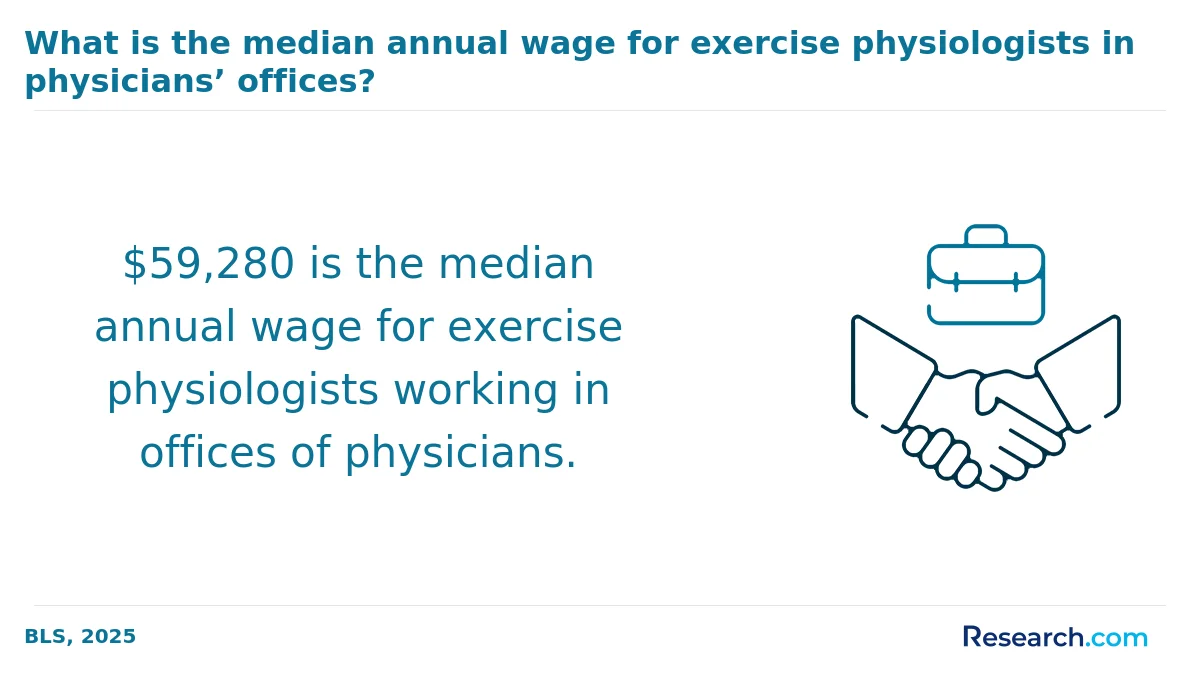
With time and additional certifications, such as those endorsed by the American College of Sports Medicine, salaries can increase to $60,000 or more. Many graduates find rewarding opportunities in metropolitan areas like Chicago or Minneapolis, where demand for exercise physiologists and wellness coordinators drives pay closer to $58,000 and beyond. Experienced professionals, especially those moving into management or research roles, can expect salaries between $65,000 and $80,000, reflecting both advanced education and regional market trends.
Such earning potential allows Midwest graduates to enjoy a stable and comfortable lifestyle, benefiting from the region's lower cost of living while contributing significantly to health and fitness sectors.
- The average cost for a bachelor's degree in online exercise science in the Midwest ranges from $15,000 to $30,000, with public universities offering lower tuition for in-state students.
- Starting salaries for graduates typically range from $40,000 to $50,000 annually, depending on job role and location.
- After five to ten years of experience, salaries usually increase to between $60,000 and $75,000 per year.
- Job growth for exercise physiologists and related roles in the Midwest is projected to be around 10% over the next decade, faster than the national average.
- Many programs offer flexible scheduling and are accredited to meet national standards important for certification and licensure.
Online exercise science degrees in the Midwest typically require around four years of full-time study for bachelor's programs, mirroring traditional timelines. Graduates from well-regarded institutions like the University of Illinois or Ohio State University often share that they appreciated the balanced pacing, which allowed them to engage deeply with coursework while managing personal commitments. Part-time enrollment extends degree completion to five or six years, a common choice for working students seeking flexibility without sacrificing quality.
Master's degrees generally take 1.5 to 2 years full-time, but some Midwest universities offer accelerated options that reduce this to 12 to 18 months. Graduates from such programs frequently highlight the satisfaction of advancing their careers swiftly, especially through summer courses or intensive online classes tailored for professionals. These timeframes accommodate diverse student needs while maintaining academic rigor.
The required credits-approximately 120 for bachelor's and 30 to 40 for master's-along with mandatory practicum components, affect completion time. Graduates often find that in-person internships, though sometimes challenging to schedule, enhance their learning experience and professional readiness in the Midwest's dynamic healthcare environment.
Online and on-campus exercise science degrees in the Midwest differ primarily in their delivery and campus experience. Graduates from the University of Illinois Urbana-Champaign often recall the energizing atmosphere of in-person labs, where hands-on practice with exercise testing occurs under expert supervision. This immersive face-to-face interaction fosters immediate feedback and strong camaraderie, enriching the learning process.
Conversely, students enrolled in online programs appreciate the flexibility to balance coursework with work or family commitments. For instance, learners at the University of Iowa benefit from virtual lectures and remote assignments, accessing academic resources from home. However, practical components usually require short, intensive on-site sessions or partnerships with local facilities, which some find less immersive but convenient.
Additionally, costs differ: on-campus students typically manage living and commuting expenses, whereas online students often save on these but might incur additional technology fees. Support services also vary, with on-campus learners enjoying direct access to advisors and tutors, while online students rely on digital communication channels, which continue to improve in responsiveness and personalization.
The average cost of an online exercise science degree in the Midwest reflects a balance between quality education and affordability. Median total tuition typically amounts to around $21,660, with in-state students paying closer to $14,544 for the full program. Out-of-state learners may face tuition costs near $28,548. These figures underscore the accessible nature of online studies offered by reputable Midwest institutions known for their strong exercise science curricula.
Graduates from popular Midwest universities often share how manageable tuition fees paired with flexible online formats allowed them to pursue degrees without sacrificing work or family commitments. Many found that the investment in an exercise science degree was outweighed by the career opportunities it unlocked. These programs frequently include support services such as academic advising and financial aid, helping students mitigate expenses. Understanding Midwest online master's in exercise science tuition fees helps prospective students plan effectively for both tuition and ancillary costs like textbooks and certification prep.
For those weighing options, exploring financial aid and scholarships is crucial. Universities with robust health and human performance departments often offer scholarships tailored specifically to these majors. To research affordable degree pathways more efficiently, prospective students might consider resources like easiest kinesiology degrees that highlight institutions securing strong outcomes at reasonable prices.
Students pursuing online exercise science degrees in the Midwest often rely on a combination of financial aid options to make their education affordable. Many graduates from institutions like the University of Illinois Chicago or Michigan State University have benefitted from federal aid programs by completing the Free Application for Federal Student Aid (FAFSA). This allows them to qualify for Pell Grants, which can provide up to $7,395 without the burden of repayment. For those continuing to graduate studies, federal loans with reasonable interest rates offer manageable ways to finance their education.
State-specific scholarships and tuition assistance programs are valuable resources for residents of states such as Ohio and Illinois, often reducing tuition costs at public universities offering online exercise science programs. Many students share positive experiences receiving merit-based scholarships or assistantships that recognize academic excellence or professional fitness backgrounds, easing their financial load while advancing their careers.
Employer tuition reimbursement and scholarships from organizations like the American College of Sports Medicine further support ongoing education. By thoughtfully combining these aids, students achieve their goals without overwhelming debt.
Applicants seeking to enroll in online exercise science degree programs in the Midwest must typically hold a bachelor's degree from an accredited institution, often in health sciences, kinesiology, biology, or related fields. However, programs like those at the University of Wisconsin or Ohio State University occasionally accept degrees from other disciplines if prerequisite coursework is completed. This coursework usually includes fundamentals in biology, chemistry, anatomy, and physiology, building a strong scientific foundation that graduates recall as essential when tackling topics such as human movement and exercise physiology.
Prospective students often find preparing transcripts, letters of recommendation, and a personal essay to be constructive parts of their application. Many also appreciate the value of gaining professional experience or certifications, like CPR/AED, especially when applying to programs with clinical components. Some students from top Midwest universities express relief at the increasing number of schools waiving GRE requirements, which enhances accessibility and reduces stress.
These admissions criteria reflect the Midwest's commitment to producing well-prepared graduates who feel confident and motivated as they advance their careers in exercise science.
Online exercise science degree programs in the Midwest typically include core courses that build a comprehensive understanding of human movement, physiology, and health promotion. Students at well-regarded institutions, such as those in Illinois and Ohio, engage deeply with subjects like Human Anatomy and Physiology, providing the necessary knowledge to grasp body systems critical to exercise and wellness.
Courses in Exercise Physiology explain how the body responds to physical activity, while Biomechanics introduces the mechanical principles of movement, essential for designing effective training programs. Nutrition for Physical Activity highlights how diet impacts performance and recovery, a vital area often appreciated by graduates working in sports or rehabilitation settings.
Students often share that practical courses like Exercise Prescription and Program Design prepare them to confidently develop tailored fitness routines for diverse populations. Additionally, Research Methods in Exercise Science equip learners with skills to analyze data and apply evidence-based practices, reflecting the academic rigor typical in Midwest programs.
Many programs also offer electives such as Sports Psychology and Rehabilitation Techniques, allowing students to customize their education to suit career goals in allied health or athletic training. Graduates frequently express satisfaction in how these courses translate into tangible skills for real-world scenarios.
Online exercise science degrees in the Midwest commonly offer specializations that prepare students for diverse professional trajectories. Graduates from respected institutions in this region often highlight concentrations such as Sports Performance and Conditioning, which focus on maximizing athletic potential through evidence-based training methods. Another prevalent specialization is Exercise Physiology, critical for careers in rehabilitation and clinical settings where students learn about the body's adaptive responses to physical activity.
Midwestern colleges also provide Health and Wellness Coaching tracks, where students cultivate skills to foster healthier lifestyles and manage chronic diseases, a growing priority in nearby communities. Additionally, Biomechanics is available for those interested in applying mechanical principles to improve human movement and reduce injury risk. These focused areas reflect the offerings typical in online exercise science degree specializations Midwest programs.
Students often choose programs highlighted among the best online kinesiology degree programs, enhancing their expertise and employability while benefiting from flexible, regionally relevant curricula.
When selecting the best online exercise science degree Midwest programs, prioritize accredited institutions recognized by bodies such as the Commission on Accreditation of Allied Health Education Programs (CAAHEP). Accreditation ensures curricula meet professional standards, a factor graduates cite as invaluable when securing jobs in healthcare and sports performance fields.
Cost-effectiveness is essential; many Midwest universities offer tuition ranging from $9,000 to $12,000 for undergraduate online programs, with master's programs typically between $15,000 and $30,000. Graduates from regional institutions often recommend exploring financial aid options and scholarships, which can alleviate tuition burdens. For those seeking an affordable exercise science programs Midwest, consider programs with flexible, asynchronous coursework that fits working professionals' schedules while including local internship opportunities to gain hands-on experience.
Students appreciate programs tied to research-active faculty and connections with Midwestern healthcare facilities, which enhance networking and employment prospects. Data from sources like the NCES provide critical insights into program success. For those aiming to balance quality and affordability, an affordable master's degree in exercise science online proves a practical route endorsed by many recent graduates.
Graduates holding an online exercise science degree in the Midwest find diverse career paths within healthcare, fitness, and sports performance industries. Many advance as certified exercise physiologists or clinical exercise specialists, contributing to patient rehabilitation in prominent healthcare facilities throughout urban centers such as Chicago and Minneapolis. These roles allow professionals to design targeted exercise programs that improve patient outcomes, fostering a sense of fulfillment and impact.
Others leverage their degrees to become strength and conditioning coaches for collegiate or amateur sports teams, capitalizing on the region's robust sports culture. Those trained at institutions like the University of Illinois or Michigan State University often express enthusiasm for directly enhancing athletic performance and injury prevention. Fitness industry roles-including personal trainers, wellness coaches, and group instructors-also offer rewarding opportunities, especially given the Midwest's growing health awareness and positive job outlook for fitness professionals.
Additionally, many graduates pursue research or education at Midwestern universities, engaging in studies related to physical activity and rehabilitation. The degree also serves as a valuable foundation for allied health careers, such as physical or occupational therapy, with many schools facilitating credit transfers. Prospective students might explore options available through an affordable bachelor's in sports management online as a complementary pathway to enhance career flexibility.
The job market for online exercise science degree graduates in the Midwest is promising, especially in states like Illinois, Ohio, and Michigan where healthcare and wellness industries are expanding rapidly. Graduates from popular universities in the region report positive employment outcomes in hospitals, fitness centers, and community health programs. Many find rewarding roles that apply their knowledge of human movement to rehabilitation and chronic disease management, reflecting current Midwest employment trends for exercise science graduates. Urban centers such as Chicago and Minneapolis provide numerous opportunities, drawing graduates who value practical experience through internships aligned with their programs.
Graduates pursuing advanced positions often benefit from a master's degree, which enhances their qualifications and salary prospects in this competitive field. The region's focus on preventive health and specialized fitness programs supports steady demand. Those considering affordable masters in physical education can find cost-effective options at Midwestern public universities, combining quality education with strong ties to local healthcare employers to maximize career prospects in this robust market.
Students who remain proactive-engaging in certifications or internships during study-typically report a greater sense of preparedness and confidence when entering the workforce, making the Midwest a favorable environment for starting a career in exercise science through online programs.
2027 Fastest Online Master's in Exercise Science Degree Programs Ranking in the Midwest
Investing in your education is a significant decision that requires careful consideration, and the Research.com team is committed to providing trustworthy guidance. To support prospective students interested in exercise science, we have carefully developed the "2027 Fastest Online Master's in Exercise Science Degree Programs Ranking in the Midwest." We emphasize quality, credibility, and accuracy by conducting thorough research and analysis to produce this ranking.
We utilized the following reputable data sources to ensure a comprehensive evaluation of exercise science programs:
By consulting this ranking, readers will gain valuable insights to help them identify high-quality, fast online master's programs in exercise science across the Midwest, supporting informed educational choices. For more information on how our rankings are developed, please visit the Research.com methodology page.


# 4 position
University of Toledo
Master of Recreation and Leisure Studies - Recreation Administration


# 8 position
University of South Dakota
Master of Kinesiology and Sport Management, Sport Management specialization


Frequently Asked Questions About exercise science
Online exercise science degree students in the Midwest can maximize their learning by actively engaging with virtual lab simulations and interactive course materials. These tools often replicate hands-on experiences crucial for understanding human anatomy and physiology.
Students should seek programs accredited by the Commission on Accreditation of Allied Health Education Programs (CAAHEP), ensuring quality education recognized by employers and certification bodies.
Utilizing regional resources such as virtual workshops offered by Midwest universities or professional exercise science organizations can enhance practical knowledge. Statistics from the National College Athletic Association show that partnerships between online students and local athletic facilities improve applied skills and job readiness.
Lastly, forming study groups with peers online supports deeper learning and networking within the Midwest exercise science community.
The exercise science field is expanding rapidly, with several emerging niches gaining attention. One key area is **sports analytics**, where data scientists work alongside trainers to optimize athlete performance using biomechanical and physiological data.
Another growing niche is **telehealth and remote rehabilitation**, especially important in the Midwest where rural populations often lack easy access to in-person care. According to the National Institutes of Health, tele-exercise programs have increased by 35% since 2020 nationwide, benefiting Midwest residents significantly.
There is also rising demand for specialists in **workplace wellness programs**, as employers seek to reduce health-related costs. The Midwest's manufacturing-heavy economy creates unique opportunities here.
Graduates with an online exercise science degree in the Midwest should begin job market preparation by gaining relevant certifications. Credentials like the Certified Strength and Conditioning Specialist (CSCS) or the American College of Sports Medicine (ACSM) certifications significantly enhance employability. According to the Bureau of Labor Statistics, exercise science-related jobs are projected to grow by 11% from 2022 to 2032, faster than average.
Networking is also critical; joining regional professional organizations such as the Midwest Society for Sport and Exercise Psychology can open local opportunities. Internships or practical experience through partnerships with Midwestern healthcare and fitness organizations provide valuable hands-on skills.
Additionally, graduates should build strong resumes highlighting practical skills and software proficiency common in Midwest labs and clinics, like body composition analysis tools.
Employers in the Midwest highly value strong communication and interpersonal skills in exercise science graduates. These abilities are essential for effectively working with clients and healthcare teams. Additionally, practical knowledge of anatomy, physiology, and kinesiology remains a foundation.
Data from the Bureau of Labor Statistics highlight that demand for professionals skilled in designing personalized fitness and rehabilitation programs is growing at about 11% nationally through 2031, with the Midwest reflecting this trend.
Technical competence with fitness technologies and data analysis tools is increasingly prioritized, helping graduates design evidence-based interventions.
Finally, problem-solving skills and adaptability are critical, particularly as employers seek candidates who can support diverse populations in both clinical and athletic settings.
Finding internships in the Midwest for exercise science students involves targeting institutions and organizations linked to health, sports, and rehabilitation sectors. Key resources include university career centers, professional associations like the American College of Sports Medicine (ACSM), and local hospitals or fitness centers. According to the Bureau of Labor Statistics, the Midwest hosts many entry-level positions in physiotherapy and kinesiology, making these areas ideal for internships.
Students should also explore state workforce development offices and online platforms focused on health internships. Networking at regional conferences can lead to opportunities not widely advertised. Universities often maintain internship partnerships within their local communities, enhancing placement success.
Obtaining an online exercise science degree in the Midwest can significantly enhance career mobility and advancement opportunities. The region is home to a growing healthcare and fitness industry, with the U.S. Bureau of Labor Statistics projecting a 9% job growth for exercise physiologists and related professions from 2022 to 2032. This growth supports demand for qualified candidates with specialized education.
Many employers in states like Illinois, Ohio, and Michigan prefer applicants with accredited exercise science degrees for roles in rehabilitation centers, wellness programs, and sports organizations. Online programs offer flexibility, allowing working professionals to upskill without interrupting their careers.
Additionally, earning a degree online from a Midwest institution often grants access to regional professional networks, internships, and certification preparation, all critical for career advancement.
Studying for an exercise science degree in the Midwest equips students with skills that extend beyond traditional fitness roles. Midwestern programs often emphasize interdisciplinary approaches, combining physiology, biomechanics, nutrition, and psychology to prepare graduates for diverse careers. According to the Commission on Accreditation of Allied Health Education Programs, many Midwest schools include coursework in healthcare management and rehabilitation, fostering adaptability in clinical and corporate settings.
Furthermore, the region's strong healthcare and sports industries provide collaborative opportunities, helping students gain experience alongside professionals in physical therapy, sports medicine, and wellness coaching. This cross-disciplinary training enhances job readiness in growing fields such as health promotion and chronic disease prevention.
When choosing between a thesis and a non-thesis online exercise science degree program in the Midwest, consider your career goals. Thesis programs typically focus on research and are ideal if you plan to pursue a PhD or work in academic or clinical research. They require a significant commitment to original research and writing.
Non-thesis programs emphasize practical skills and coursework, which can be completed faster and may better suit those targeting clinical, fitness, or health promotion careers. According to the Midwest Association of Exercise Science Educators, about 60% of regional programs offer both options to cater to diverse professional pathways.
Review accredited schools' curricula and faculty expertise. Engage with advisors and alumni to understand program expectations and outcomes. Additionally, consider the flexibility, as some non-thesis programs allow a capstone project instead, focusing on applied skills.
Funding and time commitment also differ. Thesis options may offer research assistantships, while non-thesis programs often appeal to working professionals seeking to balance studies with employment.
Students in the Midwest seeking to study exercise science abroad have several options, though online programs dominate due to convenience and adaptability. While most internationally based institutions offer on-campus degrees, many now partner with U.S. schools to provide hybrid or fully online curricula compliant with U.S. accreditation standards. This trend benefits Midwestern learners balancing work or personal commitments.
Additionally, some universities in the Midwest collaborate with foreign institutions to facilitate exchange programs or dual degrees. According to the National Center for Education Statistics (NCES, 2023), less than 5% of exercise science students participate in full international study programs, highlighting the popularity of online alternatives.
Therefore, Midwestern students typically enroll in domestic universities that integrate global perspectives into their online exercise science degrees rather than relocating abroad. This approach aligns with regional trends towards flexible, accelerated learning models.
Part-time job opportunities in the Midwest can effectively complement online exercise science degree education by providing practical experience. Common roles include personal trainer assistant, fitness instructor, or physical therapy aide. According to the U.S. Bureau of Labor Statistics (2023), the Midwest shows steady demand for fitness trainers, with growth projected at 11% through 2030. This regional increase reflects a rising interest in health and wellness. Working in gyms, community centers, or rehab clinics allows students to apply classroom knowledge in anatomy, physiology, and exercise techniques, enriching their academic learning while building professional networks in the local health industry.
Online exercise science students in the Midwest benefit from multiple networking opportunities despite remote study. Many universities offer virtual career fairs, connecting students with regional employers and alumni. Professional organizations, such as the Midwest Chapter of the American College of Sports Medicine (ACSM), provide online events and local meetups, facilitating valuable industry contacts.
Additionally, Midwestern states host internships and practicum placements at healthcare facilities and fitness centers, which are often accessible to online students. According to ACSM data, nearly 60% of exercise science graduates in the Midwest engage in internships, fostering practical experience and professional connections.
Social media groups and LinkedIn forums dedicated to Midwest exercise science also serve as dynamic networking platforms for students and professionals alike.
Alumni networks provide crucial support and opportunities for online exercise science degree students in the Midwest. These networks create connections between graduates and current students, helping with mentorship and career advice. According to the National Strength and Conditioning Association, nearly 70% of recent graduates find jobs through professional networking, often facilitated by alumni groups.
Midwestern universities with strong alumni ties often host virtual events, job fairs, and workshops that are accessible to online students. This engagement helps students stay informed about regional job markets, internships, and certifications relevant to exercise science.
Such networks foster collaboration and sharing of best practices, which is essential in a practical field like exercise science.
Customizing an online exercise science degree in the Midwest allows students to align their education with specific career goals. Many programs offer elective courses or specialization tracks such as kinesiology, sports nutrition, or rehabilitation sciences. This flexibility helps tailor skills for roles in therapy, coaching, or wellness management.
Midwestern universities often provide access to internships and research projects with local sports clinics or health institutions, enhancing practical experience. According to the National Center for Education Statistics, about 45% of online exercise science students in the Midwest choose programs that emphasize hands-on learning components.
Students should also consider programs accredited by the Commission on Accreditation of Allied Health Education Programs (CAAHEP) to ensure quality and recognition in the job market.
Online exercise science students in the Midwest face several challenges that can affect their academic success. One major issue is limited access to local internship sites and hands-on practicum experiences, which are essential for skill development but harder to arrange remotely. According to the National Strength and Conditioning Association, practical training is crucial in exercise science, yet rural Midwestern students often encounter fewer nearby opportunities.
Additionally, inconsistent internet connectivity can disrupt live sessions or access to course materials, especially in less urbanized areas. Time management also remains a hurdle, as many students balance work, family, and study commitments.
With an online exercise science degree, especially from Midwest institutions accredited regionally, you can pursue several respected professional certifications. One of the most common is the Certified Exercise Physiologist (CEP) credential offered by the American College of Sports Medicine (ACSM). This certification is valued for roles in clinical and non-clinical settings.
Other notable certifications include the Certified Strength and Conditioning Specialist (CSCS) by the National Strength and Conditioning Association and the Certified Personal Trainer (CPT) from ACSM or NASM. These credentials enhance employability in fitness centers, rehabilitation, and wellness programs.
According to the Bureau of Labor Statistics, such certifications can lead to a median salary of about $50,000 annually in health and fitness sectors across the Midwest.
To write a winning application for an online exercise science program in the Midwest, focus on clear demonstration of your passion for health and fitness. Many Midwestern programs value applicants with relevant experience, so highlight any work or volunteer roles related to sports, rehabilitation, or wellness.
Academic credentials matter; maintain a strong GPA, especially in sciences like biology and anatomy. According to the National Center for Education Statistics, Midwestern institutions often require a minimum GPA of 3.0 for graduate admissions in health sciences.
Write a concise personal statement explaining your career goals and how the program fits them. Mention knowledge of Midwestern health trends or regional populations to show local engagement. Also, secure two or more professional recommendations that attest to your commitment and skills.
Lastly, check each school's specific application requirements carefully to avoid missing documents or deadlines.
Exercise science careers are gaining recognition worldwide for their role in promoting health and physical performance. In the United States, including the Midwest, this field is strongly tied to growing demands in healthcare, sports, and wellness industries. According to the U.S. Bureau of Labor Statistics, employment for exercise physiologists is expected to grow 11% from 2022 to 2032, faster than the average for all occupations.
Globally, professionals in exercise science contribute to improving public health policies and rehabilitation strategies, reflecting increasing awareness of lifestyle-related diseases. Midwestern universities offering online exercise science degrees align their curriculum with these global trends, preparing graduates for diverse roles in clinical, research, and athletic settings.
American expertise in this discipline often influences international standards, making a Midwest-based online degree valuable for students aiming for a broad career scope. These programs emphasize evidence-based practices, ensuring graduates meet both regional and international career demands.
Gaining practical experience while pursuing an online exercise science degree in the Midwest often involves completing internships or clinical rotations, which are required by many accredited programs. These hands-on opportunities allow students to apply theoretical knowledge in real-world settings such as hospitals, rehabilitation centers, or fitness facilities.
Midwestern universities frequently partner with local healthcare providers, giving students access to in-person training close to their home. According to the Commission on Accreditation of Allied Health Education Programs (CAAHEP), such fieldwork is essential for certification eligibility in exercise physiology.
Additionally, students can participate in research projects or virtual labs offered by their institutions. Networking through regional professional associations, like the Midwest American College of Sports Medicine chapter, also helps secure internships and job placements.
Choosing the right concentration within an online exercise science degree program in the Midwest depends on your career goals and interests. Common concentrations include clinical exercise physiology, wellness coaching, sports performance, and rehabilitation. According to the American College of Sports Medicine, clinical exercise physiology is in high demand due to increasing chronic disease rates in the region.
Research from the Midwest Higher Education Compact shows that programs often align with local healthcare and sports industries, so it's helpful to consider job opportunities nearby. For example, concentrations in rehabilitation may be well-suited if you want to work with aging populations, which are growing in states like Illinois and Ohio.
Additionally, ensure the program's curriculum is accredited and offers relevant certifications such as ACSM or NSCA that can boost your credentials for Midwest employers. Balancing your interests with regional workforce needs can guide you to the best concentration choice.
- What does a career in Exercise Science look like? https://www.lmc.edu/about/news-center/articles/2025/what-does-a-career-in-exercise-science-look-like.htm
- Sport and Exercise Science is at the heart of tackling global challenges https://www.physoc.org/blog/sport-and-exercise-science-is-at-the-heart-of-tackling-global-challenges/
- Exercise Science Major (BA, BS) | Hamline University - MN https://www.hamline.edu/academics/undergraduate/exercise-science
- Exercise Physiology Personal Statement Examples and Tutoring https://vincekotchian.com/personal-statements/exercise-physiology-personal-statements/
- Exploring Careers in Health and Exercise Sciences: From Personal Training to Public Health - UNCF https://uncf.org/the-latest/a-gym-centered-career-apply-your-knowledge-with-health-and-exercise-sciences
- Sport & Exercise Science Internships | Intern Abroad HQ https://www.internhq.com/fields/sport-and-exercise-science/
- Exercise science: What exactly is it? https://www.scienceforsport.com/exercise-science/
- Exercise Science | York College of Pennsylvania https://www.ycp.edu/academics/programs/exercise-science
- Exercise Science Program Alumni | NCWU https://ncwu.edu/academics/majors-minors/exercise-science/exs-alumni/
- Exercise Science Degree Programs & Career Guide 2025 https://www.nutritioned.org/exercise-science-degree/