2027 Fastest Online Bachelor's in Exercise Science Degree Programs Ranking in the Northeast

Co-Founder and Chief Data Scientist
Choosing the right online exercise science degree can feel overwhelming, especially with so many options in the Northeast. This article introduces the 2027 Fastest Online Bachelor's in Exercise Science Degree Programs Ranking in the Northeast, created by the Research.com team of data scientists.
Designed to help you make an informed decision, the ranking highlights programs that combine speed and quality. Pursuing an exercise science degree opens doors to exciting career paths in health and wellness, making it a rewarding choice for your future.
Explore the options with confidence and take a step closer to your goals.
Key benefits of getting online exercise science degree in the Northeast
- Salary: Exercise science graduates in the Northeast can expect competitive pay, with related roles such as fitness trainers earning a median annual wage around $40,000 to $50,000, offering a rewarding start to their careers.
- Career paths: Graduates from universities like Northeastern University find opportunities in personal training, wellness coaching, and rehabilitation, allowing for diverse and fulfilling job options in health and fitness industries.
- Online degree benefits: Earning an exercise science degree online from institutions such as the University of Massachusetts Amherst offers flexibility to balance work or family while gaining the same quality education as traditional programs, making it an accessible choice for busy students.
- 2027 Fastest Online Bachelor's in Exercise Science Degree Programs Ranking in the Northeast
- What can I expect from online exercise science degree in the Northeast?
- Where can I work with online exercise science degree in the Northeast?
What can I expect from online exercise science degree in the Northeast?
The average cost of an online exercise science degree in the Northeast hovers around $15,000 to $30,000 per year, depending on whether you enroll at a public state university or a private college. Imagine a graduate who juggled a full-time job while completing coursework from a reputable school in New York, finding the tuition manageable compared to in-person alternatives. They cherished the flexibility to attend virtual lectures after work, saving money on commuting and housing, which made the investment feel both smart and attainable.
Another graduate from a well-known Massachusetts university shared how sliding-scale financial aid and institutional scholarships sprinkled throughout their program helped ease the price tag. This balance of cost and quality feels almost like a negotiation between passion and pragmatism, especially in a region whose universities support students fiercely with local internship placements.
With hands-on clinical experiences arranged near their homes and connections to industry experts, students in the Northeast find the monetary commitment is often outweighed by the rich network and career launchpad their degree provides.
Where can I work with online exercise science degree in the Northeast?
Picture this: as a graduate from a top Northeast school like Syracuse or Boston University with an online exercise science degree, you're already stepping into vibrant worlds where your skills make real impact. Imagine yourself in a bustling New York City hospital, collaborating with physical therapists to craft rehabilitation plans that turn patient struggles into stories of triumph.
Or envision the pulse of a Philadelphia fitness center, where you lead wellness initiatives, energizing clients as a health coach amid the city's largest fitness community. Alumni often share how these urban gyms become second homes, places where passion for movement fuels career growth.
Many grads leap into school districts across Massachusetts, becoming athletic trainers who shape young athletes' resilience and injury prevention strategies-there's a distinct pride in watching a student recover and reclaim their game.
Public health jobs in the Northeast's sprawling communities call on your expertise, too. Crafting campaigns to combat obesity and diabetes feels like a daily victory, as you connect science with your neighbors' wellbeing. It's not just a job; it's a calling that thrives on the region's dense healthcare and educational fabric.
Graduates from online exercise science programs in the Northeast often find themselves stepping into roles where their paychecks reflect the vibrant health culture around them. Imagine starting out near Boston or Philadelphia, earning around $40,000 to $45,000 as you apply your fresh knowledge from renowned schools to real-world fitness and rehab settings. The passion you've built online translates into tangible impact-and an income that grows with your experience and certifications.
Picture an alum from a top Northeast university, who within a few years advances to specialized roles like clinical exercise physiologist, seeing salaries climb past $60,000. In Massachusetts, these professionals can reach mean wages of about $65,000, proof that dedication and regional demand reward those who invest in their craft.
With a blend of hands-on expertise earned through virtual study and dynamic city health initiatives, your earning potential in this booming industry feels as refreshing as the morning jogs on campus green spaces. The Northeast's aging population and wellness focus create fertile ground where your passion meets opportunity-and paycheck.
- Tuition for online exercise science bachelor's degrees in the Northeast ranges from $25,000 to $45,000 for the entire program.
- Entry-level salaries typically range from $40,000 to $50,000 annually, with mid-career professionals earning between $55,000 and $70,000.
- Employment in related fields like fitness training and sports coaching is expected to grow about 10% over the next decade in the Northeast.
- Programs accredited by bodies such as CAAHEP ensure quality education that meets industry standards.
- Many programs offer fully online or hybrid models combining virtual coursework with local internships or lab components.
- Financial aid through scholarships and federal grants is available to help reduce tuition costs.
Imagine juggling a full-time job in bustling Boston while navigating Northeastern University's online exercise science courses-some graduates breeze through in just two years, fueled by accelerated classes that span summer and winter breaks. Meanwhile, others savor a more measured pace, stretching their journey to four or even six years as they balance family, work, and CLEP credits from community colleges in Pennsylvania.
Online programs from top Massachusetts and New York universities mirror this flexibility, offering a dynamic learning dance between rigorous 120-credit curriculums and personalized timelines. Picture a student in Upstate New York, glowing with pride as they convert past college credits into fresh knowledge, shaving months off a typical four-year route.
Such varied paths reveal a hopeful truth: whether flying full-time through immersive semesters or crafting a part-time rhythm around life's chaos, the Northeast's online exercise science landscape adapts to your unique story, making degree completion not just a goal but a personalized adventure.
Imagine juggling your day job in a bustling Boston neighborhood while mastering human physiology on a laptop-this is the heartbeat of an online exercise science degree in the Northeast. Graduates from programs like the University of Connecticut's online track praise the freedom to study during subway rides or late-night hours, turning every spare moment into learning gold. Here, flexibility isn't just a perk; it's a lifeline amid Boston's infamous traffic snarls.
On the flip side, picture stepping into Boston University's campus labs, where you don't just read about muscle anatomy-you palpate, measure, and sweat through the work. Graduates often recall the buzz of peer collaboration and hands-on practicums, moments where theory transforms into tangible skill. This in-person immersion forges mentorship bonds and redistributes energy in ways virtual classrooms struggle to replicate.
While online programs entice with reduced costs and adaptable schedules, on-campus degrees anchor students in experience-rich environments. Both paths carry the solid stamp of regional accreditation, assuring that whether online or onsite, the essence of exercise science education in the Northeast remains robust and respected.
To grasp the average cost of an online exercise science degree in the Northeast, imagine yourself walking the virtual halls of universities like the University of Massachusetts or Penn State. Graduates from these programs often remark on the balance between quality education and the price tag, which typically orbits around a median total cost of about $54,480. This figure gently folds in tuition differences, whether you're a local resident paying in-state rates near $38,640 or an out-of-state learner investing approximately $39,360.
Picture the joy of an inspired online learner who, while juggling work and family, finds that the tuition and fees for online exercise science programs Northeast don't just represent a price but an investment in a future brimming with health science opportunities. The relative affordability compared to private college sticker shock enhances the excitement to dive into courses, labs, and real-world applications on their own schedule.
These students appreciate how their virtual classrooms connect them to well-regarded programs without the heavy burden of on-campus expenses, like housing or commuting. Plus, many tap into financial aid or scholarships, making it easier to focus on recovery strategies or biomechanics instead of tuition worries. For those seeking a path forward, exploring options for an affordable online exercise science degree can turn ambitions into actual diplomas without pinching the wallet too much.
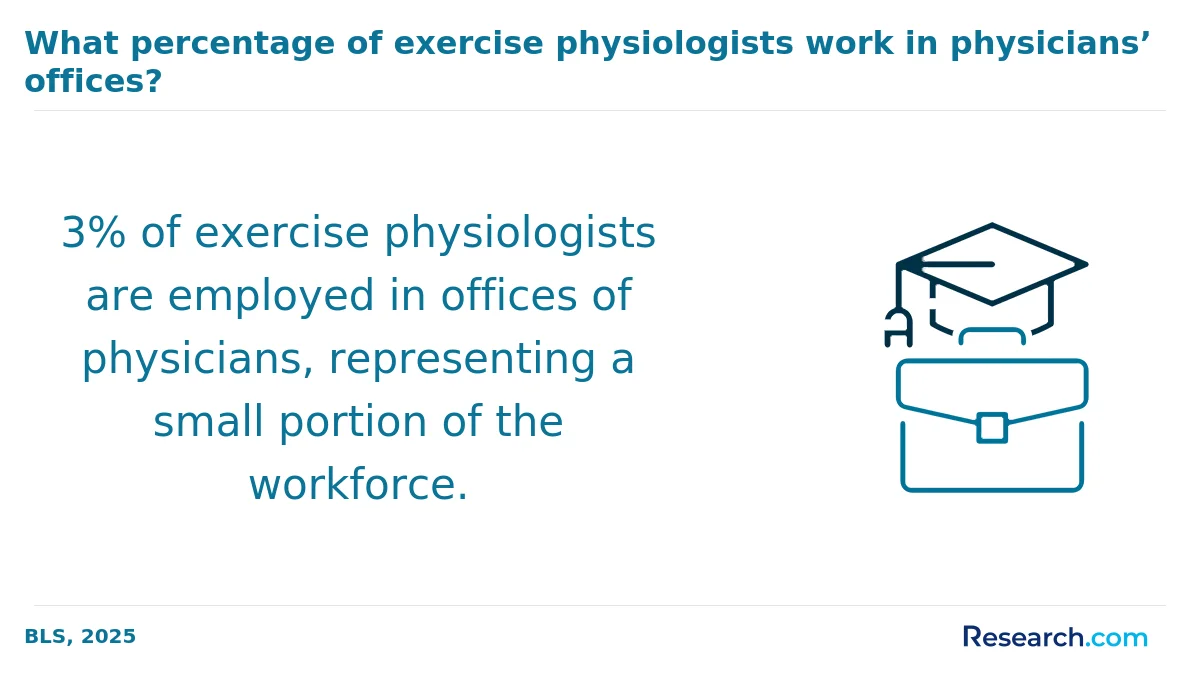
Picture yourself tailoring your tuition puzzle at a Northeastern university, like the University of Massachusetts or Temple University, where financial aid acts as a powerful ally. Federal aid, unlocked by submitting the FAFSA, often feels like a breath of fresh air-grants such as the Pell Grant can ease the burden by offering up to $7,395 a year, no strings attached. Graduates fondly recall how this helped keep their dreams within reach, especially when juggling work and study.
State-specific grants, like New York's TAP or Massachusetts' MassGrant, light up the path for many online learners, transforming daunting price tags into manageable investments. Institutional scholarships at these schools frequently reward grit and passion, with programs encouraging leadership in health and wellness.
Imagine snagging a scholarship from organizations like the ACSM or the NSCA, designed specifically to fuel your journey. Some students even tap into employer tuition reimbursement, blending career growth with academic pursuit in a harmonious rhythm.
Landing a spot in an online exercise science degree program in the Northeast is like gearing up for a marathon. First, imagine holding your high school diploma or GED as your starting line-no shortcuts here. Graduates from well-known schools like Boston University or University of Connecticut often recall the steady pulse of maintaining a GPA around 2.5 to 3.0, proof they had the stamina to dive into biology and chemistry, the muscles behind exercise science itself.
Picture the nerve-tingling moment when submitting your personal statement, sharing your passion for movement and health, just like many peers did, impressing admissions with real enthusiasm. Some programs also ask for letters of recommendation, akin to receiving cheering crowds, validating your dedication and drive.
Beyond academics, remember reliable internet and digital savvy are your sneakers and water bottle-essential for staying connected and energized through virtual classes offered by top Northeast universities. This prep fuels your leap toward a flourishing career in a field growing with promise.
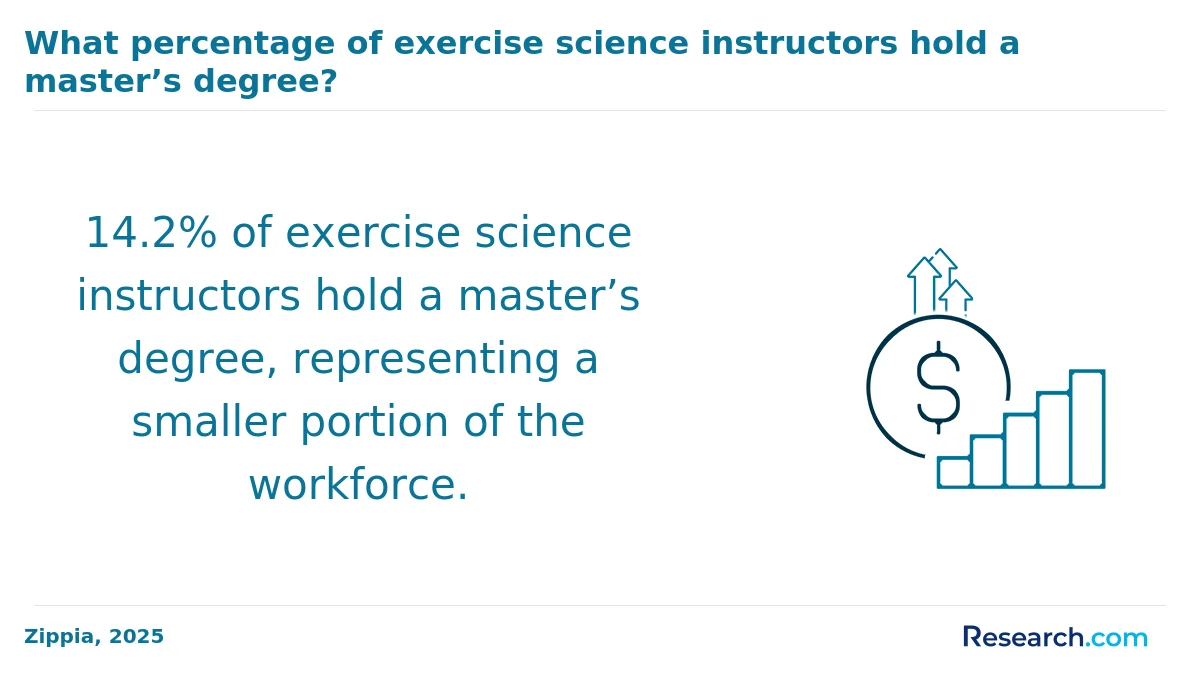
Online exercise science degrees in the Northeast dive deep into the dance of the human body with courses like anatomy, physiology, and kinesiology-imagine unraveling muscle mechanics or the pulse of the cardiovascular system through virtual labs offered by Northeastern University. Graduates often recall the "aha" moments when biomechanics classes made daily movements feel like a finely tuned symphony.
Exercise physiology courses bring the excitement of understanding your own body's responses to workouts, a favorite among students at the University of Massachusetts who appreciate blending theory with fitness program designs. Nutrition classes are not just about food but unlocking how every bite fuels athletic performance and well-being.
Picture mastering fitness assessments digitally, learning to evaluate strength or flexibility with precision, preparing you for real-world impact in rehab centers. Add layers of health promotion and motivational psychology, and you're equipped to inspire change-skills cherished by those who've walked this Northeastern path.
Imagine diving into online exercise science specializations Northeast style, where your coursework morphs into tailored adventures. Graduates from institutions like those in Massachusetts often rave about specializing in Sports Performance and Conditioning, where they translate biomechanics and nutrition into personalized training blueprints for local athletes. Others embrace Health and Wellness Coaching, transforming virtual client interactions into empowering journeys toward wellness-a perfect fit when balancing study and work. Rehabilitation Sciences captures a unique cohort eager to blend injury prevention with hands-on therapy techniques, often setting the stage for physical therapy graduate programs.
Another popular path is Kinesiology, which unlocks the mysteries of movement and anatomy, making it a favorite for those curious about human mechanics-some graduates note this specialization aligns well with the kinesiology degree average salary and career prospects. Fitness Management adds a business twist, stirring entrepreneurial spirit among students who envision leading dynamic wellness initiatives within the Northeast's bustling fitness industry. These diverse focus areas Northeast students choose invigorate their learning experience.
Choosing the best online exercise science degree in the Northeast feels a bit like crafting your own adventure map: start with accreditation as your North Star. Graduates from well-known regional schools recall the pride of attending institutions recognized by the Middle States or New England Commissions - it's the baseline for trusted education. Then, imagine diving into courses that ignite your passion, from kinesiology to exercise prescription, tailored like a custom workout plan for your career goals. Graduates from popular colleges in this region share stories of excitement discovering specializations in fitness management or rehabilitation that truly energized their learning.
That's why searching for affordable online exercise science degrees Northeast is a smart move, especially balancing tuition with fees and books. Many recall juggling work and family while embracing asynchronous study formats and accelerated options offered by their universities, which felt empowering and flexible. Finding hands-on internships was the game-changer for others, connecting them with local gyms or rehab centers - vital in turning theory into practiced skill.
Dreaming of high-paying jobs in exercise science? Check out data from graduates showing that career paths bloom when schools emphasize real-world experience and provide transparent outcome stats. Curious minds can explore these high-paying jobs in exercise science to visualize a future shaped by your chosen program.
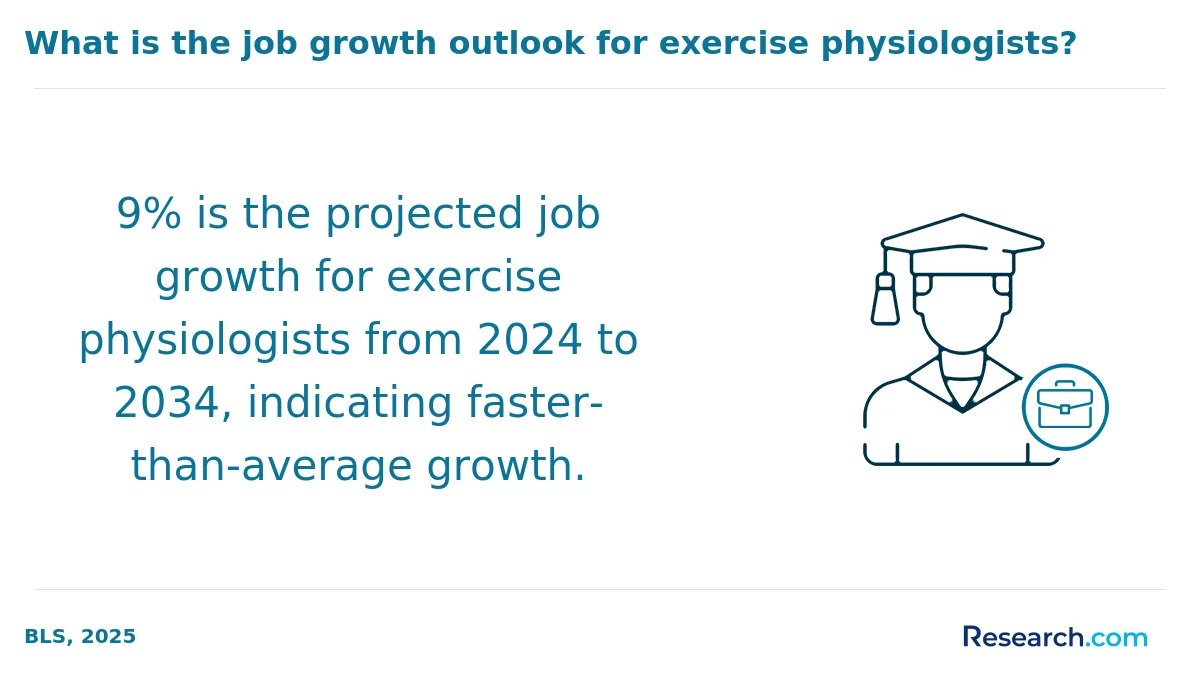
Graduates with an online exercise science degree in the Northeast step into a playground of possibilities where their skills transform lives. Picture a graduate from a well-known New England college, who channels deep knowledge of human physiology into crafting personalized training plans as a certified personal trainer, igniting clients' passions for fitness. Another might weave science and empathy together in bustling Boston hospitals as an exercise physiologist, helping patients regain strength with tailored therapies. The vibrancy of exercise science job opportunities Northeast brings roles as wellness coordinators who design corporate health challenges or strength coaches guiding high school athletes to break records.
Enrolling in a beloved local university often inspires graduates to seek certifications from groups like ACSM, enhancing their clinical and athletic impact. Many find their career arcs soaring by combining their degree with graduate studies or alternative paths such as sports management as a career. These online exercise science careers in the Northeast craft vivid stories of success rooted in community, innovation, and heart.
The online exercise science careers Northeast are painted with opportunity, where graduates from popular institutions like those in Boston or New York City step into roles that ripple across gyms, rehab clinics, and hospitals. Imagine a recent graduate who designed personalized cardiovascular programs for diabetic patients in an urban outpatient center, blending textbook knowledge with real-world impact. The Northeast's dense population fuels this demand, turning cities into vibrant hubs for wellness innovation.
Job outlook for exercise science graduates Northeast thrives on this multidisciplinary dance-graduates collaborate with physical therapists and doctors, crafting holistic care plans that redefine recovery. Licensure through organizations such as ACSM opens doors, transforming learned theory into trusted expertise. Graduates recall how maintaining certification felt less like a chore and more like a journey toward mastery.
Financially, tuition for online degrees here tends to be higher, yet online study slashes costs linked to commuting and housing. This balance makes earning a degree at a renowned school feasible. For those curious about related fields, exploring pe teacher jobs represents a practical detour worth considering.
2027 Fastest Online Bachelor's in Exercise Science Degree Programs Ranking in the Northeast
Investing in your education is a significant decision that can shape your future, and the Research.com team is deeply aware of the importance of making informed choices. To aid prospective students in the Northeast, we have carefully developed the "2027 Fastest Online Bachelor's in Exercise Science Degree Programs Ranking in the Northeast." Our commitment to quality, credibility, and accuracy is demonstrated through the thorough research and analysis performed to compile this ranking.
We utilized the following reputable data sources to ensure a comprehensive evaluation of exercise science programs:
By exploring this ranking, readers will gain valuable insights into the fastest online bachelor's programs in exercise science across the Northeast, empowering them to make confident, well-informed decisions about their educational journey. For more details on how this ranking was created, please visit our Research.com methodology page.

# 2 position
State University of New York College of Technology at Canton
Bachelor of Esports Management
Frequently Asked Questions About exercise science
Online exercise science degree students in the Northeast can enhance their learning by engaging with local physical activity opportunities and virtual professional networks. Many universities in this region offer access to state-of-the-art virtual labs and partnerships with nearby health institutions, supporting practical experience from a distance. According to the National Center for Education Statistics, Northeastern states have some of the highest numbers of accredited exercise science programs, promoting rigorous academic standards. Students should also pursue internships or volunteer roles at fitness centers or rehabilitation clinics to apply theory in real-world settings. Staying active in professional organizations, such as the American College of Sports Medicine, offers valuable resources and networking.
The exercise science field is rapidly evolving, with several emerging niches gaining prominence, especially for students pursuing online degrees in the Northeast. One growing area is **clinical exercise physiology**, which focuses on managing chronic diseases through tailored exercise programs. The American College of Sports Medicine reports a 10% increase in demand for professionals in this specialty in the Northeast from 2020 to 2023.
Another expanding niche is **sports performance analytics**, where data-driven approaches optimize athlete training. Northeastern universities have begun integrating these techniques into their curricula, reflecting industry trends. Additionally, **occupational health and wellness** programs are rising, addressing workplace fitness and ergonomic assessment, reflecting increasing employer interest in employee health initiatives.
These niches indicate promising career paths for students looking to specialize within exercise science, combining practical skills with evolving research and technology in the Northeastern US market.
Preparing for the job market after completing an online exercise science degree in the Northeast involves several strategic steps. Graduates should pursue relevant certifications such as the Certified Exercise Physiologist (CEP) or Certified Strength and Conditioning Specialist (CSCS) to increase employability. Networking is crucial; joining regional professional groups like the New England Chapter of the American College of Sports Medicine can open doors.
Internships or part-time roles during studies build practical experience and local connections. According to the U.S. Bureau of Labor Statistics, employment for exercise physiologists in the Northeast is projected to grow 11% through 2029, signaling strong demand. Staying informed about state licensure requirements in states such as New York and Massachusetts is also vital.
Employers in the Northeast highly value exercise science graduates with strong communication and interpersonal skills. These abilities are essential for effectively guiding clients and collaborating with healthcare professionals. A 2023 survey by the National Strength and Conditioning Association highlights that 68% of regional employers prioritize practical knowledge in anatomy and physiology alongside certifications such as ACSM or NASM.
Data analysis skills, including interpreting fitness assessments and using exercise technology, are increasingly important as well. According to the Bureau of Labor Statistics, roles in the Northeast show a 9% growth rate in exercise science jobs, emphasizing the need for adaptability and lifelong learning.
Finally, employers seek candidates who demonstrate professionalism, critical thinking, and ethical practice within diverse communities.
Finding internships in the Northeast related to an exercise science degree involves a strategic approach. Begin by exploring partnerships that your online program may have with local health facilities, fitness centers, or rehabilitation clinics. Many universities maintain affiliations that facilitate internship placements for students in states like New York, Massachusetts, and Pennsylvania.
Job boards such as Handshake and Indeed often list internships tailored to exercise science students. Additionally, joining professional organizations like the American College of Sports Medicine can connect you with regional opportunities and networking events. According to the Bureau of Labor Statistics, healthcare-related internships in the Northeast have grown by 8% over the past five years, signaling increased demand.
Contacting campus career services and leveraging LinkedIn's regional job search filters also enhances your chances. Be proactive by reaching out to local hospitals and sports clinics, which regularly offer internships for exercise science students.
An online exercise science degree can significantly enhance career mobility and advancement opportunities for professionals in the Northeast. The region's demand for fitness trainers, physical therapy aides, and wellness coaches is expected to grow by over 15% through 2030, according to the U.S. Bureau of Labor Statistics. Earning a degree online offers flexibility for working adults to gain relevant credentials without relocating, a crucial advantage in a densely populated area like the Northeast.
Employers increasingly value accredited online degrees as evidence of both knowledge and self-discipline. Graduates can access roles in hospitals, rehabilitation centers, and fitness organizations where advanced qualifications often lead to higher salaries and leadership positions. Additionally, proximity to numerous accredited institutions provides access to recognized online programs tailored for regional standards and licensing requirements.
Studying for an exercise science degree in the Northeast often emphasizes interdisciplinary skills essential for diverse healthcare and fitness careers. Programs frequently integrate coursework in biology, nutrition, psychology, and kinesiology, preparing students to work alongside medical professionals, physical therapists, and wellness coaches.
Many Northeastern institutions offer online formats designed to meet regional workforce demands, influenced by data from the U.S. Bureau of Labor Statistics showing a projected 11% growth in related fields through 2031. This growth highlights the value of a well-rounded education.
Additionally, local partnerships with healthcare facilities and research organizations enable students to gain practical experience, fostering collaborations across disciplines. This hands-on approach equips graduates to adapt to various professional environments in healthcare, sports science, and rehabilitation.
Choosing between a thesis and a non-thesis online exercise science degree in the Northeast depends on your career goals and learning preferences. Thesis programs typically involve original research, which is ideal for students interested in graduate school or research careers. Data from the National Center for Education Statistics shows that about 40% of exercise science programs in the Northeast offer thesis options, reflecting strong academic emphasis in this region.
Non-thesis programs focus more on practical skills and coursework, appealing to those pursuing clinical or fitness industry roles. These programs often allow faster completion, aligning with the needs of working professionals. Understanding these differences helps students make informed decisions tailored to their future plans.
Students from the Northeast who wish to study exercise science abroad generally face limited options within fully online programs specifically designed for international study. Most U.S.-accredited online exercise science degrees are offered domestically, with few institutions providing structured overseas partnerships.
However, some universities in the Northeast have study-abroad or exchange programs that allow students to spend part of their degree overseas, gaining hands-on experience and international perspectives. For example, schools in this region often partner with universities in Europe or Canada, but these are typically hybrid programs requiring some on-campus participation.
The National Center for Education Statistics reports that approximately 10% of undergraduate students in health-related fields take advantage of study abroad opportunities, indicating growing interest but limited availability in exercise science specifically.
Students interested in international options should consult their home institution's study abroad office to explore existing partnerships and carefully evaluate online program accreditation and transfer policies before committing.
Part-time jobs in the Northeast that complement an online exercise science degree often focus on fitness, rehabilitation, and wellness support roles. Popular positions include personal trainer assistant, physical therapy aide, and group fitness instructor.
According to the U.S. Bureau of Labor Statistics (BLS), the Northeast has above-average demand for fitness trainers and aerobics instructors, with New York and Massachusetts showing employment growth rates above 10% from 2020 to 2030.
Working as a personal trainer in gyms or community centers offers practical client engagement experience that applies directly to exercise science coursework. Similarly, roles as a rehab aide in hospitals or outpatient clinics provide hands-on exposure to patient care and exercise rehabilitation protocols.
In addition, wellness coaching and nutrition assistant positions are emerging due to increasing public focus on preventive health. These part-time roles help build communication skills essential for future exercise science professionals.
The integration of these job opportunities provides students the ability to apply their academic knowledge in real-world settings while pursuing their online degree in the Northeast.
Online exercise science students in the Northeast benefit from multiple networking opportunities. Many regional universities offer virtual events and career fairs that connect students with local industry professionals. Associations like the Northeast Chapter of the American College of Sports Medicine (ACSM) frequently host webinars and conferences, providing valuable platforms for students.
Additionally, schools often facilitate access to online forums and alumni networks targeting the exercise science field. These connections can lead to internships and job prospects within healthcare, sports, and rehabilitation sectors prominent in the Northeast. According to ACSM, participation in such networks increases employment chances by up to 30% for recent graduates.
Alumni networks play a crucial role for students enrolled in online exercise science programs in the Northeast. These networks connect current students with experienced graduates working in healthcare, sports, and rehabilitation sectors throughout states like New York, Massachusetts, and Pennsylvania. According to the National Strength and Conditioning Association, strong professional connections can increase job placement rates by up to 20% within the region.
Through organized events, mentorship programs, and virtual meetups, alumni offer guidance on career paths and industry trends. They also provide internship and job leads, making transitions from study to employment smoother.
In a competitive Northeast job market, alumni help unlock opportunities that might otherwise remain inaccessible to online students, enhancing both learning and career development.
Customizing an online exercise science degree in the Northeast allows students to align their education with specific career goals. Many institutions offer elective courses and concentration options such as kinesiology, sports nutrition, or wellness coaching. This flexibility helps tailor the program toward roles in healthcare, fitness training, or research.
Some universities include internship or practicum opportunities within their online formats, providing practical experience essential for fields like physical therapy or athletic training. Accreditation by organizations like the Commission on Accreditation of Allied Health Education Programs (CAAHEP) ensures quality and relevance to industry standards.
According to the National Center for Education Statistics, over 40% of exercise science students in Northeastern schools choose programs with customizable tracks to enhance employability in competitive markets.
Online exercise science students in the Northeast often face challenges related to practical experience requirements. Many programs require hands-on labs or internships, which can be difficult to complete remotely or outside local clinical sites. This poses barriers for students balancing jobs or family commitments. Additionally, slower internet access in rural areas of states like Pennsylvania or upstate New York affects real-time video participation. According to the National Center for Education Statistics, about 30% of exercise science students in the region report difficulty accessing required physical resources. Finally, navigating state licensure and certification differences across Northeast states complicates career planning for online learners.
With an online exercise science degree, students in the Northeast can pursue several respected professional certifications to advance their careers. Popular certifications include the Certified Strength and Conditioning Specialist (CSCS) from the National Strength and Conditioning Association and the American College of Sports Medicine's Certified Exercise Physiologist (ACSM-EP).
These certifications often require a bachelor's degree in exercise science or a related field, plus passing a rigorous exam. According to the National Commission for Certifying Agencies, these credentials are widely recognized by employers across the Northeast.
Additional options include certifications from the National Academy of Sports Medicine (NASM) and the American Council on Exercise (ACE), both providing flexible, remote test-taking suited to online learners.
Writing a strong application for an online exercise science program in the Northeast requires clear evidence of your academic ability and passion for the field. Admissions committees often seek a solid foundation in biology, chemistry, or kinesiology. Highlight any relevant coursework or certifications, such as CPR or personal training credentials. Many programs also value volunteer or work experience related to health or fitness.
It is important to tailor your personal statement to the specific program, emphasizing why you chose an online format and how it fits your career goals. According to the National Center for Education Statistics, Northeastern colleges increasingly look for applicants who demonstrate both academic readiness and motivation for self-directed learning.
Additionally, strong letters of recommendation from professors or professionals in exercise science can enhance your application by validating your skills and dedication.
Exercise science careers are increasingly valued worldwide as health and fitness priorities grow. In the US, particularly in the Northeast, demand for qualified exercise science professionals is strong, reflecting a global trend toward preventive healthcare. According to the U.S. Bureau of Labor Statistics, employment of exercise physiologists is projected to grow 11% from 2022 to 2032, faster than average for all occupations.
Globally, many countries recognize exercise science as vital for managing chronic diseases and enhancing athletic performance. The value placed on this field aligns with U.S. higher education standards, making Northeast online degrees relevant internationally.
Online programs in the Northeast offer students access to updated curriculum aligned with global health trends and certifications, positioning graduates for diverse opportunities both in the US and abroad.
Gaining practical experience while studying for an online exercise science degree in the Northeast is essential for career readiness. Many programs collaborate with local gyms, hospitals, and rehabilitation centers, allowing students to complete internships or practicum hours close to home. This hands-on training complements online coursework with real-world skills.
Students often secure positions as exercise assistants, fitness trainers, or research aides, building a professional network. According to the Massachusetts Department of Higher Education, 60% of exercise science students in the region participate in internships before graduation.
Additionally, some universities offer virtual labs or simulation tools to enhance skill development remotely, providing flexibility for online learners.
When choosing a concentration within an online exercise science degree in the Northeast, consider your career goals carefully. Common concentrations include kinesiology, sports medicine, and fitness leadership, each preparing students for different roles. Kinesiology emphasizes human movement science, while sports medicine focuses on injury prevention and rehabilitation. In 2023, the Bureau of Labor Statistics reported that the Northeast has a growing demand for healthcare and fitness professionals, making sports medicine and fitness leadership popular choices.
Research regional job markets to match concentrations with local opportunities. Additionally, evaluate program curriculum and faculty expertise to ensure quality education. Accreditation by the Commission on Accreditation of Allied Health Education Programs (CAAHEP) can further guide your choice.
- The Challenges of Exercise Science https://www.ksep-es.org/journal/view.php
- International Exercise science Conferences In Europe 2026-2027 https://conferenceineurope.net/topic-list/exercise-science
- Exercise Science https://www.une.edu/wchp/esp/undergraduate-programs/bs-exercise-science
- Study Exercise Science Abroad https://www.emonovo.com/en/fields-type/personal-care-and-fitness/exercise-science
- Exercise science: What exactly is it? https://www.scienceforsport.com/exercise-science/
- Exercise Science, BA https://www.nec.edu/programs/exercise-science-ba
- What does a career in sport and exercise science look like? https://www.murdoch.edu.au/news/blogs/blog-posts/campus-and-community/what-does-a-career-in-sport-and-exercise-science-look-like
- What does a career in Exercise Science look like? https://www.lmc.edu/about/news-center/articles/2025/what-does-a-career-in-exercise-science-look-like.htm
- Exploring Careers in Health and Exercise Sciences: From Personal Training to Public Health - UNCF https://uncf.org/the-latest/a-gym-centered-career-apply-your-knowledge-with-health-and-exercise-sciences
- Exercise Science and Kinesiology - Northeast Iowa Community College https://www.nicc.edu/academics/programs/exercise-science-and-kinesiology/