
2027 Most Affordable Engineering Degree Programs Ranking in Illinois

Co-Founder and Chief Data Scientist
Choosing the right engineering degree program in Illinois can feel overwhelming, especially when cost is a major factor. To help you navigate this important decision, this article features the 2027 Most Affordable Engineering Degree Programs Ranking in Illinois, created by the Research.com team of data scientists.
With clear data and insights, this ranking guides you toward programs that offer value without compromising quality. Pursuing an engineering degree opens doors to exciting careers, and understanding affordability empowers you to invest confidently in your future.
Key benefits of getting engineering degree in Illinois
- Engineering graduates in Illinois can earn strong salaries, with Mechanical Engineers making around $105,220 annually and Electrical Engineers earning about $117,680, reflecting rewarding financial opportunities.
- Graduates from top Illinois schools like the University of Illinois have diverse career paths in fields such as civil, industrial, and electrical engineering, offering exciting roles in construction, manufacturing, and technology.
- Completing an engineering degree online from a university like Illinois State University offers flexibility and access to quality education, allowing students to balance work and studies effectively while advancing their career.
- 2027 Most Affordable Engineering Degree Programs Ranking in Illinois
- What can I expect from engineering degree in Illinois?
- Where can I work with engineering degree in Illinois?
What can I expect from engineering degree in Illinois?
The average cost of an engineering degree in Illinois varies notably depending on the institution chosen, but many students find in-state tuition at public universities like the University of Illinois Urbana-Champaign to be a reasonable investment. Graduates often recall managing tuition and fees typically ranging around $15,000 to $20,000 per year, which feels more attainable when paired with financial aid and scholarships aimed specifically at engineering students. Private institutions such as the Illinois Institute of Technology usually have higher tuition, yet students express that the focused programs and strong industry connections provide great value for the cost.
Many engineering students describe their experience balancing rigorous coursework with internships funded partly through cooperative education programs. This practical exposure not only enhances learning but also offsets some expenses. The widespread availability of scholarships and state financial aid helps soften the financial load, making the dream of earning an engineering degree in Illinois more accessible. Those graduates often feel a deep appreciation for the support that allowed them to focus on both academics and hands-on projects without overwhelming debt.
Where can I work with engineering degree in Illinois?
Graduates from engineering programs at institutions like the University of Illinois Urbana-Champaign or Illinois Institute of Technology often find themselves welcomed by diverse industries across the state. Many share stories of landing roles in manufacturing hubs near Chicago, where they apply mechanical and electrical engineering skills to innovate automotive or aerospace components. The satisfaction of seeing designs come to life on the production floor especially resonates with those graduates.
Others recall the excitement of joining Chicago's dynamic tech sector, contributing to software or hardware development that powers telecommunications and smart devices. Such experiences highlight how electrical and computer engineering majors thrive when collaborating on cutting-edge projects.
For those drawn to infrastructure, opportunities abound working with civil or transportation engineering firms engaged in designing bridges or railways throughout Illinois. Graduates frequently remark on the fulfillment derived from enhancing public safety and connectivity.
Energy and healthcare fields also attract many, with environmental and biomedical engineers involved in groundbreaking work that promotes sustainability and advances medical technology. These roles often leave graduates feeling proud to impact communities.
Overall, the breadth of available paths and the chance to transform ideas into real-world solutions create a profoundly rewarding journey for engineering graduates across Illinois.
Graduates from engineering programs at well-known Illinois institutions like the University of Illinois Urbana-Champaign often discover rewarding salary potential soon after completing their degrees. For example, mechanical engineers can expect mean annual wages around $105,220, which reflects strong demand for skilled professionals in manufacturing and industrial sectors spread across the state.
Electrical engineers, benefiting from growing opportunities in technology hubs such as Chicago, frequently see even higher earnings, with mean annual wages near $117,680. These figures align with feedback from alumni who have advanced quickly in diverse roles, ranging from power systems to electronics design.
Civil engineers, vital to state infrastructure projects, earn solid mean salaries around $101,160, proving their crucial role in shaping Illinois' urban and rural developments. Industrial engineers, who focus on optimizing production processes, report wages close to $103,150, demonstrating steady career growth across transportation and aerospace industries prevalent in Illinois.
Many graduates appreciate that entry-level pay varies but typically starts between $60,000 and $70,000, rising significantly with experience and location. For students balancing theory and hands-on learning at institutions such as Illinois Tech, these evolving salaries offer inspiring evidence that engineering in Illinois can power both challenging careers and financial independence.
- Illinois has top engineering schools like the University of Illinois at Urbana-Champaign and Illinois Institute of Technology with strong engineering programs.
- Annual tuition for engineering degrees ranges from $15,000 to $20,000 at public universities for in-state students and can exceed $40,000 at private universities.
- The average starting salary for engineering graduates in Illinois is about $66,000, with mid-career salaries often above $95,000.
- Engineering jobs in Illinois are expected to grow near the national average, especially in civil, electrical, and mechanical engineering.
- Engineers offering services to the public must obtain a Professional Engineer (PE) license, which requires passing the FE and PE exams after gaining work experience.
Completing an engineering degree in Illinois typically takes about four years for most full-time students following the standard curriculum at well-known universities like the University of Illinois Urbana-Champaign. This aligns with the national average, where earning roughly 120 to 130 credit hours is standard. Many graduates recall the rewarding challenge of balancing intense coursework across mechanical, civil, or electrical engineering disciplines while maintaining a focused pace toward graduation.
However, real-life experiences often add nuance to this timeline. Some students take advantage of cooperative education (co-op) programs offered at several Illinois institutions, blending paid work experience with academics. These immersive experiences, while potentially extending the degree length to five years or more, often bring valuable skills and financial support, making the trade-off worthwhile.
Others may encounter delays when switching majors or attending part-time, but many find that these decisions reflect a thoughtful commitment to their long-term goals rather than setbacks. The journey varies, but Illinois engineering students frequently express pride in the balanced approach this education demands.
Graduates from the University of Illinois at Urbana-Champaign often recall the tangible sense of connection fostered by on-campus programs, where access to well-equipped labs and face-to-face collaboration enhanced their understanding of electrical or mechanical engineering. This hands-on environment made complex concepts come alive and built strong peer networks, invaluable when starting a career.
Meanwhile, alumni from online programs appreciate the flexibility that allows them to balance full-time jobs and family life while pursuing civil or software engineering degrees. One graduate describes the convenience of completing coursework on their own schedule, yet also highlights the occasional challenge of missing direct mentorship or immediate lab experiences, which sometimes required brief campus visits.
Both paths in Illinois prioritize ABET accreditation, ensuring graduates meet industry standards. The on-campus route shines in providing immersive learning and robust internship connections, whereas online study allows self-paced progress without sacrificing academic rigor. Understanding these realities helps students align their choice with personal goals and lifestyles.
Illinois engineering programs stand out for their robust internships and industry partnerships, bridging classroom learning with real-world applications. Many universities in the state collaborate with leading companies-such as Caterpillar, Boeing, and Siemens-to offer co-op placements, summer internships, and sponsored research projects. These experiences not only reinforce technical skills but also expand professional networks, increasing the likelihood of full-time job offers upon graduation. Key benefits of internships and partnerships:
- Hands-On Projects: Work on live engineering challenges, from optimizing manufacturing lines to designing renewable energy prototypes.
- Mentorship: Gain guidance from industry engineers who provide career advice and technical feedback.
- Competitive Edge: Students with 6–12 months of internship experience often receive higher starting salaries and multiple job offers.
- Networking Events: Participate in career fairs and company site visits organized through university career centers. For example, Illinois Tech’s co-op program places mechanical engineering students at automotive firms, where they contribute to product development and safety testing. Similarly, Northwestern University partners with tech incubators to mentor electrical engineering interns on cutting-edge microelectronics research. To explore how hands-on roles translate into long-term success, students can also review careers in mechanical engineering, which detail typical career trajectories and the impact of early industry experience. By leveraging these partnerships, prospective engineers can ensure their degree is not only affordable but also a powerful springboard into the workforce.
The average cost of an engineering degree in Illinois stands at approximately $50,700, though this figure can vary significantly depending on in-state or out-of-state status and the institution attended. Graduates from public universities often reflect on balancing affordability with quality; many found the in-state median cost near $38,900 manageable when paired with financial aid and scholarships. These students typically attend schools known for strong engineering programs such as the University of Illinois Urbana-Champaign or Illinois State University, where tuition remains reasonable compared to private institutions.
Meanwhile, those attending private universities in Illinois, which commonly surpass $50,000 annually, often speak about the value of smaller class sizes and specialized resources, highlighting how these benefits contributed positively to their educational experience despite the higher cost. For many seeking affordable engineering programs Illinois tuition fees present a challenge that can be addressed through strategic planning and support from institutional aid offices.
It's important to consider the entire financial picture since the total cost of earning an engineering degree extends beyond tuition, including living expenses and materials. Some students found online options more feasible and rewarding financially; for those interested, exploring the most affordable online engineering schools in Illinois offers an alternative that aligns well with budget-conscious planning and flexible learning.

Navigating the college application process can feel overwhelming, but a clear strategy and insider advice can make a significant difference. Start by researching the specific requirements for each institution, and tailor your application to highlight your strengths in mathematics, science, and problem-solving. Strong letters of recommendation, an engaging personal statement, and evidence of hands-on experience-whether through internships, robotics clubs, or summer programs-can set your application apart. It’s also important to prepare for standardized tests, as many competitive engineering programs in Illinois expect high scores that reflect your academic potential. If you’re considering flexible options, be sure to explore programs that accommodate online learning; for example, you may want to review the most affordable online engineering schools in illinois to find programs that match your schedule and budget. Finally, keeping a detailed checklist and adhering to deadlines will help ensure that every component of your application reflects your commitment and readiness for a rigorous engineering curriculum.
Students pursuing engineering degrees in Illinois often find financial aid to be a critical lifeline, easing the weight of tuition and living expenses. For example, graduates from the University of Illinois Urbana-Champaign and Illinois Institute of Technology attest to the relief provided by the Illinois Monetary Award Program (MAP) grant, which offers need-based aid averaging around $3,600 annually. This grant, unlike loans, doesn't require repayment and helps bridge substantial gaps in funding.
Many engineering students also share positive experiences leveraging federal Pell Grants, which can provide up to $7,395 yearly for eligible low-income undergraduates. Beyond grants, various federal loans offer flexible repayment options, allowing students from campuses like Northwestern University to focus on their studies without being overwhelmed by immediate financial strain.
- Scholarships from organizations such as the Illinois Engineering Foundation often reward merit and research excellence, reinforcing motivation and opening doors.
- Private scholarships from corporations like Caterpillar have supported recipients seeking internships and careers in the local tech industry.
- Work-study programs on campuses allow students to apply classroom knowledge in real work environments while earning income.
Graduates reflect that combining these aid sources with tuition payment plans has made pursuing rigorous engineering programs in Illinois not only feasible but also fulfilling, instilling confidence in their academic and professional journeys.
When evaluating the most affordable engineering degree programs in Illinois, it’s essential to understand how they stack up against similar offerings across the country. Illinois’ public universities, such as the University of Illinois at Urbana-Champaign and Illinois State University, often feature lower in-state tuition rates-ranging from $15,000 to $25,000 annually-compared to out-of-state costs that can exceed $40,000. In contrast, neighboring states like Indiana and Wisconsin maintain average in-state engineering fees between $12,000 and $22,000, demonstrating that Illinois remains competitive but not always the cheapest option for Midwestern students. For those considering online alternatives, Illinois Institute of Technology’s flexible tuition structure provides a compelling middle ground between affordability and accreditation. However, prospective master’s candidates may find even more cost-effective solutions in other regions. For example, learners seeking remote graduate study might explore the Inexpensive Online Master's in Engineering Degree Programs Ranking in California, where several accredited institutions deliver high-quality curricula at under $20,000 per year. Comparing credit-hour costs and program length can reveal substantial savings when weighed against Illinois’ average master’s tuition of $30,000 to $50,000. Ultimately, while Illinois offers robust financial aid and scholarship opportunities-such as the MAP grant and numerous university-specific awards-students should benchmark these benefits against other state and online programs. By analyzing total cost of attendance, ROI over five years, and long-term earning potential, you’ll gain a clearer picture of which region aligns best with your budget and career goals. This comparative framework ensures you choose not only the most affordable engineering degree in Illinois but the right program nationwide.
To enroll in an engineering degree program in Illinois, a solid foundation in math and science is essential. Graduates from the University of Illinois Urbana-Champaign often recall how taking advanced courses in calculus, physics, and chemistry during high school made the transition to college-level engineering manageable and even exciting. Most universities expect applicants to hold a high school diploma with a GPA around 3.0 or higher, as seen in the competitive admissions process at Illinois Institute of Technology.
Standardized tests like the SAT or ACT are also crucial, especially the math section. Many students share that strong SAT scores between 1200 and 1450 helped open doors at Illinois schools.
Engaging in STEM-related activities such as robotics clubs or internships can vividly illustrate your passion and practical skills, qualities highly regarded in admissions. Financial readiness is another key aspect; knowing that public universities in Illinois typically charge about $15,000 yearly for in-state tuition encourages students to plan ahead wisely.
Finally, many programs emphasize letters of recommendation and personal essays, offering students a meaningful way to express their motivation and fit for the engineering discipline.
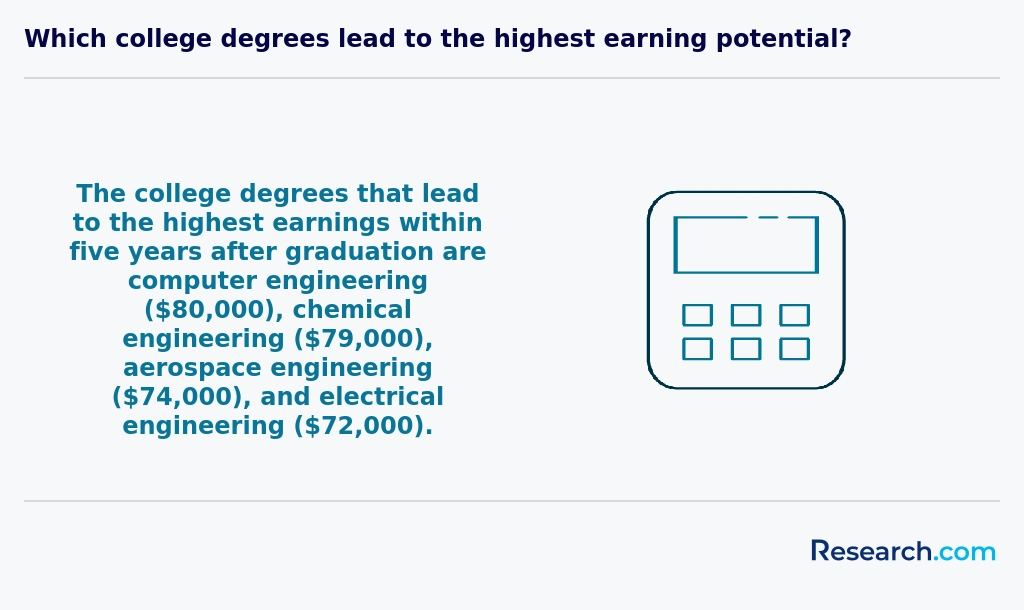
Engineering degrees in Illinois offer a thoughtfully structured curriculum that balances theory with hands-on learning, giving students a solid base to build their careers. At institutions like the University of Illinois Urbana-Champaign and Illinois Institute of Technology, graduates often recall beginning with foundational courses such as Calculus I, II, and III, which develop essential problem-solving skills applicable in real-world engineering challenges.
Core courses in physics-covering mechanics, electricity, and magnetism-bring abstract theories to life through engaging lab work, allowing students to directly observe forces at play, just as a mechanical engineering student might experience when designing a robotic arm. General chemistry also plays a key role, especially for those exploring materials science or chemical engineering, helping students understand the molecular makeup behind innovative technologies.
Students appreciate courses like statics and dynamics, which focus on forces and motion, as practical stepping stones for civil engineering projects, such as bridge design at universities known for strong infrastructure programs. The introduction to CAD software and engineering design empowers learners to translate ideas into precise digital models, sparking pride and excitement as they create real, tangible outcomes.
When exploring an engineering degree in Illinois, students often find a rich variety of specializations that reflect the state's diverse industries. From civil engineering, where graduates contribute to infrastructure projects in bustling urban centers, to mechanical engineering, students often recount the satisfaction of applying classroom theory to hands-on projects, gaining direct insight into manufacturing and machinery. Electrical and computer engineering programs prepare students for dynamic careers involving everything from power systems to cutting-edge software development, a necessity in Illinois' growing tech hubs.
Graduates from universities known for their robust curricula highlight the appeal of chemical engineering, especially as it ties into local pharmaceuticals and materials science sectors. Emerging specializations, such as biomedical and aerospace engineering, mirror Illinois' innovation in healthcare and aviation industries, providing unique opportunities to engage with research institutions. Prospective students appreciate how these engineering degree specializations in Illinois are designed to meet real-world demands, supported by strong industry partnerships.
Many programs also emphasize careers in mechanical engineering, helping students envision clear paths forward. Choosing Illinois means access to affordable, high-quality education and a career-focused experience tailored to the state's strengths.
Choosing the best engineering degree in Illinois means focusing on what aligns directly with your career ambitions and financial situation. Graduates from the University of Illinois Urbana-Champaign often share how their hands-on experience through internships in the Chicago area gave them confidence and a competitive edge. Looking for accredited programs, especially those recognized by ABET, ensures your education meets national standards and opens doors for professional licensure. Many students feel reassured knowing their degree holds this value, especially when aiming for fields like electrical or civil engineering.
Costs can vary widely, so considering affordable engineering degree programs Illinois offers, balancing tuition with scholarships and living expenses, is crucial. State universities often present a more budget-friendly path compared to private institutions. Additionally, exploring practical learning opportunities through co-ops or industry partnerships dramatically enriches your education. Practical advice from recent graduates highlights the importance of these connections in landing jobs post-graduation.
For those weighing their options, reviewing resources like the Inexpensive Online Master's in Engineering Degree Programs Ranking in California can help model financial planning strategies even outside Illinois. Ultimately, the best choice comes from understanding your priorities and exploring schools that offer strong research facilities, reputation, and job placement rates tailored to your interests.
Graduates with an engineering degree in Illinois find a wealth of career paths that reflect the state's diverse industrial landscape. From the vibrant campuses of the University of Illinois to the technological hubs near Northwestern University, many have successfully launched careers in civil engineering, addressing Chicago's ongoing infrastructure needs. Others have found fulfillment in mechanical roles within Illinois' robust manufacturing sector, or electrical engineering opportunities powering telecommunications throughout the state.
Software and computer engineering are increasingly popular, especially given Illinois' growing tech startup scene, making job prospects bright and dynamic. Chemical engineers benefit from Illinois' numerous pharmaceutical and chemical plants, while aerospace engineering remains a fascinating option with established giants like Boeing operating locally. Many graduates share how internships and cooperative education programs at their universities provided invaluable hands-on experience, nurturing confidence and opening doors. For those seeking to expand beyond technical roles, entrepreneurial ventures and consulting are common avenues.
Understanding engineering career opportunities in Illinois also means recognizing both the challenges and rewards of the journey. Balancing tuition costs with available scholarships or exploring best 6 month certifications that pay well online can be practical steps alongside a degree. This holistic approach helps graduates feel prepared and optimistic as they embark on their careers.
The landscape for engineering jobs in Illinois reflects a dynamic and supportive environment for graduates. Many who complete their studies at renowned institutions like the University of Illinois Urbana-Champaign or Illinois Institute of Technology find themselves well-positioned to enter a job market fueled by diverse industries such as manufacturing, aerospace, and technology. Illinois engineering degree employment outlook is bright, with employers from established companies to innovative startups actively recruiting.
Graduates often share stories of securing internships and co-op placements through university partnerships with local firms, experiences that prove invaluable in building confidence and practical skills. Urban centers like Chicago provide fertile ground for career development, offering not only competitive salaries but also opportunities to work on cutting-edge projects in renewable energy or advanced manufacturing.
For students weighing their options, understanding the cost versus reward is essential. Tuition at public universities ranges from $12,000 to $20,000 per year for in-state students, a reasonable investment considering the strong demand for engineers. Those curious about alternative paths might explore what is the easiest associates degree to get as a stepping stone into the field.
2027 Most Affordable Engineering Degree Programs Ranking in Illinois
Investing in your education is a significant decision that can shape your future, and the Research.com team is keenly aware of the importance of making well-informed choices. To support prospective students in Illinois, we have carefully developed the "2027 Most Affordable Engineering Degree Programs Ranking in Illinois." Our dedication to quality, credibility, and accuracy is demonstrated through rigorous research and analysis used to compile this ranking.
We utilized the following reputable data sources to ensure a comprehensive evaluation of engineering degree programs:
By exploring this ranking, readers will gain valuable insights that can help them identify affordable and reputable engineering programs, empowering them to make confident decisions about their educational investments. For more details on our methodology, please visit our Research.com methodology page.

# 4 position
Southern Illinois University Edwardsville
Bachelor of Science in Transportation Engineering


# 13 position
DeVry University-Illinois
Bachelor of Science in Engineering


Frequently Asked Questions About engineering
Engineering students in Illinois can enhance their learning experience by engaging in cooperative education programs offered by many state universities. For example, the University of Illinois at Urbana-Champaign reports that co-op programs allow students to gain practical work experience while earning academic credit. Participating in internships with Illinois-based companies, especially in Chicago's growing tech and manufacturing sectors, also helps apply classroom knowledge to real-world challenges.
Joining student organizations like the Illinois Institute of Technology's engineering clubs fosters networking and collaboration. Additionally, leveraging resources such as Illinois' Workforce Innovation and Opportunity Act (WIOA) programs can provide guidance and funding for skill development.
Frequent use of campus research facilities and attending industry seminars further supports academic and professional growth.
Emerging niches in engineering within Illinois reflect broader national trends focused on sustainability, data analysis, and advanced manufacturing. Environmental engineering is growing rapidly due to the state's commitment to reducing pollution and advancing clean energy technologies. According to the Illinois Department of Commerce & Economic Opportunity, green jobs are projected to grow by 6% through 2030.
Additionally, the rise of Industry 4.0 has created demand for engineers skilled in automation, robotics, and additive manufacturing. Chicago, as a manufacturing hub, offers many opportunities in these fields. Data engineering and artificial intelligence are also expanding, driven by Illinois' strong tech industry and academic research institutions. These niches provide exciting paths for students seeking specialized careers.
After completing an engineering degree in Illinois, graduates should focus on building practical experience to enhance job prospects. Internships and cooperative education programs offered by Illinois institutions, such as the University of Illinois Urbana-Champaign, provide real-world exposure and valuable networking opportunities. According to the Illinois Department of Employment Security, engineering fields like civil and mechanical engineering show steady employment growth in the state, making relevant work experience crucial.
Gaining professional certifications such as the Fundamentals of Engineering (FE) exam can also improve competitiveness in the job market. Additionally, joining local chapters of professional organizations like the Illinois State Society of Professional Engineers expands networking and mentorship possibilities.
Strong communication and project management skills are important; candidates should consider workshops or courses that enhance these abilities alongside technical expertise.
Employers seeking engineering graduates in Illinois emphasize both technical and soft skills. According to the Illinois Department of Employment Security, proficiency in software tools like AutoCAD, MATLAB, and SolidWorks ranks highly. Additionally, knowledge of programming languages such as Python and C++ is increasingly valuable, especially in fields like mechanical and electrical engineering.
Strong analytical and problem-solving abilities are essential, as Illinois companies prioritize innovation and efficiency. Communication skills, including teamwork and project management, also top employer preferences. The Illinois Technology Association highlights that graduates capable of collaborating across disciplines have a competitive edge in the local job market.
Finding internships in Illinois relevant to an engineering degree involves a strategic approach. Many universities in Illinois, such as the University of Illinois Urbana-Champaign and Illinois Institute of Technology, offer dedicated career centers that connect students with engineering internships.
Industry hubs like Chicago and the surrounding suburbs host numerous engineering firms in sectors including manufacturing, aerospace, and software development. According to the Illinois Department of Employment Security, the engineering job market in Illinois is expected to grow by 5% from 2022 to 2032, increasing internship opportunities.
Online job portals like Handshake and LinkedIn also list internships specifically targeted at Illinois engineering students. Networking through professional organizations such as the Illinois Society of Professional Engineers can provide additional leads and mentorship.
In Illinois, obtaining an engineering degree significantly improves career mobility and advancement opportunities. The state's robust manufacturing, aerospace, and technology sectors create strong demand for skilled engineers. According to the U.S. Bureau of Labor Statistics, Illinois employed over 85,000 engineers as of 2022, with projected job growth around 7% from 2022 to 2032.
An engineering degree provides technical expertise that qualifies graduates for diverse roles, from design and development to project management. Higher education levels, such as a bachelor's or master's degree, correlate with increased salary potential and leadership prospects.
Employers in Illinois often prioritize candidates with accredited engineering degrees, particularly those from ABET-certified programs, enhancing job security and promotion chances. Professional licensure, like the PE credential, further aids career advancement.
Studying for an engineering degree in Illinois equips students with skills applicable across multiple disciplines. Many Illinois universities emphasize collaborative projects that integrate knowledge from fields like computer science, business, and environmental studies. This approach mirrors real-world engineering challenges, which often demand teamwork among diverse experts.
Illinois is home to several ABET-accredited engineering programs, ensuring a curriculum aligned with industry standards. According to the Illinois Board of Higher Education, engineering graduates frequently work in interdisciplinary roles within sectors like manufacturing, healthcare, and technology.
Hands-on experiences, such as internships and co-op programs with Illinois-based companies, further prepare students to navigate complex, cross-disciplinary environments effectively.
When choosing between a thesis and a non-thesis engineering degree program in Illinois, consider your career goals carefully. Thesis programs typically require original research and a formal thesis defense, preparing students for PhD studies or research-intensive roles. Non-thesis options usually focus on coursework and practical skills, fitting those aiming for industry jobs.
Many Illinois universities, including the University of Illinois Urbana-Champaign, offer both tracks. According to the Illinois Board of Higher Education, thesis programs may take longer but deepen research competencies. Non-thesis paths often allow faster graduation and more flexibility in electives.
Financial factors also matter: thesis students might access research assistantships, offsetting costs. Ultimately, understanding your professional plans and learning preferences is key when deciding.
Students based in Illinois seeking to study engineering abroad have several options through university partnerships and exchange programs. Many Illinois universities, such as the University of Illinois Urbana-Champaign and Illinois Institute of Technology, offer study abroad programs tailored for engineering students. These programs often include collaborations with institutions in Europe and Asia, allowing students to gain global experience without interrupting their degree timeline.
According to NAFSA data, approximately 10% of U.S. engineering students participate in study abroad activities, with Illinois schools actively encouraging such experiences. Credits earned abroad usually transfer back, supporting degree progress while exposing students to international engineering practices and technologies.
Additionally, some Illinois-based programs provide dual degrees or cooperative education options, enabling students to earn credentials from foreign universities. These global learning opportunities are valuable for graduates entering a competitive engineering job market with a strong international perspective.
Students pursuing engineering degrees in Illinois have access to various part-time job opportunities that enhance both skills and resumes. Popular roles include lab assistants, where students support faculty with experiments and research, providing hands-on technical experience. Internships and co-op positions with companies in Chicago and Springfield are abundant, often part-time during semesters. These roles expose students to real-world engineering projects and industry standards.
Engineering students also find value in tutoring roles, helping peers in subjects like calculus, physics, and CAD software, which reinforces their own knowledge. According to the Illinois Department of Employment Security, STEM-related part-time jobs in Illinois grew by 7% from 2020 to 2023, reflecting strong demand.
Engineering students in Illinois benefit from numerous networking opportunities that connect them to professionals and industry leaders. Universities such as the University of Illinois Urbana-Champaign and Illinois Institute of Technology offer active engineering clubs and student chapters of national organizations like the American Society of Civil Engineers and the Institute of Electrical and Electronics Engineers. These groups regularly host events, workshops, and career fairs.
Additionally, Illinois is home to a strong manufacturing and technology sector, providing internship and cooperative education programs linked to engineering schools. According to the Illinois Department of Commerce, over 280,000 jobs in engineering-related fields exist statewide, enhancing local networking potential.
Alumni networks offer significant advantages to engineering degree students in Illinois by providing access to a broad community of professionals. According to the Illinois Board of Higher Education, strong alumni connections can improve job placement rates for recent graduates. These networks facilitate mentoring opportunities, career advice, and industry insights that help students navigate the competitive engineering job market.
Illinois alumni associations often organize events and workshops, creating chances for networking and internships at local companies such as Caterpillar and Motorola Solutions. Engaged alumni can also assist with research collaborations and recommend students for scholarships or awards.
This ongoing support increases students' professional visibility and enhances their career development prospects within Illinois's robust engineering sector.
Customizing an engineering degree program in Illinois allows students to align their education with specific career goals. Many universities, such as the University of Illinois Urbana-Champaign, offer specialized tracks or concentrations within engineering fields like mechanical, civil, or electrical engineering. These options let students focus on areas such as renewable energy, robotics, or aerospace.
Illinois institutions often provide elective courses, internships, and co-op programs connected to the state's strong industries-including manufacturing and technology-which enhance practical experience.
Additionally, students can pursue certificates or minors in complementary areas like business or computer science to broaden career opportunities.
The Illinois Board of Higher Education reports that flexible curricula and industry partnerships have increased graduate employability in engineering sectors statewide.
Engineering students in Illinois often face several common challenges during their studies. A primary difficulty is managing the demanding coursework, which requires strong skills in mathematics, physics, and critical thinking. Many students report high stress levels due to the rigorous schedule and heavy project loads. According to the Illinois Board of Higher Education, retention rates in engineering programs indicate around 30% of students change majors or drop out within the first two years, often because of these academic pressures.
Another challenge involves gaining practical experience. Internships and cooperative education opportunities are competitive but crucial for career readiness. Additionally, some students struggle with balancing part-time jobs and studies, especially those attending public universities where tuition, averaging $15,000 per year for in-state students, can still be a financial burden.
With an engineering degree in Illinois, graduates can pursue several professional certifications that enhance career prospects. One of the most recognized is the Professional Engineer (PE) license, which requires passing the Fundamentals of Engineering (FE) exam followed by the PE exam after gaining relevant work experience. This license is crucial for engineers who want to offer services directly to the public.
Other notable certifications include the Project Management Professional (PMP) for engineers interested in managing complex projects, and the Certified Manufacturing Engineer (CMfgE) for those focusing on manufacturing processes.
Illinois has over 20,000 licensed engineers, reflecting a strong demand for certified professionals in sectors like construction, energy, and aerospace, according to the Illinois Department of Financial and Professional Regulation.
To write a winning application for an engineering program in Illinois, start by emphasizing your strong academic record, especially in math and science courses. Many Illinois engineering schools, including the University of Illinois Urbana-Champaign, value a high GPA and challenging coursework, such as Advanced Placement classes.
Craft a clear personal statement that highlights your passion for engineering and any hands-on experience, like internships or projects. According to the Illinois Board of Higher Education, practical experience can set applicants apart.
Additionally, secure strong letters of recommendation from teachers or mentors familiar with your technical skills and work ethic. Finally, be sure to review each school's specific requirements, as some programs may require standardized test scores like the SAT or ACT, though many Illinois schools are test-optional as of recent years.
Engineering careers are highly valued worldwide due to their critical role in innovation and infrastructure development. In the United States, and particularly in Illinois, engineering is seen as a stable and lucrative profession. According to the U.S. Bureau of Labor Statistics, the employment of engineers is projected to grow about 4% from 2022 to 2032, reflecting steady global demand.
Illinois is home to renowned institutions like the University of Illinois Urbana-Champaign, known for its engineering programs that attract both domestic and international students. This highlights the state's reputation as a hub for skilled engineering professionals.
Globally, engineers contribute to solving complex challenges in energy, transportation, and technology. The Illinois economy, with its strong manufacturing and technology sectors, offers graduates numerous opportunities to engage in these fields. Engineering skills gained in Illinois align well with global trends, emphasizing sustainability and digital innovation.
Gaining practical experience while studying for an engineering degree in Illinois is essential for career readiness. Many Illinois universities offer cooperative education (co-op) programs, which allow students to alternate between classroom learning and paid work in engineering roles. According to the National Association of Colleges and Employers, students participating in co-ops improve their employment prospects significantly.
Internships are another common option. Illinois hosts many engineering internships across industries such as manufacturing, technology, and aerospace, particularly in hubs like Chicago and the Quad Cities. The Illinois Board of Higher Education highlights that 60% of engineering students secure internships by their junior year.
Students also gain hands-on experience through on-campus labs, research projects, and engineering clubs. Participating in competitions, like those organized by the Illinois Society of Professional Engineers, further develops practical skills.
Choosing the right concentration within an engineering degree program in Illinois involves considering both personal interests and job market trends. Illinois offers diverse fields such as civil, mechanical, electrical, and software engineering at its universities. According to data from the Illinois Board of Higher Education, mechanical and electrical engineering remain among the most popular concentrations, often linked to the state's strong manufacturing and technology sectors.
It is important to research employment projections from the U.S. Bureau of Labor Statistics, which indicate steady growth in software and biomedical engineering roles within Illinois. Students should also evaluate program curriculum and available internships, as hands-on experience is critical in engineering education. Visiting campus career centers or talking to alumni can provide valuable insight.
- 2027 Most Affordable Engineering Degree Programs Ranking in Michigan
- 2027 Most Affordable Engineering Degree Programs Ranking in Minnesota
- 2027 Most Affordable Engineering Degree Programs Ranking in Arkansas
- 2027 Most Affordable Engineering Degree Programs Ranking in Mississippi
- 2027 Most Affordable Engineering Degree Programs Ranking in Alabama
- 2027 Most Affordable Engineering Degree Programs Ranking in Florida
- 2027 Most Affordable Engineering Degree Programs Ranking in New Jersey
- 2027 Most Affordable Engineering Degree Programs Ranking in New York
- 2027 Most Affordable Engineering Degree Programs Ranking in Connecticut
- 2027 Most Affordable Engineering Degree Programs Ranking in Colorado
See What Experts Have To Say About Studying Engineering
Read our interview with Engineering experts


Bohdan W. Oppenheim
Engineering Expert
Professor Emeritus of Healthcare Systems Engineering
Loyola Marymount University

Jasna Jankovic
Engineering Expert
Associate Professor
University of Connecticut

- Thesis vs Course Based Masters... https://talk.collegeconfidential.com/t/thesis-vs-course-based-masters/1709151
- targetjobs https://targetjobs.co.uk/careers-advice/engineering/what-can-i-do-engineering-degree
- WHAT EMPLOYERS ARE LOOKING FOR – Career Connections Center | Milwaukee School of Engineering https://www.msoecareerconnections.com/channels/what-employers-are-looking-for/
- Engineering Design Challenges There are 80 items. https://clearinghouse.starnetlibraries.org/138-engineering-design-challenges
- All STEM Placements/Internships | Gradcracker - Careers for STEM Students https://www.gradcracker.com/search/all-disciplines/engineering-work-placements-internships
- Engineering Students' Challenges And Ways To Overcome Them - Bgi Bhopal https://bgibhopal.com/overcoming-challenges-as-an-engineering-student/
- Thesis vs. Non-Thesis Master's Programs: Which is Right for You? https://potomac.edu/thesis-vs-non-thesis-masters/
- Engineering work experience | This is Engineering https://thisisengineering.org.uk/become-an-engineer/work-experience/
- Illinois Engineers A Strong Future https://siteselection.com/illinois-engineers-a-strong-future/
- Mechanical Engineering | Illinois College https://www.ic.edu/engineering


