
2027 Easiest Online Engineering Degree Programs Ranking in the USA

Co-Founder and Chief Data Scientist
Choosing the right online engineering degree can feel overwhelming, but it doesn't have to be. This article introduces the 2027 Easiest Online Engineering Degree Programs Ranking in the USA, created by the Research.com team of data scientists to guide you in making an informed decision.
By exploring this ranking, you'll discover programs that balance quality and accessibility, helping you find the best fit for your goals. Earning an engineering degree opens doors to rewarding careers and personal growth, making your educational journey worthwhile and exciting.
Key benefits of getting online engineering degree in America
- Engineering graduates in America enjoy strong salaries, with mechanical engineers earning a mean annual wage of $105,220 and electrical engineers making $117,680 on average.
- A graduate from a popular university might pursue diverse career paths in fields like civil, industrial, or electrical engineering, offering opportunities in design, management, and technology development.
- Online engineering degrees provide flexibility and accessibility, allowing graduates to balance work and study while gaining credible skills, as experienced by many who complete their programs through well-known online universities.
- 2027 Easiest Online Engineering Degree Programs Ranking in the USA
- What can I expect from online engineering degree in America?
- Where can I work with online engineering degree in America?
What can I expect from online engineering degree in America?
The average cost of an online engineering degree in America can vary widely, but many students find programs ranging from $10,000 to $40,000 in total tuition, depending on the institution and state residency status. Graduates from well-known public universities often highlight how in-state tuition rates significantly reduce expenses, making quality education more attainable without the extra burden of relocation or commuting fees.
Many online engineering students benefit from part-time enrollment options, allowing them to balance work and study while spreading tuition costs across several years. For instance, those enrolled in programs at universities like Arizona State or the University of Florida report feeling empowered by the flexibility that fits their busy lives. This affordability complements the engaging, interactive experiences with virtual labs and project work, which replicate hands-on learning despite the remote setup.
Financially, cutting expenses on housing and transportation makes pursuing an engineering degree online more accessible, fueling optimism among adults returning to school. These cost-saving measures, combined with state tuition incentives, open doors to high-demand sectors like renewable energy and robotics-brightening career prospects and student confidence alike.
Where can I work with online engineering degree in America?
Graduates with online engineering degrees from respected institutions like Arizona State University or Purdue University often find themselves pursuing careers in exciting fields such as aerospace, automotive, and renewable energy. Many report landing roles at leading companies like Boeing or Tesla, where they contribute to innovative projects developing sustainable transportation or cutting-edge technology. The flexibility of online studies allows these graduates to balance work and learning, opening doors to remote or hybrid engineering jobs that were once limited to on-site roles.
Emerging trends suggest growing demand for engineers skilled in systems design, especially within tech hubs in California and Texas. Graduates frequently share how their online education equipped them with the practical skills sought by top employers, while also enabling them to work across states without relocation. With the option to pursue Professional Engineer licensure, online students can access leadership positions and consulting opportunities nationwide, making their degree a launchpad for impactful and versatile careers in America's evolving engineering landscape.
Graduates from online engineering programs at well-known American universities often find themselves entering the job market with strong earning potential. For instance, a mechanical engineering graduate might expect a mean annual wage of about $105,220, reflecting the demand for these skills in industries like automotive or manufacturing. Similarly, electrical engineers can anticipate even higher earnings, averaging around $117,680 annually, especially when engaging with cutting-edge fields such as renewable energy or robotics.
Civil engineering graduates from reputable online programs report median salaries close to $101,160, which aligns with the ongoing infrastructure developments across the U.S. Industrial engineers, valued for optimizing complex processes, see mean wages near $103,150, highlighting the growing importance of efficiency in business.
Many graduates express excitement about how these salary prospects enable them to live comfortably in tech hubs like California or Massachusetts. They value the blend of practical experience gained during internships and the solid theoretical foundation earned through their online degrees, which makes their earnings competitive and career growth promising.
- ABET accreditation is required for online engineering programs to ensure curriculum quality.
- Public universities charge between $10,000 and $30,000 per year for online undergraduate engineering degrees, while private universities charge $20,000 to $50,000.
- Median annual wages for engineers were about $82,000 in 2023, with entry-level salaries ranging from $65,000 to $70,000.
- Engineering jobs in the U.S. are projected to grow by 8% from 2021 to 2031, faster than average for all jobs.
- Online programs offer the same curriculum and faculty expertise as on-campus degrees, supporting work-life balance for students.
Completing an online engineering degree in America typically takes about four years for full-time students, especially those enrolled at well-known institutions like Arizona State University or the University of Florida, which offer flexible online programs. Graduates often share how balancing work, family, and studies extends their timeline but also enriches their learning experience, making every challenge feel worthwhile.
Many find that pursuing the degree part-time-common among working professionals-can stretch their journey to about six years or more, as seen in programs from Pennsylvania State University World Campus. This slower pace allows students to absorb complex engineering concepts without sacrificing their employment or family time, fostering a strong sense of accomplishment at graduation.
Looking forward, more online programs embrace adaptive learning and self-paced models, letting students, like those at the University of Illinois Urbana-Champaign, finish faster if they demonstrate mastery quickly. Others appreciate blending synchronous classes with internships, which may add time but provide invaluable real-world experience and satisfaction.
Combining an online engineering curriculum with management information systems (MIS) expertise equips graduates to lead digital transformation initiatives across industries. By mastering both technical design principles and data-driven decision-making, you can streamline operations, enhance system reliability, and deliver scalable solutions. For engineers new to this field, understanding what is management information systems offers a solid foundation in database management, enterprise resource planning, and cybersecurity frameworks. Key benefits of this interdisciplinary approach include:
- Enhanced project leadership: MIS skills enable engineers to translate raw data into actionable insights, improving resource allocation and team coordination.
- Competitive advantage: Employers increasingly seek professionals who can bridge the gap between CAD simulations and IT infrastructure, reducing time-to-market for new products.
- Innovation acceleration: Integrating MIS tools such as IoT analytics and cloud platforms fosters rapid prototyping and continuous system optimization. Curriculum integration examples:
- Capstone projects that leverage ERP modules for supply chain simulation.
- Elective courses in business intelligence, data visualization, and network security.
- Virtual labs combining PLC programming with SQL database management. Alumni who pursued this dual skill set report faster career advancement, assuming roles like Systems Integration Engineer, IT-Aware Design Lead, and Digital Solutions Architect. As industries evolve toward smart manufacturing and Industry 4.0, engineers versed in MIS will lead the next wave of innovation-making this a strategic addition to any online engineering degree path.
The main difference between online and on-campus engineering degrees in America revolves around how students experience learning. Graduates from institutions like the University of Illinois Urbana-Champaign often recall energized hands-on labs and face-to-face teamwork, crucial for mastering engineering tools and collaborating effectively. Meanwhile, those who completed online programs at universities such as Arizona State appreciate the unmatched flexibility-balancing study with family or work commitments through asynchronous lectures that fit life's unpredictability.
Online students frequently describe a sense of independence and self-motivation, navigating virtual labs or occasional campus visits to access equipment. On-campus peers, meanwhile, thrive on immediate access to facilities and spontaneous interactions that spark innovation. Both formats maintain ABET accreditation standards, ensuring degree value remains equal regardless of location.
Cost differences also shape experiences. Graduates often note online options reduce expenses linked to housing and commuting, especially at public universities averaging $10,000 annually in tuition. Yet, private school online programs can mirror higher tuition rates, keeping overall investment comparable.
Looking ahead, hybrid models blending virtual and in-person engagement will likely enrich these experiences, bridging practical skill-building with the flexibility modern students desire.
The average cost of an online engineering degree in America currently centers around a median total of $34,560, with in-state students often paying less, averaging near $25,470, while out-of-state students face closer to $32,460. Many graduates from well-known public universities report feeling satisfied with the balance between affordability and quality, especially when they consider how online study options have allowed them to maintain jobs or personal commitments simultaneously.
For example, a graduate from a popular public engineering program described their experience paying around $300 to $600 per credit hour, which kept total expenses manageable. This compares to graduates from private institutions, where tuition per credit hour can range from $700 to $1,200, pushing total costs well above $40,000. Despite higher prices, these programs often offer accelerated paths, enabling students to complete their degrees faster, which can lower the total expenses for engineering degree online 2027.
What excites many future engineers is how scholarships, employer tuition reimbursement, and advances in technology continue to reduce financial barriers. The vivid reality for students attending top-ranked colleges includes trading commuting and housing costs for flexible, online study environments tailored to their pace, making the notion of obtaining an affordable engineering degree in America a growing reality. For those wanting to explore specific options, this affordable engineering degree resource offers detailed comparisons tailored to different budgets and goals.
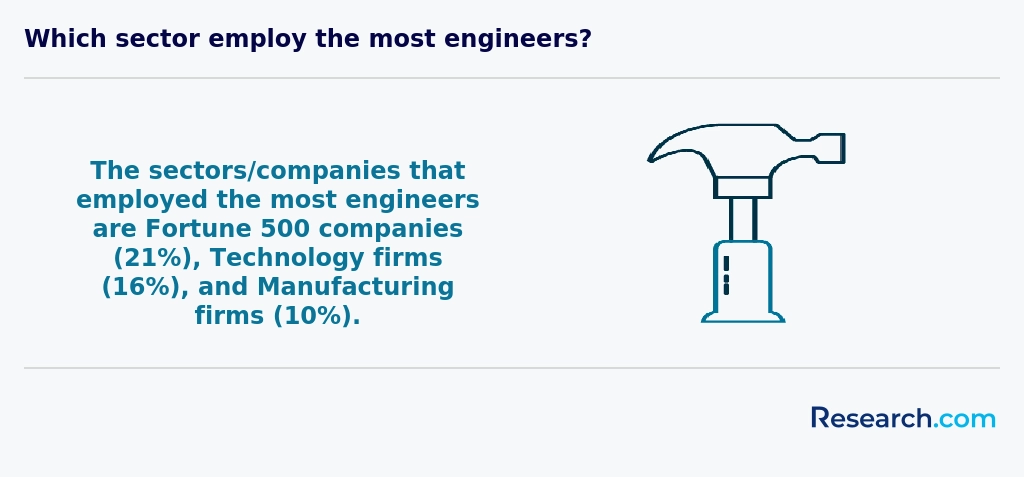
Choosing an online engineering program with proper accreditation is vital to ensure your degree is recognized by employers and meets rigorous academic standards. Here’s what to look for: 1. ABET Accreditation - The Accreditation Board for Engineering and Technology (ABET) evaluates programs on curriculum, faculty expertise, facilities, and continuous improvement processes. Graduating from an ABET-accredited online engineering program guarantees your credential aligns with industry requirements. 2. Regional and National Accreditation - Confirm that the institution holds regional accreditation (e.g., Higher Learning Commission, Middle States Commission). Regional accreditation affects credit transferability, eligibility for federal financial aid, and graduate school acceptance. 3. State Authorization and Reciprocity - Online programs must be authorized to enroll students in your state. Check state authorization reciprocity agreements through the National Council for State Authorization Reciprocity Agreements (NC-SARA) to avoid licensure issues if you plan to work across state lines. 4. Institutional Reputation and Rankings - While accreditation is foundational, program rankings and peer reviews reflect ongoing quality. For regional affordability comparisons, see our Inexpensive Online Engineering Degree Programs Ranking in Illinois to identify cost-effective, accredited options. 5. Continuous Improvement and Outcomes - Look for programs that publish outcome metrics, such as graduation rates, average time to completion, and post-graduation employment statistics. High job placement rates and strong employer partnerships indicate a robust support system. By prioritizing accredited and well-reviewed online engineering degrees, you safeguard your investment in education and enhance your career prospects across diverse industries.
Online engineering students in America often find vital support through federal financial aid, which can significantly ease the burden of high tuition costs at institutions like Arizona State University or the University of Illinois Urbana-Champaign. Many graduates recall how Pell Grants, offering up to $7,395 without repayment, allowed them to focus on their studies instead of worrying about finances. Federal loans also provide accessible low-interest options, though repayment remains a consideration.
State-specific grants and scholarships are increasingly tailored to online learners, especially those attending public universities within their state. For example, students at Texas A&M have benefited from workforce development grants aimed at engineering fields in demand locally, fostering a sense of community and career readiness.
Institutional aid at schools like Purdue University often rewards merit and unique backgrounds, with many online engineering students sharing stories of receiving scholarships for leadership or military service, adding hope and motivation.
Private scholarships from bodies such as the Society of Women Engineers boost confidence among female engineers working remotely, while employer tuition assistance programs capture the optimism of working professionals advancing their skills without halting their careers.
Enrolling in an online engineering degree in America typically starts with a solid foundation in math and science, often proven by high school coursework in algebra, calculus, physics, and chemistry. Graduates from well-known universities share how meeting these prerequisites gave them confidence entering challenging programs. For example, many students recall submitting transcripts that reflected advanced STEM classes, which helped them feel ready for rigorous online study at institutions like Arizona State University or Georgia Tech.
Standardized tests such as the SAT or ACT may still be requested, though some schools now offer test-optional paths, easing anxiety for those balancing work or family commitments. Graduate applicants often find that having a bachelor's degree in engineering or a related field opens doors, and some recall how including GRE scores or technical certifications strengthened their applications.
Many students value programs that recognize their real-world experience and help them navigate technology requirements-ensuring reliable internet and software access, which becomes essential when collaborating on complex projects remotely. Such readiness not only meets prerequisites but fosters excitement and a sense of accomplishment early in the journey.

As online engineering education evolves, students can expect significant advancements that will reshape how knowledge is delivered and applied in the field. Innovations such as virtual and augmented reality simulations, artificial intelligence-driven personalized learning, and increased industry partnerships are paving the way for a more interactive and hands-on educational experience. These improvements help bridge the gap between theoretical instruction and practical application, ensuring graduates are well-prepared to tackle modern engineering challenges. Moreover, as tuition costs fluctuate, more students are finding opportunities for an affordable engineering degree through flexible online programs that maintain high academic standards while reducing financial barriers. By staying ahead with these emerging trends, online engineering programs are set to offer continuously updated curricula that mirror the ever-changing demands of today’s dynamic job market.
Online engineering degree programs in America commonly include courses like calculus, physics, and programming, creating a solid foundation for tackling real-world problems. Graduates from institutions such as the University of Illinois or Arizona State University often share how mastering differential equations and electromagnetism helped them confidently approach complex engineering challenges during their remote labs and projects.
Courses in engineering design and project management frequently use software like CAD, allowing students to visualize and build virtual models-experiences that students find exciting and empowering as they simulate constructing bridges or electronic devices from their home setups. Others specializing in mechanical or chemical engineering benefit from thermodynamics and materials science, applied in hands-on capstone projects that mirror industry scenarios.
Electrical engineering students typically highlight the value of courses on circuits and systems, which paired with programming languages like Python and MATLAB, prepare them to develop innovative solutions. Many online programs also include general education classes that enhance communication and ethics, essential for thriving in professional environments across the U.S.
Online engineering degree specializations USA typically include areas like Civil, Mechanical, Electrical, and Computer Engineering, reflecting foundational industry demands. Graduates from renowned institutions often share how studying remotely allowed them to tailor their learning-with options like Environmental Engineering addressing sustainability or Software Engineering fueling careers in tech innovation. Many find excitement in emerging fields such as renewable energy engineering or cybersecurity systems, which align with America's tech-forward industries and evolving job markets.
Students appreciate how programs at popular universities combine rigorous technical skills with flexibility, making it possible to balance studies with personal commitments. This adaptability is especially important when exploring newer specializations, such as data analytics applied to engineering challenges. Some graduates recall projects integrating real-world scenarios that prepared them for the workforce better than traditional paths.
For those curious about career intersections, exploring what is management information systems can reveal complementary skills fitting well alongside core engineering specializations. The best online engineering fields in America continue to evolve, driven by both student demand and federal technology investments, making these programs a smart choice for those seeking a future-ready education.
Choosing the best online engineering degree in America means looking ahead to how flexible, accredited programs can fit your evolving lifestyle. Graduates from top institutions often highlight the value of ABET accreditation, which assures a curriculum designed to meet industry standards and boost employability. Imagine balancing work and family while accessing asynchronous courses that adapt to your schedule at universities known for strong support systems.
Moreover, consider which engineering discipline aligns with future market demands. Graduates from well-regarded schools specializing in computer or electrical engineering often share how an affordable online engineering degrees USA option opened doors in fast-growing tech sectors. These programs frequently integrate virtual labs and internships, offering hands-on experience despite the distance.
Cost remains a real concern. Public universities can offer excellent value, and exploring resources like the Inexpensive Online Engineering Degree Programs Ranking in Illinois helps identify budget-friendly choices without sacrificing quality. Prioritizing the best accredited online engineering programs America has available ensures your investment pays off as you join a dynamic, well-compensated profession.
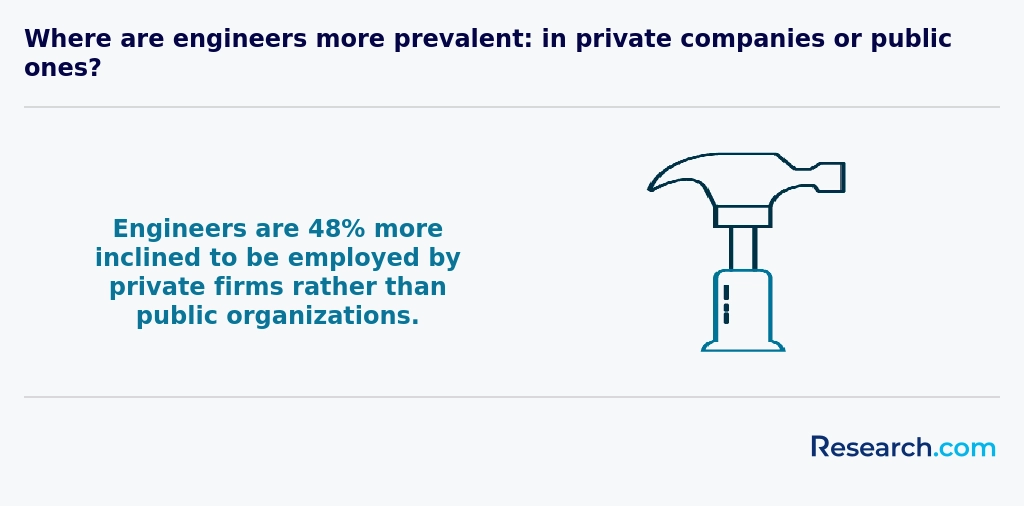
Graduates with an online engineering degree in America find diverse career paths filled with exciting growth opportunities. Many from institutions like Arizona State University or the University of Florida have stepped confidently into civil engineering roles, helping design the infrastructure that shapes everyday life. Others discover fulfillment in mechanical or electrical engineering positions, where they contribute to innovative projects in automotive or renewable energy sectors. The flexibility of online study allows students to tailor their education to emerging fields, including software engineering, where skills in cybersecurity and system design respond directly to the fast-evolving tech industry.
Online programs offer access to specialties such as environmental or aerospace engineering, aligning closely with market demands and sustainable initiatives. Graduates often reflect on the rewarding challenge of gaining industry certifications or advancing to graduate studies, knowing this enhances long-term career stability and growth. For those weighing options, exploring the highest paying bachelor degrees complements insights on career success and salary potential in engineering jobs for online graduates in America.
The job market for online engineering degree graduates in America is expanding steadily, reflecting strong demand across industries from technology to manufacturing. Graduates from well-known colleges of engineering find that their degrees open doors in fields like electrical engineering in Silicon Valley firms or civil engineering projects funded by government agencies. This positive trend is supported by an increasing appreciation for the rigorous discipline built through online programs, which many graduates highlight as a key advantage when pursuing advanced roles.
With ongoing technological shifts and infrastructure growth, many students from prestigious institutions share stories of securing roles quickly, encouraged by employers valuing their accredited online education. The job outlook for online engineering degrees in the USA continues to improve, with entry-level salaries averaging from $65,000 to $80,000 annually, rising substantially with experience and licensure. For those balancing work and study, pursuing an online school that accepts fafsa can make this pathway more accessible and financially viable.
2027 Easiest Online Engineering Degree Programs Ranking in the USA
Investing in your education is a significant decision that can shape your future, and the Research.com team understands the importance of making informed choices. To assist prospective students, we have meticulously crafted the "2027 Easiest Online Engineering Degree Programs Ranking in the USA." Our commitment to quality, credibility, and accuracy is reflected in the extensive research and analysis conducted to compile this ranking.
We utilized the following reputable data sources to ensure a comprehensive evaluation of online engineering degree programs:
By exploring this ranking, readers will gain valuable insights into the easiest accredited online engineering degree programs across the USA, empowering them to make well-informed decisions aligned with their educational and career goals. For more details on our methodology, please visit our Research.com methodology page.


# 12 position
Full Sail University
Bachelor of Computer Science


Frequently Asked Questions About engineering
Students pursuing online engineering degrees in America can maximize their learning by actively engaging with coursework and maintaining consistent communication with instructors. According to the National Center for Education Statistics, students who participate in online discussion forums perform better academically. Utilizing virtual labs and simulation software is essential for practical skills development, especially since engineering relies heavily on hands-on experience.
Time management is critical; approximately 60% of online learners report balancing studies with work or family commitments. Creating a structured study schedule helps manage these demands. Additionally, joining professional organizations such as the American Society of Civil Engineers can provide networking opportunities and access to industry resources.
The engineering field is evolving rapidly with new niches emerging that address modern technological and environmental challenges. One prominent area is renewable energy engineering, which focuses on developing sustainable power sources like solar and wind. According to the U.S. Bureau of Labor Statistics, jobs in this sector are expected to grow by 12% through 2031, faster than average for all occupations.
Another growing niche is biomedical engineering, combining engineering principles with medical sciences to innovate healthcare technologies. The demand for biomedical engineers is projected to increase by 10% in the next decade.
Additionally, fields such as cybersecurity engineering and data engineering are expanding rapidly due to the increasing dependence on digital infrastructure.
After completing an online engineering degree in America, preparing for the job market involves several key steps. First, gaining hands-on experience is crucial. Many employers look for practical skills, so pursuing internships or cooperative education programs, even part-time or virtual, can enhance your resume. According to the National Association of Colleges and Employers (NACE), 60% of engineering graduates obtained internships before securing full-time jobs.
Networking is also important. Joining professional organizations like the American Society of Civil Engineers (ASCE) or the Institute of Electrical and Electronics Engineers (IEEE) offers access to job boards and mentorship opportunities. Additionally, obtaining relevant certifications such as the Fundamentals of Engineering (FE) exam can boost employability by demonstrating your technical proficiency.
Lastly, tailoring your resume to highlight both technical and soft skills, such as teamwork and communication, can set you apart in a competitive market. Utilizing university career services and online platforms like LinkedIn can further support your job search efforts.
Employers in the United States seek a combination of technical and soft skills in engineering graduates. According to the National Association of Colleges and Employers (NACE), proficiency in problem-solving and critical thinking ranks as the most desired skill. These abilities enable graduates to tackle complex engineering challenges effectively.
Strong communication skills, both written and verbal, are also highly valued. Employers report that clear teamwork and collaboration capabilities enhance project success. Additionally, technical skills such as proficiency in computer-aided design (CAD) software and programming languages remain essential.
Adaptability and continuous learning are critical due to rapidly evolving technologies in engineering fields. The U.S. Bureau of Labor Statistics highlights that engineers must stay current with innovations to maintain competitiveness in the job market.
Finding internships relevant to an engineering degree in America requires strategic planning and resourcefulness. Start by utilizing your online engineering program's career services, which often maintain connections with local and national employers.
According to the National Association of Colleges and Employers (NACE), over 60% of engineering students secure internships through university networks. Additionally, major job platforms like Handshake, LinkedIn, and Indeed frequently list engineering internships tailored for students.
Engage in professional organizations such as the American Society of Civil Engineers (ASCE) or the Institute of Electrical and Electronics Engineers (IEEE), which offer internship listings and networking opportunities.
Applying early, preparing a strong resume, and leveraging alumni networks can significantly improve your chances of gaining valuable experience in the competitive U.S. engineering field.
Online engineering degrees have become a valuable option for career mobility and advancement in the United States. According to the National Science Foundation, engineering professionals with bachelor's degrees or higher experience faster salary growth and higher job retention rates than those without degrees. Employers increasingly recognize accredited online engineering programs, especially those ABET-accredited, which ensures quality education similar to traditional degrees.
Online degrees offer flexibility, allowing working professionals to upskill without pausing their careers. This can lead to promotions or transitions into specialized fields such as software, civil, or electrical engineering. The U.S. Bureau of Labor Statistics projects a 6% growth in engineering jobs from 2022 to 2032, suggesting sustained demand for qualified engineers.
Furthermore, online programs often include networking opportunities and career services, enhancing candidates' ability to connect with industry leaders. Overall, online engineering degrees support continued professional development and upward career trajectories in a competitive job market.
Studying for an engineering degree in America equips students with skills that extend beyond traditional technical knowledge. Many U.S. programs incorporate interdisciplinary coursework, blending engineering with fields such as business, computer science, and environmental studies. According to the American Society for Engineering Education, about 75% of ABET-accredited engineering programs include project-based learning that encourages teamwork across disciplines. This approach reflects industry demands, as nearly 60% of U.S. engineers report collaborating with professionals from other fields, per the U.S. Bureau of Labor Statistics. Online engineering degrees also emphasize communication and problem-solving skills crucial for interdisciplinary roles.
Choosing between a thesis and a non-thesis online engineering degree in America depends on your career goals and learning preferences. Thesis programs focus on original research and are suitable for students aiming for doctoral studies or research-intensive roles. Non-thesis options emphasize coursework and practical skills, ideal for professionals seeking advancement in industry.
The National Science Foundation reports that about 60% of engineering graduate students in the US opt for non-thesis programs, reflecting the demand for applied knowledge. Additionally, thesis tracks often take longer and require strong writing skills. Consider if you prefer hands-on projects or research when making your decision.
American students interested in studying engineering abroad through online programs have several notable options. Many internationally accredited universities offer fully online engineering degrees recognized by the Accreditation Board for Engineering and Technology (ABET), which is essential for U.S. licensure. For instance, some Canadian and UK institutions provide coursework accessible globally, allowing flexibility while ensuring quality. According to the National Center for Education Statistics, over 30% of U.S. engineering students explore international collaborations or dual-degree options. Students should verify program accreditation and how credits transfer back to U.S. institutions to maximize career prospects and eligibility for professional certification.
Part-time jobs that complement an online engineering degree in America often involve roles closely related to engineering principles and technology. Common opportunities include internships or co-op positions in companies focused on manufacturing, IT, or construction. These jobs provide practical experience and help students apply theoretical knowledge.
On average, engineering students working part-time can earn between $15 and $25 per hour, according to the National Association of Colleges and Employers (NACE). Positions such as CAD technicians, lab assistants, or junior analysts are popular choices, enabling students to build professional skills alongside their studies.
Technology-focused roles, including software testing or data analysis, also complement engineering education and leverage growing demand in the U.S. job market, as reported by the U.S. Bureau of Labor Statistics.
Online engineering students in America have increasing networking opportunities despite the physical distance from traditional campuses. Many universities offer virtual events, workshops, and industry panels tailored to online learners. According to the National Society of Professional Engineers, memberships and special interest groups help students connect with peers and professionals nationwide.
Additionally, engineering-specific platforms like IEEE and ASME provide virtual networking through conferences and webinars. Career services at accredited online programs often facilitate connections with alumni and potential employers, which can be crucial in fields where internships and project collaborations boost job prospects.
Such resources help online students build professional relationships essential for career advancement in engineering.
Alumni networks provide valuable support for online engineering degree students in America. These networks connect graduates and current students, fostering both mentorship and career opportunities. According to the National Society of Professional Engineers, 70% of engineers find their jobs through networking. Online students, who may lack traditional campus connections, can leverage these networks to build relationships in their field.
Through alumni events, job boards, and social media groups, students access industry insights and potential internships. Many universities also offer exclusive access to engineering firms and professional development resources via alumni channels. This connection helps bridge the gap between education and employment, crucial in the competitive U.S. engineering job market.
Customizing an online engineering degree in America begins with selecting a specialization that aligns with your career goals. Popular fields include civil, mechanical, electrical, and software engineering, each offering unique course options. Many accredited programs, such as those recognized by ABET, provide electives and concentration tracks allowing students to focus on areas like renewable energy or data analysis.
Students can also tailor their learning by choosing between theoretical and practical courses, balancing fundamentals with hands-on projects. According to the National Center for Education Statistics, 75% of engineering graduates find that focusing on specialized skills improves their employment prospects.
Furthermore, some universities offer internship or cooperative education components within online programs, enabling real-world experience. Finally, adult learners and working professionals can often customize pacing and coursework intensity, allowing degree completion while maintaining employment.
Online engineering students in America often face significant challenges balancing rigorous coursework with personal and professional responsibilities. Engineering programs typically require strong foundational knowledge in math and science, which some students find difficult to master without in-person support. According to the National Center for Education Statistics, retention rates in STEM fields, including engineering, remain lower in online formats compared to traditional settings.
Technical issues and lack of access to specialized laboratory equipment can hinder practical learning experiences. Many institutions attempt virtual labs, but students report a gap between these and hands-on work.
Time management is critical, especially as 65% of online engineering students are working adults. This dual demand can lead to higher stress levels and affect academic performance.
Graduates with an online engineering degree in the United States can pursue several respected professional certifications to advance their careers. One of the most recognized is the Professional Engineer (PE) license, awarded after passing the Fundamentals of Engineering (FE) exam, gaining relevant work experience, and passing the PE exam. According to the National Society of Professional Engineers, over 70% of licensed engineers hold a PE license, enhancing job prospects and earning potential.
Other certifications include the Project Management Professional (PMP) and the Certified Manufacturing Engineer (CMfgE), which certify skills applicable across different engineering fields. Institutions like the American Society of Mechanical Engineers and the Institute of Electrical and Electronics Engineers also offer specialized certifications to complement an engineering degree.
Writing a winning application for an online engineering program in America begins with clear demonstration of your academic readiness and relevant experience. Most programs require a bachelor's degree in engineering or related fields, along with transcripts showing strong performance in math and science courses. According to the National Science Foundation, engineering graduates in the U.S. had an average undergraduate GPA of around 3.2 in 2022.
Highlighting hands-on experience, such as internships or industry projects, strengthens your application. A well-crafted personal statement should explain your motivation, career goals, and reasons for choosing online study, tailored to each program.
Letters of recommendation from professors or employers are essential, as they attest to your skills and work ethic.
The global demand for engineers continues to grow, and the United States remains a key player in this field. According to the U.S. Bureau of Labor Statistics, engineering jobs are projected to grow by 6% from 2021 to 2031, faster than the average for all occupations. This growth reflects global trends where technology, infrastructure, and sustainable energy are priorities worldwide.
American engineering degrees, including those earned online, are respected internationally due to the strong emphasis on practical skills and innovation. Graduates often find opportunities to work globally, supported by programs accredited by ABET, ensuring worldwide recognition.
Moreover, engineering careers increasingly require collaboration across borders, with multinational companies valuing diverse expertise in STEM roles. The emphasis on digital skills and cross-cultural communication in U.S. engineering education prepares students for these global challenges.
Gaining practical experience while studying for an online engineering degree in America is crucial for career readiness. Many programs encourage internships, co-op placements, or virtual labs to develop hands-on skills. According to the National Society of Professional Engineers, about 80% of engineering students benefit from internship experiences before graduation.
Online students can seek local engineering firms or companies offering remote internships. Additionally, universities often collaborate with industry partners to provide project-based learning opportunities. Some programs include capstone projects, simulating real-world engineering challenges to build practical expertise.
Professional organizations like the American Society of Civil Engineers offer networking and mentorship, further supporting skill development during studies.
Choosing the right concentration within an online engineering degree program in America begins with understanding your career goals and interests. Engineering fields such as civil, mechanical, electrical, and software engineering each have distinct job markets and growth prospects. According to the U.S. Bureau of Labor Statistics, software engineering jobs are expected to grow 25% between 2021 and 2031, much faster than the average for all occupations.
Research the industries you might want to work in and consider concentrations that align with those sectors. Additionally, check if the program is accredited by ABET, which ensures quality education recognized by employers nationwide.
Also, evaluate the curriculum to see if it offers practical skills and projects relevant to your preferred concentration. Online programs often provide flexibility, so balance course depth with your available time and professional experience.
Consulting resources like the National Society of Professional Engineers can provide insights into demand and required certifications, helping you make an informed decision.
See What Experts Have To Say About Studying Engineering
Read our interview with Engineering experts

Jasna Jankovic
Engineering Expert
Associate Professor
University of Connecticut

Joseph Reichenberger
Engineering Expert
Professor of Civil Engineering & Environmental Science
Loyola Marymount University

Bohdan W. Oppenheim
Engineering Expert
Professor Emeritus of Healthcare Systems Engineering
Loyola Marymount University

- Engineering Study Abroad Programs - Civil, Chemical, Mechanical https://www.ceastudyabroad.com/academic-discipline/engineering
- Engineering Students' Challenges And Ways To Overcome Them - Bgi Bhopal https://bgibhopal.com/overcoming-challenges-as-an-engineering-student/
- Engineering Educational and Career Goals: 6 Reasons Why Continuing Your Engineering Education Advances Your Career https://www.pdh-pro.com/pe-resources/engineering-educational-and-career-goals-6-reasons-why-continuing-your-engineering-education-advances-your-career/
- Networking for engineers: your questions answered https://targetjobs.co.uk/careers-advice/engineering/networking-engineers-your-questions-answered
- New Ranking: The Best Alumni Networks https://poetsandquantsforundergrads.com/rankings/the-best-alumni-networks/
- Guide to Engineering Internships https://www.internwise.co.uk/candidate-journey/industry-internships/guide-to-engineering-internships
- Get experience in engineering with an internship https://gradireland.com/careers-advice/engineering/get-experience-engineering-internship
- The 4 Best Online Colleges that Accept FAFSA https://joinjuno.com/financial-literacy/financial-aid/online-colleges-accept-fafsa
- Arya College | Best B.Tech College in Jaipur, Rajasthan, India https://www.aryacollege.org/resources/common-challenges-faced-by-engineering-students/
- Online Degree vs. Traditional: Choosing the Right Path https://beal.edu/online-degree-vs-traditional/


