2027 Easiest Online Engineering Degree Programs Ranking in the South

Co-Founder and Chief Data Scientist
Choosing the right online engineering degree can feel overwhelming, especially with so many options available in the South. This article introduces the 2027 Easiest Online Engineering Degree Programs Ranking in the South, developed by the Research.com team of data scientists. Their goal is to help you make a well-informed decision about the best programs that fit your needs and lifestyle.
Exploring this ranking can guide you toward a program that balances quality and accessibility, making your educational journey more manageable. An engineering degree opens many doors, offering career growth and personal fulfillment.
Key benefits of getting online engineering degree in the South
- Engineering graduates in the South can expect strong salaries with roles like Electrical Engineers earning about $117,680 annually and Mechanical Engineers earning $105,220, providing financial stability and growth potential.
- Career paths include opportunities in civil, industrial, or mechanical engineering, with many graduates from universities in the South finding rewarding jobs in construction, manufacturing, or technology sectors.
- Online engineering degrees offer flexibility and convenience, allowing graduates from Southern schools to balance work and study while gaining essential skills that employers value, often leading to equal or better job prospects than traditional students.
- 2027 Easiest Online Engineering Degree Programs Ranking in the South
- What can I expect from online engineering degree in the South?
- Where can I work with online engineering degree in the South?
What can I expect from online engineering degree in the South?
The average cost of an online engineering degree in the South typically ranges between $7,000 and $15,000 per year, making it an accessible option for many aspiring engineers. Graduates from universities like Georgia Tech and the University of Southern California often reflect on how balancing affordable tuition with flexible online scheduling allowed them to manage work and family commitments simultaneously. For example, some students found financial aid and employer tuition assistance especially valuable in keeping costs manageable.
Looking ahead, this affordability combined with regional industry connections-like aerospace in Texas or renewable energy in Florida-creates a motivating learning environment. Imagine engaging in virtual labs and simulation software tailored to real Southern market needs without the pressure of high tuition fees. As the demand for skilled engineers grows, more Southern institutions may expand scholarships and financial aid options, further easing the financial burden for online learners seeking to innovate and thrive in these dynamic sectors.
Where can I work with online engineering degree in the South?
Graduates with online engineering degrees from institutions like Georgia Tech, University of Texas at Austin, and North Carolina State University often find themselves energized by the vibrant job markets of the South. Many land roles in Texas's booming oil and gas sectors, applying skills learned online to real-world challenges in Houston's energy hubs. Others thrive in North Carolina's Research Triangle Park, where biotech and software engineering companies foster innovation and collaboration.
Florida graduates frequently share excitement about opportunities in aerospace around Cape Canaveral, working with firms like NASA and Lockheed Martin on cutting-edge projects. Real-life alumni stories describe transitioning smoothly from virtual classes to hands-on engineering tasks in civil and environmental sectors, especially amid rising infrastructure projects.
Looking ahead, the South's expanding aerospace, renewable energy, and telecommunications industries promise even broader career pathways. Online degree holders are uniquely positioned to tap into this growth, combining flexible learning with local industry demands. Their journeys highlight how an online engineering degree can unlock dynamic futures right in their own communities.
Graduates from online engineering programs in the South often find rewarding salary prospects, with many earning competitive wages reflective of the region's thriving industries. For example, mechanical engineers average around $105,220 annually, while electrical engineers see about $117,680, benefiting from sectors like energy and telecommunications. Civil engineers, frequently involved in infrastructure projects common in states like Florida and Georgia, make roughly $101,160 per year.
Many graduates from institutions known for their strong engineering curricula-such as universities in Texas or Georgia-share stories of balancing their online studies while working, which enables them to gain experience and steadily increase their earnings. Early-career salaries often start near $60,000 to $75,000, but with five years of experience, some move beyond $120,000, especially in metropolitan hubs like Dallas or Atlanta.
With the South's growing demand for skilled engineers and employers valuing accredited online degrees, these salaries represent exciting potential for students eager to enter the workforce flexibly while building a prosperous future.
- Annual tuition for public online engineering programs in Southern states ranges from $8,000 to $15,000 for in-state students, while private programs can exceed $20,000.
- Early-career engineers typically earn between $60,000 and $75,000 per year, with salaries increasing to $90,000-$110,000 with experience and certifications.
- Engineering employment in the South is expected to grow 7% to 9% through 2030, supported by expanding sectors like petroleum, aerospace, and manufacturing.
- Online engineering programs should be ABET accredited to ensure quality education and improve eligibility for professional engineering licenses.
- Many Southern universities offer flexible, asynchronous online courses that help students balance their studies with work and personal life.
Looking ahead, accelerated and competency-based programs are reshaping expectations. Some students at Southern universities have successfully finished their bachelor's degrees in as little as three years by leveraging these innovative pathways. This approach fuels excitement and motivation, as learners feel empowered to tailor their pace according to career demands and personal goals.
Part-time study remains popular among working professionals who appreciate the option to extend their degree timeline to five or six years while maintaining employment. Graduate students enrolled in Master's programs can expect a faster experience, typically 1.5 to 3 years, with many valuing the blend of online convenience and specialized knowledge acquisition.
Online engineering degree programs in the South balance foundational theory with applied projects, ensuring graduates master core principles before specializing. A representative curriculum might include: • Calculus I–III and Differential Equations: Establishes the mathematical tools engineers use for modeling and problem solving. • General Physics I & II: Covers mechanics, electromagnetism, and thermodynamics through virtual labs and simulations. • Introduction to Programming for Engineers: Teaches languages like Python or MATLAB for data analysis, automation, and control system design. • Statics and Dynamics: Explores forces in static equilibrium and motion analysis in mechanical systems. • Circuit Analysis and Electronics: Provides hands-on experience with circuit simulation software to design and test analog and digital circuits. • Materials Science: Examines the properties, processing, and selection of engineering materials critical to product design. • Thermodynamics and Fluid Mechanics: Focuses on heat transfer, energy conversion, and fluid behavior in real-world applications. • Engineering Design and Capstone Project: Integrates coursework into a team-based design challenge, mirroring industry requirements and culminating in a formal project presentation. Elective modules allow deeper focus in areas such as renewable energy systems, robotics, or structural analysis. Many programs also incorporate virtual internships or regional partnerships to bridge theory and practice. For students prioritizing cost considerations, explore Cheapest Engineering Degree Programs Ranking in Houston, TX to identify budget-friendly options without sacrificing curriculum quality.
Online and on-campus engineering degrees in the South differ mainly in how students experience their education. Graduates from the University of Florida often recall the energizing atmosphere of on-campus labs, where hands-on projects and face-to-face collaboration sparked creative problem-solving. Meanwhile, students pursuing online engineering degrees from Georgia Tech highlight the unmatched flexibility of asynchronous classes, allowing them to juggle family and part-time work without sacrificing learning quality.
Cost plays a crucial role too. Many Southern online students appreciate lower overall expenses thanks to reduced fees and no commuting, making degrees more affordable while maintaining ABET accreditation. This means students at universities with strong online platforms can expect the same rigorous standards as their on-campus peers.
Looking ahead, Southern universities may blend these experiences further, using advanced simulations and virtual labs to bring immersive, practical engineering training directly into homes, creating a dynamic balance of flexibility and engagement.
The average cost of an online engineering degree in the South typically centers around $28,560, balancing out across in-state and out-of-state tuition fees. For many students, especially those attending renowned institutions like Texas A&M University or the University of Florida, the financial commitment varies notably depending on residency status. In-state students often benefit from significantly more affordable tuition, with median total costs near $17,081, which makes pursuing one of the affordable online engineering programs southern US an appealing option.
Graduates recall the flexibility and value of these programs, sharing how maintaining a full-time job while completing their degree online was a game-changer. Beyond tuition, students budget for additional fees such as technology or proctoring costs, though many discover that scholarships and employer tuition assistance help ease the financial strain. This financial support is especially relevant considering the evolving landscape of online education in Southern schools, increasing accessibility for motivated learners.
Some online engineering students also explore related fields where average earnings quickly offset educational expenses, such as in military science. Exploring career pathways linked to degree options-like the military science salary-can inspire confidence that the investment in education will unlock rewarding opportunities. As Southern universities continue expanding flexible, cost-conscious programs, the average cost of an online engineering degree in the South remains an encouraging prospect for many aspiring engineers.
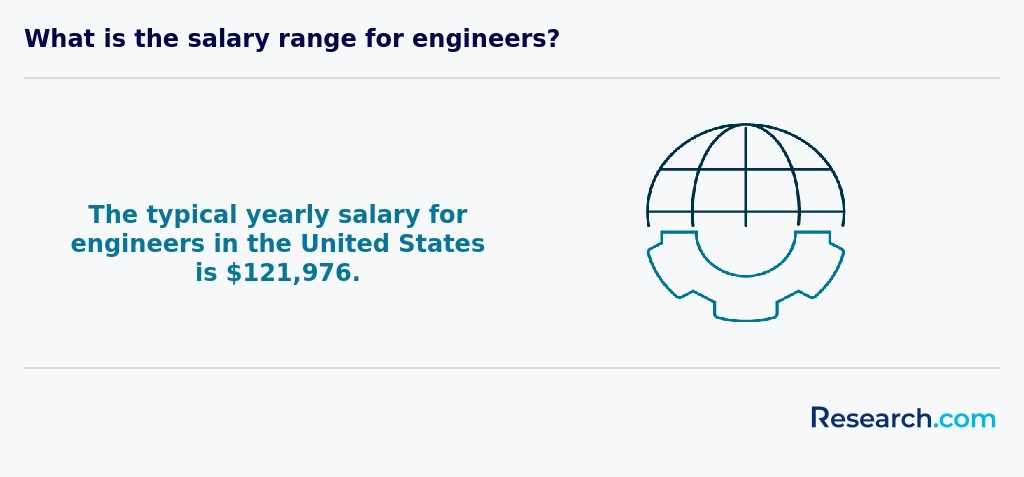
Ensuring that your online engineering degree program is accredited and taught by qualified faculty is essential for both academic rigor and employability. Most top Southern institutions hold ABET accreditation, the gold standard that guarantees curriculum relevance, continuous improvement, and alignment with industry expectations. When evaluating programs, look for detailed accreditation statements on university websites and review annual accreditation reports for insights into student outcomes and graduate success rates. Faculty expertise further validates program quality. Leading online engineering programs in the South feature professors with advanced degrees, active research portfolios, and industry consulting experience. These instructors design coursework that integrates the latest technological advancements and regional infrastructure needs, ensuring that lessons translate directly into real-world competencies. Many faculty members publish peer-reviewed articles and secure research grants, demonstrating a commitment to innovation and thought leadership. Beyond engineering, it’s insightful to compare accreditation benefits across disciplines-for instance, consider how specialized credentials impact career trajectories in fields like military science, where graduates track impressive military science salary benchmarks. This cross-disciplinary perspective underscores the importance of choosing a program that not only meets rigorous standards but also equips you with the expertise and credibility respected by employers in any technical domain.
Online engineering students in the South often find relief through a range of financial aid options, from federal grants like the Pell Grant offering up to $7,395 annually, to state-specific scholarships in places like Texas and Georgia. For example, a graduate from a well-known Southern university recalls how the Texas Educational Opportunity Grant significantly eased their tuition burden, enabling focus on mastering complex engineering concepts rather than finances.
Many Southern institutions enhance this support with scholarships aimed at underrepresented minorities, creating an encouraging environment for diverse engineering cohorts online. Graduates often express gratitude for these targeted awards that recognize academic excellence and financial need, helping them stay motivated and driven.
Employer tuition assistance is another exciting avenue, especially for working professionals balancing jobs and studies. In aerospace hubs like Huntsville, Alabama, companies frequently offer tuition reimbursement, making advanced degrees more approachable.
Looking ahead, increased collaboration between universities and industry partners may expand personalized aid, blending funding with mentorship to nurture the next generation of Southern engineers online.
Enrolling in an online engineering degree program in the South is increasingly accessible, yet it demands solid preparation. Graduates from universities like the University of Texas at Austin or Georgia Tech often recall needing a strong background in math and science-courses like algebra, calculus, and physics form the backbone of their readiness. Many programs now lean on key prerequisites such as a high school diploma or GED, with a GPA threshold usually around 2.5 to 3.0, ensuring candidates are set up for success.
Looking ahead, expect placement exams in calculus or physics to become standard, especially as schools aim to tailor online course difficulty more precisely. Several southern programs also encourage submitting personal statements or recommendation letters, allowing applicants to share their passion and resilience-qualities students who thrive online frequently mention as critical.
With evolving admission policies, like test-optional criteria in response to recent challenges, future applicants may find more flexibility. Still, accreditation from bodies like ABET remains key, guaranteeing the education quality that graduates from institutions such as North Carolina State University proudly value.
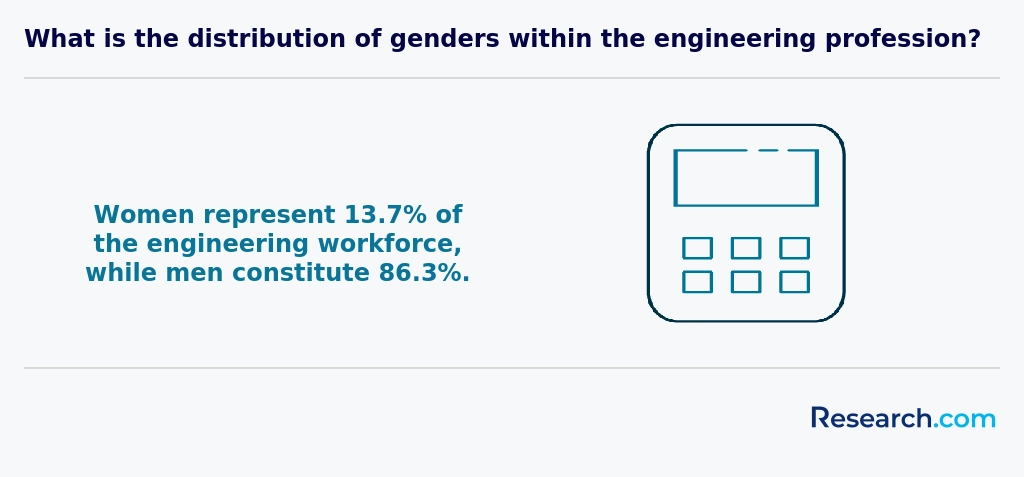
Online engineering degree programs in the South typically include foundational courses like calculus, differential equations, and physics, which graduates often recall as crucial for tackling real-world problems in industries such as aerospace and energy. At universities known for strong engineering curriculums, students engage with practical classes in computer-aided design (CAD) and engineering design, developing skills that immediately translate to projects in manufacturing hubs throughout the region.
Specialized courses tend to reflect Southern industry needs-graduates from prominent Southern colleges have shared how aerospace-focused classes in aerodynamics and propulsion prepared them for roles in nearby aerospace firms. Similarly, civil engineering students appreciate in-depth study of structural analysis and transportation, mirroring ongoing infrastructure developments in the South. Electrical engineering tracks often integrate hands-on circuit design and embedded systems, vital for tech jobs emerging in Southern urban centers.
Looking ahead, these programs increasingly weave programming languages like Python and C++ with data analysis, equipping students to lead in innovative sectors. Graduates describe the blend of ethics and project management courses as empowering, helping them confidently navigate professional challenges and leadership roles in the evolving Southern economy.
Online engineering degree specializations in the South provide a dynamic range of options that reflect regional industry growth and emerging technological trends. Civil engineering remains a cornerstone, praised by graduates from universities like Texas A&M, who share how their online programs blend traditional infrastructure principles with innovative sustainable urban design. Mechanical engineering draws enthusiasm from students in Alabama and Georgia, where automotive and energy sectors fuel career opportunities. Many Southern students find electrical and computer engineering appealing, especially as data centers and cybersecurity industries expand across the region, offering hands-on learning that feels both relevant and exciting.
Environmental and industrial engineering are increasingly popular, capturing the spirit of future-focused students tackling sustainability and process optimization challenges prevalent in Southern manufacturing hubs. Those pursuing online degrees at institutions such as the University of Florida often highlight the balance of rigorous coursework and flexible schedules, which perfectly suits working professionals.
For those exploring affordable pathways, the Cheapest Engineering Degree Programs Ranking in Houston, TX is a valuable resource. These varied specializations illustrate how Southern online programs evolve to meet student aspirations and regional demands, creating meaningful educational journeys filled with practical experiences.
Choosing the best online engineering degree in the South means prioritizing programs that combine regional industry relevance with flexible learning models. Graduates from universities known for strong aerospace and manufacturing ties often share how tailored specializations opened doors to rewarding careers. Many found success balancing studies with work by selecting schools offering asynchronous courses and minimal on-campus commitments, making rigorous engineering degrees accessible without disrupting personal life.
Affordability is essential when exploring options, and some students highlight how affordable online engineering degrees Southern US programs enabled them to pursue education without excessive debt. Comparing tuition alongside fees and materials is a wise strategy to identify quality programs within budget. Checking ABET accreditation reassures that the degree will hold professional value, a point emphasized by many alumni who felt confident entering the job market with their credentials.
Looking ahead, exploring accelerated pathways such as 1 year masters programs online might offer fast-tracked advancement without sacrificing depth. With continued growth in Southern engineering sectors, students who strategically align their degrees with local employment trends often experience high job placement rates and fulfilling careers.

Graduates holding an online engineering degree in the South find a dynamic array of career opportunities that evolve with regional growth and innovation. From bustling tech corridors in Atlanta to manufacturing powerhouses in Texas, roles in civil, mechanical, electrical, and software engineering continue to expand. Many graduates from institutions like Texas A&M and the University of Florida express enthusiasm as they transition into positions designing smart infrastructure or advancing renewable energy projects, highlighting how Southern economies encourage forward-thinking applications of engineering skills.
Civil engineers, for example, engage in transformative infrastructure developments spanning highways and sustainable water systems, while mechanical engineers thrive in emerging aerospace innovations seen in Charlotte and Houston's industrial sectors. Software engineers benefit from a network of startups and established companies that foster creativity and problem-solving in real time. Those seeking versatility appreciate environmental engineering roles that confront ecological challenges unique to the South, such as coastal resilience and energy efficiency.
Such career options after Southern online engineering degree acquisition empower students to adapt quickly and envision future pathways. For those interested in expanding their skill set with flexible learning that aligns with these ambitions, exploring online courses for jobs that pay well offers practical guidance on developing in-demand expertise.
The job market for online engineering degree graduates in the South is steadily evolving, offering promising opportunities especially in states like Texas, Florida, and North Carolina. Graduates from well-known institutions, such as those with ABET-accredited programs, often report excitement and confidence entering industries ranging from aerospace to energy production. For example, those completing degrees from popular Southern universities find themselves well-positioned in robust industrial hubs with thriving manufacturing and technology sectors. This aligns with the broader trends of online engineering job opportunities in the South, fueled by expanding infrastructure and emerging tech companies.
The flexibility of earning a degree online while working locally allows many to boost their skills without relocating, creating real-life success stories from students balancing family and jobs. Affordability is also key; many take advantage of public universities offering competitive tuition rates, contrasted with private options. Students searching for cost-effective education routes might explore the cheapest associate degree online programs, as part of their path to growing regional demand for engineers in construction, automotive, and defense sectors.
2027 Easiest Online Engineering Degree Programs Ranking in the South
Investing in your education is a significant decision that can shape your future, and the Research.com team understands the importance of making informed choices. To assist prospective students in the South, we have meticulously developed the "2027 Easiest Online Engineering Degree Programs Ranking in the South." Our commitment to quality, credibility, and accuracy is demonstrated through the rigorous research and analysis that underpin this ranking.
We utilized the following reputable data sources to ensure a comprehensive evaluation of online engineering degree programs:
By exploring this ranking, readers will gain valuable insights into the most accessible online engineering degree programs in the South, empowering them to make informed decisions tailored to their educational needs. For more details on our methodology, please visit our Research.com methodology page.

# 2 position
Full Sail University
Bachelor of Computer Science


# 12 position
Louisiana State University and Agricultural & Mechanical College
Master of Civil Engineering


# 15 position
University of Maryland-College Park
Master of Technology Entrepreneurship and Corporate Innovation, Online


Frequently Asked Questions About engineering
Online engineering degree students in the South can maximize their learning experience by actively engaging with their coursework and leveraging regional resources. Many Southern universities offer virtual labs and simulation tools, which enhance practical understanding. According to the Southern Regional Education Board, students who participate in online study groups and virtual office hours report higher retention rates. Connecting with local engineering organizations, such as state chapters of the American Society of Civil Engineers or IEEE, provides networking and internship opportunities. Additionally, staying current with industry trends in Southern hubs like Atlanta and Houston can enrich learning and career prospects in sectors like aerospace and energy.
The engineering field is rapidly evolving, with emerging niches gaining traction especially in the Southern United States. One fast-growing area is renewable energy engineering, driven by the South's investments in solar and wind projects. According to the U.S. Energy Information Administration, Southern states like Texas and Florida lead in solar capacity, creating demand for specialized engineers.
Another niche is biotech engineering, particularly in states such as North Carolina and Georgia, where biotech hubs are expanding. This area combines biology with engineering principles to develop medical devices and pharmaceuticals.
Cybersecurity engineering is also increasing in importance as industries seek to protect infrastructure, with the South home to many defense contractors and technology firms.
These emerging niches offer promising career paths for online engineering degree students in the South.
Preparing for the job market after earning an online engineering degree in the South involves several strategic steps. First, graduates should pursue relevant internships or cooperative education opportunities, as hands-on experience is a key factor for engineering employers in southern states like Texas and Georgia.
Networking is equally crucial. Joining regional professional organizations such as the Texas Society of Professional Engineers or the Georgia Engineering Alliance can provide valuable connections and job leads. According to the U.S. Bureau of Labor Statistics, engineering jobs in the South are projected to grow by 5% through 2031, emphasizing the importance of staying connected.
Additionally, obtaining licensure through the Fundamentals of Engineering (FE) exam strengthens a candidate's credentials. Online graduates should also polish their resumes to highlight technical and soft skills relevant to local industries like aerospace, manufacturing, and energy.
Employers in the Southern United States value a combination of technical expertise and soft skills when hiring engineering graduates. According to the National Society of Professional Engineers (NSPE), strong problem-solving abilities and proficiency in software tools relevant to the field-such as CAD and MATLAB-are essential.
Communication skills are also critical, as engineers frequently work in teams and must explain complex concepts clearly. The U.S. Bureau of Labor Statistics highlights that collaboration and leadership qualities improve job prospects in the competitive Southern engineering market.
Additionally, adaptability and continuous learning are prized, especially given rapid technological advances.
Finding internships in the South relevant to an engineering degree involves several strategic steps. Many universities in the region partner with local industries, including aerospace, automotive, and energy sectors, which are prominent employers for engineering students. According to the National Association of Colleges and Employers (NACE), companies in Texas and Georgia offer numerous internship programs, especially in cities like Houston and Atlanta.
Students should leverage university career centers, which often have connections with regional employers. Networking through professional organizations such as the American Society of Mechanical Engineers (ASME) or the Institute of Electrical and Electronics Engineers (IEEE) can also lead to internship opportunities.
Moreover, online job platforms and company websites frequently post internships targeted at engineering students. Applying early and tailoring applications to highlight relevant technical skills improves chances of success in the competitive Southern job market.
Online engineering degrees increasingly support career mobility and advancement for professionals in the South. According to the U.S. Bureau of Labor Statistics, engineering jobs in Southern states like Texas and Georgia are growing faster than the national average, driven by sectors such as aerospace, energy, and manufacturing. Completing an accredited online engineering program enables individuals to gain nationally recognized credentials without relocating, allowing workers to balance employment and education.
Employers in the South often prioritize practical skills and accredited degrees, both achievable through reputable online programs. Additionally, earning a degree online can lead to higher earning potential, with engineers holding bachelor's degrees earning a median annual wage above $80,000 in several Southern metropolitan areas, according to the National Society of Professional Engineers.
Online engineering degrees in the South emphasize interdisciplinary skills crucial for today's complex work environments. Programs often integrate courses in business, computer science, and project management, helping students navigate multiple fields. For example, the Southern Regional Education Board notes Southern universities lead nationally in engineering graduates with cross-disciplinary coursework.
These programs use project-based learning, encouraging collaboration across disciplines. Students develop problem-solving skills applicable in sectors like manufacturing, healthcare, and energy-key industries in the South.
Graduates typically enter roles requiring coordination between engineers, designers, and managers, equipped with both technical expertise and communication abilities. This approach aligns with regional workforce demands highlighted by the U.S. Bureau of Labor Statistics showing steady growth in interdisciplinary engineering jobs in Southern states.
Choosing between a thesis and a non-thesis online engineering degree in the South depends on your career goals and learning preferences. Thesis programs typically require original research, suited for students aiming for doctoral studies or research careers. Non-thesis options focus on coursework and practical skills, ideal for professionals seeking advancement or industry roles.
Southern universities like Georgia Tech and Texas A&M offer both options, reflecting regional demand for versatile engineers. According to the Southern Regional Education Board (2023), over 60% of online engineering students in the South prefer non-thesis programs due to flexibility and faster completion.
Consider workload, research interest, and professional plans when deciding between these paths.
Students based in the South seeking online engineering degrees with an international focus have several pathways. Many Southern universities partner with foreign institutions, offering joint or dual-degree programs that include study abroad options. These programs allow students to complete core courses online while participating in short-term residency abroad, often in Europe or Asia.
Accreditation is key; students should look for programs accredited by ABET, ensuring quality engineering education recognized both in the U.S. and internationally. According to the Southern Regional Education Board, over 30% of Southern engineering programs have established formal international collaborations.
Additionally, virtual exchange programs and global internships are increasingly integrated into online curricula, providing practical international experience without long-term relocation.
Part-time job opportunities in the South that complement engineering degree education are diverse and growing. Many students find roles as engineering interns at manufacturing firms, aerospace companies, or energy providers, which are significant industries in states like Texas, Georgia, and North Carolina. According to the U.S. Bureau of Labor Statistics, aerospace and manufacturing sectors in these states have seen steady employment growth, offering practical experiences that reinforce academic learning. Additionally, roles in CAD drafting, lab technician positions, and technical support in IT firms provide hands-on skills crucial for engineering students.
Internships and co-op programs often pay between $15 and $25 per hour, enhancing both financial stability and resume value. Many Southern universities maintain partnerships with local industries, facilitating student employment opportunities that align directly with online coursework. These part-time jobs help students apply theoretical concepts to real-world challenges, advancing their understanding and career readiness.
Networking opportunities for online engineering students in the South are increasingly robust, thanks to the region's strong focus on STEM industries. Many Southern universities offer virtual career fairs, alumni mixers, and professional development webinars tailored specifically for online students.
According to the Southern Regional Education Board, over 60% of Southern institutions provide online students access to engineering clubs and student organizations, facilitating peer connections and mentorship. Additionally, regional engineering societies such as the Tennessee Society of Professional Engineers and the Texas Society of Professional Engineers hold virtual events open to online learners.
Moreover, Southern cities like Atlanta, Houston, and Raleigh have thriving tech hubs where students can engage in internships and networking remotely, enhancing career prospects without relocating.
Alumni networks play a crucial role for online engineering degree students in the South by providing valuable professional connections. Many Southern universities have established strong alumni communities that actively support graduates through mentoring programs and job referrals. According to the Southern Regional Education Board, more than 60% of engineering graduates in the South find employment through connections made via alumni networks.
These networks offer access to industry events and workshops, enhancing learning beyond the virtual classroom. Students benefit from real-world insights and potential internships shared within these communities. Consequently, online students can overcome geographical barriers common in remote education.
In addition, alumni networks help build a sense of belonging and professional identity, which is important for motivation and career development in the competitive engineering field.
Customizing an online engineering degree program in the South allows students to align their education with specific career goals. Many Southern universities, such as those in Texas and Georgia, offer flexible course selections and specializations in fields like civil, mechanical, and electrical engineering. Accredited programs often include elective courses that reflect industry demands in the region, helping students gain relevant skills. Some schools also provide opportunities for virtual internships or industry collaborations, enhancing practical experience. According to the Southern Regional Education Board, tailoring degree pathways can boost job placement rates in Southern states where engineering jobs grew by 7% over five years.
Online engineering students in the South often face challenges related to access and resources. Many rural areas in Southern states report slower internet speeds, which can disrupt live lectures and limit access to digital resources. According to the Federal Communications Commission, nearly 22% of Southern households lack high-speed internet, complicating remote learning. Technical courses requiring laboratories and hands-on practice also present difficulties, as students must find alternative ways to complete these requirements outside traditional campus facilities.
Students may struggle with time management and self-discipline due to the demanding nature of engineering curricula combined with family or work obligations common in the region. Furthermore, networking opportunities and direct mentorship can be less accessible online, potentially impacting career development.
With an online engineering degree from a university in the South, graduates can pursue key professional certifications that enhance career opportunities. The most recognized is the Professional Engineer (PE) license, which requires passing the Fundamentals of Engineering (FE) exam, followed by work experience and the PE exam. This credential is vital for roles in civil, mechanical, electrical, and other engineering disciplines.
Additionally, certifications like Certified Manufacturing Engineer (CMfgE) or Project Management Professional (PMP) can complement engineering degrees and are valued by Southern employers. According to the National Society of Professional Engineers, states in the South show steady demand for licensed engineers, supporting career growth. Online degree holders are eligible to sit for most of these exams, provided they meet state-specific education and experience criteria.
Applying to an online engineering program in the South requires clear focus and preparation. First, ensure your academic records meet the program's requirements; many Southern universities prioritize strong math and science backgrounds. For example, institutions aligned with ABET accreditation hold particular value.
Highlight relevant experience, including internships or work in engineering fields, to strengthen your application. A well-written personal statement explaining your motivation and career goals is crucial. According to U.S. News & World Report, Southern engineering programs often seek candidates who demonstrate problem-solving skills and adaptability for online learning environments.
Request letters of recommendation from professors or employers who can attest to your technical skills and commitment. Finally, meet all deadlines and provide standardized test scores if required, noting that many programs are test-optional to accommodate diverse applicants.
Engineering careers hold strong global appeal due to their critical role in innovation, infrastructure, and technology. In the United States, especially in the South, the demand for engineers is projected to grow by 8% from 2022 to 2032, according to the U.S. Bureau of Labor Statistics. This growth reflects industries such as aerospace, energy, and manufacturing expanding in states like Texas, Georgia, and Florida.
Internationally, engineers often collaborate across borders, making global competence essential. For students pursuing online engineering degrees in the South, gaining skills aligned with both domestic needs and international standards enhances career mobility and competitiveness in a global workforce.
Gaining practical experience while pursuing an online engineering degree in the South is crucial for applying theoretical knowledge. Many Southern universities partner with local industries to offer virtual internships, allowing students to work on real-world engineering projects remotely. According to the Southern Regional Education Board, 68% of engineering programs in the region provide such opportunities.
Additionally, some programs incorporate lab kits sent to students, enabling hands-on experiments at home. Professional engineering societies like the American Society of Civil Engineers have active Southern chapters that organize workshops and networking events accessible online. Engaging in these activities enhances skills and strengthens resumes during studies.
Choosing the right concentration within an online engineering degree program in the South begins with evaluating regional industry demands. States like Texas, Georgia, and North Carolina lead in sectors such as aerospace, energy, and biotechnology, which influence local job markets. According to the U.S. Bureau of Labor Statistics, engineering fields like civil, mechanical, and electrical engineering show steady employment growth in these areas.
Next, consider your personal interests and career goals. Concentrations aligned with high-growth industries may provide better job prospects. Researching university program specializations and faculty expertise can help identify strong options.
Finally, review accreditation and alignment with professional engineering licensure requirements in Southern states to ensure your concentration supports long-term career plans.
See What Experts Have To Say About Studying Engineering
Read our interview with Engineering experts

Joseph Reichenberger
Engineering Expert
Professor of Civil Engineering & Environmental Science
Loyola Marymount University

Jasna Jankovic
Engineering Expert
Associate Professor
University of Connecticut


- Thesis vs. Non-Thesis Master's Programs: Which is Right for You? https://potomac.edu/thesis-vs-non-thesis-masters/
- Student https://www.eiffagegeniecivil.com/student
- New Ranking: The Best Alumni Networks https://poetsandquantsforundergrads.com/rankings/the-best-alumni-networks/
- Engineering Design Challenges There are 80 items. https://clearinghouse.starnetlibraries.org/138-engineering-design-challenges
- Graduate Engineering Schools That Award Financial Aid to International Students | WorldTrips Travel Insurance https://www.worldtrips.com/resources/graduate-engineering-financial-aid-to-international-students
- Study Engineering Abroad https://yocket.com/blog/study-engineering-abroad
- 4 Strategies for engineering students to gain quality, hands-on experience https://starfishmedical.com/resource/gain-quality-hands-on-experience/
- FAQ - Online Engineering Programs https://www.onlineengineeringprograms.com/faq
- Get experience in engineering with an internship https://gradireland.com/careers-advice/engineering/get-experience-engineering-internship
- Networking for engineers: your questions answered https://targetjobs.co.uk/careers-advice/engineering/networking-engineers-your-questions-answered