2027 Most Affordable Online Doctorate in Engineering Degree Programs Ranking in the Northeast

Co-Founder and Chief Data Scientist
Exploring advanced engineering degrees can open new doors in your career, especially with flexible online options. For students in the Northeast seeking affordable programs, this article is designed to guide you.
The Research.com team of data scientists created the 2027 Most Affordable Online Doctorate in Engineering Degree Programs Ranking in the Northeast to help you find programs that offer great value without sacrificing quality.
By reading this ranking, you can make an informed choice and confidently pursue a doctorate that fits your goals and budget.
Key benefits of getting online engineering degree in the Northeast
- Engineering graduates in the Northeast can earn competitive salaries, with roles like Senior Research and Development Engineer averaging $106,700 annually and Research and Development Director earning up to $258,900.
- Career paths include positions such as Engineering Program Manager or Principal Mechanical Engineer, offering diverse opportunities to grow professionally at reputable institutions like Northeastern University.
- Online engineering degrees provide flexibility and affordability, allowing students from schools like the University of Massachusetts Lowell to balance work and study while gaining the same respected credentials as traditional programs.
- 2027 Most Affordable Online Doctorate in Engineering Degree Programs Ranking in the Northeast
- What can I expect from online engineering degree in the Northeast?
- Where can I work with online engineering degree in the Northeast?
What can I expect from online engineering degree in the Northeast?
When considering the average cost of an online engineering degree in the Northeast, many graduates from well-regarded institutions share that tuition generally falls between $400 and $600 per credit hour for public universities, especially for in-state residents. This reasonable range allows students from states like New York, Massachusetts, and Pennsylvania to access quality education without overwhelming financial strain. Private colleges, however, may charge closer to $900 or more per credit hour, reflecting the added resources and networking opportunities they often provide.
Graduates often recall balancing those costs with employer tuition reimbursement programs and financial aid, which made a significant difference in managing expenses. For example, a graduate from a prominent engineering school in Philadelphia appreciated how local industry partnerships provided not only practical experience but also eased the path through financial challenges. This blend of affordability and meaningful connection to regional employers helps many students feel optimistic about their investment in an engineering degree.
Ultimately, the Northeast offers a variety of flexible pricing options, making pursuit of an online engineering degree both viable and worthwhile in today's competitive job market.
Where can I work with online engineering degree in the Northeast?
Graduates with an online engineering degree from well-known Northeast schools often find themselves welcomed by a broad spectrum of employers. From thriving tech firms in Boston to manufacturing plants around Pittsburgh, many have stepped into roles in electrical, mechanical, and software engineering with confidence. One common story is a graduate landing a systems engineering position at a New York aerospace company, drawn by the city's innovation-driven job market.
Others have turned their focus to civil engineering, working on urban infrastructure projects near Philadelphia or managing bridge construction teams supported by the region's significant infrastructure investments. These practical experiences reflect real-world demand fueled by government and private sector initiatives.
Some graduates recall feeling inspired when joining renewable energy startups in Massachusetts, contributing to solar power designs aligned with local clean energy goals. Meanwhile, biomedical device firms in New Jersey have attracted engineers eager to apply multidisciplinary skills learned online, making an impact in healthcare technology.
Whether entering consulting firms or public agencies like the U.S. Army Corps of Engineers, online degree holders report a sense of accomplishment and optimism as their credentials open doors across the Northeast's diverse engineering landscape.
Graduates holding online engineering degrees from respected Northeast institutions like Northeastern University or Rensselaer Polytechnic Institute often find their earnings reflecting the region's competitive markets. Entry-level engineers can feel optimistic knowing that leadership roles such as Engineering Program Manager or Principal Mechanical Engineer offer mean annual wages around $172,290, showcasing the strong financial return on advanced study and experience.
Those stepping into Research and Development positions report mean salaries near $106,700 annually, a rewarding start that grows as expertise deepens. Meanwhile, graduates advancing to director-level roles, such as Director of Engineering or Research and Development Director, experience substantial salary increases, with mean wages reaching approximately $129,330 and $258,900 respectively. These figures are not just numbers-they represent real opportunities for graduates balancing online degree paths with internships or certifications, reflecting a journey of growth that Northeast campuses encourage through strong industry ties.
Many graduates recount feeling empowered when their online studies translated into meaningful salaries, particularly when positioned in cities like Boston or Philadelphia, where demand and compensation align favorably.
- Online engineering degrees in the Northeast usually take two to four years to complete, depending on prior credits and program intensity.
- Tuition costs range from $15,000 to $35,000 per year for in-state or regional students, with private schools often charging more.
- Entry-level engineers earn between $65,000 and $75,000 annually, while mid-career salaries range from $90,000 to $120,000.
- The demand for engineers in the Northeast is expected to grow by 7% to 10% over the next decade.
- ABET accreditation is important for licensure and employer recognition in many engineering fields.
- Many programs include virtual labs and project-based learning to provide hands-on experience online.
Completing an online engineering degree in the Northeast often means embracing flexible timelines shaped by individual circumstances. Many undergraduates at institutions like the University of Massachusetts Lowell find that a full-time Bachelor of Science in Engineering typically takes about four years, mirroring traditional programs. However, life's demands lead many to choose part-time study, extending their journey to five or six years without sacrificing the quality of education.
Graduates recount how schools such as New Jersey Institute of Technology support working professionals through evening or asynchronous classes, enabling them to balance family and work commitments. For master's students, the one to two year range feels manageable and rewarding, especially when progressing steadily without rushing. Doctoral candidates note that their three to six year path depends largely on research depth and dissertation milestones, a process nurtured by the region's strong academic community.
This variety in pacing exemplifies how online engineering in the Northeast adapts to real lives, making success attainable and meaningful.
One key difference between online and on-campus engineering degrees in the Northeast is the learning environment. Graduates from Massachusetts Institute of Technology (MIT) often recall the energizing buzz of working side-by-side with classmates in hands-on labs and bustling campus spaces. In contrast, those who earned their degrees online from Northeastern University appreciate the flexibility of attending classes on their own schedules, perfect for balancing jobs or family life without the commute to Boston's campus.
Cost also plays a role. Many on-campus students face $30,000 to $50,000 yearly tuition, plus housing and transport costs. Conversely, online learners from schools like Rensselaer Polytechnic Institute benefit from reduced expenses, though technology fees may apply. Both paths share ABET accreditation, ensuring rigorous standards for professional careers.
Interaction varies too. On-campus engineering students enjoy spontaneous conversations and immediate lab access, while online learners rely on virtual discussions and scheduled remote labs. Yet, many online graduates find meaningful connections through forums and periodic meetups, making their experience just as rewarding and adaptable to their Northeast lifestyles.
When weighing the commitment between an online engineering doctorate and a master’s degree, prospective students should consider factors such as duration, cost, career trajectory, and research versus professional focus. A master’s program typically spans 1–2 years, offering advanced technical training and project-based coursework that can quickly elevate your qualifications for leadership or specialized roles. In contrast, doctoral programs often require 3–6 years of intensive research, dissertation work, and publication efforts-ideal for those aiming at top-tier R&D, academic positions, or high-level industry innovation. Cost is another pivotal consideration. Online master’s degrees generally carry lower tuition and fewer fees, making them a budget-friendly step toward career advancement. For students seeking a master’s alternative that balances quality and affordability, explore our Inexpensive Online Master’s in Engineering Degree Programs Ranking in the South, which highlights cost-effective options without compromising academic rigor. Career outcomes also diverge: master’s graduates often secure managerial or specialist roles within two years of study, while doctorate holders may command higher salaries in research, academia, and executive leadership but must invest more time before entering the workforce. Prospective enrollees should assess their long-term objectives, financial capacity, and desire for original research when selecting between these two pathways. Ultimately, choosing between an online doctorate and a master’s degree in engineering hinges on your professional goals, financial considerations, and preferred learning model. By aligning program length, investment, and career aspirations, you can select the pathway that best accelerates your journey in the dynamic engineering landscape.
The average cost of an online engineering degree in the Northeast typically centers around $53,934, considering median total expenses. Students pursuing these degrees at universities such as Northeastern University or the University of Massachusetts often find this range reflective of their own journeys. Graduates frequently share how balancing quality education with manageable costs allowed them to invest wisely in their futures without excessive debt. These schools' commitment to providing reputable engineering programs online means students benefit from advanced coursework and industry connections that prepare them well.
Residents in states like Massachusetts and New York enjoy notable financial advantages due to state residency tuition differences. This can significantly reduce tuition fees, making it easier for local students to pursue their ambitions in engineering. Reflecting on these affordable options can encourage prospective students to consider all factors beyond sticker price, including transfer credits or accelerated paths that may further influence the total cost.
For those looking beyond undergraduate degrees, exploring affordable online doctorate engineering programs northeast is similarly influenced by these nuances. Many students appreciate how online formats remove commuting costs and offer more flexible schedules, balancing family and work demands effectively. If you're weighing your options, it may also be worthwhile to review related opportunities such as cheap online master's in computer science programs, which can complement an engineering background and open additional career pathways.
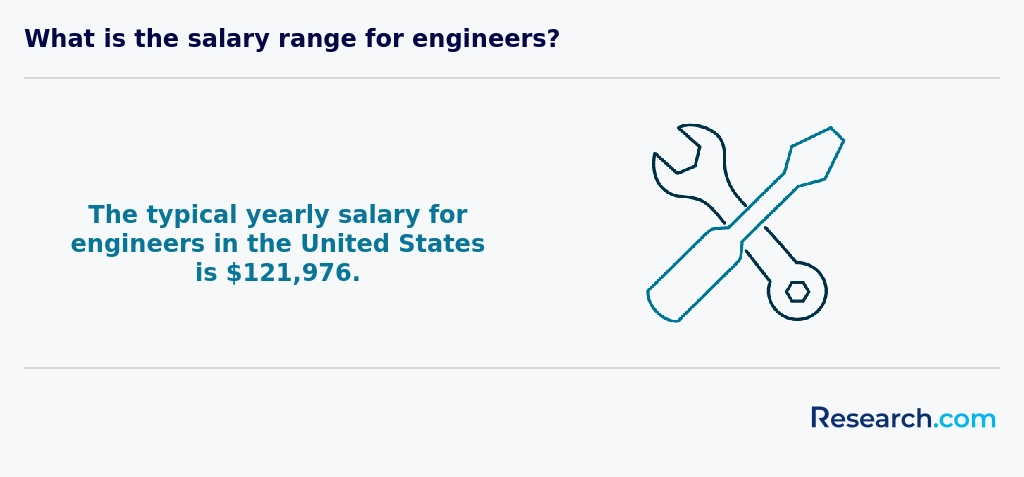
Financial aid for online engineering students in the Northeast often starts with the Free Application for Federal Student Aid (FAFSA), unlocking access to Pell Grants and federal loans. Graduates from institutions like the University of Massachusetts Amherst recall how Pell Grants of up to $7,395 helped ease their financial load, allowing more focus on challenging coursework.
State-specific aid also plays a critical role. For instance, students studying at New York's Polytechnic Institute have benefited greatly from the Tuition Assistance Program (TAP), receiving awards that can reach $6,165 annually. Similarly, those enrolled online at Boston University have noted the impact of Massachusetts' MassGrant and the John and Abigail Adams Scholarship, which support STEM learners and make engineering degrees feel within reach.
Private scholarships from groups like the Society of Women Engineers are another valuable resource. Many engineering students at Northeastern University have expressed gratitude for these funds, which often provide $1,000 to $5,000 and accommodate residents across state lines.
Working professionals pursuing online engineering degrees also find relief through employer tuition assistance, a benefit frequently offered by tech and manufacturing firms in the region. Combining such aid with university-offered tuition caps and payment plans, as experienced by students at Rensselaer Polytechnic Institute, makes managing costs more manageable and instills confidence in their academic journey.
Choosing a reputable online engineering doctorate requires careful attention to both regional and programmatic accreditation, as these seals of approval directly impact transferability of credits, eligibility for federal financial aid, licensure pathways, and employer recognition. In the Northeast, the most respected regional accrediting bodies include the New England Commission of Higher Education (NECHE) and the Middle States Commission on Higher Education (MSCHE). For program-specific validation, look for ABET accreditation-the gold standard for engineering curricula-which ensures that coursework, faculty credentials, and laboratory resources meet rigorous quality benchmarks. To verify accreditation status, visit each institution’s accreditation page or consult the U.S. Department of Education’s Database of Accredited Postsecondary Institutions and Programs (DAPIP). Confirm that both the doctoral program and the parent institution hold active accreditation. ABET-accredited doctorates demonstrate a commitment to continuous improvement through regular self-evaluation and peer review, helping graduates satisfy licensure requirements in states where Professional Engineer (PE) certification is mandatory. Accreditation also influences long-term career outcomes by signaling to employers that degree holders have mastered industry-relevant competencies. Prospective students should review published outcomes-such as completion rates, post-graduation employment statistics, and median salaries-to gauge program effectiveness. For insight into career trajectories and specific roles, our guide on what jobs can you get with engineering major provides detailed profiles of in-demand positions for engineering graduates. Ultimately, confirming robust accreditation safeguards your investment in an online engineering doctorate. It guarantees that your degree will be recognized by academic peers, professional licensing boards, and employers across the Northeast and beyond-ensuring both academic rigor and a solid foundation for a thriving engineering career.
Enrolling in an online engineering degree in the Northeast means meeting clear academic benchmarks established by institutions like Northeastern University and Rensselaer Polytechnic Institute. Graduates often reflect that a solid foundation in math and science during high school was crucial, especially in subjects like calculus, physics, and chemistry, which prepare you for the analytical rigor ahead.
For those pursuing advanced degrees, a bachelor's in engineering or a related field is generally required. Many recall the early challenge of fulfilling prerequisite courses if coming from a different academic background, but these steps ensure all students reach the same level of readiness. Sending official transcripts and maintaining a GPA around 3.0 are common expectations that reflect the seriousness of the commitment.
- Standardized tests like the GRE may be waived, particularly at online programs sensitive to working professionals' schedules.
- Technical readiness is essential; access to a reliable computer and internet connection can't be overlooked given the software demands of remote labs and simulations.
- Letters of recommendation and personal statements add a human dimension to your application, highlighting your motivation and experience.
Navigating these prerequisites successfully, as many Northeast students attest, builds confidence and lays a realistic foundation for a rewarding engineering journey.
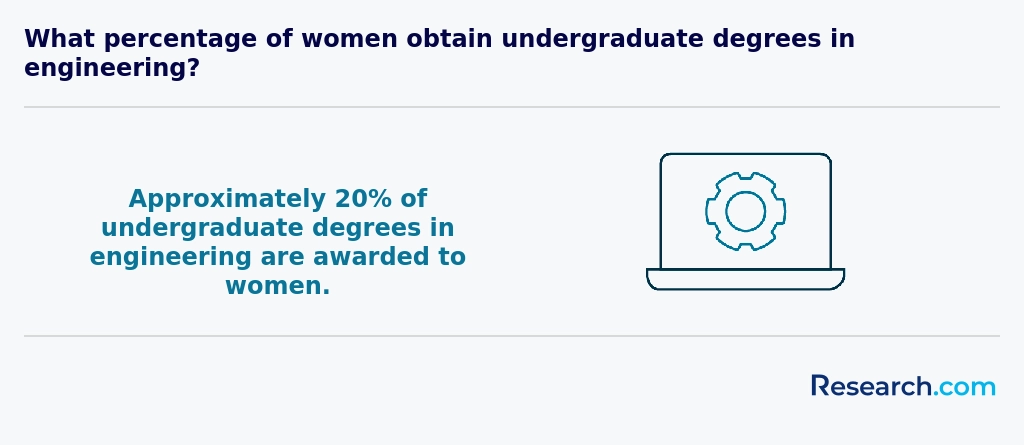
Navigating the application process for an online engineering degree can be challenging, but with the right preparation and strategy, you can set yourself up for success. Start by thoroughly researching each program’s admission requirements and deadlines, and organize your academic transcripts, recommendation letters, and standardized test scores early on. Investing time in crafting a compelling personal statement that highlights your technical background, problem-solving skills, and passion for engineering will also give you a competitive edge. Additionally, ensure your digital setup is robust enough to handle virtual classrooms and online research activities, which are key to thriving in a remote learning environment. If you are exploring options and want guidance on selecting a high-quality institution, you might consider reviewing the best online engineering program in new jersey to compare program features and student support services. Remember to leverage available resources such as financial aid counseling and virtual campus tours, and engage with current students or alumni through online forums to gain insights into the program's culture and outcomes. With a well-prepared application and proactive planning, you can secure a spot in a program that aligns with your career ambitions and academic goals.
Online engineering degree programs in the Northeast typically start with foundational courses essential for building a strong technical base. Graduates often recall tackling calculus, differential equations, and physics fundamentals with real-world examples like modeling mechanical systems or analyzing electrical circuits. Schools well-known in the region, such as those in Massachusetts or New York, emphasize these core subjects to ensure students develop critical problem-solving skills early on.
As students progress, their coursework becomes more specialized depending on their chosen field. For instance, electrical engineering students study signal processing and digital systems, while mechanical engineering students explore thermodynamics and fluid mechanics through virtual labs that mimic hands-on experiences. Graduates often mention how these practical applications made abstract theories come alive, even in an online setting.
Additionally, programs integrate computer-aided design (CAD), programming, and data analysis courses, preparing learners for the evolving demands of engineering careers. Many find value in project management and communication classes, highlighting how these helped them collaborate effectively in multidisciplinary teams.

Online engineering degree specializations Northeast programs commonly offer focus areas that mirror the region's industrial backbone. Graduates from well-known institutions in New York and Massachusetts often remark on the practicality of studying Civil Engineering, where they engage in virtual projects simulating infrastructure design critical for urban development. Mechanical Engineering students express enthusiasm for hands-on learning about manufacturing advancements, often employed by nearby tech and manufacturing firms.
Electrical and Computer Engineering remain highly sought after due to their alignment with telecommunications and software-hardware integration, especially in Pennsylvania's growing tech hubs. Systems Engineering is another attractive specialization, appealing to those who wish to manage complex projects spanning multiple industries-a skill highly prized in the Northeast's diverse economy.
Many students pursuing an engineering doctorate focus areas Northeast trust find real-world relevance in their curriculum, which integrates emerging industry trends. Additionally, for those curious about emerging fields, exploring a cyber security degree specialization can open new pathways that complement traditional engineering disciplines with critical digital defense expertise.
Choosing the best online engineering degree in the Northeast means prioritizing programs with strong ABET accreditation-this ensures your degree will open doors to licensure and rewarding careers. Graduates from well-known regional schools often highlight how specific specializations, like mechanical engineering in Pennsylvania or biotech in Massachusetts, shaped their success. Many found that aligning their choice with local industry needs made their studies feel relevant and empowering.
Affordability plays a big role as well. While tuition can be higher in this region, seeking out affordable online engineering degrees Northeast offers plenty of options, especially where schools provide financial aid tailored to engineering students. Flexible schedules also matter; asynchronous courses and part-time paths allowed many working students to balance life without compromise.
Finally, excellent faculty and robust student support often made the difference. Graduates praised programs where professors combined academic depth with practical guidance, helping them master software engineering skills and build confidence for the workforce.

Graduates holding an online engineering degree in the Northeast find themselves on a dynamic career spectrum, shaped by the region's industrial diversity and innovation. Many have stepped smoothly into mechanical engineering roles tied to product design and manufacturing, leveraging opportunities in states like New York or Pennsylvania. Others embrace civil engineering pursuits within urban hubs such as Boston, contributing to vital infrastructure projects that sustain city growth. These paths reflect a deep alignment between education and regional demand, enhancing job satisfaction and stability for recent graduates.
In my experience talking with alumni from prominent institutions such as Northeastern University and Rensselaer Polytechnic Institute, electrical and computer engineering careers in tech corridors near Boston and New Jersey resonate strongly. Here, graduates engage in cutting-edge renewable energy projects or cybersecurity roles, thriving on the region's technological momentum. For those drawn to leadership, engineering management positions offer rewarding challenges, balancing technical skills and team guidance-common ambitions for those pursuing online engineering careers in the Northeast.
Some graduates broaden their career horizons by exploring roles in quality assurance, environmental engineering, or consulting. Their journeys often intersect with emerging fields, and many highlight the value of exploring related disciplines through a data analytics program benefits that complement their core engineering knowledge. This flexibility reflects the evolving landscape for engineering doctorate job opportunities Northeast, where diverse industries continuously seek innovation and expertise.

The job market for online engineering degree holders in the Northeast is notably vibrant and diverse, offering multiple pathways for career advancement. Graduates from well-known institutions such as Cornell University and the University of Massachusetts often describe their experiences juggling online coursework with internships at biotech firms in Massachusetts or renewable energy projects along the coast. These real-world applications make a significant difference in standing out in the competitive labor landscape.
For those exploring online engineering jobs in the Northeast, employers highly value practical skills alongside credentials, especially when combined with project-based learning and local industry connections. The flexibility of online programs makes it easier to upskill while working, enhancing job prospects without relocating.
Engineering degree career prospects Northeast benefit greatly from regional concentrations in aerospace, IT, and federal research laboratories. Many graduates find that supplementing their degree with internships or roles involving client-based projects opens doors. Exploring offerings like data analytics graduate programs online also broadens skill sets aligned with evolving market demands.
2027 Most Affordable Online Doctorate in Engineering Degree Programs Ranking in the Northeast
Investing in your education is a significant decision that requires careful consideration, and the Research.com team recognizes the responsibility that comes with guiding prospective students. To support individuals seeking affordable and high-quality online doctorate programs in engineering in the Northeast, we created the "2027 Most Affordable Online Doctorate in Engineering Degree Programs Ranking in the Northeast." Our dedication to quality, credibility, and accuracy is demonstrated through rigorous research and thorough analysis.
We utilized the following reputable data sources to develop this ranking:
By reviewing this ranking, readers will gain actionable insights to identify affordable, credible, and accessible online doctorate engineering programs in the Northeast, enabling informed educational choices. For a deeper understanding of the methodology behind this ranking, please visit our Research.com methodology page.


Frequently Asked Questions About engineering
Students pursuing online engineering degrees in the Northeast can enhance their learning by actively engaging with interactive course materials and virtual labs, which are common in accredited programs. Research from the National Center for Education Statistics shows that 65% of online engineering students benefit from synchronous sessions that foster real-time collaboration. Joining regional professional networks, such as the Massachusetts Institute of Technology Alumni Association, can provide valuable mentorship and internship opportunities. Additionally, leveraging local industry connections in technology hubs like Boston or New York City helps students apply theoretical knowledge in practical settings, improving both skills and employment prospects.
The engineering field is rapidly evolving, with several emerging niches gaining prominence in the Northeast. Areas such as renewable energy engineering are expanding due to regional commitments to clean energy, especially in states like Massachusetts and New York. According to the U.S. Bureau of Labor Statistics, green technology jobs in the Northeast are expected to grow by over 10% by 2030.
Another key niche is biomedical engineering, propelled by the region's strong healthcare and pharmaceutical sectors. Universities and research centers are driving innovation in medical devices and biotechnology.
Additionally, the rise of advanced manufacturing and robotics reflects Northeast industry modernization efforts supported by federal grants and state initiatives.
Preparing for the job market after completing an online engineering degree in the Northeast involves strategic planning and leveraging regional opportunities. Graduates should focus on building a strong professional network by joining local engineering societies such as the New England Council of Engineering and participating in events held by the National Society of Professional Engineers (NSPE) chapters in the area.
Internships and co-op experience during studies can increase employability. According to the Bureau of Labor Statistics, metropolitan areas like Boston and New York remain hotspots for engineering jobs, especially in fields like civil, electrical, and software engineering.
Obtaining certifications such as the Professional Engineer (PE) license is crucial in many Northeastern states for career advancement. Additionally, utilizing university career services and job fairs tailored to engineering can connect recent graduates with regional employers actively seeking online program candidates.
Employers in the Northeast highly value engineering graduates who demonstrate strong technical skills, including proficiency in software like MATLAB, Python, and CAD tools. According to the National Association of Colleges and Employers (NACE), over 75% of employers seek candidates with problem-solving and analytical abilities. Communication skills, both written and verbal, are essential since engineers often must convey complex ideas to diverse teams.
Data from the Bureau of Labor Statistics highlights the demand for expertise in emerging fields such as renewable energy and advanced manufacturing, especially within states like New York and Massachusetts. Additionally, teamwork and adaptability are frequently cited as critical traits for engineering professionals navigating dynamic industries in the region.
Finding internships in the Northeast relevant to an engineering degree involves leveraging regional resources and industry connections. The Northeast hosts major engineering hubs in states like Massachusetts, New York, and New Jersey, with industries ranging from biotechnology to aerospace.
Students should utilize career services from their online programs, which often connect them with local employers and alumni networks. Websites such as Handshake and the National Society of Professional Engineers offer targeted internship listings. According to the National Association of Colleges and Employers (NACE), 60% of engineering internships in the U.S. are concentrated in regions including the Northeast.
Additionally, reaching out to large companies like General Electric, Raytheon, and IBM, which have significant operations in the region, can be effective. Attending virtual career fairs and joining regional engineering professional organizations also increases internship opportunities.
An online engineering degree in the Northeast significantly enhances career mobility by offering flexible education options tailored to working professionals. This flexibility allows students to balance current employment while gaining advanced skills, making career transitions smoother.
The Northeast is home to a high concentration of engineering firms and technology companies, creating strong demand for specialized skills. According to the U.S. Bureau of Labor Statistics, engineering jobs in this region are projected to grow by 5% through 2031, above the national average.
Advanced degrees often lead to higher earning potential and eligibility for leadership roles. Employers in the Northeast value accredited online degrees from reputable institutions, recognizing them as rigorous and equivalent to on-campus programs.
Studying for an engineering degree online in the Northeast offers unique preparation for interdisciplinary roles by combining technical expertise with collaborative skills. Many programs integrate coursework in business, data analytics, and environmental science to reflect evolving industry demands. According to the American Society for Engineering Education, about 40% of engineering graduates in the Northeast enter fields requiring multidisciplinary knowledge.
Northeastern institutions also emphasize project-based learning and partnerships with regional industries, enhancing real-world problem-solving abilities. This approach equips students to work across sectors such as healthcare, urban planning, and technology development.
Access to networks in hubs like Boston and New York facilitates internships and research opportunities, further promoting interdisciplinary competence. Such training matches the growing trend in the US workforce where engineers collaborate with professionals from diverse backgrounds to innovate effectively.
When choosing between a thesis and a non-thesis online engineering degree in the Northeast, consider your career goals first. Thesis programs focus on research and require a formal project, ideal for students aiming for doctoral studies or research roles. Non-thesis options emphasize practical skills through coursework and exams, suiting professionals seeking career advancement.
In the Northeast, many accredited universities offer both formats, with tuition varying widely. According to the National Center for Education Statistics, engineering graduate programs in this region report higher research activity, influencing thesis availability. Students should evaluate faculty expertise and their own time commitment as thesis paths often require more dedication.
Students in the Northeast seeking to study engineering abroad have an increasing number of online options through partnerships between U.S. institutions and foreign universities. Many Northeastern universities offer cooperative programs allowing students to complete part of their engineering degrees internationally while finishing coursework online. These programs typically focus on global engineering standards and may include virtual internships or collaborative projects.
The Northeast is home to several universities ranked in the top 50 nationwide for online engineering degrees, such as Northeastern University and Columbia University, which emphasize international collaboration.
According to the National Center for Education Statistics, about 15% of engineering students in the Northeast participate in some form of study-abroad or international exchange program, a trend supported by growing online course availability.
This blended approach provides practical global experience without the need for full relocation.
Students pursuing online engineering degrees in the Northeast can benefit from several part-time job opportunities relevant to their field. Internships at local technology firms and manufacturing companies remain highly valuable. According to the National Association of Colleges and Employers, engineering internships in the Northeast often pay between $18 and $25 per hour, providing practical experience alongside academic studies.
Additionally, roles such as lab assistants at universities or research institutions can help students apply theoretical knowledge. Freelance technical writing and computer-aided design (CAD) work offer flexible schedules, which are ideal for balancing study demands.
These opportunities not only build resumes but also enhance skills critical for future engineering careers.
Online engineering students in the Northeast benefit from numerous networking opportunities despite the virtual setting. Many universities partner with local industry leaders, creating virtual job fairs and online career workshops tailored to engineering fields. These events often involve companies from hubs like Boston and New York, where engineering and technology sectors are strong.
The Northeast is home to established professional organizations such as the American Society of Mechanical Engineers (ASME) and Institute of Electrical and Electronics Engineers (IEEE), which offer virtual chapter meetings and conferences. Membership in these groups provides access to mentors and fellow students, crucial for collaboration and career growth.
Some universities also facilitate alumni networks that connect current online students with graduates working in the region's prominent engineering firms. According to the National Center for Education Statistics, roughly 15% of engineering degrees in the U.S. come from Northeast institutions, enhancing localized networking potential.
Alumni networks offer significant advantages to online engineering degree students in the Northeast. These networks provide access to a broad community of professionals working in key engineering hubs such as Boston, New York, and Philadelphia. Connecting with alumni can lead to mentorship opportunities that help students navigate their careers and find internships or jobs.
Many Northeastern universities maintain active alumni databases, enabling graduates to tap into local job markets and industry insights. According to the National Association of Colleges and Employers, 70% of jobs are filled through networking, highlighting the importance of alumni links.
Additionally, alumni often participate in online forums and events tailored for engineering graduates, fostering collaboration and continuous learning.
Many online engineering degree programs in the Northeast offer customizable options to align with your career goals. Students can often select specialized tracks such as civil, electrical, or mechanical engineering. Some universities provide elective courses, allowing you to focus on emerging fields like renewable energy or data analytics. According to the National Center for Education Statistics, about 60% of online engineering students in the region choose programs offering concentration options.
The flexibility of part-time schedules and project-based learning also helps tailor education to your professional needs. Additionally, collaboration with local industries through internships or capstone projects is common in Northeast programs, enhancing practical experience relevant to the job market.
Online engineering students in the Northeast often face challenges related to balancing demanding coursework with work and family commitments. Engineering programs typically require strong math and science skills, often making self-paced learning difficult without direct faculty interaction. According to the National Center for Education Statistics, STEM students in the region report higher dropout rates due to the rigorous nature of courses.
Technical resource access is another hurdle. Many students struggle to obtain specialized software and lab equipment remotely, which are essential for hands-on learning. Limited in-person networking opportunities with local industry professionals can also impact career advancement.
Finally, varying state regulations and accreditation requirements across Northeastern states may cause confusion about program recognition.
With an online engineering degree, graduates can pursue several professional certifications that enhance career prospects. One widely recognized certification is the Professional Engineer (PE) license, which allows for greater responsibility and higher earning potential. To become licensed, candidates typically first earn an engineering degree from an accredited program, then pass the Fundamentals of Engineering (FE) exam, followed by four years of work experience and the PE exam.
Other certifications include the Certified Manufacturing Engineer (CMfgE) from the Society of Manufacturing Engineers and the Project Management Professional (PMP), valued in engineering project roles. In the Northeast, where industries such as aerospace, civil infrastructure, and tech are prominent, certifications like PE or PMP are often preferred by employers, according to the National Society of Professional Engineers and regional labor data.
Applying to an online engineering program in the Northeast requires a clear, well-organized approach. Begin by researching accredited institutions, such as those recognized by ABET, to ensure your degree holds value. Tailor your personal statement to highlight your technical background and commitment to engineering. Emphasize any practical experience or projects relevant to your desired specialization.
Strong letters of recommendation from professors or industry professionals can boost your application. According to the National Center for Education Statistics, engineering enrollments in the Northeast have grown 8% over five years, showing increased competition.
Lastly, submit all transcripts promptly and verify that your standardized test scores meet program requirements, if applicable.
The global outlook on an engineering career remains strong, especially for students in the Northeast seeking online degrees. U.S. Bureau of Labor Statistics projects a 4% growth in engineering jobs through 2031, reflecting steady demand. Engineering also offers diverse opportunities internationally, with U.S.-trained engineers valued for their rigorous education and problem-solving skills.
In the Northeast, states like Massachusetts and New York host numerous tech hubs and manufacturing firms, increasing local employment chances. According to the National Society of Professional Engineers, engineers in this region earn median annual salaries between $85,000 and $110,000, which aligns with national trends.
Globally, engineering disciplines such as civil, electrical, and software engineering address critical challenges like infrastructure and sustainability. This global relevance benefits graduates, enabling collaboration and mobility across borders. Moreover, international companies based in the Northeast frequently seek engineers with U.S. credentials, underscoring global connectivity in the field.
Gaining practical experience while pursuing an online engineering degree in the Northeast is essential for career readiness. Many accredited programs incorporate virtual labs and simulation tools, allowing students to engage with real-world engineering problems remotely. Additionally, internships and cooperative education (co-op) placements are widely available through partnerships between universities and regional industries, especially in technology hubs like Boston, New York City, and Philadelphia.
Students can also benefit from local engineering societies, such as the Northeast section of the American Society of Mechanical Engineers (ASME), which offer networking events and project opportunities. According to the National Society of Professional Engineers, 65% of engineers in the Northeast participate in such organizations to enhance hands-on learning during their studies.
Finally, many institutions encourage research collaboration with nearby laboratories and companies, providing online students access to practical projects without relocating.
Choosing the right concentration within an online engineering degree program in the Northeast requires assessing both your career goals and regional industry demands. For example, fields like electrical and mechanical engineering remain strong due to manufacturing and tech growth in states such as Massachusetts and New York, according to the Bureau of Labor Statistics (BLS) 2023 data.
Consider concentrations aligned with local job markets, such as civil engineering in urban areas or environmental engineering given the Northeast's focus on sustainability. Research each program's faculty expertise and available resources to ensure quality education. Connecting with alumni networks can also offer insight into successful career paths.
See What Experts Have To Say About Studying Engineering
Read our interview with Engineering experts


Jasna Jankovic
Engineering Expert
Associate Professor
University of Connecticut

Bohdan W. Oppenheim
Engineering Expert
Professor Emeritus of Healthcare Systems Engineering
Loyola Marymount University

- How important is College Alumni Networks https://talk.collegeconfidential.com/t/how-important-is-college-alumni-networks/1964579
- 6+ Engineering Cover Letter Examples (with In-Depth Guidance) https://www.tealhq.com/cover-letter-examples/engineering
- Fastest Online Engineering Degree Programs - Educating Engineers https://educatingengineers.com/degrees/fastest-online-engineering-degree-programs/
- 4 Strategies for engineering students to gain quality, hands-on experience https://starfishmedical.com/resource/gain-quality-hands-on-experience/
- Breaking Into Engineering: First Job Tips | Intuitive https://careers.intuitive.com/en/employee-stories/career-growth-advice/breaking-into-engineering-tips-for-landing-your-first-job/
- Arya College | Best B.Tech College in Jaipur, Rajasthan, India https://www.aryacollege.org/resources/common-challenges-faced-by-engineering-students/
- The Division of Business and Engineering Technology | Northeast Mississippi Community College https://www.nemcc.edu/business-engineering-technology/
- targetjobs https://targetjobs.co.uk/careers-advice/engineering/what-skills-do-engineering-employers-look
- New Ranking: The Best Alumni Networks https://poetsandquantsforundergrads.com/rankings/the-best-alumni-networks/
- Interdisciplinary Engineering Education: Difficult, but not Impossible https://engineeringedu.press/2020/02/16/interdisciplinary-engineering-education-difficult-but-not-impossible/