
2027 Best Engineering Degree Programs Ranking in Columbus

Co-Founder and Chief Data Scientist
Choosing the right engineering degree program is an important step toward a rewarding future. Our article presents the 2027 Best Engineering Degree Programs Ranking in Columbus, created by the Research.com team of data scientists. It is designed to help you make a well-informed decision about which programs truly stand out.
Whether you're just starting your academic journey or looking to advance your skills, this guide will highlight top programs worth considering. Pursuing an engineering degree opens doors to exciting opportunities and personal growth in a vibrant city like Columbus.
Key benefits of getting engineering degree in Columbus
- High salary potential: Engineering graduates in Columbus can expect strong earnings, with electrical engineers earning a mean annual wage of $117,680 and mechanical engineers around $105,220, offering excellent financial stability.
- Diverse career paths: Graduates from local schools like Ohio State University have opportunities in fields such as civil, industrial, and electrical engineering, allowing you to find a role that matches your passion and skills.
- Flexibility of online degrees: Online engineering programs from respected colleges in Columbus enable students to balance studies, work, and family while gaining the same valuable skills as traditional degrees, making education more accessible and convenient.
- 2027 Best Engineering Degree Programs Ranking in Columbus
- What can I expect from engineering degree in Columbus?
- Where can I work with engineering degree in Columbus?
What can I expect from engineering degree in Columbus?
The average cost of pursuing an engineering degree in Columbus is notably influenced by Ohio State University, the city's prominent institution for engineering. Graduates often reflect on the accessibility of in-state tuition, which stands at around $12,000 per year for engineering undergraduates as of the 2023-2024 academic year. This cost allows many local students to feel optimistic about investing in their education without excessive financial strain. However, out-of-state students typically face higher tuition, which can alter affordability perceptions.
Many students report that scholarships and financial aid specific to engineering help ease the burden, making the overall cost more manageable. For example, those participating in internships tied to the tech and manufacturing companies in Columbus frequently highlight how these experiences not only enhance their resumes but also offer financial compensation, indirectly offsetting education expenses.
While Columbus's costs compare favorably to larger US metro areas, some graduates note that living expenses and materials can add up, suggesting prospective students plan carefully. Yet, the blend of quality education, hands-on opportunities, and reasonable tuition fosters positive feelings about the investment in an engineering degree here.
Where can I work with engineering degree in Columbus?
Graduates with an engineering degree in Columbus find opportunities across a variety of industries, reflecting the city's diverse economic landscape. Many secure roles in advanced manufacturing companies such as those in aerospace and automotive sectors, where hands-on problem solving and innovation drive career growth. For example, graduates from The Ohio State University often highlight the benefit of local internships with firms like Honda of America, providing practical experience that eases the transition into full-time positions.
The expanding technology sector offers another viable path. Local startups and established players in software and systems engineering attract graduates eager to apply their skills in dynamic, collaborative environments. Experience gained through projects and research at Columbus State Community College or OSU's engineering programs often leads to positions at companies like CoverMyMeds, fostering excitement about shaping emerging technologies.
Infrastructure projects present steady demand for civil, environmental, and structural engineers. Students have noted that involvement with city initiatives or university-led smart city research enhances their readiness for transportation and construction roles. However, some graduates also caution that competition in these sectors can be intense, encouraging proactive networking through resources like career fairs.
Finally, the energy and environmental fields reflect Columbus's commitment to sustainability, appealing to engineers dedicated to real-world impact. Graduates report fulfillment in roles advancing renewable energy programs and industrial efficiencies, with local support from organizations such as the Columbus Chamber of Commerce helping connect them to these emerging opportunities.
Graduates with engineering degrees in Columbus typically start with promising salaries that reflect both local industry demand and academic preparation from institutions such as Ohio State University. For example, mechanical engineers in Columbus earn a mean annual wage of about $105,220, a figure that many recent graduates find motivating as they transition from study to work. This aligns with the city's manufacturing and automotive sectors, which actively recruit entry-level engineers.
Electrical engineering graduates can expect even higher average earnings, with mean annual wages near $117,680. These roles often attract alumni from Columbus-based universities who specialize in tech-focused disciplines, benefiting from the city's expanding technology and energy markets. Civil engineers earn an average salary around $101,160 annually, reflecting infrastructure development around Columbus that offers steady opportunities for new graduates.
While salaries vary by specialization and experience, many engineering graduates in Columbus enjoy competitive pay coupled with the city's relatively affordable living costs. This balance allows them not only financial security but the satisfaction of contributing directly to a growing economy. Practical experiences, internships, and networking through local colleges enhance the earning potential of emerging engineers in this dynamic region.
- The Ohio State University is a major engineering school in Columbus with various specializations like civil and mechanical engineering.
- In-state tuition at public universities costs about $12,500 per year, while out-of-state tuition is around $38,000 annually; private colleges usually charge over $35,000 per year.
- Starting salaries for new engineering graduates in Columbus average $65,000 per year, with experienced engineers earning between $90,000 and $110,000 depending on their field.
- Engineering jobs in Columbus have low unemployment rates under 3%, supported by strong local industries such as manufacturing, aerospace, and IT.
- Many engineering programs in Columbus are ABET accredited, ensuring they meet national quality standards for licensing and employment.
Completing an engineering degree in Columbus usually takes about four years for full-time students, as seen at The Ohio State University, the city's largest public institution. Graduates often reflect on the rigorous coursework spanning fundamental engineering principles and specialized fields like electrical or mechanical engineering. This structured timeline aligns with typical U.S. standards, but individual experiences vary.
Some students manage to finish in as little as three and a half years by enrolling in accelerated or dual-degree programs. These paths demand a heavy workload and strong commitment but offer the rewarding feeling of graduating early. On the other hand, those balancing part-time study with jobs or family responsibilities might take longer, underscoring that a four-year timeline is flexible rather than fixed.
Beyond coursework, many students participate in internships or cooperative education programs in Columbus, which can extend study duration slightly but provide valuable, paid work experience. Hearing from recent graduates, this hands-on practice often deepens their enthusiasm for engineering careers despite adding time to their degree completion.
Columbus, OH engineering programs are renowned for their vibrant research ecosystem, offering students hands-on experience in cutting-edge projects that fuel innovation and career readiness. At The Ohio State University, undergraduates and graduates collaborate in world-class facilities such as the Center for Automotive Research and the ElectroScience Laboratory, tackling challenges in autonomous vehicles, renewable energy, and advanced materials. Similarly, Columbus State Community College partners with local industries to host applied research initiatives, allowing students to prototype solutions in state-of-the-art maker spaces and fabrication labs. Students can join faculty-led research teams funded by the National Science Foundation and industry sponsors, contributing to published papers and presenting at national conferences. These opportunities not only deepen technical expertise but also foster valuable professional networks. For those aiming to advance to doctoral study, IRB-approved projects and collaborations with interdisciplinary centers lay the groundwork for competitive PhD applications. Prospective researchers may also explore our comprehensive Most Affordable Online Doctorate in Engineering Degree Programs Ranking in the South to identify programs that balance quality, affordability, and innovation focus. Continuous workshops on grant writing, patent processes, and entrepreneurship further equip students to translate research breakthroughs into real-world technologies.
Choosing between online and on-campus engineering degrees in Columbus often hinges on how students value hands-on experience versus flexibility. Graduates from Ohio State University's on-campus programs frequently emphasize the benefit of in-person labs and access to advanced workshops, which deepen their practical skills and boost confidence in tackling real-world engineering problems.
Conversely, online students appreciate the ability to juggle coursework with jobs or family commitments, often applauding the flexibility of video lectures and virtual labs. However, some mention missing the immediate feedback and networking opportunities that campus life fosters, such as internships connected to Columbus's strong industrial sectors.
The on-campus experience also tends to embed students more firmly in the local job market, with face-to-face career fairs and student groups creating direct pipelines to regional employers. Online students may need to be more proactive to build similar connections independently.
- On-campus programs at institutions like OSU provide rich, collaborative environments and physical resources crucial for mechanical or civil engineering.
- Online programs offer adaptable schedules that attract working professionals but may limit hands-on practice and local networking.
The average engineering degree cost Columbus students face varies notably by residency and institution type. Graduates from public universities like The Ohio State University typically encounter median in-state tuition around $13,244, which makes the total cost more accessible compared to private alternatives. However, out-of-state or private school students may see much higher expenses, reflecting the broader financial commitment required for such degrees.
A graduate from a public university often recalls balancing these costs with part-time work and scholarships, feeling a mix of pride and relief upon managing the investment. They appreciate living in Columbus, where moderate living expenses help stretch their budget compared to pricier cities. Meanwhile, those attending private colleges find tuition pushing well beyond initial expectations, sometimes surpassing $40,000 annually, an aspect that can influence their housing and lifestyle choices during studies.
When considering the total cost of engineering degree Columbus residents should also factor in indirect expenses - books, supplies, and daily living. For example, an engineering student may spend around $1,200 per year on textbooks and software, plus $12,000 to $14,000 on room and board. Personal expenses and transport add another few thousand dollars annually, making the full financial picture more complex but manageable for those planning carefully.
Students aiming for a practical yet accelerated path could explore options like the best online accelerated computer science degrees, which offer cost and time efficiencies without significantly compromising educational quality.
Understanding the average engineering degree cost Columbus students face enables better financial planning and decision-making, ultimately shaping a positive and relatable educational journey.

Students pursuing engineering degrees in Columbus often rely on a mixture of financial aid sources to manage tuition costs, which can be significant given the specialized resources required. Many students at Ohio State University's College of Engineering share that federal aid, especially Pell Grants, was crucial-covering up to $7,395 annually for eligible undergraduates-allowing them to focus more on studies than finances. Meanwhile, residents attending Columbus State Community College benefit from the Ohio College Opportunity Grant, a state-funded program providing need-based support that has helped numerous engineering students stay enrolled despite economic challenges.
Merit scholarships, often awarded based on academic performance or specific engineering majors, also play a vital role. Engineering graduates recall competing for these scholarships as both stressful and motivating, pushing them to excel. Additionally, scholarships from local chapters of professional organizations like SWE and NSBE offer tailored financial support that aligns well with students' interests and identities, fostering a sense of community alongside financial relief.
Work-study opportunities add a practical dimension, enabling students to earn while gaining relevant experience. Though not everyone can balance a job and demanding coursework, many students express gratitude for this chance to alleviate expenses and build their resumes concurrently.
Engineering isn’t only about classes and labs-it’s also about the vibrant campus life and community that enrich your overall educational journey. In Columbus, OH, students enjoy an environment that balances academic rigor with social engagement, networking, and extracurricular activities. Many institutions host engineering clubs, hackathons, networking events, and mentorship programs that help students build professional connections even before they graduate. These experiences foster teamwork, creative problem-solving, and a sense of belonging among peers and industry professionals, making the transition from university to the workplace seamless. Additionally, exploring options like the most affordable engineering schools in ohio can offer unique opportunities where affordability meets a thriving campus culture. Whether you’re attending a large research university or a smaller college with close-knit communities, the campus atmosphere in Columbus is designed to support both personal growth and career success.
Applicants aiming to enroll in an engineering degree in Columbus typically face prerequisites that extend beyond mere academic records. Graduates from The Ohio State University and Columbus State Community College often recall how strong foundations in mathematics-including calculus-and science, particularly physics and chemistry, were indispensable. These subjects aren't just boxes to check; they paved the way for grasping complex engineering principles, making coursework feel more engaging rather than overwhelming.
While high school diplomas with focus on algebra and trigonometry remain essential, standardized testing requirements have evolved. Some students found relief in Ohio State's test-optional policy, which acknowledges that exceptional potential can manifest beyond test scores. Still, submitting competitive SAT or ACT scores can bolster an application, showcasing analytical strengths that resonate with faculty expectations.
Beyond academics, Columbus engineering students often share how recommendation letters and personal statements serve as opportunities to express genuine passion for STEM, illustrating how extracurricular pursuits shape their journey. Prospective students may also need prerequisite courses in introductory engineering or computer science, ensuring a smooth transition into their major. These layers of requirements collectively support readiness, balancing rigor with personal growth.

Engineering degrees in Columbus commonly feature courses that blend fundamental theory with hands-on application, reflecting the city's strong ties to industries like aerospace and manufacturing. Graduates from local universities often recall tackling Statics and Dynamics, where they learned to analyze forces on stationary and moving objects-skills directly usable in automotive design projects during internships.
Courses like Materials Science and Thermodynamics enable students to understand how materials behave under different conditions and how energy systems function, which many find both challenging and rewarding as these concepts come alive during lab experiments.
Electrical Circuits and Systems, along with Fluid Mechanics, introduce essential principles critical to electrical and mechanical engineering paths. One graduate described how control systems coursework helped them develop practical solutions during a senior design project, bridging classroom theory with company-sponsored real-world problems.
Programming and project management courses further diversify skills, preparing students for versatile roles. While some argue that more focus on emerging technologies may be needed, the current curriculum in Columbus's engineering schools maintains a strong foundation that students appreciate as both solid and adaptable for their careers.

Engineering degree specializations in Columbus commonly include civil, mechanical, electrical, and computer engineering, each reflecting the city's unique industrial and technological landscape. For example, graduates from popular local universities often share their enthusiasm about civil engineering programs, which emphasize infrastructure projects like roads and bridges-critical to Ohio's urban development. Mechanical engineering students appreciate hands-on opportunities linked to Columbus's manufacturing sector, bridging theory with practical product design and energy system challenges.
Columbus engineering programs and concentrations also offer electrical and computer engineering tracks, appealing to students drawn to power systems, electronics, and emerging tech startups. Graduates frequently highlight how coursework and internships in these fields helped them connect with the city's expanding technology hubs. Other intriguing options include environmental and biomedical engineering, where students engage with sustainability efforts and healthcare innovations, respectively, reflecting growing local priorities.
Many students at Columbus institutions value their ability to choose among these specializations, feeling prepared for dynamic careers. Cost considerations are important, yet those seeking high salary vocational degrees find the balance between tuition and opportunity especially encouraging.
Choosing the best engineering degree in Columbus involves balancing accreditation, cost, and career alignment. Graduates often highlight the value of ABET-accredited programs found at local institutions like Ohio State University, where specialized fields such as electrical or civil engineering match well with regional job demands. With several options available, including affordable engineering colleges in Columbus Ohio, students must carefully consider tuition costs and financial aid, as public universities offer competitive pricing compared to private schools. One graduate mentioned how attending a reasonably priced public university enabled them to reduce debt while gaining quality education.
Real-life experience is also essential. Columbus's strong ties to tech and manufacturing sectors mean programs emphasizing internships and co-ops provide students with tangible benefits. Graduates recall that those hands-on opportunities often led to job offers before finishing their degrees. It's also wise to investigate faculty expertise and class size, since smaller groups can enhance personalized learning and mentorship.
For students interested in advanced study options, exploring computer science degree pathways may complement engineering skills and increase versatility in the workforce.

Engineering career opportunities in Columbus are diverse, reflecting the city's robust economy and range of industries. Graduates from popular institutions like Ohio State University often find themselves engaged in civil engineering roles that contribute to Columbus's expanding urban landscape and transportation networks. Others leverage mechanical engineering skills within local manufacturing firms, excited by the challenge of optimizing machinery and production efficiency. The city's growing tech scene attracts electrical and computer engineers, especially those interested in data centers and software development, underscoring promising prospects beyond traditional engineering paths.
While many graduates appreciate how Columbus engineering degree job prospects align with regional demands, some consider the increasing focus on sustainable environmental engineering projects to be an appealing alternative, one that addresses pressing ecological concerns in tangible ways. Additionally, exposure to emerging fields such as biomedical engineering is becoming more common, offering innovative career avenues supported by institutions in the area. For students weighing options, exploring data analytics graduate programs online can also complement their engineering background to widen their expertise in this evolving market.
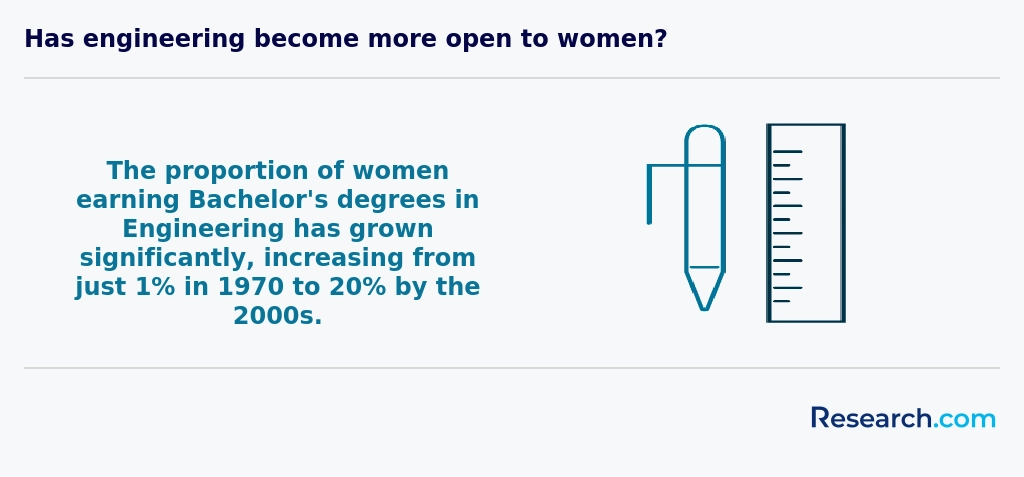
The engineering degree job prospects Columbus offers are notably strong, driven by the city's diverse industrial sectors and expanding technology presence. Graduates from respected institutions like Ohio State University often find themselves well-prepared for local employers such as Honda of America and Battelle Memorial Institute. Many alumni share stories of securing internships that transition smoothly into full-time roles, highlighting the practical experience valued in this competitive environment. For those weighing career opportunities, Columbus presents a blend of stable demand in civil and mechanical engineering fields alongside emerging sectors like renewable energy and data analytics, making the Columbus engineering career opportunities 2027 outlook cautiously optimistic.
Salary expectations for new engineers in Columbus generally range between $65,000 and $75,000 annually, which, when compared to regional living costs and tuition expenses, suggests a reasonable return on investment. Students often consider the relatively affordable education options available locally; exploring the most affordable engineering schools in ohio can significantly reduce financial barriers and increase long-term career satisfaction.
2027 Best Engineering Degree Programs Ranking in Columbus
Investing in your education is a significant decision that can shape your future, and the Research.com team recognizes the importance of making informed choices. To support prospective students in Columbus, we have carefully developed the "2027 Best Engineering Degree Programs Ranking in Columbus." Our dedication to quality, credibility, and accuracy is demonstrated through rigorous research and thorough analysis in compiling this ranking.
We utilized the following reputable data sources to ensure a comprehensive evaluation of engineering programs:
By reviewing this ranking, readers will gain valuable insights into the top engineering degree programs in Columbus, enabling them to make well-informed decisions about their academic and professional future. For more details on how we create our rankings, please visit our Research.com methodology page.

Frequently Asked Questions About engineering
Engineering degree students in Columbus can maximize their learning experience by actively engaging in hands-on projects and internships. Local industries, such as automotive and technology firms, provide valuable opportunities to apply classroom knowledge.
Many Columbus universities, including Ohio State University, offer access to advanced research labs and collaborative workshops that enhance practical skills. Participating in student organizations related to engineering also fosters networking and teamwork abilities.
According to the Ohio Department of Higher Education, internships can increase graduate employment rates by up to 20% in the state. Additionally, students should leverage Columbus's growing tech ecosystem for mentorship and innovation exposure.
Emerging niches within the engineering field in Columbus reflect both local industry needs and national trends. One rapidly growing area is sustainable and environmental engineering, driven by Ohio's commitment to renewable energy and green infrastructure projects. According to the Ohio Department of Job and Family Services, jobs in this sector are expected to grow by over 8% through 2030.
Another promising niche is biomedical engineering, supported by Columbus's strong healthcare sector, including renowned institutions like Ohio State University's Wexner Medical Center. This field focuses on developing medical devices and technologies.
Additionally, data engineering and robotics are expanding areas influenced by Columbus's growing technology startups and manufacturing industries. These fields blend software with hardware to innovate automation and intelligent systems.
Preparing for the job market after completing an engineering degree in Columbus requires strategic planning. Graduates should focus on building practical skills by pursuing internships, which 68% of Columbus engineering students secure before graduation, according to the Columbus State Community College Career Services report (2023).
Networking is essential; joining local chapters of professional organizations such as the Ohio Society of Professional Engineers can open doors. Additionally, Columbus is home to several major employers like Honda and AEP, which often recruit locally, providing opportunities for entry-level engineers.
Strong technical skills must be complemented by soft skills like communication and teamwork, which employers highly value in the region's competitive market. Continuous learning, including certifications in areas like project management or software development, also helps graduates stand out.
Employers in Columbus seek engineering graduates with strong technical expertise and practical experience. Proficiency in software tools like MATLAB, AutoCAD, and CAD modeling is highly valued, given the city's focus on advanced manufacturing and aerospace sectors. According to a 2023 report by the Columbus Chamber of Commerce, 78% of engineering employers prioritize candidates with hands-on internship or co-op experience.
Communication skills are also essential, as engineers often work in cross-functional teams. Problem-solving ability and adaptability rank among the top traits, enabling graduates to innovate in fields such as civil, mechanical, and electrical engineering, which dominate Columbus's industry landscape.
Additionally, familiarity with data analysis and emerging technologies like IoT can set candidates apart. Employers emphasize continual learning due to rapid technological advances, highlighting the importance of staying current with industry trends and certifications.
Finding engineering internships in Columbus involves leveraging local industry connections and university resources. Columbus hosts several companies specializing in aerospace, manufacturing, and technology that regularly offer internships to engineering students. According to the Columbus Chamber of Commerce, over 150 companies in the region provide internship opportunities suitable for engineering majors.
Students should utilize career services at nearby institutions like Ohio State University, which hosts job fairs and internship listings tailored to engineering disciplines. Additionally, online platforms such as Handshake and LinkedIn list internships specifically targeted to Columbus-area students.
Networking at local engineering societies, including the Columbus section of the American Society of Civil Engineers, also proves effective. These organizations frequently announce openings and provide mentorship chances.
In Columbus, an engineering degree significantly enhances career mobility and advancement opportunities. The city hosts a growing tech and manufacturing sector, where employers highly value engineering expertise. According to the U.S. Bureau of Labor Statistics (2023), engineers in Columbus earn a median annual wage about 10% higher than the city's overall average, demonstrating clear financial benefits.
Holding an engineering degree often opens doors to leadership roles, project management positions, and specialized technical jobs. The degree's emphasis on problem-solving and technical skills is critical in Columbus's industries, including aerospace and infrastructure.
Additionally, Columbus's proximity to prestigious research institutions supports continuous professional development, allowing graduates to stay competitive in evolving engineering fields.
Studying for an engineering degree in Columbus equips students with skills essential for interdisciplinary roles by emphasizing collaboration across various fields such as computer science, business, and healthcare. Many Columbus institutions integrate coursework that combines technical engineering principles with practical applications in other industries. For example, Ohio State University's College of Engineering offers interdisciplinary projects and research opportunities that connect engineering with environmental science and data analytics.
Furthermore, Columbus benefits from a growing tech and manufacturing sector where engineers frequently collaborate with professionals from diverse backgrounds. According to the Greater Columbus Chamber of Commerce, 25% of engineering jobs in the area involve cross-functional teams. This environment fosters adaptability and broad problem-solving capabilities in graduates.
Internships and co-op programs tailored to interdisciplinary projects are also widely available, helping students gain real-world experience before graduating. These combined academic and practical experiences prepare Columbus engineering graduates to excel in dynamic, interdisciplinary roles.
When choosing between thesis and non-thesis engineering degree programs in Columbus, consider your career goals first. Thesis programs typically focus on research and prepare students for doctoral studies or R&D roles in industries like aerospace or automotive, which are strong sectors in Columbus. The Ohio State University, for example, offers thesis options with access to advanced labs and faculty-led projects.
Non-thesis programs often emphasize coursework and practical skills, appealing to students aiming for immediate employment or management positions. These programs may be shorter and sometimes require a capstone project instead of a thesis.
Students should also evaluate time commitment. Thesis programs generally take longer due to research demands-often two to three years-while non-thesis degrees can be completed in less time.
Local employment trends show a growing demand for engineers with hands-on skills and project experience, making non-thesis degrees popular among professionals working in Columbus's tech and manufacturing sectors (Columbus Chamber of Commerce, 2023).
Students based in Columbus interested in studying engineering abroad have several pathways available through U.S. universities' exchange programs. Ohio State University, a major institution in Columbus, offers partnerships with international universities allowing engineering students to complete part of their degrees overseas. These include exchanges in Europe, Asia, and Australia, providing access to diverse engineering cultures and advanced research facilities.
Additionally, students can participate in summer research internships or semester-long programs sponsored by Ohio State's Global Engineering initiatives. Such programs enhance global competence, crucial for engineering fields. The National Science Foundation highlights that international experience improves employability and innovation skills for engineers entering the workforce.
Columbus offers various part-time job opportunities that complement engineering degree studies. Internships and co-op positions with companies such as Honda of America and Battelle Memorial Institute provide hands-on experience in mechanical, electrical, and software engineering fields. These roles often integrate academic concepts with real-world challenges, enhancing practical skills.
Additionally, roles in local manufacturing plants or technology startups allow students to develop project management and teamwork abilities, highly valued in engineering careers.
According to the Columbus Chamber of Commerce, over 15,000 engineering-related jobs exist in the metro area, indicating strong employer demand for technical skills even in part-time roles.
Campus research assistantships at Ohio State University also offer specialized experience in cutting-edge engineering projects.
Engineering students in Columbus benefit from numerous networking opportunities that connect them with industry professionals and peers. The city hosts regular events through organizations like the Columbus chapter of the Society of Women Engineers and IEEE, providing access to workshops, conferences, and career fairs. Ohio State University, a major hub for engineering education, offers career expos attracting over 200 companies annually, helping students secure internships and jobs. Additionally, the Columbus Tech Meetup and local innovation hubs foster collaboration between students and startups. These active networks help students build valuable relationships critical for their future engineering careers in this growing metropolitan area.
Alumni networks offer significant advantages for engineering degree students in Columbus. These networks provide access to experienced professionals working in local industries, including automotive, aerospace, and advanced manufacturing sectors, all prominent in the Columbus area. According to the Ohio Board of Regents, over 70% of graduates benefit from alumni connections when seeking internships or jobs. Such networks facilitate mentoring opportunities, helping students navigate career paths and professional development more effectively.
Moreover, alumni often participate in university events, sharing insights and opening doors to exclusive job fairs and projects. This local professional community builds a strong support system, enhancing students' chances of employment in a competitive engineering market.
Customizing an engineering degree program in Columbus allows students to align their education with career ambitions. Many institutions offer flexible curricula where students can select electives in areas like mechanical, electrical, or civil engineering. According to the Ohio Board of Regents, students often have opportunities to pursue minors or dual majors that complement their primary engineering focus.
Internships and cooperative education programs with local companies such as Honda and Worthington Industries provide practical experience, enhancing employability. Additionally, some colleges collaborate with Columbus-based research centers, giving access to cutting-edge projects that shape specialized skills.
Students can also tailor degrees by choosing certification courses or participating in research aligned with emerging technologies in the region's growing engineering sector.
Engineering students in Columbus often face rigorous coursework, balancing demanding math, science, and technical classes. The fast pace and complexity can lead to stress and time management challenges. According to the Ohio State University's College of Engineering, about 40% of students report difficulties keeping up with assignments during midterms.
Moreover, hands-on labs and projects require access to specialized equipment, which may strain budgets or schedules. Networking and internship opportunities, crucial for career growth in Columbus's competitive market, add to student workloads. Financial pressures also exist, as engineering programs often come with higher tuition and material costs compared to other fields.
With an engineering degree in Columbus, you can pursue several valuable professional certifications to enhance your career. One of the most recognized is the Professional Engineer (PE) license, which requires passing the Fundamentals of Engineering (FE) exam and gaining work experience. This license is essential for higher responsibility roles and legal authority in engineering projects.
Other certifications include those in specialized fields like Project Management Professional (PMP), offered by the Project Management Institute, which is highly regarded in Ohio's growing construction and manufacturing sectors.
The Certified Manufacturing Engineer (CMfgE) credential is also popular among professionals working in Columbus's strong manufacturing industry. These certifications improve job prospects and potential earnings in the region.
To write a winning application for an engineering program in Columbus, start with a strong personal statement that highlights your passion for engineering and any relevant experiences. Columbus hosts reputable schools like Ohio State University, which requires clear evidence of academic excellence and hands-on project work. Focus on your STEM coursework, maintaining a competitive GPA-typically above 3.5-as the average admitted engineering student GPA hovers around this mark according to recent admissions data.
Include letters of recommendation from science or math teachers who can attest to your problem-solving skills and teamwork abilities. Also, emphasize participation in local STEM clubs or internships, as Columbus offers many engineering co-op opportunities that impress admissions committees.
Standardized test scores, when submitted, should meet or exceed national averages, especially in math sections. Keep your application error-free and tailor it specifically to the program's strengths and research areas.
Engineering careers hold a significant global value, especially when earned through US higher education institutions. In Columbus, Ohio, engineering programs are recognized for aligning with international standards, ensuring graduates possess skills adaptable worldwide. According to the National Science Foundation, US-trained engineers often benefit from a curriculum emphasizing innovation and practical experience, which are highly sought after globally.
Graduates in Columbus gain exposure to diverse fields like aerospace, civil, and electrical engineering, reflecting trends seen in global markets. The city's growing tech and manufacturing sectors provide ample internship opportunities, enhancing global employability. Furthermore, accreditation by ABET guarantees the quality and worldwide recognition of engineering degrees obtained in Columbus.
Gaining practical experience while studying for an engineering degree in Columbus is essential for career success. Many local universities offer co-op programs, allowing students to work with companies like Honda and Battelle, two major employers in the region. These positions often provide paid internships that combine classroom learning with real-world experience.
Additionally, students may participate in research projects funded by organizations such as the National Science Foundation, often facilitated through university partnerships. Columbus also hosts engineering competitions and clubs that promote hands-on learning and teamwork skills. According to the Ohio Department of Higher Education, about 65% of engineering students in Columbus engage in internships before graduation.
Choosing the right concentration within an engineering degree program in Columbus starts with understanding local industry demands. Columbus is home to key sectors such as aerospace, manufacturing, and technology, which heavily influence engineering job opportunities. For example, mechanical and electrical engineering remain among the top in demand, according to the Columbus Chamber of Commerce 2023 report.
Students should also consider their personal interests and strengths in math and science. Visiting college websites like Ohio State University or Columbus State Community College can provide detailed concentration options and curriculum guides.
Additionally, it is beneficial to research internship availability in Columbus, as practical experience strongly enhances employment prospects post-graduation. Local job market trends from the Ohio Department of Job and Family Services indicate steady growth in civil and environmental engineering roles.
- 2027 Best Engineering Degree Programs Ranking in Dayton
- 2027 Best Engineering Degree Programs Ranking in Cleveland
- 2027 Best Engineering Degree Programs Ranking in Pittsburgh
- 2027 Best Engineering Degree Programs Ranking in Detroit
- 2027 Best Engineering Degree Programs Ranking in Chicago
- 2027 Best Engineering Degree Programs Ranking in Washington
- 2027 Best Engineering Degree Programs Ranking in Milwaukee
- 2027 Best Engineering Degree Programs Ranking in Nashville
- 2027 Best Engineering Degree Programs Ranking in Baltimore
- 2027 Best Engineering Degree Programs Ranking in Rochester
See What Experts Have To Say About Studying Engineering
Read our interview with Engineering experts

Bohdan W. Oppenheim
Engineering Expert
Professor Emeritus of Healthcare Systems Engineering
Loyola Marymount University


Joseph Reichenberger
Engineering Expert
Professor of Civil Engineering & Environmental Science
Loyola Marymount University

- Thesis vs. Non-Thesis Master's Programs: Which is Right for You? https://potomac.edu/thesis-vs-non-thesis-masters/
- Julie Mowatt https://www.nspe.org/career-growth/pe-magazine/may-2019/survey-provides-global-perspective-engineering
- The engineering career mobility report: Who gets promoted? https://www.signalfire.com/blog/engineering-career-trends-pt1
- Study Engineering Abroad: Top Colleges, Costs, & Careers https://www.aeccglobal.com/study-abroad/courses/engineering
- How important is College Alumni Networks https://talk.collegeconfidential.com/t/how-important-is-college-alumni-networks/1964579
- targetjobs https://targetjobs.co.uk/careers-advice/engineering/what-can-i-do-engineering-degree
- Bachelor of Engineering – kierunki i perspektywy kariery https://educat.study/pl/bachelor-of-engineering/
- 4 Strategies for engineering students to gain quality, hands-on experience https://starfishmedical.com/resource/gain-quality-hands-on-experience/
- Study Engineering Abroad https://yocket.com/blog/study-engineering-abroad
- The Rise of the Niche Engineer https://www.sterling-engineering.com/niche-engineer/


