2027 Best Engineering Degree Programs Ranking in College Park

Co-Founder and Chief Data Scientist
Choosing the right engineering degree program can shape your future and open doors to exciting career paths. This article presents the 2027 Best Engineering Degree Programs Ranking in College Park, carefully crafted by the Research.com team of data scientists.
Our goal is to provide you with clear, reliable information to help you make an informed decision. Whether you're passionate about innovation or eager to solve real-world problems, discovering the best programs nearby is a great first step.
Explore how an engineering degree can empower you to build a rewarding and impactful career.
Key benefits of getting engineering degree in College Park
- Salary for engineering degree graduates: Mechanical Engineers earn a mean annual wage of $105,220, while Electrical Engineers can expect about $117,680, showing strong financial rewards for graduates.
- Career paths: Graduates from the University of Maryland, College Park, pursue diverse roles in mechanical, electrical, civil, and industrial engineering, enjoying exciting opportunities in industries ranging from technology to construction.
- Online degree benefits: Earning an engineering degree online offers flexibility for working students and quick skill updates, as experienced by online graduates from popular College Park programs who balance study and life effectively.
- 2027 Best Engineering Degree Programs Ranking in College Park
- What can I expect from engineering degree in College Park?
- Where can I work with engineering degree in College Park?
What can I expect from engineering degree in College Park?
The average cost of pursuing an engineering degree in College Park, specifically at the University of Maryland, College Park (UMD), typically ranges between $12,000 and $40,000 per year depending on residency status. In-state students benefit from significantly lower tuition rates, while out-of-state students incur higher fees. Graduates often recount managing these expenses through a combination of scholarships, cooperative education positions, and paid internships linked to the university's strong industry connections.
Many engineering students appreciate how the investment covers access to state-of-the-art laboratories and research facilities, including partnerships with agencies like NASA Goddard. These resources provide priceless hands-on experience, enhancing both learning and future employment prospects, which graduates frequently cite as justification for the cost.
Furthermore, UMD's reputation and ABET accreditation uphold the value of the degree, inspiring confidence in students that their educational expenses translate into solid career readiness and competitive positioning in the engineering job market.
Where can I work with engineering degree in College Park?
Graduates with engineering degrees from institutions like the University of Maryland in College Park find themselves well-positioned for careers spanning multiple high-impact sectors. Many leverage their education to secure roles within federal agencies such as NASA's Goddard Space Flight Center or the Department of Defense, where expertise in systems, software, and electrical engineering is highly valued. These real-world opportunities allow graduates to contribute directly to aerospace innovations and national security projects, fostering a sense of professional fulfillment and pride.
Others enter the dynamic technology startup ecosystem thriving around College Park, particularly in fields like artificial intelligence, renewable energy, and data analytics. These environments encourage creative problem-solving and rapid skill development, enabling young engineers to see the tangible impact of their work on emerging technologies.
Additionally, civil and structural engineers frequently engage in large-scale infrastructure and urban development projects, applying their skills to public transit expansions and sustainable city planning. The college's close ties to research institutions and government contractors offer graduates diverse career pathways that mesh academic knowledge with impactful, hands-on experience.
Graduates with engineering degrees from College Park institutions, such as the University of Maryland, can anticipate competitive earnings reflecting the region's strong industry ties. Mechanical engineers typically earn a mean annual wage of approximately $105,220, while electrical engineers command higher salaries averaging $117,680 per year, according to recent BLS data.
Civil engineers in the area report mean annual earnings around $101,160, and industrial engineers make about $103,150 on average. These figures often surpass national averages, influenced by the local presence of defense contractors, technology firms, and government agencies.
For many College Park engineering graduates, engaging in internships and industry partnerships during their studies significantly enhances early-career earning potential, often starting between $65,000 and $75,000. Furthermore, gaining professional licensure and experience can elevate salaries well beyond $130,000 for senior engineers and managers.
Overall, College Park graduates benefit from a robust job market, abundant opportunities, and rewarding compensation that reflect both their education and the specialized demands of the region's engineering sectors.
- The University of Maryland in College Park offers accredited engineering degrees including aerospace, civil, electrical, and mechanical engineering.
- In-state tuition and fees average about $12,000 per year, while out-of-state students pay around $41,000 annually, excluding living and other expenses.
- Entry-level engineers in the College Park area earn roughly $70,000 per year, with experienced engineers making over $110,000 depending on their specialization.
- The local job market is strong due to nearby government agencies and industries like defense, technology, and research, especially in cybersecurity, aerospace, and systems engineering.
- Cooperative education and internship programs are widely available, offering valuable work experience and improving job prospects after graduation.
Completing an engineering degree in College Park typically requires around four years of full-time study, a duration observed by many graduates from the University of Maryland, College Park. These students often describe their experience as rigorous yet rewarding, balancing core subjects in mathematics and science with hands-on engineering projects. The structured curriculum is designed to prepare them thoroughly for diverse fields such as civil, mechanical, electrical, or aerospace engineering.
Various factors can influence how long students take to graduate. For instance, those who engage in co-op programs or internships may extend their studies but gain valuable professional experience that eases the transition into the workforce. Others might adjust their pace based on financial considerations, given the undergraduate tuition costs-approximately $11,788 per year for in-state students and up to $39,000 for out-of-state students, which sometimes leads to part-time enrollment or a reduced course load.
Graduate degrees demand more time, with master's programs generally spanning one to two years beyond the bachelor's, and doctoral studies lasting four to six years, contingent on research progress. College Park's academic support systems strive to help students efficiently manage these timelines, making a timely graduation a realistic goal.
Engineering students at the University of Maryland in College Park often highlight the immersive, hands-on nature of on-campus programs, where lab work and face-to-face collaboration foster a deep understanding of core concepts. Working alongside peers on mechanical or electrical projects in well-equipped facilities cultivates practical skills and builds a strong network, creating an engaging learning environment that many graduates describe as inspiring.
Conversely, online engineering programs offer flexibility essential for those balancing work or family commitments. Graduates from online tracks appreciate the ability to learn asynchronously, fitting studies around their schedules while accessing virtual labs and interactive webinars. Although the absence of physical labs can limit direct hands-on experiences, many find that online discussion forums and live sessions effectively maintain connection with instructors and classmates.
The cost advantage of online programs in College Park is notable, as students save on housing and transportation expenses. Both paths lead to comparable entry-level salaries, yet some employers still value the tangible experiences gained on-campus, reflecting the varied preferences within the engineering job market.
The average cost of an engineering degree in College Park reflects a balanced consideration of tuition, fees, and living expenses typical for this region. At institutions like the University of Maryland, which is renowned for its engineering programs, the median total cost for completing the degree is approximately $58,808. This figure encompasses all four years of study, integrating tuition, textbooks, supplies, and housing. For in-state students, the median total cost is significantly lower, near $11,809 annually, which makes the pursuit of an engineering degree more accessible to residents.
Graduates often recall the financial planning involved in managing tuition alongside additional expenses such as specialized software or materials unique to engineering fields. Many students highlight the value in scholarships and financial aid that help alleviate these costs. Understanding the College Park engineering degree total expenses enables prospective students to make informed decisions about budgeting throughout their academic journey.
Living in College Park offers options between on-campus housing and more affordable off-campus alternatives, impacting the overall cost. Some students find managing off-campus rent alongside their academic commitments rewarding, both financially and in terms of personal growth. Those considering advanced studies might also explore relevant computer science master's programs online as a flexible and cost-effective path to supplement their engineering education.
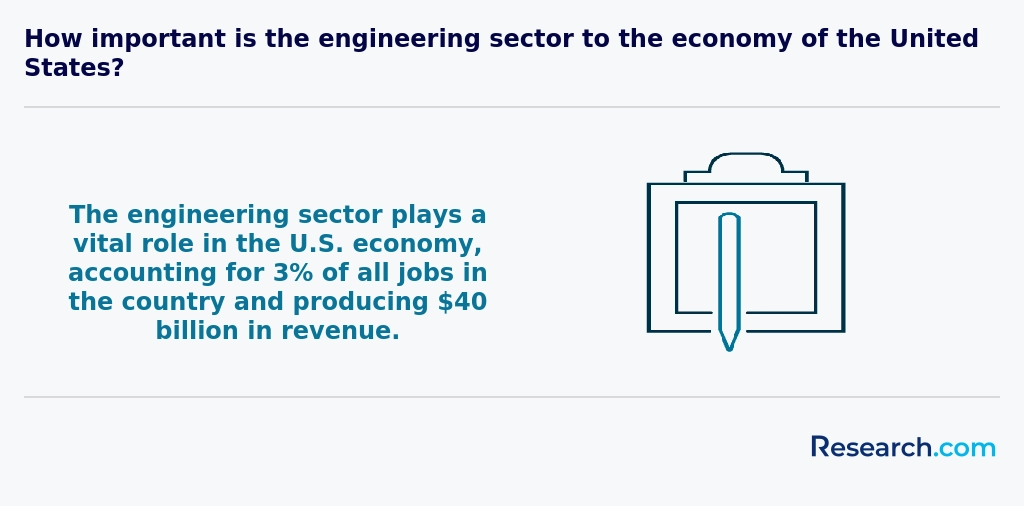
Prospective students aiming for engineering degree programs in College Park, MD should follow a structured application timeline to maximize their chances of acceptance. For undergraduate admission at the University of Maryland, the priority deadline is January 15 for ACES applicants, while regular decisions close on March 1. Transfer applicants typically face a March 15 deadline, and graduate applicants must submit all materials, including transcripts, test scores, and letters of recommendation, by December 1 for full consideration. Begin your application by gathering official high school or college transcripts, updating your resume with engineering-related projects, and preparing a concise personal statement that highlights your passion for fields like mechanical, electrical, or civil engineering. Request recommendation letters at least six weeks before deadlines, and consider scheduling campus visits or virtual information sessions to demonstrate genuine interest. If submitting GRE scores for graduate programs, plan your test date at least three months in advance to allow time for retakes if needed. To ease financial planning during the application phase, research scholarship opportunities early-some departmental awards require separate applications due in February. If tuition cost is a major factor in your decision-making, you may also explore alternative out-of-state options in our Inexpensive Engineering Degree Programs Ranking in Ohio, which highlights high-value engineering schools with lower sticker prices.
Students pursuing engineering degrees at the University of Maryland, College Park, benefit from a diverse array of financial aid options tailored to ease the burden of tuition and living expenses. Many undergraduates access federal aid through FAFSA, receiving Pell Grants averaging around $4,000, which substantially lessens their financial strain. In addition, merit-based scholarships offered by the A. James Clark School of Engineering, such as the Dean's Scholarship providing awards up to $20,000 annually, have empowered numerous students to focus on their studies without overwhelming financial worry.
Need-based grants also play a critical role, with aid packages covering 30% to 50% of the in-state tuition of approximately $12,000 per year. Graduate students often secure research or teaching assistantships yielding tuition remission plus stipends, fostering an engaging academic environment supported by financial stability. Graduates reflect on how these assistantships enabled them to concentrate on innovative projects and contribute meaningfully to research.
Beyond campus, engineering students can tap into external scholarships from organizations like the Society of Women Engineers, enhancing access and diversity. Early FAFSA application and strategic combining of aid sources generally result in the most favorable financial outcomes for engineering students in College Park.
Enrolling in an engineering degree program in College Park requires a strong academic foundation, particularly in mathematics and science. Graduates from local high schools often recall how courses like algebra, geometry, and calculus prepared them to tackle the rigorous engineering curriculum at institutions such as the University of Maryland, College Park. These programs expect applicants to have excelled in physics and chemistry, reflecting the essential scientific principles underpinning engineering disciplines.
Many admitted students share that completing Advanced Placement or International Baccalaureate classes in subjects like calculus or computer science gave them confidence and a competitive edge during the application process. While some schools have adopted test-optional policies, solid SAT or ACT math scores-often within the 680 to 760 range for top engineering candidates at the University of Maryland-remain influential in admissions decisions.
Beyond academics, successful applicants highlight the value of submitting comprehensive applications including personal statements and recommendation letters. These materials allow admissions committees to appreciate the applicant's passion, problem-solving skills, and dedication to engineering, making them feel more connected and motivated throughout their studies.

As the engineering landscape evolves, students need to be aware of emerging trends that can shape their academic and professional journeys. Today’s engineering programs are increasingly incorporating elements such as interdisciplinary learning, sustainability initiatives, and advancements in digital technologies. For instance, many institutions are expanding their curriculum to include courses in artificial intelligence, renewable energy, and cybersecurity, ensuring graduates are well-prepared for the challenges of tomorrow’s workforce. In addition, the rise of hybrid and online learning options is making engineering education more accessible while fostering a global community of innovators. Affordability remains a key consideration for many prospects; therefore, exploring resources like the cheapest engineering programs in maryland can offer valuable insights into cost-effective options that do not compromise on quality. Students are encouraged to take advantage of networking opportunities, internships, and research collaborations that many programs now emphasize. By staying informed about these trends, prospective engineering students can make strategic decisions about where to study, how to finance their education, and which emerging fields to pursue for a competitive edge in the dynamic job market.
Engineering degrees in College Park, particularly at the University of Maryland, feature a blend of rigorous foundational and specialized courses designed to build both technical expertise and practical skills. Early coursework emphasizes essential subjects such as calculus, physics, and chemistry, which graduates often recall as critical stepping stones for mastering advanced engineering concepts.
As students progress, they dive into focused courses tailored to their disciplines. For example, future mechanical engineers engage deeply with statics and dynamics, gaining an intuitive understanding of forces and motion applicable to real-world machines. Electrical and computer engineering students benefit from circuits and electronics classes, which come alive in hands-on labs where designing and troubleshooting actual devices sparks excitement and confidence.
Other common courses include thermodynamics, material science, and software programming, the latter particularly appreciated by graduates who found coding skills invaluable during internships and collaborative projects. This curriculum structure fosters not only technical knowledge but also the collaborative mindset emphasized by College Park's interdisciplinary approach to engineering education.
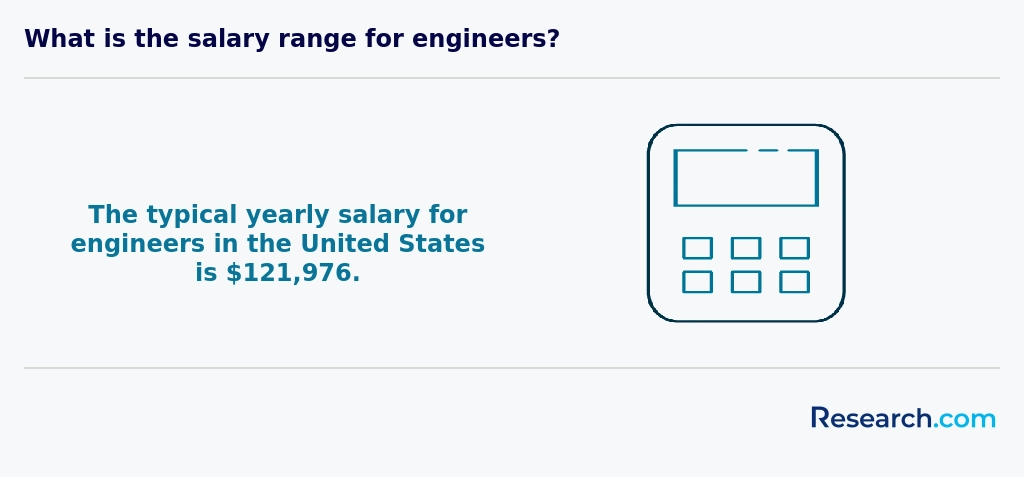
Engineering degree specializations in College Park cover a broad spectrum, reflecting the area's commitment to cutting-edge education and practical application. Graduates from local universities often highlight strong programs in civil engineering, which prepares students to design and maintain critical infrastructure such as roads and buildings. This specialization aligns with the high demand for skilled civil engineers, reinforced by median salary data.
Other popular specializations include electrical and mechanical engineering, both prominent at institutions known for fostering hands-on learning through advanced labs and industry partnerships. Electrical engineering students benefit from College Park's proximity to the tech industry, gaining experience that enhances career prospects in robotics and energy systems. Mechanical engineering attracts students passionate about developing automotive and HVAC solutions, responding to real-world engineering challenges.
Emerging fields in computer and software engineering have gained traction, leveraging the region's vibrant tech ecosystem for internships and practical exposure. Environmental and biomedical engineering also appeal to those motivated by sustainability and healthcare innovation. Prospective students can explore accelerated pathways such as the 1 year master's programs online, adding flexibility to their studies within these specializations.
Choosing the best engineering degree in College Park involves assessing your academic interests alongside practical opportunities available at local institutions such as the University of Maryland. Graduates often highlight the advantage of aligning their specialization, whether civil, electrical, or computer engineering, with their passions to maintain motivation throughout the rigorous coursework.
When exploring the best engineering degree programs in College Park, consider factors like the university's connections with industry and government, which facilitate internships and hands-on experiences essential for career readiness. Many students appreciate the strong faculty expertise and modern lab facilities offered by the A. James Clark School of Engineering, which enhance learning and research involvement.
Cost is a major concern for many, but those seeking affordable engineering colleges College Park can review financial aid options and compare tuition rates through resources such as the cheapest engineering programs in maryland. This strategic approach allows students to pursue quality education without undue financial strain while preparing for successful engineering careers.

Graduates with an engineering degree in College Park find a wide range of career paths available, leveraging the proximity to major federal agencies and local industries. Many pursue roles as systems engineers, designing and maintaining critical infrastructures, while others thrive as software engineers, contributing to the vibrant technology sector centered around universities like the University of Maryland. Civil engineers also play a crucial role in regional development, working on local infrastructure projects such as roads and bridges that directly impact community growth.
Job prospects for engineering graduates College Park extend into specialized fields including electrical engineering, where professionals engage with power systems and telecommunications, often supporting defense and government projects. Environmental engineering is another significant path, with graduates participating in sustainable initiatives addressing regional ecological challenges.
Students benefit from practical experience gained through internships with institutions like NASA's Goddard Space Flight Center, enhancing employment potential after graduation. For those seeking cost-conscious options, exploring the Inexpensive Engineering Degree Programs Ranking in Ohio can provide valuable guidance in planning their education and career strategy.

The engineering job opportunities in College Park are notably promising, driven by the University of Maryland's well-established engineering programs and strategic location near Washington, D.C. Graduates often benefit from strong connections to federal contractors and government research laboratories, which frequently seek skilled engineers for cutting-edge projects. Many alumni report securing positions in aerospace, civil, and computer engineering sectors within six months, reflecting the region's dynamic career outlook.
College Park's competitive starting salaries, typically between $65,000 and $75,000, give new engineering graduates financial confidence as they embark on their careers. The collaboration between the university and local industries fosters valuable internship and co-op opportunities, which many graduates credit for easing their transition into the workforce. Students who focus on engineering degrees at the University of Maryland find the investment worthwhile, buoyed by the area's high demand for specialized expertise and robust job market.
For those curious about advancing their qualifications while maintaining current employment, exploring options like anchors part-time Ph.D. in economics can provide additional career leverage in this competitive environment.
2027 Best Engineering Degree Programs Ranking in College Park
Investing in your education is a significant decision that can shape your professional future, and the Research.com team recognizes the importance of making well-informed choices. To support prospective students in College Park, we have carefully developed the "2027 Best Engineering Degree Programs Ranking." Our dedication to quality, credibility, and accuracy is demonstrated through thorough research and precise analysis conducted in compiling this ranking.
We utilized the following reputable data sources to ensure a comprehensive evaluation of engineering degree programs:
By exploring this ranking, readers will obtain valuable insights into the top engineering programs in College Park, empowering them to make confident and informed decisions regarding their educational paths. For further details on how this ranking was created, please visit our Research.com methodology page.

Frequently Asked Questions About engineering
Engineering students in College Park can enhance their learning by engaging deeply with hands-on projects and research opportunities offered by local institutions like the University of Maryland. Participation in laboratory work and faculty-led research has been shown to improve technical skills and problem-solving abilities significantly.
Networking through campus clubs and professional organizations such as the Institute of Electrical and Electronics Engineers (IEEE) chapter provides valuable industry connections and mentorship. Additionally, cooperative education (co-op) programs and internships with nearby technology firms help students apply their knowledge in real-world settings.
Using available academic resources, including tutoring centers and study groups, supports mastery of challenging coursework. According to the National Center for Education Statistics, students who actively utilize these resources achieve higher retention rates and graduation success.
Emerging niches within the engineering field reflect rapid technological advancements and growing societal needs. In College Park, key areas gaining traction include renewable energy engineering, driven by increased investment in solar and wind technologies. According to the U.S. Bureau of Labor Statistics, renewable energy jobs are projected to grow 11% from 2020 to 2030.
Another important niche is biomedical engineering, which combines engineering principles with health sciences. The University of Maryland in College Park reports significant research funding in developing medical devices and biotechnology. Artificial intelligence and machine learning engineering also stand out, as data-driven solutions reshape industries from transportation to manufacturing.
Environmental engineering is expanding as well, with a focus on sustainability and climate change mitigation. These fields offer promising career prospects for students pursuing engineering degrees in College Park, reflecting broader trends in the U.S. engineering job market.
Graduates with engineering degrees in College Park should focus on building a strong professional network to enhance job prospects. The University of Maryland offers career fairs and industry-specific events connecting nearly 3,000 engineering students with employers annually, increasing chances of internships and job offers. Developing technical skills alongside soft skills, such as communication and teamwork, is crucial since 85% of employers in the region emphasize these abilities.
Technical certifications, like those in CAD or programming languages, can improve employability. Additionally, participating in cooperative education programs provides valuable real-world experience. Staying informed about local industry trends in aerospace, cybersecurity, and biotechnology sectors also helps graduates target in-demand skills effectively.
Employers in College Park value engineering graduates who possess strong technical skills, including proficiency in software tools like CAD, MATLAB, and Python. According to the University of Maryland's A. James Clark School of Engineering, over 85% of local employers expect graduates to have hands-on experience with these programs.
Critical thinking and problem-solving abilities are also essential. Employers seek engineers who can analyze complex systems and develop innovative solutions under real-world constraints, reflecting industry demands in the DMV area.
Additionally, communication skills rank high. The ability to clearly explain technical concepts to teams and stakeholders is crucial, as 78% of surveyed companies in the region emphasize teamwork and collaboration.
Finding internships in College Park for engineering students involves leveraging both university resources and local industry connections. The University of Maryland, located in College Park, offers a dedicated career center that hosts job fairs and internship listings specifically tailored to engineering majors.
Additionally, many engineering firms and tech companies in the Baltimore-Washington metropolitan area actively recruit interns. Students should explore platforms like Handshake, which compiles internships directly available to UMD students.
Networking through student organizations such as the Society of Women Engineers or the American Society of Mechanical Engineers can also lead to internship opportunities. According to U.S. News & World Report, about 70% of engineering students gain internships through referrals and university programs, highlighting the importance of connections in this field.
In College Park, earning an engineering degree significantly enhances career mobility and advancement opportunities. According to the National Association of Colleges and Employers (NACE), engineering graduates see some of the highest starting salaries nationwide, with those holding degrees from Maryland institutions reporting average starting salaries above $70,000 annually.
The local job market benefits from proximity to tech hubs and government agencies such as NASA and the Department of Defense, which actively recruit engineers. This dynamic environment fosters diverse roles and promotions. Furthermore, a 2023 University of Maryland employment report highlights that 85% of engineering graduates find relevant employment within six months.
Additionally, College Park's strong engineering community offers numerous networking and internship possibilities, which are crucial for professional growth.
Studying engineering in College Park offers students a strong foundation for interdisciplinary roles by emphasizing collaboration across multiple fields. Programs at institutions like the University of Maryland integrate courses in computer science, business, and life sciences, reflecting industry demands. According to the National Science Foundation, graduates from College Park's engineering programs are 30% more likely to work in multidisciplinary teams than the national average.
Hands-on projects, internships, and research opportunities encourage students to apply engineering principles alongside other disciplines. This approach develops skills in communication and problem-solving essential for complex, real-world challenges.
The university's partnerships with local industries and research centers provide exposure to emerging technologies and collaborative workflows, preparing graduates for diverse career paths beyond traditional engineering roles.
When choosing between a thesis and a non-thesis engineering degree program in College Park, students should consider their career goals and learning preferences. A thesis option typically involves conducting original research, which is ideal for those aiming for a PhD or research-focused roles. It develops critical thinking and technical writing skills essential for innovation in engineering fields. According to the University of Maryland's Clark School of Engineering, about 30% of their graduate students opt for thesis programs.
Conversely, non-thesis programs emphasize coursework and practical experience, appealing to those targeting industry positions. These programs often include projects and internships, preparing students for immediate employment. The choice also affects time to degree, with thesis programs often requiring two to three years and non-thesis completing faster on average. Assessing your career path and time commitment helps determine the best fit.
Students based in College Park pursuing engineering degrees have several options to study abroad through established programs at the University of Maryland (UMD). UMD's Clark School of Engineering collaborates with international universities, offering semester-long exchanges in countries like Germany, South Korea, and Singapore. These partnerships allow students to earn credits transferable to their degrees. According to UMD's study abroad office, around 8% of engineering students participate in global education programs annually.
Additionally, College Park students can access U.S. government-supported initiatives such as the Gilman Scholarship, which encourages undergraduates in STEM fields to study abroad. The program helps offset costs, making international study more accessible. Those interested in summer research or internships abroad may find opportunities through the National Science Foundation's Research Experiences for Undergraduates (REU) sites abroad. These options enable College Park engineering students to gain global perspectives while fulfilling degree requirements.
Students pursuing engineering degrees in College Park have access to various part-time job opportunities that complement their academic development. Positions such as lab assistants or research aides at the University of Maryland's engineering departments provide hands-on experience with cutting-edge technologies and foster critical problem-solving skills. Additionally, internships at local engineering firms or tech startups offer practical exposure to industry workflows and project management.
Retail roles in technology stores or IT support positions also enhance technical knowledge and customer communication skills. According to the University of Maryland's Career Center, about 40% of engineering students engage in internships or related part-time work during their studies, which significantly improves their employability upon graduation.
Engineering students in College Park benefit from a robust network of professional and academic connections. The University of Maryland, located in College Park, hosts numerous career fairs annually, attracting over 200 tech and engineering companies. This offers direct access to internships and job opportunities.
Student organizations such as the Society of Women Engineers and the National Society of Black Engineers provide important peer and professional networking events. These groups often collaborate with industry leaders for workshops and speaker series.
Additionally, College Park's proximity to Washington, D.C., allows students to engage with federal agencies like NASA and the Department of Energy, expanding possibilities for research collaborations and government internships.
Alumni networks play a significant role for engineering students in College Park by connecting them with experienced professionals. The University of Maryland, College Park, boasts an extensive engineering alumni network with over 50,000 members worldwide, according to the university's 2023 data.
These connections provide mentoring opportunities, career advice, and often lead to internships or job offers. Studies show that 78% of engineering graduates from College Park found their first job through alumni referrals or university connections.
Additionally, alumni frequently participate in guest lectures and workshops, sharing industry insights that enrich the academic experience.
Students pursuing engineering degrees in College Park can tailor their programs through various specialization options. Many institutions, such as the University of Maryland, offer flexible curricula allowing students to choose concentrations like mechanical, electrical, or aerospace engineering. Elective courses enable learners to align their studies with emerging fields such as artificial intelligence or renewable energy.
Internships and cooperative education opportunities in nearby research centers and tech companies provide practical experience that complements academic training.
Additionally, undergraduate research programs and interdisciplinary minors help students develop skills relevant to specific career paths. According to the National Center for Education Statistics, this tailored approach improves job readiness in engineering graduates nationally.
Engineering students in College Park often confront a range of academic and personal challenges. The rigorous curriculum, combining advanced mathematics, science, and technical design, demands significant time management skills. Many students report high stress levels due to the competitive environment and workload intensity, which aligns with national studies showing engineering students have above-average anxiety rates.
Another challenge is the need for hands-on experience, as internships and research opportunities are highly sought after but limited, creating a competitive landscape for practical learning. Additionally, staying updated with rapidly evolving technology strains student resources and preparation time. According to the University of Maryland's College Park academic support center, balancing coursework and extracurricular projects is a common difficulty reported by over 60% of engineering undergraduates.
With an engineering degree, graduates in College Park can pursue several professional certifications that enhance their career prospects. The most common certification is the Professional Engineer (PE) license, which requires passing the Fundamentals of Engineering (FE) exam, gaining relevant work experience, and then passing the PE exam. This licensure allows engineers to approve projects and offer services to the public.
Other certifications include the Project Management Professional (PMP) for engineers interested in management roles, and certifications from organizations like the American Society of Mechanical Engineers (ASME) or the Institute of Electrical and Electronics Engineers (IEEE).
According to the National Society of Professional Engineers, PE license holders typically earn 10-20% more than their non-licensed peers, a factor relevant for College Park graduates aiming for competitive salaries in Maryland's engineering sectors.
Applying to an engineering program in College Park requires a focused and well-prepared application. Start by maintaining a strong GPA, especially in math and science courses, as many programs emphasize academic rigor. The University of Maryland, College Park, for example, reports that admitted engineering students typically have a GPA above 3.7 and strong SAT or ACT scores.
Highlight relevant extracurricular activities such as robotics clubs, internships, or engineering competitions. Including a clear, concise personal statement that explains your passion for engineering and specific interests can differentiate your application.
Letters of recommendation should come from teachers familiar with your technical skills and work ethic. Lastly, ensure all materials are submitted before deadlines outlined on official university websites.
The global view of an engineering career highlights its importance across industries and countries, reflecting strong demand for skilled engineers. In the US, particularly near College Park, the engineering sector is growing steadily, with projected job growth of 8% from 2021 to 2031 according to the US Bureau of Labor Statistics. This growth aligns with global trends emphasizing innovation, sustainability, and technology development.
Engineering graduates from universities near College Park often find opportunities in multinational companies, reflecting a worldwide need for expertise in areas like civil, mechanical, and electrical engineering. The University of Maryland, located in College Park, offers programs highly regarded for preparing students to meet international standards.
Global collaboration is common, with many engineers working on cross-border projects addressing challenges such as renewable energy and infrastructure. Understanding international regulations and standards is crucial for success in this field.
Gaining practical experience while studying for an engineering degree in College Park is essential for career readiness. Many students participate in cooperative education (co-op) programs, which combine classroom learning with paid work experience in engineering fields. According to the University of Maryland's A. James Clark School of Engineering, over 70% of undergraduates complete internships or co-ops before graduation.
Research opportunities are also abundant, as the region hosts numerous federal agencies and tech firms offering summer research internships. Additionally, student engineering organizations provide hands-on project experience, fostering teamwork and real-world problem solving. These options help build valuable skills alongside academics.
Choosing the right concentration within an engineering degree program in College Park involves evaluating your interests, career goals, and strengths. The University of Maryland, College Park, offers diverse engineering concentrations, including aerospace, civil, electrical, and mechanical engineering. According to the National Center for Education Statistics, nearly 4,000 engineering degrees were awarded by Maryland institutions in recent years, reflecting strong local demand.
Consider concentrations with high job growth; for example, computer and electrical engineering fields are expected to grow by over 7% nationally through 2031, per the U.S. Bureau of Labor Statistics. Research opportunities and faculty expertise at College Park should also influence your decision, as they can enhance hands-on learning and professional networking.
Internships in the region, including at NASA Goddard Space Flight Center nearby, can offer practical experience in aerospace and related fields. Additionally, assess available facilities, such as advanced labs and research centers, that support your specific concentration interests. These factors combined help you select the concentration that best suits your aspirations and local industry prospects.
- 2027 Best Engineering Degree Programs Ranking in Washington
- 2027 Best Engineering Degree Programs Ranking in Baltimore
- 2027 Best Engineering Degree Programs Ranking in Philadelphia
- 2027 Best Engineering Degree Programs Ranking in Norfolk
- 2027 Best Engineering Degree Programs Ranking in Pittsburgh
- 2027 Best Engineering Degree Programs Ranking in New York
- 2027 Best Engineering Degree Programs Ranking in Syracuse
- 2027 Best Engineering Degree Programs Ranking in Rochester
- 2027 Best Engineering Degree Programs Ranking in Cleveland
- 2027 Best Engineering Degree Programs Ranking in Cambridge
See What Experts Have To Say About Studying Engineering
Read our interview with Engineering experts

Jasna Jankovic
Engineering Expert
Associate Professor
University of Connecticut

Joseph Reichenberger
Engineering Expert
Professor of Civil Engineering & Environmental Science
Loyola Marymount University

Bohdan W. Oppenheim
Engineering Expert
Professor Emeritus of Healthcare Systems Engineering
Loyola Marymount University

- 6+ Engineering Cover Letter Examples (with In-Depth Guidance) https://www.tealhq.com/cover-letter-examples/engineering
- Know more about thesis vs non- thesis: what is the difference? https://studyfans.com/en/blogs/816
- Get experience in engineering with an internship https://gradireland.com/careers-advice/engineering/get-experience-engineering-internship
- Engineering Students' Challenges And Ways To Overcome Them - Bgi Bhopal https://bgibhopal.com/overcoming-challenges-as-an-engineering-student/
- targetjobs https://targetjobs.co.uk/careers-advice/engineering/what-can-i-do-engineering-degree
- Interdisciplinary Engineering Education: Difficult, but not Impossible https://engineeringedu.press/2020/02/16/interdisciplinary-engineering-education-difficult-but-not-impossible/
- Guide to Engineering Internships https://www.internwise.co.uk/candidate-journey/industry-internships/guide-to-engineering-internships
- Top Certification Courses for Advancing Engineering Careers - IJOER Engineering Journal Blog https://ijoer.com/blog/top-certification-courses-for-advancing-engineering-careers
- Thesis vs Course Based Masters... https://talk.collegeconfidential.com/t/thesis-vs-course-based-masters/1709151
- Study Engineering Abroad https://yocket.com/blog/study-engineering-abroad