
2027 Easiest Online Educational Psychology Degree Programs Ranking in the Midwest

Co-Founder and Chief Data Scientist
Choosing the right educational psychology degree program can shape your future career in meaningful ways. Our article features the 2027 Easiest Online Educational Psychology Degree Programs Ranking in the Midwest, carefully crafted by the Research.com team of data scientists.
This ranking helps you find programs that balance accessibility and quality, making it easier to pursue your passion from home. Whether you're starting fresh or advancing your education, this guide offers valuable insights to help you make informed decisions.
Discover the opportunities that come with an educational psychology degree and take confident steps toward your goals.
Key benefits of getting online educational psychology degree in the Midwest
- Educational psychology degree holders in the Midwest often find rewarding careers with salaries generally ranging between $50,000 and $75,000 annually, depending on the specific role and setting.
- Graduates from Midwest universities like the University of Wisconsin frequently pursue careers as school psychologists, counselors, or educational consultants, offering diverse opportunities to positively impact student success.
- Online degree programs, such as those offered by Ball State University, provide flexible schedules and affordable tuition, allowing students to balance work and study while gaining the same respected credentials as traditional degrees.
What can I expect from online educational psychology degree in the Midwest?
The average cost of an online educational psychology degree in the Midwest typically ranges between $400 and $700 per credit hour, making it a significant but manageable investment for many students. Graduates from universities like the University of Illinois at Urbana-Champaign often share how careful financial planning and available scholarships helped ease the burden, allowing them to focus on absorbing cutting-edge topics such as educational technology and multicultural approaches.
Many students appreciate the flexibility of these programs, balancing coursework with family or work commitments while feeling confident that their tuition supports access to strong research faculty and practical learning components. For instance, some graduates recall local internship experiences arranged through Ohio State University that provided real-world insights without the need for relocation or additional costs.
As demand grows, Midwestern universities continue to enhance their online offerings, integrating evidence-based content and emerging trends. This evolution not only prepares students for dynamic careers but also reflects a commitment to accessible, affordable education that resonates with the diverse needs of learners across the region.
Where can I work with online educational psychology degree in the Midwest?
Graduates with an online educational psychology degree in the Midwest find themselves stepping into a range of dynamic career paths. Many become school psychologists or educational consultants in K-12 settings, helping students overcome learning challenges and thrive-a rewarding role often highlighted by those who studied at universities like the University of Michigan or Ohio State University. These professionals feel the satisfaction of making a tangible difference daily, collaborating closely with educators and families.
Others move into higher education as academic advisors or researchers, advancing innovative strategies that support student success and mental health on campus. Midwestern institutions encourage this, offering graduates a chance to engage in impactful research that can shape future educational practices.
Emerging trends show a growing demand for educational psychologists in clinical settings and government agencies, where they help design inclusive learning policies and mental health programs. Graduates express excitement about working in private tech companies as well, applying their skills to develop cutting-edge educational tools that meet tomorrow's learning needs.
How much can I make with online educational psychology degree in the Midwest?
Graduates with an online educational psychology degree in the Midwest often encounter encouraging salary prospects, typically ranging from $65,000 to $90,000 annually depending on experience and location. For example, those who studied at well-regarded programs like the University of Illinois or Michigan State University share that starting salaries near $55,000 to $60,000 are common, especially for entry-level roles in schools or community educational services.
As they gain expertise, many move into specialized roles such as school psychologists or educational consultants, with salaries climbing between $75,000 and $95,000. In urban centers like Chicago or Detroit, graduates report even higher earnings, reflecting stronger educational infrastructure and demand.
Postgraduate credentials and licensure as a school psychologist unlock further financial growth, with incomes often exceeding $100,000 annually. Alumni from colleges such as Indiana University note that their advanced training and certifications amplify not only their income but also their impact in schools and private sectors.
Emerging fields in educational technology also spark optimism; graduates leveraging psychology expertise in tech-driven curriculum design or learning analytics anticipate competitive salaries that may outpace traditional paths as these sectors expand in the Midwest job market.
- Key benefits of getting online educational psychology degree in the Midwest
- What can I expect from online educational psychology degree in the Midwest?
- Where can I work with online educational psychology degree in the Midwest?
- How much can I make with online educational psychology degree in the Midwest?
- How do we rank schools?
- 2027 Easiest Online Educational Psychology Degree Programs Ranking in the Midwest
- What online educational psychology degree graduates have to say
- Key Findings
- How long does it take to complete online educational psychology degree in the Midwest?
- What's the difference between online and on-campus educational psychology degree?
- What is the average cost of online educational psychology degree in the Midwest?
- What financial aid is available to online educational psychology degree students in the Midwest?
- What are the prerequisites for enrolling in online educational psychology degree program in the Midwest?
- What courses are typically in online educational psychology degree programs in the Midwest?
- What types of specializations are available in online educational psychology degree programs in the Midwest?
- How do you choose the best online educational psychology degree in the Midwest?
- What career paths are available for online educational psychology degree students in the Midwest?
- What is the job market for online educational psychology degree in the Midwest?
- Frequently Asked Questions About educational psychology
- Top Trending Educational Psychology Rankings
How do we rank schools?
Investing in your education is a significant decision that can greatly influence your career and personal growth, and the Research.com team recognizes the importance of helping you make well-informed choices. To support students seeking accessible and reputable educational psychology programs in the Midwest, we have carefully developed the "2027 Easiest Online Educational Psychology Degree Programs Ranking." Our dedication to quality, credibility, and accuracy is demonstrated through rigorous research and data analysis.
We utilized the following reputable data sources to ensure a comprehensive evaluation of programs:
By reviewing this ranking, readers will gain clear and reliable insights into the easiest and most accessible online educational psychology degrees in the Midwest, enabling smarter decisions tailored to their goals. For a detailed explanation of our approach and criteria, please visit our Research.com methodology page.
2027 Easiest Online Educational Psychology Degree Programs Ranking in the Midwest
# 1 position
University of Missouri
Master
The University of Missouri offers a Master's program focusing on Educational Psychology and Psychology, lasting 24 months. The program has a graduation rate of 75%, reflecting strong student success. Admission is considered open, with a 78% acceptance rate. The average total cost is $15,402. A high level of financial aid is available, with 97% of students receiving assistance, making the program financially accessible for most applicants.
# 2 position
Kent State University
Master
Kent State University offers a Master's program focused on Educational Psychology and Psychology, with an open admission acceptance rate of 86%. The program supports a large online student body, currently totaling 21,270. Students benefit from a high level of financial aid, with 97% receiving assistance. The graduation rate stands at 64%, reflecting a moderate completion success. The average total cost of the program is $495,000.
# 3 position

The University of Wisconsin-Madison offers a 24-month master's program focused on Educational Psychology and Psychology. The program has a graduation rate of 90%, reflecting strong student success. It is moderately selective with a 45% acceptance rate. The average total cost is $24,000, and moderate financial aid is available to 60% of students, making this program accessible to many applicants.
What online educational psychology degree graduates have to say
- Emily: Studying at the University of Michigan's online program was life-changing. The flexibility allowed me to balance work and family, while the curriculum's strong focus on cognitive development gave me practical skills. I felt supported every step of the way, making this degree truly rewarding.
- James: I chose DePaul University's online educational psychology degree because of its Midwest reputation and expert faculty. The interactive virtual classrooms made connecting with peers enjoyable and enriching. It boosted my confidence and prepared me well for a career in school counseling.
- Sophia: Completing my degree through Indiana University-Purdue University Indianapolis offered incredible accessibility and diverse perspectives. The program's hands-on approach helped me apply theories in real-world settings remotely, fueling my passion for helping students thrive emotionally and academically.
Key Findings
- Online educational psychology degrees in the Midwest are fully accredited and meet national and regional standards.
- The cost of a master's program ranges from $15,000 to $35,000, with public universities generally offering lower tuition for residents.
- Financial aid and scholarships are often available specifically for psychology and education students.
- Midwest educational psychologists earn a median salary between $50,000 and $100,000, with entry-level positions around $50,000 to $60,000 and experienced roles reaching up to $100,000.
- The job market is expected to grow by 6-8% in related fields, with Illinois, Ohio, and Michigan having the most opportunities.
- Accreditation by NASP or APA is important for licensure and employability, and many programs include required practicum or internship experiences.
How long does it take to complete online educational psychology degree in the Midwest?
Completing an online educational psychology degree in the Midwest typically fits within familiar time frames, but innovative program designs are reshaping these timelines. For instance, many graduates from well-known universities like the University of Illinois or Ohio State University share how their bachelor's degrees took around four years, balancing full-time work alongside part-time semesters. This flexibility made finishing completely manageable and rewarding.
Master's students often report completing their programs between 1.5 and 3 years, especially when enrolling part-time while juggling careers. Programs at institutions such as Michigan State University offer asynchronous classes that empower students to progress at their own pace, fostering a positive and stress-reduced experience. One graduate recalled appreciating the ability to accelerate during less busy life phases.
Doctoral candidates pursuing Ph.D. or Ed.D. degrees from schools like the University of Wisconsin embrace a more extended path of 3 to 6 years. Many highlight how online residencies and research requirements encourage deeper engagement without sacrificing work-life balance. Looking ahead, increasing adoption of AI-driven personalized learning could shorten these durations further, making degree completion even more accessible and fulfilling in the evolving Midwest educational landscape.
What's the difference between online and on-campus educational psychology degree?
Online and on-campus educational psychology degrees in the Midwest differ mainly in how students engage with their learning environment. Graduates from the University of Illinois report that online programs offer unmatched flexibility, allowing them to juggle family and work commitments while progressing at their own pace. This adaptability is especially valuable for those living in rural areas or commuting long distances. Conversely, Michigan State University graduates recall the energizing face-to-face interactions and hands-on practicum experiences that deepen practical skills, creating strong networks and lasting peer connections.
Looking ahead, the blend of virtual and in-person elements could redefine these programs, with online courses integrating more immersive simulations and local practicum partnerships tailored for Midwestern contexts. Cost remains a compelling factor; online options often reduce fees, but prospective students emphasize verifying accreditation and practicum availability to ensure career readiness. Ultimately, the Midwest's evolving educational landscape invites students to envision personalized paths that combine convenience, interaction, and practical experience tailored to their unique circumstances.
What is the average cost of online educational psychology degree in the Midwest?
The average cost of an online educational psychology degree in the Midwest is roughly $19,701, a figure that reflects trends beyond traditional tuition fees. Graduates from well-known schools like the University of Illinois and Ohio State University often share how the affordability of these programs helped them balance work, family, and studies without overwhelming debt. This accessibility combined with quality education makes affordable educational psychology programs Midwest a strong choice for many.
While public universities typically charge between $7,000 and $25,000 annually depending on residency, and private institutions can be notably higher, the total expenses for online degrees often include additional costs such as technology fees and required course materials. Students appreciate that many Midwestern institutions provide scholarships and financial aid options specifically designed for educational psychology students, easing some of this financial burden.
Looking forward, the evolving landscape of online education could further reduce costs and increase flexibility. Emerging trends like competency-based learning and digital credentialing may enable students to complete their degrees faster and more affordably. For those exploring pathways in the field, reviewing NASP school psychology programs can provide insights into accredited, supportive options tailored to diverse student needs and budgets.

What financial aid is available to online educational psychology degree students in the Midwest?
Students pursuing online educational psychology degrees in the Midwest can access a dynamic mix of financial aid that often transforms their educational journey from daunting to attainable. Graduates from institutions like the University of Wisconsin-Madison frequently share how securing teaching or research assistantships not only eased tuition expenses but also provided a supportive learning community and valuable professional experience.
Looking ahead, increasing collaboration between state governments and universities in Illinois, Ohio, and Michigan may expand merit- and need-based scholarships tailored specifically to educational psychology fields. Many current students appreciate how federal financial aid-through Direct Loans with manageable repayment plans-complements these state opportunities in keeping costs reasonable.
Moreover, mid-career professionals in the Midwest benefit from employer tuition reimbursement programs that enable them to balance work, study, and family life without financial strain. The trend toward flexible part-time enrollment further empowers students to shape their schedules, making degree completion more realistic and rewarding.
As these options evolve, future students entering online educational psychology programs in the region can anticipate a more supportive and accessible financial aid landscape that embraces both traditional and creative funding strategies.
What are the prerequisites for enrolling in online educational psychology degree program in the Midwest?
Enrolling in an online educational psychology degree in the Midwest often starts with meeting clear prerequisites, yet these are evolving to become more flexible and student-friendly. Graduates from well-known Midwestern institutions share how their journeys began with a high school diploma or, for many graduate programs, a relevant bachelor's degree in psychology or education. They emphasize how maintaining a GPA around 3.0 helped open doors, though some programs now offer pathways even if your academic record isn't perfect.
For instance, students attending popular Midwestern universities recall that while standardized tests like the GRE were once standard, many schools are now waiving these requirements for online learners balancing careers and family. This shift reflects a positive trend toward accessibility and inclusivity.
Letters of recommendation and personal statements remain valued components, allowing applicants to showcase their motivation and real-world experience. Several graduates mention how prerequisite courses in statistics or developmental psychology prepared them well for advanced study, with some programs offering online bridge courses to fill gaps.
Midwestern public universities are increasingly adopting flexible admissions that recognize diverse backgrounds, helping students feel supported and hopeful about their educational futures in this dynamic field.

What courses are typically in online educational psychology degree programs in the Midwest?
Online educational psychology degrees in the Midwest typically include courses focusing on human development, cognitive psychology, and learning theories that prepare students to understand diverse classroom dynamics. Graduates from institutions like the University of Illinois or Michigan State often recall how studying memory and attention helped them craft personalized learning plans in their local schools, creating rewarding moments of student breakthrough and growth.
Research methods and statistics remain core, equipping learners with skills to design studies and analyze educational data. This practical expertise is especially valued by students who pursue careers in educational assessment or policy, finding satisfaction in driving data-informed decisions that improve teaching outcomes.
Emerging trends point toward coursework in instructional technology and motivation, reflecting the digital transformation reshaping classrooms across Ohio and beyond. Graduates frequently highlight how mastering these areas gave them confidence to implement tech-based interventions that engage students with diverse needs.
Specialized topics like behavior management and inclusive education ensure students feel prepared to handle real-world challenges. Many appreciate how practicum experiences, often completed locally, deeply connect theoretical knowledge to community impact, enhancing both skills and emotional fulfillment.
What types of specializations are available in online educational psychology degree programs in the Midwest?
Students pursuing online educational psychology specializations Midwest currently find a range of focused tracks that meet diverse career goals. Graduates from popular Midwest universities frequently highlight School Psychology as a top choice, preparing them to support K-12 students' mental health and learning needs. Many describe real-world practicum experiences where they assess and intervene with children, gaining confidence in their critical roles within schools.
Another emerging favorite is Learning and Instruction, perfect for those passionate about designing engaging curricula or integrating educational technology. Graduates often share excitement over how this specialization allowed them to innovate classroom experiences remotely for diverse learners.
With growing demand for specialized therapeutic skills, Applied Behavior Analysis (ABA) is gaining momentum, especially among those aiming to assist students with autism spectrum disorders. Many report satisfaction in applying evidence-based strategies directly impacting student progress.
Other promising paths include Higher Education and Adult Learning, fostering skills for college settings, and Educational Assessment and Evaluation, blending psychological testing expertise with educational research. Those exploring Midwest online educational psychology degree options appreciate how flexible, personalized these programs can be, especially when considering how much does a masters in psychology cost.
How do you choose the best online educational psychology degree in the Midwest?
When selecting the best online educational psychology degree in the Midwest, focus on programs that balance academic rigor with real-world application. Graduates from renowned Midwestern institutions often share how accreditation by bodies like the Higher Learning Commission gave their degrees lasting value, enhancing job prospects within K-12 and higher education settings. They also highlight the importance of curriculum that adapts to emerging educational challenges, blending research-based theory with practical strategies in developmental psychology and learning assessment.
Flexibility remains a top priority for many, especially working professionals juggling multiple responsibilities. Those pursuing affordable educational psychology programs Midwest appreciate options such as asynchronous courses and part-time enrollment, enabling steady progress without sacrificing quality. For students navigating financial constraints, it's wise to explore programs offering scholarships and employer tuition reimbursement, or consider a cheap psychology degree online that reduces cost barriers while maintaining educational standards.
Finally, future-focused learners pay close attention to student support and career services. Midwest programs with strong advising help maintain graduation rates, fostering confidence and a sense of achievement often described by alumni as transformative to their professional identity and personal growth.
What career paths are available for online educational psychology degree students in the Midwest?
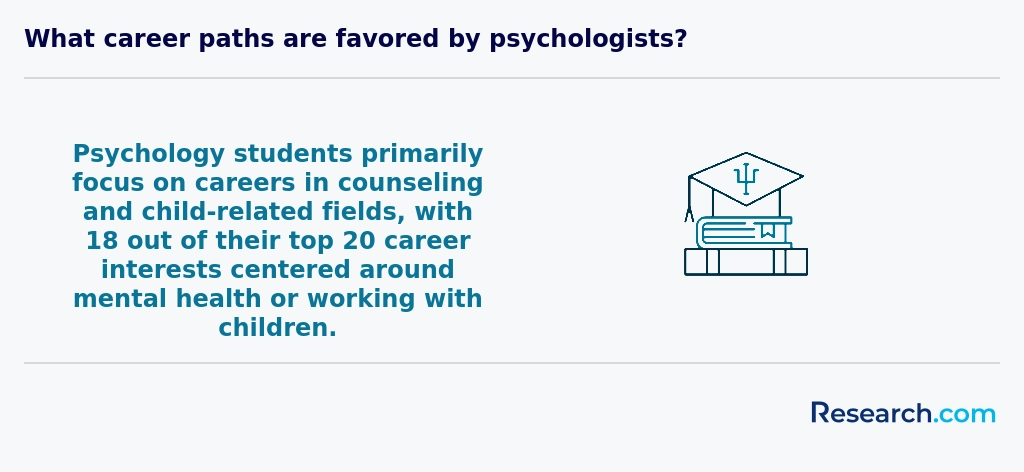
Graduates of online educational psychology degrees in the Midwest find diverse career paths that blend education, mental health, and research. Many step confidently into roles as school psychologists, supporting students with tailored interventions and thriving in states like Illinois or Ohio where demand remains steady. These professionals often recall how hands-on experiences at regional universities shaped their understanding of special education needs.
Others embrace roles as educational consultants or academic advisors, adapting cutting-edge strategies to real-world classrooms. Graduates from popular Midwest colleges appreciate how their training helped them integrate technology into curriculum development-particularly as online educational psychology careers Midwest continue expanding rapidly. For those aiming to advance professionally, programs offering an accelerated master's program psychology provide additional flexibility and focus.
Instructional coordinators analyzing student data to enhance teaching methods are increasingly sought after across the Midwest. Meanwhile, university faculty engage in research that shapes future educational policies while mentoring the next generation. Finally, licensed mental health counselors contribute meaningfully to child well-being in schools and private practice, reflecting a growing interdisciplinary approach embraced by Midwest institutions.
What is the job market for online educational psychology degree in the Midwest?
The job market for online educational psychology degree graduates in the Midwest offers encouraging prospects, especially as schools deepen their focus on student mental health and personalized learning. Graduates from reputable Midwestern universities often share experiences of securing roles in public school systems, where their training helps tailor individual education plans and address behavioral challenges effectively, reflecting the growing demand for professionals in educational settings. This demand aligns well with the broader trend toward online educational psychology jobs Midwest-wide.
Midwest institutions like the University of Minnesota and Ohio State University provide programs that balance theory with practical skills, ensuring graduates feel prepared and valued. These programs' affordability compared to traditional on-campus degrees adds to the appeal, helping many students feel optimistic about their career return on investment.
Future trends suggest that expertise in digital learning assessments and technology integration will further expand job opportunities. For those contemplating further advancement, exploring EdD online programs could be an effective next step to deepen specialization and leadership capabilities in this evolving field.
Frequently Asked Questions About educational psychology
Students pursuing online educational psychology degrees in the Midwest can enhance their learning by actively engaging with course materials and faculty. Research from the University of Illinois highlights that students who participate in discussion forums and virtual office hours tend to perform better academically.
It is essential to create a structured study schedule to balance work, family, and study commitments. According to the National Center for Education Statistics, Midwestern students taking online psychology courses who dedicated at least 15 hours weekly showed higher retention rates.
Utilizing university-provided resources, such as online libraries and counseling services, further supports student success. Networking through virtual study groups can also deepen understanding by sharing diverse perspectives.
The field of educational psychology is evolving with new specialized areas gaining attention, particularly in the Midwest. One emerging niche is the study of digital learning environments, focusing on how technology impacts student motivation and achievement. Research from the University of Michigan highlights a 15% increase in demand for experts who analyze online educational tools.
Another growing area involves addressing mental health in schools. Professionals trained in both psychology and education help create supportive environments for diverse learners. According to the Illinois State Board of Education, schools increasingly seek specialists to manage student wellbeing.
Additionally, cultural competence and inclusive learning strategies are becoming central, reflecting the Midwest's changing demographics. Educational psychologists develop interventions tailored to multicultural classrooms, supporting equity in education.
After completing an online educational psychology degree in the Midwest, preparing for the job market requires focused steps. Begin by obtaining relevant certifications, such as the Licensed Professional Counselor (LPC) credential, which many Midwestern states require for clinical roles.
Building practical experience through internships or supervised practicum placements enhances employability. Universities often support this with partnerships in local schools or community organizations.
Networking within regional educational and psychological associations, like the Midwest Psychological Association, can open job opportunities and provide professional development.
According to the Bureau of Labor Statistics, employment for educational, guidance, school, and vocational counselors in the Midwest is expected to grow by 9% through 2031.
Continuing education via workshops or certificates in behavior analysis or assessment tools also strengthens your résumé.
Employers in the Midwest highly value strong analytical skills in graduates with educational psychology degrees. These professionals must interpret data effectively to improve learning outcomes. According to the National Association of School Psychologists, problem-solving abilities rank among the top three skills sought in candidates within this region.
Communication skills are also crucial. Graduates should convey psychological concepts clearly to teachers, parents, and students. The Midwest's diverse educational settings require adaptability in presenting information tailored to varying audiences.
Another key skill is cultural competence. With growing diversity in Midwestern schools, employers expect graduates to understand and address the needs of students from different backgrounds. Research from the University of Illinois highlights this as essential for fostering inclusive environments.
Finding internships in the Midwest relevant to an educational psychology degree involves strategic research and networking. Start by exploring partnerships that universities maintain with local schools, counseling centers, and community organizations. Many Midwestern institutions, such as the University of Illinois and Michigan State University, offer dedicated internship-placement services for educational psychology students.
Students should also use state-specific databases like the Illinois Careers in Counseling Database or the Michigan Rehabilitation Services internship listings. According to the National Association of School Psychologists, more than 60% of internships in the Midwest occur in public school districts, which often require clearance and background checks.
Utilizing online platforms, attending regional conferences, and connecting with faculty advisors can increase chances of securing quality placements. Planning early and understanding regional licensure requirements is essential for matching internships with career goals.
An online educational psychology degree in the Midwest significantly enhances career mobility and advancement for professionals in education and related fields. According to the U.S. Bureau of Labor Statistics, demand for specialists in educational psychology and instructional coordination is expected to grow by 8% nationally from 2022 to 2032, with Midwest states like Illinois and Ohio showing steady employment opportunities.
Graduates with this degree often qualify for roles such as school psychologists, educational consultants, and curriculum developers, which typically offer higher salaries and leadership opportunities. Many Midwestern employers value the flexibility and self-discipline demonstrated by online learners, adding to career progression prospects.
Additionally, online programs accredited by the APA or regionally accredited institutions in the Midwest ensure that graduates meet state licensure requirements, a critical factor for career advancement in this field.
Studying for an educational psychology degree in the Midwest equips students with skills relevant across multiple disciplines, such as counseling, special education, and curriculum design. Many Midwest programs emphasize collaborative learning and integrate coursework in child development, behavioral studies, and cognitive science. According to the National Center for Education Statistics, over 30% of Midwest institutions offering educational psychology degrees include interdisciplinary projects that mirror real-world educational settings.
These programs also often partner with local schools and healthcare providers, giving students practical exposure to diverse professional environments. This integration prepares graduates to work effectively in teams that span education, healthcare, and social services.
Additionally, coursework in data analysis and research methodology, common in Midwest online programs, supports roles in policy development and program evaluation, further broadening career prospects.
Choosing between a thesis and a non-thesis online educational psychology degree in the Midwest depends largely on your career goals and learning preferences. Thesis programs focus on research, requiring students to produce original studies, which is ideal for those interested in doctoral programs or research careers. Non-thesis options emphasize coursework and practical application, suiting students seeking careers in school settings or counseling without research demands.
Midwestern universities such as the University of Illinois and Michigan State offer both formats, reflecting regional demand for flexibility. According to the National Center for Education Statistics, about 40% of educational psychology graduate students in the Midwest pursue thesis tracks, indicating strong interest in research careers.
Consider program length, faculty expertise, and available resources. Thesis programs can extend your study time by six months to a year. Non-thesis degrees typically allow faster completion. Understanding your professional aims will guide the best choice.
Midwestern students seeking to study educational psychology abroad face limited direct options through U.S. institutions offering online degrees with international components. Most accredited online educational psychology programs in the Midwest focus on domestic curricula without study-abroad requirements, prioritizing flexible, fully remote learning. However, some Midwestern universities partner with overseas institutions, allowing students to participate in short-term exchanges or research projects abroad as electives.
Currently, no Midwest-based online educational psychology programs mandate or extensively integrate full international study. According to the National Center for Education Statistics, less than 5% of Midwestern institutions with psychology programs report formal study-abroad partnerships specifically for educational psychology. Students interested in extensive abroad learning often consider hybrid or in-person programs instead.
Prospective students should consult academic advisors for tailored opportunities, including internships or conferences overseas that complement online degrees.
Students pursuing an online educational psychology degree in the Midwest can benefit from part-time roles that provide practical experience. Common opportunities include tutoring and academic coaching, which allow students to apply learning theories directly. School paraprofessional positions, often available in public school districts in states like Illinois and Ohio, support classroom teachers and give insight into student behavior and educational needs.
Working as a research assistant in universities offers exposure to current educational psychology studies. According to the National Center for Education Statistics, these roles are increasingly offered by Midwest institutions. Additionally, part-time jobs in counseling centers or after-school programs help build skills in child development and counseling.
These roles complement academic learning by enhancing understanding of student motivation, learning disabilities, and assessment methods relevant to educational psychology practice in the region.
Online educational psychology students in the Midwest benefit from various networking opportunities despite the remote nature of their programs. Many universities partner with regional educational organizations and school districts, providing virtual events and local internships. For example, the Midwest Educational Research Association frequently hosts conferences that welcome student participation.
Additionally, professional associations such as the Illinois School Psychology Association offer online forums and mentorship programs tailored to students. These platforms allow learners to connect with practicing professionals and peers nearby.
Research from the National Center for Education Statistics highlights that nearly 70% of Midwest institutions support online students with alumni networks and career services, which further facilitate job connections in local communities.
Alumni networks provide valuable support to students pursuing online educational psychology degrees in the Midwest. These networks connect current students with graduates who have experience in local school districts and agencies. Such connections can lead to mentorship opportunities, internships, and job referrals, which are crucial in a competitive job market.
According to the Midwest Education Group, over 65% of job placements in educational psychology roles involve some form of alumni referral. Engagement with alumni also helps students stay informed about regional trends in educational testing, counseling, and special education services.
This relationship fosters a professional community that extends beyond graduation, enhancing career development and lifelong learning prospects for Midwest students.
Customizing an online educational psychology degree in the Midwest allows students to align their studies with specific career aspirations. Many Midwestern universities provide flexible curriculum options, such as electives in special education, counseling, or learning technologies. This approach enables students to gain skills relevant to roles in schools, mental health, or corporate training.
Some programs also offer practicum or internship placements tailored to local educational settings, which enhance practical experience. According to the National Center for Education Statistics, about 60% of Midwestern online psychology programs include such hands-on components. Students should consult academic advisors to select courses that best support their professional goals.
Online educational psychology students in the Midwest often face challenges related to technology and access. Rural areas, common in states like Iowa and Nebraska, may have limited high-speed internet, affecting course participation and research activities. According to the National Center for Education Statistics, about 20% of Midwestern households lack reliable broadband, impacting online learning quality.
Another issue is balancing coursework with personal and professional responsibilities. Many students pursuing these degrees are working educators or parents, making time management critical. Additionally, some students report feeling isolated due to limited face-to-face interaction with peers and faculty, which can affect motivation and networking opportunities.
Finally, practical experience requirements, such as internships, are sometimes difficult to arrange remotely, adding another layer of complexity for online learners in this field.
With an online educational psychology degree, professionals in the Midwest can pursue several respected certifications to advance their careers. One common path is earning the Licensed Professional Counselor (LPC) credential, which requires graduate education and supervised clinical experience. This certification is available in many Midwestern states including Illinois, Ohio, and Minnesota.
Another valuable option is the Certified School Psychologist credential, often requiring completion of specific school psychology programs and passing the Praxis exam. According to the National Association of School Psychologists, demand for school psychologists is growing steadily in the Midwest region.
Additionally, graduates may qualify for certifications like Behavior Analyst Certification Board (BACB) credentials if their studies include applied behavior analysis. These certifications enhance employment prospects in educational and clinical settings.
To write a winning application for an online educational psychology program in the Midwest, start by carefully reviewing each program's admission requirements. Most Midwestern universities look for a solid academic record, especially in psychology-related courses. Highlight any relevant work or research experience, as practical knowledge can strengthen your candidacy.
Strong letters of recommendation are essential, preferably from professors or supervisors familiar with your skills and dedication. Additionally, craft a clear personal statement that explains your interest in educational psychology and how the program aligns with your career goals.
Many programs also require GRE scores, but some Midwestern schools have waived this due to recent trends; verify current policies.
According to the Midwest Education Cluster, programs at institutions like the University of Wisconsin and Michigan State emphasize fit with faculty research interests and a commitment to improving educational outcomes, so tailor your application accordingly.
Educational psychology is a growing field in the United States, especially in the Midwest where several universities offer reputable online degrees. Globally, careers in educational psychology are valued for their role in improving learning outcomes and supporting diverse student populations. According to the Bureau of Labor Statistics, the demand for psychologists, including educational psychologists, is projected to grow 6% from 2021 to 2031 in the U.S.
Midwestern states like Illinois and Ohio have seen increased investment in education, creating opportunities for educational psychologists in schools and community agencies. Internationally, professionals often engage in similar roles but face varying certification requirements.
The practical application of educational psychology in the U.S. focuses on evidence-based interventions and educational equity, aligning with global trends that emphasize data-driven practices.
Gaining practical experience while studying for an online educational psychology degree in the Midwest is essential for career readiness. Many accredited Midwestern universities require or recommend internships or practicum placements as part of their programs. These experiences are often arranged in partnership with local schools, counseling centers, or community organizations.
Students can also seek volunteer opportunities or part-time roles that involve educational assessment, counseling support, or behavioral research. According to the National Association of School Psychologists, approximately 30% of school psychology internships are located in the Midwest, providing a strong regional network.
Additionally, virtual simulation tools are increasingly used to help online students build skills remotely. These hands-on options complement coursework and enhance applied knowledge without needing full-time on-campus attendance.
When choosing the right concentration within an online educational psychology degree program in the Midwest, consider your career goals and interests first. Common concentrations include learning and development, assessment and evaluation, and counseling psychology. Each has distinct career paths, from working in schools to research or clinical settings.
Look for programs accredited by the National Association of School Psychologists or similar bodies, as this ensures quality and relevance to regional standards. According to the National Center for Education Statistics, Midwestern states like Illinois and Ohio have growing demand for school psychologists, highlighting practical options for specialization.
Additionally, evaluate curriculum flexibility and practicum opportunities offered remotely. Choose a focus aligning with licensure requirements in your state if you plan to work directly with children or schools. Consulting recent state labor data can also guide which concentration has the highest local employment growth.
Top Trending Educational Psychology Rankings
References
- 10 Up-and-Coming Psychology Programs in the Midwest https://www.bestpsychologydegrees.com/top/up-and-coming-undergraduate-psychology-programs-in-the-midwest/
- How To Become An Educational Psychologist | Psychology.org https://www.psychology.org/careers/educational-psychologist/
- Illinois Programs https://www.ilispa.org/graduate-programs
- Educational Psychology Level 3 https://oxbridgehomelearning.uk/course/educational-psychology-level-3/
- Online Psychology Major https://www.hamline.edu/academics/online-bachelors-psychology-major
- How to make the most out of the Psychology Networking Fair https://www.law.ac.uk/resources/blog/get-the-most-of-psychology-networking-fair/
- 9 key issues currently impacting the education psychology profession https://www.invision360.com/post/9-key-issues-currently-impacting-the-education-psychology-profession
- A week in the life of a trainee educational psychologist https://blog.bham.ac.uk/educationalpsychology/2020/01/27/a-week-in-the-life-of-a-trainee-educational-psychologist/
- Career & Networking Fair | Psychology Student Association https://www.psaatuci.com/cnf
- Ontario Psychological Association - Networking and Community Resources https://www.psych.on.ca/become-a-member-(1)/member-services/networking-and-community-resources


