
2027 Easiest Online Educational Psychology Degree Programs Ranking in the USA

Co-Founder and Chief Data Scientist
Choosing the right online educational psychology degree program can feel overwhelming. To help, this article presents the 2027 Easiest Online Educational Psychology Degree Programs Ranking in the USA, created by the Research.com team of data scientists. It's designed to guide you toward programs that fit your needs and learning style.
Discover options that balance quality and accessibility, making your educational journey smoother. Earning a degree in educational psychology opens doors to rewarding careers focused on supporting students and improving learning outcomes. This article empowers you to make an informed decision and take the next step with confidence.
Key benefits of getting online educational psychology degree in America
- Salary for educational psychology graduates: While specific salary data is limited, educational psychologists in the US typically earn between $60,000 and $90,000 annually, reflecting rewarding earning potential in diverse educational settings.
- Career paths: Graduates from well-known universities often pursue roles as school counselors, educational consultants, or curriculum developers, showing flexible options to impact student success.
- Benefits of online degrees: Graduates from renowned online programs enjoy flexible schedules and reduced costs, allowing them to balance work, life, and study while gaining a respected degree.
What can I expect from online educational psychology degree in America?
The average cost of an online educational psychology degree in America can vary significantly depending on the type of institution. Public universities typically offer more affordable tuition rates, often ranging between $7,000 and $15,000 per year for in-state students, whereas private universities may charge upwards of $20,000 annually. Graduates from schools such as the University of Florida or Arizona State University frequently mention that these costs feel justified due to the program's strong practical components and flexible pacing.
Some graduates describe the investment as manageable because of available financial aid, scholarships targeted to psychology and education students, and their ability to balance work alongside coursework. However, others note that out-of-state tuition or program fees could increase the final cost, making budgeting crucial for prospective students at institutions like Penn State World Campus.
Students also value programs accredited by recognized bodies like CACREP, even if that sometimes means a higher price point. This accreditation can improve licensure eligibility and job prospects, highlighting that cost is just one factor among many when evaluating online educational psychology degrees.
Where can I work with online educational psychology degree in America?
Graduates with an online educational psychology degree in America commonly find work in K-12 school settings, where they contribute as educational psychologists or school counselors. For instance, those studying at well-known programs like the University of Florida or Arizona State University often share how their online coursework directly prepared them to create customized learning plans for students with special needs. While licensure requirements vary by state, many appreciate that their degree supports eligibility for credentials that enable meaningful work in schools.
Others expand into higher education, working as academic advisors or research assistants. Graduates from institutions such as Penn State mention feeling fulfilled by contributing to curriculum design or analyzing educational outcomes, especially when balancing their roles alongside online studies.
Some find rewarding careers in private practices or healthcare facilities, providing assessments and behavioral interventions. This path can feel especially empowering for those eager to influence interventions beyond traditional classrooms.
Additionally, government and nonprofit roles offer avenues in policy development and advocacy-areas where graduates from diverse American colleges feel their training helps shape educational equity and innovation on larger scales.
How much can I make with online educational psychology degree in America?
Graduates with an online educational psychology degree in America often enter careers such as school and career counseling, where the median annual wage was about $60,000 in 2023, according to U.S. Bureau of Labor Statistics data. This figure offers a practical benchmark, especially for those starting their careers after completing programs at well-known institutions like Arizona State University or the University of Florida.
Entry-level salaries typically range from $45,000 to $55,000, reflecting initial roles in public schools or nonprofit settings. As graduates gain experience, especially through roles in larger districts or states with higher living costs like California or New York, annual earnings can rise to $65,000 to $80,000 or more. Those who pursue advanced credentials and work as licensed school or clinical psychologists may see median wages closer to $85,000, although such roles often require doctoral degrees and additional licensure.
Graduates often share that supplementing income through consulting or private assessments further improves financial prospects, making the investment in an online degree from a reputable American college feel rewarding and aligned with their career goals.
- Key benefits of getting online educational psychology degree in America
- What can I expect from online educational psychology degree in America?
- Where can I work with online educational psychology degree in America?
- How much can I make with online educational psychology degree in America?
- How do we rank schools?
- 2027 Easiest Online Educational Psychology Degree Programs Ranking in the USA
- What online educational psychology degree graduates have to say
- Key Findings
- How long does it take to complete online educational psychology degree in America?
- What's the difference between online and on-campus educational psychology degree?
- What is the average cost of online educational psychology degree in America?
- What financial aid is available to online educational psychology degree students in America?
- What are the prerequisites for enrolling in online educational psychology degree program in America?
- What courses are typically in online educational psychology degree programs in America?
- What types of specializations are available in online educational psychology degree programs in America?
- How do you choose the best online educational psychology degree in America?
- What career paths are available for online educational psychology degree students in America?
- What is the job market for online educational psychology degree in America?
- Frequently Asked Questions About educational psychology
- Top Trending Educational Psychology Rankings
How do we rank schools?
Investing in your education is a significant decision that can shape your future, and the Research.com team understands the importance of making informed choices. To assist prospective students, we have meticulously crafted the "2027 Easiest Online Educational Psychology Degree Programs Ranking in the USA." Our commitment to quality, credibility, and accuracy is reflected in the extensive research and analysis conducted to compile this ranking.
We utilized the following reputable data sources to ensure a comprehensive evaluation of educational psychology programs:
By exploring this ranking, readers will gain valuable insights into the easiest online educational psychology degree programs available in the USA, aiding them in making well-informed decisions about their educational journey. For more details on our methodology, please visit our Research.com methodology page.
2027 Easiest Online Educational Psychology Degree Programs Ranking in the USA
# 1 position
University of Missouri
Master
The University of Missouri offers a Master's program focusing on Educational Psychology and Psychology, lasting 24 months. The program has a graduation rate of 75%, reflecting strong student success. Admission is considered open, with a 78% acceptance rate. The average total cost is $15,402. A high level of financial aid is available, with 97% of students receiving assistance, making the program financially accessible for most applicants.
# 2 position
PennWest California
Master
PennWest California offers a Master's program focused on Educational Psychology and Psychology. The program has an open admission policy with a 94% acceptance rate. Approximately 52% of students graduate. It serves a large online population of 7,973 students and provides high levels of financial aid to 98% of its students. The average total cost of the program is $15,480.
# 3 position
Kent State University
Master
Kent State University offers a Master's program focused on Educational Psychology and Psychology, with an open admission acceptance rate of 86%. The program supports a large online student body, currently totaling 21,270. Students benefit from a high level of financial aid, with 97% receiving assistance. The graduation rate stands at 64%, reflecting a moderate completion success. The average total cost of the program is $495,000.
# 4 position

The University of Wisconsin-Madison offers a 24-month master's program focused on Educational Psychology and Psychology. The program has a graduation rate of 90%, reflecting strong student success. It is moderately selective with a 45% acceptance rate. The average total cost is $24,000, and moderate financial aid is available to 60% of students, making this program accessible to many applicants.
# 5 position
Texas Tech University
Master
Texas Tech University offers a Master's program focusing on Educational Psychology and Psychology. The program has a less selective acceptance rate of 73%, making admission more accessible. Approximately 90% of students receive high levels of financial aid. The program supports a large online student population, with 26,776 enrolled. Graduates have a 69% completion rate, indicating a solid success rate in program completion.
What online educational psychology degree graduates have to say
- Jessica: Studying educational psychology online at Arizona State University gave me the flexibility to balance work and school. The interactive lectures and expert faculty made complex theories easy to grasp. It truly transformed my understanding of student learning in diverse classrooms.
- Marcus: The University of Florida's online program offered me a supportive community despite the distance. The engaging coursework helped me apply psychological principles directly to education, boosting my confidence to impact real-life classrooms. I felt genuinely prepared for my career.
- Emily: Liberty University's online educational psychology degree was a life-changing experience. The personalized feedback and accessible resources nurtured my passion for understanding how students thrive. It was motivating to learn at my own pace while receiving top-notch academic guidance.
Key Findings
- Online educational psychology degrees in the U.S. are available from bachelor's through doctoral levels, focusing on practical skills like learning theories and assessment techniques.
- Tuition for bachelor's programs ranges from $15,000 to $40,000, master's programs cost between $10,000 and $30,000, and doctoral programs often exceed $30,000, sometimes reaching $60,000 or more.
- Entry-level salaries for graduates typically fall between $50,000 and $60,000 annually, while experienced professionals can earn $70,000 to $90,000 or more, with some specialists making over $100,000.
- The job market is expected to grow by 7% from 2021 to 2031 for related roles, driven by increased demand for mental health and learning support in schools.
- Most online programs require supervised fieldwork or practicum, and accreditation from bodies like the APA is important for quality and licensure eligibility.
How long does it take to complete online educational psychology degree in America?
Completing an online educational psychology degree in America varies significantly by level and individual circumstances. Graduates from well-known universities often share that a Bachelor's degree typically takes about four years full-time, aligning with the standard undergraduate timeline of around 120 to 130 credit hours. This timeframe allows students to immerse themselves fully in foundational psychology concepts while balancing life responsibilities.
For those pursuing a Master's degree online, many report completion times between 1.5 to 3 years when enrolled full-time. Part-time students, especially working professionals, often extend their studies closer to four years, appreciating the flexibility to juggle work and family while progressing steadily. Programs at respected institutions frequently offer adaptable scheduling, which positively influences student satisfaction and persistence.
Doctoral candidates describe a longer commitment, often ranging from 3 to 7 years. This wide range reflects the diverse demands of dissertation research and practicum experiences that are critical for real-world readiness. Balancing these rigorous requirements with career and personal life poses a challenge, yet many find the extended journey rewarding and deeply fulfilling.
Accredited programs in America, especially those recognized by the APA or NCATE, typically ensure well-structured timelines, which students find reassuring when planning their education paths.
- Four years for a Bachelor's degree when enrolled full-time.
- 1.5 to 3 years for a Master's degree full-time, longer for part-time.
- 3 to 7 years for doctoral degrees, dependent on research and practicum requirements.
What's the difference between online and on-campus educational psychology degree?
Online and on-campus educational psychology degrees in America differ notably in learning experience and environment. Graduates from well-known institutions like the University of California, Berkeley, often recall the structured, face-to-face interaction on campus as invaluable for grasping complex theories through immediate feedback and hands-on practicum. In contrast, graduates from online programs at universities such as Arizona State University highlight the freedom to study asynchronously, balancing coursework with work or family, which brings a sense of empowerment and reduced stress.
Cost also plays a pivotal role. On-campus students at public universities may pay around $12,410 annually for tuition alone, but added expenses like housing and commuting inflate overall costs. Online learners appreciate avoiding these fees, although tuition differences between modes can be minimal.
Access to resources varies, too: traditional students enjoy libraries and labs in person, while online students rely on virtual tools that, depending on the school, can either enhance or challenge their learning process.
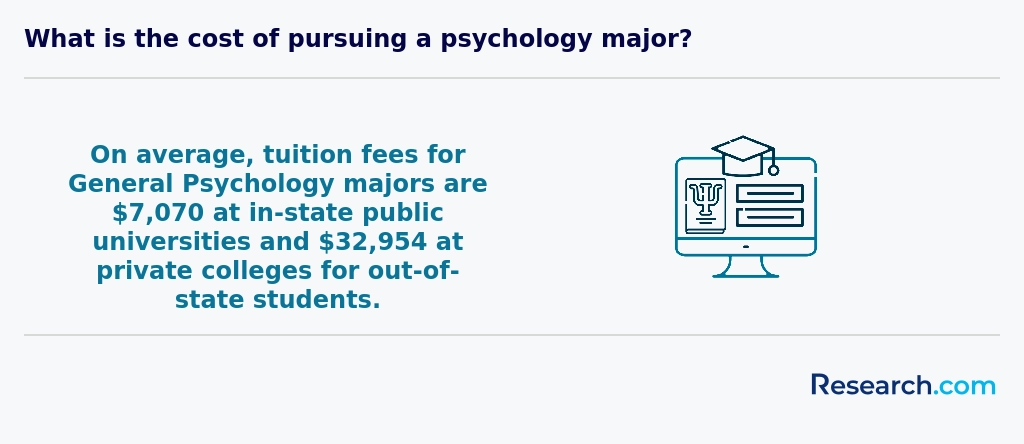
What is the average cost of online educational psychology degree in America?
Determining the average cost of an online educational psychology degree in America involves considering various factors such as residency, degree level, and institution type. Evidence suggests that the median total cost hovers around $15,780, which reflects typical expenses students might expect. However, this median figure masks a wide range; for example, some in-state students attending public universities benefit from substantially lower tuition fees, while out-of-state learners at private institutions may face costs several times higher. Graduates from well-known universities often describe their educational journey as a meaningful investment, expressing satisfaction with how manageable costs aligned with the quality of instruction.
Exploring total expenses for online educational psychology degree in the USA means acknowledging additional financial considerations beyond tuition, such as technology fees, books, and application costs. Several students share experiences of balancing these costs by seeking financial aid or scholarships, which can significantly ease the financial burden. Some have also found that choosing programs offering in-state tuition rates for all online students helps maintain affordability without sacrificing academic rigor.
For prospective students specifically interested in child-focused psychology paths, researching child psychologist masters programs within online formats at reputable American colleges can provide valuable insights into cost structures and aid availability. These programs often mix flexible pricing with robust curriculum options, supporting diverse learning needs and budgets while aspiring to professional success.
What financial aid is available to online educational psychology degree students in America?
Students pursuing online educational psychology degrees in America often access a variety of financial aid options, though understanding their complexities is crucial. For example, graduates from public universities like the University of Florida recall relying on Federal Direct Loans and Graduate PLUS Loans, which provide manageable repayment plans and cover substantial portions of tuition that can range from $8,000 to over $20,000 annually.
Meanwhile, those attending private institutions such as Columbia University, where tuition may exceed $30,000 yearly, often highlight the importance of institutional aid. Scholarships and assistantships available specifically for online educational psychology students can offer significant relief, sometimes including paid research roles that add practical experience and community connection, easing financial and academic pressures.
State-based scholarships provide another layer of support. Graduates from universities in states with merit-based aid emphasize how eligibility depends heavily on residency and program specifics. Additionally, professional organizations like the American Psychological Association supplement funding, especially for those committed to long-term educational careers.
Many students balancing work and study point to employer tuition assistance as vital. Knowing that nearly 60% of employers offer reimbursement encourages optimism but also demands early verification of policy details.
What are the prerequisites for enrolling in online educational psychology degree program in America?
To enroll in an online educational psychology degree program in America, most applicants must hold a bachelor's degree from an accredited institution. While having a degree specifically in psychology is not always mandatory, graduates often share how foundational coursework in psychology or education-such as those offered at well-known institutions like the University of Illinois or Arizona State University-proved invaluable when beginning graduate studies. This background helps students feel confident tackling advanced concepts early on.
A common requirement is maintaining a minimum GPA, typically around 3.0, which reflects consistent academic commitment. Some programs allow flexibility here, valuing relevant professional experience as demonstrated by graduates who transitioned into educational psychology later in their careers. Official transcripts and possibly GRE scores are usually requested, though many schools increasingly waive the GRE to widen access.
Letters of recommendation and personal statements are crucial, encouraging applicants to express their passion and readiness. Graduates often recall how articulating their goals solidified their own motivation. Additionally, experience in educational or psychological settings can strengthen an application, especially for programs emphasizing practical skills, as seen in professionals who balanced work and study successfully.

What courses are typically in online educational psychology degree programs in America?
In online educational psychology degree programs in America, students typically encounter a blend of core courses that address both theory and practical application. Graduates from well-known universities often recall how courses like Introduction to Educational Psychology illuminated fundamental concepts such as learning theories and motivation, helping them better understand how diverse learners absorb information in classrooms.
Developmental Psychology is frequently highlighted by graduates for its detailed examination of behavioral changes across childhood and adolescence-insights that prove invaluable when working with varied age groups. Research Methods and Statistics remain critical, equipping students with tools to rigorously analyze educational data, a skill praised by those who later engage in policy or academic research.
Many students appreciate Assessment and Evaluation classes, where they practice designing tests and interpreting results-experiences that simulate real-world responsibilities in school settings. Additionally, courses like Learning Theories and Instructional Design resonate through practical projects, enabling students to create tailored teaching strategies.
Students recount feeling particularly prepared by specializations like Special Education Psychology and Applied Behavior Analysis, which offer techniques essential for supporting learners with different challenges, a common focus at American colleges known for inclusive education initiatives.
What types of specializations are available in online educational psychology degree programs in America?
Among the popular online educational psychology specializations USA programs offer, students often choose paths like Child and Adolescent Development, which appeals to those passionate about understanding how young learners grow emotionally and academically. Graduates from well-regarded institutions such as those in public university systems describe the feeling of confidently applying developmental theories in real school settings, which enhances their professional satisfaction.
Other notable focuses include School Psychology, where students prepare to address complex behavioral and learning challenges in K-12 environments. Those completing programs from universities known for their educational psychology faculties report a rewarding experience in working directly with children and families, often citing a sense of purpose rooted in making tangible differences.
Special Education and Cognitive and Learning Sciences also attract many, emphasizing inclusivity and innovative instructional methods. For those seeking practical insights on cost, public universities often provide affordable tuition options, making it easier to pursue these specialized paths without excessive financial strain.
Moreover, students interested in nuanced brain-behavior relationships might gravitate toward Neuropsychology in Education, a specialization frequently available in top-tier online degrees. Exploring such fields at institutions famed for psychology training fosters deep engagement with current research and application.
For prospective learners weighing options, reviewing the cheapest masters in psychology online programs may reveal cost-effective opportunities aligned with career goals in educational psychology.
How do you choose the best online educational psychology degree in America?
Determining how to choose an educational psychology degree in America requires weighing accreditation, curriculum, and real-world relevance carefully. Graduates from well-known universities often share that regionally accredited programs, recognized by agencies like the Higher Learning Commission, assure them their credits are respected and their education meets rigorous national standards. Yet, accreditation alone is not enough-students highlight the importance of curricula that actively incorporate recent research in cognitive development and learning theories, which are hallmarks of top-tier programs.
Cost and flexibility significantly shape students' decisions, especially for working professionals juggling jobs and family. Many appreciate programs offering part-time or accelerated options, which shorten time-to-degree without sacrificing quality. Graduates from several prominent American colleges praise support services like career counseling that bolster their confidence in online environments. When exploring the best online educational psychology degree programs USA can provide, it is useful to review such real outcomes and student experiences thoroughly.
Additionally, paying attention to faculty expertise is critical; those taught by professors engaged in professional practice or affiliated with organizations such as the American Psychological Association often feel better prepared for certification and employment. Students invested in licensure requirements especially benefit from programs aligned with state mandates. For those aiming to deepen their qualifications, exploring options like a psychology degree online can provide clarity and accessibility unmatched by traditional paths.

What career paths are available for online educational psychology degree students in America?
Graduates with an online educational psychology degree in America often find diverse career paths reflecting their interests and strengths. Many pursue roles as school psychologists, where they support students' mental health and learning challenges-positions that are growing due to heightened awareness around child wellbeing. Others become educational counselors or advisors, guiding students through academic decisions; graduates from institutions like the University of Florida share how their training prepared them for these hands-on roles in schools and colleges. Some choose to work as educational consultants, collaborating with schools or edtech companies to refine teaching strategies, a path students from popular colleges often highlight as rewarding due to its impact on educational innovation.
A meaningful number of graduates enter research or academia, driven by curiosity about learning processes. For instance, alumni from established programs such as Arizona State University report fulfilling experiences contributing to evidence-based educational improvements. Considering the broad spectrum of available jobs, prospective students must weigh their preferences carefully when exploring online educational psychology careers USA. Those interested in accelerating their studies may look into programs like the fastest psychology degree, which can offer quicker entry into these varied fields.
What is the job market for online educational psychology degree in America?
The job market for graduates holding an online educational psychology degree in America remains promising, fueled by increasing demand across public schools, private institutions, and community organizations. Graduates often find employment opportunities in systems that face shortages of qualified professionals, where the psychologist-to-student ratio frequently exceeds recommended levels. For example, graduates from universities known for their strong online programs often share positive experiences regarding their preparedness to support diverse student needs, aligning with this growing demand.
Exploring educational psychology career opportunities in America involves understanding that many positions require state certification or licensure, typically needing specialist-level degrees or master's credentials with supervised internships. Such requirements are commonly built into reputable online programs, ensuring graduates meet marketplace standards. Salary prospects, meanwhile, reflect a median annual wage around $82,000, with top earners exceeding $130,000 depending on location and experience.
Beyond traditional school roles, graduates also contribute to government agencies or research institutions. Students pursuing degrees often appreciate programs that integrate practical experience with theory, similar to those offered by popular universities. For those balancing work and study, combining an educational psychology degree with options like an instructional design masters degree online can expand career flexibility and marketability.
Frequently Asked Questions About educational psychology
Online students pursuing educational psychology degrees in America can maximize their learning by actively engaging with course materials and participating in virtual discussions. Research from the National Center for Education Statistics shows that students who interact regularly with instructors and peers tend to perform better in online programs.
Utilizing available campus resources such as tutoring, counseling, and library services-often offered virtually-also enhances understanding. Time management is essential; dedicating consistent study hours helps accommodate the self-paced nature of many online degrees.
Students should seek programs accredited by recognized bodies like the American Psychological Association (APA), ensuring quality education and better career opportunities.
Networking with professionals through online forums and internships in educational settings adds practical experience, which is invaluable in this field.
The field of educational psychology in the United States is rapidly evolving, with several emerging niches gaining prominence. One key area is educational technology integration, where psychologists study how digital tools can enhance learning outcomes. According to the National Center for Education Statistics, nearly 90% of schools incorporated online platforms by 2023, driving demand for experts in this niche.
Another growing focus is neuroeducation, which combines neuroscience and psychology to improve teaching methods based on brain function insights. The American Psychological Association notes increasing graduate programs emphasizing this interdisciplinary approach.
Additionally, cultural responsiveness in education is becoming vital, as psychologists address diverse student needs in changing demographics. Online degrees often include specializations in these areas to meet workforce demands.
After completing an online educational psychology degree in America, it is essential to build a competitive profile for the job market. Start by gaining practical experience through internships or practicum placements, often required by accreditation bodies like the National Association of School Psychologists (NASP).
Networking is crucial; join professional organizations such as the American Psychological Association (APA) or NASP to connect with industry experts and access job listings. Additionally, obtaining relevant certifications or licenses may be necessary depending on state requirements, especially for school psychologists.
Developing strong research and data analysis skills can enhance employability, as many roles involve evaluating educational interventions. According to the U.S. Bureau of Labor Statistics, employment for psychologists, including educational psychologists, is projected to grow 6% from 2021 to 2031, emphasizing steady demand.
Employers in America hiring graduates with educational psychology degrees prioritize several key skills. Critical thinking and data analysis are essential, as professionals often interpret research and assess learning outcomes. Communication skills rank highly, enabling graduates to effectively collaborate with educators, parents, and students. Knowledge of developmental psychology supports tailored educational interventions.
Familiarity with evidence-based practices and assessment tools is crucial. According to the American Psychological Association, about 65% of employers seek candidates proficient in designing educational programs that address diverse learning needs. Additionally, adaptability to technological tools for remote learning environments is increasingly valued in today's educational landscape.
Finding internships relevant to an educational psychology degree in America involves strategic planning and research. Many students begin by consulting their university's career services or academic advisors, as most accredited programs maintain partnerships with local schools, clinics, or research institutions. The American Psychological Association (APA) also offers resources to locate internships through its Education Directorate.
Online students can leverage virtual internship platforms or state education departments to find remote or local opportunities. According to the National Center for Education Statistics, over 75% of educational psychology programs encourage practical experience, often required for licensure.
Networking through professional organizations like the APA's Division 15 and attending relevant conferences can connect students to internship leads. Applying early and tailoring applications to settings such as public schools or counseling centers increases chances of placement.
An online educational psychology degree in the United States can significantly enhance career mobility and advancement opportunities. According to the U.S. Bureau of Labor Statistics, roles in educational and school psychology are projected to grow 8% from 2021 to 2031, faster than average for all occupations. Earning this degree online provides flexibility, allowing professionals to continue working while gaining specialized knowledge.
Graduates often qualify for positions in schools, government agencies, or private sector roles focused on learning strategies and student development. A master's or doctoral degree is typically required for licensure, enabling roles like school psychologist or educational consultant.
Additionally, higher credentials generally lead to increased salaries. For example, the National Association of School Psychologists reports median salaries above $80,000 for certified school psychologists in many states. Overall, an online educational psychology degree helps professionals adapt to evolving educational demands and access leadership roles more readily.
Studying for an educational psychology degree in America equips students with knowledge that spans psychology, education, and behavioral sciences. This interdisciplinary foundation prepares graduates to work effectively in diverse roles involving schools, healthcare, and social services. Online programs typically include courses in cognitive development, learning theories, assessment, and counseling techniques.
According to the Bureau of Labor Statistics, careers in educational psychology often require collaboration with teachers, counselors, and healthcare professionals, making interdisciplinary skills essential. Many programs emphasize research methods and data analysis, which are useful across multiple fields.
Additionally, awareness of U.S. educational policies and multicultural considerations fosters the ability to address varied student needs in collaborative environments. This holistic preparation improves graduates' adaptability in evolving professional contexts.
When choosing between a thesis and a non-thesis educational psychology degree program in America, consider your career goals and learning preferences. Thesis programs require original research and a formal document, suited for students aiming for doctoral studies or research positions. Non-thesis programs focus on coursework and practical applications, ideal for those targeting school psychology roles or counseling. According to the National Center for Education Statistics, about 40% of psychology master's students choose non-thesis pathways, emphasizing professional skills over research. Analyzing program requirements and future aspirations helps in deciding the best fit for your educational psychology degree.
American students interested in educational psychology have limited options for studying this field entirely abroad through online programs. Most U.S. institutions offering online degrees are domestically based, adhering to American Psychological Association (APA) accreditation standards, which are crucial for licensure and professional credibility in the U.S.
Some students explore partnerships between American and foreign universities that offer joint online degrees, but such programs remain rare. According to the National Center for Education Statistics (NCES), over 90% of U.S. online psychology degrees come from American institutions, ensuring alignment with U.S. educational frameworks.
Studying abroad online may expose students to diverse perspectives, yet accreditation and transferability of credits must be carefully considered. For strict licensure pathways, U.S.-based online degrees remain the safest choice.
Part-time job opportunities that complement an educational psychology degree in America often focus on roles involving education, counseling, and research support. Popular positions include teacher assistants, tutoring roles, and behavioral therapist aides. These jobs provide practical experience working with children and adolescents, crucial for understanding developmental and learning theories.
The U.S. Bureau of Labor Statistics projects that educational, guidance, and career counselors will see a 11% growth from 2022 to 2032, indicating demand for practical experience in related fields. Research assistant positions at universities or psychology firms also help students gain insight into data analysis and educational assessments.
Other viable options include school paraprofessionals and after-school program coordinators, which offer direct contact with diverse student populations. Positions like these strengthen theoretical knowledge with real-world application, an essential step for aspiring educational psychologists.
Online educational psychology students in America have access to various valuable networking opportunities despite the virtual nature of their programs. Many accredited universities offer virtual events, webinars, and guest lectures where students can connect with faculty and peers. Professional organizations such as the American Psychological Association (APA) and the Educational Psychology division provide student memberships, online forums, and annual conferences crucial for networking.
Additionally, platforms like LinkedIn host specialized groups for educational psychology professionals, fostering peer support and job leads. According to APA data, over 60% of psychologists find networking essential for career development, highlighting the importance of engagement beyond coursework.
Alumni networks offer significant advantages to students earning online educational psychology degrees in America. These networks provide access to experienced professionals who can offer mentorship, career advice, and job leads. According to the National Association of Colleges and Employers (NACE), 85% of jobs are filled through networking, emphasizing the importance of connections.
Students can engage in specialized groups focused on educational psychology, allowing them to share resources and stay updated on relevant research and trends. This interaction often leads to internships, collaborative research opportunities, and guidance on licensure requirements in various states.
Additionally, alumni networks foster a sense of community, reducing feelings of isolation common in online programs and encouraging lifelong professional development.
Customizing an online educational psychology degree program in America begins with selecting electives that match your career goals. Many universities offer concentrations such as school psychology, counseling, or special education, allowing learners to focus their studies.
Additionally, students can often choose between thesis or non-thesis tracks, depending on whether they aim for research or applied roles. Practical experience is essential; programs frequently provide options for internships or practicum placements tailored to different educational settings.
According to the American Psychological Association, nearly 70% of online programs in the U.S. include flexible course scheduling, which helps working professionals balance commitments.
Consulting academic advisors early can help define a plan aligned with certification or licensure requirements in specific states.
Online educational psychology students in America often face challenges related to the need for strong self-discipline and time management. Since most coursework and interactions occur remotely, many struggle to stay motivated without traditional classroom structure. Additionally, limited hands-on experience can hinder the development of practical skills, which are crucial in educational psychology careers.
Another difficulty involves navigating technological issues, such as unreliable internet connections or unfamiliarity with learning platforms. According to the National Center for Education Statistics, approximately 14% of students in online programs reported challenges with technology access in 2022.
Moreover, building meaningful relationships with peers and professors is more difficult remotely, reducing opportunities for collaboration and networking.
With an online educational psychology degree in the United States, graduates can pursue several professional certifications that enhance their career opportunities. One common path is obtaining the Licensed Psychologist credential, which requires passing the Examination for Professional Practice in Psychology (EPPP) and meeting state-specific requirements.
Educational psychologists may also seek certification as a National Certified School Psychologist (NCSP) through the National Association of School Psychologists (NASP). This credential demands a graduate degree, supervised experience, and passing the Praxis exam.
Additional certifications include Behavior Analyst Certification Board (BACB) credentials for those focusing on behavioral interventions.
Writing a winning application for an online educational psychology program in America begins with a clear and concise personal statement. This statement should highlight your passion for educational psychology and relevant experience. According to the American Psychological Association, programs often seek candidates with strong backgrounds in both psychology and education.
Applicants should also carefully prepare their transcripts, ensuring they meet prerequisites such as coursework in developmental psychology or learning theory. Letters of recommendation from academic or professional mentors who can speak to your abilities are crucial, as noted by U.S. News.
Additionally, many programs value relevant work or volunteer experience in educational settings. Demonstrating knowledge of current trends or challenges in U.S. education may strengthen your application. Following the specific program's instructions and meeting deadlines is essential to avoid disqualification.
Educational psychology careers in the United States are influenced by increasingly global perspectives. Professionals often collaborate on research and best practices with international counterparts, enhancing approaches to learning and development worldwide. According to the U.S. Bureau of Labor Statistics, jobs for school and career counselors-including educational psychologists-are projected to grow 11% through 2032, reflecting demand fueled by evolving global educational needs.
The American Psychological Association highlights how U.S.-trained educational psychologists often engage in initiatives addressing multicultural education, equity, and inclusive learning environments. Many U.S. programs emphasize cross-cultural competence, aligning with global trends.
Globalization also drives online degrees, enabling U.S. students to gain skills recognized in international settings, enhancing job market versatility.
Gaining practical experience while studying for an online educational psychology degree in America is essential for career readiness. Many programs include practicum or internship components, allowing students to work directly with schools or educational agencies. These experiences provide real-world exposure to applying psychological principles in educational settings.
Students can also seek volunteer opportunities or part-time roles in local schools, counseling centers, or nonprofit organizations focused on education. The American Psychological Association (APA) recommends accumulating at least 1,000 supervised hours for licensure, emphasizing hands-on experience.
Additionally, some universities partner with local institutions to facilitate remote fieldwork, helping students meet licensure requirements while studying online.
Choosing the right concentration in an online educational psychology degree program in America depends largely on your career goals and interests. Educational psychology offers specializations such as learning disabilities, school counseling, or assessment and evaluation. According to the National Center for Education Statistics, programs vary widely in focus, so reviewing course descriptions and faculty expertise is crucial.
Consider the demand in areas like special education, which is expected to grow by 8% by 2031 per the U.S. Bureau of Labor Statistics. Also, think about licensure requirements; some concentrations align better with state certification for school psychologists or counselors.
Research program accreditation, such as by the APA, to ensure quality and recognition. Finally, reflect on the balance between theory and practical application that each concentration offers to fit your learning style and professional aspirations.
Top Trending Educational Psychology Rankings
References
- How To Become An Educational Psychologist | Psychology.org https://www.psychology.org/careers/educational-psychologist/
- Ontario Psychological Association - Networking and Community Resources https://www.psych.on.ca/become-a-member-(1)/member-services/networking-and-community-resources
- Study Educational Psychology Abroad: 2026 Global Guide to Courses & Careers https://www.hotcoursesabroad.com/subject/educational-psychology/
- Pursuing a career as an educational psychologist https://online.wrexham.ac.uk/blogs/pursuing-a-career-as-an-educational-psychologist/
- Mindful Career : Career Coaching https://mindful-career.com/student-career-guidance
- Educational Psychology Degrees and Careers https://www.onlinepsychologydegrees.com/specialty/educational-psychology/
- Educational Psychology: Degrees, Careers & What It Is https://sociology.org/educational-psychology-understanding-how-we-learn/
- Global Scope of Educational Psychologist Jobs https://elearncollege.com/mental-health/global-scope-of-educational-psychologist-jobs/
- Educational Psychology Salary for Masters & PhD Students https://mastersinpsychologyguide.com/articles/educational-psychology-salary-masters-phd-students/
- Educational Psychology – Graduate Certificate in Arts https://www.massey.ac.nz/study/all-qualifications-and-degrees/graduate-certificate-in-arts-GCART/educational-psychology-GCART1EEDPS1/


