
2027 Most Valuable Online Educational Psychology Degree Programs Ranking in the South

Co-Founder and Chief Data Scientist
Choosing the right educational psychology degree can shape your future and open doors to meaningful careers. For students in the South, this article presents the 2027 Most Valuable Online Educational Psychology Degree Programs Ranking in the South, carefully developed by the Research.com team of data scientists.
Our goal is to help you make an informed decision by highlighting programs that offer real value. Exploring these options can empower you to pursue a rewarding path in understanding and supporting learners.
Discover programs designed to fit your needs and aspirations with confidence.
Key benefits of getting online educational psychology degree in the South
- Educational psychology graduates in the South often find rewarding careers in school counseling or child development, with general US salaries ranging from $50,000 to $70,000 annually, reflecting steady income potential.
- Many graduates from Southern universities pursue roles such as academic advisors or educational consultants, showcasing diverse career options that impact student success and learning strategies.
- Online degrees offer flexibility and accessibility, allowing students from busy Southern communities to balance work and study, as seen in graduates from popular regional universities who value this convenient learning mode.
What can I expect from online educational psychology degree in the South?
Students pursuing an online educational psychology degree in the South often find tuition costs ranging between $8,000 and $15,000 per year for in-state enrollment, a figure that many graduates from institutions like the University of North Carolina system or Texas A&M University have found reasonable given the quality of education. These costs reflect the balance Southern schools strike between affordability and academic rigor, making it possible for busy professionals or parents to advance their careers without overwhelming debt.
Graduates frequently share how the flexibility of online learning paired with regional accreditation standards, such as those from SACSCOC, gave them confidence they were investing in programs that truly prepared them for real-world challenges. One reflects on completing practicums locally while managing family life, appreciating how the program's design respected their time and financial constraints.
Choosing a Southern online program means encountering a blend of competitive tuition and meaningful support, which many find encouraging as they grow into roles helping students succeed educationally and emotionally across diverse settings.
Where can I work with online educational psychology degree in the South?
Graduates with online educational psychology degrees in the South often find rewarding roles in K-12 schools where they directly impact student success. For example, many who studied at well-known Southern universities step into school districts in Texas or Georgia, applying their skills to support children with learning disabilities and emotional challenges. These roles are not only professionally fulfilling but also emotionally uplifting, as graduates witness real progress in students' lives daily.
Higher education institutions in states like Florida and North Carolina offer another vibrant career path. Alumni from prominent colleges frequently engage in research or counseling positions at universities, contributing to innovative learning strategies while feeling a strong sense of academic community and purpose.
Beyond schools, some graduates embrace clinical or counseling work in hospitals or community centers, responding to the growing mental health awareness in Southern communities. This path often brings a deep personal satisfaction, as they help children and families navigate developmental hurdles.
Others join policy or nonprofit firms in Virginia or Tennessee, where their input shapes education reform and advocates for children's rights-work that many find profoundly meaningful. Increasingly, educational technology companies in the region attract graduates eager to design engaging e-learning experiences, combining psychology expertise with creativity and innovation.
How much can I make with online educational psychology degree in the South?
Graduates holding online educational psychology degrees in the South often find their earnings vary considerably based on experience, location, and job role. For example, those entering school-based positions at well-regarded institutions like the University of Florida or the University of Texas typically report starting salaries around $65,000 to $70,000. As they gain experience or move into leadership roles, salaries can rise to $80,000 or more, reflecting the region's diverse economic landscape.
Many graduates describe the rewarding nature of their work, especially when supporting children's learning in familiar communities such as Atlanta or Dallas. Entry-level roles within school systems or universities provide solid footing, yet some choose to pursue advanced licensure or doctorate degrees online through Southern institutions, unlocking roles in policy development or private consulting.
These advanced paths, often taken by graduates from schools like Vanderbilt University, can yield salaries surpassing $90,000, with the potential to exceed $100,000. This growth mirrors dedication and experience, offering graduates both financial stability and professional fulfillment in the Southern education sector.
- Key benefits of getting online educational psychology degree in the South
- What can I expect from online educational psychology degree in the South?
- Where can I work with online educational psychology degree in the South?
- How much can I make with online educational psychology degree in the South?
- How do we rank schools?
- 2027 Most Valuable Online Educational Psychology Degree Programs Ranking in the South
- What online educational psychology degree graduates have to say
- Key Findings
- How long does it take to complete online educational psychology degree in the South?
- What's the difference between online and on-campus educational psychology degree?
- What is the average cost of online educational psychology degree in the South?
- What financial aid is available to online educational psychology degree students in the South?
- What are the prerequisites for enrolling in online educational psychology degree program in the South?
- What courses are typically in online educational psychology degree programs in the South?
- What types of specializations are available in online educational psychology degree programs in the South?
- How do you choose the best online educational psychology degree in the South?
- What career paths are available for online educational psychology degree students in the South?
- What is the job market for online educational psychology degree in the South?
- Frequently Asked Questions About educational psychology
- Top Trending Educational Psychology Rankings
How do we rank schools?
Investing in your education is a significant decision that can profoundly impact your future, and the Research.com team is fully aware of the importance of making well-informed choices. To support prospective students in the South, we have diligently developed the "2027 Most Valuable Online Educational Psychology Degree Programs Ranking in the South." Our dedication to quality, credibility, and accuracy is demonstrated through comprehensive research and careful analysis.
We utilized the following reputable data sources to ensure a thorough evaluation of educational psychology programs:
By reviewing this ranking, readers will obtain valuable insights into the highest quality online educational psychology degree programs in the South, empowering them to make sound educational decisions. For further information on how this ranking was compiled, please visit our Research.com methodology page.
2027 Most Valuable Online Educational Psychology Degree Programs Ranking in the South
# 1 position
Texas A&M University
Master
Texas A& M University offers a Master's program focused on Educational Psychology and Psychology. The program has a graduation rate of 84%, reflecting strong student success. With an acceptance rate of 57%, it is less selective in its admissions process. Approximately 74% of students receive moderate financial aid, supporting affordability. The program also enrolls 31,393 online students, indicating a large and accessible online learning community.
# 2 position
Texas Tech University
Master
Texas Tech University offers a Master's program focusing on Educational Psychology and Psychology. The program has a less selective acceptance rate of 73%, making admission more accessible. Approximately 90% of students receive high levels of financial aid. The program supports a large online student population, with 26,776 enrolled. Graduates have a 69% completion rate, indicating a solid success rate in program completion.
# 3 position
University of Memphis
Master
The University of Memphis offers a Master's program focused on Educational Psychology and Psychology with a graduation rate of 51%. The acceptance rate is 72%, indicating a less selective admission process. Approximately 95% of students receive financial aid, representing high levels of support. The program enrolls 6,119 online students, reflecting substantial distance learning opportunities.
What online educational psychology degree graduates have to say
- "Studying my online educational psychology degree through the University of Florida was a game-changer. The flexible schedule allowed me to balance work and family, while the supportive professors made learning engaging and practical. I feel confident applying evidence-based strategies in real classrooms." - Hannah
- "At Southern Methodist University, the online program deeply enriched my understanding of learner diversity. The interactive assignments and peer discussions helped me grow professionally and personally. This degree empowered me to make a real difference in the lives of students from varied backgrounds." - Marcus
- "I chose the University of Alabama for its renowned faculty and comprehensive curriculum. The online format was surprisingly interactive, with live sessions that fostered connection despite distance. This degree truly boosted my career prospects and sparked a passion for continuous learning." - Olivia
Key Findings
- Tuition for online educational psychology degrees in the South usually ranges from $10,000 to $30,000, with public universities offering lower rates for in-state students.
- Job growth for educational psychologists is projected at about 8% nationally through 2030, supported by increased demand for educational and mental health services in schools.
- Entry-level salaries typically range from $55,000 to $65,000 annually, while experienced professionals can earn between $75,000 and $90,000 per year.
- Programs often focus on child development, learning processes, and assessment methods, aligning with certification and licensure requirements in school settings.
- Online formats provide flexibility, making these degrees accessible for working professionals and students balancing other responsibilities.
How long does it take to complete online educational psychology degree in the South?
Completing an online educational psychology degree in the South varies considerably based on your chosen path. Many bachelor's degree graduates from well-known Southern universities recall balancing work and family while completing their programs in about four to six years, especially when attending part-time. For example, students at popular institutions often appreciate the flexibility of asynchronous classes that help them progress steadily despite busy schedules.
Master's degree students often share a sense of accomplishment finishing within two years, especially at schools offering structured online programs designed for working adults. Some even find accelerated options rewarding, completing their studies in as little as 12 to 18 months by embracing a heavier course load. This requires dedication but brings a strong feeling of momentum.
Doctoral candidates, whether pursuing a PhD or EdD, often describe their journey as demanding yet deeply fulfilling, typically spanning three to five years. Many appreciate institutions in the South that provide online formats allowing them to continue research and coursework without relocating, fitting rigorous academic work around their existing commitments.
What's the difference between online and on-campus educational psychology degree?
Graduates from educational psychology programs at universities like the University of Florida or Vanderbilt often reflect on the clear distinctions between online and on-campus study in the South. On-campus students cherish the vibrant campus life where spontaneous discussions with professors after class or group projects in campus libraries deepen their understanding. This face-to-face engagement creates a strong sense of community and professional networking, which many find invaluable for their careers.
In contrast, online learners appreciate the flexibility that programs at institutions such as the University of Southern Mississippi provide, allowing them to balance coursework with family and work commitments. One graduate recalled completing assignments during late evenings, appreciating the ability to learn at their own pace without geographic constraints.
Both paths maintain rigorous academic standards common across Southern universities, but costs can vary. Online students often save on housing and commute expenses, making the investment more manageable. Still, self-discipline and comfort with technology become essential for online success, especially when relying on virtual interactions rather than in-person support.
What is the average cost of online educational psychology degree in the South?
The average cost of an online educational psychology degree in the South varies widely but generally falls between $10,000 and $30,000 in total tuition. Graduates from public universities in Southern states like Florida, Texas, and North Carolina often recall feeling grateful for the more affordable in-state rates, which typically run between $300 and $600 per credit hour. This pricing makes pursuing an educational psychology degree more attainable, especially for those balancing work and family commitments. The affordability of educational psychology programs Southern states offer allows many students to invest in their careers without overwhelming financial strain.
Private universities in the region, while sometimes costing between $20,000 and $40,000, often provide flexible formats and prestigious reputations that some graduates say opened doors beyond what they initially imagined. Those attending as out-of-state students or choosing private institutions usually encounter per-credit costs ranging from $700 to $1,200, which shapes their budgeting decisions quite significantly. Reflecting on their journey, many find that the investment aligns well with the quality of education and the professional networks they build.
Additional expenses such as technology fees and materials are modest but real aspects to prepare for in any budget. Many graduates emphasize that exploring financial aid options and scholarships can greatly ease the burden. Prospective students would benefit from researching and comparing specific program costs and aid availability, especially when considering options like online school psychology programs.
What financial aid is available to online educational psychology degree students in the South?
Many graduates recall how the Free Application for Federal Student Aid (FAFSA) was their first crucial step toward financing an online educational psychology degree in the South. Through FAFSA, they accessed Pell Grants, which relieved the burden of tuition without repayment worries. These grants were especially helpful for undergraduates balancing work and study at well-known schools like the University of Florida or Texas A&M.
State-specific aid further lightened the load. For instance, students enrolled at Southern public universities frequently benefited from programs like Texas's TEXAS Grant or Florida's student assistance grants. Recipients often mention how maintaining a solid GPA unlocked these valuable resources, allowing them to focus more confidently on their studies rather than financial stress.
Institutional scholarships from universities such as the University of Georgia and Vanderbilt University often targeted online learners pursuing education degrees. These scholarships recognized merit and need, often awarding those committed to advancing educational psychology. Graduates recall feeling supported by these programs that acknowledged their unique challenges.
Professional organizations like the Southern Educational Research Association also provided competitive scholarships, which many found motivating amid rigorous coursework. Lastly, employer tuition reimbursements allowed working professionals in school districts across the South to pursue their degrees with less financial strain, turning career advancement into an attainable goal.
What are the prerequisites for enrolling in online educational psychology degree program in the South?
Enrolling in an online educational psychology degree program in the South typically starts with holding a high school diploma for bachelor's entry or a relevant undergraduate degree for graduate studies. Graduates from universities like the University of Georgia or the University of North Carolina often share how their strong foundation in psychology or education eased their transition into advanced coursework. Many Southern programs appreciate applicants who bring not only solid academic records-with GPA thresholds around 2.75 to 3.0-but also personal qualities demonstrated through letters of recommendation and statements of purpose.
While some schools once required GRE scores, graduates recall how recent admissions trends at institutions such as Georgia State University removed this hurdle, making access more inviting. Official transcripts validate prior studies, and experience with relevant jobs or research can genuinely resonate with admissions committees, reflecting readiness beyond grades. Knowing these expectations helped many Southern students feel confident and excited about pursuing their educational psychology goals online.
What courses are typically in online educational psychology degree programs in the South?
Graduates from online educational psychology programs at Southern universities often reflect on the comprehensive nature of their coursework, which thoughtfully prepares them for real educational settings. Typical courses include Foundations of Educational Psychology, where students first grasp essential learning theories and motivation principles, laying the groundwork for everything that follows. Another pivotal course is Cognitive Development, inviting learners to trace how children's thinking evolves, a crucial insight for tailoring effective teaching strategies.
At well-regarded institutions in the South, students also engage deeply with Assessment and Evaluation, honing skills to measure learning progress and program success-practical abilities that graduates find invaluable in school and district roles.
Courses like Educational Research Methods equip students with the statistical and design competencies needed to critically analyze educational environments, while classes in Behavioral Interventions and Classroom Management empower them to create supportive, inclusive classrooms. Southern graduates frequently mention how Differentiated Instruction and Special Education Psychology courses brought vivid, real-world relevance, especially for working with diverse and at-risk student populations.
What types of specializations are available in online educational psychology degree programs in the South?
Online educational psychology specializations in the South often reflect the unique needs of local schools and communities, offering focused paths such as school psychology, child and adolescent development, and learning and instructional design. Graduates from well-regarded Southern institutions frequently share how specializing in school psychology empowered them to confidently support K-12 students facing diverse learning challenges. Another popular focus, counseling and behavioral interventions, prepares students to address real-world behavioral issues, a skill especially relevant in dynamic Southern school environments.
These Southern online educational psychology degree focus areas are designed with flexibility and practicality in mind, enabling working professionals to balance life and study. Graduates often express gratitude for the ability to tailor their education toward roles they find meaningful, like educational assessment or developmental psychology, advancing both their careers and personal growth. For those considering a wider perspective on the field, programs at regional universities provide pathways into research or policy work. Exploring options like a masters in psychology can further enhance specialization choices and career impact.
How do you choose the best online educational psychology degree in the South?
Choosing the best online educational psychology degree in the South starts with looking at accreditation. Graduates from well-known Southern universities often highlight how programs accredited by bodies like CACREP or regional accreditors such as SACSCOC gave their degrees credibility with local employers and education boards, especially when pursuing licensure.
Curriculum depth and specialization matter just as much. Many students from colleges popular in the South appreciate programs that offer a range of courses from child development to applied learning theories. Those who wanted to focus on school psychology or special education found their paths clearer when selecting programs aligned with their passions.
Cost is a vital factor too. Choosing among the best affordable online educational psychology degrees in the South means balancing tuition, fees, and financial aid opportunities. One can find competitive options that feel manageable while still maintaining quality instruction.
Lastly, consider flexibility and support. Graduates frequently mention how online programs that offer asynchronous classes, dedicated advisors, and internship coordination helped them juggle work, family, and study.
For a thoughtful comparison of affordable options, explore resources on psychology degree online.
What career paths are available for online educational psychology degree students in the South?
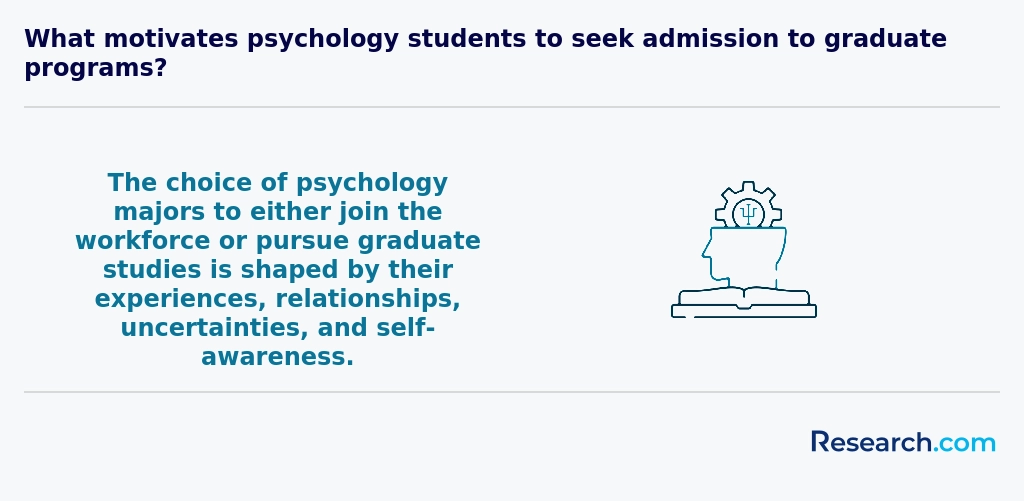
Graduates pursuing an online educational psychology degree in the South find a spectrum of career opportunities that reflect the region's growing focus on student mental health and inclusive education. Many take on roles as school psychologists in states like Texas and Georgia, where expanding student populations create a strong demand for professionals skilled in addressing behavioral and learning challenges. These careers are both rewarding and impactful, as graduates often share how their work transforms student lives by fostering emotional well-being and academic success.
Others emerge from universities in the South to become special education coordinators, collaborating closely with teachers and families to tailor individualized learning plans. This path is particularly fulfilling for those who want to influence educational experiences in public or private school settings. Additionally, some graduates choose to support college students as academic advisors or student affairs specialists, a role popular at colleges accredited by SACSCOC, enriching student development and retention.
Exploring the full range of South regional jobs for educational psychology graduates reveals options in counseling and government research, too. For those interested in bridging psychology and policy, pursuing roles that evaluate educational programs or promote equitable access can be deeply meaningful. Many professionals also consider related fields, such as online masters forensic psychology, to expand their expertise and career flexibility.
What is the job market for online educational psychology degree in the South?
The job market for graduates with online educational psychology degrees in the South is both encouraging and dynamic. Many graduates from well-regarded Southern universities report finding opportunities as school psychologists, special education coordinators, or academic advisors. Their roles often center around addressing increasing student mental health needs and learning disabilities, which have become focal points for schools in states like Texas and Georgia. This aligns closely with the broader trends seen in the Southern region educational psychology career prospects.
Graduates often reflect on how these roles allow them to make a tangible difference in student lives, applying practical skills learned through their programs. Institutions known for strong online educational psychology degrees, including several Southern colleges, provide students with real-world training that enhances both confidence and competence. The sector benefits from amplified funding and growing demand, particularly in online and hybrid educational settings needing professionals skilled in virtual engagement.
Cost considerations also influence student decisions, especially given that tuition for these programs ranges widely. Those looking to balance quality and affordability might explore options like the cheapest online doctorate in educational leadership available in the South, which can offer a strategic pathway to advancing careers without overwhelming debt. Overall, the synergy of rising demand and accessible educational pathways creates a fertile environment for aspiring educational psychologists.
Frequently Asked Questions About educational psychology
Online educational psychology students in the South can maximize their learning by actively engaging with course materials and participating in virtual discussions. Studies show that students who interact regularly with instructors and peers report higher satisfaction and better outcomes. Utilizing regional resources like the Southern Regional Education Board's reports can deepen understanding of local educational challenges.
Time management is crucial; setting a consistent study schedule helps balance coursework with daily life. Additionally, taking advantage of internships or practicum opportunities within Southern school districts can provide valuable hands-on experience, enhancing theoretical knowledge.
Seeking out networking events and online webinars focused on educational psychology in the South can also expand professional connections and career prospects.
Emerging niches within educational psychology are reshaping the field, especially for online students in the South. One notable area is digital learning environments, which focus on how technology influences student engagement and achievement. With the rise of remote education, expertise in this niche is increasingly valued.
Another growing specialty is trauma-informed educational psychology. Professionals trained in this area address the impacts of adverse childhood experiences that affect learning, a critical concern in many Southern communities, according to recent reports from the Southern Regional Education Board.
Additionally, culturally responsive teaching and assessment are gaining traction, aimed at improving outcomes for the South's diverse student populations. Programs are adapting curricula to emphasize inclusivity and equity in education, reflecting demographic trends highlighted by the National Center for Education Statistics.
After earning an online educational psychology degree in the South, graduates should focus on gaining relevant experience and building a strong professional network. Many employers in this field value practical skills obtained through internships or volunteer work in schools or community organizations. According to the Southern Regional Education Board, school districts in states like Texas and Florida are increasing demand for educators with expertise in learning assessment and intervention.
It is also important to seek state licensure or certification if planning to work in public schools; requirements vary across Southern states. Joining professional associations like the National Association of School Psychologists can provide access to job listings and career resources. Finally, graduates should consider continuing education to stay updated on research trends impacting educational psychology practice in the region.
Employers in the South prioritize strong research and analytical skills in graduates of online educational psychology programs. Understanding data collection and analysis is crucial, as schools often rely on evidence-based strategies to improve student outcomes. Communication skills, both written and verbal, are also highly valued, enabling graduates to collaborate effectively with educators, parents, and administrators.
Additionally, practical knowledge of diverse learning environments and cultural competence is vital given the South's varied student populations. The Southern Regional Education Board highlights that 78% of employers seek candidates skilled in adapting interventions to meet individual needs. Familiarity with digital tools and technology integration is increasingly important due to the rise of remote learning.
Finding internships in the South related to educational psychology requires targeted effort. Start by exploring partnerships between Southern universities and local school districts, as many programs connect students with placements in public and private education settings. The Southern Regional Education Board (SREB) reports that over 60% of education degrees in the South include internship components with placement support.
Use university career centers and online platforms like Handshake or local education job boards to find opportunities. Contacting state departments of education in Southern states can also lead to internship openings, especially in special education and child development programs. Networking with faculty and attending regional educational psychology conferences can expand your options.
An online educational psychology degree can significantly enhance career mobility and advancement opportunities in the South. This region's growing focus on improving education systems, especially in states like Texas, Georgia, and Florida, has increased demand for qualified educational psychologists.
Professionals with a degree in this field often find roles in school districts, universities, and private organizations. According to the U.S. Bureau of Labor Statistics, employment of psychologists in the South is projected to grow by 8% from 2022 to 2032, slightly above the national average.
Online degree programs provide flexibility for working professionals seeking advancement without relocating. Graduates can gain credentials recognized statewide, increasing their chances for promotions and specialized roles such as assessment specialists or educational consultants. This accessibility helps address local workforce shortages while supporting ongoing professional development.
Studying for an online educational psychology degree in the South offers strong preparation for interdisciplinary roles by emphasizing collaboration across education, psychology, and social services. Southern programs often integrate courses in counseling, special education, and child development, reflecting regional workforce demands highlighted by the Southern Regional Education Board.
These degrees train students to assess diverse learning environments and apply psychological principles tailored for schools, healthcare, and community organizations. According to the Bureau of Labor Statistics, jobs for educational psychologists are expected to grow by 8% nationally through 2031, with Southern states experiencing steady demand due to expanding education systems.
Moreover, many Southern universities encourage cross-departmental research and practical internships, helping students work effectively with teachers, administrators, and mental health professionals. This broad foundation equips graduates for roles that require understanding both educational and psychological frameworks, essential for supporting diverse learner needs in varied professional settings.
When choosing between a thesis and a non-thesis educational psychology degree program in the South, consider your career goals first. Thesis programs often appeal to students aiming for research or doctoral studies, as they emphasize original research and critical thinking. Non-thesis tracks focus more on practical skills and typically require comprehensive exams or projects instead.
In Southern states, many accredited online programs offer both options, reflecting diverse student needs. According to the Southern Association of Colleges and Schools Commission on Colleges, roughly 40% of educational psychology master's students in the region select thesis options, highlighting steady interest in research careers.
Cost and time commitment differ as thesis work can extend study duration. Consider your learning style, career path, and the specific program's structure when deciding.
Students based in the South interested in studying educational psychology abroad have limited direct options for fully online international degrees. Most U.S. institutions offering such programs emphasize domestic accreditation and state licensure, which is crucial for professional practice. However, some Southern universities partner with established foreign institutions, enabling students to take part in exchange programs or joint degrees, though these rarely translate to fully online study abroad.
Data from the National Center for Education Statistics shows that less than 5% of Southern educational psychology students engage in international study, often through short-term visits rather than complete degrees abroad. For those seeking global perspectives, enrolling in Southern online programs that incorporate international curriculum or research collaborations may be a practical alternative.
Part-time jobs in the South that complement an educational psychology degree often involve direct work with children or educational settings. Roles such as teacher assistants, tutoring coordinators, and behavioral aides allow students to apply psychological concepts practically while gaining relevant experience. According to the Bureau of Labor Statistics, positions like educational assistants can earn between $12 and $18 per hour depending on the state and experience level.
Many Southern states emphasize inclusive education, increasing demand for professionals skilled in learning interventions and behavior management. Part-time roles in after-school programs or special education support can provide critical exposure to diverse learner needs. These jobs help build skills valuable for future licensure or advanced degrees in psychology or education.
Additionally, some universities in the South offer paid research assistantships in educational psychology departments, allowing students to engage in academic research while working flexible hours.
Online educational psychology students in the South have access to various networking opportunities through regional professional organizations and university-sponsored events. Groups like the Southern Association of Colleges and Schools (SACS) facilitate connections among educators in multiple states. Many Southern universities offer virtual workshops and webinars that connect students with faculty and local practitioners. Additionally, students often engage with state education departments, such as those in Texas or Georgia, which host conferences focused on educational psychology and related fields. According to the National Center for Education Statistics, over 70% of Southern institutions support online student networking, enhancing professional contacts despite physical distance.
Alumni networks play a significant role for students pursuing online educational psychology degrees in the South. These networks offer valuable connections to professionals working in schools, clinics, and research centers across states like Georgia, Texas, and North Carolina. According to the Southern Regional Education Board, alumni networks increase job placement rates by up to 25% within the region.
For online students, these networks provide mentorship opportunities, access to exclusive job boards, and invitations to workshops or conferences relevant to educational psychology.
Many Southern universities also facilitate virtual networking events, helping students build relationships despite geographic distances.
Engagement with alumni can enhance practical knowledge and professional growth, which is crucial in the competitive educational psychology field.
Customizing an online educational psychology degree program in the South allows students to align their studies with specific career goals in fields like school counseling, special education, or research. Many Southern universities offer flexible electives and specialization tracks within their online programs, enabling students to focus on areas such as child development or assessment techniques.
Students can also select practicum or internship opportunities in local schools or agencies to gain hands-on experience relevant to their desired careers. According to the Southern Regional Education Board, nearly 60% of Southern institutions provide such customization options in online degrees to meet workforce demands.
Additionally, some programs incorporate courses that prepare students for certifications required in Southern states, such as the Licensed Specialist in School Psychology (LSSP), making these tracks particularly valuable for those pursuing licensure locally.
Students pursuing online educational psychology degrees in the South often face challenges related to limited access to high-speed internet, particularly in rural areas. According to the Federal Communications Commission, about 22% of people in Southern states lack broadband access, which affects their ability to participate fully in synchronous classes and access digital resources.
Another challenge is balancing coursework with professional and family responsibilities. Many students in the South are working professionals or parents, making time management crucial.
Additionally, some students experience limited local internship or practicum opportunities required for educational psychology certification due to fewer specialized facilities in certain Southern regions.
Finally, navigating state licensure requirements can be complex, as these vary widely across Southern states.
With an online educational psychology degree, professionals in the South can pursue several key certifications to advance their careers. One common path is obtaining the Licensed Educational Psychologist (LEP) credential, which requires passing state-specific exams and completing supervised experience. This certification is vital for practice in many Southern states.
Graduates may also consider becoming a Certified School Psychologist, often requiring National Association of School Psychologists (NASP) certification. According to NASP, over 70% of Southern states recognize this as a standard for employment in public schools.
In addition, some professionals pursue certifications in special education or counseling, which complement educational psychology expertise and improve job prospects across the Southern region.
To write a winning application for an online educational psychology program in the South, begin by clearly articulating your motivation and career goals. Southern universities often look for applicants who understand how educational psychology can impact diverse student populations in the region.
Highlight relevant experience, including any teaching, counseling, or research work. According to the National Center for Education Statistics, programs in states like North Carolina and Georgia value practical experience combined with strong academic records.
Emphasize your ability to manage online learning effectively, since online programs require self-discipline and time management.
Finally, secure strong letters of recommendation from professionals familiar with your academic or field performance, as they bolster your candidacy in competitive Southern programs.
Educational psychology careers in the United States, including the South, are increasingly influenced by global trends emphasizing diversity and inclusion in education. The demand for specialists who understand cultural and cognitive differences is rising, reflecting worldwide educational priorities. According to the U.S. Bureau of Labor Statistics (2023), employment for psychologists, including educational psychologists, is projected to grow 10% from 2022 to 2032, faster than average.
Many Southern universities offering online educational psychology degrees align their curricula with international standards, preparing graduates for a globalized workforce. This includes training in evidence-based practices relevant to diverse learning environments worldwide.
Such programs equip students to address global challenges, like learning disabilities and educational equity, which remain key focus areas recognized by organizations such as the American Psychological Association.
Gaining practical experience while earning an online educational psychology degree in the South is key to career readiness. Many programs partner with local schools and educational organizations to offer supervised internships or practicum experiences. These opportunities allow students to apply theory in real-world settings under the guidance of licensed professionals.
Students can also seek externships or volunteer roles in community centers or special education programs, which enhance hands-on skills. According to the Southern Regional Education Board, about 70% of Southern universities with online education degrees facilitate such field experiences.
Additionally, some states in the South require specific practicum hours for licensure, ensuring students gain valuable, structured practical exposure before graduation.
Choosing the right concentration within an online educational psychology degree program in the South involves aligning your career goals with program offerings. Concentrations often focus on areas like child development, learning technologies, or counseling. Consider the South's workforce demands; the U.S. Bureau of Labor Statistics projects a 10% growth in school and career counselors through 2031, especially in Southern states.
Research the faculty expertise and curriculum depth in each concentration to ensure quality education. Accreditation by regional bodies like SACSCOC is crucial for credibility and licensure eligibility. Additionally, evaluate whether programs offer practicum or internship opportunities tailored to regional education systems.
Financial aid and program flexibility also impact your choice, especially for working professionals.
Top Trending Educational Psychology Rankings
References
- Educational Psychology https://www.wits.ac.za/course-finder/postgraduate/humanities/med-educational-psychology/
- Top 25 Online Master's in Educational Psychology https://www.onlinepsychologydegree.info/online-masters-in-educational-psychology/
- 9 key issues currently impacting the education psychology profession https://www.invision360.com/post/9-key-issues-currently-impacting-the-education-psychology-profession
- How to Become an Educational Psychologist in South Africa: Qualifications, Roles and Salary https://www.sacap.edu.za/blog/applied-psychology/become-an-educational-psychologist/
- Educational Psychology Master’s Programs Online: Find a School https://www.onlinemastersdegrees.org/best-programs/psychology/educational-psychology/
- Educational Psychology: Degrees, Careers & What It Is https://sociology.org/educational-psychology-understanding-how-we-learn/
- Educational Psychology Degrees and Careers https://www.onlinepsychologydegrees.com/specialty/educational-psychology/
- Mindful Career : Career Coaching https://mindful-career.com/student-career-guidance
- Pursuing a career as an educational psychologist https://online.wrexham.ac.uk/blogs/pursuing-a-career-as-an-educational-psychologist/
- Educational Psychology Salary for Masters & PhD Students https://mastersinpsychologyguide.com/articles/educational-psychology-salary-masters-phd-students/


