2027 Most Affordable Online Master's in Educational Leadership Degree Programs Ranking in Mississippi

Co-Founder and Chief Data Scientist
Considering an online master's in educational leadership can open doors to exciting career opportunities in Mississippi's education field. Choosing the right program, however, can feel overwhelming with so many options available.
This article features the 2027 Most Affordable Online Master's in Educational Leadership Degree Programs Ranking in Mississippi, created by the Research.com team of data scientists. It aims to help you make an informed and confident decision about which programs truly deliver value.
Exploring this ranking will empower you to pursue your goals with clarity and assurance, knowing you've found a program that fits both your budget and ambitions.
Key benefits of getting online educational leadership degree in Mississippi
- Graduates with an educational leadership degree in Mississippi can expect competitive salaries, with many school administrators earning around $98,000 annually nationwide, providing strong financial stability.
- Career paths include roles such as school principal, education coordinator, or district administrator, similar to graduates from the University of Mississippi who find diverse leadership opportunities in local schools.
- Online degrees offer flexibility for busy professionals, allowing students to balance work and study while gaining credentials from respected institutions like Mississippi State University.
- 2027 Most Affordable Online Master's in Educational Leadership Degree Programs Ranking in Mississippi
- What can I expect from online educational leadership degree in Mississippi?
- Where can I work with online educational leadership degree in Mississippi?
What can I expect from online educational leadership degree in Mississippi?
Determining the average cost of an online educational leadership degree in Mississippi reveals more than just numbers-it opens a window into accessibility and opportunity for working educators. Graduates from institutions like the University of Southern Mississippi or Mississippi State University often recall balancing family life and careers while investing approximately $10,000 to $20,000 in tuition, a range that challenges the assumption that advanced degrees must be prohibitively expensive.
These programs offer competitive tuition compared to traditional on-campus routes, reflecting a commitment to inclusivity and flexibility without sacrificing quality. For many students, this balance transformed their educational journey into a feasible and even inspiring chapter, making leadership roles in diverse or rural schools feel within reach.
Financial aid and scholarships tailored for educational leadership candidates further ease the burden, enabling students to focus on mastering practical skills like data-driven decision-making and school law. Such support turns daunting tuition numbers into manageable investments in personal and professional growth.
Where can I work with online educational leadership degree in Mississippi?
Graduates with an online educational leadership degree in Mississippi often step confidently into vital roles across K-12 schools, including positions as principals or assistant principals, where they directly influence student success and school culture. Imagine leading a Mississippi public school, shaping policy, and inspiring staff - a reality embraced by many graduates from the University of Mississippi and Mississippi State University, who describe this journey as both challenging and deeply rewarding.
Many find their leadership skills sought after in district administration or curriculum coordination, where daily decisions impact hundreds of students' learning experiences. These positions typically require the Mississippi Professional Educator License, ensuring leaders meet rigorous standards for educational excellence.
Others branch into higher education or nonprofit organizations, leveraging their expertise to develop programs or advocate for educational reform. Such roles, often favored by graduates from major Mississippi universities, fuel a purposeful career aligned with personal passion and community impact.
In a state with 1,200 K-12 schools, graduates often describe their career paths as full of meaningful challenges and growth, supported by a growing demand for innovative leadership through 2028 and beyond.
Graduates with an online educational leadership degree in Mississippi often step into roles like school principals or district administrators, where the financial rewards reflect their expertise and dedication. For example, principals trained through programs at institutions such as the University of Southern Mississippi or Mississippi College report earning around $84,000 annually-slightly below the national average but well-aligned with the state's living costs. This salary allows many to enjoy a comfortable lifestyle while making a tangible difference in their communities.
District superintendents, who typically advance after gaining experience and additional certifications, see higher earnings ranging from $90,000 to $130,000. These roles demand a deep commitment and leadership skills honed over years, often influenced by the school district's size and resources. Graduates reflect on how the investment in their online degree empowered them to qualify for these high-level positions, turning ambition into attainable income.
Instructional coordinators, often overlooked, earn about $67,000 and find fulfillment in directly impacting curriculum development and teacher training. Their work, supported by degrees from schools like Mississippi State University, highlights how educational leadership offers varied paths, all with meaningful payoffs that reward passion and persistence.
- Tuition for online educational leadership master's degrees in Mississippi ranges from $8,000 to $15,000 per year, with public universities offering the most affordable options.
- Graduates typically start with salaries between $50,000 and $60,000 in school administration roles, with experienced professionals earning $70,000 to $90,000.
- Long-term career growth can lead to district leadership or superintendent positions with salaries above $100,000.
- Employment growth for education administrators in Mississippi is steady and projected to keep pace with the national average.
- Many programs require or encourage state licensure or certification aligned with Mississippi's Department of Education standards.
- Program length ranges from 18 to 36 months, depending on part-time or full-time enrollment options.
Completing an online educational leadership degree in Mississippi often takes between 18 months and 3 years, but this range is more than a mere timeline-it's a reflection of individual journeys shaped by life's demands. Graduates from universities like Mississippi State University or the University of Southern Mississippi often share how balancing work, family, and study made part-time enrollment a necessity, stretching their programs closer to three years but allowing meaningful growth without overwhelming pressure.
Others embraced full-time study with accelerated formats, completing their degrees in as little as 18 months, fueled by a clear focus and program flexibility. The decision isn't just about pace; it's about managing practical realities while pursuing leadership aspirations.
Licensure requirements, such as practicums mandated by the Mississippi Department of Education, introduce additional months, yet graduates recall these experiences as pivotal moments that transformed theory into impactful practice. This blend of structured coursework and adaptable scheduling challenges anyone to rethink "how long" means beyond a simple measure of months.
The difference between online and on-campus educational leadership degrees in Mississippi often comes down to how students experience connection and convenience. Graduates from the University of Southern Mississippi recall the energy of sitting face-to-face with professors in Jackson, where lively discussions sparked new ideas and strong professional networks were formed. In contrast, alumni of Mississippi State University's online program highlight the freedom to study after work hours, juggling family and job commitments without the stress of daily commutes across rural areas.
An on-campus setting offers immersive, hands-on practicum experiences within local school districts, fostering direct mentorship and immediate feedback. Online students, however, emphasize the empowerment that comes from arranging their own fieldwork, which encourages greater self-direction and adaptability-skills essential for today's educational leaders.
Both paths demand dedication but evoke different feelings: the vibrant community energy found in Hattiesburg classrooms versus the calm independence of late-night study sessions at home. For many in Mississippi, this choice reflects not just education but a lifestyle decision shaped by personal and professional goals.
The average cost of an online educational leadership degree in Mississippi typically centers around $14,070 for both in-state and out-of-state students, with a median total hovering near $15,720. Graduates from Mississippi State University or the University of Southern Mississippi often share how the affordability of these programs allowed them to pursue their ambitions without the overwhelming debt they feared. These students highlight how tuition, though a significant factor, was balanced by manageable fees and the flexibility of online learning.
Choosing an affordable online master's in educational leadership Mississippi provides means embracing not only cost savings but also access to programs tailored to local educational challenges. Many find that attending a state university creates community connections that enhance both learning and career growth. These personal experiences reveal how the relatively lower price compared to national averages can be a catalyst for meaningful professional advancement.
It's important to remember that while tuition is a clear number, the real value lies in the impact this degree has on your future. Scholarships, financial aid, and employer tuition reimbursement help many reduce expenses further. If you are weighing options, consider the nuanced journey of other students and check out resources about masters educational leadership careers to understand the full potential that unfolds beyond just the sticker price.
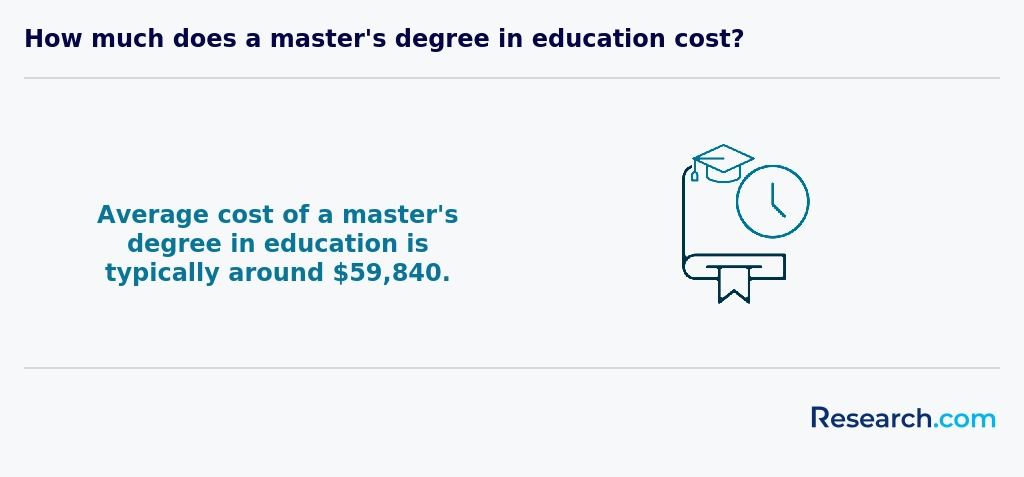
Many graduates of online educational leadership programs at universities like the University of Mississippi and Mississippi State University describe financial aid as a game-changer in their journey. The availability of federal loans through FAFSA-such as Direct Unsubsidized Loans and Grad PLUS Loans-helps ease the burden with competitive interest rates, enabling students to focus more on learning and less on financial stress.
State-specific aid, like the Mississippi Teacher Loan Program, often makes a real difference for aspiring leaders. One graduate shared how qualifying for this program not only lowered loan costs but also offered forgiveness by working in local Mississippi schools, turning debt into a manageable commitment.
Institutional scholarships and assistantships at these universities frequently reward dedication and achievement, sparking motivation and pride. For example, a student balancing a hectic teaching schedule found that an assistantship alleviated tuition fees, turning aspiration into reality.
Employer tuition reimbursement further reshapes the financial landscape. Educators in Mississippi schools often recount the relief of having districts invest in their leadership growth, reinforcing the idea that advancing their careers benefits the entire community.
Enrolling in an online educational leadership degree in Mississippi isn't just about meeting a checklist-it's about embodying the lived experience of leadership in education. Graduates from universities like the University of Mississippi or Jackson State often reflect on how holding a valid Mississippi teaching license was more than a formality; it was proof they truly understood school culture from the inside.
Most programs expect a bachelor's degree, ideally in education, but some alumni from institutions such as Mississippi State University share how their degrees in other fields became assets once paired with prerequisite coursework, deepening their perspective. Typically, two to three years of full-time teaching or educational work proves invaluable, allowing candidates to bring practical insights to their leadership training.
Admission committees also seek candidates who demonstrate dedication through a solid GPA-usually 2.75 to 3.0-and meaningful letters of recommendation. Applicants often describe writing their statement of purpose as a moment to crystallize their passion for transforming schools, a step that turns abstract ambition into clear vision.

Online educational leadership degrees in Mississippi immerse students in courses that go beyond theory, preparing them for real challenges in K-12 school leadership. Graduates from institutions like the University of Southern Mississippi often reflect on how courses such as Educational Leadership and Administration transformed their understanding of effective school management, making abstract concepts tangible through real case studies.
Financial acumen is essential, and courses on School Finance and Resource Management help students navigate budgeting and funding complexities unique to Mississippi's public schools, a skill many graduates find vital when stepping into district roles. Legal and Ethical Issues in Education classes provoke critical thinking about dilemmas that principals regularly face, grounding leadership decisions in practical law and ethics.
Curriculum Development and Instructional Leadership courses empower students to champion improved teaching methods, often citing experiences where they collaborated with local schools to pilot innovative programs. Human Resource Management helps future leaders handle staff challenges empathetically, reflecting the warm community spirit many Mississippi educators value deeply.
Online educational leadership degrees in Mississippi often include specializations that challenge students to rethink traditional roles in education. Popular tracks such as School Administration and Supervision prepare graduates to lead K-12 schools effectively, navigating real-world challenges like budgeting and legal responsibilities they hadn't anticipated. Another common specialization is Higher Education Administration, which equips those working at universities or colleges with skills to manage complex organizational structures while fostering inclusive campus communities.
Students pursuing Mississippi online master's educational leadership tracks might also explore Curriculum and Instruction Leadership, focusing on innovative teaching methods, or delve into Special Education Leadership to improve services for diverse learners. Graduates from institutions like the University of Mississippi or Mississippi State University often share how their studies empowered them to make meaningful changes within their schools.
Those interested in integrating technology can opt for Educational Technology Leadership, a path that resonates deeply with educators striving to modernize classrooms. For a glimpse of fast progression, exploring fastest online masters teacher leadership programs can be especially motivating as it reveals how leadership education keeps pace with today's demands.
Choosing the best online educational leadership degree in Mississippi means looking beyond just rankings or flashy marketing. Graduates from popular universities like the University of Mississippi or Mississippi State University often share how accreditation and alignment with state licensure requirements made all the difference in realizing their career goals. It's about finding a program that feels tailored to your professional journey-considering practical factors like internship opportunities in local schools and coursework that dives deep into education policy and school law.
Many working professionals in Mississippi appreciate programs offering asynchronous classes, which provide flexibility to balance work, family, and study. Affordability matters too; the search for affordable online educational leadership degrees Mississippi often leads to comparing public versus private institutions, weighing tuition costs against available scholarships and support services.
Keep in mind that post-graduate success stories often emphasize the value of programs offering robust career counseling and practical experience, helping graduates confidently transition into leadership roles. For those seeking advanced credentials, exploring education administration doctoral programs can further elevate your expertise and impact.
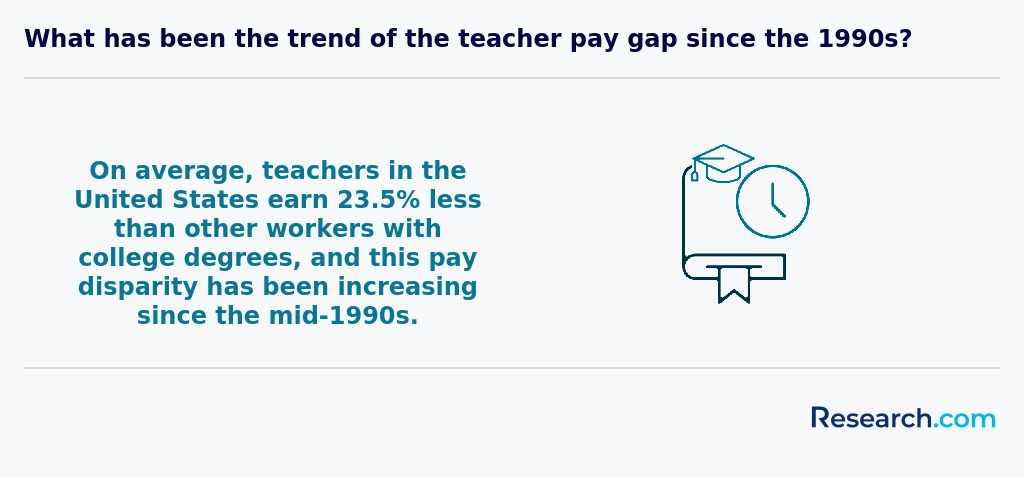
Graduates of an online educational leadership degree in Mississippi find themselves at a crossroads of varied and impactful career paths. Many pursue roles as school principals or assistant principals, managing the intricate daily operations of K-12 schools. These positions, especially within districts supported by institutions like the University of Southern Mississippi, offer a blend of challenge and fulfillment as leaders shape school culture and staff dynamics. The appeal lies not only in salary ranges of $65,000 to $85,000 but in the tangible difference made to student success.
Others channel their expertise into becoming instructional coordinators or curriculum specialists, a pathway reflecting a deep commitment to educational quality across Mississippi schools. The steady demand for such roles highlights the need for innovative minds who can continually evolve curricula to meet state standards. Those who consider roles as district superintendents or educational policymakers find themselves navigating complex legislation and budget decisions, often resulting in salaries above $90,000 and a strong sense of purpose in shaping broad educational landscapes.
Higher education leadership is another dynamic avenue. Graduates working as academic advisors or department heads within Mississippi universities experience the satisfaction of mentoring future educators. The versatility of an educational leadership degree enriches these opportunities, merging administration with direct student engagement. For prospective students evaluating online educational leadership masters, understanding these varied career options illuminates the powerful impact this degree holds throughout Mississippi's educational ecosystem.
The job market for online educational leadership degree graduates in Mississippi is quietly promising, though far from guaranteed. Graduates from institutions like the University of Mississippi or Mississippi State University often find themselves stepping into roles where their blend of technology skills and leadership training is highly valued. For those pursuing online educational leadership jobs Mississippi offers unique opportunities, especially as districts-both urban and rural-seek administrators fluent in managing digital and blended learning environments.
Mississippi educational leadership degree employment reflects a pattern where flexibility, updated credentials, and real-world problem solving set candidates apart. Graduates share stories of quickly earning leadership roles in school districts eager to innovate, even as salaries remain modest compared to national averages. The challenge remains balancing graduate aspirations with localized needs, and this is where careful program choice matters-students often benefit from exploring best 1 year online master's in education programs to accelerate career entry without excessive debt.
2027 Most Affordable Online Master's in Educational Leadership Degree Programs Ranking in Mississippi
Investing in your education is a significant decision that can shape your future, and the Research.com team understands the importance of making informed choices. To assist prospective students in Mississippi, we have meticulously crafted the "2027 Most Affordable Online Master's in Educational Leadership Degree Programs Ranking in Mississippi." Our commitment to quality, credibility, and accuracy is reflected in the extensive research and analysis conducted to compile this ranking.
We utilized the following reputable data sources to ensure a comprehensive evaluation of educational leadership programs:
By exploring this ranking, readers will gain valuable insights into the most affordable and reputable online master's programs in educational leadership available in Mississippi, helping them make well-informed decisions about their educational investments. For more details on our methodology, please visit our Research.com methodology page.


Frequently Asked Questions About educational leadership
Students pursuing online educational leadership degrees in Mississippi can maximize their learning by actively engaging with course materials and instructors. Participation in discussion forums and virtual group projects helps deepen understanding and builds professional networks, which are vital in educational leadership roles.
Utilizing local educational resources, such as Mississippi's Department of Education data and leadership development programs, can provide relevant, practical context. According to the Mississippi Department of Education, school leadership plays a critical role in student achievement, emphasizing the importance of staying informed on state policies and initiatives.
Additionally, students should seek internships or mentorships within Mississippi school districts to apply theories in real-world settings. Time management and setting regular study schedules are also crucial to balance work and coursework demands effectively.
The field of educational leadership is evolving, with several emerging niches gaining importance, especially in Mississippi. One key area is digital leadership, focusing on integrating technology effectively within schools. This niche is vital as Mississippi schools continue enhancing online and blended learning models.
Another growing specialty is equity leadership, addressing challenges in diverse and underserved communities. Mississippi's education system, which serves a significant rural and minority population, increasingly values leaders skilled in promoting educational equity and inclusion.
Additionally, data-driven decision-making leadership is expanding, emphasizing the use of data analytics to improve student outcomes and school management.
These niches reflect broader trends shaping educational leadership roles across the U.S., supported by research from Mississippi's Department of Education and national studies.
After completing an online educational leadership degree in Mississippi, graduates should focus on building a strong professional network. Joining local and state education organizations, such as the Mississippi Association of School Administrators (MASA), can provide valuable connections and job leads. Gaining Mississippi certification is essential, as the Mississippi Department of Education requires specific endorsements for school leadership roles. It is also beneficial to pursue internships or practicum experiences during the program to enhance practical skills.
Mississippi's education sector is projected to grow by 5% over the next decade, indicating steady demand for qualified leaders, according to the Mississippi Department of Employment Security. Maintaining updated knowledge of state education policy and participating in leadership workshops can increase employability.
Employers in Mississippi highly value educational leadership graduates who demonstrate strong communication skills, critical thinking, and the ability to manage diverse school environments. According to data from the Mississippi Department of Education, effective decision-making and conflict resolution are crucial in leadership roles within the state's K-12 system.
Additionally, proficiency in data analysis to improve student outcomes is increasingly important as schools adopt evidence-based strategies. Leadership graduates are expected to foster inclusive communities and support both staff and students, reflecting the state's focus on equity in education.
Knowledge of Mississippi's education laws and policies also remains a top skill sought by employers.
Finding internships in Mississippi for educational leadership students involves connecting with local school districts and educational organizations. Many districts in Mississippi, such as the Jackson Public School District, offer leadership internship opportunities tailored to graduate students. These internships provide hands-on experience in administration, policy, and school management.
Students should also explore partnerships between universities and schools established through state initiatives like the Mississippi Department of Education's Office of Educator Preparation. Networking at regional education conferences can reveal additional internship options.
Additionally, career services at online universities often support placement by offering listings aligned with Mississippi's educational leadership requirements.
An online educational leadership degree in Mississippi can significantly impact career mobility and advancement within the state's education system. According to the Mississippi Department of Education, individuals with leadership credentials are often prioritized for administrative roles such as principals and district supervisors. These positions typically offer higher salaries and increased job stability compared to teaching roles.
The flexibility of online programs allows current educators in Mississippi to continue working while advancing their qualifications. This accessibility contributes to a steady pipeline of qualified leaders ready to fill vacancies across K-12 schools in the state.
Furthermore, data from the National Center for Education Statistics shows that educational leadership graduates in Mississippi have higher employment rates within six months of graduation, indicating strong demand for these skills in the local job market.
Studying for an educational leadership degree in Mississippi equips students with skills essential for interdisciplinary roles in education. Programs emphasize collaboration across departments such as curriculum development, counseling, and administration. Graduates learn to integrate knowledge from psychology, sociology, and policy studies, enhancing their ability to lead diverse teams effectively.
Mississippi's Department of Education highlights that leaders with interdisciplinary expertise are better prepared to address complex challenges in schools. Courses often include data analysis, community engagement, and instructional strategies, fostering versatile decision-making skills.
This approach aligns with national trends emphasizing comprehensive leadership training to meet evolving educational needs.
Choosing between a thesis and a non-thesis educational leadership degree program in Mississippi depends on your career goals and learning preferences. Thesis programs typically require original research, which can be ideal for students aiming to pursue a doctorate or a role in academic research.
Non-thesis programs focus more on coursework and practical leadership skills, making them suitable for professionals targeting administrative positions in schools or districts. According to the Mississippi Institutions of Higher Learning, most online educational leadership master's degrees offer both options to accommodate diverse student needs.
Consider your interest in research, time availability, and whether you seek a job requiring advanced research skills when deciding between the two paths.
Students based in Mississippi seeking online educational leadership degrees with an international component face limited direct options for studying abroad through U.S. programs. Most accredited Mississippi universities offering educational leadership degrees focus on fully online curricula without mandatory overseas residencies. However, some schools incorporate international case studies or virtual exchanges to provide a global perspective.
For example, Mississippi State University and the University of Mississippi offer online master's programs in educational leadership that emphasize U.S. educational policy but may include opportunities for virtual collaboration with international peers. According to the National Center for Education Statistics, fewer than 5% of Mississippi graduate students participate in study abroad annually.
Overall, Mississippi students interested in abroad experiences are encouraged to seek international partnerships coordinated by their institution or consider separate study abroad programs concurrent with their degrees.
In Mississippi, part-time job opportunities that complement an educational leadership degree often include roles such as teacher assistant, academic tutor, or administrative aide in K-12 schools. These positions provide hands-on experience in school operations, enabling students to apply leadership theories in real-world settings. According to the Mississippi Department of Education, schools frequently seek leadership interns and support staff, particularly in districts emphasizing professional development.
Additionally, working as a community outreach coordinator for educational nonprofits can enhance skills in communication and stakeholder engagement. These roles align well with leadership studies by focusing on collaboration and program management.
Part-time roles in school districts across the state often allow flexible hours, helping students balance work and study effectively.
Online educational leadership students in Mississippi can access several networking opportunities despite studying remotely. Many universities offering these degrees integrate virtual meetups, discussion boards, and group projects to foster professional connections.
The Mississippi Department of Education and local educational organizations often host statewide conferences and workshops where students can meet experienced leaders. Participating in these events allows students to expand their professional network within the state.
Additionally, students may join associations such as the Mississippi Association of Colleges for Teacher Education (MACTE) which supports collaboration among educators across Mississippi.
These resources help students build valuable contacts, an essential step in advancing educational leadership careers in Mississippi. According to data from the National Center for Education Statistics, leadership roles in Mississippi schools have grown 5% in recent years, indicating rising networking demands.
Alumni networks play a significant role for students pursuing online educational leadership degrees in Mississippi. These networks offer valuable professional connections that can lead to job opportunities in local school districts and educational organizations. According to the Mississippi Department of Education, leadership roles often require strong community ties and references, which alumni networks help facilitate.
Furthermore, alumni provide mentoring and guidance tailored to Mississippi's educational policies and challenges. Online students benefit from this support despite geographic barriers. Networking through alumni events or online platforms also helps graduates stay informed about regional leadership trends and continuing education options.
Research shows that active alumni engagement can boost career advancement and salary potential, which is essential in Mississippi's competitive educational leadership field.
In Mississippi, many universities offering online educational leadership degrees allow students to tailor their programs through elective courses and concentrations. Customization options often include focuses like K-12 administration, curriculum development, or special education leadership. This flexibility helps align studies with individual career goals.
Additionally, students can sometimes select capstone projects or internships that match their desired work environments, such as public schools or educational nonprofits. Accreditation from bodies like the Council for the Accreditation of Educator Preparation (CAEP) ensures programs meet state licensure requirements for leadership roles.
Consulting academic advisors early can help you craft a plan that maximizes both practical skills and state certification opportunities, essential for leadership positions in Mississippi's education system.
Online educational leadership students in Mississippi often face challenges related to balancing coursework with professional and personal responsibilities. Many are full-time educators or administrators managing work alongside studies, which can lead to time-management difficulties.
Access to reliable internet and technology can also be an issue, particularly in rural areas where broadband connectivity lags behind the national average. According to the Mississippi Broadband Expansion Initiative, roughly 30% of residents still lack high-speed internet.
Additionally, students sometimes struggle with the lack of face-to-face interaction, which can affect networking and mentorship opportunities critical for leadership development.
Finally, navigating state certification requirements while enrolled online may create confusion without proper advising support.
With an online educational leadership degree in Mississippi, graduates are well-positioned to pursue several professional certifications that enhance their career prospects. The most common certification is the Mississippi Educational Leadership License, which qualifies individuals to serve as school principals or supervisors.
This license typically requires completion of a master's degree in educational leadership and passing the Praxis Leadership exam, overseen by the Mississippi Department of Education. Additionally, candidates can pursue National Board Certification in Educational Leadership, a respected credential recognized across many states.
Such certifications can open doors to administrative roles in K-12 schools or district offices within Mississippi's public education system, supporting career advancement and leadership development.
To write a winning application for an online educational leadership program in Mississippi, start by carefully reviewing the specific admission requirements of your chosen institution. Many programs prioritize candidates with relevant teaching experience and a valid Mississippi teaching license. Highlight your leadership skills and professional achievements clearly in your personal statement.
Quantify your experience if possible-for example, mention managing a team or leading school initiatives. Strong letters of recommendation from supervisors or colleagues familiar with your leadership qualities are essential. Schools often value candidates demonstrating commitment to improving Mississippi's public education system, supported by current state education data.
Finally, ensure your application materials are error-free and submitted before deadlines to increase your chances of acceptance.
Educational leadership careers are recognized globally as vital to improving school systems and student outcomes. In the United States, including Mississippi, the demand for qualified leaders is steady, with the Bureau of Labor Statistics projecting an 8% growth for education administrators through 2031. Globally, leadership roles vary but share a common focus on managing resources, guiding staff, and promoting equity in education.
Mississippi schools particularly benefit from leaders trained in culturally responsive practices due to diverse student populations. According to the Mississippi Department of Education, effective leadership strongly correlates with higher school performance and graduation rates. Online degrees offer accessible paths for Mississippi educators to gain skills aligned with these global trends.
Gaining practical experience while studying for an online educational leadership degree in Mississippi is essential for career readiness. Many programs require internships or practicum hours where students work directly in school leadership roles under supervision. These experiences help develop skills in administration, budgeting, and policy implementation.
Students can seek placements in Mississippi public schools, as districts often collaborate with universities to support leadership candidates. According to the Mississippi Department of Education, local school districts encourage partnerships for leadership development.
Additionally, mentoring from experienced principals or district administrators can provide real-world insights. Participating in professional organizations like the Mississippi Association of School Administrators can offer networking and leadership opportunities during the degree.
When choosing a concentration within an online educational leadership degree in Mississippi, consider your career goals and the demands of local school districts. Concentrations such as K-12 Administration, Higher Education Leadership, or Curriculum and Instruction each prepare students for different roles. Mississippi schools often prioritize candidates with administrative certification, making K-12 Administration a popular choice.
Research from the Mississippi Department of Education shows that leadership roles requiring state certification offer higher salary potentials. Also, look at course content and alignment with Mississippi's licensure requirements. Many programs tailor concentrations to meet state standards, which is vital for career advancement.
Finally, evaluate how different concentrations address challenges faced by Mississippi schools, such as rural education or resource management, to ensure the specialization fits local needs.
- 2027 Most Affordable Online Master's in Educational Leadership Degree Programs Ranking in Florida
- 2027 Most Affordable Online Master's in Educational Leadership Degree Programs Ranking in Missouri
- 2027 Most Affordable Online Master's in Educational Leadership Degree Programs Ranking in Georgia
- 2027 Most Affordable Online Master's in Educational Leadership Degree Programs Ranking in Kentucky
- 2027 Most Affordable Online Master's in Educational Leadership Degree Programs Ranking in Texas
- 2027 Most Affordable Online Master's in Educational Leadership Degree Programs Ranking in Indiana
- 2027 Most Affordable Online Master's in Educational Leadership Degree Programs Ranking in Illinois
- 2027 Most Affordable Online Master's in Educational Leadership Degree Programs Ranking in North Carolina
- 2027 Most Affordable Online Master's in Educational Leadership Degree Programs Ranking in Ohio
- 2027 Most Affordable Online Master's in Educational Leadership Degree Programs Ranking in Kansas
- Best Educational Leadership Doctoral Programs | University of Bridgeport https://www.bridgeport.edu/news/best-educational-leadership-doctoral-programs/
- Remote Educational Leadership Online Jobs https://www.virtualvocations.com/q-remote-educational-leadership-online-jobs.html
- Real educational leadership challenges & practical ways to tackle them https://www.manchester.ac.ae/blog-post/real-educational-leadership-challenges
- What Can You Do With a Master's in Education Leadership? https://www.salemu.edu/blog/educational-leadership-careers/
- Student Leadership Network https://www.studentleadershipnetwork.org/
- How to Advance Your Career with an Ed.D. in Educational Leadership - Graduate Programs for Educators https://www.graduateprogram.org/blog/how-to-advance-your-career-with-an-ed-d-in-educational-leadership/
- 5 steps to writing a strong school leadership application https://chrisenglish.com.au/2024/12/08/5-steps-to-writing-a-strong-school-leadership-application/
- Understanding Key Leadership Challenges in Educational Leadership https://www.jasonwhiskerd.co.uk/post/understanding-key-leadership-challenges-in-educational-leadership
- Career Opportunities After Earning an Educational Leadership Graduate Degree https://aituedu.org/career-opportunities-after-earning-an-educational-leadership-graduate-degree/
- Global Perspectives on Leadership in Early Childhood Education https://hup.fi/books/e/10.33134/HUP-20