
2027 Most Popular Education Degree Programs Ranking in Mississippi

Co-Founder and Chief Data Scientist
Choosing the right education degree program can be a game-changer for your future, especially here in Mississippi. This article introduces the 2027 Most Popular Education Degree Programs Ranking in Mississippi, created by the Research.com team of data scientists. It's designed to help you make informed decisions about which programs truly stand out.
By exploring this ranking, you'll discover programs that align with your goals and offer excellent opportunities. Pursuing a degree in education opens doors to rewarding careers that shape the next generation. Let's guide you toward the path that fits you best.
Key benefits of getting education degree in Mississippi
- Salary for education degree graduates: Graduates can expect rewarding salaries, such as $76,000 annually for Special Education Teachers and $77,200 for Instructional Designers, reflecting solid financial stability in Mississippi's education sector.
- Potential career paths: A graduate from the University of Mississippi might explore roles as Early Childhood Educators or ESL Teachers, with average salaries of $41,410 and $65,430 respectively, offering diverse opportunities to impact students' lives.
- Benefits of online degrees: Earning an education degree online from Mississippi State University provides flexibility and accessibility, allowing students to balance work and study while advancing their careers without relocating or interrupting daily life.
- 2027 Most Popular Education Degree Programs Ranking in Mississippi
- What can I expect from education degree in Mississippi?
- Where can I work with education degree in Mississippi?
What can I expect from education degree in Mississippi?
Imagine stepping into a vibrant classroom at the University of Mississippi or Mississippi State University, where passionate future teachers gather to exchange ideas and prepare to shape young minds. The average cost of earning an education degree here hovers around $8,000 to $10,000 per year for in-state undergraduates-a figure that many graduates recall as a worthwhile investment in both their intellectual growth and professional future.
One recent graduate shares how this manageable tuition helped them focus on absorbing educational psychology and hands-on teaching without financial stress clouding their journey. Public institutions provide this budget-friendly path, combining quality instruction with practical student teaching opportunities across Mississippi's diverse school districts.
With such programs, learners don't just pay for a degree-they buy into a transformative experience where theory meets real classrooms bustling with curious children. This balance makes the tuition feel less like a number and more like a gateway to becoming a confident, capable educator ready to inspire in Mississippi's schools.
Where can I work with education degree in Mississippi?
With an education degree in Mississippi, you're stepping into a vibrant ecosystem that stretches far beyond the classic classroom scene. Picture graduates from the University of Mississippi stepping confidently into public schools across the state, joining the 45,000 teachers shaping young minds from city centers to small-town schools. These educators don't just teach-they spark curiosity in bustling elementary hallways and quiet rural classrooms alike.
Some graduates from Mississippi State University pivot toward leadership, transforming into principals or superintendents. The thrill of guiding entire schools, making big decisions, and crafting innovative programs draws many into these administrative roles that require skill and heart.
Others dive into the joyful chaos of early childhood centers, nurturing tiny learners with the specialized knowledge gained during their time at local colleges. The rush of seeing a toddler's first words or steps keeps their passion alive.
Mississippi's community colleges and universities also welcome education grads as instructors, advisors, or counselors-roles that blend mentorship with shaping future teachers. Meanwhile, education-savvy tech innovators ride the wave of digital learning platforms, creating interactive tools that transform educational experiences statewide.
Graduates from education programs at popular Mississippi institutions often find themselves stepping into classrooms with hopeful anticipation, knowing their efforts translate into tangible earnings. Those starting out as early childhood educators typically earn around $41,410 annually, crafting the foundation of young minds while earning a respectable wage. For peers specializing in teaching English as a Second Language, the median salary of $65,430 opens doors to vibrant, multicultural classrooms across the state.
A graduate who embarks on a journey as an elementary school teacher can expect a mean annual wage of about $70,740, balancing rewarding community impact with solid financial footing. Special education teachers stand at an even higher earning threshold, with salaries near $76,000, reflecting the specialized skills Mississippi schools eagerly seek.
Instructional designers emerging from Mississippi's universities find opportunities outside traditional classrooms, earning approximately $77,200 annually. These roles blend creativity with technology, enabling graduates to shape future educational experiences statewide while enjoying competitive compensation.
- Education degrees in Mississippi are offered by accredited schools like the University of Mississippi and Mississippi State University, covering specializations such as elementary, secondary, and special education.
- Tuition for public in-state universities ranges from $7,000 to $9,000 per year, which is lower than the national average, while private colleges charge more but offer scholarships for education majors.
- Starting salaries for new graduates in education average between $34,000 and $38,000 annually, with experienced teachers earning between $45,000 and $55,000 depending on district and role.
- Teaching jobs in Mississippi are expected to grow moderately, especially in rural areas where demand for qualified teachers is higher.
- State certification requires completing an approved program and passing Praxis exams, with ongoing professional development needed to maintain licensure.
Imagine stepping onto the vibrant campus of Mississippi State University, where education majors embark on a four-year journey filled with enlightening lectures, lively discussions, and hands-on student teaching adventures. This four-year path is the heartbeat for most bachelor's degree seekers in Mississippi, perfectly balancing theory and real classroom experience to prepare graduates for meaningful teaching careers.
For those opting for a quicker route, associate degrees in education-related fields can wrap up in about two years, though they usually serve as a launchpad toward a bachelor's rather than the final step to certification. Graduate students, often balancing work and life, stretch their studies to 18 months or two years, diving deeper into curriculum design or leadership at places like the University of Mississippi.
Mississippi's education students cherish that in-state tuition, averaging $8,000 yearly, which eases financial stress and fuels steady progress. Transfer credits and online course options add flexibility, ensuring each learner can tailor their experience without losing momentum.
Students pursuing an Education degree in Mississippi encounter a curriculum designed to blend theory and practical skills, preparing them for diverse career pathways in teaching and administration. Core courses typically include Educational Psychology, Curriculum Design, Classroom Management, and Instructional Strategies, each crafted to build a robust foundation in modern pedagogical practices. In addition to these staples, many programs offer specialized courses in areas such as STEM education, multicultural education, and technology integration, ensuring that graduates are ready to meet the evolving demands of the classroom. Hands-on learning is emphasized through practicum experiences, where students work directly with local schools and community organizations. This immersive approach provides invaluable real-world insights, enabling prospective educators to refine their teaching methods based on direct feedback from mentors and peers. The synthesis of coursework, practical application, and continuous improvement ensures that each graduate is not only well-versed in educational theories but also adept at implementing them in dynamic learning environments. Moreover, for students monitoring their educational investments, exploring options and understanding costs is crucial. For example, if you’re interested in comparing how program expenses stack up, you may want to review master's in library science cost details to see how different disciplines allocate budgets for online learning. This curriculum overview serves as a roadmap for success, aligning academic rigor with accessible, real-world applications that foster continuous growth throughout a teaching career.
Imagine walking the vibrant halls of the University of Mississippi, where on-campus education students exchange ideas face-to-face, their laughter mixing with the chatter of professors and classmates after a spirited lecture. These traditional learners immerse themselves fully-using campus libraries, joining study groups, and diving into hands-on student teaching in nearby schools. The energy of real-time interaction fuels their confidence and connection, anchoring abstract theory into tangible practice.
Contrast this with a graduate who balanced a full-time job while earning an education degree online through the University of Southern Mississippi. Their classroom was a digital portal, unlocking coursework at 2 a.m. after a long day, surrounded not by peers but by the quiet hum of home. For them, flexibility meant freedom-no commutes across Mississippi's rural stretches or rushed mornings. Yet, the challenge was real: forging a community through pixels and virtual discussion boards, while juggling family and work.
Both pathways intertwine rigorous Mississippi Department of Education standards and require supervised field experiences, but the journey's flavor varies-from the bustling energy of Starkville's campus to the solitary triumph of logging in after hours. Each route carves its own story of growth, persistence, and readiness to step confidently into Mississippi classrooms.
Pursuing a graduate or doctoral degree in education can significantly enhance your professional trajectory, opening doors to leadership roles, specialized research positions, and higher earning potential. Master’s programs in Curriculum and Instruction, Educational Leadership, and Special Education typically require 30–36 credit hours and can be completed in two years, while doctoral programs-such as the Doctor of Education (EdD) or PhD in Education-often span three to five years and demand a combination of coursework, comprehensive exams, and a dissertation. Key benefits of graduate and doctoral studies in Mississippi include:
- Leadership Preparation: Graduates are equipped for roles as school superintendents, curriculum directors, and policy consultants, with average salaries often exceeding $90,000 annually.
- Research Expertise: Doctoral candidates develop skills to design and implement educational research projects, contributing to evidence-based practices and academic publications.
- Career Flexibility: Advanced degrees qualify educators for positions in higher education, nonprofit administration, and government agencies, diversifying career pathways beyond traditional K–12 settings. When weighing program costs against long-term gains, many students seek affordable online options. For example, prospective candidates can explore the Cheapest Online Doctorate in Education Degree Programs Ranking in Texas to identify quality doctoral programs with competitive tuition rates. By comparing accreditation status, cohort size, and delivery format-synchronous versus asynchronous-applicants can select a graduate or doctoral pathway that aligns with both their budget and career ambitions.
The average cost of an education degree in Mississippi hovers around $25,940, a number that captures the full journey many graduates face-from textbooks to tuition. Those who are residents often benefit from a median in-state total cost closer to $9,998, making universities like the University of Mississippi and Mississippi State University attractive options. Imagine a recent graduate from such a school reflecting on balancing the manageable tuition with vibrant campus life, knowing their investment paves the way to meaningful careers shaping future classrooms.
Meanwhile, out-of-state learners encounter the same $25,940 median overall cost, a figure that often nudges them to consider financial aid and scholarships more earnestly. Community colleges across Mississippi offer a practical stepping stone with significantly lower expenses, perfect for those plotting a budget-friendly route to their education degree. Graduates often recount how these colleges eased their financial stress while providing a foundation strong enough to transfer into four-year programs.
For those dreaming of private institutions like Millsaps College, tuition rates stretch higher but often come with the promise of personalized support and scholarships that soften the upfront price. The beautiful complexity of the Mississippi education market means students can find smart solutions tailored to their goals. If you're exploring the cheapest education programs in Mississippi, this diversity offers hope to all who seek it and exemplifies why knowing the average cost of education degree in Mississippi is your first step toward a rewarding teaching future.
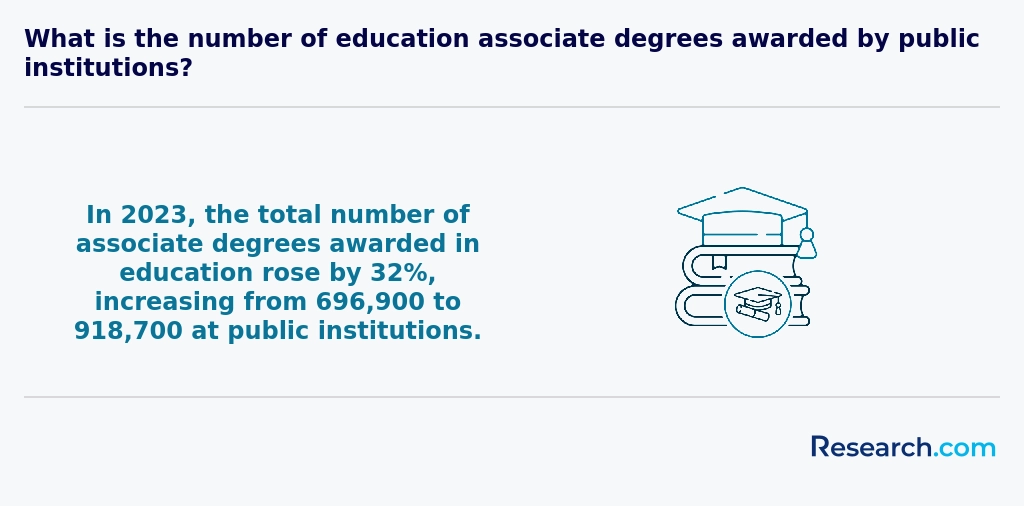
To make informed decisions about their educational futures, prospective students in Mississippi should also consider the affordability and financial planning aspects of pursuing an Education degree. The cost of tuition, fees, and living expenses can vary significantly across different institutions, with in-state students at public four-year universities paying an average annual tuition of $9,750, while out-of-state students face costs averaging $28,386 per year. For those looking for more affordable options, exploring the cheapest education programs in Mississippi can be a valuable step in finding a program that fits their budget. Additionally, understanding the available financial aid, such as grants, scholarships, and federal loans, can help alleviate the financial burden of obtaining an Education degree. By carefully considering these factors, students can make a more informed decision about their educational pathway and set themselves up for success in their future careers.
Imagine stepping onto the campus of the University of Mississippi with the weight of tuition fees lifting off your shoulders thanks to a Pell Grant covering up to $7,395 annually. Many education students here share stories of how this federal aid transformed their college experience from stressful to hopeful, enabling them to focus fully on their passion for teaching.
At Mississippi State University, aspiring teachers lean into state programs like the Mississippi Eminent Scholars, which reward commitment to the state's classrooms with scholarships that ease financial strain. Graduates often recall how this support felt like an investment not just in them, but in the future of Mississippi's children.
Across the state, universities sprinkle merit and need-based scholarships tailored for education majors, targeting specialties like STEM or special education-fields where demand meets opportunity. Work-study roles also create a lifeline: holding a campus job not only helps pay bills but builds valuable classroom skills.
Private scholarships from associations foster a sense of community, reminding students they are not alone on this journey of learning to teach in Mississippi's vibrant educational landscape.
Accreditation is the cornerstone of any reputable Education degree program in Mississippi, ensuring that curricula meet rigorous academic and professional standards. Prospective students should look for programs with regional accreditation from the Southern Association of Colleges and Schools Commission on Colleges (SACSCOC) and national recognition by specialized bodies such as the Council for the Accreditation of Educator Preparation (CAEP). These endorsements guarantee that:
- Coursework aligns with Mississippi Department of Education requirements.
- Graduates are eligible for state teaching licensure and certifications.
- Credits transfer seamlessly between accredited institutions. In Mississippi, all initial teaching licenses are issued by the Mississippi Department of Education (MDE). To qualify, candidates must: 1. Complete a CAEP- or NCATE-accredited Education program. 2. Pass the Praxis series or state-specific examinations. 3. Submit to a fingerprint-based criminal background check. 4. Demonstrate proficiency in reading, writing, and subject-specific pedagogy. Maintaining licensure requires ongoing professional development-often quantified as Continuing Education Units (CEUs) or advanced coursework. Teachers can renew and advance their credentials through certificates endorsed by MDE-approved providers or by enrolling in graduate programs. For those considering doctoral pathways, you may also explore affordable, fully accredited options in our Cheapest Online Doctorate in Education Degree Programs Ranking in Texas, which highlights programs that meet both CAEP standards and budgetary needs.
Diving into an education degree in Mississippi feels like stepping onto a path paved with both challenge and opportunity. Imagine standing at Mississippi State University's campus, clutching your high school diploma or GED-the ticket that opens the door. Graduates often recall that submitting those official transcripts felt like handing over the keys to their dreams, confirming their readiness to begin. The SAT or ACT scores linger on applications like secret passwords; some schools now whisper test-optional, but many still ask for these numbers, especially if you're setting foot into a bachelor's program.
The journey deepens at the University of Mississippi, where prospective educators share stories about balancing prerequisite courses in English or math, building the sturdy foundation needed to teach confidently. Background checks become a rite of passage-a small but vital gesture ensuring safety in every classroom interaction.
Many graduates also smile recalling the nerve-wracking yet rewarding moment of compiling letters of recommendation, proofs of their promise and passion. A GPA around 2.5 to 3.0 is the typical bar, a gentle but firm nudge toward academic dedication.

Pursuing an Education degree in Mississippi involves a blend of theoretical foundations and hands-on practice. Below is an overview of core courses you can expect: 1. Foundations of American Education • Explores historical, social, and philosophical underpinnings of the U.S. K–12 system • Analyzes landmark court cases and policy developments that shape classroom practice 2. Educational Psychology and Child Development • Examines cognitive, emotional, and social growth from birth through adolescence • Applies learning theories (Piaget, Vygotsky, Skinner) to lesson planning and differentiation 3. Curriculum Design and Instructional Planning • Teaches methods for creating standards-aligned units, lesson objectives, and assessments • Integrates Universal Design for Learning (UDL) to support diverse learners 4. Classroom Management and Positive Behavior Support • Introduces proactive strategies for fostering inclusive, respectful learning environments • Covers data-driven interventions such as PBIS (Positive Behavioral Interventions and Supports) 5. Assessment Strategies and Data Analysis • Reviews formative versus summative assessment tools and reporting practices • Guides use of student performance data to inform instructional adjustments 6. Educational Technology Integration • Hands-on training with learning management systems (LMS), interactive whiteboards, and adaptive software • Explores emerging trends like gamification, virtual reality, and blended learning 7. Student Teaching Practicum • Provides 12–16 weeks of supervised classroom experience under a certified mentor • Emphasizes reflective practice, lesson delivery, and professional collaboration As you advance toward specialization or leadership roles, consider affordable doctoral pathways to deepen your expertise. For insights on cost-effective, high-quality programs, explore our Cheapest Online Doctorate in Education Degree Programs Ranking in Texas.
Diving into education at a Mississippi university means immersing yourself in a vibrant tapestry of courses designed to shape not just teachers, but community changemakers. Picture yourself in a classroom at the University of Mississippi, where you explore Foundations of Education, tracing the rich history and soul of education systems that weave through Mississippi's culture. Graduates often describe how these lessons sparked their passion to impact future generations.
Imagine sitting in a lively session on Instructional Strategies at Mississippi State University, crafting lesson plans that turn boring math problems into captivating stories. Or envision the supportive buzz during Classroom Management classes, where you role-play real scenarios, learning to create respectful and energetic classrooms.
Practical courses, like Assessment and Evaluation, equip you to translate student performance into inspiring next steps rather than just numbers. Other favorites include Educational Psychology and Technology in Education, where you discover how to tailor lessons for diverse learners while using innovative tech tools. These experiences make teaching in Mississippi's schools feel both achievable and exciting.
Imagine stepping into a vibrant classroom in Mississippi, where education degree specializations in Mississippi transform ambitious graduates into dynamic educators. At popular colleges, many choose Elementary Education, crafting nurturing spaces to unlock young minds' potential from kindergarten to fifth grade. One graduate recalls the joy of seeing a struggling reader finally grasp a story's meaning, a testament to the demand for literacy-focused teachers here.
Others dive into Secondary Education, honing skills to inspire middle and high schoolers in English, math, or science-subjects essential to Mississippi's growing workforce. Special Education stands out too, where graduates passionately embrace students with learning challenges, fostering inclusion and innovation every day.
Mississippi's unique offerings also include Early Childhood Education, nurturing little learners from birth to age eight, a field gaining traction as the state invests in early development. Emerging tracks like Educational Leadership and Counseling and Guidance prepare graduates to shape school culture and support systems beyond the classroom.
Cost matters too, and Mississippi's affordability lets many pursue their dreams. For those curious about related paths, exploring the master's in library science cost offers complementary insight into specialized fields of education.
Imagine walking the halls of a university in Mississippi where graduates tell stories of transforming classrooms through hands-on student teaching embedded right in their program. When searching for the best education degree programs Mississippi offers, visualizing this kind of immersive experience helps. It's not just about sitting through lectures-it's about earning your stripes in real schools partnered with your institution, bridging theory and practice seamlessly.
Many find that picking a path aligned with their dream job-be it special education or educational leadership-makes each assignment feel charged with purpose rather than rote work. Graduates from local colleges rave about how accreditation by CAEP or SACSCOC gave their credentials the edge needed for the state's tricky certification maze. Tuition-wise, weighing the $8,500 average for public options against pricier private routes is a common and pragmatic step for budget-conscious explorers.
Beyond costs and certifications, the heartening buzz around scholarships like the Teacher Education Scholars Program often turns dreams into reality. For those pondering long-term goals, supplementing Mississippi's offerings with options such as the Cheapest Online Doctorate in Education Degree Programs Ranking in Texas can spark fresh inspiration on affordability and advancement.

Graduates who pursue an education degree in Mississippi find themselves stepping into a vibrant mosaic of career possibilities. Picture a fresh graduate from Ole Miss, energized by their time learning in Oxford, now shaping young minds as a K-12 teacher in a small Mississippi town, where every classroom discussion sparks curiosity and hope. Or envision someone from Mississippi State navigating the demands of special education, expertly crafting personalized learning journeys for students with unique challenges. These paths reflect the real teaching job prospects Mississippi offers.
Other graduates channel their passion into roles as school counselors, offering emotional and academic guidance in both bustling Jackson schools and serene rural districts. Then there are those with advanced degrees who thrive as educational administrators, orchestrating school improvement and policy innovation behind the scenes. Plus, many find rewarding roles in higher education instruction and advising, supporting the next generation of educators at community colleges or universities. The affordability and quality of these programs encourage students to even explore a fast degree as a way to jumpstart their careers.
Graduates with an education degree in Mississippi quickly find themselves woven into a tapestry of meaningful opportunities. Take a recent graduate from the University of Mississippi, for instance-starting their career energized by the demand for certified teachers, especially in the rural corners where classrooms brim with eager learners but teacher seats sit empty. This bright spark is part of a larger pattern showing that the education degree job outlook Mississippi offers remains steady, fueled by growing student numbers and the wave of retirements shaping the workforce.
Mississippi's teaching career opportunities ripple beyond the traditional classroom. Alumni from Mississippi State University have shared how roles in curriculum development or education technology become thrilling alternatives, letting them craft educational futures rather than just teach them. The cost-friendly tuition at local institutions keeps these pathways accessible, letting passion outweigh financial worry. For those curious about career value, exploring what bachelor degree makes the most money expands perspective while staying rooted in the Mississippi educational landscape.
2027 Most Popular Education Degree Programs Ranking in Mississippi
Investing in your education is a significant decision that can shape your future, and the Research.com team understands the importance of making informed choices. To assist prospective students in Mississippi, we have meticulously crafted the "2027 Most Popular Education Degree Programs Ranking in Mississippi." Our commitment to quality, credibility, and accuracy is reflected in the extensive research and analysis conducted to compile this ranking.
We utilized the following reputable data sources to ensure a comprehensive evaluation of education degree programs:
By exploring this ranking, readers will gain valuable insights into the most popular education degree programs available in Mississippi, helping them make informed decisions about their educational paths. For more details on our methodology, please visit our Research.com methodology page.


Frequently Asked Questions About education
Students pursuing education degrees in Mississippi can maximize their learning experience by engaging deeply in both theoretical and practical components of their programs. Many Mississippi institutions, such as the University of Mississippi and Mississippi State University, emphasize field placements and student teaching, which account for up to 15% of coursework, enhancing real-world skills.
Participating in local community schools or tutoring programs helps students build important classroom management abilities while contributing to underserved areas. Additionally, leveraging state resources like the Mississippi Department of Education's professional development workshops supports continued growth.
According to the National Center for Education Statistics, Mississippi's education programs often incorporate technology integration, which students should actively explore to prepare for modern classrooms.
Emerging niches within the education field in Mississippi reflect broader national trends and local needs. Special education remains a significant focus, with Mississippi schools increasingly seeking experts to support students with disabilities. Additionally, there is growing demand for teachers skilled in STEM (Science, Technology, Engineering, and Math) education, as Mississippi strives to enhance student performance in these areas, according to the Mississippi Department of Education.
Another promising niche is educational technology, where educators learn to integrate digital tools into classrooms effectively. Mississippi's investment in digital learning initiatives highlights this growing field. Furthermore, bilingual education and English as a Second Language (ESL) specialists have become essential, responding to the state's gradually diversifying student population.
Lastly, career and technical education (CTE) teachers are increasingly vital for preparing students for workforce readiness, supported by Mississippi's focus on vocational training programs. These niches indicate where education degrees can have a strategic impact locally.
Graduates with education degrees in Mississippi should focus on practical experience to enhance job prospects. Mississippi requires prospective teachers to pass the Praxis exams and complete student teaching as part of certification efforts (Mississippi Department of Education). Engage in targeted internships or substitute teaching opportunities during studies to build classroom skills.
Networking with local school districts is vital; Mississippi has over 140 school districts where relationships can open doors. Attending education job fairs or Mississippi Education Association events supports professional connections.
Staying informed about state-specific teaching standards and continuing education requirements is essential. According to the National Center for Education Statistics, Mississippi's teacher turnover rate is approximately 17%, so ongoing professional growth improves job stability.
Employers in Mississippi seeking graduates with education degrees prioritize a range of practical and interpersonal skills. Strong communication abilities are essential, as teachers must effectively engage students, parents, and colleagues. According to the Mississippi Department of Education, classroom management skills remain critical for fostering a positive learning environment. Additionally, adaptability and technology proficiency have grown in importance, especially as digital tools reshape teaching methods statewide.
Mississippi schools also value cultural competence due to diverse student populations in many districts. Collaboration skills are key, as teachers often work in teams to develop curricula and support students. Finally, problem-solving and critical thinking enable educators to meet varied learner needs successfully and comply with state education standards.
Finding internships in Mississippi relevant to an education degree involves strategic research and networking. Many universities, including the University of Mississippi and Mississippi State University, offer education students internship opportunities through partnerships with local K-12 schools. These internships provide hands-on teaching experience, which is crucial for licensure and career readiness.
The Mississippi Department of Education supports internship placements and often posts opportunities on its website. Additionally, the Mississippi Association of Educators can be a valuable resource for connecting with schools seeking interns.
Students should also explore online platforms and attend career fairs hosted by their institutions to discover openings. Internships in Mississippi public schools typically align with state certification requirements, enhancing practical skills and employment prospects.
In Mississippi, obtaining an education degree significantly enhances career mobility and advancement within the state's educational system. According to the Mississippi Department of Education, teachers with bachelor's degrees are eligible for initial licensure, which is required for entry-level teaching positions in public schools. Further, earning advanced degrees, such as a master's or specialist degree, often leads to higher salary tiers and eligibility for leadership roles like instructional coordinators or school administrators.
Statistics from the U.S. Bureau of Labor Statistics show that Mississippi education professionals with graduate degrees have better job security and access to specialized roles. A 2023 report from the National Center for Education Statistics highlights that educators with advanced degrees in Mississippi tend to experience faster promotion rates compared to those with only a bachelor's degree.
Additionally, many school districts in Mississippi offer financial incentives and salary increases linked to degree attainment, reinforcing career growth opportunities for degree holders. Therefore, pursuing an education degree directly supports professional development and long-term advancement for educators in the state.
Studying for an education degree in Mississippi equips students with skills applicable across multiple disciplines. Many universities in the state integrate coursework in psychology, communication, and technology, reflecting the interdisciplinary nature of modern education careers. For instance, Mississippi's higher education institutions emphasize collaboration between education and special education, social work, and counseling programs.
This approach prepares graduates to address diverse learning needs and partner effectively with professionals from other fields. According to the Mississippi Institutions of Higher Learning, over 60% of education students engage in cross-department projects, fostering real-world teamwork skills.
Additionally, accreditation standards encourage inclusion of broad-based knowledge, which further supports adaptability in various educational settings throughout Mississippi and beyond.
Choosing between a thesis and a non-thesis education degree program in Mississippi depends on your career goals and learning preferences. Thesis programs typically require in-depth research and a formal written thesis, ideal for those pursuing careers in academia or research. Non-thesis options focus more on practical skills and coursework, suiting professionals aiming to enter or advance in teaching and administration quickly.
Mississippi universities like the University of Mississippi offer both formats. According to the Mississippi Institutions of Higher Learning, about 40% of education master's students opt for thesis tracks, reflecting interest in research fields. Consider your long-term plans and time commitments when deciding.
Students based in Mississippi who wish to study education abroad have multiple options through partnerships and exchange programs offered by local universities. Institutions such as the University of Mississippi and Mississippi State University participate in international collaborations, allowing education majors to spend a semester or year overseas. These programs often include countries with strong education systems, such as the United Kingdom and Australia.
Additionally, Mississippi students can opt for accredited online education degrees with international components, providing global perspectives without leaving the state. According to the Mississippi Institutions of Higher Learning, approximately 8% of education undergraduates engage in study abroad or global learning initiatives annually. This exposure enhances their teaching credentials and cultural competency.
Financial aid and scholarships specifically for study abroad are also available through Mississippi's university financial offices, helping to offset costs and encourage participation in international education experiences.
Part-time job opportunities in Mississippi that complement education degree programs often involve direct engagement with children and educational settings. Positions such as teacher's assistants, after-school program aides, and tutoring roles allow students to gain practical experience while studying. According to the Mississippi Department of Education, these roles help build valuable classroom management and communication skills.
Additionally, working in local libraries or community centers can provide experience in literacy programs and educational outreach. Many Mississippi schools encourage collaboration with such community resources, enhancing real-world understanding of diverse learning environments.
These roles typically offer flexible hours, enabling students to balance work and coursework effectively. The Mississippi Center for Education Innovation highlights that hands-on experience significantly improves job prospects post-graduation for education majors.
Education students in Mississippi have access to various networking opportunities through university programs, local school districts, and professional organizations. Many institutions, including the University of Mississippi and Mississippi State University, host career fairs and education conferences that connect students with experienced educators and administrators.
Students can join the Mississippi Education Association (MEA), a statewide professional group offering workshops, mentorship, and events tailored to education professionals. MEA has over 45,000 members, providing a broad network for support and career growth.
Additionally, partnerships between universities and local schools often provide students with internships and practicum placements, helping them build connections within their communities early in their careers.
Alumni networks offer significant advantages for education degree students in Mississippi by providing access to valuable professional connections. These networks often include experienced educators, school administrators, and university faculty who can offer guidance and mentorship.
Many Mississippi universities, such as the University of Mississippi and Mississippi State University, maintain active alumni associations that facilitate job placement and internships. According to the Mississippi Department of Education, over 85% of new teachers find employment within their first year, a trend supported by strong alumni engagement.
Additionally, alumni networks frequently host workshops and events that help students stay current with educational trends and certification requirements in the state.
Students pursuing an education degree in Mississippi can tailor their programs by selecting various specializations that align with their career goals. Popular concentrations include elementary education, special education, and educational leadership, each preparing candidates for specific roles within schools. According to the Mississippi Institutions of Higher Learning, many universities offer flexible credit options, allowing students to concentrate on areas such as curriculum development or instructional technology.
Additionally, Mississippi's teacher preparation programs often include practicum experiences in diverse school settings, helping students gain practical skills. Elective courses enable customization toward administrative roles or counseling careers, reflecting workforce demands reported by the Mississippi Department of Education.
Graduate students may also pursue endorsements or certifications, such as in English as a Second Language (ESL), further aligning their degrees with state licensing requirements and regional job markets. These adaptable pathways help ensure that graduates meet local educational needs while advancing their professional ambitions.
Education students in Mississippi often face several challenges that can affect their academic success and career preparation. One major issue is limited access to resources, as many institutions in the state have smaller budgets compared to national averages. According to the Mississippi Department of Education, funding concerns impact both practical training opportunities and the availability of up-to-date technology for student teachers.
Another challenge is meeting rigorous state certification requirements. Mississippi requires education students to pass specific Praxis exams, which can be difficult without adequate preparatory support. Additionally, students often struggle with the high demand for field experience placements in classrooms, a vital component for hands-on learning.
Finally, socio-economic factors affect many students, as Mississippi has one of the highest poverty rates in the US. This reality can make balancing work, study, and family responsibilities difficult for education majors. Overall, these challenges highlight the need for strengthened support systems within Mississippi's education programs.
With an education degree in Mississippi, several professional certifications are available to enhance career prospects. The most common certification pursued is the Mississippi Initial Teaching License, required for public school teachers across the state.
Educators can also seek endorsements in specialized areas such as special education, English as a Second Language (ESL), or reading instruction, which improve job opportunities and salary potential.
Advanced certifications include the Mississippi Professional Educator License and National Board Certification, recognized nationwide for teaching excellence. These certifications typically require additional coursework, experience, and exams.
Data from the Mississippi Department of Education shows over 10,000 educators held state teaching licenses in 2023, indicating a steady demand for certified professionals.
To write a winning application for an education program in Mississippi, start by understanding the state's requirements. Most institutions require a minimum GPA of 2.5 to 3.0, depending on the program's competitiveness. Highlight your commitment to teaching by demonstrating relevant experience or volunteer work, especially in Mississippi schools, which often face teacher shortages. Include clear goals explaining how the degree will help address local educational needs.
Strong recommendations from educators or supervisors familiar with Mississippi's education system can set your application apart. Additionally, prepare a well-written personal statement that reflects your passion for teaching and knowledge of state-specific challenges, such as funding limitations or achievement gaps reported by Mississippi Department of Education data.
The career of education holds increasing importance worldwide, reflecting growing investments in teacher training and educational technologies. In the United States, Mississippi ranks among states promoting education degrees through public universities offering specialized programs. According to the Mississippi Institutions of Higher Learning, education degrees align with diverse roles, such as teaching, administration, and counseling, meeting global educational demands.
Internationally, education careers emphasize cultural awareness and adaptability, important for global collaboration. Mississippi educators benefit from state initiatives focusing on diversity and inclusion, preparing graduates for the evolving classroom environment.
Data from the U.S. Bureau of Labor Statistics shows a steady growth in education-related jobs, with the Southeast region, including Mississippi, experiencing increasing employment opportunities. This global perspective highlights the relevance of education degrees in shaping future generations.
Gaining practical experience while studying for an education degree in Mississippi is essential for career readiness. Most teacher preparation programs in the state require student teaching or clinical practice, typically completed during the final year. This hands-on experience allows students to work directly in Mississippi classrooms under the supervision of licensed educators.
Additionally, many universities partner with local schools to offer internships, tutoring, and volunteer opportunities. According to the Mississippi Institutions of Higher Learning, such experiences improve employment prospects by providing real-world teaching challenges.
Students can also participate in workshops and professional development events to enhance classroom management and instructional skills before graduation.
Choosing the right concentration within an education degree program in Mississippi begins with understanding your career goals. The state offers diverse specializations such as Elementary Education, Secondary Education, Special Education, and Educational Leadership. According to the Mississippi Department of Education, demand is growing for teachers certified in STEM fields and special education.
Evaluate your interests and strengths alongside regional workforce needs. Research available programs at Mississippi universities, noting accreditation and licensure alignment. Many programs require hands-on experience in classrooms, helping to identify best-fit concentrations.
Consider licensure requirements from the Mississippi Educator Preparation Program, which vary depending on your concentration choice.
- 2027 Most Popular Education Degree Programs Ranking in Tennessee
- 2027 Most Popular Education Degree Programs Ranking in Missouri
- 2027 Most Popular Education Degree Programs Ranking in Kentucky
- 2027 Most Popular Education Degree Programs Ranking in Texas
- 2027 Most Popular Education Degree Programs Ranking in Oklahoma
- 2027 Most Popular Education Degree Programs Ranking in South Carolina
- 2027 Most Popular Education Degree Programs Ranking in North Carolina
- 2027 Most Popular Education Degree Programs Ranking in Kansas
- 2027 Most Popular Education Degree Programs Ranking in Virginia
- 2027 Most Popular Education Degree Programs Ranking in West Virginia
See What Experts Have To Say About Studying Education
Read our interview with Education experts

Nooshan Ashtari
Education Expert
Professor & Book Author
University of Southern California


- Teaching Job Roles | Teach For Life https://www.teachforlife.com/teachingjobs/global-perspectives-teacher
- Events & Opportunities https://connect.teachforall.org/events-opportunities
- The Potential of Career Advancement Opportunities for Teachers - Mississippi First https://www.mississippifirst.org/the-potential-of-career-advancement-opportunities-for-teachers/
- Education Study Abroad Programs | Go Overseas https://www.gooverseas.com/study-abroad/education
- Bachelor of Education Degree (Here's What To Expect) https://www.alleducationschools.com/teaching-degrees/bachelors-in-education/
- Teaching Degree Requirements in 2023 | Teachers of Tomorrow https://www.teachersoftomorrow.org/blog/insights/teaching-degree-requirements/
- Promising Niches in the Global EdTech Landscape - Blog https://rocketech.it/blog/post/global-edtech-landscape-what-niches-are-the-most-promising
- Students: This is How You Should Prepare for the Job Market https://www.agencycentral.co.uk/articles/students-this-is-how-you-should-prepare-for-the-job-market/
- How to Pick Your Concentration for Your M.Ed. Degree | ACE Blog https://ace.edu/blog/how-to-pick-your-med-concentration/
- Undergraduate Programs https://www.mc.edu/academics/departments/education/undergraduate


