2027 Most Affordable Education Degree Programs Ranking in Wingate

Co-Founder and Chief Data Scientist
Choosing the right education degree program in Wingate can feel overwhelming. To help, the Research.com team of data scientists has created the 2027 Most Affordable Education Degree Programs Ranking in Wingate. This ranking highlights quality programs that won't break the bank.
Reading this article will give you clear insights, helping you find affordable options that align with your goals. Pursuing an education degree opens doors to rewarding careers and personal growth. We're here to support your journey toward a bright future in education.
Key benefits of getting education degree in Wingate
- Education degree graduates in Wingate can earn competitive salaries, with Special Education Teachers making around $76,000 and Instructional Designers earning approximately $77,200 annually, offering financial stability and rewarding career opportunities.
- A graduate from Wingate University with an education degree can pursue diverse careers such as elementary teaching, ESL instruction, or instructional design, showcasing the degree's flexibility in education fields.
- Completing an education degree online from a Wingate-based program offers flexibility and convenience, allowing students to balance work and life while gaining valuable skills, making the learning experience both practical and enjoyable.
- 2027 Most Affordable Education Degree Programs Ranking in Wingate
- What can I expect from education degree in Wingate?
- Where can I work with education degree in Wingate?
What can I expect from education degree in Wingate?
Students pursuing an education degree in Wingate commonly find that Wingate University offers a relatively affordable path compared to many private institutions nearby. While exact tuition can fluctuate, graduates often reflect positively on the institution's balance of cost and quality. Many highlight how scholarships and financial aid significantly reduce the financial burden, making the degree feel within reach without overwhelming debt.
For example, those who completed the Bachelor of Science in Education recall that the tuition costs were competitive, especially when weighed against the comprehensive practical experiences they gained, such as student teaching placements in local schools. This hands-on training is often described as a crucial, confidence-building step toward licensure and employment.
It's worth noting, however, that while Wingate provides affordability, some students compare costs with public universities in North Carolina, where in-state tuition can be lower but practical opportunities may differ. Still, many find Wingate's tailored education programs and community connections make the investment worthwhile.
Where can I work with education degree in Wingate?
Graduates with education degrees from local institutions like Wingate University often find meaningful employment in K-12 public schools throughout Union County, where there's strong demand for licensed teachers in subjects such as elementary education, special education, and STEM. Many graduates share how rewarding it feels to contribute directly to their communities by shaping young minds in nearby schools.
Beyond traditional classrooms, some graduates pursue roles in private or charter schools in the Wingate area, appreciating the smaller class sizes and different educational environments these settings offer. Others find satisfaction working as instructional coordinators or education specialists within school districts, designing curricula and supporting teachers-roles that require both practical classroom experience and a deeper understanding of educational theory.
Additionally, early childhood education jobs in local daycare centers and pre-kindergarten programs provide fulfilling opportunities to foster child development from a young age. While less common, positions as educational consultants or corporate trainers appear occasionally, appealing to graduates seeking versatile career paths.
Those who continue into higher education at Wingate's universities often take on advising or support roles, which demand advanced degrees but offer a close connection to student growth and academic success.
Graduates from education programs in Wingate often start with salaries near $41,000 to $45,000, which aligns with entry-level teacher pay across North Carolina. For example, a recent graduate from a local college found the starting salary for early childhood educator roles to be around $41,410, reflecting the mean annual wage stated by the BLS. This initial paycheck, while modest, sets a foundation for growth.
As educators gain experience and pursue advanced degrees, their earning potential improves significantly. Many master's degree holders in Wingate can expect salaries upwards of $55,000, with some specializing as instructional designers earning about $77,200 annually. This progression resonates with a graduate who transitioned from classroom teaching to curriculum development, appreciating the increased salary and job satisfaction.
Special education teachers and those teaching English as a Second Language (ESL) represent promising career paths, earning around $76,000 and $65,430 respectively. Graduates often describe the fulfillment in these roles alongside competitive compensation. Depending on credentials and district needs, salaries might reach or exceed $75,000 locally, particularly in specialized and administrative positions.
- Wingate University offers accredited undergraduate and graduate education programs focused on state certification requirements.
- Undergraduate tuition and fees, including room and board, average around $33,000 per year at Wingate University.
- Graduate education programs cost approximately $9,000 to $12,000 per semester credit hour depending on degree and enrollment status.
- Entry-level teaching salaries in Wingate range from $40,000 to $45,000 annually, with potential increases to $55,000-$60,000 after five to ten years of experience.
- Teacher demand is stable due to population growth and retirements, with ongoing vacancies in subjects like math, science, and special education.
Completing an education degree in Wingate varies, often depending on whether students attend full time or part time. Graduates from popular local colleges report that a full-time bachelor's degree in education typically takes about four years, mirroring the national norm. This timeframe allows for comprehensive coursework plus essential practicum experiences, which many find rewarding as they gain hands-on skills in real classroom settings.
Several graduates who chose part-time or online study paths, balancing work and family, mention that their master's degrees stretched closer to three years. For example, those pursuing a Master of Education at Wingate's institutions appreciated the flexibility but acknowledge the longer commitment required. On the other hand, some have enthusiastically embraced accelerated programs offered by regional colleges, completing their bachelor's in about three years and feeling motivated by the intense but focused pace.
Beyond coursework, both bachelor's and master's students emphasize the importance of student teaching or practicum semesters, which can extend the timeline but provide critical, confidence-building experiences to prepare for licensure and classroom success.
Beyond academics, student life in Wingate, NC, plays a crucial role in shaping a well-rounded educational journey. Students report that engaging in extracurricular activities, joining clubs, and participating in community service projects enriches their time on campus and fosters lasting relationships that extend well beyond graduation. Many programs highlight vibrant campus events and student support services that help ease the transition into higher education, from tutoring sessions to mentorship circles with experienced faculty. Prospective students can explore not only the classroom experience but also the social and cultural elements that make Wingate a unique place to develop professionally and personally. Additionally, understanding the financial aspect of student life is important, and resources are available to help identify the cheapest education schools in north carolina without compromising on the community experience. This holistic approach ensures that along with academic success, students build networks and life skills that pave the way for future career opportunities and a fulfilling college life.
Choosing between online and on-campus education degrees in Wingate involves weighing differences in delivery and experience. Graduates from Wingate University often recall the enriching face-to-face interactions and immediate support available in on-campus programs, which include essential practicum placements at local schools-critical for fulfilling North Carolina's teaching licensure requirements. This hands-on experience fosters confidence and networking opportunities vital for new educators.
Conversely, those who pursued online education degrees appreciated the flexibility to study around jobs and family life, accessing materials anytime without commuting. Some online students highlight how this autonomy empowered them to balance challenges while still meeting rigorous state and national standards, including CAEP accreditation. However, online learners must navigate occasional technology fees and less spontaneous peer interaction, which some find limiting compared to traditional classrooms.
Cost considerations factor heavily as well. On-campus tuition at Wingate University typically runs about $30,000 yearly, excluding housing, while accredited online programs may reduce expenses related to travel and lodging-though fee structures vary. Ultimately, personal circumstances heavily shape which path resonates best for education students in Wingate.
Educators seeking advanced credentials without relocating can explore budget-friendly online master’s in education programs designed for working professionals. These programs often feature asynchronous coursework, reduced per-credit costs, and access to accredited faculty, enabling teachers in Wingate, NC to earn their degree on their own schedule. For a deeper dive into highly rated, cost-effective online options, check out our Low Cost Online Master's in Education Degree Programs Ranking in Illinois, which highlights programs that balance affordability with academic quality. When comparing online alternatives, consider accreditation status, student support services, practicum requirements, and graduation rates to ensure the best return on investment.
The average cost of an education degree in Wingate can vary substantially depending on several factors, including whether a student attends a public or private institution and if they qualify for in-state tuition. According to recent data, the median total cost for graduates pursuing education degrees in the area is around $55,682, while in-state students may expect to pay closer to $41,636. This difference reflects the premium often associated with private schools and out-of-state enrollment.
Graduates from popular local colleges often share how balancing tuition, fees, and living expenses challenges but does not overshadow their passion for becoming educators. Many found that the investment was worth it given the personalized attention and resources available at institutions in Wingate. This resonates particularly with those exploring affordable education degree programs Wingate 2027 offers, where public universities and community colleges provide lower tuition options-sometimes cutting costs nearly by half compared to private schools.
Students also emphasize the importance of considering additional expenses like textbooks and technology fees, which collectively add a few thousand dollars annually. Thankfully, financial aid and scholarships significantly ease this burden, making a degree more attainable. For a practical look at career outcomes and costs, prospective students may find it helpful to explore https://research.com/careers/education-careers, which details pathways and financial considerations for education majors in the region.

Here is a snapshot of the most cost-effective education degrees in Wingate, NC:
- Wingate University: Bachelor of Arts in Elementary Education – $9,750 annual in-state tuition
- Union County Community College: Associate of Applied Science in Early Childhood Education – $4,800 total tuition
- South Piedmont Community College: Associate in Instructional Technology – $5,200 total tuition
- Wingate University: Master of Arts in Education (Online) – $7,500 per semester
- Methodist University: Bachelor of Science in Special Education – $11,200 annual in-state tuition
For fully online bachelor’s programs, check out the cheapest online college bachelor degree guide.
Students pursuing education degrees in Wingate often rely on a combination of financial aid options to manage tuition and living expenses. Many find the federal Pell Grant particularly valuable since it offers up to $7,395 annually without requiring repayment, easing financial pressure as they balance coursework and possibly part-time work. For example, a recent graduate from Wingate University recalled how the Pell Grant made it possible to focus on studies rather than constant financial stress.
Federal student loans, such as Stafford Loans, provide additional support, though borrowing requires careful consideration due to future repayment obligations. Work-study programs are also common, allowing students to gain practical experience on or near campus while earning money.
- North Carolina's state-level scholarships often target future educators, addressing local teacher shortages and amplifying aid for residents.
- Wingate University's merit scholarships and need-based grants reward strong academic performance, encouraging students to maintain good grades.
- Professional associations, like the North Carolina Association of Educators, offer scholarships reinforcing commitment to teaching in the state.
Many education students in Wingate combine these resources, crafting a financial aid package tailored to their needs. This layering of aid demonstrates a practical approach to affording a degree while keeping focused on the rewarding goal of becoming an educator.
Ensuring your education degree is accredited and aligns with North Carolina’s licensure standards is critical for both program quality and eligibility to teach. Most reputable programs at institutions like Wingate University hold Council for the Accreditation of Educator Preparation (CAEP) or National Council for Accreditation of Teacher Education (NCATE) approval, guaranteeing they meet rigorous national benchmarks. Beyond institutional accreditation, graduates must satisfy the North Carolina State Board of Education’s licensure requirements, which typically include:
- Completion of a state-approved educator preparation program with a minimum GPA (usually 2.7 or higher).
- Passing scores on Praxis exams relevant to your endorsement area, such as the Praxis Core Academic Skills for Educators and Praxis Subject Assessments.
- A supervised student teaching or internship experience, often totaling 10–12 weeks, to demonstrate classroom proficiency.
- Submission of an online application and fingerprint‐based criminal background check through the North Carolina Department of Public Instruction.
To enroll in education degree programs in Wingate, prospective students generally need a high school diploma or equivalent, such as a GED. Graduates from local colleges often recall how strong performance in foundational subjects like English and social studies played a critical role during admissions. These courses mirror the core skills essential for teaching, anchoring their academic success.
Many applicants submit SAT or ACT scores, though some Wingate-area institutions are moving toward test-optional policies. One graduate shared how this shift allowed them to highlight their communication skills and volunteer teaching experiences instead, emphasizing diverse strengths beyond standardized tests.
For graduate programs, a bachelor's degree with a GPA near 3.0 is commonly required, alongside letters of recommendation and personal statements that showcase passion for education. Local teacher preparation programs also stress compliance with North Carolina's licensing rules, reminding students that passing background checks is mandatory to become certified educators here.
Finally, participation in interviews or info sessions is often expected, giving students a chance to express their dedication and understand program expectations firsthand, a step many find both encouraging and clarifying about their career path.

Becoming a licensed teacher in North Carolina involves more than earning an education degree. Prospective educators must complete specific steps to qualify for the state’s Professional Educator License:
- Earn a bachelor’s degree in education from an NC-approved, accredited institution.
- Complete a teacher preparation program, covering pedagogy, subject-area methods, and classroom management.
- Fulfill a supervised student teaching practicum (12–16 weeks) in a public school setting.
- Pass required Praxis exams (Core Academic Skills for Educators and content-area tests) with scores meeting NC DPI standards.
- Submit to a criminal background check and fingerprint clearance through the NC State Board of Education.
- Apply online for the initial Professional Educator License via the NC Educator Licensing Online portal.
Future teachers balancing work or family commitments can earn prerequisite credits through easy degrees to get online, ensuring they meet coursework requirements efficiently. Ensure all documentation is accurate and submitted promptly to avoid delays in your licensure journey.
Education degree programs in Wingate commonly include a blend of foundational and practical courses that prepare students for real classroom challenges. Graduates from local institutions often recall how courses like Introduction to Education provide a clear overview of the U.S. education system, helping them understand different career paths early on. Many students find Educational Psychology especially eye-opening, as it explores how children develop cognitively and socially, which directly informs teaching strategies.
Courses such as Curriculum Design and Instruction are frequently praised for their hands-on approach, encouraging students to craft effective lesson plans tailored to diverse learner needs. Classroom Management classes often resonate with students who appreciate learning techniques to create a positive, focused environment-skills they quickly apply during student teaching or practicum experiences.
Special Education and Technology in Education courses stand out as essential, given the increasing diversity in classrooms and digital integration. Those studying at Wingate University particularly highlight how the practicum opportunities there offer invaluable real-world teaching insight, building confidence and readiness for licensure in North Carolina.

Education degree specializations in Wingate offer diverse paths tailored to different career ambitions, reflecting the varied roles educators can fill. Graduates from popular universities in Wingate often highlight Elementary Education as a foundational track, preparing them to inspire young learners in real classrooms where reading or math lessons spark genuine excitement. Meanwhile, Secondary Education focuses on content mastery and teaching methods relevant to middle and high schools, which appeals to those passionate about specific subjects like science or social studies.
Special Education emerges as another vital specialization, training future teachers to support students with unique learning needs, often through inclusive classroom strategies that graduates find deeply rewarding. Other common options in Wingate include Early Childhood Education, Educational Leadership, and Curriculum and Instruction. These specializations reflect thoughtful responses to local school demands, emphasized by graduates who appreciate hands-on experiences in their programs.
Some students exploring Wingate affordable education degree programs also consider bilingual or multicultural education, addressing increasingly diverse classrooms. For students concerned about meeting licensure across states, programs often prepare them well, but it's wise to review specific requirements; for example, understanding the requirements for teaching in nevada can provide broader perspective on certification challenges beyond Wingate.
Choosing the best education degree in Wingate involves weighing various factors carefully. Graduates from popular local colleges often emphasize the importance of accreditation, such as programs recognized by CAEP, which facilitates smoother certification and job prospects. Given the region's lower tuition fees compared to national averages, some students find the best affordable education degrees in Wingate align well with their financial situations especially when combined with scholarships or federal aid.
Program flexibility is another key consideration. For example, those balancing work appreciate institutions offering evening or online courses, allowing them to gain practical experience through local internships. Some graduates recommend exploring specialized paths, such as the best online master's in specialeducation, which provide targeted skills and career benefits. However, prospective students should critically examine job placement rates and faculty expertise to ensure the program meets their unique ambitions and doesn't simply follow popular trends.
Overall, reflecting on personal goals, costs, and local opportunities in Wingate helps identify top education degree programs Wingate NC that truly fit one's educational journey.
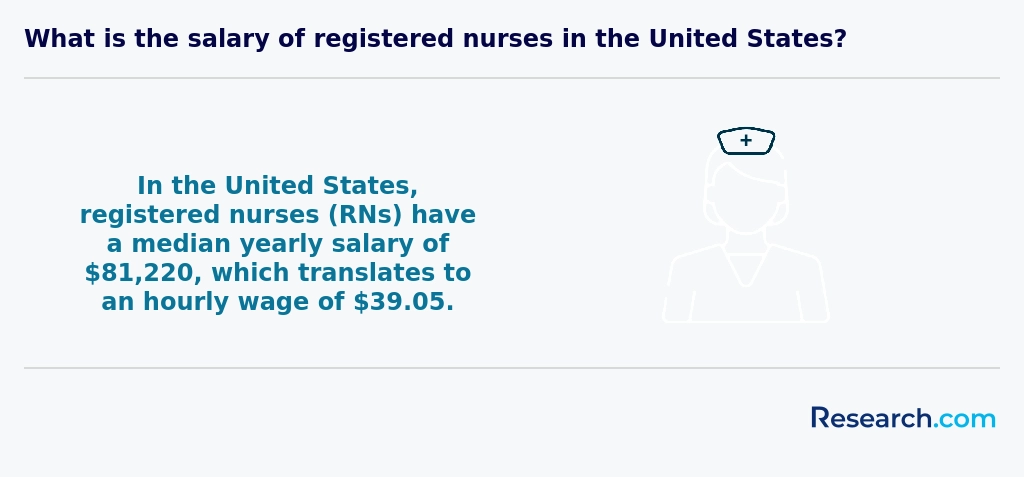
Graduates with an education degree in Wingate often find diverse career paths beyond traditional classroom teaching, reflecting the variety of needs in the local educational landscape. Many pursue K-12 teaching roles, which typically require state certification-a process well-supported by education programs at institutions like Wingate University. These positions offer both fulfilling work and a stable starting salary. However, not all graduates choose this route; some become school counselors or special education teachers, addressing nuanced student needs that benefit greatly from specialized training. Such roles highlight how education degrees in Wingate equip students to impact deeply on individual lives, fostering rewarding experiences.
For those interested in leadership, education degree career options in Wingate include administrative roles such as principals or instructional coordinators who design curricula and lead teacher development. Graduates often share that working in these capacities allows them to influence educational quality on a broader scale. Additionally, continuing education through programs like an online master's in organizational leadership with accreditation can open doors to higher-paying or more specialized positions. The range of teaching job opportunities near Wingate thus reflects both immediate and long-term possibilities for passionate individuals navigating the education sector.
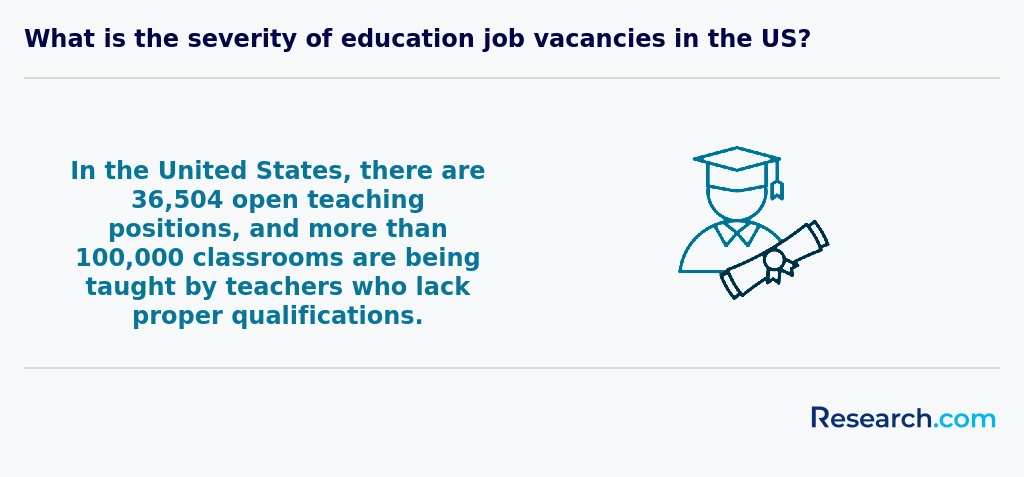
The job market for education degree graduates in Wingate reflects steady demand driven primarily by the expanding public school system in Union County. Graduates from institutions like Wingate University often report positive experiences securing teaching roles, especially in high-need areas such as special education and STEM subjects. These fields tend to offer enhanced job security and satisfaction due to the ongoing requirement for qualified educators.
Local employers, including public schools and private educational organizations, consistently seek candidates with credentials aligned to current educational reforms and student population growth. Graduates benefit from Wingate's affordable tuition rates, which lower barriers to entering the workforce and may lead to a favorable return on investment when beginning a teaching career options.
However, it's important to weigh opportunities beyond traditional classroom roles. Education professionals with specialized skills like curriculum development or administrative expertise find additional pathways in the regional job market. Thus, understanding the education degree job opportunities Wingate offers requires considering both classroom and support roles to make well-rounded career decisions.
2027 Most Affordable Education Degree Programs Ranking in Wingate
Investing in your education is a significant decision that can shape your future, and the Research.com team understands the importance of making informed choices. To assist prospective students in Wingate, we have meticulously crafted the "2027 Most Affordable Education Degree Programs Ranking in Wingate." Our commitment to quality, credibility, and accuracy is reflected in the extensive research and analysis conducted to compile this ranking.
We utilized the following reputable data sources to ensure a comprehensive evaluation of education degree programs:
By exploring this ranking, readers will gain valuable insights into the most affordable education degree programs available in Wingate, helping them make informed decisions about their educational paths. For more details on our methodology, please visit our Research.com methodology page.

Frequently Asked Questions About education
Education degree students in Wingate can maximize their learning experience by actively engaging in both coursework and community opportunities. Wingate University offers accredited education programs recognized by the Council for the Accreditation of Educator Preparation (CAEP), ensuring quality training grounded in current teaching methods.
Students benefit from participating in local school internships, which provide practical classroom experience essential for understanding diverse learning environments. According to Wingate University's 2023 reports, over 85% of education students complete field placements that improve job readiness and pedagogical skills.
Additionally, taking advantage of campus tutoring centers and joining education-focused student organizations enhances collaborative learning and professional networking. Utilizing these resources fosters a well-rounded educational foundation, preparing students for licensure exams and successful careers in K-12 education.
The education field is evolving with new niches emerging to meet diverse learning needs. In Wingate and broadly across the U.S., one growing area is educational technology. This niche focuses on integrating digital tools and online platforms to enhance teaching and learning. According to the U.S. Bureau of Labor Statistics, demand for tech-savvy educators is increasing by 8% annually.
Another developing area is special education, especially addressing students with autism spectrum disorders and emotional disabilities. Wingate's local school districts have reported a 15% rise in special education needs over the past five years, creating demand for trained specialists.
Additionally, bilingual education is expanding due to increasing linguistic diversity. Programs preparing educators to teach English Language Learners are becoming more important in Wingate and nationwide.
Preparing for the job market after completing an education degree in Wingate involves several key steps. First, candidates should pursue student teaching opportunities, as North Carolina requires practical experience for teacher certification. Wingate University and nearby institutions often facilitate these placements, helping students gain classroom experience.
Networking is crucial; joining local education associations such as the North Carolina Association of Educators can provide valuable contacts and job leads. Additionally, understanding state licensing requirements is essential-graduates must pass the Praxis exams to qualify for teaching positions.
Finally, tailoring resumes to highlight clinical experiences and participating in job fairs in Wingate and surrounding areas can increase employment prospects in the competitive education sector.
Employers seeking education degree graduates in Wingate prioritize strong communication skills. Effective verbal and written communication is vital for classroom instruction and collaboration with parents and staff. According to the North Carolina Department of Public Instruction, educators who can adapt their communication style see higher student engagement rates.
Additionally, classroom management skills are crucial. Wingate schools value graduates trained in maintaining orderly, productive learning environments, which supports improved academic performance.
Data from the U.S. Bureau of Labor Statistics highlights that problem-solving ability ranks high for new teachers in the region, helping them address diverse student needs effectively.
Finally, technological proficiency is increasingly important, reflecting the integration of digital tools in today's education system.
Finding internships in Wingate relevant to an education degree involves several strategic steps. Wingate University, located in Wingate, NC, offers strong connections with local K-12 schools, which serve as primary sites for education internships. Students typically work with the university's Career and Professional Development Center to access these partnerships.
Nearby school districts, including Union County Public Schools, regularly host interns from Wingate's education programs. National data from the National Center for Education Statistics indicates over 50 public schools in this district, which provides diverse placement opportunities.
Applicants should start early by attending university career fairs, networking with faculty advisors, and applying through Wingate's internship portals. Local educational organizations and community centers also sometimes offer supplemental internship roles that enhance classroom experience.
In Wingate, earning an education degree significantly enhances career mobility and advancement opportunities within the local school systems. According to data from the North Carolina Department of Public Instruction, educators with a bachelor's or master's degree typically have access to higher-paying positions compared to those without formal education credentials.
Many school districts in Wingate use salary schedules that reward advanced degrees and certifications, which means degree holders often receive annual raises or bonuses. Additionally, an education degree enables professionals to qualify for specialized roles such as curriculum coordinators, instructional coaches, or school administrators.
Furthermore, the degree facilitates eligibility for licensure and state certification, which is required for most public education jobs in Wingate and North Carolina overall. As education standards rise, degree holders enjoy greater job security and increased opportunities for leadership roles.
Studying for an education degree in Wingate equips students with a broad skill set applicable to diverse professional environments. Programs often emphasize collaboration across disciplines like psychology, sociology, and technology, fostering versatile problem-solving abilities. Wingate University, a prominent institution in the area, integrates practical training with theoretical knowledge, encouraging students to engage in real-world educational challenges.
According to the National Center for Education Statistics, interdisciplinary skills increase employability by 15% in education-related fields. Wingate's education curriculum includes components such as child development, instructional technology, and community engagement, preparing graduates for multifaceted roles.
These programs enable future educators to work effectively in varied settings, from traditional classrooms to community organizations, highlighting the value of flexibility and cross-disciplinary knowledge.
Choosing between a thesis and a non-thesis education degree program in Wingate depends on your academic and career goals. Thesis programs typically require extensive research and a final written document. They are well-suited for students aiming for doctoral studies or careers in research and academia. Non-thesis options focus more on coursework and practical application, appealing to those pursuing immediate teaching roles or educational leadership positions. Wingate University offers both paths within its graduate education programs, reflecting trends seen nationwide where about 40% of education master's students choose non-thesis options for quicker completion. Understanding your professional plans helps guide this choice.
Students based in Wingate seeking education degrees with an international perspective have several options through U.S. higher education institutions offering study abroad programs. Many universities in North Carolina, including those near Wingate, provide partnerships with schools overseas in countries such as the United Kingdom, Spain, and Japan. These programs often last a semester or summer term and allow students to earn credits toward their education degree while experiencing diverse teaching methods and cultural environments.
The University of North Carolina system reports that around 10% of education majors participate in study abroad opportunities, highlighting growing interest in global educational experiences. Wingate University itself encourages students to explore such options via affiliated programs, ensuring academic support and credit transfer assistance.
Financial aid resources and scholarships may be available, reducing the typical costs of overseas study. These programs help future educators become more culturally competent and better prepared for diverse classrooms in the U.S.
Students pursuing education degrees in Wingate can benefit greatly from part-time jobs that enhance both skills and resumes. Common opportunities include classroom assistant roles, tutoring younger students, and after-school program coordinators. These positions provide practical experience in child development and classroom management, integral to education careers.
Additionally, Wingate's proximity to local schools and community centers offers roles such as substitute teaching aides and administrative support in educational settings. According to the North Carolina Department of Public Instruction, part-time educational roles in this region have increased by 8% over the past three years, reflecting growing demand.
Such roles not only support financial needs but also build essential communication and organizational skills valuable for aspiring educators.
Education students in Wingate benefit from several strong networking opportunities that support their academic and professional growth. Local universities often host education-related events, workshops, and career fairs that connect students with experienced educators and school administrators.
The Wingate area is part of North Carolina's broader educational community, where students engage in partnerships with nearby K-12 schools for practicum experiences. These placements offer a chance to build professional relationships within local school districts.
Additionally, students can join state chapters of national organizations like the Future Educators Association (FEA), which provide access to conferences and leadership opportunities. According to the North Carolina Department of Public Instruction, Wingate's education students actively participate in these networks to increase their employability in the region.
Alumni networks play a significant role for education degree students in Wingate by providing essential professional connections. Graduates often share job leads, mentorship, and career advice, which can be invaluable in the competitive education field. According to the National Center for Education Statistics, 65% of education graduates nationwide find their first jobs through networking.
In Wingate, where community ties are strong, alumni networks help students connect with local schools and educational organizations, increasing employment opportunities. These networks also offer workshops and resources that support continuous professional development.
Participation in alumni events can foster collaboration and lifelong learning, benefiting both early-career and experienced educators in the region.
Customizing an education degree program in Wingate allows students to align their studies with specific career goals. Many institutions offer flexible curriculum options, including elective courses and specialized tracks such as special education, curriculum development, or educational leadership. This flexibility helps students focus on areas that match their professional interests.
Additionally, Wingate students benefit from local internship and practicum opportunities in nearby school districts, enabling practical experience tailored to their chosen path. According to the North Carolina Department of Public Instruction, hands-on experience remains essential for certification and employment.
Advisors typically assist in course selection to ensure alignment with state certification requirements and career objectives.
Education students in Wingate often face several challenges during their degree programs. One major issue is balancing coursework with fieldwork requirements, as most programs demand extensive in-class observation and student teaching hours. This can be time-consuming and stressful for those managing part-time jobs or family responsibilities.
Financial strain is also a concern, with tuition and living costs rising. According to the National Center for Education Statistics, the average annual tuition at public universities in North Carolina has increased by about 3% over recent years, which impacts Wingate students as well.
Finally, adapting to diverse classroom environments during practicums requires strong cultural competence and flexibility, skills vital for future educators in today's varied schools.
Graduates with an education degree in Wingate have several professional certification options to enhance their careers. One common path is obtaining state teacher licensure, required to teach in public schools. North Carolina's Department of Public Instruction oversees these certifications, ensuring candidates meet subject-specific and grade-level standards.
Beyond basic teaching credentials, educators can pursue specialized certifications. Options include National Board Certification, which is nationally recognized and demonstrates advanced teaching expertise. Other certifications involve English as a Second Language (ESL) or Special Education endorsements, relevant given growing diverse student populations.
Additionally, credentials in educational leadership or administration prepare degree holders for roles as principals or directors in Wingate schools. These require coursework and exams specific to school management.
Writing a winning application for an education program in Wingate requires careful attention to several key factors. Start by thoroughly researching the specific program's requirements, as Wingate University, for example, often emphasizes both academic performance and relevant experience in education. A strong personal statement should clearly explain your motivation to pursue teaching, supported by examples of prior involvement in education or community service.
Highlight your GPA and standardized test scores, as competitive education programs in North Carolina generally look for applicants with at least a 3.0 GPA. Additionally, securing strong letters of recommendation from professors or education professionals can significantly enhance your application.
Lastly, be sure to submit all materials before deadlines and tailor your application to reflect the mission and values of the institution you are applying to, increasing your chances of acceptance.
Education careers in the United States, including in Wingate, are increasingly influenced by global trends emphasizing diversity, technology integration, and lifelong learning. According to the National Center for Education Statistics, nearly 3.7 million teachers worked in U.S. public schools in 2023, reflecting a steady demand for qualified educators. Many American education programs now incorporate global perspectives to prepare professionals for diverse classrooms and international collaboration.
Wingate, though smaller in scale, benefits from these national trends through local institutions offering education degrees designed to meet evolving standards. Programs often emphasize cultural competency and digital literacy, skills essential for educators worldwide.
Globally, education professionals face challenges like adapting to rapid technological change and addressing equity in learning. In the U.S., ongoing federal and state initiatives aim to support teacher training and retention, influencing career stability and growth.
Students pursuing an education degree in Wingate can gain practical experience through local school partnerships. Many universities in the region collaborate with nearby K-12 schools to offer supervised student teaching opportunities. This hands-on experience is crucial for developing classroom management and instructional skills.
Additionally, education programs often require fieldwork hours, allowing students to assist in lesson planning and tutoring. According to the North Carolina Department of Public Instruction, Wingate-area districts support over 200 student teachers annually, highlighting the availability of practical placements.
Some programs also encourage participation in community education projects or after-school programs, broadening exposure to diverse learning environments. Utilizing these options helps students integrate theory with practical application before graduation. These experiences enhance both skills and employability in the education sector.
Choosing the right concentration within an education degree in Wingate depends largely on your career goals and interests. Common concentrations include elementary education, special education, and secondary education. Each prepares students for different teaching environments and certifications. For example, Wingate University offers accredited programs aligned with North Carolina's licensure requirements, helping graduates meet state standards efficiently.
Consider local employment trends; the North Carolina Department of Public Instruction reports growing demand for special education teachers and STEM instructors, influencing concentration popularity.
It's also important to evaluate program curriculum, field experience opportunities, and support services. Speaking with academic advisors or current students at Wingate institutions can provide valuable insights tailored to your professional ambitions.
- 2027 Most Affordable Education Degree Programs Ranking in Charlotte
- 2027 Most Affordable Education Degree Programs Ranking in Columbia
- 2027 Most Affordable Education Degree Programs Ranking in Winston-Salem
- 2027 Most Affordable Education Degree Programs Ranking in Greensboro
- 2027 Most Affordable Education Degree Programs Ranking in Orangeburg
- 2027 Most Affordable Education Degree Programs Ranking in Greenville
- 2027 Most Affordable Education Degree Programs Ranking in Raleigh
- 2027 Most Affordable Education Degree Programs Ranking in Charleston
- 2027 Most Affordable Education Degree Programs Ranking in Knoxville
- 2027 Most Affordable Education Degree Programs Ranking in Macon
See What Experts Have To Say About Studying Education
Read our interview with Education experts


Nooshan Ashtari
Education Expert
Professor & Book Author
University of Southern California

- Online Degree vs. Traditional: Choosing the Right Path https://beal.edu/online-degree-vs-traditional/
- The 8 challenges of education in a changing world https://casvitrescantos.com/en/the-8-challenges-of-education-in-a-changing-world/
- Wingate University Reviews https://www.gradreports.com/colleges/wingate-university
- The 10 Highest Paying Jobs With a Teaching Degree (Quiz) https://www.umassglobal.edu/blog-news/highest-paying-jobs-with-a-teaching-degree
- Networking For Educators: How To Grow A Professional Circle - Carlow University https://www.carlow.edu/networking-for-educators/
- 5 Tips on Choosing the Right Course or Study Program https://www.edunation.co/5-tips-on-choosing-the-right-course-or-study-program/
- Apply to Wingate University https://www.commonapp.org/explore/wingate-university/
- Career Preparation - Wingate University https://www.wingate.edu/mygate-students/career-services/career-preparation
- Wingate University - NCICU https://ncicu.org/find-your-college/wingate-university/
- How to Pick Your Concentration for Your M.Ed. Degree | ACE Blog https://ace.edu/blog/how-to-pick-your-med-concentration/