
2027 Most Affordable Online Curriculum and Instruction Degree Programs Ranking in the South

Co-Founder and Chief Data Scientist
If you're considering advancing your education in curriculum and instruction, finding an affordable and reputable program is essential. This article introduces the 2027 Most Affordable Online Curriculum and Instruction Degree Programs Ranking in the South, created by the Research.com team of data scientists to guide you toward the best options available.
Choosing the right program can open doors to rewarding career opportunities in education. By exploring this ranking, you'll gain valuable insights that help you make an informed decision aligned with your goals and budget. Let's explore affordable pathways to your future.
Key benefits of getting online curriculum and instruction degree in the South
- Curriculum and instruction graduates in the South can expect competitive salaries, with similar U.S. roles earning around $60,000 to $70,000 annually, providing a solid financial foundation for professionals in education.
- Graduates from popular Southern universities, like the University of Florida, often pursue careers as instructional coordinators, curriculum designers, or education consultants, offering diverse and rewarding job opportunities.
- Online degrees from respected institutions such as the University of Alabama allow for flexible learning schedules, helping students balance work, family, and study while gaining the same valued credentials as traditional programs.
What can I expect from online curriculum and instruction degree in the South?
The average cost of an online curriculum and instruction degree in the South often surprises hopeful educators with its approachable affordability. Imagine a graduate from a well-known Southern public university, who found that in-state tuition rates made their dream degree far less daunting on the wallet. While private options might shimmer on the horizon with higher price tags, many Southern institutions in states like Florida or Alabama offer strong financial support that transforms the cost from a burden into a manageable stepping stone.
Graduates often share stories of balancing part-time studies with full-time jobs, appreciating programs that ask for 30 to 36 credit hours, usually completed within two to three flexible years. Scholarships aimed at educators feel like timely rain after long seasons of financial drought, easing pressure and encouraging persistence.
Picture the journey through coursework designed to meet regional needs with a budget-friendly price, thanks to state policies keen on uplifting local educators. The investment feels less like a number and more like a gateway to future opportunities in bustling Southern school districts hungry for skilled professionals.
Where can I work with online curriculum and instruction degree in the South?
With an online curriculum and instruction degree from renowned Southern institutions like the University of North Carolina or the University of Florida, graduates find themselves at the intersection of innovation and impact. Imagine stepping into a bustling school district in Texas or Georgia, where you're not just a teacher but a visionary instructional coordinator weaving state standards into vibrant, tech-enhanced lessons that spark curiosity in classrooms.
Others dive into community colleges or universities, crafting dynamic online programs and coaching professors to elevate teaching methods-transforming learning experiences for thousands. Many feel the thrill of shaping virtual classrooms for cutting-edge education companies in Atlanta or Charlotte, designing digital curricula that bridge technology with human connection, transforming screens into gateways of exploration.
Some graduates engage with nonprofit education reform groups or government agencies, channeling passion into resources that boost equity and professional growth for teachers across the South. This degree doesn't just open doors-it launches careers filled with purpose, creativity, and the chance to revolutionize education in your own backyard.
How much can I make with online curriculum and instruction degree in the South?
Graduates from popular Southern universities who dive into online curriculum and instruction degrees often find their bank accounts smiling, even if the Southern salary scene is a patchwork quilt of numbers. While national median wages for instructional coordinators hover near $68,000, Southern states like Texas and Florida bring that closer to a comfortable $60,000-$70,000 range, reflecting stronger school districts and bustling urban centers.
Imagine a recent graduate from a top Southern college stepping into a role as a curriculum specialist in Dallas or Atlanta. Their starting paycheck might just nudge past the $65,000 mark-definitely a step up from traditional teaching salaries that tend to hover around $52,000 in the region.
Meanwhile, those venturing into leadership positions such as district curriculum specialists can aim higher, sometimes surpassing $75,000 annually. These roles reward the extra push in experience and advanced degrees, making the investment in an online master's from respected Southern institutions really pay off, both financially and professionally.
- Key benefits of getting online curriculum and instruction degree in the South
- What can I expect from online curriculum and instruction degree in the South?
- Where can I work with online curriculum and instruction degree in the South?
- How much can I make with online curriculum and instruction degree in the South?
- How do we rank schools?
- 2027 Most Affordable Online Curriculum and Instruction Degree Programs Ranking in the South
- What online curriculum and instruction degree graduates have to say
- Key Findings
- How long does it take to complete online curriculum and instruction degree in the South?
- What's the difference between online and on-campus curriculum and instruction degree?
- What is the average cost of online curriculum and instruction degree in the South?
- What financial aid is available to online curriculum and instruction degree students in the South?
- What are the prerequisites for enrolling in online curriculum and instruction degree program in the South?
- What courses are typically in online curriculum and instruction degree programs in the South?
- What types of specializations are available in online curriculum and instruction degree programs in the South?
- How do you choose the best online curriculum and instruction degree in the South?
- What career paths are available for online curriculum and instruction degree students in the South?
- What is the job market for online curriculum and instruction degree in the South?
- Frequently Asked Questions About curriculum and instruction
- Top Trending Curriculum and Instruction Rankings
How do we rank schools?
Investing in your education is a significant decision that can shape your future, and the Research.com team understands the importance of making informed choices. To assist prospective students in the South, we have carefully developed the "2027 Most Affordable Online Curriculum and Instruction Degree Programs Ranking in the South." Our dedication to quality, credibility, and accuracy is demonstrated through comprehensive research and detailed analysis.
We utilized the following reputable data sources to ensure a thorough evaluation of online curriculum and instruction programs:
By exploring this ranking, readers will gain valuable insights into the most affordable and credible online degree programs in curriculum and instruction across the South, empowering them to make well-informed educational decisions. For more information on how this ranking was created, please visit our Research.com methodology page.
2027 Most Affordable Online Curriculum and Instruction Degree Programs Ranking in the South
# 1 position
University of Houston
Master
The University of Houston offers a Master's program focused on Education, lasting 24 months. With a graduation rate of 65%, it maintains a less selective acceptance rate of 74%. The program enrolls 33,167 online students and has an average total cost of $29,550. A high level of financial aid is available, with 83% of students receiving assistance.
# 2 position

East Texas A& M University offers a Master's program focused on Education with an open admission acceptance rate of 92%. The program lasts 18 months and has a graduation rate of 43%. Students benefit from high financial aid availability, with 95% receiving support. The average total cost is $6,060. Online enrollment is robust, with 4,677 students participating remotely, making it accessible for diverse learners.
# 3 position
Angelo State University
Master
Angelo State University offers a Master's program focused on Education, lasting 12 months. The program has an open admission policy with an 83% acceptance rate, making it accessible to many applicants. The graduation rate is 44%, and the average total cost is $8,352. A high 98% of students receive financial aid. Currently, 6,030 students are enrolled in the online format of this program.
# 4 position
East Carolina University
Master
East Carolina University offers a Master's program in Education designed to be completed in 24 months. The program has an open admission policy with an acceptance rate of 89%, making it accessible to many applicants. Approximately 8,352 students are enrolled online, reflecting the program's extensive reach. The graduation rate stands at 63%, and 77% of students receive moderate financial aid. The average total cost for the degree is $10,289.
# 5 position
Regent University
Master
Regent University offers a Master's program focused on Education with a duration of 18 months. The program is moderately selective, accepting 38% of applicants. Students benefit from high financial aid levels, with 97% receiving assistance. The average total cost is $13,560. The graduation rate stands at 57%. A significant online community is present, with 9,624 students enrolled in the program remotely.
# 6 position

Georgia College & State University offers a Master's program in Education lasting 18 months. The program has an open admission policy with a 78% acceptance rate. It features a graduation rate of 64% and enrolls 1,620 online students. The average total cost is $10,368. A high level of financial aid is available, with 97% of students receiving assistance, making this program accessible for many prospective students.
# 7 position

Valdosta State University offers an 18-month Master's program focused on Education, with a less selective acceptance rate of 72%. The program has a 42% graduation rate and an average total cost of $13,860. It supports a large online student population of 7,705 and provides high levels of financial aid, with 93% of students receiving assistance.
# 8 position

The University of Tennessee at Martin offers a Master's program in Education designed to be completed in 12 months. With an open admission acceptance rate of 88%, it serves a large online student body of 2,280. The program's graduation rate is 53%, and the average total cost is $18,600. Nearly all students, 99%, receive high levels of financial aid, making it accessible to many learners.
# 9 position

The George Washington University offers a Master's program focused on Education that spans 24 months. The program has a graduation rate of 84%, indicating strong student success. It maintains a moderately selective acceptance rate of 47%. Approximately 80% of students receive financial aid, reflecting high support levels. The average total cost is $16,830. The program serves around 5,000 online students, accommodating distance learners effectively.
# 10 position

Middle Tennessee State University offers a Master's program focused on Education with a less selective acceptance rate of 69%. The program has a graduation rate of 54%, indicating moderate student success. The average total cost for this degree is $18,249. A high level of financial aid is available, with 96% of students receiving assistance. The program supports a substantial online student population, with 12,000 enrolled remotely.
# 11 position

The University of West Florida offers a Doctor-level program focused on Educational Leadership and Education. The program spans 48 months with an average total cost of $28,050. It has a graduation rate of 59% and an acceptance rate of 58%, making it less selective. With 91% of students receiving financial aid, the support level is high. The program serves around 8,200 online students.
# 12 position
Texas A&M University
Master
Texas A& M University offers a Master's degree program focused on Education with a graduation rate of 84%. The program has a less selective admission process, accepting 57% of applicants. Approximately 74% of students receive moderate financial aid. The program enrolls 31,393 online students, and the average total cost is $43,380.
# 13 position
The George Washington University offers a Doctor level program focused on Education, lasting 48 months. It has a moderately selective acceptance rate of 47%, and an 84% graduation rate. Approximately 80% of students receive high levels of financial aid. The average total cost is $33,660. The program supports a significant online student population, with 5,000 enrolled learners.
# 14 position
Texas A&M University
DoctorTexas A& M University offers a Doctoral program focused on Education with a graduation rate of 84%, indicating strong student success. The university has a less selective acceptance rate of 57%, providing moderate opportunities for admission. The average total cost for the program is $77,120. Among enrolled students, 74% receive moderate financial aid. The program serves a large online population with 31,393 students currently enrolled.
# 15 position

The Master's program in Education at West Texas A & M University offers a 24-month curriculum with an acceptance rate of 99%, indicating open admission. The program has a graduation rate of 55% and serves 3,944 online students. Tuition averages $121,186, and a high level of financial aid is available to 94% of students, making it accessible despite the significant cost. This program suits those seeking flexible education options with strong aid support.
# 16 position

Prairie View A & M University offers a 24-month Master's program focused on Education. The program has an open admission policy with a 79% acceptance rate. Approximately 88% of students receive high levels of financial aid. The graduation rate stands at 43%. The average total cost of completing the program is $143,861.
# 17 position
Liberty University
Doctor
Liberty University offers a Doctoral program focused on Education with an open admission policy, accepting 99% of applicants. The program serves a large online community, with 70,750 students currently enrolled. Graduates have a success rate of 65%, while a high 97% of students receive financial aid, providing significant support for those pursuing this advanced degree.
# 18 position

The University of Texas at Arlington offers a Master's degree program focused on Education, designed to be completed in 18 months. The program has an open admission policy with an 80% acceptance rate, making it accessible to many applicants. It supports a large online student body of 18,750 learners and provides high levels of financial aid to 92% of its students. The graduation rate for the program is 54%.
# 19 position

Florida International University offers a 12-month Master's program focused on Education. The program has a graduation rate of 74%, indicating a strong completion record. Admission is less selective, with an acceptance rate of 55%. Financial aid is available at high levels, as 91% of students receive some form of assistance.
# 20 position
Texas Tech University
Doctor
Texas Tech University offers a Doctor-level program focused on Education, attracting 26,776 online students. The program has a less selective acceptance rate of 73%, allowing broader access for applicants. Graduates experience a 69% completion rate. Financial support is strong, with 90% of students receiving financial aid, indicating a high level of assistance available to enrolled students.
What online curriculum and instruction degree graduates have to say
- Emily: Enrolling in the University of Alabama's online Curriculum and Instruction program was life-changing. The flexible schedule allowed me to balance work and study seamlessly. The Southern community feel and expert faculty made learning engaging, preparing me confidently for my teaching career with practical skills and support.
- Marcus: At Texas A&M, the online curriculum was rigorous yet rewarding. The program's focus on innovative teaching strategies and culturally relevant content really resonated with me as a Southern educator. I gained not only knowledge but also a network of peers who share the same passionate mission.
- Jasmine: Studying at the University of Florida online gave me access to top-tier resources and personalized mentorship. The curriculum was thoughtfully designed, reflecting Southern educational values but geared toward modern challenges. It was empowering to grow my expertise while staying close to home and family.
Key Findings
- Tuition for online curriculum and instruction degrees in the South ranges from $8,000 to $15,000, often lower for in-state students at public universities.
- Graduates typically start with salaries between $45,000 and $55,000 per year, with potential to earn over $70,000 after gaining experience.
- The job market in southern states like Florida, Tennessee, and Virginia is stable and expected to grow moderately through the late 2020s.
- Many programs require regional accreditation and supervised practicum or internship experience that can be completed locally.
- Public universities often offer lower tuition, while private institutions may provide scholarships or financial aid for education students.
How long does it take to complete online curriculum and instruction degree in the South?
Imagine pacing through an online curriculum and instruction degree like a flexible marathon rather than a sprint-right here in the South. At the University of North Carolina at Greensboro, a determined graduate found the two-year master's timeline perfect for balancing late-night study sessions with family life, savoring that steady rhythm instead of a frantic dash.
Down in Florida, a Florida State graduate marveled at finishing the same degree in just 18 months, fueled by weekend bursts of focused energy and a flair for accelerated courses. Meanwhile, at Texas A&M University-Commerce, part-time learners stretched their journey gracefully over three years, weaving coursework seamlessly between job shifts and real-world teaching moments.
Bachelor's hopefuls often glide through in about four years if full-time, but many cherish the freedom of part-time paths that drift closer to five or six years-each step reflecting a life lived fully. Doctoral adventurers voyage over three to six years amid research quests and dissertation deep-dives, sculpting their future at their own pace.
What's the difference between online and on-campus curriculum and instruction degree?
Imagine toggling between a cozy home nook and a buzzing campus hallway-this is the heartbeat of the curriculum and instruction degrees in the South. Online learners, often juggling jobs and family in places like Georgia or Florida, delight in asynchronous classes that fit study around life's unpredictable rhythms. Their peers at the University of North Carolina or Texas A&M experience the electric immediacy of face-to-face workshops, where lesson planning feels like crafting art amid lively group energy.
Graduates often recall the comfort of completing student teaching locally in familiar schools when online, sparing them long commutes and costly housing, yet sometimes yearning for that campus connection. Meanwhile, on-campus students cherish spontaneous hallway chats with professors and peers, moments of insight that spark classroom creativity in real time.
In both paths, Southern students embrace strong educational foundations, yet the dance of flexibility versus structure shapes how they grow-each journey a unique chapter in nurturing future educators grounded in their communities.
What is the average cost of online curriculum and instruction degree in the South?
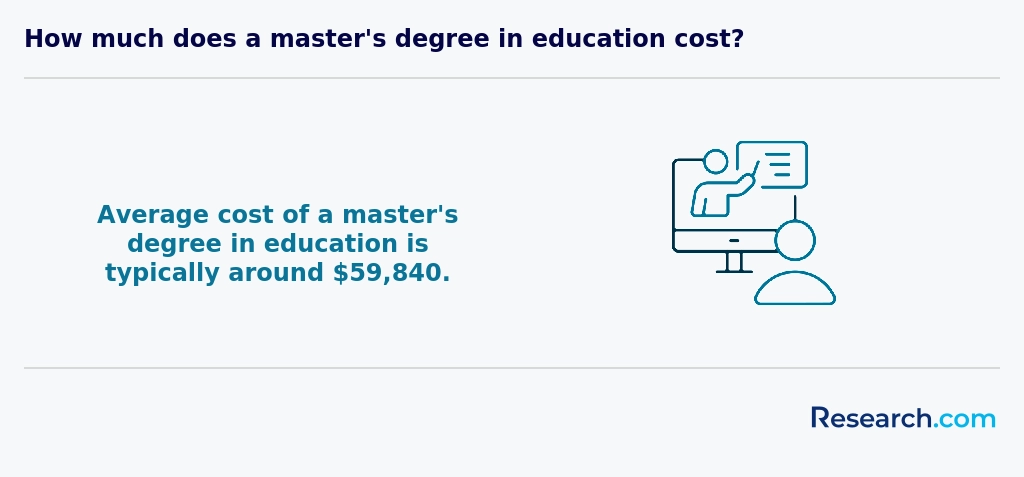
Imagine a graduate from a respected university in the South logging onto their course portal, knowing that their online curriculum and instruction degree cost them around $18,600 as an in-state student. This figure reflects the median in-state total cost for such programs, offering a blend of affordability and quality. Now, picture another student-out-of-state-balancing a tuition bill that stretches to nearly $44,121, a price hike matched only by the prestige and flexibility of Southern private institutions. This spectrum of cost embodies the average cost online curriculum and instruction degree South students encounter.
These students often recount how navigating tuition fees felt like assembling a puzzle: public universities provided more wallet-friendly options, while private colleges commanded a premium but piled on personalized support and resources. They cherished the chance to study without relocating, all while tracking costs that hovered around that median total cost of $23,076, a number that embodies the blend of accessibility and investment Southern learners face.
For those hunting for affordable curriculum and instruction degree programs southern US residents have discovered financial aid, scholarships, and employer tuition assistance act as golden tickets to making these ambitions tangible. To dive deeper, many turn to resources like the best online master's for teaching, which illuminate pathways to balance aspiration with budget.
What financial aid is available to online curriculum and instruction degree students in the South?
Imagine unlocking doors to an online curriculum and instruction degree at a Southern university like the University of North Carolina or Texas A&M, while financial aid quietly supports your journey. Federal aid programs, starting with the FAFSA portal, become your trusty compass, guiding you to Pell Grants or graduate PLUS loans tailored for ambitious educators chasing advanced credentials.
Graduates often recall how state-specific grants from Georgia or North Carolina made their tuition waves feel lighter, especially when combined with institutional scholarships targeting career-boosting educators. Picture securing a fellowship at a flagship Southern institution, where teaching or research roles not only fund your education but also enrich your professional story.
- Many Southern schools cap tuition rates or offer flat fees for online courses, crafting affordable pathways through potentially daunting price tags.
- Work-study gigs and employer tuition reimbursements weave into the financial tapestry, turning part-time jobs and district support into stepping stones.
These aids transform financial stress into excitement, fueling the dreams of those ready to reshape education in the South without sacrificing their wallets or ambitions.
What are the prerequisites for enrolling in online curriculum and instruction degree program in the South?
Imagine stepping into your favorite Southern college's virtual classroom, where the journey begins with a solid foundation: a bachelor's degree, often in education or a kindred field. At schools known for online curriculum and instruction programs, like those beloved across the South, applicants regularly share stories of navigating the 2.5 to 3.0 GPA threshold-a humble but clear signal of academic promise.
Graduates recall how their teaching licenses opened doors, grounding their studies in real-world classroom tales. One remembers the quiet confidence built from two years leading educational initiatives before applying. These programs cherish such experience, weaving it into coursework like thread in a quilt-practical, vibrant, connected.
Some Southern institutions have waved goodbye to mandatory GRE scores, a welcomed relief for many, shifting the spotlight onto professional passion and commitment expressed through personal statements and heartfelt recommendations. It's this tangible dedication that transforms applicants into future changemakers of education.
Financially savvy students appreciate that in-state tuition often stays between $7,500 and $12,000, making advanced study an achievable dream without sacrificing Southern hospitality.
What courses are typically in online curriculum and instruction degree programs in the South?
Diving into an online curriculum and instruction degree in the South feels like unlocking a toolkit designed for today's dynamic classrooms. Graduates from well-known Southern universities often recall how courses in instructional design transformed their approach, pushing them to craft engaging lessons for diverse learners-from bustling urban schools to quiet rural classrooms. Imagine building a lesson plan that not only sparks curiosity but adjusts seamlessly for remote students juggling work and family.
Curriculum development classes give Southern students the power to shape entire educational journeys, tailoring programs that resonate with local community values and state standards. Assessment and evaluation courses become more than theory-they're lifelines for educators striving to gauge real progress amid shifting classroom realities.
Technology integration courses feel especially vivid for these students, equipping them to infuse digital tools into lessons with ease. Graduates often describe the thrill of transforming a simple video call into an interactive learning adventure. Meanwhile, courses on educational psychology and multicultural education deepen empathy and sharpen their ability to meet the needs of every Southern student's unique story.
Finally, practicum or capstone projects are where theory tangibly meets reality. Picture yourself collaborating with a school district just down the road, translating online insights into real-world impact. Many Southern programs pride themselves on this hands-on experience, vital for anyone eager to lead change in education.
What types of specializations are available in online curriculum and instruction degree programs in the South?
Graduates from popular Southern universities often describe diving deep into specializations in online curriculum and instruction degrees in the South as unlocking a toolkit tailored for today's classrooms and tomorrow's innovations. Imagine developing cutting-edge online course designs through Instructional Design and Technology while nestled in a cozy Georgia town, or crafting nurturing Early Childhood Education strategies that resonate with children's earliest developmental milestones in North Carolina's vibrant academic communities.
Some embrace the challenge of Special Education, transforming lessons to meet diverse learners' needs, while others find joy in enhancing literacy through focused Literacy and Language Arts courses, shaping passionate readers and writers statewide. STEM Education shines as a powerhouse for fostering critical thinking, particularly in states emphasizing tech growth and innovation. Even Educational Leadership attracts those ready to influence curriculum decisions, reflecting the Southern spirit of community and progress.
Programs at renowned institutions encourage students to explore these specializations, blending flexibility with practical skills. For those eyeing further advancement, exploring options among the most affordable online EdD degrees can be a game-changer, combining Southern affordability with expansive specialization choices.
How do you choose the best online curriculum and instruction degree in the South?
Choosing the best online curriculum and instruction degree in the South feels a bit like assembling a puzzle where accreditation is your corner piece. Graduates from Southern universities proudly recall how CAEP approval opened doors across Georgia and Florida, aligning their degrees with licensure requirements. This is crucial when your endgame includes testing classrooms in Texas or shaping educational policy.
Affordability often springs to life in stories from those who balanced budgets while chasing advanced credentials. Many share how uncovering affordable online curriculum and instruction degrees in the South freed them from the financial strain of relocation and commuting, unlocking access to quality education amidst busy workdays.
Flexibility is where the magic happens. Southern students juggling families and jobs rave about programs designed for asynchronous learning paired with robust support networks. They speak of curriculum and instruction programs Southern states craft that weave local culture into meaningful coursework, enhancing both understanding and passion. For those desiring deeper dives without the dissertation drag, exploring doctoral programs online no dissertation can redefine your academic journey.
Graduates often highlight the difference a curriculum aligned with career goals makes-be it instructional design, leadership, or specialized K-12 focus. Real stories echo from alumni who scrutinized graduation and employment data to choose programs promising turnaround success and strong job placements, transforming ambition into achievement.
What career paths are available for online curriculum and instruction degree students in the South?
Graduates armed with an online curriculum and instruction degree from Southern universities find themselves stepping into diverse roles where creativity marries impact. Imagine shaping the future as instructional coordinators, polishing school programs until they shine, or becoming curriculum specialists crafting lesson plans that resonate with Southern classrooms' unique rhythms. Many have thrived in educational consulting, sparking innovation across districts that crave fresh ideas powered by the South's evolving teaching and education jobs southern states.
Consider the graduate who designed dynamic online courses at a popular Southern college, energizing virtual classrooms with engaging content. Their career as an online learning designer mirrors a new frontier where education meets technology. Meanwhile, others rise through the ranks as education administrators, blending leadership with a passion for instructional excellence.
Regional affordability encourages these journeys-with tuition often between $8,000 and $15,000 annually-making it easier for educators to level up without stepping away from their classrooms. If affordability and opportunity draw your interest, Southern online programs also open doors to roles often highlighted alongside the cheapest online school psychology programs, offering a balanced path for career growth in education.
What is the job market for online curriculum and instruction degree in the South?
Graduates stepping into the Southern job market with an online curriculum and instruction degree often find themselves at the crossroads of tradition and innovation, where urban districts like Atlanta or Dallas eagerly scout for fresh minds to reshape teaching. These new professionals report a palpable energy-whether collaborating to revamp curricula in expanding metro schools or championing initiatives in rural settings craving attention and resources. This dynamic landscape of the South highlights the strong job outlook for curriculum and instruction degree graduates in the South, blending steady demand with varied opportunities that turn theory into meaningful practice.
Many graduates from renowned Southern universities experience a rewarding balance: affordable tuition paired with real-world impact, making their studies not just a credential but a gateway to advancing education. Their roles stretch across public K-12 systems and innovative online education companies, nurturing next-generation learners with crafted instructional materials. For those curious about expanding their expertise, pairing an online curriculum and instruction degree with a mathematics online degree opens fresh pathways.
Frequently Asked Questions About curriculum and instruction
Students pursuing online curriculum and instruction degrees in the South can maximize their learning by actively engaging with interactive course materials and participating in virtual discussions. Research from the Southern Regional Education Board highlights that students who utilize collaborative tools and maintain regular communication with professors tend to perform better. It is also beneficial to create a structured study schedule, balancing coursework with professional obligations. Since the Southern US has diverse educational needs, tailoring projects to regional challenges enhances practical understanding. Additionally, accessing local education networks and attending virtual workshops can provide valuable real-world insights, boosting both knowledge and career readiness.
The field of curriculum and instruction is evolving, particularly in the Southern United States, where there is growing demand for specialized expertise. Emerging niches include digital and blended learning design, which focuses on creating effective online and hybrid educational experiences. Another expanding area is culturally responsive teaching, addressing the region's increasing diversity by developing curricula that reflect varied backgrounds. Additionally, there is a rise in expertise related to STEM curriculum development, reflecting workforce trends in Southern states. According to the Southern Regional Education Board, online graduate programs in these areas are increasing enrollment, highlighting their relevance for educators seeking to advance their careers.
Graduates with an online curriculum and instruction degree in the South should focus on building a strong professional network before entering the job market. According to the National Center for Education Statistics, Southern states like Georgia and Texas offer ample opportunities in K-12 education, which is the largest employer of curriculum specialists. Joining regional education associations, such as the Southern Regional Education Board, can connect students with job openings and mentorships.
Professional certification often improves job prospects. Many Southern states require specific teaching certificates or endorsements in curriculum and instruction. Researching state requirements early helps graduates meet eligibility.
Internships and practicum experiences included in degree programs provide practical skills valued by employers. Additionally, familiarity with educational technology, emphasized in online programs, positions candidates competitively as schools adopt digital learning tools.
Employers in the South who hire graduates with online curriculum and instruction degrees prioritize strong instructional design skills. Graduates must demonstrate the ability to create effective, engaging learning materials tailored to diverse student needs. According to the Southern Regional Education Board, proficiency in technology integration is also essential, as digital tools increasingly support classroom instruction.
Additionally, communication and collaboration skills are highly valued, enabling graduates to work effectively with teachers, administrators, and families. Data-driven decision-making is another top skill, with many Southern districts emphasizing evidence-based improvements. Finally, adaptability to changing educational standards and inclusion practices stands out as crucial in the region's evolving schools.
Finding internships in the South relevant to a curriculum and instruction degree involves targeting local school districts and educational organizations. Many Southern universities partner with nearby K-12 schools to offer structured internship programs for education students. For example, states like Georgia and North Carolina have established cooperative agreements that facilitate placements in public schools. Consulting your online program's career services is vital, as they often maintain relationships with regional schools and can assist in securing positions. Additionally, professional organizations such as the Southern Educational Association provide internship listings and networking opportunities tailored to curriculum and instruction students in the region.
According to the National Center for Education Statistics, Southern states consistently employ a large percentage of education interns each year, reflecting strong demand for hands-on instructional experience. Online curriculum and instruction students should actively explore these local partnerships and professional resources to maximize internship opportunities.
Online curriculum and instruction degrees in the South offer significant advantages for career mobility and advancement. According to the Southern Regional Education Board, educators with advanced degrees are more likely to move into leadership roles such as instructional coordinators or school administrators. This trend is supported by state education departments in Southern states, where nearly 60% of school districts prioritize candidates with master's degrees for pay increases and promotions.
Completing an online degree allows working professionals to upgrade their credentials without relocating or interrupting their careers. This flexibility is vital in the South, where many educators balance jobs with family responsibilities. Online programs also provide access to up-to-date instructional strategies aligned with state standards, improving candidates' competitiveness.
Data from the National Center for Education Statistics shows that curriculum and instruction graduates in the South experience an average salary increase of 15-20% within five years post-degree. These outcomes highlight the degree's role in supporting upward career progress for Southern educators.
Studying for a curriculum and instruction degree in the South equips students with skills essential for interdisciplinary roles in education. Southern universities emphasize collaboration across fields like technology, psychology, and subject-specific pedagogy, reflecting workforce demands. According to the Southern Regional Education Board (SREB), institutions integrate practical training with research-based methods to foster adaptability and critical thinking.
The curriculum often includes courses on educational technology, multicultural education, and educational leadership. These components prepare graduates to work in diverse settings, from K-12 to corporate training environments. Data from the National Center for Education Statistics (NCES) shows that Southern graduates frequently take on roles blending teaching, administration, and curriculum design, highlighting the region's commitment to interdisciplinary expertise.
When choosing between a thesis and a non-thesis curriculum and instruction degree program in the South, consider your career goals and learning preferences. Thesis options typically require original research, which suits students aiming for doctoral programs or research-oriented roles. Non-thesis paths focus more on practical coursework and often appeal to working educators seeking to enhance classroom skills quickly.
Regional data shows that about 60% of Southern institutions offering curriculum and instruction degrees provide both options, allowing flexibility. According to the Southern Regional Education Board, thesis programs may take longer-up to two years on average-while non-thesis tracks often finish within 18 months.
Financial considerations are also important, as thesis programs sometimes involve additional costs for research materials. Evaluate whether your school supports remote thesis advising, which is crucial for online learners.
Students based in the Southern United States who want to study curriculum and instruction abroad often explore online programs offered by Southern universities with international partnerships. Several schools in states like Georgia, Texas, and Florida provide flexible online degrees recognized nationally and internationally. These programs sometimes include study-abroad residencies or virtual classroom collaborations with overseas institutions.
According to recent NCES data, nearly 45% of Southern higher education institutions offer education degrees with online components, facilitating international learning experiences without the need for long-term relocation. Additionally, schools accredited by the Council for the Accreditation of Educator Preparation (CAEP) maintain global standards, which encourage student mobility.
Students can also leverage exchange programs or short-term study tours integrated into their curriculum and instruction studies, often coordinated through university education departments. Such options remain relatively affordable compared to full traditional study abroad, providing meaningful global exposure.
Part-time job opportunities in the South that complement curriculum and instruction degrees often include tutoring, substitute teaching, and instructional coaching. According to the Southern Regional Education Board, schools in southern states frequently look for qualified tutors to support students in subjects like reading and math, which aligns well with curriculum knowledge. Substitute teaching provides practical classroom experience, often requiring only a teaching permit, which many online programs help prepare candidates for.
Instructional coaching roles at local schools or educational nonprofits allow students to apply curriculum design skills directly while working flexible hours. Additionally, some education technology companies in the South offer part-time positions related to curriculum development and training support. These roles provide valuable experience alongside studies and enhance resumes for future full-time educational careers.
Online curriculum and instruction students in the South benefit from various networking opportunities despite their remote status. Many Southern universities offer virtual events, webinars, and collaborative projects that connect students with faculty and peers across the region.
Professional organizations such as the Southern Regional Education Board (SREB) provide memberships and conferences tailored to education professionals, fostering connections within states like Georgia, Texas, and Florida. According to the National Center for Education Statistics, nearly 60% of Southern education students participate in such groups annually.
Additionally, online cohorts often include discussion forums and group assignments that encourage peer interaction, which helps build lasting professional relationships. Local school district partnerships linked with online programs also offer practical networking through internships and practicum experiences.
Alumni networks play a crucial role for students pursuing online curriculum and instruction degrees in the South. These networks provide valuable connections to experienced educators and administrators who have navigated similar career paths. According to the National Center for Education Statistics, strong professional networks increase job placement rates for education graduates by up to 25% in Southern states.
Members often gain access to exclusive job postings, mentorship opportunities, and regional events focused on curriculum development and instructional strategies. This community support can help students stay informed about local education trends and licensing requirements, which vary across Southern states.
Moreover, alumni networks foster collaboration that encourages ongoing professional development, essential in the rapidly changing field of education. For many Southern universities, active alumni groups significantly enhance the value and reach of their online programs.
Customizing an online curriculum and instruction degree in the South involves selecting specializations, electives, and practicum experiences aligned with your career goals. Many Southern universities offer concentration options such as literacy, STEM education, or educational leadership, allowing students to tailor their studies. For example, a 2023 report from the Southern Regional Education Board highlights that over 60% of programs provide specialization tracks to enhance professional skills.
Additionally, flexible course scheduling and asynchronous formats enable students to balance work and study effectively. Schools may also partner with local school districts for field experiences or capstone projects, offering practical training relevant to your intended career path. Reviewing program resources and speaking with academic advisors can help identify the best fit.
Online curriculum and instruction students in the South often face several challenges related to technology and access. According to the Federal Communications Commission, nearly 20% of rural households in Southern states lack reliable broadband internet, which can hinder participation in synchronous classes and accessing video materials.
Another common issue is balancing coursework with work and family duties. Many students in the region are working professionals or parents, creating time management challenges that online programs must accommodate.
Additionally, students sometimes report feeling isolated without face-to-face interaction, which can affect engagement and motivation. Lack of local in-person support services also complicates the learning process for some.
An online curriculum and instruction degree opens pathways to several professional certifications that enhance educators' credentials in the South and beyond. Common certifications include the National Board Certification for Teaching and Gifted Education Certification, both highly regarded for advancing teaching expertise.
Additionally, the Southern Regional Education Board highlights that many graduates pursue the Licensed Professional Educator (LPE) credential, particularly in states like Georgia and Alabama. Instructional coaching certification is also popular, enabling professionals to support teacher development effectively.
These certifications often require candidates to demonstrate practical experience and pass state-specific exams, reinforcing educational standards tailored to Southern school systems.
When applying to an online curriculum and instruction program in the South, a strong application highlights your commitment to education and understanding of regional teaching needs. Admissions committees often value applicants who demonstrate clear goals, relevant experience, and a familiarity with Southern education standards.
Start by crafting a focused personal statement that explains why you want to pursue this degree online and how it fits your career plans. Mention any experience working with diverse student populations common in Southern states. According to the National Center for Education Statistics, Southern schools increasingly emphasize culturally responsive teaching, so addressing this can be advantageous.
Additionally, gather strong letters of recommendation from educators or supervisors who can attest to your instructional skills and potential for graduate study. Finally, ensure your transcripts reflect a competitive GPA, as many Southern programs require at least a 3.0 for admission.
Curriculum and instruction careers are increasingly valued worldwide for their role in improving educational outcomes. In the United States, especially in the Southern region, professionals with these degrees are pivotal in adapting teaching methods to diverse learner needs. According to the National Center for Education Statistics, Southern states have experienced steady growth in enrollments for online curriculum and instruction programs, reflecting a national trend.
Global perspectives emphasize collaboration and innovation in curriculum development, encouraging educators to integrate technology and multicultural content. The U.S. remains a leader in these practices, influencing education systems abroad through research and policy.
For Southern students, pursuing these degrees online offers flexibility and access to reputed programs tailored to local and global educational challenges.
Gaining practical experience while studying for an online curriculum and instruction degree in the South is essential for career readiness. Many Southern universities integrate fieldwork opportunities such as internships and practicum courses into their online programs. These experiences allow students to apply teaching theories in real classrooms, often in partnership with local school districts.
Students can also volunteer or substitute teach to build skills and networks. According to the Southern Regional Education Board, collaborating with nearby schools enhances hands-on learning and professional development. Additionally, some programs offer virtual simulations to practice instructional strategies safely. These practical components are critical for licensure and future employment in education.
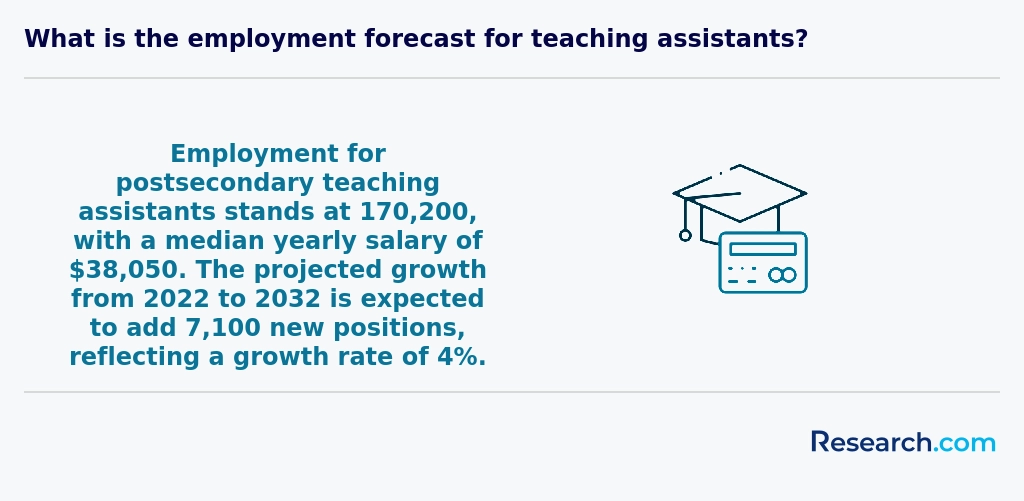
Choosing the right concentration within an online curriculum and instruction degree in the South depends largely on your career goals and interests. Southern universities often offer specializations such as literacy education, educational technology, or special education. According to the National Center for Education Statistics, the demand for qualified instructional coordinators in the South is expected to grow by 7% through 2031.
Consider your current teaching environment and the needs of your community. For instance, literacy or early childhood concentrations may be valuable in regions with higher rates of students needing foundational skills support. Reviewing program curricula and faculty expertise at Southern institutions can also help tailor your choice.
Additionally, check state certification requirements if you plan to become certified in a specific area. Many Southern states, including Georgia and Texas, have distinct licensure pathways linked to degree concentrations, influencing your employment opportunities.
Top Trending Curriculum and Instruction Rankings
References
- Teaching Job Roles | Teach For Life https://www.teachforlife.com/teachingjobs/global-perspectives-teacher
- Tips for Choosing Your Graduate Concentration - Graduate Programs for Educators https://www.graduateprogram.org/blog/tips-for-choosing-your-graduate-concentration/
- 10 of the hottest topics in education for 2025 https://marzanoresearch.com/hot-topics-in-education-2025/
- Find Your Teacher Career Path https://southcarolina.teach.org/career-paths
- Graduate Employability Skills https://www.nepad.org/file-download/download/public/128784
- EDUCATION CONNECTION Get Matched for FREE! https://www.educationconnection.com/
- Master of Science in Curriculum and Instruction https://www.mssu.edu/academics/graduate/master-education-curriculum-instruction.php
- What Employers Actually Want From Graduates https://bodyswaps.co/resources/blog/what-employers-actually-want-from-graduates
- Online Master of Education in Learning and Instruction Degree Programs - USC Upstate https://online.uscupstate.edu/degrees/graduate/education/masters-learning-instruction/
- How to Pick Your Concentration for Your M.Ed. Degree | ACE Blog https://ace.edu/blog/how-to-pick-your-med-concentration/


