
2027 Easiest Online Curriculum and Instruction Degree Programs Ranking in Kansas

Co-Founder and Chief Data Scientist
Choosing the right curriculum and instruction degree program can feel overwhelming, especially with so many options available online. This article presents the 2027 Easiest Online Curriculum and Instruction Degree Programs Ranking in Kansas, developed by the Research.com team of data scientists to guide you toward the best choices.
By exploring this ranking, you'll discover programs that fit your needs, making your educational journey smoother and more rewarding. Earning this degree opens doors to meaningful careers in education, empowering you to make a lasting impact.
Take the first step confidently with insights designed just for Kansas students like you.
Key benefits of getting online curriculum and instruction degree in Kansas
- Curriculum and instruction graduates in Kansas can expect competitive salaries, with entry-level teaching positions often starting around $40,000 annually and experienced educators earning higher wages over time.
- Graduates from Kansas State University's curriculum and instruction program pursue diverse careers including instructional coordinators, curriculum developers, and educational consultants, offering rewarding opportunities to impact student learning.
- Completing a curriculum and instruction degree online through Fort Hays State University provides flexible scheduling and practical experience, allowing students to balance work and life while gaining valuable skills efficiently.
What can I expect from online curriculum and instruction degree in Kansas?
For most students pursuing an online curriculum and instruction degree in Kansas, the average cost ranges between $300 and $500 per credit hour at public universities like the University of Kansas or Kansas State University. Graduates often share how this pricing made it feasible to continue working while advancing their education without overwhelming debt.
Consider a scenario where a teacher enrolls part-time, taking two courses each semester. At around 3 credit hours per course, the tuition cost can fit comfortably within a monthly budget, especially when compared to national averages. These reasonable rates allow many to focus on learning instructional design, curriculum development, or literacy specialist skills without financial stress.
Since completion times vary from 18 to 36 months, you can plan based on your personal and professional life. Many students appreciate the mix of asynchronous lectures and live discussions that support flexibility while maintaining engagement with faculty and peers.
Overall, Kansas online programs balance affordability with quality, making it easier to invest in credentials that boost career prospects and salary potential within your local district.
Where can I work with online curriculum and instruction degree in Kansas?
Graduates with an online curriculum and instruction degree in Kansas often find rewarding careers within the state's extensive K-12 school districts. For example, many who studied at universities like the University of Kansas or Kansas State University report stepping into roles as curriculum specialists or instructional coordinators, helping schools align lessons with state standards and modern teaching strategies.
Another common pathway is higher education. Graduates collaborate with faculty at community colleges or universities across Kansas, designing training programs and updating instructional materials. Imagine contributing to course development at institutions such as Johnson County Community College-graduates feel proud knowing their work directly improves student success.
State education agencies also offer practical opportunities. Many graduates recall working with the Kansas State Department of Education, supporting district leaders with curriculum guidance and professional development workshops. This hands-on involvement fosters a sense of accomplishment and impact.
Finally, workforce development groups and training companies present dynamic roles for graduates. Designing adult education or vocational programs to meet local industry needs brings satisfaction from supporting Kansans' career growth in real time.
How much can I make with online curriculum and instruction degree in Kansas?
Graduates with an online curriculum and instruction degree in Kansas can typically expect starting salaries around $45,000 in entry-level roles such as instructional coordinators or curriculum specialists. With experience, many see their earnings climb to $65,000 or more annually, reflecting the state's alignment with national wage averages.
For example, graduates from the University of Kansas or Wichita State University often share how their advanced degrees opened doors to school districts offering structured salary schedules, rewarding additional certifications and years of service.
Those who pursue positions in higher education or private educational companies in Kansas frequently enjoy higher salaries, with postsecondary education administrators earning close to $80,000 per year. Urban centers like Overland Park and Kansas City tend to offer higher wages, enhancing job appeal and lifestyle possibilities.
Graduates report satisfaction not only from salary growth but also from career advancements fueled by specialized training in educational technology or assessment strategies, making it a rewarding and practical degree choice.
- Key benefits of getting online curriculum and instruction degree in Kansas
- What can I expect from online curriculum and instruction degree in Kansas?
- Where can I work with online curriculum and instruction degree in Kansas?
- How much can I make with online curriculum and instruction degree in Kansas?
- How do we rank schools?
- 2027 Easiest Online Curriculum and Instruction Degree Programs Ranking in Kansas
- What online curriculum and instruction degree graduates have to say
- Key Findings
- How long does it take to complete online curriculum and instruction degree in Kansas?
- What's the difference between online and on-campus curriculum and instruction degree?
- What is the average cost of online curriculum and instruction degree in Kansas?
- What financial aid is available to online curriculum and instruction degree students in Kansas?
- What are the prerequisites for enrolling in online curriculum and instruction degree program in Kansas?
- What courses are typically in online curriculum and instruction degree programs in Kansas?
- What types of specializations are available in online curriculum and instruction degree programs in Kansas?
- How do you choose the best online curriculum and instruction degree in Kansas?
- What career paths are available for online curriculum and instruction degree students in Kansas?
- What is the job market for online curriculum and instruction degree in Kansas?
- Frequently Asked Questions About curriculum and instruction
- Related Curriculum and Instruction Rankings for Nearby States
- Top Trending Curriculum and Instruction Rankings
How do we rank schools?
Investing in your education is a significant decision that can shape your future, and the Research.com team understands the importance of making informed choices. To assist prospective students, we have meticulously crafted the "2027 Easiest Online Curriculum and Instruction Degree Programs Ranking in Kansas." Our commitment to quality, credibility, and accuracy is reflected in the extensive research and analysis conducted to compile this ranking.
We utilized the following reputable data sources to ensure a comprehensive evaluation of curriculum and instruction programs:
By exploring this ranking, readers will gain valuable insights into the easiest online curriculum and instruction degree programs available in Kansas, empowering them to make well-informed decisions about their educational journey. For more details on our methodology, please visit our Research.com methodology page.
2027 Easiest Online Curriculum and Instruction Degree Programs Ranking in Kansas
# 1 position
Newman University
Master
The Newman University Master's program in Education lasts 12 months and has a graduation rate of 53%. It admits students with a less selective acceptance rate of 74%. The average total cost is $19,173, with a high level of financial aid available to 97% of students. Currently, 262 online students are enrolled in this program.
# 2 position
Kansas State University
Doctor
Kansas State University offers a Doctor-level program focused on Education, with a 71% graduation rate. The program has an open admission policy, accepting 82% of applicants. Approximately 95% of students receive high levels of financial aid. The average total cost is $53,974, and there are 4,257 online students enrolled, reflecting significant remote learning opportunities for this program.
# 3 position
The University of Kansas
Master
The University of Kansas offers a Master's degree program focused on Education. The program has an open admission policy with a 93% acceptance rate. It spans 24 months and serves 905 online students. The graduation rate is 69%, indicating a majority complete the program. Additionally, 94% of students receive financial aid, reflecting high financial support availability for enrollees.
What online curriculum and instruction degree graduates have to say
- "Earning my online Curriculum and Instruction degree from Fort Hays State University was a game-changer. The flexible schedule let me balance work and study effortlessly, while the knowledgeable professors offered real-world insights that boosted my teaching career. I felt supported every step of the way." - Olivia
- "The University of Kansas online program exceeded my expectations. Its robust curriculum and interactive platform made learning engaging despite the distance. I gained practical skills that I immediately applied in my classroom, making me a more confident educator. Highly recommend for anyone pursuing growth in education!" - Marcus
- "Pittsburg State University's online degree was perfect for my busy life. The personalized feedback from instructors and the collaborative assignments created a sense of community. Studying Curriculum and Instruction online here empowered me to innovate teaching techniques and connect deeper with my students." - Emily
Key Findings
- Tuition for online curriculum and instruction graduate degrees in Kansas ranges from $12,000 to $25,000, with public universities offering lower in-state rates.
- Kansas employs about 3,500 education specialists in curriculum development and instructional coordination, with a job growth rate near 6% over the next decade.
- Starting salaries for graduates typically range from $45,000 to $58,000, while experienced professionals can earn between $65,000 and $80,000 annually.
- Certification requires a valid teaching license and a master's degree approved by the Kansas State Department of Education.
- Many online programs offer asynchronous courses, allowing students across Kansas, including rural areas, to study without relocating.
How long does it take to complete online curriculum and instruction degree in Kansas?
Completing an online curriculum and instruction degree in Kansas typically takes between 18 months and three years at the master's level. For example, graduates from Wichita State University often finish in about two years when studying full-time, while part-time learners appreciate the flexibility to extend their program up to three years. This pacing allows them to balance work, family, and studies without feeling overwhelmed.
Doctoral degrees in this field, such as the Ed.D. offered online by Kansas State University, require a longer commitment-usually around 3 to 5 years. Graduates share how the extended timeline helps manage demanding projects like dissertations and research, making it easier to integrate graduate studies with professional roles, especially in leadership and educational policy.
Students find that taking advantage of accelerated courses, offered by some programs for working professionals, can shorten completion times. Since most programs require 30 to 36 credit hours, considering part-time options or transferring credits can also influence how long it takes to earn the degree while maintaining a fulfilling life balance.
What's the difference between online and on-campus curriculum and instruction degree?
Choosing between online and on-campus curriculum and instruction degrees in Kansas comes down to how you want to balance flexibility and face-to-face interaction. Online programs, like those offered by the University of Kansas, let you study at your own pace from anywhere, making it easier to juggle work, family, or other commitments. Graduates often appreciate accessing lectures anytime, which fits real-life schedules better.
On-campus programs at institutions such as Wichita State University provide direct access to faculty and peers. Students enjoy hands-on experiences in libraries and labs, which help some thrive with structured routines and in-person collaboration. Graduates recall feeling more connected and motivated by this environment.
Both formats carry similar tuition-approximately $12,000 annually for Kansas residents at public schools-but online learners often save on commuting and housing costs. Reliable internet and comfort with digital platforms are must-haves for remote study, while on-campus students factor in travel or relocation time.
Accreditation through CAEP ensures program quality across both delivery methods, so focus on what fits your lifestyle and learning style best.
What is the average cost of online curriculum and instruction degree in Kansas?
The average cost of an online curriculum and instruction degree in Kansas hovers around $36,564. Graduates from institutions like the University of Kansas or Kansas State University often recall managing these expenses by carefully planning tuition payments and leveraging available financial aid. While the upfront total might seem substantial, many find the investment worthwhile due to the region's affordable tuition compared to national averages, especially at public universities.
For students focused on affordable online curriculum and instruction programs Kansas offers, in-state tuition rates typically fall between $200 and $350 per credit hour. This can translate to roughly $6,000 to $12,600 for a full master's degree, depending on credit requirements. Private universities, though pricier, offer additional scholarships and employer tuition assistance programs that can substantially ease the burden, as numerous graduates attest.
Beyond tuition, students often encounter extra costs such as technology fees, textbooks, and certification exam fees. Many programs now provide digital resources or materials, helping to reduce supply expenses and create a smoother path through their studies. Considering these factors early helps future teachers stay on budget while they shape their careers.
Those aiming to find ways to save even more may explore options like the Kansas State Scholarship Program or employer support. Ambitious candidates should also research specialized offerings to match their needs, such as the cheapest online doctorate in educational leadership for advanced study opportunities.
What financial aid is available to online curriculum and instruction degree students in Kansas?
Students pursuing online curriculum and instruction degrees in Kansas often start by applying for federal financial aid through the FAFSA. This step is crucial to unlock options like Direct Unsubsidized Loans and Grad PLUS Loans, which many graduates from universities such as the University of Kansas and Wichita State University have relied on to manage tuition costs ranging from $400 to $700 per credit hour.
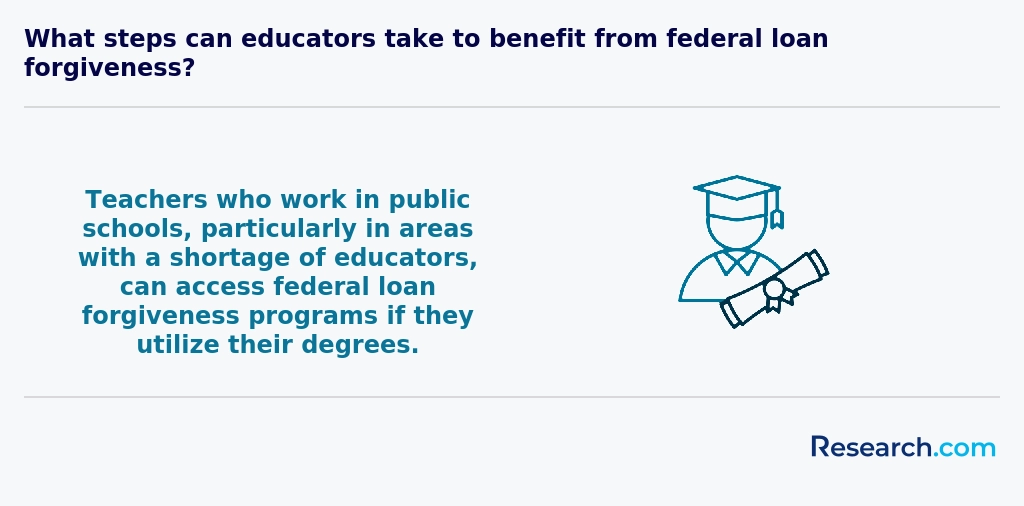
State programs add extra support. For instance, the Kansas Teacher Service Scholarship offers loan forgiveness to those who commit to teaching in Kansas schools, easing the financial strain experienced by many recent graduates who balanced work and study while enrolled at Fort Hays State University.
Institutional scholarships also play a significant role. Graduates frequently mention how university-based merit and need-based scholarships helped reduce their expenses at schools like Emporia State University. Checking with your chosen institution's financial aid office is a smart move to uncover tailored opportunities.
Working professionals benefit from employer tuition reimbursement, a practical way to cut costs while advancing academically. Additionally, external scholarships from groups like the Kansas National Education Association reward both dedication and academic performance in education fields.
What are the prerequisites for enrolling in online curriculum and instruction degree program in Kansas?
To enroll in an online curriculum and instruction degree program in Kansas, you'll first need a bachelor's degree from a regionally accredited institution. Graduates from programs at well-known Kansas universities often mention how having a background in education-or even a related field combined with some teaching experience-helped simplify their admission process. If you come from a different academic path, expect to complete prerequisite courses or prove relevant classroom experience to bridge any gaps.
Many Kansas online programs, especially at public universities, require a valid teaching license, particularly for Master's degrees. For instance, graduates report that holding a teaching certificate not only eased admission but also boosted their confidence in tackling advanced coursework. If you don't hold a license yet, some programs may ask you to take additional preparatory classes or accumulate professional hours before full enrollment.
Prepare to submit transcripts, letters of recommendation, and a personal statement outlining your education goals. Some programs may ask for GRE scores, though this is becoming less common to make enrollment more accessible. Reliable internet and basic tech skills are essential; many students appreciate orientation sessions that help them feel ready to navigate virtual classrooms and collaborate effectively online.

What courses are typically in online curriculum and instruction degree programs in Kansas?
Online curriculum and instruction degrees in Kansas typically include courses that build practical skills for real classroom challenges. Graduates from universities like the University of Kansas and Emporia State often highlight courses such as Instructional Design and Development, which guides you through creating effective lesson plans and engaging learning activities tailored for diverse classrooms.
Assessment and Evaluation in Education is another core course, teaching you how to measure student progress accurately and adapt teaching strategies accordingly. Many find Educational Psychology particularly helpful, as it explains how students learn and develop, making day-to-day teaching more intuitive.
Technology Integration in Education equips you to confidently use digital tools-something graduates appreciate when managing virtual classrooms or hybrid learning models. Courses like Curriculum Theory and Leadership prepare you for decision-making roles, focusing on developing school-wide teaching strategies.
Practical courses, including Research Methods and Differentiated Instruction, help tailor your teaching to varied student needs and ground your decisions in data, a skill graduates often consider empowering for their careers.
What types of specializations are available in online curriculum and instruction degree programs in Kansas?
In Kansas, online curriculum and instruction degrees often feature several key specializations catering to diverse educational goals. For instance, graduates from popular regional universities frequently highlight specializations like Elementary Education Curriculum and Instruction, which prepares educators to create engaging lesson plans that promote early childhood literacy and classroom management.
Another common track is Secondary Education Curriculum and Instruction, designed for middle and high school teachers focused on subject-specific curricula such as math or science. This specialization helps align lessons with state standards and addresses adolescent learning needs, making graduates confident in practical classroom settings. Many students also choose Special Education Curriculum and Instruction, gaining expertise in developing Individualized Education Plans (IEPs) and inclusive teaching strategies to support students with disabilities, a crucial skill given Kansas's sizable special education population.
Additionally, technology integration is popular, with Educational Technology specializations helping educators harness digital tools to boost student engagement. Professional development paths like Curriculum Leadership or Instructional Coaching also attract those aiming to lead instructional improvements district-wide. When researching Kansas curriculum and instruction degree options, consider consulting programs known for flexible specializations to match your career goals. For guidance on cost-effective options, check out the most affordable EdD online programs.
How do you choose the best online curriculum and instruction degree in Kansas?
Start by verifying the program's accreditation, especially regional accreditation like the Higher Learning Commission, and specialized approval from the Council for the Accreditation of Educator Preparation. Graduates from well-known Kansas schools appreciate this support as it often smooths the path to certification and credible employment. Many find that programs offering asynchronous learning and part-time enrollment provide the flexibility needed to maintain work-life balance, a common concern among Kansas-based students aiming for a curriculum and instruction degree.
Cost matters greatly; affordable online curriculum programs Kansas-wide typically charge between $7,000 and $10,000 annually for in-state tuition. Practical budgeting includes factoring in per-credit fees and potential scholarships. Alumni frequently mention how programs with real-life practicums or capstone projects helped bridge theory and practice, making the degree feel immediately applicable in Kansas classrooms.
Look closely at how the curriculum addresses instructional design, assessment, and leadership. Also, check each school's job placement and graduation rates to assess effectiveness. Kansas graduates often recommend programs that maintain partnerships with local districts, offering valuable networking and hands-on learning.
For deeper insight, explore the best online EdS to EdD programs available, which can provide further pathways in curriculum leadership.

What career paths are available for online curriculum and instruction degree students in Kansas?
Graduates of an online curriculum and instruction degree in Kansas often pursue roles such as curriculum specialists, instructional coordinators, or education consultants. Many find these positions rewarding because they directly impact teaching quality and student outcomes. For example, graduates from well-known Kansas institutions report stepping into roles where they develop training materials and lead workshops to support teachers' professional growth. This is especially true in districts across Kansas that are embracing new teaching technologies.
Aside from these roles, some graduates move into leadership positions like school principals or professional development coordinators, capitalizing on the district's demand for instructional expertise. Others take advantage of opportunities in higher education or corporate training, designing online modules or employee training programs, which expand career options beyond traditional schools. Those interested in teaching jobs with curriculum degree Kansas may also explore pathways into related fields, including specializations like how to become a speech pathologist.
What is the job market for online curriculum and instruction degree in Kansas?
Graduates pursuing online curriculum and instruction jobs in Kansas find a steadily growing market that values their expertise in refining educational content and teaching strategies. Universities like the University of Kansas and Kansas State University offer flexible online programs that prepare students to become instructional coordinators or curriculum specialists. Many graduates share how their degree helped them secure roles in local school districts, enhancing curriculum to meet evolving state standards while integrating technology effectively.
The Kansas job outlook for curriculum and instruction graduates aligns with national trends, showing a 7% expected growth in instructional coordinator positions. Salaries typically hover around $61,000 annually, with opportunities to earn more in metropolitan areas such as Wichita and Kansas City. Through practical experiences gained during their studies, graduates improve schools' academic performance, which brings a strong sense of fulfillment and career stability.
For those considering further specialization, pairing curriculum and instruction studies with related fields, such as pursuing a mathematics degree online, can expand job prospects and skill sets.
Frequently Asked Questions About curriculum and instruction
Students pursuing online curriculum and instruction degrees in Kansas can enhance their learning by actively engaging with course materials and participating in virtual discussions. Kansas universities often provide access to licensed digital libraries, which offer a wealth of resources to support coursework. Time management is critical; setting a regular study schedule helps to stay on track amid personal and professional responsibilities. Many programs emphasize applied learning, so taking advantage of internships or practicum placements within Kansas schools can deepen understanding. According to the Kansas State Department of Education, practical experience improves graduate employment prospects in the education sector.
The field of curriculum and instruction in Kansas is evolving with several emerging niches that reflect broader educational trends. One growing area is digital and blended learning design. With Kansas schools increasingly adopting technology, educators skilled in creating effective online and hybrid curricula are in higher demand.
Another niche gaining importance is culturally responsive teaching. Programs focused on equity and inclusion aim to better serve Kansas's diverse student population, especially as demographics shift. According to the Kansas State Department of Education, districts report increased interest in training educators to address cultural competence.
Lastly, data-driven instructional coaching stands out. Educators who analyze student data and tailor curriculum accordingly are valued for improving outcomes. This niche aligns with Kansas's focus on measurable achievement gains reported in recent statewide assessments.
After completing an online curriculum and instruction degree in Kansas, graduates should focus on building a strong professional network. Kansas has over 300 school districts, making local connections valuable for job opportunities. Joining organizations like the Kansas National Education Association can help graduates stay informed about job openings.
It is essential to obtain or verify necessary teaching certifications, as Kansas requires appropriate licensure for instructional roles. According to the Kansas State Department of Education, having a valid teaching license significantly increases hiring chances.
Additionally, gaining practical experience through internships or substitute teaching in Kansas schools provides useful classroom insights and improves resumes. Staying updated on Kansas education standards and digital teaching tools enhances job readiness in this evolving field.
Employers in Kansas seek several key skills in graduates with curriculum and instruction degrees, reflecting the evolving educational landscape. Strong instructional design abilities rank high, enabling graduates to create effective, research-based lesson plans aligned with Kansas State Department of Education standards. Data literacy is essential, as educators analyze student performance to tailor teaching strategies. Communication skills are also critical for collaborating with teachers, students, and administrators. Additionally, technological proficiency is increasingly important due to the rise of digital and hybrid learning environments. According to Kansas Department of Education reports, these skills significantly improve instructional outcomes and support statewide goals for student achievement.
Finding internships in Kansas relevant to a curriculum and instruction degree involves targeting educational institutions and school districts that offer practical teaching experience. Many Kansas universities partner with local K-12 schools to provide internship opportunities required for licensure or practicum hours. For example, the Kansas State Department of Education lists approved districts with programs supporting curriculum development internships.
Prospective interns should also explore opportunities through the Kansas Board of Regents' network, which fosters collaborations between higher education and public schools. Additionally, statewide organizations such as the Kansas Association of Teachers provide resources and job boards that often include internships related to curriculum design and instructional roles.
Online curriculum and instruction degrees in Kansas significantly enhance career mobility and advancement for educators. Earning such a degree aligns with state education standards and supports eligibility for leadership roles, such as instructional coordinators or curriculum specialists. According to the Kansas State Department of Education, demand for qualified curriculum professionals is increasing as schools emphasize improved student outcomes.
Graduates with these degrees often see salary increases due to advanced certifications and improved skills. The U.S. Bureau of Labor Statistics reports that curriculum developers in Kansas earn a median annual wage above the state average for teachers, promoting financial growth. Additionally, online programs offer flexible schedules, enabling working professionals to upskill without career interruption.
Studying for a curriculum and instruction degree in Kansas equips students with skills to work across multiple disciplines in education. Programs emphasize integrating content knowledge with practical teaching strategies, preparing graduates to collaborate with professionals in subjects like science, literacy, and technology.
Kansas universities align coursework with state standards and often include training on diverse learning styles and educational technologies. This approach supports interdisciplinary roles by helping educators design adaptable curricula for various student needs.
According to the Kansas State Department of Education, teacher preparation programs in curriculum and instruction increasingly focus on cross-subject competencies. This focus enables graduates to contribute actively to school-wide initiatives and innovation.
When choosing between a thesis and a non-thesis curriculum and instruction degree program in Kansas, consider your career goals carefully. Thesis programs require original research and a formal paper, which can be ideal if you plan to pursue a doctorate or a research-focused career. Non-thesis options often emphasize practical applications and may include more coursework or internships.
Thesis tracks typically take longer to complete but provide strong preparation for academic roles. According to the Kansas Board of Regents, about 35% of curriculum and instruction graduates from public universities select thesis options, reflecting their interest in advanced study. Non-thesis programs are suited for educators seeking immediate classroom improvement or licensure advancement without extensive research.
Evaluate the program's delivery mode, faculty expertise, and support services to see which option fits your learning style and professional needs.
Students based in Kansas interested in studying curriculum and instruction abroad typically explore online degree programs offered by U.S. universities with international components or partnerships. While Kansas institutions may not directly offer fully abroad-based curriculum and instruction degrees, many accredited programs provide study-abroad opportunities or virtual exchanges.
The U.S. Department of Education notes that programs often include global perspectives through coursework or international practicum experiences. Kansas educators seeking such degrees can find options through large public universities like the University of Kansas, which emphasizes global education in teacher preparation.
Moreover, online degrees accredited by the Council for the Accreditation of Educator Preparation (CAEP) assure quality and may incorporate international content, benefiting Kansas students looking beyond local borders.
Students pursuing online curriculum and instruction degrees in Kansas have various part-time job opportunities that can enhance their practical skills. Working as a teaching assistant or substitute teacher in local school districts is a common choice. These roles provide hands-on classroom experience, essential for understanding educational strategies. According to the Kansas Department of Education, substitute teachers in the state earn an average of $100 per day, allowing flexibility alongside studies.
Other options include tutoring positions, especially in subjects like reading and math, which align directly with curriculum development goals. Additionally, educational content creators and after-school program coordinators support skill-building in curriculum design while gaining valuable field experience.
Online curriculum and instruction students in Kansas benefit from several networking opportunities designed to connect educators statewide. The Kansas State Department of Education supports various professional learning communities that online students can access virtually. These forums allow future teachers and curriculum specialists to share insights and resources.
Many universities offering online degrees in Kansas encourage participation in local education conferences, such as those hosted by the Kansas Association of Teachers of English or the Kansas Curriculum Conference. These events foster connections with experienced educators and district leaders.
Additionally, online learners often join groups through platforms like the Kansas National Education Association, which offers networking via virtual meetings and webinars. These connections enhance career prospects and collaborative professional growth.
Alumni networks offer significant benefits to students pursuing online curriculum and instruction degrees in Kansas. These networks provide access to experienced educators who have navigated the state's specific teaching requirements and certification processes. Engaging with alumni can enhance job placement opportunities by connecting students with school districts and educational organizations throughout Kansas.
Additionally, alumni often share valuable insights about practical classroom strategies and emerging trends in curriculum design. According to the Kansas State Department of Education, workforce connections play a critical role in supporting teacher retention, a benefit amplified by a strong alumni network.
Moreover, students gain mentorship that fosters professional growth and helps build a robust support system during and after their studies.
Online curriculum and instruction degree programs in Kansas offer flexible options to tailor your studies according to your career goals. Many Kansas universities allow students to choose concentrations such as special education, instructional technology, or literacy development. This customization helps align coursework with your interests and future job prospects.
Additionally, students can often select electives or complete practical projects focused on areas like early childhood education or adult learning. Licensure pathways are available for those seeking teaching credentials or leadership roles. According to the Kansas Board of Regents, over 70% of online students customize their plans for specific career tracks.
Advising services also guide students in creating personalized degree plans that meet state certification standards while fitting individual goals.
Students pursuing online curriculum and instruction degrees in Kansas often face challenges related to balancing their studies with personal and professional responsibilities. Many candidates are working educators, which makes time management a critical issue. According to the Kansas Board of Regents, about 65% of online education students report difficulties juggling coursework with teaching duties.
Another common challenge is limited access to hands-on classroom experiences, which are essential for curriculum development skills. While online programs attempt to offer virtual simulations, some students find these less effective than in-person practica.
Technical issues and varying levels of digital literacy also affect the learning experience, with rural areas in Kansas reporting slower internet speeds that hinder participation in live sessions. These factors collectively create hurdles for successful program completion.
Graduates with an online curriculum and instruction degree in Kansas can pursue several professional certifications to enhance their careers. One key certification is the Kansas Professional Teaching License, which requires meeting state-specific coursework and passing the relevant Praxis exams. This license allows educators to teach in Kansas public schools.
Additionally, graduates may seek National Board Certification, a rigorous voluntary process recognized nationwide. This credential demonstrates advanced teaching skills and can lead to higher salaries and leadership roles.
Other options include instructional coaching certifications and curriculum specialist endorsements, which are valuable for educators aiming to influence school-wide instruction. The Kansas State Department of Education provides up-to-date requirements and resources for these credentials.
To write a winning application for an online curriculum and instruction program in Kansas, start with a clear personal statement outlining your passion for education and specific career goals. Kansas schools value applicants who demonstrate knowledge of current teaching practices and a commitment to student success. Include any relevant teaching experience or professional development activities.
Highlight your academic achievements, especially in education-related fields. According to the Kansas Board of Regents, many successful applicants have a GPA above 3.0 and show readiness for rigorous study.
Finally, secure strong recommendation letters from educators or supervisors who can attest to your abilities and dedication. Following these steps aligns with application trends at Kansas universities offering online education degrees.
Curriculum and instruction careers in Kansas reflect the broader U.S. view emphasizing adaptability and global awareness. Educators with these degrees often focus on creating inclusive learning environments that meet diverse student needs. According to the Kansas State Department of Education, integrating cross-cultural perspectives helps prepare students for a connected world.
Globally, curriculum specialists are valued for promoting critical thinking and cultural competence. In the U.S., online programs in Kansas support this trend by offering flexible options with internationally informed content. This aligns with standards recommended by organizations like the Association for Supervision and Curriculum Development.
Interest in global educational trends contributes to improved curriculum development strategies within Kansas schools. Teachers with degrees in curriculum and instruction increasingly incorporate global themes, enhancing student engagement and outcomes.
Students pursuing an online curriculum and instruction degree in Kansas can gain practical experience through several structured opportunities. Many programs incorporate field experiences or practicum components requiring collaboration with local schools, allowing students to apply theoretical knowledge in real classroom settings. These placements often align with Kansas State Department of Education requirements for licensure.
Kansas has partnerships between universities and K-12 schools facilitating student teaching or internships. According to the Kansas Board of Regents, over 70% of educator preparation candidates complete their practicum within state school districts, enhancing hands-on learning.
Additionally, some programs encourage virtual internships and collaborative projects with Kansas educational institutions to accommodate remote learners, ensuring practical experience despite distance.
Choosing the right concentration within an online curriculum and instruction degree program in Kansas begins with understanding your career goals. Kansas offers diverse options, such as literacy, special education, and educational technology, each addressing different student needs. According to the Kansas State Department of Education, literacy specialists are in high demand due to statewide reading initiatives.
Research local job markets to align your concentration with regional needs. For example, with the rise of remote learning, educational technology concentrations may offer broader opportunities. Additionally, check if your chosen program meets Kansas licensure requirements if you aim to teach in public schools. Reviewing faculty expertise and available practicum experiences can also guide your decision.
Related Curriculum and Instruction Rankings for Nearby States
- 2027 Easiest Online Curriculum and Instruction Degree Programs Ranking in Texas
- 2027 Easiest Online Curriculum and Instruction Degree Programs Ranking in Illinois
- 2027 Easiest Online Curriculum and Instruction Degree Programs Ranking in Michigan
- 2027 Easiest Online Curriculum and Instruction Degree Programs Ranking in Florida
- 2027 Easiest Online Curriculum and Instruction Degree Programs Ranking in Ohio
- 2027 Easiest Online Curriculum and Instruction Degree Programs Ranking in Pennsylvania
Top Trending Curriculum and Instruction Rankings
References
- Curriculum and Instruction Graduate Certificate Online https://www.calcoast.edu/certificate-program-in-curriculum-and-instruction-graduate.html
- Teacher of Global Perspectives (IGCSE) https://www.scie.com.cn/jobs-global-perspectives/
- Careers https://www.curriculumassociates.com/about/careers
- Education & Training - Kansas.gov https://portal.kansas.gov/services/education-and-training/
- Perspective | Developing global perspectives for future teachers — and their students https://www.ednc.org/developing-global-perspectives-for-future-teachers-and-their-students/
- Graduate Employability Skills https://www.nepad.org/file-download/download/public/128784
- Most Popular Online Schools for Teacher Education Subject Specific in Kansas - Teaching Degree Search https://teachingdegreesearch.com/majors/teacher-education-subject-specific/rankings/most-popular-online/doctorate-degrees/the-plains-states/kansas/
- Beyond the Launch: Navigating the Hidden Challenges of Curriculum Implementation https://unbounded.org/resources/beyond-the-launch-navigating-the-hidden-challenges-of-curriculum-implementation/
- How to Pick Your Concentration for Your M.Ed. Degree | ACE Blog https://ace.edu/blog/how-to-pick-your-med-concentration/
- How To Choose Between Online Vs. Traditional Education Programs | PLNU https://www.pointloma.edu/resources/accelerated-undergraduate/how-choose-between-online-vs-traditional-education-programs


