
2027 Easiest Online Curriculum and Instruction Degree Programs Ranking in the South

Co-Founder and Chief Data Scientist
Are you considering advancing your education with a curriculum and instruction degree in the South? Choosing the right program can be overwhelming, but this article is here to help.
The 2027 Easiest Online Curriculum and Instruction Degree Programs Ranking in the South was created by the Research.com team of data scientists to guide you toward programs that balance quality with manageable coursework.
Exploring this ranking empowers you to make an informed decision, setting you on a positive path toward a rewarding career in education.
Take that next step with confidence and find a program that fits your goals and lifestyle.
Key benefits of getting online curriculum and instruction degree in the South
- Graduates with curriculum and instruction degrees in the South often find rewarding careers in education, where the average teacher salary is about $60,000 annually, offering a stable and satisfying income.
- Many program completers from universities like the University of Florida pursue roles in instructional coordination, curriculum design, or educational leadership, opening diverse and fulfilling career paths.
- Completing a curriculum and instruction degree online provides flexibility, allowing busy students to balance work and life, as seen with graduates from the University of South Carolina's online program who feel empowered by learning at their own pace.
What can I expect from online curriculum and instruction degree in the South?
The average cost of pursuing an online curriculum and instruction degree in the South often surprises students who expect steep tuition fees. In reality, many graduate programs at popular institutions like the University of North Carolina or Texas State University offer in-state tuition rates between $7,000 and $12,000 per year. Graduates often share a sense of relief and gratitude, reflecting on how this affordability allowed them to balance family and work without overwhelming debt.
Consider a graduate who juggled a full-time teaching position while studying; the accessible tuition made completing their degree feel attainable rather than a distant dream. This contrasts sharply with the high costs found in other regions, dispelling the notion that quality online education must come with a heavy price tag.
Beyond price, students appreciate the South's tailored programs that acknowledge their daily realities-work schedules, childcare needs, and community ties. This blend creates a supportive environment where learning is meaningful, affordable, and deeply connected to their professional growth.
Where can I work with online curriculum and instruction degree in the South?
Graduates from Southern institutions like the University of North Carolina or Texas A&M often find themselves shaping education beyond classroom walls. Many start as curriculum specialists or instructional coordinators in K-12 school districts, where they design programs that directly impact student learning every day. Imagine working in a Georgia school district, tweaking lesson plans that help diverse students grasp challenging concepts with newfound confidence.
Others embrace roles in higher education, collaborating with community colleges and universities to develop innovative online and hybrid courses-critical as Southern schools expand access. These graduates proudly share how their work integrates cutting-edge educational technologies, transforming traditional learning environments.
State education departments also recruit these experts to refine standards and assessments. Consider the excitement of contributing to statewide reforms in Florida's Department of Education, knowing your expertise steers millions of students toward success.
Some graduates venture into educational consulting across Southern cities like Atlanta and Nashville, guiding schools and nonprofits with fresh strategies. Others discover fulfillment creating training programs in corporate settings, passing on skills that empower employees far beyond traditional classrooms.
How much can I make with online curriculum and instruction degree in the South?
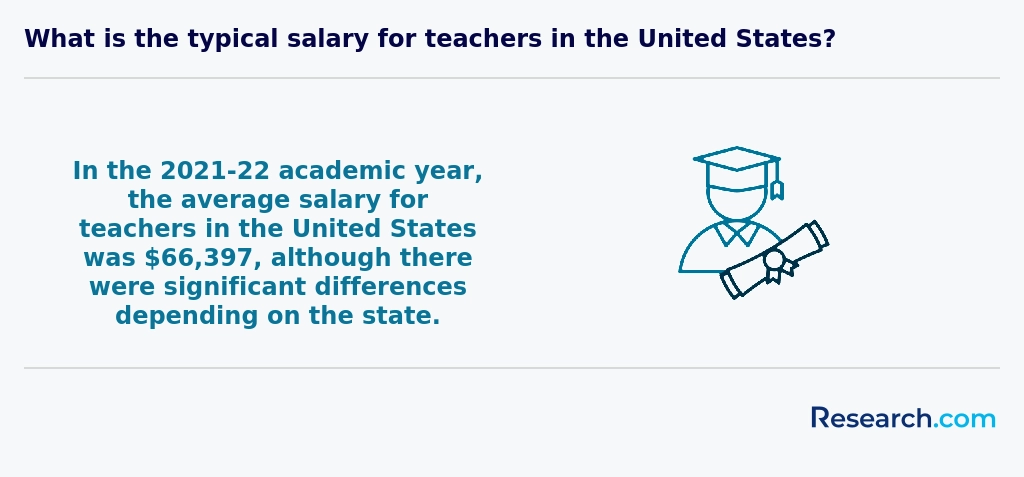
Graduates from online curriculum and instruction programs in Southern states often face a salary landscape shaped by regional nuances and evolving educational needs. While specific salary data from the Bureau of Labor Statistics for this field in the South is limited, broader national patterns suggest instructional coordinators earn around $66,000 annually. In practical terms, this means a graduate from a respected institution like the University of Texas at Austin or the University of Georgia can realistically anticipate starting near $60,000, reflecting local cost-of-living adjustments.
Consider a recent graduate who began working as an instructional coordinator within a Georgia school district. Their salary, close to $62,000, not only supports a stable middle-class lifestyle but also reflects growing expertise in curriculum design and digital learning integration-areas highly prized in today's education landscape. The demand for these skills generates not just income but opportunities for leadership roles, often pushing salaries beyond $80,000 in urban districts.
Online study prepares graduates for diversified roles, from curriculum specialists to educational consultants, whose compensation is influenced by local market forces and district budgets. This dynamic encourages continual growth and professional development, turning a curriculum and instruction degree into a rewarding investment rather than just a credential.
- Key benefits of getting online curriculum and instruction degree in the South
- What can I expect from online curriculum and instruction degree in the South?
- Where can I work with online curriculum and instruction degree in the South?
- How much can I make with online curriculum and instruction degree in the South?
- How do we rank schools?
- 2027 Easiest Online Curriculum and Instruction Degree Programs Ranking in the South
- What online curriculum and instruction degree graduates have to say
- Key Findings
- How long does it take to complete online curriculum and instruction degree in the South?
- What's the difference between online and on-campus curriculum and instruction degree?
- What is the average cost of online curriculum and instruction degree in the South?
- What financial aid is available to online curriculum and instruction degree students in the South?
- What are the prerequisites for enrolling in online curriculum and instruction degree program in the South?
- What courses are typically in online curriculum and instruction degree programs in the South?
- What types of specializations are available in online curriculum and instruction degree programs in the South?
- How do you choose the best online curriculum and instruction degree in the South?
- What career paths are available for online curriculum and instruction degree students in the South?
- What is the job market for online curriculum and instruction degree in the South?
- Frequently Asked Questions About curriculum and instruction
- Top Trending Curriculum and Instruction Rankings
How do we rank schools?
Investing in your education is a significant decision that can shape your future, and the Research.com team is committed to helping you make well-informed choices. To support prospective students in the South, we have carefully developed the "2027 Easiest Online Curriculum and Instruction Degree Programs Ranking." Our dedication to quality, credibility, and accuracy is demonstrated through rigorous research and analysis.
We utilized the following reputable data sources to create this comprehensive ranking:
By reviewing this ranking, readers will gain valuable insights into accessible online curriculum and instruction programs in the South, empowering them to choose the best fit for their academic and professional goals. For further information on our methodology, please visit our Research.com methodology page.
2027 Easiest Online Curriculum and Instruction Degree Programs Ranking in the South
# 1 position
Angelo State University
Master
Angelo State University offers a Master's program focused on Education, lasting 12 months. The program has an open admission policy with an 83% acceptance rate, making it accessible to many applicants. The graduation rate is 44%, and the average total cost is $8,352. A high 98% of students receive financial aid. Currently, 6,030 students are enrolled in the online format of this program.
# 2 position
Regent University
Master
Regent University offers a Master's program focused on Education with a duration of 18 months. The program is moderately selective, accepting 38% of applicants. Students benefit from high financial aid levels, with 97% receiving assistance. The average total cost is $13,560. The graduation rate stands at 57%. A significant online community is present, with 9,624 students enrolled in the program remotely.
# 3 position

The University of Tennessee at Martin offers a Master's program in Education designed to be completed in 12 months. With an open admission acceptance rate of 88%, it serves a large online student body of 2,280. The program's graduation rate is 53%, and the average total cost is $18,600. Nearly all students, 99%, receive high levels of financial aid, making it accessible to many learners.
# 4 position

Georgia College & State University offers a Master's program in Education lasting 18 months. The program has an open admission policy with a 78% acceptance rate. It features a graduation rate of 64% and enrolls 1,620 online students. The average total cost is $10,368. A high level of financial aid is available, with 97% of students receiving assistance, making this program accessible for many prospective students.
# 5 position

East Texas A& M University offers a Master's program focused on Education with an open admission acceptance rate of 92%. The program lasts 18 months and has a graduation rate of 43%. Students benefit from high financial aid availability, with 95% receiving support. The average total cost is $6,060. Online enrollment is robust, with 4,677 students participating remotely, making it accessible for diverse learners.
# 6 position

Valdosta State University offers an 18-month Master's program focused on Education, with a less selective acceptance rate of 72%. The program has a 42% graduation rate and an average total cost of $13,860. It supports a large online student population of 7,705 and provides high levels of financial aid, with 93% of students receiving assistance.
# 7 position
University of Houston
Master
The University of Houston offers a Master's program focused on Education, lasting 24 months. With a graduation rate of 65%, it maintains a less selective acceptance rate of 74%. The program enrolls 33,167 online students and has an average total cost of $29,550. A high level of financial aid is available, with 83% of students receiving assistance.
# 8 position

The University of West Florida offers a Doctor-level program focused on Educational Leadership and Education. The program spans 48 months with an average total cost of $28,050. It has a graduation rate of 59% and an acceptance rate of 58%, making it less selective. With 91% of students receiving financial aid, the support level is high. The program serves around 8,200 online students.
# 9 position

The Master's program in Education at West Texas A & M University offers a 24-month curriculum with an acceptance rate of 99%, indicating open admission. The program has a graduation rate of 55% and serves 3,944 online students. Tuition averages $121,186, and a high level of financial aid is available to 94% of students, making it accessible despite the significant cost. This program suits those seeking flexible education options with strong aid support.
# 10 position

Prairie View A & M University offers a 24-month Master's program focused on Education. The program has an open admission policy with a 79% acceptance rate. Approximately 88% of students receive high levels of financial aid. The graduation rate stands at 43%. The average total cost of completing the program is $143,861.
# 11 position

The George Washington University offers a Master's program focused on Education that spans 24 months. The program has a graduation rate of 84%, indicating strong student success. It maintains a moderately selective acceptance rate of 47%. Approximately 80% of students receive financial aid, reflecting high support levels. The average total cost is $16,830. The program serves around 5,000 online students, accommodating distance learners effectively.
# 12 position
The George Washington University offers a Doctor level program focused on Education, lasting 48 months. It has a moderately selective acceptance rate of 47%, and an 84% graduation rate. Approximately 80% of students receive high levels of financial aid. The average total cost is $33,660. The program supports a significant online student population, with 5,000 enrolled learners.
# 13 position
East Carolina University
Master
East Carolina University offers a Master's program in Education designed to be completed in 24 months. The program has an open admission policy with an acceptance rate of 89%, making it accessible to many applicants. Approximately 8,352 students are enrolled online, reflecting the program's extensive reach. The graduation rate stands at 63%, and 77% of students receive moderate financial aid. The average total cost for the degree is $10,289.
# 14 position

Middle Tennessee State University offers a Master's program focused on Education with a less selective acceptance rate of 69%. The program has a graduation rate of 54%, indicating moderate student success. The average total cost for this degree is $18,249. A high level of financial aid is available, with 96% of students receiving assistance. The program supports a substantial online student population, with 12,000 enrolled remotely.
# 15 position

The University of Texas at Arlington offers a Master's degree program focused on Education, designed to be completed in 18 months. The program has an open admission policy with an 80% acceptance rate, making it accessible to many applicants. It supports a large online student body of 18,750 learners and provides high levels of financial aid to 92% of its students. The graduation rate for the program is 54%.
# 16 position
Liberty University
Doctor
Liberty University offers a Doctoral program focused on Education with an open admission policy, accepting 99% of applicants. The program serves a large online community, with 70,750 students currently enrolled. Graduates have a success rate of 65%, while a high 97% of students receive financial aid, providing significant support for those pursuing this advanced degree.
# 17 position

Florida International University offers a 12-month Master's program focused on Education. The program has a graduation rate of 74%, indicating a strong completion record. Admission is less selective, with an acceptance rate of 55%. Financial aid is available at high levels, as 91% of students receive some form of assistance.
# 18 position
Texas A&M University
Master
Texas A& M University offers a Master's degree program focused on Education with a graduation rate of 84%. The program has a less selective admission process, accepting 57% of applicants. Approximately 74% of students receive moderate financial aid. The program enrolls 31,393 online students, and the average total cost is $43,380.
# 19 position
Texas A&M University
DoctorTexas A& M University offers a Doctoral program focused on Education with a graduation rate of 84%, indicating strong student success. The university has a less selective acceptance rate of 57%, providing moderate opportunities for admission. The average total cost for the program is $77,120. Among enrolled students, 74% receive moderate financial aid. The program serves a large online population with 31,393 students currently enrolled.
# 20 position
Northwestern State University offers a Master's degree focusing on Educational Leadership and Education. The program has an open admission policy with a 93% acceptance rate, accommodating a large online student body of 8,937. Students benefit from high levels of financial aid, with 97% receiving support. The graduation rate for this program is 43%, reflecting student success upon completion.
What online curriculum and instruction degree graduates have to say
- Jasmine: Studying my online Curriculum and Instruction degree at the University of Alabama gave me unmatched flexibility to balance work and family. The Southern faculty's expertise and supportive community made learning practical and inspiring. I gained relevant skills while feeling personally valued throughout my journey.
- Marcus: Choosing the University of Florida's online program was a game changer. Their innovative approaches and accessible resources strengthened my teaching strategies. The Southern emphasis on community and culture enriched my experience, making it more than just coursework-it was a truly transformative adventure.
- Chelsea: Lipscomb University's online Curriculum and Instruction degree combined rigorous academics with a heartfelt approach to education. The personal attention from professors and collaborative online environment made me confident and empowered as an educator. Studying online in the South exceeded all my expectations.
Key Findings
- Online curriculum and instruction degrees in the South focus on curriculum design, instructional strategies, and educational leadership for K-12 teachers and administrators.
- The cost for a master's program ranges from $15,000 to $35,000, with public universities charging $300 to $600 per credit hour and private universities sometimes over $800 per credit hour.
- Entry-level instructional coordinators earn about $55,000 to $65,000 annually, while experienced professionals can make $75,000 to $85,000 or more.
- The job market for instructional coordinators in the South is expected to grow by around 7% over the next decade due to increased focus on education quality and technology integration.
- Many Southern states require certification or licensure for instructional coordinators, often achieved by completing a degree and gaining classroom experience.
How long does it take to complete online curriculum and instruction degree in the South?
Completing an online curriculum and instruction degree in the South often challenges the notion that higher education must be a rapid, one-size-fits-all journey. Graduates from universities like the University of North Carolina and the University of Georgia share that finishing a master's degree typically spans 18 to 24 months for full-time students, blending academic rigor with real-world responsibilities.
Imagine juggling evening assignments after a full day of teaching or family time-this flexibility transforms the process into a personalized marathon rather than a sprint. Part-time students frequently extend their completion to three or more years, savoring the pace that accommodates work and life demands without sacrificing quality.
When it comes to doctoral degrees in the region, such as Ed.D. or Ph.D. programs, the journey deepens, often requiring three to five years. Graduates appreciate the challenge of balancing comprehensive exams and dissertation research, embracing a path that demands patience and resilience but ultimately yields profound professional growth.
These timelines defy simplistic expectations and invite prospective students to reflect on what meaningful progress means, redefining success as a deeply individual experience.
What's the difference between online and on-campus curriculum and instruction degree?
Graduates from Southern universities offering curriculum and instruction degrees often reflect on the stark contrast between online and on-campus experiences. On-campus learners vividly recall the vibrant energy of attending classes in person at institutions like the University of Georgia or Florida State University, where face-to-face interactions with faculty and peers ignite collaborative discussions and spontaneous mentorships. This immersive environment cultivates a sense of community that many cherish.
Conversely, graduates of online programs-from schools such as the University of North Carolina at Chapel Hill or Auburn University-highlight the empowering flexibility of accessing coursework anytime, which fits seamlessly into their juggling of careers and family life. The absence of commuting or housing expenses also eases their financial load, making pursuing a degree more attainable. Despite fewer physical interactions, these students embrace virtual study groups and video calls that foster meaningful connections, proving that accessibility need not compromise academic rigor or personal engagement.
In the South, where in-state tuition often applies to online learners, many find this model not only financially practical but deeply rewarding, balancing ambition with lifestyle demands in a way traditional paths sometimes cannot.
What is the average cost of online curriculum and instruction degree in the South?
Understanding the average cost of an online curriculum and instruction degree in the South often surprises prospective students. The median total cost typically lands around $23,076, but this figure conceals important distinctions based on residency and institution type. For instance, in-state students at popular Southern universities may find costs closer to $18,600, making higher education feel within reach for many balancing work and family commitments. Graduates from such programs often express relief and pride, realizing their investment led to meaningful career advancements in education.
Out-of-state students face a steeper financial commitment, with median costs nearing $44,121. This substantial difference challenges the assumption that online degrees automatically offer significant savings. Many Southern public universities, especially those highly regarded for their curriculum and instruction programs, reflect this gap. Graduates often share stories about navigating financial aid and employer tuition assistance to make this investment viable and worthwhile.
Private universities in the South, which attract students seeking specialized coursework and robust resources, also tend to push costs higher. These realities emphasize that the Southern online curriculum and instruction degree expenses depend heavily on the type of institution and where a student qualifies as a resident.
Students weighing these costs appreciate vivid comparisons to peers at beloved regional institutions, where supportive environments and flexible schedules foster success despite financial challenges. Those exploring pathways to accelerate their credentials might also consider online EdD programs as a mindful step in their educational journey.

What financial aid is available to online curriculum and instruction degree students in the South?
Financial aid for online curriculum and instruction degrees in the South often feels like a hidden treasure waiting to be uncovered. Many graduates recall the relief when discovering federal aid options through FAFSA-such as Pell Grants that don't have to be repaid, or TEACH Grants that reward dedication to underserved communities after graduation. Imagine a student at a respected Southern university who balances coursework with a graduate assistantship, receiving both tuition relief and a stipend that makes continuing education feel achievable rather than daunting.
State programs in Texas, Georgia, and Florida also play a critical role, offering grants aimed at educators willing to serve in rural or high-need schools. For these students, aid isn't just money-it's a vote of confidence in their commitment to reshape education locally.
Universities themselves often step up with merit-based scholarships and assistantships, but the support doesn't stop there. Regional bodies like the Southern Regional Education Board provide scholarships that connect students to a vibrant educational network, reminding them they're not alone in their journey.
What are the prerequisites for enrolling in online curriculum and instruction degree program in the South?
Enrolling in an online curriculum and instruction degree program in the South often means meeting more than just basic academic criteria-it's about proving readiness for a transformative educational journey. Graduates from well-known Southern universities recall the initial challenge of presenting a bachelor's degree from an accredited institution, sometimes in education, sometimes in related fields. One shared experience involves navigating the requirement of a minimum 3.0 GPA, a common standard in places like Texas and Georgia, which validates both dedication and potential.
Many students found that holding a current teaching license, especially in states such as Florida or Tennessee, not only eased admission but sparked confidence, knowing they brought real classroom expertise to the virtual table. Some programs still request GRE scores, but others recognize that solid professional experience can speak louder than a test. Applicants also submit official transcripts, recommendation letters, and compelling statements of purpose-documents that turn abstract qualifications into stories of passion and purpose, making the application feel personal and empowering.
What courses are typically in online curriculum and instruction degree programs in the South?
Courses in online curriculum and instruction degrees in the South go beyond theory; they shape how graduates live their daily teaching experiences. At universities like those in Texas and North Carolina, students dive into curriculum development that feels tangible-imagine crafting lesson plans tailored to your local classes, reflecting state-specific standards instead of generic templates.
Instructional strategies cover diverse learner needs in vibrant, real classrooms where these strategies turn challenges into breakthroughs. Graduates often recall how courses on classroom assessment transformed their view of grading-no longer just assigning scores, but truly understanding each student's progress.
Educational technology isn't just an add-on; it becomes a lifeline for educators balancing remote learning demands. Hands-on projects encourage applying data-driven decisions, turning abstract numbers into clear action steps. Leadership courses foster confidence to navigate Southern school policies with purpose and vision, a boon for those stepping into administrative roles.
These programs emphasize practicums and internships, ensuring students don't just learn but experience education's evolving landscape firsthand, often while working full-time. This blend of localized policy immersion and practical engagement makes studying in the South uniquely empowering.
What types of specializations are available in online curriculum and instruction degree programs in the South?
Graduates from Southern institutions often reflect on how their chosen specialization transformed their professional outlook. Typical online curriculum and instruction degree specializations South include Curriculum Development and Design, where students create dynamic, standards-aligned lesson plans that resonate with diverse classrooms. Those focusing on Instructional Technology Integration find satisfaction mastering digital tools that bring learning to life in schools increasingly reliant on tech, a reality echoed by more than 70% of Southern schools today.
Leadership-minded learners gravitate toward Educational Leadership and Administration, preparing for roles that require both vision and management skills within education systems. Others feel deeply rewarded specializing in Special Education Curriculum, developing adaptive methods for students with unique needs amidst Southern states' growing commitment to inclusivity. Many recognize the impact of Early Childhood and Literacy Instruction concentrations, directly addressing literacy gaps that persist across the region. For potential students weighing options, exploring programs at popular Southern colleges connects theory to impactful practice, making these best South online education degree concentrations invaluable.
Those considering their financial investment can find guidance in resources like the cheapest online EdD programs no GRE, which help balance affordability and quality in this evolving field.
How do you choose the best online curriculum and instruction degree in the South?
Choosing the best online curriculum and instruction degree in the South means looking beyond surface factors like name recognition or cost. Graduates from Southern universities often reflect that accreditation is paramount-not just to satisfy licensure requirements but to ensure your learning genuinely aligns with evolving educational standards. For example, programs accredited by CAEP or SACSCOC backed courses often incorporate real classroom challenges that make learning practical and relevant.
Affordability is crucial but complicated; while many affordable online curriculum and instruction degrees Southern US offer lower tuition, the true cost includes balancing flexibility with pace. Graduates juggling full-time jobs praise programs with asynchronous coursework that respects their schedules without sacrificing academic rigor. These choices cultivate motivation and confidence, key drivers for success.
When reviewing curriculum, focus on how well the program integrates instructional design and leadership with hands-on strategies. Southern institutions often feature faculty deeply connected to local schools, enhancing practical insights. For those considering advanced study paths, explore options like EdS to EdD programs online as a natural progression that builds expertise thoughtfully.
What career paths are available for online curriculum and instruction degree students in the South?
Graduates with an online curriculum and instruction degree in the South find themselves at the crossroads of dynamic career options, far beyond traditional teaching roles. Many become curriculum specialists, collaborating with districts or educational organizations to shape standards that truly impact student learning. These roles, prevalent in Southern states like Texas and Georgia, come with competitive salaries that reflect the region's commitment to education. Others dive into instructional design, crafting engaging digital learning experiences for K-12 schools and higher education institutions-a field booming in places such as North Carolina and Florida.
Career options for curriculum and instruction graduates Southern US include advisory positions as educational consultants, where experts help integrate emerging technologies and tailor curricula to diverse student needs. Leadership opportunities also abound; advanced degrees open doors to becoming instructional coordinators or school administrators, roles critical for steering education in growing districts.
Many Southern graduates appreciate that their programs at colleges known for affordable tuition blend rigorous theory with practical application, helping them feel confident stepping into these roles. Some even pivot careers entirely-like transitioning from teaching to speech pathologist-expanding their impact while leveraging their instructional expertise.
What is the job market for online curriculum and instruction degree in the South?
Graduates pursuing online curriculum and instruction jobs in the South often find themselves navigating a landscape rich with opportunity yet nuanced by regional demands. Popular universities such as the University of North Carolina and the University of Florida produce alumni who report rewarding roles designing innovative curricula in dynamic K-12 districts or consulting on educational programs within government agencies. These roles unfold in real schools that are eager for fresh expertise, going beyond theory to influence how students learn every day.
The South regional job outlook for curriculum degrees challenges the assumption that growth is stagnant; instead, states like Texas and Georgia demonstrate solid hiring fueled by expanding school populations and reform initiatives. Graduates experience the satisfaction of directly improving educational outcomes, often while enjoying flexible schedules tailored to their lifestyles. Salary ranges reflect diverse district sizes, with urban settings offering competitive pay but also higher living costs.
A vibrant incentive for prospective students is the accessibility and affordability of many Southern universities, which offer online paths with in-state tuition advantages. This environment encourages learners to explore further credentials aligning with roles such as instructional coordinator or program manager. Many who consider related disciplines may also compare options by investigating a masters in history, illustrating the practical choice specifics students weigh in this region.
Frequently Asked Questions About curriculum and instruction
Online curriculum and instruction degree students in the South can maximize their learning by actively engaging with course materials and peers. Southern institutions often offer flexible schedules, allowing students to balance work and study efficiently. Utilizing university resources such as virtual libraries and academic advising is essential. According to the National Center for Education Statistics, Southern states house over 300 institutions with accredited online teacher preparation programs, highlighting the region's commitment to quality education.
Students should also participate in discussion forums and group projects to deepen their understanding. Scheduling regular study times and staying organized supports steady progress. Connecting with regional professional organizations can provide valuable networking and career development opportunities.
Emerging niches within the curriculum and instruction field focus largely on technology integration and culturally responsive teaching. With increasing digital adoption in Southern schools, specialists who design online and hybrid learning experiences are in high demand. According to the Southern Regional Education Board, schools in the South have seen a 20% rise in remote and blended learning programs since 2020.
Another growing area is inclusive curriculum development, emphasizing strategies for diverse populations and special education. Professionals trained in these niches support equitable learning environments aligned with evolving state standards. Additionally, data-driven instruction, using assessment analytics to tailor teaching, is gaining traction as Southern districts seek improved student outcomes through personalized education plans.
Preparing for the job market after completing an online curriculum and instruction degree in the South involves strategic steps that align with regional education trends. Graduates should focus on obtaining relevant teaching certifications, as many Southern states require licensure to work in public schools. According to the Southern Regional Education Board, states like Georgia and North Carolina emphasize credentialing for K-12 educators.
Networking through local education associations and online forums is vital. Participating in virtual or in-person workshops can build connections and provide job leads. Additionally, gaining practical experience through student teaching or internships increases employability.
Familiarity with Southern education standards and technology tools is essential, as districts increasingly integrate digital learning. Keeping abreast of regional salary data reveals that median pay for curriculum specialists ranges from $55,000 to $70,000 annually, supporting informed career choices.
Employers in the South who hire graduates with curriculum and instruction degrees prioritize a strong blend of technical and interpersonal skills. Key skills include expertise in designing inclusive lesson plans aligned with state standards and the ability to integrate technology effectively in virtual and traditional classrooms. According to the Southern Regional Education Board, over 70% of school districts in the region expect candidates to demonstrate data-driven decision-making skills.
Communication and collaboration abilities are also crucial, as educators must work closely with diverse communities and colleagues. Familiarity with formative and summative assessments and curriculum evaluation further enhances a graduate's job prospects in Southern schools.
Finding internships in the South related to curriculum and instruction degrees often starts with connecting to local school districts and universities. Many Southern states, such as Texas and Georgia, require partnerships between teacher preparation programs and public schools, which can streamline internship placements.
University career centers and program advisors commonly provide lists of approved internship sites. For instance, the Southern Regional Education Board (SREB) supports collaboration among institutions to offer meaningful classroom experience. Additionally, students should explore state department of education websites, which sometimes post internship opportunities for future educators.
Networking through professional organizations like the Association for Supervision and Curriculum Development (ASCD) can also help locate internships. Online platforms like Handshake and internships.com increasingly feature listings specific to education roles in the South, making digital job search tools valuable for remote learners.
Obtaining an online degree in curriculum and instruction can significantly impact career mobility and advancement for educators in the Southern United States. Many Southern states emphasize advanced credentials when considering promotions, especially for leadership roles such as instructional coordinators or curriculum specialists.
According to the Southern Regional Education Board, educators with a master's or doctoral degree in curriculum and instruction often earn higher salaries and have greater access to administrative or specialized teaching positions. The online format allows working professionals in states like Texas, Georgia, and Florida to pursue these degrees without relocating.
This flexibility supports continuous professional development, enabling faster career progression. Furthermore, Southern districts frequently require updated certification aligned with curriculum leadership, which such programs provide, facilitating upward mobility.
Studying for a curriculum and instruction degree in the South equips students with skills that extend beyond traditional teaching roles. Southern programs emphasize interdisciplinary learning, combining education theory with technology, psychology, and leadership training. This approach prepares graduates to work collaboratively across fields such as special education, educational technology, and administration.
According to the Southern Regional Education Board, many Southern institutions incorporate applied research and community-based projects, which develop problem-solving and communication skills critical for interdisciplinary work. Additionally, curricula often reflect regional diversity and educational challenges, enhancing adaptability.
These degrees encourage critical thinking and innovation, helping students address complex educational issues from multiple perspectives.
When choosing between a thesis and a non-thesis curriculum and instruction degree program in the South, consider your career goals and learning preferences. Thesis programs require original research and a formal written project, which benefits students aiming for doctoral studies or research-oriented careers.
Non-thesis options emphasize coursework and practical application, making them suitable for educators seeking advancement in schools without engaging in extensive research. According to the Southern Regional Education Board, over 60% of Southern curriculum and instruction graduates choose non-thesis paths for faster degree completion and direct career relevance.
Cost, program length, and faculty expertise can also influence the decision.
Students based in the South interested in studying curriculum and instruction abroad face limited but growing options. Most U.S. universities offer online programs focused on domestic education standards, but a few institutions provide international practicum experiences or partnerships with foreign schools.
Institutions like the University of Florida and the University of Georgia occasionally support study abroad components related to curriculum development, though these are usually for on-campus students. Southern schools primarily emphasize preparing educators to meet state-specific certification requirements.
For fully online students, pursuing a degree with a global perspective often means supplementing studies with independently arranged international internships or research projects. According to the National Center for Education Statistics, less than 10% of education students in the South participate in formal international study programs.
Students should consult advisors about available exchange opportunities that align with their online curriculum and instruction degrees to gain global insights while meeting U.S. standards.
Part-time job opportunities in the South that complement curriculum and instruction degrees often revolve around educational support roles. Positions such as instructional aides, tutors, and curriculum assistants provide practical experience in classroom management and educational planning. According to the U.S. Bureau of Labor Statistics, education-related jobs in the Southern states are expected to grow by 5% through 2030, especially in tutoring and instructional support.
Many school districts in the South also hire part-time substitute teachers and after-school program coordinators, allowing students to apply instructional theories in real settings. Additionally, working with local educational nonprofits or community centers can enhance skills in adult education and curriculum development.
Online curriculum and instruction students in the South have varied networking opportunities despite their remote status. Many Southern universities offer virtual workshops, seminars, and discussion forums specifically designed to connect online students. For example, programs at institutions like the University of Georgia and Texas A&M encourage participation in online professional learning communities.
Additionally, students can access regional education conferences held by organizations such as the Southern Regional Education Board (SREB). These events often include virtual options, enabling online students to engage with educators and administrators across the South.
State departments of education also provide networks for curriculum specialists, which online students can join to build professional relationships and access mentoring opportunities.
Alumni networks play a crucial role for students pursuing online curriculum and instruction degrees in the South. These networks connect current students with graduates who have firsthand experience navigating Southern education systems. According to the National Center for Education Statistics (NCES), many Southern states show strong regional hiring preferences, making alumni connections valuable for job placements and recommendations.
Alumni can offer mentorship, sharing practical insights about local school districts' requirements and expectations. They also provide access to professional development opportunities and networking events that are often exclusive to graduates. Studies by the Southern Regional Education Board highlight that active alumni involvement improves career readiness among education graduates in the region.
Through these networks, students benefit from tailored advice, better internship placements, and stronger employment prospects within Southern schools, all essential for building a successful career in education.
Customizing an online curriculum and instruction degree in the South allows students to align their education with specific career goals, such as specializing in early childhood, K-12, or adult education. Many Southern universities offer elective courses and concentrations that focus on areas like educational leadership, technology integration, or special education.
Students can often choose practicum placements or capstone projects that match their interests, gaining hands-on experience relevant to their desired roles. According to the Southern Regional Education Board, online programs in states like Georgia and North Carolina emphasize flexible pathways, helping learners tailor their studies without sacrificing quality.
Additionally, students should consider programs that offer alignment with regional certification requirements, enhancing employability within Southern school districts.
Online curriculum and instruction students in the South often face challenges related to technology access and internet connectivity. Rural areas in states like Mississippi and Alabama report lower broadband availability, which can disrupt students' ability to participate in live lectures or access course materials effectively. According to the Federal Communications Commission (FCC) 2023 report, about 22% of Southern rural households lack reliable high-speed internet.
Another common difficulty is balancing work, family, and study commitments, especially since many online learners in the South are working professionals or parents. These time constraints can affect course completion rates.
Additionally, students may experience limited opportunities for in-person interaction with faculty and peers, which can impact engagement and networking-a key component in education careers.
With an online curriculum and instruction degree, professionals can pursue several valuable certifications that enhance their career prospects. One prominent certification is the Certified Professional in Learning and Performance (CPLP) from the Association for Talent Development, which validates skills in instructional design and training delivery.
In the South, teachers often seek state-specific teaching certifications or endorsements in specialized areas such as literacy or educational technology. For example, states like Georgia and North Carolina offer advanced teacher certifications linked to curriculum expertise, improving job opportunities and salary potential.
Additionally, many graduates pursue certification in instructional design through organizations such as the International Society for Technology in Education (ISTE). According to the U.S. Bureau of Labor Statistics, education and training jobs in the South are growing steadily, emphasizing the value of these credentials for career advancement.
Applying to an online curriculum and instruction program in the South requires careful preparation. Start by clearly articulating your career goals and how the program aligns with them. Admissions committees look for candidates who demonstrate passion and a commitment to education innovation.
Highlight any relevant teaching experience or involvement in curriculum development, as Southern universities often value regional classroom knowledge. According to the Southern Regional Education Board, programs here emphasize practical skills tied to K-12 settings.
Strong letters of recommendation from educational professionals can boost your application. Be precise and professional in your personal statement, focusing on your ability to manage online learning environments effectively.
Finally, check specific school requirements, as many Southern institutions now require GRE scores and a minimum GPA around 3.0 for competitive candidacy.
Global perspectives on a curriculum and instruction career emphasize the increasing importance of culturally responsive teaching and adaptability in diverse learning environments. In the US South, educators pursue online degrees to meet regional demands for qualified professionals skilled in integrating global educational trends.
According to the Southern Regional Education Board, more than 40% of public school students in the South come from diverse cultural backgrounds, making global awareness critical for curriculum developers. Professionals with this expertise help shape instructional strategies that are inclusive and relevant across different communities.
Experts note that curriculum and instruction specialists must understand both local and international educational standards, which enhances career flexibility. Online programs offer Southern students access to global research and best practices, preparing them to lead in an interconnected education landscape.
Gaining practical experience while studying for an online curriculum and instruction degree in the South is vital for career readiness. Many Southern universities partner with local schools to offer virtual or in-person student teaching opportunities. These placements allow students to apply teaching theories and develop classroom management skills in real settings.
Additionally, students often complete internships or practicum projects focusing on curriculum development and instructional strategies. Such experiences are designed to align with state certification requirements, especially in states like Georgia and North Carolina.
Online programs also encourage participation in professional organizations and virtual workshops to enhance applied knowledge. According to the Southern Regional Education Board, practical training improves job placement rates by over 20% for education graduates in the region.
Choosing the right concentration within an online curriculum and instruction degree in the South depends on your career goals and interests. Common concentrations include educational technology, special education, literacy, and instructional design. The Southern region hosts many accredited programs offering these options, often emphasizing practical skills aligned with regional school needs. According to the Southern Regional Education Board, areas such as special education and literacy have growing demand in Southern states.
Consider your current experience and the type of learners you want to support. Also, review program curricula and faculty expertise to ensure relevant training. State licensure requirements for teachers in the South may influence your choice as well.
Top Trending Curriculum and Instruction Rankings
References
- Online Master's in Education https://www.coker.edu/programs-degrees/master-education-curriculum-instructional-technology/
- EDUCATION CONNECTION Get Matched for FREE! https://www.educationconnection.com/
- Top 30 Most Affordable Master's in Curriculum and Instruction ... https://www.bestcollegesonline.org/most-affordable/online-masters-curriculum-instruction/
- 7 Unique Career Paths for Education Graduates https://www.mancosa.co.za/blog/7-unusual-career-paths-for-education-graduates/
- Benefits of a Master's in Curriculum and Instruction https://www.graduateprogram.org/blog/benefits-of-a-masters-in-curriculum-and-instruction/
- Most Affordable Online Master's in Education Programs https://www.onlinemastersdegrees.org/most-affordable/education-programs/
- Redesigning Curriculum, Instruction, Assessments, and ... https://www.wholechildpolicy.org/redesigning-curriculum-instruction-assessments-and-accountability-systems
- Online Master of Education in Learning and Instruction ... https://online.uscupstate.edu/degrees/graduate/education/masters-learning-instruction/
- Master of Science in Curriculum and Instruction https://www.mssu.edu/academics/graduate/master-education-curriculum-instruction.php
- Teacher Career Paths https://southcarolina.teach.org/career-paths


