2027 Most Valuable Online Bachelor's in Criminal Justice Degree Programs Ranking in the South

Co-Founder and Chief Data Scientist
Thinking about pursuing a criminal justice degree online in the South? Choosing the right program can shape your future career and open doors to meaningful opportunities.
This article features the 2027 Most Valuable Online Bachelor's in Criminal Justice Degree Programs Ranking in the South, created by the Research.com team of data scientists. It's designed to help you make an informed decision by highlighting programs that offer strong value and quality education.
By exploring this ranking, you can confidently find a program that fits your goals and sets you on a rewarding path in criminal justice.
Key benefits of getting online criminal justice degree in the South
Key benefits of getting an online criminal justice degree in the South include:
- Graduates can pursue rewarding careers such as Police Officer with a mean annual wage of $76,550 or Crime Scene Investigator earning about $95,930, offering strong financial stability.
- Many alumni from Southern universities successfully enter diverse fields like correctional work, forensic science, or court administration, ensuring a range of exciting career paths.
- Online programs provide flexible schedules and accessibility, allowing students to balance work and life while gaining quality education from respected Southern institutions.
- Key benefits of getting online criminal justice degree in the South
- What can I expect from online criminal justice degree in the South?
- Where can I work with online criminal justice degree in the South?
- How much can I make with online criminal justice degree in the South?
- 2027 Most Valuable Online Bachelor's in Criminal Justice Degree Programs Ranking in the South
- Key Findings
- How long does it take to complete online criminal justice degree in the South?
- State Licensing and Certification Requirements
- What's the difference between online and on-campus criminal justice degree?
- What is the average cost of online criminal justice degree in the South?
- Top Highest-Paying Criminal Justice Careers in the South
- What financial aid is available to online criminal justice degree students in the South?
- Fastest Online Programs for Career Advancement
- What are the prerequisites for enrolling in online criminal justice degree program in the South?
- Maximizing Your Earning Potential: Top High-Paying Criminal Justice Careers
- What courses are typically in online criminal justice degree programs in the South?
- What types of specializations are available in online criminal justice degree programs in the South?
- How do you choose the best online criminal justice degree in the South?
- What career paths are available for online criminal justice degree students in the South?
- What is the job market for online criminal justice degree in the South?
- Top Trending Criminal Justice Rankings
- See What Experts Have To Say About Studying Criminal Justice
What can I expect from online criminal justice degree in the South?
The average cost of an online criminal justice degree in the South typically dances between $15,000 and $30,000 for a full program, a sweet spot that balances quality education with your budget's pulse. Graduates from popular Southern schools often recount how this investment felt like a gateway rather than a barrier-enabling them to juggle night shifts and family dinners while logging into classes on criminology or forensic science.
Imagine a student from a well-known Texas university balancing coursework on rural crime challenges, leveraging affordable tuition that respects the financial strains of a working adult. Or a learner in Georgia, energized by internship partnerships arranged seamlessly alongside online studies, appreciative of costs that don't bite into their savings but still open doors to meaningful careers. The affordability connects directly to practical goals-preparing for jobs where salaries in Atlanta or Miami can quickly justify the outlay.
This accessibility, paired with accredited programs, turns your dream of entering law enforcement or corrections into a vivid reality, not a distant mirage.
Where can I work with online criminal justice degree in the South?
Imagine stepping out of a bustling Southern university campus-perhaps from a well-regarded online criminal justice program at a place like the University of Alabama or Florida State-and diving headfirst into the vibrant world of public safety. Graduates here often find themselves patrolling diverse communities, from the sprawling streets of Atlanta to the quiet corners of rural Georgia, joining police forces or sheriff's departments where their bachelor's degrees open doors to leadership and rapid growth.
Others feel the steady rhythm of corrections facilities echoing their calls to serve, managing rehabilitation efforts in states with complex justice needs. Picture working alongside seasoned probation officers in Texas, where programs blend tough oversight with hope for second chances-an experience many Southern graduates find deeply rewarding.
Federal agencies based in the region also welcome these degree holders, offering specialized roles with the FBI or DEA that turn dreams into action. Meanwhile, some grads thrive in corporate settings around Dallas or Miami, using their expertise to protect assets and ensure compliance, blending legal savvy with street-smart instincts born from their Southern education.
Whether advocating for victims in community courts or steering justice initiatives in juvenile programs, the Southern criminal justice landscape offers vast, impactful career pathways that resonate with graduates' passions and purpose.
How much can I make with online criminal justice degree in the South?
Imagine graduating from a school like the University of Alabama or Florida State and stepping into your first job with an online criminal justice degree. The numbers tell a promising story: police officers in the South earn a mean annual wage of about $76,550, while correctional officers take home around $58,810. These figures brighten the path for many eager graduates, turning abstract dreams into real paychecks.
Some graduates find themselves analyzing evidence as forensic science technicians, making roughly $71,540 a year, or diving deep into crime scenes as investigators earning up to $95,930 annually-impressive sums that reflect their expertise and hard work. Those clerking courts start around $48,760, anchoring essential legal processes while gaining invaluable experience.
For many southern online students, these salaries underscore the value of their degree, woven through late-night study sessions and internships. Picture a graduate from a college in Georgia, now confidently managing complex cases or securing bustling ports, all while enjoying the growing income their dedication has earned them.
2027 Most Valuable Online Bachelor's in Criminal Justice Degree Programs Ranking in the South
How do we rank schools?
Investing in your education is a significant decision that can shape your future, and the Research.com team understands the importance of making informed choices. To assist prospective students in the South, we have carefully developed the "2027 Most Valuable Online Bachelor's in Criminal Justice Degree Programs Ranking in the South." Our dedication to quality, credibility, and accuracy is evident in the thorough research and analysis behind this ranking.
We utilized the following reputable data sources to ensure a comprehensive evaluation of criminal justice programs:
By exploring this ranking, readers will gain valuable insights into the most rigorous and valuable online criminal justice degree programs available in the South, empowering them to make confident and well-informed educational decisions. For more details on our methodology, please visit our Research.com methodology page.

# 2 position
Columbia Southern University
Bachelor of Criminal Justice Administration





Key Findings
- Tuition for a bachelor's degree in criminal justice from Southern public universities ranges between $15,000 and $25,000, depending on the school and residency.
- Early-career salaries for graduates typically range from $35,000 to $45,000 annually, increasing to $55,000 to $70,000 with experience and advancement.
- Employment growth in criminal justice roles in the South is projected between 7% and 10% through 2030, slightly above the national average.
- Many online programs in the South are accredited by the Southern Association of Colleges and Schools Commission on Colleges (SACSCOC), ensuring academic quality.
- Online formats allow students to study while working, and some programs offer internships or practicum placements with local agencies for hands-on experience.
How long does it take to complete online criminal justice degree in the South?
Imagine diving into an online criminal justice degree at a Southern university like Florida State or the University of Alabama, clocking roughly 120 credit hours over a vibrant four-year ride if you're full time. Graduates often smile recalling how the accelerated tracks they chose whisked them through in three years, fueled by summer classes and extra credits-an express lane to their future careers.
For many juggling jobs or family, part-time pathways stretch into a careful six-to-eight-year journey, a slower dance aligned with life's rhythms. One graduate shares how this flexibility relieved stress, turning late nights into triumphs over real obstacles. Southern institutions understand these stories, offering adaptable schedules to fit diverse lives.
Transfer students, reshaping their futures from community colleges, often find doors wide open, their prior credits slimming down the timeline like a well-planned heist. It's a smart move reflecting the South's buoyant demand for criminal justice pros, where timely graduation isn't just a goal-it's a launching pad into growing, vibrant careers.
State Licensing and Certification Requirements
Understanding state licensing and certification is crucial for online Criminal Justice graduates in the South. Each state sets its own standards for law enforcement, corrections, and allied careers, and meeting these requirements ensures you’re eligible to practice upon graduation. • Alabama (POST Certification): Prospective police officers must complete the Peace Officer Standards and Training (POST) program administered by the Alabama Law Enforcement Agency (ALEA). Online degree holders should verify that their coursework aligns with ALEA’s 360-hour minimum training requirement. • Florida (CJSTC Certification): The Criminal Justice Standards & Training Commission (CJSTC) mandates 770 hours of basic recruit training at an accredited academy. Ensure your online curriculum covers mandated topics-constitutional law, defensive tactics, and emergency vehicle operations. • Georgia (P.O.S.T. Council): The Georgia Peace Officer Standards and Training Council requires 800 hours of approved training. Online students often fulfill academic prerequisites before attending in-state field academies for practical exercises. • Texas (TCOLE Licensing): The Texas Commission on Law Enforcement (TCOLE) issues licenses after candidates complete 618 hours of basic training and pass state examinations. Confirm that transfer credits from your online program are accepted by TCOLE. • Corrections Officers: Most Southern states require completion of a state corrections academy. For example, Louisiana’s Peace Officer Standards and Training Council offers a separate corrections track; online degree modules must be paired with in-person facility visits. • Paralegal Certification: Graduates seeking legal support roles can pursue the Certified Paralegal (CP) credential through NALA. Verify that your online program’s legal research and writing courses satisfy NALA’s 60-hour substantive law requirement. • Forensic Science Credentials: Aspiring forensic science technicians should earn certification from the American Board of Criminalistics (ABC). Look for online programs with FEPAC-accredited coursework in crime scene investigation, DNA analysis, and toxicology. Meeting these licensure standards not only validates your education but also enhances job marketability. For students comparing program costs beyond the South, explore our Inexpensive Criminal Justice Degree Programs Ranking in New York to gauge affordability and certification alignment in another region.
What's the difference between online and on-campus criminal justice degree?
Imagine juggling late-night shifts while diving into criminal justice classes from your couch-this is the daily rhythm for many online students at renowned Southern universities like the University of North Carolina or Texas State. Their screens become portals to dynamic discussions and complex case studies, accessible anytime amid work or family life. Contrast that with on-campus peers at Georgia State University, who thrive on hallway debates and instant camaraderie, soaking in the buzz of live lectures and impromptu study groups. The smell of campus coffee and the buzz of face-to-face interaction fuel their motivation.
Costs paint another layer: online learners often dodge commuting and housing expenses, tipping the scale favorably, yet some Southern schools still apply slightly different tuition rates for digital versus in-person students. Graduates recall how flexible online schedules let them carve out time for local internships, blending virtual theory with street-level practice-a crucial bridge in criminal justice careers, especially across tight-knit Southern communities.
The heartbeat of these experiences pulses through technology-a trusty Wi-Fi connection and digital platforms become vital lifelines. Meanwhile, on-campus students dive into physical resources like sprawling campus libraries, creating a tactile journey through justice studies that shapes their sense of belonging.
What is the average cost of online criminal justice degree in the South?
Picture this: a student enrolled in one of the well-known criminal justice programs in the South, balancing work and family while tackling their degree online. On average, the total cost of an online criminal justice degree in the South lands around $50,976, with in-state students typically paying closer to $33,135, making it a decidedly more affordable online criminal justice degrees southern states can offer. Private universities or out-of-state enrollees often see their bills rise above $60,000, a substantial but manageable investment when weighed against future career opportunities.
Graduates from popular Southern institutions recall how budgeting for this degree felt like mapping a journey-planning tuition, technology fees, and textbooks while hunting for scholarships or financial aid to lighten the load. The blend of affordability and quality has made these programs particularly appealing, fueling excitement and determination rather than dread about costs.
Many students marvel at how programs, especially those designed to be entirely online, reduce hidden expenses like commuting and housing. This means more energy and resources can go toward the learning experience itself. Exploring choices among Southern colleges reveals a range of options tailored to varying financial situations.
For those curious about the fastest online criminal justice programs in Virginia, this balance of cost and flexibility creates a pathway that's as practical as it is inspiring. This access embodies the promise that pursuing justice doesn't have to come with overwhelming debt.
Top Highest-Paying Criminal Justice Careers in the South
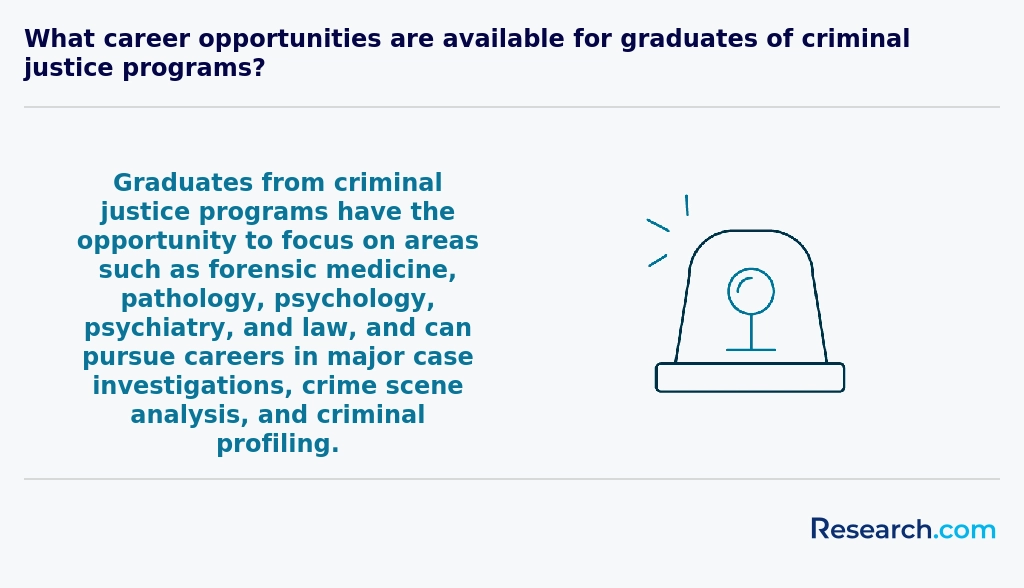
Graduates with an online Criminal Justice degree in the South can position themselves for some of the most lucrative roles in the field by targeting specialized career paths and advanced certifications. Below are five of the highest-paying criminal justice careers you can pursue, along with their median annual salaries:
- Crime Scene Investigator (CSI): $91,610 – Applying scientific methods to collect and analyze physical evidence, CSIs often work for law enforcement agencies or private firms, using state-of-the-art laboratory techniques and field protocols.
- Federal Special Agent (FBI, DEA, ATF): $80,000–$100,000+ – Agents in federal agencies investigate national and international crimes; competitive selection processes reward candidates with strong analytical, communication, and leadership skills.
- Corporate Security Manager: $95,000 – Leading security operations for businesses, these professionals design risk mitigation strategies, conduct threat assessments, and oversee loss-prevention teams.
- Criminal Intelligence Analyst: $85,000 – Analysts interpret data from multiple sources to forecast criminal trends, advise law enforcement on resource allocation, and support strategic decision-making.
- Forensic Science Technician: $69,260 – Technicians perform laboratory analyses of biological, chemical, and physical evidence, collaborating closely with CSIs and legal teams to ensure accurate case outcomes. To compare additional high-earning positions and explore educational prerequisites for each role, visit our guide on highest paid criminal justice jobs.
What financial aid is available to online criminal justice degree students in the South?
Imagine a graduate from a renowned Southern university balancing night shifts at a police department while zipping through online criminal justice courses without worrying about overwhelming debt. This balance becomes possible thanks to federal Pell Grants-those magical funds that don't ask for repayment, sometimes reaching up to $7,395. Completing the FAFSA unlocks this doorway, and the low-interest federal student loans offer a flexible safety net, turning financial stress into manageable steps.
Picture another student diving into criminal justice at a Texas college, their tuition lightened by the TEXAS Grant Program. This state-sponsored lifeline rewards in-state residents committed to fields like law enforcement, sculpting opportunity from tuition bills. Across Georgia and North Carolina, similar scholarships echo this promise, whispering encouragement to ambitious soul-crackers.
Then there's the institutional magic-scholarships granted by universities themselves, often meant for those blossoming in academics or dedicated to public safety careers. Many Southern institutions actively cheer on criminal justice scholars with targeted grants, making dreams a little closer.
Finally, envision folks already serving in law enforcement drawing on employment-based aid-tuition reimbursement and loan forgiveness that feel like rewards for their commitment rather than bills to dread. This patchwork of aid turns the Southern criminal justice journey not just achievable but vibrant with hope.
Fastest Online Programs for Career Advancement
When considering online Criminal Justice programs, particularly those in Virginia, students often look for options that can expedite their entry into the workforce. To cater to this need, many institutions offer accelerated or fast-paced programs. For instance, exploring the fastest online criminal justice programs in Virginia can provide insights into curricula designed to prepare students for careers in law enforcement, corrections, and forensic science more quickly. These programs, often structured with shorter terms and intensive coursework, enable students to complete their degrees in less time than traditional programs, making them ideal for those eager to start their careers sooner. Furthermore, the flexibility of online learning allows students to balance their studies with work and other commitments, making these fast-paced programs particularly appealing to working professionals looking to enhance their careers in criminal justice.
What are the prerequisites for enrolling in online criminal justice degree program in the South?
To step into an online criminal justice program in the South, your journey often begins with the classic ticket: a high school diploma or GED. Imagine a graduate from a well-known Southern university recalling how those simple credentials were the golden key to entry, opening doors to something far bigger than paperwork-a career charged with purpose and impact.
Beyond that, many Southern schools warmly welcome transfer students who bring along community college credits or an associate degree, letting them slide seamlessly into four-year programs. This pathway doesn't just save time; it softens the financial blow, with tuition for in-state students hovering between $6,000 and $15,000 annually-a relief for many eager learners balancing work, life, and studies.
Graduates often share how test-optional policies gave them room to shine with their personal statements and letters of recommendation instead of stressing over SAT or ACT scores. Crafting a narrative about passion for justice or jotting down experiences working with local law enforcement often stirred pride and boosted confidence during admissions.
Some programs ask for a peek behind the curtain-background checks remind students that criminal justice isn't just theory but a real-world commitment to integrity. These hurdles felt less like barriers and more like rites of passage, reaffirming their dedication to the field.
Maximizing Your Earning Potential: Top High-Paying Criminal Justice Careers
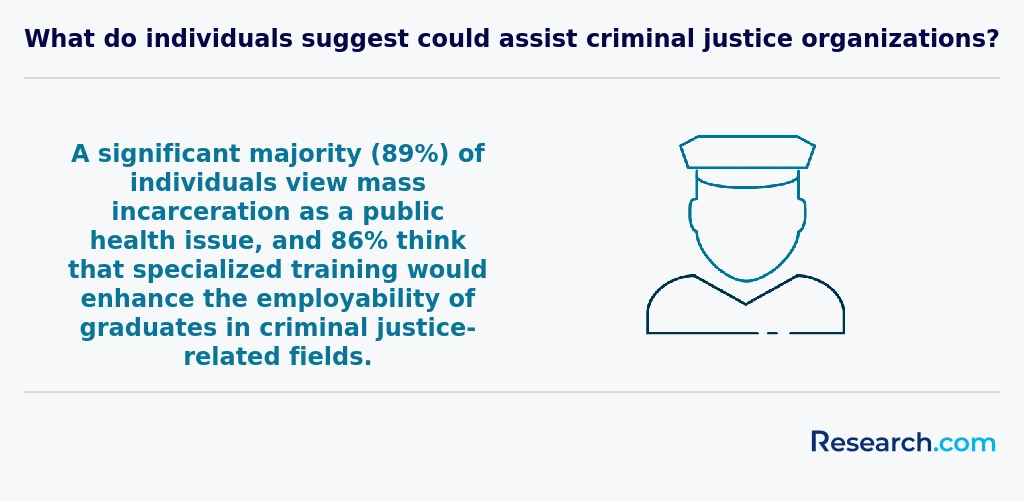
Leveraging an online Criminal Justice degree to secure a high-paying role requires strategic specialization, certifications, and practical experience. While traditional positions like police officer and correctional officer offer solid entry-level salaries, roles such as federal special agent, digital forensics analyst, and criminal intelligence manager often command significantly higher pay. To explore the full range of lucrative opportunities in the field, visit our guide to highest paid criminal justice jobs. Many of these top-earning positions demand advanced training or professional credentials. For example: • FBI Special Agent – average salaries exceed $60,000 in entry-level roles, rising above $100,000 with experience and specialized languages or cyber skills. • Digital Forensics Analyst – median annual wages around $95,000 for candidates with certifications such as CFCE or EnCE. • Criminal Intelligence Manager – leadership roles in law enforcement agencies can surpass $90,000, particularly with a Certified Criminal Intelligence Specialist (CCIS) credential. To position yourself for these high-paying careers, consider: • Pursuing specialized certificates in cybercrime, forensic accounting, or homeland security. • Gaining hands-on experience through internships with federal agencies or corporate security teams. • Developing soft skills in leadership, communication, and data analysis to qualify for managerial or investigative roles. By aligning your online degree pathway with these targeted specializations and industry certifications, you can maximize your return on investment and accelerate your career growth in criminal justice.
What courses are typically in online criminal justice degree programs in the South?
Diving into an online criminal justice degree in the South feels like stepping into a dynamic, virtual courtroom where you're not just a spectator but an active participant. Graduates from well-known Southern universities often recall their first encounter with Introduction to Criminal Justice, a course that unfolds the intricate dance between police, courts, and corrections-imagine peeling back the layers of your own community's justice system. Building on that, Criminology invites you to explore why people stray into crime, as if you're decoding a complex human puzzle, a skill graduates treasure when working citywide on prevention strategies.
Courses like Law Enforcement Procedures and Corrections bring textbook theory to life with vivid simulations of patrol routines or rehabilitation programs, perfect for hands-on learners juggling work and study. Southern programs, including those offered at respected state universities, weave in Judicial Process and Legal Studies, allowing students to grasp courtroom drama and legal ethics firsthand, a vital compass for decision-making in careers.
Students often speak warmly of Research Methods and Data Analysis, where they learn to wield data like a detective's magnifying glass, key to modern policing and security in the region. Electives like Cybercrime and Homeland Security reflect the South's unique blend of urban growth and border challenges, keeping students connected to real-world issues while studying from home.
What types of specializations are available in online criminal justice degree programs in the South?
Online criminal justice specializations in the South unfold like a vivid map of opportunity, each path tailored to the region's unique challenges and strengths. Imagine diving deep into Corrections at a prominent Southern university, where graduates describe the fulfillment of directly impacting rehabilitation efforts in communities often grappling with high incarceration rates. Others find their calling in Law Enforcement, embracing roles that blend tough investigative skills with compassionate community policing-a balance nurtured by the Southern justice landscape.
Southern US criminal justice degree concentration options also include the rapidly evolving Cybercrime and Digital Forensics, where students become digital detectives safeguarding vital infrastructures against invisible threats. Forensic Science enthusiasts relish hands-on crime scene analysis, while Homeland Security scholars gear up for national defense with a keen eye on regional emergency readiness. Juvenile Justice, a specialization close to many hearts, equips learners to transform young lives impacted by the system.
Graduates from these programs often share how aligning their studies with local needs not only deepens their passion but also boosts their chances in the job market, especially when eyeing the highest paid criminal justice jobs. Through these focused lenses, Southern students build expertise that resonates beyond textbooks, making their educational journey not just practical but profoundly personal.
How do you choose the best online criminal justice degree in the South?
When seeking the best online criminal justice degree programs in the South, picture yourself navigating a labyrinth where regional accreditation is your trusted compass-universities like those in Georgia or Florida offer solidly accredited programs that graduates rave about for opening doors in law enforcement or forensic labs. One graduate described feeling empowered knowing their degree held weight because of accreditation by esteemed bodies like SACSCOC and ACJS. In the South, affordability isn't just a number; it's a lifeline. Many students found relief choosing institutions with tuition in the $6,000-$15,000 range, often with scholarships or in-state rates softening the financial blow. If you want a real insider tip, explore curriculum depths with specializations that resonate-imagine mastering cybercrime or corrections online while balancing a full workday, thanks to asynchronous classes crafted for Southern learners' needs.
Flexibility is king here: graduates from popular Southern colleges cherish career services tailored to criminal justice, which transformed their academic hustle into meaningful job placements. Dive into programs offering internships or fieldwork, even virtually, to build hands-on skills reflecting Southern community challenges.
For those hunting affordable criminal justice degrees in Southern states, don't miss exploring the Inexpensive Criminal Justice Degree Programs Ranking in New York for a surprising peek at cross-regional options students consider.
What career paths are available for online criminal justice degree students in the South?
Graduates diving into online criminal justice careers in the South often find themselves stepping into dynamic roles where every day tells a story. Picture a recent graduate from a well-known Southern college collaborating with Houston's largest police department, uncovering layers of complex cases as a detective. The thrill of such law enforcement positions pulsates through Texas, Florida, and Georgia's vibrant urban centers, where criminal justice degree job opportunities southern states offer not just jobs but purposeful lives.
Others embark on journeys within corrections, balancing firm discipline with rehabilitation efforts. Graduates describe the rewarding challenge of working in correctional facilities or probation offices, often applying human-centric methods learned online to foster real change. Southern universities are hubs for nurturing this blend of toughness and empathy, making online studies both accessible and impactful.
Legal support roles flourish too, with graduates drawn to victim advocacy or court assistance in states like Louisiana, responding to higher crime rates with heart and expertise. Meanwhile, the private sector, especially in financial cities like Charlotte, transforms graduates into cybersecurity sentinels or private investigators, safeguarding digital frontiers. Many savvy students explore 6 month certifications that pay well to complement their degree and accelerate their path in this thriving southern landscape.
What is the job market for online criminal justice degree in the South?
The job outlook for online criminal justice degrees in the South flows like a rising tide-steady, promising, and anchored in real opportunity. Graduates from universities such as the University of Alabama or Florida State find themselves slipping comfortably into roles at local law enforcement agencies or probation offices. Many share stories of balancing night shifts with coursework, empowered by the flexibility online programs offer. They appreciate how southern states' growing metro centers like Atlanta or Houston provide fertile ground for employment growth for criminal justice graduates Southern states, where local governments prioritize public safety investments and reform. The demand for well-educated officers and analysts is palpable.
Stories circulate about those who transitioned from civilian jobs into the justice system without uprooting their lives-thanks to affordable tuition rates and adaptable schedules at regional colleges. For some, the path even leads to specialized federal positions or private security roles. If you're weighing costs, consider exploring low cost phd programs that align with your career ambitions as you dive into this field.
Frequently Asked Questions About criminal justice
Students pursuing online criminal justice degrees in the South can maximize their learning by actively engaging with digital resources and faculty. Southern institutions often offer flexible schedules and access to experienced instructors who specialize in regional criminal justice issues, including policies unique to states like Texas and Florida. Utilizing virtual internships with local law enforcement or legal agencies enhances practical understanding. According to the Southern Association of Colleges and Schools (SACS), accredited programs maintain high standards that facilitate career readiness. Additionally, joining online student forums and professional groups helps develop networks critical for job placement in southern criminal justice fields.
Emerging niches within the criminal justice field reflect growing societal and technological changes, especially relevant for students in the South pursuing online degrees. Cybersecurity and digital forensics are expanding rapidly as law enforcement agencies tackle internet-based crime. According to the Bureau of Labor Statistics, jobs in cybersecurity are projected to grow 35% from 2021 to 2031 nationwide, with strong demand in southern states like Texas and Florida.
Additionally, areas such as homeland security and emergency management have become critical, particularly in coastal regions vulnerable to natural disasters. Criminal justice programs in the South often emphasize these specialties to meet regional needs.
Other developing niches include juvenile justice reform and forensic psychology, addressing evolving social justice concerns and mental health intersections.
After completing an online criminal justice degree in the South, preparing for the job market involves several important steps. First, gaining relevant experience through internships or volunteering with local law enforcement agencies can enhance practical skills. Southern states like Texas and Florida report high demand in public safety roles, so networking within these communities is crucial.
Additionally, obtaining necessary certifications-such as state-specific peace officer licenses-can improve employment prospects. According to the Bureau of Labor Statistics, criminal justice careers in the South are expected to grow by about 7% through 2030, signaling steady opportunities.
Finally, tailoring your resume to highlight online learning adaptability and completing background checks early can give candidates a competitive edge.
Employers in the South highly value criminal justice graduates who demonstrate strong analytical and critical thinking skills. These abilities help professionals interpret laws, assess cases, and make informed decisions on complex issues.
Effective communication is another key skill, as the work often involves interacting with diverse communities and collaborating with law enforcement or legal teams. According to the Bureau of Labor Statistics, communication skills increase the chances of career advancement in Southern law enforcement agencies.
Technical proficiency is increasingly important, particularly familiarity with crime analysis software and cybersecurity basics. The growing integration of technology in criminal justice means graduates with these skills have a competitive edge.
Finding internships in the Southern United States relevant to a criminal justice degree involves targeting local law enforcement agencies, courts, and social service organizations. Many Southern states like Texas, Florida, and Georgia offer numerous internship opportunities through state and local police departments. According to the Bureau of Labor Statistics, the South houses a significant portion of the nation's criminal justice workforce, making internships accessible in both urban and rural areas.
Students should explore partnerships their online programs may have with regional agencies, often facilitated by university career centers. Networking through professional organizations such as the Southern Criminal Justice Association can also yield valuable leads.
Additionally, local government websites and internship databases like those managed by the National Institute of Justice often list positions in detention facilities, probation offices, and victim advocacy groups. Starting early and applying broadly increases chances of securing a position that offers hands-on experience and professional growth within the region.
In the Southern United States, earning an online criminal justice degree can significantly enhance career mobility and advancement opportunities. Many employers in law enforcement, corrections, and federal agencies recognize online degrees accredited by reputable institutions, which align with national standards. According to the Bureau of Labor Statistics, Southern states like Texas, Florida, and Georgia are experiencing steady growth in criminal justice jobs, with projected increases of 8-12% through 2030.
Graduates with online degrees often qualify for higher-level positions, such as supervisory roles or specialized fields like cybercrime investigation. Additionally, continuing education through flexible online programs allows working professionals to maintain employment while gaining credentials, improving their competitive standing.
Studying for a criminal justice degree in the South equips students with a strong interdisciplinary foundation. Southern programs often integrate courses in psychology, sociology, and public administration, reflecting the region's diverse social challenges. This approach prepares graduates to work effectively in roles that overlap law enforcement, social work, and community advocacy.
Many Southern universities emphasize partnerships with local agencies, offering real-world experience that reinforces interdisciplinary skills. According to the Bureau of Labor Statistics, Southern states like Texas and Florida lead nation-wide employment in criminal justice fields, highlighting regional demand for professionals with versatile expertise.
Online programs further enhance accessibility for working adults, incorporating practical case studies relevant to Southern communities. These elements collectively foster adaptability, critical thinking, and collaborative skills essential for interdisciplinary roles across the criminal justice spectrum.
Choosing between a thesis and a non-thesis criminal justice degree in the South depends on your career goals and learning preferences. Thesis programs involve conducting original research and writing a detailed paper, ideal for students aiming for advanced studies or research roles. Non-thesis options often focus more on coursework and practical skills, suiting those prioritizing immediate employment or professional development.
In the Southern U.S., many online criminal justice programs offer both tracks. According to the Bureau of Labor Statistics, the region is projected to see a 10% growth in criminal justice jobs through 2031, increasing demand for practical skills.
Thesis options tend to take longer but can enhance analytical abilities, while non-thesis paths are usually shorter and more flexible. Consider factors like faculty support, curriculum strength, and alignment with your long-term plans when deciding.
Students based in the South interested in studying criminal justice abroad have limited direct options through fully online international programs. Most Southern institutions offering online criminal justice degrees focus on U.S.-based curricula. However, some universities provide study-abroad opportunities or international internships as part of their degree paths. For example, select Southern schools may partner with European universities for short-term exchanges or collaborative research projects.
It is important to note that the Southern Association of Colleges and Schools Commission on Colleges (SACSCOC) accredits most Southern institutions, which often requires adherence to U.S.-centric criminal justice standards.
Students seeking international experience should verify credit transfer policies and the recognition of foreign coursework by their home institutions.
Part-time job opportunities in the South that align well with criminal justice degree studies include positions such as security officers, correctional facility aides, and law enforcement assistants. According to the U.S. Bureau of Labor Statistics, the Southern states show steady demand for security-related roles, which provide practical experience relevant to criminal justice careers.
Many students also find internships with local police departments or social service agencies. These roles offer hands-on exposure to legal procedures and community safety programs, complementing academic knowledge.
Additionally, crisis hotline attendants and victim advocates can gain valuable communication skills crucial to criminal justice professions. These roles allow students to apply theoretical learning in real-world settings, enhancing employability after graduation.
Online criminal justice students in the South benefit from a variety of networking opportunities despite their remote status. Many Southern universities partner with local law enforcement agencies, nonprofit organizations, and courts to offer virtual internships and mentorship programs. This access helps students build professional connections in regions where demand for criminal justice professionals remains strong. According to the Bureau of Labor Statistics, Southern states like Texas and Florida have some of the highest employment levels in criminal justice fields, enhancing regional networking potential. Additionally, student access to statewide and regional virtual conferences, alumni groups, and professional organizations offers valuable platforms for career development.
Alumni networks play a crucial role for online criminal justice degree students in the South by providing valuable connections to the regional job market. These networks often facilitate mentoring, internships, and job placement opportunities within Southern states where law enforcement and justice agencies actively recruit graduates.
Members can access industry-specific resources and events tailored to the Southern criminal justice system, enhancing their knowledge and professional skills. According to the Southern Regional Education Board, schools with strong alumni engagement report higher employment rates among graduates in public safety roles.
Networking through alumni also supports career advancement in a field where relationships and local knowledge matter significantly, especially in diverse Southern communities.
Many online criminal justice degree programs in the South offer customizable options to align with your career goals. Students can often select concentrations such as law enforcement, cybersecurity, corrections, or forensic science. For example, programs accredited by the Southern Association of Colleges and Schools Commission on Colleges (SACSCOC) typically provide flexible electives and specialized tracks.
You may also choose between theoretical courses and practical skill-based learning, which prepares you for roles in agencies like the FBI or local sheriff's departments. According to the Bureau of Labor Statistics, demand for criminal justice professionals in southern states like Texas and Florida is expected to grow by 6% through 2032.
Internships, capstones, and partnership opportunities with regional law enforcement provide hands-on experience tailored to your interests. Advisors in these programs help design study plans that fit your career trajectory, balancing foundational knowledge with specialized skills. This customization enhances job readiness in diverse sectors within criminal justice.
Online criminal justice students in the South often face challenges related to limited access to reliable broadband internet. According to the FCC, approximately 22% of rural Southern households lack high-speed internet, affecting their ability to participate in live lectures and submit assignments timely.
Another issue is balancing coursework with work and family obligations. Many students are working adults or parents, and time management becomes critical when courses are asynchronous but demanding.
Additionally, students may encounter fewer local internship or practical training opportunities in criminal justice, which are essential for hands-on experience and networking.
Finally, navigating financial aid and understanding state-specific licensing requirements for criminal justice careers can be complex in the online environment.
Graduates with an online criminal justice degree in the South have access to various professional certifications that can enhance career opportunities. Common certifications include Certified Protection Professional (CPP), offered by ASIS International, which focuses on security management skills.
The Southern Criminal Justice Association highlights the importance of certifications like the Professional Certified Investigator (PCI) and the Certified Law Enforcement Analyst (CLEA), designed for investigative and analytical roles. Additionally, certifications from the International Association of Crime Analysts (IACA), such as the Crime Analyst Certification, are valued in many Southern agencies.
These credentials often require a combination of education, experience, and passing an exam, and they can significantly impact employment and salary potential in the region's competitive criminal justice market.
When applying to an online criminal justice program in the South, start with a clear and concise personal statement. Highlight your interest in the field and any relevant experience or skills. Admissions officers value applicants who demonstrate a strong commitment to justice and community service. Many Southern universities require a minimum GPA of around 2.5 to 3.0, so ensure your academic records meet these standards.
Include any professional or volunteer experience related to law enforcement or social services. This practical background can strengthen your application. South Carolina's Bureau of Labor Statistics notes criminal justice graduates have strong job prospects, underlining the importance of a focused application. Finally, tailor your essay to reflect an understanding of criminal justice challenges specific to Southern states, such as rural crime trends or community policing efforts.
Criminal justice careers are increasingly gaining attention worldwide, reflecting a global need for skilled professionals in law enforcement, legal systems, and corrections. For students in the South considering online degrees, understanding this global context is valuable. The U.S. criminal justice system, particularly in Southern states like Texas and Florida, serves as a model influencing international criminal justice policies.
Globally, justice systems face challenges such as corruption and human rights concerns, positioning U.S.-trained professionals as important contributors to reform efforts. The Bureau of Labor Statistics projects a 3% growth in criminal justice jobs nationally from 2022 to 2032, with Southern states often exceeding this average.
These trends underscore the value of pursuing a criminal justice career with a global perspective, especially through accessible online programs based in the South.
Gaining practical experience while studying for an online criminal justice degree in the South is essential for career readiness. Many programs in the region offer internship opportunities with local law enforcement agencies, courts, or correctional facilities. These internships provide hands-on exposure to the field and help build professional networks.
Additionally, online students can participate in virtual simulations and case studies that develop critical thinking and decision-making skills. Some Southern universities collaborate with community organizations to provide service-learning projects, which add real-world context to academic studies.
According to the Bureau of Labor Statistics, internships increase the likelihood of employment post-graduation in Southern states by around 15%. Students should consult their program advisors early to secure these practical experiences.
Choosing the right concentration within an online criminal justice degree program in the South requires assessing your career goals and interests. Common concentrations include corrections, law enforcement, cybersecurity, and forensic science. According to the Bureau of Labor Statistics, some Southern states, like Florida and Texas, show faster job growth in cybersecurity and forensic tech roles.
Consider local job markets since Southern states have varying law enforcement and legal needs. Research universities often share job placement rates by concentration, which can guide your decision. Programs accredited by the Academy of Criminal Justice Sciences may offer stronger industry connections. Aligning your concentration with growing fields like cybercrime or homeland security can improve long-term employment prospects.
Top Trending Criminal Justice Rankings
See What Experts Have To Say About Studying Criminal Justice
Read our interview with Criminal Justice experts

James W. Marquart
Criminal Justice Expert
Associate Provost and Professor of Criminology
Texas Christian University

David Carter
Criminal Justice Expert
Professor, School of Criminal Justice
Michigan State University

Mark Moore
Criminal Justice Expert
Research Professor of Public Management
Harvard University

References
- How Much Does A Criminal Justice Degree Cost? https://imagine-america.org/blog/much-criminal-justice-degree-cost
- 25 Jobs You Can Get With A Criminal Justice Degree https://www.criminaljusticedegreeschools.com/careers/best-criminal-justice-jobs/
- Why criminal justice careers are becoming more specialized https://www.police1.com/career-development/why-criminal-justice-careers-are-becoming-more-specialized
- CJA Events and Members Meetings | Criminal Justice Alliance https://www.criminaljusticealliance.org/cja-events-member-meetings/
- Study Criminal Justice Abroad | Go Overseas https://www.gooverseas.com/study-abroad/criminal-justice
- Criminal Justice Career Goals https://www.bartleby.com/essay/Criminal-Justice-Career-Goals-8B09294D4789A4A5
- The Current Challenges of International Criminal Law - FIBGAR https://fibgar.es/en/portfolio-item-en/the-current-challenges-of-international-criminal-law/
- Jobs with a degree in Criminal Justice | Monroe University https://www.monroeu.edu/academics/undergraduate-programs/school-criminal-justice/what-can-you-do-criminal
- Criminal Justice Degree Requirements | University of Bridgeport https://www.bridgeport.edu/news/criminal-justice-degree-requirements/
- Begin Your Criminal Justice Journey at South University https://www.southuniversity.edu/degree-programs/criminal-justice-and-legal-studies/criminal-justice-bs