
2027 Most Valuable Criminal Justice Degree Programs Ranking in Denton

Co-Founder and Chief Data Scientist
Choosing the right criminal justice degree program can shape your future career and open doors to meaningful opportunities. For students in Denton, our article introduces the 2027 Most Valuable Criminal Justice Degree Programs Ranking in Denton, carefully developed by the Research.com team of data scientists.
This ranking helps you identify which programs offer the best value and career potential, making your decision easier and more confident. Pursuing a criminal justice degree is a powerful step toward making a positive impact in your community and beyond.
Key benefits of getting criminal justice degree in Denton
- Strong salary prospects: Graduates in Denton pursuing criminal justice roles can expect competitive pay, such as police officers earning about $76,550 annually and crime scene investigators making around $95,930 per year.
- Diverse career paths: A criminal justice degree from a Denton college opens doors to careers like court clerks, correctional officers, and forensic science technicians, offering dynamic and rewarding opportunities.
- Flexible online learning benefits: Completing your criminal justice degree online allows you to balance work and study effectively, just like many Denton students who appreciate the convenience and ability to learn at their own pace.
- Key benefits of getting criminal justice degree in Denton
- What can I expect from criminal justice degree in Denton?
- Where can I work with criminal justice degree in Denton?
- How much can I make with criminal justice degree in Denton?
- 2027 Most Valuable Criminal Justice Degree Programs Ranking in Denton
- Key Findings
- How long does it take to complete criminal justice degree in Denton?
- Professional Certifications and Licensing Requirements
- What's the difference between online and on-campus criminal justice degree?
- Internship and Experiential Learning Opportunities
- What is the average cost of criminal justice degree in Denton?
- What financial aid is available to criminal justice degree students in Denton?
- What are the prerequisites for enrolling in criminal justice degree program in Denton?
- Why Choosing the Right Criminal Justice Program Matters
- What courses are typically in criminal justice degree programs in Denton?
- What types of specializations are available in criminal justice degree programs in Denton?
- How do you choose the best criminal justice degree in Denton?
- What career paths are available for criminal justice degree students in Denton?
- What is the job market for criminal justice degree in Denton?
- Top Trending Criminal Justice Rankings
- See What Experts Have To Say About Studying Criminal Justice
What can I expect from criminal justice degree in Denton?
Contrary to the common belief that a criminal justice degree in Denton demands impractical financial sacrifices, the average cost often proves manageable, especially when considering the value delivered. Graduates from the University of North Texas and other local institutions typically report tuition and fees ranging between $10,000 and $15,000 per year for in-state students, with access to scholarships and financial aid easing the burden. This investment is not just about tuition-it's about entering a program deeply intertwined with real law enforcement agencies, providing hands-on internships and meaningful professional connections.
One graduate vividly recalls balancing coursework with an internship at Denton's police department, an experience that transformed abstract legal theories into real-world problem-solving. Such interactions highlight how the cost translates into immersive education, preparing students for rewarding careers rather than just academic credits. Considering local job placement and average starting wages around $50,000, this degree's cost is a strategic step rather than a simple expense.
Where can I work with criminal justice degree in Denton?
A criminal justice degree in Denton opens doors far beyond the expected patrol officer roles. Graduates from institutions like the University of North Texas find themselves immersed in careers at the Denton Police Department, filling positions such as crime scene technicians or community service officers-jobs that demand critical thinking and ethical judgment developed through rigorous coursework. These roles allow a daily impact on local safety, blending theory with real-world challenges.
Others discover opportunities with the Denton County Sheriff's Office, stepping into roles as deputies or court security personnel, where academic knowledge translates into protecting and serving the community with visible pride. The proximity to larger agencies like the Texas Department of Criminal Justice or federal offices expands career horizons, from parole supervision to investigative special agent paths.
Graduates also thrive in private sectors-security consulting firms and forensic service providers actively seek candidates from Denton's colleges who bring fresh perspectives to risk management and rehabilitation programs. This blend of public and private possibilities makes Denton a dynamic hub for criminal justice careers, perfectly suited for those eager to transform study into meaningful impact.
How much can I make with criminal justice degree in Denton?
Graduates from criminal justice programs at schools like the University of North Texas in Denton often face energizing opportunities, with salaries that defy simple national averages. For example, police officers in the area earn a mean annual wage of about $76,550, reflecting local demand and the hands-on experience these graduates gain during internships and networking in Denton's law enforcement community.
Consider correctional officers, whose median pay nationwide is around $58,810, but Denton graduates often find themselves at the higher end of that scale thanks to competitive local government roles. These figures are not just numbers-they represent real career steps that students from Denton's programs take, moving confidently into positions with solid benefits and growth potential.
Meanwhile, for those with a forensic science focus, the mean annual wage of $71,540 offers a glimpse into specialized fields where Denton's access to crime labs and internships amplifies career readiness. Crime scene investigators earn even more, with salaries near $95,930, showing how advanced skills sharpened locally can translate into lucrative roles.
These salary outcomes challenge the misconception that criminal justice careers lack financial reward, especially when you leverage the unique educational paths and connections found in Denton's vibrant academic environment.
2027 Most Valuable Criminal Justice Degree Programs Ranking in Denton
How do we rank schools?
Investing in your education is a significant decision that can shape your future, and the Research.com team understands the importance of making informed choices. To assist prospective students in Denton, we have meticulously crafted the "2027 Most Valuable Criminal Justice Degree Programs Ranking in Denton." Our commitment to quality, credibility, and accuracy is reflected in the extensive research and analysis conducted to compile this ranking.
We utilized the following reputable data sources to ensure a comprehensive evaluation of criminal justice degree programs:
By exploring this ranking, readers will gain valuable insights into the most valuable criminal justice degree programs available in Denton, helping them make informed decisions about their educational paths. For more details on our methodology, please visit our Research.com methodology page.


Key Findings
- The University of North Texas in Denton offers comprehensive criminal justice courses focusing on law enforcement, corrections, and the American legal system.
- Tuition for in-state students at public universities like UNT ranges from $9,000 to $12,000 per year, while private institutions charge between $20,000 and $30,000 annually.
- Graduates can expect starting salaries from $38,000 to $45,000 per year, with potential growth to $55,000 to $65,000 depending on experience and specialization.
- Employment for protective service occupations in the Denton area is projected to grow about 5% over the next decade, showing steady job opportunities.
- Students benefit from partnerships with local law enforcement offering internships and networking to improve job prospects.
How long does it take to complete criminal justice degree in Denton?
Completing a criminal justice degree in Denton is rarely a one-size-fits-all journey. Graduates from the University of North Texas often share how a traditional four-year bachelor's path deeply immersed them in both theory and practical experience, blending classroom knowledge with local internships. Meanwhile, those from North Central Texas College who opted for an associate degree found themselves stepping into entry-level roles more quickly, often within two years, fueling a sense of early accomplishment and direction.
Some master's students recount balancing demanding careers alongside their studies, stretching their completion time anywhere from 18 months up to three years. The flexibility offered by Denton's graduate programs-sometimes online or part-time-creates space for working professionals to persevere without sacrificing income or family time. These varied rhythms highlight a powerful truth: the time it takes isn't just about credit hours, but about fitting the degree into your life's mosaic.
For many, acceleration is possible by embracing summer courses or heavier loads, turning conventional timelines on their heads. The choice is yours to craft a timeline that suits your pace, goals, and circumstances-proving that in Denton, completing a criminal justice degree is as much about personal resolve as it is about academic requirements.
Professional Certifications and Licensing Requirements
After earning a Criminal Justice degree in Denton, TX, many careers require additional certification and licensure to meet state and federal standards. Whether you aspire to serve as a licensed peace officer or specialize in forensic science, understanding these requirements is critical for maximizing your employability and ensuring compliance. Licensing for Peace Officers
- Peace Officer Standards and Training (POST): Candidates must complete the Texas Commission on Law Enforcement (TCOLE) Basic Peace Officer Course (643 training hours) and pass the TCOLE exam, covering criminal law, firearms, and emergency response.
- Continuing Education Units (CEUs): Annual CEUs-ranging from de-escalation tactics to mental health awareness-are required to renew your license and stay current with policing best practices. Specialized Certifications
- Certified Forensic Science Technician (CFST): Offered by the International Association for Identification, this certification validates expertise in crime scene investigation, evidence collection, and laboratory analysis.
- Crime Prevention Specialist (CPS): Provided by the Texas Municipal Police Association, CPS certification focuses on proactive community policing, data-driven crime analysis, and neighborhood outreach strategies. Federal Agency Qualifications For graduates targeting federal law enforcement roles-such as the U.S. Marshal Service-exploring how much does it cost to become a us marshal provides clarity on training expenses, application fees, and required pre-employment testing. Advanced and Professional Development Credentials
- Probation Officer Certification: Administered by the Texas Department of Criminal Justice, this credential emphasizes case management, counseling techniques, and legal compliance for community supervision roles.
- FEMA Emergency Management Institute (EMI) Certification: EMI courses equip graduates for disaster response, crisis management, and interagency coordination.
- Grant Writing and Research Certification: Through the Society of Research Administrators International (SRAI), this credential enhances skills in securing federal and private funding for justice initiatives. By pursuing these certifications and maintaining active licensure, Criminal Justice graduates in Denton, TX not only meet employer requirements but also stand out in a competitive job market, positioning themselves for rapid career advancement and demonstrating a strong commitment to public safety and professional excellence.
What's the difference between online and on-campus criminal justice degree?
In Denton, choosing between an online and on-campus criminal justice degree reveals more than just a scheduling preference-it shapes your entire learning experience. Graduates from the University of North Texas, for instance, share how online programs offered them essential flexibility to balance jobs and family, tapping into faculty expertise without the daily commute. Yet, they often note the challenge of self-motivation and missing in-person debates that bring criminal justice scenarios to life.
Conversely, on-campus students relish direct engagement, accessing hands-on opportunities like mock trials or internships arranged through partnerships with the Denton Police Department. These experiences, often cited by recent graduates, foster a deeper connection with the field and boost job prospects by building real-world skills and networks.
Cost and learning environment also diverge-while public campuses may offer more affordable in-state tuition, online students save on travel but face extra fees. The choice demands reflection on how you best absorb information and what practical advantages will serve your criminal justice career goals in Denton's vibrant legal community.
Internship and Experiential Learning Opportunities
Hands-on experience is a cornerstone of Criminal Justice education in Denton, TX, giving students a real-world edge and bolstering employability upon graduation. Top programs partner with local agencies to offer credit-bearing internships and practicums that immerse students in every facet of the justice system.
- Denton Police Department Ride-Along: Under faculty supervision, interns accompany patrol officers on shifts, observe community policing strategies, and assist with data collection for crime-prevention research.
- Denton County Sheriff’s Office Corrections Rotation: Students spend up to 120 hours in county jails, supporting intake processing, inmate classification, and rehabilitation program coordination, earning practicum credit and professional references.
- Forensic Science Lab Practicum at UNT: In the University of North Texas crime lab, interns learn evidence handling, basic toxicology screening, and digital forensics workflows under certified forensic scientists.
- State and Federal Placements: Advanced students can secure competitive internships with the Texas Department of Criminal Justice or the FBI’s Dallas Field Office, developing case-management and investigative skills. These opportunities often translate directly into job offers-graduates report a 75% conversion rate from internship to full-time role. To ensure interns make the most of these placements, programs typically require a minimum GPA of 3.0, a background check, and completion of a preparatory workshop on ethics and confidentiality. For prospective students balancing cost and hands-on learning, it’s worth exploring our Cheapest Criminal Justice Degree Programs Ranking in Vermont, which highlights programs that also prioritize experiential components without breaking the bank. By integrating classroom theory with field experience, Denton’s Criminal Justice programs prepare you to hit the ground running from day one of your career.
What is the average cost of criminal justice degree in Denton?
Understanding the average cost of criminal justice degree Denton students face pushes us beyond simple numbers. The median in-state total cost hovers just above $11,000, making Denton a realistic option for many aspiring professionals. Graduates often reflect on the balance they strike between managing expenses and investing in their futures, especially when attending the University of North Texas, where criminal justice remains a flagship program.
These students vividly recall juggling tuition with living expenses and textbooks, confronting the real-world hurdles of budgeting while embracing the rewarding challenge of their studies. For those who consider out-of-state options, the financial demands can quickly multiply, illuminating the crucial role of targeted financial aid and scholarships that local colleges in Denton often provide. This dynamic vividly illustrates criminal justice degree expenses Denton Texas students weigh-where added fees and supplies can tip budgets unexpectedly yet remain manageable with planning.
Graduate students face even steeper tuition, sometimes more than double undergraduate costs, prompting deeper reflection on the value and commitment required. It's instructive to examine how understanding what does an actuary do daily in public safety and community service roles parallels the practical insights criminal justice students gain, enhancing their readiness for future careers. Choosing to study in Denton offers a tangible example of education investment, fostering both professional growth and community impact.

What financial aid is available to criminal justice degree students in Denton?
Many criminal justice students in Denton discover that federal aid transforms their educational journey. Completing the FAFSA opens doors to grants like the Pell Grant, which can cover up to $7,395 annually without repayment obligations. This relief allows students at Denton's prominent schools, such as the University of North Texas, to focus more on their studies and less on financial stress.
State aid plays a subtle but vital role, especially for those attending private institutions. The Texas Tuition Equalization Grant (TEG) acts as a financial lifeline, while the Texas College Work-Study Program offers students real-world work alongside earning money, blending education with experience.
Many graduates recall how institutional scholarships made their dreams tangible-recognition for leadership and dedication often translates into substantial tuition assistance. Imagine attending classes fueled as much by passion as by scholarship support, easing the path forward.
Specialized scholarships tied to public service obligations also present unique opportunities. For those envisioning careers in law enforcement, programs like FLETC funding offer both financial backing and a sense of purpose, turning education into a reciprocal commitment.
Local nonprofit scholarships further brighten the picture, providing targeted aid for public safety aspirants. When layered together, these diverse options foster hope and fuel ambition amidst Denton's criminal justice community.
What are the prerequisites for enrolling in criminal justice degree program in Denton?
To step into a criminal justice degree program in Denton, students must first demonstrate academic readiness that goes beyond simply holding a high school diploma or GED. At institutions like the University of North Texas, graduates recall how submitting official transcripts and maintaining a competitive GPA-usually between 2.5 and 3.0-felt like laying a solid foundation for understanding the complexities of law, ethics, and social dynamics.
Many prospective students find the standardized test scores, still valued by some schools despite test-optional trends, serve as an early confidence check. It's not just about numbers; the experience of passing a background check often resonates deeply with those who envision themselves working closely with law enforcement or courts in real-world internships.
Beyond academics, providing letters of recommendation and personal statements allows applicants to narrate their unique motivations and ethical compass, something former Denton students say helped admissions see beyond grades to the person behind the application. These requirements ensure readiness not just in study, but in character, a vital trait in criminal justice careers.
- High school diploma or GED
- Official transcripts
- Standardized test scores (SAT/ACT), if required
- Minimum GPA around 2.5 to 3.0
- Background check clearance
- Letters of recommendation and personal statements
Why Choosing the Right Criminal Justice Program Matters
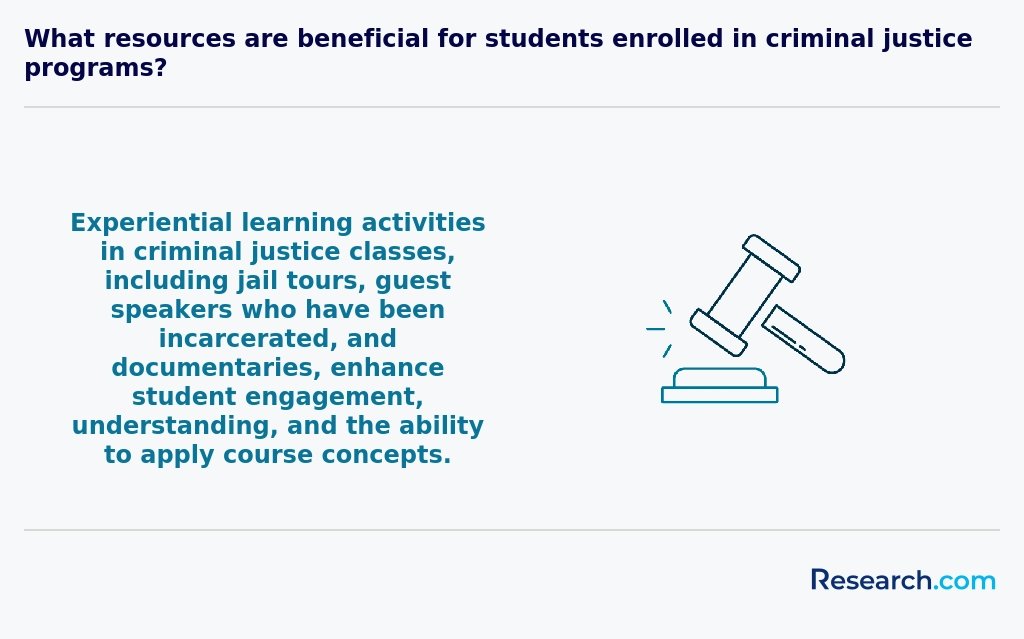
To make an informed decision about your education, it's essential to consider various factors, including the program's reputation, curriculum, and cost. Investing time in researching these aspects can significantly impact your future career prospects and overall job satisfaction. When exploring options, you might want to look into valuable criminal justice schools in Texas, which can provide valuable insights into the best programs available, helping you make a well-rounded decision that aligns with your goals and financial situation. By doing so, you'll not only ensure that you're well-prepared for the challenges of the criminal justice field but also set yourself up for success in a rewarding and impactful career.
What courses are typically in criminal justice degree programs in Denton?
Criminal justice degree programs in Denton, especially at institutions like the University of North Texas, immerse students in courses that go beyond textbooks, offering deeper insight into the justice system's complexity. Graduates often recall how foundational classes such as Introduction to Criminal Justice illuminated the interconnected roles of police, courts, and corrections, making abstract concepts feel immediate and tangible.
Programs challenge students with courses like Criminology and Research Methods in Criminal Justice, encouraging them to question assumptions about crime causes and data interpretation. Students practicing law enforcement procedures gain hands-on perspectives, often through collaborations with local agencies like the Denton Police Department, bringing classroom learning alive in real-world scenarios.
Ethics in Criminal Justice sparks intense reflection about the moral dilemmas justice professionals face daily, pushing students to critically assess their own values and future decisions. Electives in cybercrime and homeland security respond to evolving threats, showing prospective Denton students how their education is tailored for today's challenges with practical relevance and emotional engagement.
What types of specializations are available in criminal justice degree programs in Denton?
Choosing a criminal justice degree specialization in Denton means shaping your career within a diverse and evolving field. Students at popular institutions like the University of North Texas often dive into specializations such as Law Enforcement, where they engage in real-world ride-along experiences that bring theory to life. Others find themselves drawn to Forensic Science and Crime Scene Investigation, mastering lab techniques that turn evidence into compelling courtroom narratives. Corrections and Rehabilitation tracks challenge graduates to rethink the impact of rehabilitation within correctional facilities, inspiring a deeper commitment to transformative justice.
The best criminal justice career paths Denton TX offers don't stop there; rising concerns about digital crime push some towards Cybercrime or Cybersecurity specializations, blending cutting-edge technology with traditional criminal justice. Meanwhile, legal studies and ethics create pathways for those eager to influence policy and advocate for fair systems. Graduates share a common thread: a passion for making a difference locally, matched with tailored training that respects Denton's unique criminal justice landscape.
For students weighing their options, understanding the financial and educational investment in these specializations is crucial. Those curious about balancing passion with potential earnings often explore the highest earning potential college degrees, finding that smart specialization choices can lead to rewarding careers.
How do you choose the best criminal justice degree in Denton?
Choosing the best criminal justice degree in Denton means looking beyond surface-level factors like prestige or convenience. Graduates from the University of North Texas often emphasize how programs deeply connected to local law enforcement offer invaluable real-world internships, transforming theory into meaningful action. Reflect on whether a program's curriculum truly aligns with your ambition-do you want to impact policy, or jump straight into policing? Denton's criminal justice degrees stand out because they combine rigorous academics with hands-on experiences, shaping not just skilled professionals but confident changemakers.
Cost is always a concern, but savvy students who research affordable criminal justice colleges Denton TX avoid financial shock by seeking scholarships and understanding tuition trends. Remember, a cheaper degree isn't always the best investment unless it meets your career goals. Consider programs that provide transparent graduation rates and job placements to predict your own success. For those balancing work and study, exploring options like online master's degrees in management programs can serve as a strategic supplement to your education journey.

What career paths are available for criminal justice degree students in Denton?
Graduates with a criminal justice degree in Denton TX often find themselves at the crossroads of multiple impactful career paths. Many prefer stepping directly into law enforcement roles, inspired by local institutions like the Denton Police Department, where alumni speak of the rewarding challenge of serving diverse communities. Others gravitate toward corrections, engaging in vital work at Denton County's facilities, where a sense of purpose and steady career growth motivates their daily efforts. For those searching beyond traditional avenues, forensic science and criminal profiling offer intellectually stimulating roles, especially given Denton's proximity to bustling Texas metros like Dallas and Fort Worth, where crime labs and private firms thrive. The variety of options available means each graduate can carve out a unique trajectory aligned with personal passion, highlighting the rich career opportunities with Denton criminal justice degree programs. Exploring related fields can be made simpler by leveraging resources on best online accounting programs, which illustrate the growing importance of interdisciplinary expertise.

What is the job market for criminal justice degree in Denton?
The job market for criminal justice degree holders in Denton TX reflects a blend of steady traditional roles and emerging sectors. Graduates from popular institutions like the University of North Texas often find themselves recruited by local law enforcement agencies, such as the Denton Police Department, offering a real-world pathway to policing careers. These roles are supported by a stable demand, with wages competitive enough to encourage students to pursue specialized tracks.
Additionally, job opportunities for criminal justice graduates Denton extend beyond patrol duties. Many find rewarding careers in corrections, probation, or private security firms, where evolving needs for cybersecurity and compliance expertise create new career avenues. Graduates share stories of how internships with private firms helped develop skills that traditional programs might overlook. Cost-effective education options in Denton make these career transitions accessible without overwhelming debt.
Students curious about where to study can explore the valuable criminal justice schools in Texas, which balance affordable tuition with curriculum tailored to these expanding job sectors, anchoring their future in a dynamic market.
Frequently Asked Questions About criminal justice
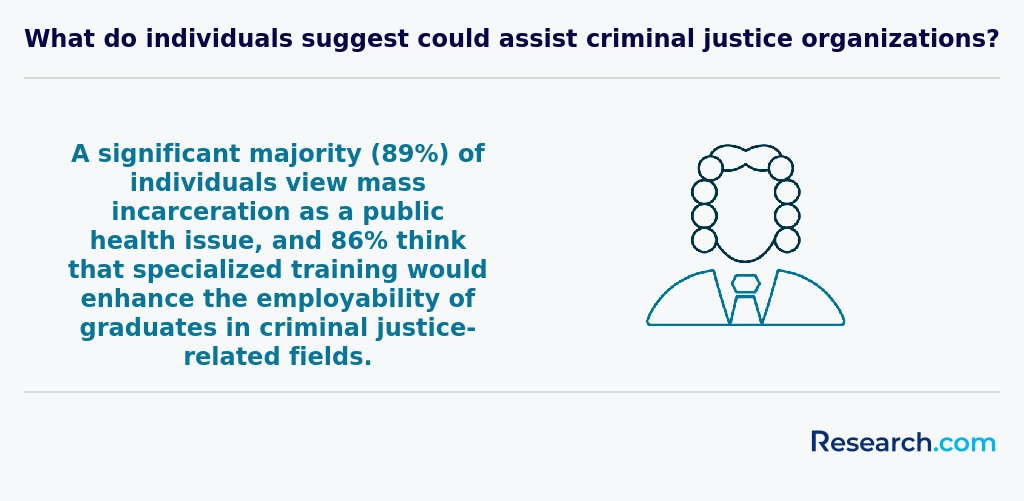
Criminal justice degree students in Denton can enhance their learning by engaging with local agencies such as the Denton Police Department, which offers internship opportunities. Hands-on experience complements classroom theory and builds practical skills. According to the Texas Higher Education Coordinating Board, experiential learning increases job placement rates by up to 20% for criminal justice graduates statewide.
Students should also take advantage of nearby institutions like the University of North Texas, which frequently hosts guest lectures from law enforcement professionals and legal experts. Joining relevant student organizations can foster networking and professional development.
Finally, staying informed about Denton's specific crime trends through public records and local law enforcement reports helps contextualize academic studies and prepares students for real-world challenges.
Emerging niches within the criminal justice field in Denton reflect broader national trends shaped by technological and social changes. One growing area is cybersecurity and cybercrime investigation, responding to increased digital threats. Professionals in this niche analyze cyberattacks and develop prevention strategies.
Another expanding field is forensic psychology, which blends psychology with law enforcement to support investigations and rehabilitation efforts. Additionally, restorative justice, focusing on mediation and reconciliation between offenders and victims, is gaining traction as an alternative approach.
According to the Bureau of Labor Statistics, Denton's law enforcement sector expects steady growth, especially in roles requiring specialized skills in these niches.
Preparing for the job market after completing a criminal justice degree in Denton involves several important steps. First, gaining practical experience through internships or volunteering with local agencies, such as the Denton Police Department or Denton County Sheriff's Office, significantly enhances employability. According to the U.S. Bureau of Labor Statistics, hands-on experience often leads to better job prospects in law enforcement and corrections.
Networking with professionals in Denton's criminal justice community can provide job leads and mentorship opportunities. Additionally, obtaining relevant certifications like Crime Scene Technician or Victim Advocate can improve your resume.
Finally, staying informed about local crime trends and justice policies in Denton, often detailed by local government reports, prepares graduates to address community-specific challenges effectively.
Employers in Denton seek criminal justice degree graduates who demonstrate strong critical thinking and analytical skills. These abilities are essential for evaluating evidence and making informed decisions in law enforcement and legal settings. Communication skills, both written and verbal, are highly valued as graduates often interact with diverse communities and prepare detailed reports. Knowledge of local laws and procedures specific to Texas, including Denton County regulations, enhances a candidate's employability.
Additionally, employers prioritize technological proficiency, such as familiarity with crime databases and forensic software. According to the Texas Criminal Justice Coalition, graduates with practical experience, including internships with Denton law enforcement agencies, have better job prospects and higher starting salaries.
Finding internships in Denton relevant to a criminal justice degree involves targeted research and networking. Many local law enforcement agencies, such as the Denton Police Department and Denton County Sheriff's Office, offer internship programs for students seeking practical experience. These internships often provide opportunities to assist with investigations, community outreach, and administrative tasks.
Additionally, Denton is home to several non-profit organizations focused on criminal justice reform and victim services, which can be valuable for gaining diverse experience. Students should also check with universities like the University of North Texas, which often partner with local agencies for internship placements.
The Texas Workforce Commission reports that internships in public safety fields in Denton have grown by 8% over recent years, reflecting increased opportunities.
Online job portals specific to Denton, including local government websites, frequently list current internship openings. Contacting academic advisors and attending local criminal justice networking events can further enhance internship prospects.
A criminal justice degree in Denton can significantly enhance career mobility and advancement within the local public safety and legal sectors. According to the Bureau of Labor Statistics, jobs in law enforcement and corrections in Texas are growing at a steady pace, with Denton County experiencing about 3% annual growth in related occupations.
This degree equips students with essential knowledge of the criminal justice system, improving eligibility for roles such as police officer, probation officer, or federal agent. Denton's law enforcement agencies often prefer candidates holding formal degrees, which can lead to faster promotions and specialized assignments.
Furthermore, graduates with a criminal justice degree commonly report higher starting salaries and have better chances of accessing supervisory roles. Institutions like the University of North Texas offer internships and partnerships with Denton agencies, fostering career connections that support advancement.
Studying for a criminal justice degree in Denton offers strong preparation for interdisciplinary roles by combining coursework in law enforcement, sociology, psychology, and public administration. Many programs emphasize collaboration with local agencies, giving students hands-on experience in fields like social work, forensic science, and community policing. This approach reflects the growing demand for professionals who understand the complex social and legal factors affecting crime and justice.
According to the Texas Higher Education Coordinating Board, Denton's criminal justice graduates demonstrate versatility, often taking roles in corrections, victim advocacy, and juvenile justice. Integration of data analysis and communication skills further enhances students' ability to contribute in varied professional settings.
Choosing between a thesis and a non-thesis criminal justice degree program in Denton depends on your career goals and learning preferences. Thesis programs typically demand original research, which suits students aiming for academic, research, or doctoral study paths. Non-thesis options often emphasize practical skills and coursework, good for those seeking direct employment in agencies like the Denton County Sheriff's Office.
In Denton, some schools report that over 60% of criminal justice students prefer non-thesis tracks due to their flexibility and focus on applied knowledge. According to the Texas Higher Education Coordinating Board, thesis programs may take longer to complete, averaging two years compared to 18 months for non-thesis degrees.
Consider your interests in research versus practice, your available time, and your professional objectives before deciding. Visiting campuses or consulting academic advisors can clarify which program aligns best with your ambitions.
Students in Denton interested in studying criminal justice abroad have a range of options, primarily through study abroad programs offered by US institutions. Many universities with criminal justice programs partner with international schools, allowing students to spend a semester or year overseas while earning credits toward their degree.
Some programs focus on comparative criminal justice systems, offering insights into law enforcement and legal practices outside the United States. This exposure can enhance understanding of global justice issues and improve career prospects.
Additionally, students may access internships or research opportunities internationally, often facilitated by their home institution's global office. While direct enrollment in foreign universities is less common, credit transfer agreements make international study more accessible for Denton-based students.
The University of North Texas in Denton offers resources and advising to help students explore these international options effectively.
Students pursuing criminal justice degrees in Denton can benefit from a variety of part-time job opportunities that provide practical experience. Positions such as security officers, campus safety assistants, or detention aides offer hands-on exposure to law enforcement principles. Local government agencies occasionally hire interns or assistants, allowing students to observe legal procedures and case management firsthand.
The Denton Police Department and Denton County Sheriff's Office often provide volunteer or internship roles tailored for those studying criminal justice. According to the Texas Workforce Commission, law enforcement support jobs in Denton have grown by approximately 5% over recent years, indicating expanding opportunities for students seeking relevant work experience.
Complementing academic coursework with part-time roles helps students develop valuable skills and build professional networks in the field.
Criminal justice students in Denton have various networking opportunities that can enhance their academic and professional growth. The city is home to the University of North Texas, whose criminal justice program frequently hosts guest speakers from local law enforcement and legal professions. Students can attend seminars and join clubs organized by the university, which fosters connections with local police departments, courts, and community organizations.
Additionally, Denton's proximity to major metropolitan areas like Dallas provides access to broader criminal justice networks, including internships and job fairs. Local agencies often collaborate with students for field experience, making networking a practical element of the education.
Alumni networks play a crucial role for criminal justice degree students in Denton by providing valuable connections within the local law enforcement and legal communities. These networks often include graduates working in nearby police departments, courts, and correctional facilities, which can lead to internships and job opportunities.
Many Denton-area alumni actively mentor current students, offering guidance on career paths and professional development. According to the University of North Texas Career Center, alumni connections increase employment chances by up to 20% for criminal justice students.
Networking events and workshops hosted by alumni associations also help students stay informed about changes and trends in criminal justice, enriching their educational experience.
Students pursuing criminal justice degrees in Denton can tailor their programs by selecting electives that align with specific career paths such as law enforcement, corrections, or cybersecurity. Many local institutions offer internships with Denton Police Department and nearby federal agencies, providing hands-on experience that enhances employability. Additionally, some programs allow concentration choices in areas like forensic science, criminal psychology, or homeland security. Customizing coursework and practical experiences helps meet professional certification requirements and develop specialized skills. According to the Bureau of Labor Statistics, careers in criminal justice in Texas are projected to grow 9% through 2030, making focused education valuable for future job security.
Criminal justice students in Denton often face challenges common to many U.S. programs but also some unique to the area. One major difficulty is balancing rigorous coursework with practical experience requirements, such as internships or fieldwork, which are essential but can be time-consuming. Local agencies may have limited placement spots, adding competition among students.
Additionally, students report navigating the evolving nature of criminal justice policies, especially concerning policing and reform debates prevalent in Texas. Understanding diverse community issues unique to Denton County is critical but can be complex.
Financial pressures also impact many students, as tuition and living costs rise without commensurate increases in financial aid.
According to data from the Texas Higher Education Coordinating Board, retention rates for criminal justice majors in Denton remain moderate, reflecting these challenges.
With a criminal justice degree in Denton, graduates can pursue several professional certifications to enhance their careers. Popular certifications include the Certified Criminal Justice Specialist (CCJS) and the Certified Protection Professional (CPP), which are nationally recognized and boost employability.
Local law enforcement agencies, such as the Denton Police Department, often value certifications like the Texas Commission on Law Enforcement (TCOLE) license, required to work as a peace officer in Texas. This certification involves formal training and passing a state exam.
Additionally, certifications in areas like forensic science or corrections management may be available through professional bodies, supporting specialized career paths in the Denton area criminal justice system.
When applying to a criminal justice program in Denton, start by thoroughly researching local schools such as the University of North Texas, known for its strong criminal justice curriculum. Focus your application on demonstrating a clear passion for law enforcement, legal studies, or corrections. Highlight relevant volunteer work, internships, or related job experience.
Personal statements should emphasize your commitment to community safety and justice reform, supported by examples. Denton-area programs often value applicants with a solid academic record and strong communication skills. Be sure to meet all application deadlines and include letters of recommendation that speak to your character and dedication.
According to the National Center for Education Statistics, criminal justice programs in Texas have seen a 12% increase in enrollment recently, reflecting growing interest in this field. Use this data to affirm your understanding of job market trends in your essay.
A criminal justice career offers varied opportunities influenced by global perspectives, but it remains deeply rooted in the U.S. legal and law enforcement systems, including in Denton. While international collaborations exist, criminal justice professionals often focus on understanding the unique legal frameworks and social issues within their region.
Graduates with criminal justice degrees in Denton can expect growing demand, as the U.S. Bureau of Labor Statistics projects a 7% employment increase in protective service occupations from 2021 to 2031. This aligns with global trends emphasizing community policing and human rights, important themes integrated into many U.S. programs.
Students in Denton benefit from curricula that introduce comparative studies, enhancing awareness of practices such as restorative justice seen worldwide. This global perspective prepares graduates to address crime prevention both locally and in broader contexts.
Gaining practical experience while pursuing a criminal justice degree in Denton is essential for building skills and enhancing employability. Many local colleges encourage internships with law enforcement agencies, courts, and correctional facilities in Denton County. According to Texas A&M University-Commerce's Criminal Justice program, students often complete internships lasting one or two semesters, providing direct exposure to criminal investigations, probation procedures, or victim advocacy.
Additionally, Denton's proximity to agencies like the Denton Police Department offers volunteering and ride-along opportunities for students. Participating in campus-led clubs and simulated crime scene investigations can further develop practical knowledge. These real-world experiences complement academic study and prepare students for careers in criminal justice.
Choosing the right concentration within a criminal justice degree program in Denton begins with understanding your career goals. Popular concentrations include law enforcement, corrections, forensic science, and homeland security. Each focuses on different aspects of the justice system, offering varied job opportunities.
Consider local employment trends. According to the Texas Workforce Commission, Denton County expects a 5% growth in law enforcement jobs through 2028. This makes law enforcement and public safety concentrations particularly promising for students seeking jobs nearby.
Research program specifics at Denton-area schools to ensure they align with your interests and offer internships or partnerships with local agencies. This practical experience is valuable for career readiness.
Your choice should balance personal interests with local job demand, educational offerings, and long-term career prospects.
Related Criminal Justice Rankings for Nearby Cities
- 2027 Most Valuable Criminal Justice Degree Programs Ranking in Houston
- 2027 Most Valuable Criminal Justice Degree Programs Ranking in San Antonio
- 2027 Most Valuable Criminal Justice Degree Programs Ranking in Little Rock
- 2027 Most Valuable Criminal Justice Degree Programs Ranking in Wichita
- 2027 Most Valuable Criminal Justice Degree Programs Ranking in New Orleans
- 2027 Most Valuable Criminal Justice Degree Programs Ranking in Hattiesburg
- 2027 Most Valuable Criminal Justice Degree Programs Ranking in Saint Louis
- 2027 Most Valuable Criminal Justice Degree Programs Ranking in Colorado Springs
- 2027 Most Valuable Criminal Justice Degree Programs Ranking in Birmingham
- 2027 Most Valuable Criminal Justice Degree Programs Ranking in Denver
Top Trending Criminal Justice Rankings
See What Experts Have To Say About Studying Criminal Justice
Read our interview with Criminal Justice experts

Mark Moore
Criminal Justice Expert
Research Professor of Public Management
Harvard University

David Carter
Criminal Justice Expert
Professor, School of Criminal Justice
Michigan State University

James W. Marquart
Criminal Justice Expert
Associate Provost and Professor of Criminology
Texas Christian University

References
- Criminal Justice Schools in Denton, TX and Online Programs https://criminaljusticecareernow.com/paralegal-and-criminal-justice-colleges/denton-tx
- Guide To Criminal Justice Degrees And Majors https://www.criminaljusticedegreeschools.com/degrees/
- MS Criminal Justice Thesis Track vs. Internship | University of Bridgeport https://www.bridgeport.edu/news/criminal-justice-thesis-track-vs-internship/
- Study Criminal Justice Abroad | Go Overseas https://www.gooverseas.com/study-abroad/criminal-justice
- Why criminal justice careers are becoming more specialized https://www.police1.com/career-development/why-criminal-justice-careers-are-becoming-more-specialized
- 10 skills you need to work in Criminal Justice | Service Care Solutions https://www.servicecare.org.uk/career-advice/10-skills-you-need-to-work-in-criminal-justice/
- Criminal Justice Degree Program in Texas | HSU https://www.hsutx.edu/academics/undergraduate-majors-minors/criminal-justice-degrees/
- Bachelor of Science in Criminal Justice - School of Social and Behavioral Sciences | Stockton University https://stockton.edu/social-behavioral-sciences/criminal-justice.html
- What to do With a Criminal Justice Degree - Paladin Security https://paladinsecurity.com/security-careers/become-security-guard-canada/
- Employment Opportunities https://www.dentoncounty.gov/468/Employment-Opportunities


