2027 Most Affordable Online Master's in Criminal Justice Degree Programs Ranking in Virginia

Co-Founder and Chief Data Scientist
Choosing the right online master's degree in criminal justice can feel overwhelming, especially when affordability matters. This article presents the 2027 Most Affordable Online Master's in Criminal Justice Degree Programs Ranking in Virginia, developed by the Research.com team of data scientists to guide you toward smart decisions.
By exploring this ranking, you'll discover quality programs that fit your budget, making your educational journey smoother and more accessible.
Whether advancing your career or starting fresh, earning a criminal justice degree opens doors to rewarding opportunities and personal growth.
Key benefits of getting online criminal justice degree in Virginia
- Graduates with a criminal justice degree in Virginia can expect strong salaries, such as $95,930 annually for Detectives or Criminal Investigators and up to $129,330 for Security Managers, providing financial stability and rewarding career opportunities.
- Criminal justice degree holders can explore diverse career paths in Virginia, including roles in law enforcement, security management, and policy analysis, offering a fulfilling way to make a positive impact in the community.
- Online criminal justice degrees offer flexibility and convenience, allowing students in Virginia to balance studies with personal or work commitments while gaining the same quality education as traditional programs, making career advancement more accessible.
- Key benefits of getting online criminal justice degree in Virginia
- What can I expect from online criminal justice degree in Virginia?
- Where can I work with online criminal justice degree in Virginia?
- How much can I make with online criminal justice degree in Virginia?
- 2027 Most Affordable Online Master's in Criminal Justice Degree Programs Ranking in Virginia
- Key Findings
- How long does it take to complete online criminal justice degree in Virginia?
- Typical Courses and Curriculum Overview
- What's the difference between online and on-campus criminal justice degree?
- Typical Courses and Curriculum Overview
- What is the average cost of online criminal justice degree in Virginia?
- Accreditation and Certification Pathways for Virginia Online Criminal Justice Degrees
- What financial aid is available to online criminal justice degree students in Virginia?
- What are the prerequisites for enrolling in online criminal justice degree program in Virginia?
- What courses are typically in online criminal justice degree programs in Virginia?
- What types of specializations are available in online criminal justice degree programs in Virginia?
- How do you choose the best online criminal justice degree in Virginia?
- What career paths are available for online criminal justice degree students in Virginia?
- What is the job market for online criminal justice degree in Virginia?
- Related Criminal Justice Rankings for Nearby States
- Top Trending Criminal Justice Rankings
- See What Experts Have To Say About Studying Criminal Justice
What can I expect from online criminal justice degree in Virginia?
The average cost of an online criminal justice degree in Virginia is often more affordable than many expect, especially for in-state students. For example, graduates from well-regarded institutions like Old Dominion University or Radford University have reported paying tuition rates comparable to on-campus fees, thanks to Virginia's policy offering in-state tuition to online learners residing in the state. This can significantly reduce overall expenses compared to out-of-state or private university rates.
Many online students find that by applying for federal financial aid and state scholarships focused on public safety professions, they can further ease their financial burden. One graduate shared their experience of balancing coursework and local internships while taking advantage of these financial supports, highlighting how manageable the costs became without sacrificing quality.
Practical expenses such as books, technology, and any necessary travel for practicum placements should also be considered but typically remain reasonable. Overall, by planning ahead and utilizing available resources in Virginia, students can pursue their online criminal justice degrees without facing overwhelming debt.
Where can I work with online criminal justice degree in Virginia?
Graduates with an online criminal justice degree from Virginia institutions like George Mason University or Norfolk State University often find steady employment in local law enforcement agencies. Many start as police officers in city departments or join the Virginia State Police, where the demand for officers is growing steadily. Visualize working a daily shift responding to community calls or assisting detectives with investigations-this is a common path for new graduates.
Others pursue roles within the Virginia Department of Corrections as probation or parole officers, contributing directly to rehabilitation programs. Imagine supporting individuals reentering society, making an impactful difference through your work.
Graduates also report success securing jobs in court administration or victim advocacy, handling case management or offering critical support to victims-roles found in regional court systems across Virginia.
Federal agencies with Virginia offices, such as the FBI or Homeland Security, frequently hire people with solid criminal justice backgrounds for investigative and administrative positions. For those proactive about networking and internships, these federal roles provide rewarding career opportunities.
Finally, private security firms and nonprofits in Virginia hire graduates for roles in security management and forensic analysis. These positions provide varied, dynamic work environments that many graduates find fulfilling early in their careers.
How much can I make with online criminal justice degree in Virginia?
Graduates with an online criminal justice degree in Virginia typically see diverse salary outcomes tied to their chosen career paths. For example, a detective or criminal investigator earns a mean annual wage of about $95,930, reflecting the advanced skills and experience demanded by these roles.
Security analysts and managers, often roles pursued by graduates interested in corporate security or consulting in the private sector, command higher salaries. Security analysts make around $124,740 annually, while security managers can expect approximately $129,330 per year. This aligns well with graduates from Virginia's well-regarded schools such as Virginia Commonwealth University and George Mason University, who successfully leverage their degrees into secure, well-paying positions.
Those inclined towards policy work or academic careers find opportunities as policy analysts or law enforcement professors. Policy analysts earn roughly $115,530 annually, and criminal justice professors about $83,470. Graduates appreciate these roles for their stability and potential to positively impact the community.
These figures demonstrate that Virginia-based criminal justice graduates, equipped with online degrees, can realistically target salaries ranging from the mid-$80,000s up to nearly $130,000, depending on specialization and experience.
2027 Most Affordable Online Master's in Criminal Justice Degree Programs Ranking in Virginia
How do we rank schools?
Investing in your education is a significant decision that can shape your future, and the Research.com team understands the importance of making informed choices. To assist prospective students in Virginia, we have meticulously crafted the "2027 Most Affordable Online Master's in Criminal Justice Degree Programs Ranking in Virginia." Our commitment to quality, credibility, and accuracy is reflected in the extensive research and analysis conducted to compile this ranking.
We utilized the following reputable data sources to ensure a comprehensive evaluation of criminal justice programs:
By exploring this ranking, readers gain valuable insights into affordable, quality online master's programs in criminal justice, empowering them to make well-informed decisions. For more details on our methodology, please visit our Research.com methodology page.
# 1 position
University of Management and Technology
Master of Homeland Security


Key Findings
- Online criminal justice bachelor's degrees in Virginia typically cost between $25,000 and $40,000 for in-state students, while online master's programs range from $15,000 to $30,000.
- Employment for criminal justice professionals in Virginia is expected to grow by about 5% over the next ten years, matching the national average.
- Starting salaries for graduates with a bachelor's degree are usually between $35,000 and $45,000 per year, increasing to $50,000-$70,000 with experience.
- Many programs are accredited by the Southern Association of Colleges and Schools Commission on Colleges (SACSCOC), supporting degree recognition and career advancement.
- Virginia's online programs often include coursework tailored to local legal and correctional systems, enhancing job readiness within the state.
How long does it take to complete online criminal justice degree in Virginia?
Completing an online criminal justice degree in Virginia usually depends on your chosen level and pace. For example, graduates from Northern Virginia Community College often finish their associate degrees in about two years of full-time study, reflecting the typical 18 to 24 months timeframe. If you opt for a bachelor's degree through institutions like George Mason University, expect roughly three to four years, especially if you're balancing work and transfer credits. Many students appreciate the option to extend their studies part-time, which fits real-life scheduling needs and keeps stress manageable.
For those pursuing a master's degree at places such as James Madison University, completion can take between 18 months and three years, though some accelerated tracks allow finishing in as little as one year when studying full-time. This flexibility lets you tailor the program to your personal and professional commitments, a major relief for working adults aiming to advance.
By understanding these timelines upfront and choosing a program that allows credit transfers, you can plan realistically and stay motivated, just like successful graduates who valued Virginia's quality online options and adaptable schedules.
Typical Courses and Curriculum Overview
Most online Criminal Justice master’s programs in Virginia require 30–36 credit hours, blending foundational theory with applied practice to prepare graduates for diverse roles in law enforcement, policy, and research. Core courses often include: • Foundations of Criminal Justice (3 credits): Explores the history, philosophy, and structure of criminal justice systems, emphasizing the balance between public safety and civil liberties. • Research Methods and Data Analysis in Criminal Justice (3 credits): Covers quantitative and qualitative techniques-such as survey design and statistical software applications-that inform policy decisions and program evaluations. • Ethics and Professional Responsibility (3 credits): Examines ethical dilemmas faced by criminal justice practitioners, with case studies on use of force, privacy rights, and community policing. • Criminal Law and Procedure (3 credits): Reviews statutory frameworks, landmark Supreme Court rulings, and procedural safeguards that underpin investigations, arrests, and trials. • Advanced Investigative Techniques (3 credits): Focuses on digital forensics, evidence collection, and interview strategies, often incorporating virtual simulations to enhance practical skills. • Capstone or Thesis Project (3–6 credits): Requires students to design and execute a research project or comprehensive policy analysis, demonstrating mastery of criminal justice concepts and methodologies. Elective options allow further specialization-courses such as Cybercrime and Digital Investigations, Prisons and Corrections Management, and Homeland Security Policy enable students to tailor their studies to specific career trajectories. Many programs also offer practica or internship credits, facilitating partnerships with agencies like the Virginia State Police or local sheriff’s offices. For students comparing program costs and outcomes across related fields, our list of most affordable online forensic science degree programs provides a helpful benchmark for tuition and program features.
What's the difference between online and on-campus criminal justice degree?
Choosing between online and on-campus criminal justice degrees in Virginia hinges on your lifestyle and learning preferences. Online programs at institutions like Old Dominion University offer the flexibility to study anytime, fitting coursework around jobs or family duties. Graduates often share how this freedom helped them balance their hectic schedules without sacrificing progress.
In contrast, Virginia Commonwealth University's on-campus students benefit from face-to-face interactions, attending structured classes on set schedules. This environment fosters close relationships with professors and classmates, which many graduates credit for building strong professional networks and gaining hands-on experience in local criminal justice agencies.
Both options require practical internships coordinated with Virginia law enforcement or corrections agencies, ensuring real-world exposure. Tuition for online degrees can be more affordable due to fewer campus fees, plus savings on commuting and housing.
Overall, online learning demands discipline but offers independence, while on-campus study provides direct support. Your choice should align with how you learn best and your personal commitments.
Typical Courses and Curriculum Overview
An Online Master’s in Criminal Justice program in Virginia typically balances foundational theory with specialized practice, ensuring graduates are well-prepared for diverse roles in law enforcement, policy analysis, and forensic investigation. Core courses often include Advanced Criminological Theory, Research Methods in Criminal Justice, Ethics and Professionalism in Law Enforcement, and Criminal Justice Policy Analysis. These four- to eight-week modules guide students through statistical data analysis, the historical evolution of justice systems, and modern challenges such as restorative justice and community policing, laying a rigorous academic foundation. Beyond the core requirements, students select from a range of electives to tailor their studies to specific career goals. Common specializations may feature courses like Cybercrime Investigation and Digital Forensics, Victimology and Trauma-Informed Practice, Homeland Security Strategies, and Corrections Management. For those keen to deepen practical laboratory skills and evidence handling, many online programs also recommend or offer partnerships with local agencies for virtual simulations or in-person practicums. Additionally, students aiming to bolster their hands-on forensic skills might explore specialized science programs; for a curated selection, see our list of most affordable online forensic science degree programs. Capstone experiences vary by institution but usually culminate in either a thesis project or a professional practicum. The thesis option challenges learners to conduct original research-often focusing on policy reform, crime prevention strategies, or program evaluation-while the practicum places students in supervised settings within law enforcement agencies, courts, or correctional facilities. Together, this blend of coursework and experiential learning ensures that graduates not only understand criminal justice concepts but also can apply them effectively in real-world contexts.
What is the average cost of online criminal justice degree in Virginia?
The average cost of an online criminal justice degree in Virginia typically centers around $14,040, making it one of the more affordable options nationwide. Most graduates from well-known Virginia institutions report that tuition often varies based on residency-Virginia residents generally pay less, while out-of-state students see higher rates. For example, in-state students at popular public universities offering online criminal justice programs often find themselves paying between $500 and $700 per credit hour. Since these programs usually require 30 to 36 credit hours, this adds up to a reasonable tuition cost compared to other states.
Graduates recall the value of choosing a program that balances cost with flexibility, especially programs that offer financial aid or scholarships. Many students also appreciate saving on commuting and housing costs by studying online, which reduces overall expenses and supports work-life balance. This blend of cost effectiveness and convenience makes affordable online criminal justice master's programs VA attractive to working adults aiming to advance their careers without incurring heavy debt.
When weighing options, prospective students frequently compare Virginia tuition costs to national averages, finding that Virginia's online programs are competitively priced. Those interested in related fields sometimes explore a digital marketing degree near me as an alternative or complement to their criminal justice education, depending on career goals.

Accreditation and Certification Pathways for Virginia Online Criminal Justice Degrees
Choosing an accredited online master’s in Criminal Justice program in Virginia ensures your degree is recognized by employers and qualifies you for advanced certifications. Regionally accredited institutions-such as those reviewed in our rankings-adhere to rigorous academic standards set by agencies like the Southern Association of Colleges and Schools Commission on Colleges (SACSCOC). Beyond institutional accreditation, look for programmatic accreditation from bodies such as the Academy of Criminal Justice Sciences (ACJS), which validates specialized curricula in law enforcement, corrections, and forensic science. Accreditation directly affects eligibility for key certifications, including the Certified Protection Professional (CPP) and Certified Fraud Examiner (CFE) credentials. Graduates of ACJS-accredited programs often benefit from streamlined exam preparation and industry-recognized curriculum alignment. Additionally, state licensure for roles like corrections officer or probation and parole officer typically requires a degree from an accredited institution. Confirm licensure pathways with the Virginia Department of Criminal Justice Services (DCJS) to ensure your program meets all educational prerequisites. For a broader perspective on cost-effective options, explore our Inexpensive Criminal Justice Degree Programs Ranking in Fort Wayne, IN, which highlights similarly accredited programs with excellent value in neighboring regions.
What financial aid is available to online criminal justice degree students in Virginia?
Students pursuing online criminal justice degrees in Virginia often rely on federal financial aid like Pell Grants and federal student loans. For example, graduates from universities such as Liberty or George Mason have found Pell Grants-available up to $7,395 for the 2023-2024 year-essential for managing upfront costs. Federal loans offer manageable, fixed interest rates, which help many balance school and life without overwhelming debt.
State programs like the Virginia Tuition Assistance Grant (VTAG) are valuable, especially for undergraduates attending private schools that offer online programs. Graduates recall how VTAG helped them lessen tuition bills at institutions like Regent University. Plus, merit scholarships specifically for criminal justice majors at these schools can significantly reduce expenses.
Beyond scholarships, some graduates have benefited from employer tuition assistance, particularly those working in law enforcement or government agencies. These programs reimburse tuition, making continuing education more affordable.
Federal work-study options also provide hands-on experience and supplemental income by placing students in criminal justice-related roles, which many in community colleges in Virginia praise for real-world learning while earning.
What are the prerequisites for enrolling in online criminal justice degree program in Virginia?
To enroll in an online criminal justice degree in Virginia, start by securing a bachelor's degree from an accredited university, which is a must-have for most master's programs in the state. Graduates from well-regarded schools like Virginia Commonwealth University or George Mason University often share how having a solid undergraduate degree-especially in criminal justice, sociology, or related fields-helped them feel confident stepping into advanced coursework.
Next, maintain a minimum GPA around 3.0, as schools like Old Dominion University use this as a benchmark to make sure students can handle graduate-level demands. One graduate recalls how meeting this GPA requirement opened doors, making the admissions process smoother.
Standardized tests like the GRE may be required, but many Virginia schools offer waivers if you have significant professional experience in law enforcement or public safety. This flexibility is particularly helpful for working adults balancing jobs and study, letting them leverage their hands-on expertise instead of test scores.
Finally, prepare to submit key documents such as letters of recommendation, a clear statement of purpose, and an updated resume. These materials paint your story beyond numbers, showing admissions teams at institutions like Radford University your passion and readiness to succeed, just as past successful applicants have done.
What courses are typically in online criminal justice degree programs in Virginia?
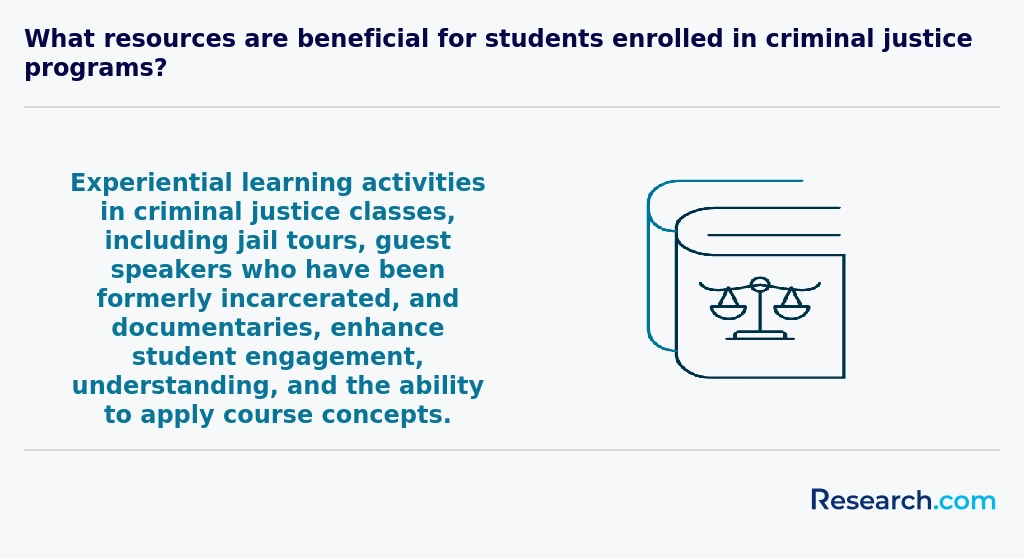
If you're pursuing an online criminal justice degree in Virginia, expect courses that build a strong foundation in law enforcement, courts, and corrections. Graduates from popular Virginia colleges often share how core classes like criminal law, criminology theories, and criminal procedure helped them understand everyday situations-like how police handle arrests or how court decisions impact communities.
Virginia-focused courses on state criminal law and juvenile justice stand out, giving students practical insights into local regulations. One graduate recalled applying knowledge from these classes when volunteering with a youth rehabilitation program, finding it rewarding to connect theory with real-world challenges.
Ethics classes reinforce integrity, a must-have for anyone aiming to make a difference in public safety. Practical topics like forensic science basics and community policing prepare students for hands-on roles, while research methods sharpen the ability to analyze crime data, crucial for policy planning.
Finally, corrections administration courses address pressing issues like prison overcrowding and reforms in Virginia's system, making graduates ready to contribute thoughtfully to solving these problems.
What types of specializations are available in online criminal justice degree programs in Virginia?
When pursuing an online criminal justice degree in Virginia, you'll find many specializations that align with different career paths. Popular options include Law Enforcement Administration, which helps you develop leadership skills for police departments; Forensic Science, focusing on crime scene and evidence analysis; and Cybercrime and Digital Forensics, a fast-growing field addressing crimes involving technology. Others choose Corrections and Rehabilitation to prepare for roles in prisons and probation, Homeland Security for emergency and counterterrorism work, or Juvenile Justice, which concentrates on youth rehabilitation in the legal system.
Graduates from well-known Virginia colleges often share how specializing helped them secure roles matching their strengths and interests. For example, those studying cybercrime report feeling confident tackling real-world digital threats. If you want practical advice on programs, check out online criminal justice degree rankings highlighting affordable, reputable options tailored to Virginia students focusing on online criminal justice specializations Virginia.
These specializations offer clear, strategic routes into the state's criminal justice workforce, making your education a smart investment where you can apply skills directly in your chosen field.
How do you choose the best online criminal justice degree in Virginia?
Focus first on accreditation when choosing the best online criminal justice degree Virginia offers. Graduates from well-known institutions like James Madison University or George Mason University often emphasize the value of attending schools accredited by recognized agencies such as SACSCOC and programs endorsed by the Academy of Criminal Justice Sciences. This ensures rigorous curriculum standards and better career prospects within Virginia's criminal justice sector.
Beyond accreditation, consider programs offering relevant specialization tracks that match your career goals. For example, a student interested in cybercrime found programs offering courses tailored to Virginia's evolving security needs especially rewarding and practical. Many graduates mention how hands-on internships integrated into their studies helped them build strong professional networks in local law enforcement and probation services.
Affordability is key; Virginia public universities commonly provide lower tuition for residents, making affordable criminal justice master's programs Virginia residents rely on financially feasible. Don't overlook the possibility of scholarships, financial aid, or employer tuition support.
To balance study, work, and family, pick programs with flexible asynchronous courses. Graduates often praise the convenience and support from faculty that fits their busy lives. For those budgeting carefully, also explore related pathways like an affordable online bookkeeping certification to complement your skill set.
What career paths are available for online criminal justice degree students in Virginia?
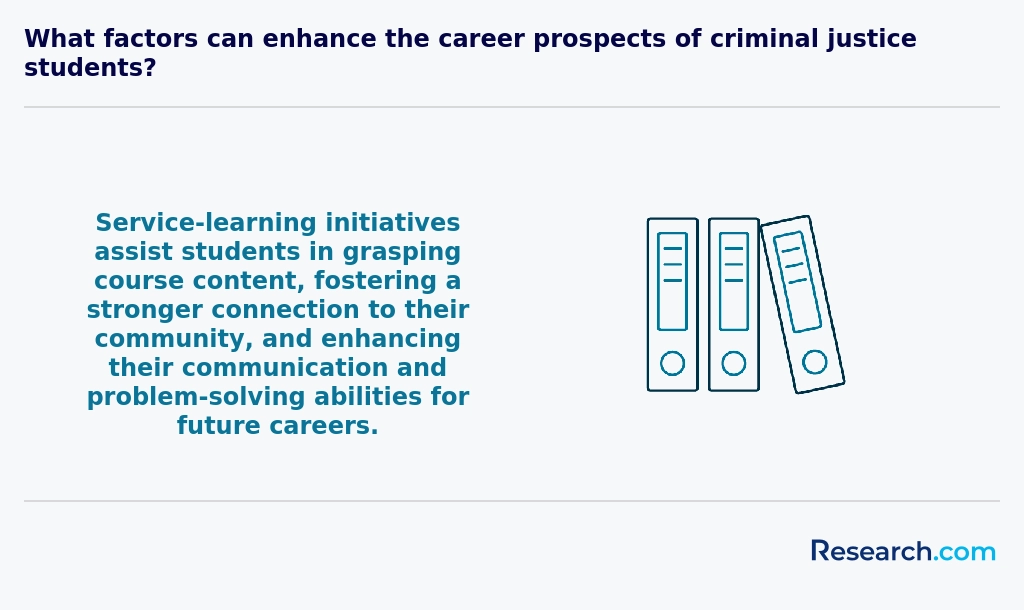
Graduates with an online criminal justice degree in Virginia often find career paths as law enforcement officers in local police departments or sheriff's offices. Many who studied at popular Virginia institutions share that their training helped them confidently step into roles with state agencies, where a starting salary around $54,000 is common. For those drawn to corrections, becoming a probation or parole officer is practical, with real job stability and average earnings near $50,000 annually.
Students interested in growing fields use their degree to enter federal agencies focusing on cybersecurity or intelligence. The practical skills gained, especially from programs in Virginia, equip graduates to meet the expanding 15% job growth predicted in cybersecurity. Others transition into forensic science or legal support roles, applying their knowledge in criminal investigation or court administration.
When considering financial investment, online criminal justice degree jobs Virginia graduates secure often reward the cost with career advancement. Some choose to explore programs alongside unrelated fields, similar to how students balance California accounting degree programs, ensuring versatility in their career options.
What is the job market for online criminal justice degree in Virginia?
The job market for online criminal justice degree graduates in Virginia remains steady, with consistent opportunities in law enforcement, correctional facilities, and federal agencies. Graduates from well-regarded Virginia colleges often find roles in local police departments or the Virginia State Police, where practical experience gained through internships or police academy training enhances their employability. Many students appreciate the flexibility of online programs while balancing work or family, but recognize that employers expect accredited degrees combined with real-world skills for competitive hiring.
Virginia's diverse public safety landscape supports careers beyond policing, including positions in private security and victim advocacy groups, which offer varied pathways aligned with evolving community needs. Graduates commonly mention how their programs prepared them to meet certification requirements essential for advancement. The Virginia criminal justice degree salary outlook is promising, with median wages around $58,000 annually and increased growth potential with experience and specialization.
For residents weighing education options, researching tuition and comparing programs is crucial. Many find value in exploring a list of most affordable online forensic science degree programs as complementary fields. Pursuing an online program offers a practical route to enter a stable, respected profession within Virginia's extensive criminal justice system.
Frequently Asked Questions About criminal justice
Students pursuing online criminal justice degrees in Virginia can enhance their learning by actively engaging with both course materials and external resources. Virginia hosts multiple accredited institutions offering online programs, which allows access to curriculum aligned with state laws and criminal justice practices.
To maximize learning, students should participate in virtual discussions and seek internships with local law enforcement or judicial agencies. According to the Virginia Department of Criminal Justice Services, hands-on experience complements theoretical knowledge effectively.
Additionally, utilizing state and federal crime databases-such as the Virginia State Police crime reports-helps students analyze real-world data. Staying current with policy updates from Virginia's General Assembly also supports deeper contextual understanding.
The criminal justice field is expanding into specialized areas driven by technological advances and societal needs. Cybersecurity and cybercrime investigations have emerged as critical niches, reflecting the increase in digital offenses nationwide. According to the Virginia Cybersecurity Strategy, demand for experts handling cyber threats continues to grow in the state.
Another growing area is forensic psychology, which combines psychology and law enforcement to better understand criminal behavior and aid in investigations or court cases. Virginia's emphasis on rehabilitation programs has also increased interest in restorative justice and juvenile justice specializations.
Data analysis and intelligence roles are becoming vital for crime prevention and policy development. These niches offer new career paths for online criminal justice graduates seeking to address complex modern challenges.
After completing an online criminal justice degree in Virginia, preparing for the job market involves building both practical skills and professional networks. Virginia's criminal justice field employs over 75,000 people, with opportunities in law enforcement, corrections, and legal services, according to the Bureau of Labor Statistics.
Internships and volunteer experiences offer valuable real-world exposure and enhance resumes. Additionally, obtaining certifications like the Virginia Law Enforcement Professional Standards Commission credential can improve job prospects.
Joining professional organizations such as the Virginia Association of Criminal Justice Services helps graduates network and stay informed about industry trends. Crafting a clear résumé that highlights relevant coursework and skills is also essential.
Employers in Virginia highly value criminal justice graduates who demonstrate strong analytical and critical thinking skills. These abilities are essential for evaluating evidence and solving complex legal issues. Communication skills, both written and verbal, are also crucial, especially for roles involving law enforcement and court interactions.
Knowledge of state and federal laws, including Virginia-specific regulations, is fundamental. Familiarity with criminal justice technologies and data analysis tools is an asset in the modern workforce.
According to the Virginia Department of Criminal Justice Services, professionalism and ethical judgment rank among the most important attributes employers seek. Teamwork and adaptability are also vital, given the evolving nature of public safety challenges.
Finding internships in Virginia related to a criminal justice degree involves leveraging both state and local resources. Many universities with online programs maintain partnerships with agencies such as the Virginia Department of Criminal Justice Services (DCJS), which supports internship opportunities across law enforcement, corrections, and probation departments.
Students should also explore internships through local police departments in larger cities like Richmond, Norfolk, and Virginia Beach, as these often provide hands-on experience. Professional organizations like the Virginia Association of Criminal Justice Educators (VACJE) can offer networking events and leads on internships.
Virginia's criminal justice system employs over 30,000 professionals, increasing internship availability in diverse roles (Virginia Employment Commission, 2023). Early communication with academic advisors about internship placements is vital for success.
Online criminal justice degrees in Virginia significantly enhance career mobility and advancement opportunities. According to the Bureau of Labor Statistics, Virginia employs over 20,000 individuals in protective service occupations, many of whom seek higher education to qualify for supervisory or specialized roles.
Completing a master's degree online offers flexibility for working professionals, allowing them to balance education with ongoing employment. Additionally, Virginia's law enforcement agencies often prefer or require advanced degrees for promotion to senior positions, such as detective or administrative roles.
The Virginia Employment Commission highlights that graduates with advanced criminal justice education can expect faster job growth and higher earning potential compared to those without such credentials.
Studying for a criminal justice degree in Virginia offers a strong foundation for interdisciplinary roles by integrating knowledge from law, psychology, sociology, and public administration. Online programs often emphasize practical skills alongside theory, preparing students to work in diverse settings such as law enforcement, corrections, social services, and policy development.
Virginia's criminal justice system involves multiple agencies, creating a demand for professionals who understand how different sectors collaborate. According to the Virginia Department of Criminal Justice Services, interdisciplinary skills improve outcomes when addressing complex social issues like recidivism and community safety.
The curriculum in many Virginia online degrees includes courses on data analysis, ethics, and conflict resolution, all crucial for roles that require cross-sector coordination. This approach equips graduates to adapt and contribute effectively in evolving criminal justice careers.
Choosing between a thesis and a non-thesis criminal justice degree program in Virginia depends largely on your career goals and learning preferences. Thesis programs typically require students to conduct original research and write a comprehensive paper, which can prepare you for doctoral studies or research-intensive jobs. Non-thesis programs focus more on practical skills through coursework and exams, ideal for professionals seeking advancement without research obligations.
The Bureau of Labor Statistics projects a steady 6% growth for criminal justice careers in Virginia through 2030, emphasizing applied knowledge. According to the Virginia Community College System, students aiming for leadership roles often prefer non-thesis tracks for their flexibility and practical focus.
Consult accreditation and program details to ensure alignment with your goals. Programs accredited by the Southern Association of Colleges and Schools Commission on Colleges (SACSCOC) are a mark of quality in Virginia.
Students based in Virginia interested in studying criminal justice abroad usually pursue online degree programs that offer international perspectives rather than physically attending foreign universities. Most Virginia institutions focus on integrating global criminal justice issues into their curricula, allowing learners to access diverse case studies and comparative law frameworks through their online platforms.
Virginia's higher education system does not widely promote studying criminal justice at foreign campuses, but some universities provide study-abroad opportunities for short-term exchanges or internships related to criminal justice. These programs are often limited and highly selective.
According to the Virginia Community College System, nearly 60% of criminal justice professionals in the state benefit from continuing education, including global awareness components that enrich their knowledge without leaving the U.S.
Ultimately, Virginia students typically enhance their understanding of international criminal justice through comprehensive online courses featuring global content, rather than through traditional study-abroad models.
Students pursuing online criminal justice degrees in Virginia can benefit from several part-time jobs that enhance their education and build relevant experience. Positions such as security officers, correctional officer trainees, and community support specialists offer practical exposure to the criminal justice system. For example, the Virginia Department of Corrections frequently hires part-time correctional officer assistants, providing hands-on knowledge of inmate management and safety protocols. Additionally, roles in victim advocacy programs allow students to develop communication and case management skills vital for future careers.
According to the Bureau of Labor Statistics, Virginia's criminal justice sector is expected to grow 6% by 2030, increasing job opportunities. Combining coursework with part-time experience in these fields can improve employability and deepen understanding of the system.
Online criminal justice students in Virginia have access to various networking opportunities despite the distance-learning format. Many Virginia universities offering online programs encourage participation in virtual student organizations and criminal justice clubs. These groups often host webinars and guest lectures featuring local law enforcement and legal experts.
The Virginia Association of Criminal Justice Educators (VACJE) organizes annual conferences where students can engage with professionals and peers.
Additionally, internships and cooperative education programs with Virginia's Department of Criminal Justice Services provide practical experience and professional connections.
According to the Virginia Department of Criminal Justice Services, over 30,000 criminal justice professionals work statewide, offering a broad network for students to access through career fairs and alumni associations linked to Virginia universities.
Alumni networks provide valuable benefits for online criminal justice degree students in Virginia by connecting them with professionals already working in the field. These networks offer mentorship opportunities, career advice, and access to job openings that may not be publicly advertised. Given Virginia's diverse criminal justice system, having contacts through an alumni network can help students navigate local agencies effectively.
Research from the Virginia Department of Criminal Justice Services shows that networking is a key factor in employment success in this sector. Additionally, alumni often share specialized knowledge about regional policy changes and best practices, supporting students' professional growth.
Such networks also facilitate collaboration on projects and continuing education, which are essential for staying current in this evolving field.
Many online criminal justice degree programs in Virginia offer flexible curriculum options to help students tailor their studies according to career goals. Students can often select from various concentrations such as homeland security, forensic science, or juvenile justice, aligning their focus with specific job markets. Virginia schools typically allow elective coursework, enabling learners to develop specialized skills that match state workforce needs. For example, the Virginia Employment Commission highlights increasing demand for cybersecurity and law enforcement professionals, suggesting those concentrations are valuable. Additionally, programs frequently provide internship opportunities and real-world case studies, helping students gain practical experience in their chosen field.
Online criminal justice students in Virginia face several challenges during their studies. A common issue is balancing coursework with personal and professional responsibilities. Since many students are working adults, managing time effectively can be difficult. Technical challenges also arise, such as reliable internet access and navigating learning management systems.
Virginia requires some programs to include in-person components like internships or practicums, which can complicate fully online study. Furthermore, students may experience limited networking opportunities compared to traditional on-campus programs. According to the Bureau of Labor Statistics, Virginia's criminal justice field is competitive, making hands-on experience and connections vital.
With an online criminal justice degree in Virginia, graduates can enhance their careers by pursuing various professional certifications. Popular options include the Certified Law Enforcement Officer (CLEO) offered by the Virginia Department of Criminal Justice Services (DCJS), which is essential for local and state police officers.
Other certifications include the Certified Crime Scene Analyst and the Certified Juvenile Justice Specialist, both recognized in Virginia and valued across the country.
Nationally respected credentials such as the Certified Forensic Interviewer (CFI) and the Professional Certified Investigator (PCI) by ASIS International are also common choices.
These certifications can improve job prospects and may lead to higher salaries within Virginia's criminal justice sector.
To write a winning application for an online criminal justice program in Virginia, start by demonstrating your genuine interest and commitment to the field. Highlight any relevant experience, such as internships, volunteer work, or employment in law enforcement or legal settings. Virginia's Department of Criminal Justice Services reports steady growth in this sector, making practical experience valuable.
Clearly explain why you chose an online format and how it fits your goals. Admissions committees appreciate candidates with a clear plan for balancing studies and responsibilities.
Include strong letters of recommendation that attest to your character and work ethic. Lastly, proofread your personal statement carefully for clarity and professionalism.
The field of criminal justice is increasingly viewed through a global lens, reflecting worldwide concerns such as cybercrime, terrorism, and human trafficking. For students in Virginia pursuing an online criminal justice degree, understanding these global issues is essential for a well-rounded career. According to the Virginia Department of Criminal Justice Services, local enforcement often collaborates with international agencies to combat these challenges.
Globally, criminal justice careers demand knowledge of diverse legal systems and international law. U.S. training, especially through accredited online programs, equips graduates with skills adaptable to global contexts. Awareness of international crime trends and cooperation mechanisms enhances career prospects in federal agencies and NGOs.
Gaining practical experience while pursuing an online criminal justice degree in Virginia is essential for career readiness. Many programs recommend internships with local law enforcement agencies, courts, or correctional facilities. Virginia's Department of Criminal Justice Services offers resources and approved internship sites that students can explore.
Additionally, some schools partner with Virginia-based organizations to provide virtual simulations or fieldwork opportunities tailored to online learners. Volunteering with victim support groups or community safety initiatives is another option, helping to build relevant skills.
Research from the Bureau of Labor Statistics notes that hands-on experience improves job prospects in the state's growing criminal justice sector.
Choosing the right concentration within an online criminal justice degree in Virginia depends on your career goals and interests. Common areas include law enforcement, corrections, cybersecurity, and forensic science. According to the Virginia Employment Commission, cybersecurity jobs in the state are projected to grow 15% by 2030, making this a promising specialization.
Consider how each concentration aligns with job availability and salary ranges in Virginia. For example, forensic science roles often require specific technical skills, while law enforcement concentrations focus more on policy and leadership.
Research Virginia-based criminal justice statistics and consult academic advisors to ensure your choice matches local workforce needs.
Related Criminal Justice Rankings for Nearby States
- 2027 Most Affordable Online Master's in Criminal Justice Degree Programs Ranking in Maryland
- 2027 Most Affordable Online Master's in Criminal Justice Degree Programs Ranking in North Carolina
- 2027 Most Affordable Online Master's in Criminal Justice Degree Programs Ranking in Kentucky
- 2027 Most Affordable Online Master's in Criminal Justice Degree Programs Ranking in Pennsylvania
- 2027 Most Affordable Online Master's in Criminal Justice Degree Programs Ranking in Ohio
- 2027 Most Affordable Online Master's in Criminal Justice Degree Programs Ranking in Georgia
- 2027 Most Affordable Online Master's in Criminal Justice Degree Programs Ranking in New York
- 2027 Most Affordable Online Master's in Criminal Justice Degree Programs Ranking in Florida
- 2027 Most Affordable Online Master's in Criminal Justice Degree Programs Ranking in Alabama
- 2027 Most Affordable Online Master's in Criminal Justice Degree Programs Ranking in Massachusetts
Top Trending Criminal Justice Rankings
See What Experts Have To Say About Studying Criminal Justice
Read our interview with Criminal Justice experts

David Carter
Criminal Justice Expert
Professor, School of Criminal Justice
Michigan State University

Frank Schmalleger
Criminal Justice Expert
Professor Emeritus
The University of North Carolina

James W. Marquart
Criminal Justice Expert
Associate Provost and Professor of Criminology
Texas Christian University

References
- Find Top Online Bachelor's In Criminal Justice Programs https://www.accreditedschoolsonline.org/criminal-justice/bachelors/
- Criminal Justice Salary - How Much Can I Make With a Criminal Justice Degree? - Grace Christian University https://gracechristian.edu/blog/criminal-justice-salary/
- Insights from Students and Alumni: Master Programme in Criminology and Criminal Justice https://soc.fss.um.edu.mo/insights-from-students-and-alumni-master-programme-in-criminology-and-criminal-justice/
- Explore Criminal Justice Certificate Programs https://www.criminaljusticedegreeschools.com/degrees/certificate/
- What Can You Do With a Degree in Criminal Justice? | UMass Global https://www.umassglobal.edu/blog-news/what-can-you-do-with-a-criminal-justice-degree
- Criminal Justice Studies Graduate Certificate https://www.etamu.edu/programs/criminal-justice-studies-graduate-certificate/
- Criminal Justice | Administration of Justice | New River Community College https://www.nr.edu/adj/criminaljustice.php
- Criminal Justice Career Goals https://www.bartleby.com/essay/Criminal-Justice-Career-Goals-8B09294D4789A4A5
- The Current Challenges of International Criminal Law - FIBGAR https://fibgar.es/en/portfolio-item-en/the-current-challenges-of-international-criminal-law/
- Criminal Justice and Criminology Programs https://www.isepstudyabroad.org/programs/by-field-of-study/criminal-justice-criminology-programs