2027 Best Online Criminal Justice Degree Programs Ranking in the USA

Co-Founder and Chief Data Scientist
Choosing the right criminal justice degree program can feel overwhelming. That's why we've created the 2027 Best Online Criminal Justice Degree Programs Ranking in the USA to guide you through your options with clear, reliable data.
This ranking, developed by the Research.com team of data scientists, is designed to help you make an informed decision tailored to your goals. Whether you're starting fresh or advancing your career, earning a criminal justice degree opens doors to meaningful opportunities and personal growth.
Explore programs that truly fit your needs and take confident steps toward a rewarding future.
Key benefits of getting online criminal justice degree in America
- Salary for criminal justice degree graduates: Graduates can expect competitive earnings, such as a Police Officer making around $76,550 annually or a Crime Scene Investigator earning about $95,930 per year.
- Career paths: Graduates often find rewarding roles in law enforcement, forensic science, and court administration, reflecting diverse opportunities like Correctional Officer and Court Clerk positions.
- Online degree benefits: Online programs offer flexibility to balance work and study, making education accessible and convenient, as experienced by many online graduates from established universities.
- Key benefits of getting online criminal justice degree in America
- What can I expect from online criminal justice degree in America?
- Where can I work with online criminal justice degree in America?
- How much can I make with online criminal justice degree in America?
- 2027 Best Online Criminal Justice Degree Programs Ranking in the USA
- Key Findings
- How long does it take to complete online criminal justice degree in America?
- Most Affordable Options for Online Criminal Justice Degrees
- What's the difference between online and on-campus criminal justice degree?
- Student Support and Career Services
- What is the average cost of online criminal justice degree in America?
- What financial aid is available to online criminal justice degree students in America?
- Student Support Services and Resources
- What are the prerequisites for enrolling in online criminal justice degree program in America?
- Becoming a Bailiff: Role, Responsibilities, and Timeline
- What courses are typically in online criminal justice degree programs in America?
- What types of specializations are available in online criminal justice degree programs in America?
- How do you choose the best online criminal justice degree in America?
- What career paths are available for online criminal justice degree students in America?
- What is the job market for online criminal justice degree in America?
- Top Trending Criminal Justice Rankings
- See What Experts Have To Say About Studying Criminal Justice
What can I expect from online criminal justice degree in America?
The average cost of an online criminal justice degree in America can really vary, but many students find it ranges between $15,000 and $40,000 for a full bachelor's program. For example, graduates from popular schools like Arizona State University or University of Florida often share how they managed to keep costs down thanks to online flexibility and financial aid options. One grad from a well-known public college mentioned that getting an online degree not only saved on housing and commuting but also allowed them to work part-time, easing the financial pressure.
Many programs offer scholarships or payment plans, making it easier for students to afford tuition without taking on hefty loans. Community colleges or regional universities also tend to have lower tuition rates, sometimes under $10,000 for an associate degree, making them attractive stepping stones.
It's important to remember that accredited programs, like those recognized by the Academy of Criminal Justice Sciences, ensure a reputable education that employers respect-something many grads highlight as worth every cent.
Where can I work with online criminal justice degree in America?
With an online criminal justice degree in America, you've got a bunch of cool paths waiting for you. Graduates from popular schools like Arizona State University or the University of Cincinnati often find jobs in law enforcement, jumping into roles as police officers, detectives, or even federal agents with places like the FBI or DEA. It's pretty exciting because you're stepping directly into public safety, learning how to handle real-world challenges daily.
Others land spots in corrections-think prison or probation officers-where the goal is helping people turn things around while keeping communities safe. Those grads love knowing their work makes a difference. Then there's the legal side: paralegals or court admins who keep the justice system running smoothly. Many grads from institutions such as Florida State University share how their online degree gave them solid expertise without having to attend on campus.
You could also work with private security, victim advocacy groups, or rehab centers, using your sharp analytical and people skills. The variety means there's something for many passions and lifestyles, making an online criminal justice degree a smart, flexible choice.
How much can I make with online criminal justice degree in America?
If you've completed an online criminal justice degree in America, you're probably curious about what kind of paycheck to expect. Graduates from well-known programs at places like Arizona State University or the University of Florida often land jobs that pay pretty well. For instance, starting as a correctional officer, you could make around $58,810 a year on average, according to the latest stats. That's solid for entry-level!
Jumping into roles like police officer? You're looking at a mean annual wage near $76,550. Many grads find this path rewarding, especially those who got their degree online and landed in bigger cities where pay tends to be higher.
If you want to get more specialized, say as a crime scene investigator, you might earn close to $95,930 annually. Graduates working as forensic science technicians are also doing well, with average salaries about $71,540. These roles are exciting for anyone who loves hands-on work and solving puzzles.
Even graduates who become court clerks earn a respectable $48,760 on average, which is great when starting out and gaining court experience.
2027 Best Online Criminal Justice Degree Programs Ranking in the USA
How do we rank schools?
Investing in your education is a significant decision that can shape your future, and the Research.com team understands the importance of making informed choices. To assist prospective students in selecting the best online criminal justice degree programs, we have meticulously crafted the "2027 Best Online Criminal Justice Degree Programs Ranking in the USA." Our commitment to quality, credibility, and accuracy is reflected in the extensive research and analysis conducted to compile this ranking.
We utilized the following reputable data sources to ensure a comprehensive evaluation of criminal justice programs:
By exploring this ranking, readers will gain valuable insights into top-quality online criminal justice degree programs across the USA, empowering them to make well-informed decisions about their education. For more information on how this ranking was created, please visit our Research.com methodology page.


# 3 position
University of Maryland-College Park
Master of Public Safety Leadership and Administration


# 16 position
Amridge University
Bachelor of Criminal Justice


Key Findings
- Online criminal justice degrees range from associate to master's levels and offer flexible scheduling options.
- Tuition costs for a bachelor's degree typically range between $15,000 and $40,000, with public universities generally being more affordable than private ones.
- Average starting salaries are between $40,000 and $45,000 annually, with mid-career wages rising to $60,000-$75,000, and senior roles potentially exceeding six figures.
- The job market is expected to grow about 5% through 2031, especially in cybersecurity, forensic science, and correctional management fields.
- Accredited programs ensure meeting educational standards, affecting eligibility for federal aid and professional certification.
- Many programs offer asynchronous learning, but some require limited on-campus or fieldwork experiences for hands-on training.
How long does it take to complete online criminal justice degree in America?
So, how long does it actually take to finish an online criminal justice degree in America? If you're going for a bachelor's degree, most folks spend about four years, just like on-campus students. That's what you'll see at places like Southern New Hampshire University or Liberty University, where graduates often complete their programs in around 3.5 to 4 years. It's pretty flexible-you can study full-time or part-time, which can stretch that timeline anywhere from 2 to 4 years depending on your schedule.
For associate degrees, the timeline's usually shorter-about two years-perfect if you want to jump into the workforce or get a quick start before pursuing a bachelor's. Master's degrees typically take around 1.5 to 2 years, offering a faster path for professionals looking to level up.
What's cool about online programs is the flexibility. Many students appreciate being able to take fewer courses each term, fitting school around their busy lives. Plus, some accelerated programs let you finish your bachelor's in as little as 2.5 to 3 years, which really helps if you're eager to start working in the field.
Most Affordable Options for Online Criminal Justice Degrees
When considering an online criminal justice degree, one of the most significant factors for many students is affordability. The cost of tuition, along with other expenses such as textbooks and technology, can quickly add up, making it challenging for students to pursue their educational goals without accumulating significant debt. However, there are numerous affordable options available for those interested in online criminal justice programs. For instance, students can explore affordable criminal justice schools that offer quality education at a lower cost. These institutions often provide financial aid, scholarships, and flexible payment plans to help make online criminal justice degrees more accessible. By researching and comparing the costs associated with different online programs, students can find an affordable option that fits their budget and meets their academic and professional needs.
What's the difference between online and on-campus criminal justice degree?
If you're thinking about a criminal justice degree in America, you'll notice online and on-campus programs each have their perks. Online programs, like those offered at popular schools such as Arizona State University, let you study on your own time-perfect if you're juggling work or family. Imagine logging in after your day job, catching up on lectures, and handing in assignments without commuting stress. Many grads love how this setup saved them rent and travel costs while still covering core topics like policing and corrections.
On the flip side, on-campus programs at places like John Jay College offer that classic college vibe. You get hands-on experiences like internships with local police or law courts, plus face-to-face chats with professors and classmates. For students who thrive on direct feedback and campus events, this environment really clicks.
Both paths cover the essentials and are recognized by accrediting bodies, so it really boils down to what fits your lifestyle and learning style best.
Student Support and Career Services
Online criminal justice programs excel not only in curriculum but also in the robust support structures they provide to ensure student success. From day one, learners gain access to dedicated academic advisors who assist with course selection, credit transfers, and progress tracking. Technical support teams are available around the clock to resolve any platform issues, ensuring uninterrupted study sessions. Virtual libraries and research databases grant 24/7 access to peer-reviewed journals, case law archives, and forensic science resources. Career services play a pivotal role in transitioning graduates into the workforce. Personalized résumé reviews, mock interviews with former law enforcement professionals, and networking events with alumni in roles such as probation officers or court clerks help build confidence and industry connections. Internship coordination offices partner with local agencies-law enforcement departments, correctional facilities, and legal aid organizations-to secure hands-on placements. For students exploring judicial support roles, resources also include guides on application timelines and credentialing, with detailed insights into processes like how long does it take to become a bailiff. Furthermore, peer mentoring programs connect incoming students with upper-class mentors who share study strategies and advice on balancing work, family, and academics. Graduates consistently report that these comprehensive support services were instrumental in enhancing their learning experience and accelerating their entry into rewarding criminal justice careers.
What is the average cost of online criminal justice degree in America?
The average cost of an online criminal justice degree in America typically falls around $41,376, with noticeable differences depending on whether you attend in-state or out-of-state. For example, students studying at popular criminal justice programs in public universities often pay about $31,044 if they qualify for in-state tuition, while out-of-state learners might see bills closer to $46,500. Private institutions usually charge more, but many graduates share they found the experience well worth the investment given the career opportunities that followed.
Many current and former students at well-known universities have talked about balancing costs while benefiting from financial aid and scholarships, which helps ease the overall tuition burden. Plus, online formats often come with savings on commuting and housing, making the total price more manageable. It's pretty common for an associate degree to cost less, roughly half the price, but going for a bachelor's or master's typically commands higher fees due to the depth of coursework and credit hours.
Those hunting for the best deals and wanting to know more about tuition and fees for criminal justice degree in the USA should check out affordable criminal justice schools. This can be a great way to get solid value without breaking the bank. Ultimately, many graduates agree that investing in an online criminal justice degree feels rewarding as they step into meaningful careers in law enforcement, legal studies, or community programs.
What financial aid is available to online criminal justice degree students in America?
If you're looking at online criminal justice degrees in America, financial aid can really ease the load. Lots of students from well-known schools like Arizona State University or Florida State University tap into federal aid first-think Pell Grants that don't have to be paid back, covering up to $7,395 a year. Then there's the FAFSA, which opens doors for low-interest federal loans and work-study gigs that help pay the bills while you study.
State grants are also a big deal, especially if you live in states with strong law enforcement networks. Some students from Texas A&M mention snagging scholarships aimed at residents pursuing criminal justice, making things even more affordable.
On top of that, many grads share how scholarships from groups like the American Correctional Association helped with extra expenses. Plus, if you're already working in law enforcement, your employer might offer tuition reimbursement, which feels like a win-win-earning while you learn.
And don't forget to check if your online program offers any sweet discounts or merit-based scholarships. Plenty of fellow students say those little breaks made a big difference in managing costs and stress.
Student Support Services and Resources
A high‐quality online criminal justice degree program offers robust student support services designed to foster academic success and career readiness. Most institutions provide dedicated academic advising, ensuring students receive personalized guidance on course selection, transfer credits, and degree planning. Additionally, writing and research centers are often available virtually, offering one‐on‐one tutoring to help students refine essays, case studies, and research projects. Technical support teams are on call 24/7 to resolve issues with the learning management system, video conferencing tools, and library databases, ensuring uninterrupted access to course materials. Career services play a pivotal role in preparing graduates for the workforce. Online students can access resume workshops, mock interviews, and job placement assistance through virtual career fairs and alumni networking events. Many programs also facilitate internships or practicum opportunities with local agencies, allowing students to apply theoretical knowledge in real‐world settings. Peer mentoring programs connect new enrollees with upper‐level students or graduates, fostering a sense of community and shared expertise-even when campuses are remote. Library services extend beyond traditional resources. Electronic collections include peer‐reviewed journals focused on criminology, forensic science, and homeland security, while interlibrary loan agreements grant access to specialized texts. Webinars and online workshops cover topics such as ethical reasoning, data analysis, and emerging trends in criminal justice technology. Collectively, these support systems not only enhance academic performance but also contribute to student satisfaction and retention. For prospective students balancing budget and quality, exploring our Inexpensive Online Criminal Justice Degree Programs Ranking in the Northeast can help identify programs that combine affordability with comprehensive support services.
What are the prerequisites for enrolling in online criminal justice degree program in America?
If you're aiming to enroll in an online criminal justice degree in America, the first thing you'll hear about are the prerequisites. For an associate degree, most schools just want to see your high school diploma or GED. Some might ask for a minimum GPA around 2.0 or a SAT/ACT score, but plenty of programs are cool with skipping those test scores now to keep things accessible.
Going for a bachelor's? You'll likely need that diploma too, along with a GPA of about 2.5 or better. Schools like those well-known public universities popular for criminal justice often want to see you've done well in English, social studies, and math. Many graduates enjoyed how letters of recommendation and personal statements gave them a chance to show passion, not just grades.
Graduate programs mostly want a bachelor's degree and around a 3.0 GPA. Some top colleges ask for GRE scores, though experience or strong transcripts can sometimes bypass that. Reliable internet and basic computer skills are a must-graduates often mention how being tech-ready helped them breeze through online classes without a hitch.

Becoming a Bailiff: Role, Responsibilities, and Timeline
A bailiff is an essential courtroom officer responsible for maintaining security, executing court orders, and ensuring smooth proceedings. Duties typically include escorting defendants, jury management, evidence handling, and upholding courtroom decorum. For aspiring criminal justice professionals, understanding this role’s scope can clarify how an online degree translates into real-world skills in law enforcement and judicial settings. Most programs prepare graduates for entry-level positions by covering legal procedures, ethics, and conflict resolution. Upon graduation, candidates must meet specific state or county requirements, which often involve background checks, physical assessments, and on-the-job training. The combination of theoretical knowledge gained through an online criminal justice degree and practical courtroom experience positions candidates for a successful transition into this role. The timeline to become a bailiff varies based on educational background and jurisdictional standards. Generally, individuals with an associate degree can qualify more quickly, while those with a bachelor’s degree may advance toward supervisory roles. To explore typical training durations, certification prerequisites, and state-by-state variations, refer to our in-depth overview on how long does it take to become a bailiff. By pursuing specialized electives-such as courtroom procedures or judicial administration-students can tailor their studies to align with bailiff career requirements. Networking through internships with local courthouses and joining professional associations further enhances job prospects, ensuring that graduates step confidently into this pivotal criminal justice position.
What courses are typically in online criminal justice degree programs in America?
If you're thinking about an online criminal justice degree in America, you'll dive into courses that really cover the whole system-from policing and courts to corrections and homeland security. Students at popular schools like John Jay College or the University of Cincinnati often talk about starting with an Introduction to Criminal Justice, where you get the big picture of how law enforcement, courts, and corrections work together.
Many graduates mention how eye-opening Criminology classes are, breaking down why people commit crimes and what society can do about it. Courses in Law Enforcement & Policing bring to life real challenges officers face daily, helping students understand the ethics and strategies behind keeping communities safe.
Hands-on courses like Forensic Science and Criminal Investigation let learners explore crime scene techniques, making the learning feel so much more real. Others appreciate classes on Research Methods and Ethics-it's all about becoming a responsible, informed professional ready for today's criminal justice world.
What types of specializations are available in online criminal justice degree programs in America?
If you're diving into an online criminal justice degree in America, you'll find a bunch of cool specializations that really let you tailor your studies to what excites you most. Graduates from popular schools often talk about how criminology gave them a deep dive into why people break the law, perfect for those who love research or want to shape policy. Others rave about forensic science, where science meets crime-solving-imagine using chemistry or biology to crack cases from your own home!
Another top pick is law enforcement administration, setting you up for leadership roles in police work or federal agencies, with courses that cover everything from criminal law to community policing. If you're more into helping reform people, the corrections and rehabilitation track focuses on managing prisons and reducing repeat offenses. Cybersecurity and cybercrime investigation is also a hot specialization; with so much happening online, schools across the U.S. are seeing more students jump into protecting digital turf.
For those curious about youth offenders or national safety, juvenile justice and homeland security are solid choices. A few grads mention that the flexibility of online programs at colleges known for the best criminal justice career paths in America helped them explore these fields without putting life on pause. If you wonder how long does it take to become a bailiff, diving into these specialized tracks can put you right on the fast track toward careers that feel meaningful and exciting.
How do you choose the best online criminal justice degree in America?
Picking the best online criminal justice degree in America means focusing on what really matters to you-whether that's flexible class schedules, solid accreditation, or real-world experience. Many graduates from well-known colleges share how choosing programs with strong regional accreditation and specialized criminal justice recognition gave their resumes a boost in job interviews. If you're juggling work and studies, look for programs with asynchronous classes that let you study whenever it fits your hectic schedule.
Costs can range quite a bit, so checking out public versus private options is wise. For example, some students found public universities more affordable, especially for in-state tuition, but private schools often offer better career support. Those wondering how to choose criminal justice degrees online America-wide are also advised to explore schools offering internships or partnerships with local law enforcement, which past graduates say made landing jobs easier.
For budget-minded students, don't miss the Inexpensive Online Criminal Justice Degree Programs Ranking in the Northeast to find quality degrees without breaking the bank. Plus, online programs with faculty who have real criminal justice experience make learning way more relatable and practical.
What career paths are available for online criminal justice degree students in America?
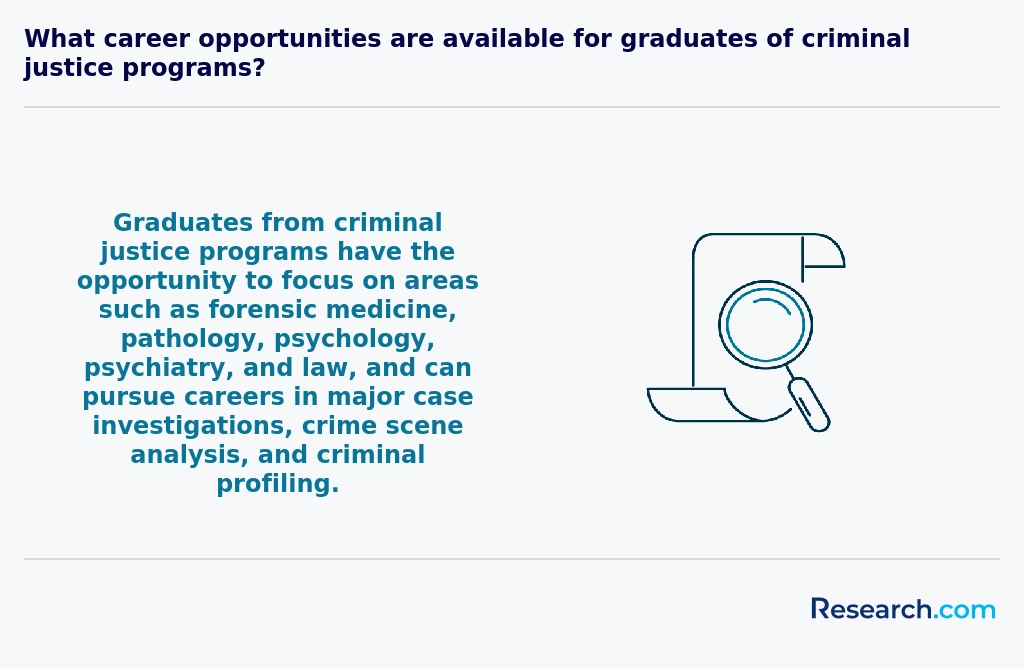
If you're diving into online criminal justice careers in the USA, you'll find a ton of paths waiting for you. Many graduates from popular colleges in America land jobs as police officers or detectives, where they get to serve their communities directly and make a real difference. Think about those students who studied at well-known universities and then jumped into patrol or investigative work, loving the adrenaline and purpose each day brings.
Others take the route into corrections or probation, helping to supervise offenders and keep things safe. Graduates often appreciate how these roles let them support rehabilitation efforts, which feels rewarding on a personal level. Then there's the legal and investigative side-careers as private investigators or crime scene analysts, where attention to detail really shines.
Online criminal justice degree holders also find their way into federal agencies like the FBI or DEA, thanks to their solid foundation. And some pursue social outreach roles, working with victims or youth to make a positive impact, which graduates often describe as deeply fulfilling. For those unsure about timing, checking out the best 6-month associate degree programs online can be a quick step to jumpstart their journey.
What is the job market for online criminal justice degree in America?
The online criminal justice degree job market USA is holding steady with solid opportunities across many sectors. Graduates from popular colleges offering online programs often find gigs in law enforcement, corrections, and private security. Many folks share how flexible online courses helped them balance work and study, making the whole journey less stressful but just as rewarding. Plus, combining coursework with internships or local experience really boosts job chances, especially in places like New York or Texas where demand stays strong.
Criminal justice career opportunities in America are broad, ranging from crime analysis to court system roles. Graduates frequently mention that knowing practical skills from their programs helped in interviews and day-to-day tasks. Plus, employers regard online degrees from respected schools with increasing confidence, so you're not at a disadvantage. Some grads even explore specialized paths like forensic or cybersecurity.
If you're considering diving deeper, an easy phd in criminal justice or related fields can open doors to higher roles while keeping your schedule flexible.
Frequently Asked Questions About criminal justice
Online criminal justice degree students in America can maximize their learning by actively engaging with coursework and participating in virtual discussions. Research from the National Center for Education Statistics shows that interaction with peers and instructors improves retention and satisfaction.
Utilizing available digital resources, such as virtual libraries and simulation software, helps deepen understanding of complex topics like forensic analysis and law enforcement procedures. Time management is crucial; dedicating consistent weekly hours increases the likelihood of completing a degree successfully.
Seeking internships and volunteer opportunities through local agencies enhances practical experience, which is vital in criminal justice careers. According to the Bureau of Labor Statistics, practical skills boost employability in the field significantly.
The criminal justice field in America is rapidly evolving, with several emerging niches gaining prominence. Cybersecurity and digital forensics are key areas, driven by rising cybercrime rates; the FBI reported a 15% increase in cyber-related incidents in 2023. Online criminal justice degrees now often include courses focused on these topics to meet workforce demand.
Another growth area is restorative justice, emphasizing rehabilitation over punishment, favored in many community programs nationwide. Additionally, homeland security remains a critical niche, intersecting with counterterrorism and emergency management careers.
For students pursuing online studies, specialization in these fields can enhance employability as government agencies and private firms seek skilled professionals. According to the Bureau of Labor Statistics, jobs in criminal justice are expected to grow 5% through 2031, especially in technology-related roles.
After earning an online criminal justice degree in America, it is crucial to strategize for the competitive job market. Start by gaining practical experience through internships or volunteer positions, which enhance resumes and build professional networks. According to the U.S. Bureau of Labor Statistics, criminal justice occupations are projected to grow 8% from 2022 to 2032, faster than average for all jobs.
Certifications in areas such as forensic analysis or corrections can make candidates more attractive to employers. Additionally, joining professional organizations like the American Criminal Justice Association helps with networking and staying updated on industry trends. Soft skills, including communication and critical thinking, are highly valued in criminal justice roles and should be continuously developed.
Employers in America highly value critical thinking and analytical skills in criminal justice graduates. According to the Bureau of Labor Statistics, problem-solving abilities are essential for roles in law enforcement, corrections, and forensic analysis. Communication skills, both written and verbal, are also crucial since professionals often prepare reports and interact with diverse populations.
Additionally, ethical judgment and knowledge of legal procedures and regulations are key competencies recognized by employers in the criminal justice field. Technical skills, including familiarity with crime data software and forensic technology, are increasingly important as departments adopt advanced tools.
Overall, American employers seek graduates who combine practical knowledge with adaptability and professionalism.
Finding internships relevant to a criminal justice degree in America involves several strategic steps. Start by exploring your online program's career services, as many schools partner with law enforcement agencies, courts, and nonprofits to offer internship listings. According to the Bureau of Labor Statistics, experiential learning significantly improves employment prospects in criminal justice fields.
Check government websites, such as those of local police departments or the Department of Justice, which frequently post available internships. National organizations like the American Criminal Justice Association also provide resources.
Networking through professors and criminal justice professional groups can reveal unadvertised opportunities. Early application is crucial, as competitive internships fill quickly.
Obtaining an online criminal justice degree in America significantly enhances career mobility by providing access to a broad range of roles in law enforcement, corrections, and legal services. According to the U.S. Bureau of Labor Statistics, employment in criminal justice-related fields is projected to grow 5% from 2021 to 2031, outpacing average job growth. This degree equips graduates with critical skills in areas like crime analysis, ethics, and law, which are highly valued by employers.
Additionally, many agencies and organizations require or prefer candidates with at least a bachelor's degree, increasing promotion opportunities for degree holders. Online degrees also offer flexibility, allowing working professionals to advance without interrupting their careers.
Studying for a criminal justice degree in America equips students with knowledge that spans multiple disciplines, preparing them for varied roles. Coursework often integrates law, psychology, sociology, and public policy, enabling graduates to understand the legal system alongside human behavior and social issues.
Many programs emphasize critical thinking, ethical decision-making, and communication skills, essential for collaborative work in fields like law enforcement, corrections, social services, and legal analysis.
According to the Bureau of Labor Statistics, roles in criminal justice require familiarity with government regulations, community relations, and data analysis, highlighting the importance of an interdisciplinary foundation.
This broad educational approach enhances adaptability across careers involving crime prevention, rehabilitation, and policy development.
Choosing between a thesis and a non-thesis criminal justice degree program in America depends on your career goals and learning preferences. Thesis programs require original research, which benefits those aiming for roles in research, policy-making, or pursuing a doctoral degree. Completing a thesis often involves 6 to 12 months of dedicated work, showing deep expertise.
Non-thesis programs focus on coursework and practical skills, ideal for students seeking direct employment in law enforcement, corrections, or administration. These programs typically allow faster completion, which suits working professionals.
According to the Bureau of Labor Statistics, criminal justice roles in the US are projected to grow 8% through 2031, highlighting the importance of tailored education.
Students based in America looking to study criminal justice abroad have several options through partnerships between U.S. universities and international institutions. Many accredited online programs offer study abroad components, allowing coursework or internships overseas while earning an American degree. These opportunities expose students to different legal systems and policing practices, broadening their perspective beyond U.S. law enforcement.
Programs often include short-term study trips to countries like the United Kingdom, Canada, or Australia, where students can observe comparative justice systems. According to the Bureau of Justice Statistics, understanding global justice trends is valuable as domestic law enforcement increasingly interacts with international crime issues.
American students are advised to verify accreditation and transfer policies to ensure their foreign studies count toward their degree requirements.
Students pursuing an online criminal justice degree in America often benefit from part-time jobs that build relevant experience. Common opportunities include roles such as security officers, correctional officers, and police cadets. According to the U.S. Bureau of Labor Statistics (BLS), positions in security services are among the fastest-growing part-time jobs related to criminal justice. These roles familiarize students with law enforcement and public safety protocols while accommodating academic schedules.
Internships with local law enforcement agencies or nonprofit organizations working on crime prevention also offer valuable hands-on experience. Part-time work in private investigation or legal assisting can complement classroom learning by developing critical thinking and investigative skills. Engaging in these roles enhances understanding of the criminal justice system and improves employability after graduation.
Online criminal justice students in America have several networking opportunities despite studying remotely. Many programs offer virtual career fairs and online meetups where students connect with peers and industry professionals. Online discussion boards and social media groups also facilitate interaction beyond the classroom.
Professional organizations like the American Criminal Justice Association and the Academy of Criminal Justice Sciences provide student memberships, granting access to conferences, webinars, and local chapters. These events help students build relationships and learn about internships and job openings nationwide.
Additionally, some universities partner with law enforcement agencies and community organizations to offer mentorship programs and real-world networking opportunities for online learners.
Alumni networks offer significant benefits for students pursuing online criminal justice degrees in America. These networks provide access to a broad community of professionals who have firsthand experience in the field, which can be crucial for mentorship and career advice. According to the National Center for Education Statistics, nearly 50% of criminal justice graduates find employment through networking connections. Alumni can also offer valuable job leads and internship opportunities not always advertised publicly. Additionally, many online programs host exclusive events and workshops for alumni, fostering ongoing professional development. For students balancing study and work, this support helps bridge classroom knowledge with real-world application.
In the United States, online criminal justice degree programs offer various ways to tailor your education to specific career goals. Many institutions allow students to choose concentrations such as forensic psychology, homeland security, or cybersecurity, helping align studies with job market demands. According to the Bureau of Labor Statistics, specialization can improve job prospects in law enforcement or private security fields.
Students can also select electives focused on criminal law, victimology, or corrections to deepen expertise in their desired area. Some programs provide internship opportunities with local agencies, supporting practical experience alongside academic learning.
Additionally, accredited programs often feature flexible course schedules, enabling professionals to balance study with work commitments while advancing in their chosen criminal justice careers.
Online criminal justice students in America often face unique challenges related to balancing education with work and family commitments. According to the National Center for Education Statistics, nearly 70% of online students are employed part- or full-time, making time management a critical issue. Additionally, students may struggle with limited access to practical experiences such as internships or fieldwork, which are essential for criminal justice careers.
Technical difficulties and inconsistent internet access also pose barriers, especially in rural areas. Furthermore, some students report feelings of isolation due to reduced face-to-face interaction with peers and instructors, which can impact motivation and engagement.
An online criminal justice degree in America can open doors to valuable professional certifications. These credentials enhance career prospects in law enforcement, corrections, and security fields. Popular certifications include the Certified Protection Professional (CPP) offered by ASIS International, which focuses on security management. Many graduates also pursue the Professional in Human Resources (PHR) certification if interested in organizational roles within criminal justice agencies.
For those aiming at investigative careers, the Certified Criminal Justice Specialist (CCJS) credential is a recognized option. Additionally, the American Correctional Association offers certifications for corrections professionals, such as the Certified Correctional Officer designation. According to the Bureau of Labor Statistics, certifications can improve job stability and salary potential in criminal justice careers.
Writing a winning application for an online criminal justice program in America requires clear communication and attention to detail. Begin by thoroughly researching the program's requirements, including GPA expectations, prerequisite courses, and any required entrance exams like the ACT or SAT, though many programs waive these for online applicants. Highlight your relevant experience, such as volunteer work or employment in law enforcement or social services, which strengthens your candidacy.
Craft a compelling personal statement that explains your motivation for studying criminal justice and your career goals. Use specific examples to demonstrate your commitment and understanding of the field. According to the Bureau of Labor Statistics, careers in criminal justice are expected to grow by 6% from 2021 to 2031, emphasizing the importance of a strong application.
Ensure all transcripts and letters of recommendation reflect your academic capabilities. Proofread all documents carefully to avoid errors. Finally, submit your application ahead of deadlines to allow time for follow-up, as punctuality is viewed positively by admissions committees.
Globally, a criminal justice career is viewed through diverse lenses, but many countries recognize its importance in maintaining law, order, and public safety. In the United States, online criminal justice degrees have grown in popularity, reflecting demand for trained professionals capable of addressing complex legal challenges. According to the Bureau of Labor Statistics, jobs in law enforcement and related fields are projected to grow 5% from 2021 to 2031, indicating steady opportunities.
American education emphasizes a multidisciplinary approach, blending law, sociology, and technology, which aligns with global trends toward integrating data and forensic science. While criminal justice systems vary worldwide, U.S. degrees often prepare graduates for careers in international organizations or comparative legal research.
Sources like the National Center for Education Statistics show increasing enrollment in online criminal justice programs, highlighting the accessibility and relevance of these credentials for the evolving global workforce.
Gaining practical experience while pursuing an online criminal justice degree in America is essential for career readiness. Many accredited programs require or offer internships with law enforcement agencies, correctional facilities, or legal organizations. These placements allow students to work directly with professionals and apply classroom knowledge in real-world settings.
Additionally, some schools partner with federal, state, or local agencies to provide virtual simulations or supervised fieldwork, which can be completed remotely. According to the Bureau of Justice Statistics, hands-on experience improves job prospects in criminal justice careers by 20%.
Volunteering with community organizations focused on justice or rehabilitation can also enhance practical skills while studying online.
Choosing the right concentration within an online criminal justice degree program depends on your career goals and interests. Common concentrations include law enforcement, corrections, forensic science, and cybersecurity. For example, the Bureau of Labor Statistics projects a 5% growth in criminal justice jobs through 2031, with cybersecurity roles expanding faster due to increasing cybercrime.
Consider your preferred work environment: corrections might suit those interested in rehabilitation, while forensic science appeals to those drawn to investigative roles.
Research accreditations and curriculum focus. Accredited programs ensure quality education recognized by employers.
Finally, review job placement rates and alumni outcomes for each concentration to make an informed choice.
Top Trending Criminal Justice Rankings
See What Experts Have To Say About Studying Criminal Justice
Read our interview with Criminal Justice experts

David Carter
Criminal Justice Expert
Professor, School of Criminal Justice
Michigan State University

Mark Moore
Criminal Justice Expert
Research Professor of Public Management
Harvard University

James W. Marquart
Criminal Justice Expert
Associate Provost and Professor of Criminology
Texas Christian University

References
- Tips to Help Criminal Justice Students and Grads Network Successfully https://www.allcriminaljusticeschools.com/blog/networking-strategies-for-criminal-justice-students-and-grads/
- Most Affordable Online Criminal Justice Degrees https://www.affordablecollegesonline.org/degrees/criminal-justice-programs/
- Insights from Students and Alumni: Master Programme in Criminology and Criminal Justice https://soc.fss.um.edu.mo/insights-from-students-and-alumni-master-programme-in-criminology-and-criminal-justice/
- Best Online Criminal Justice Program | University of Bridgeport https://www.bridgeport.edu/news/best-online-criminal-justice-programs/
- Best Online Criminal Justice Degrees https://www.onlineu.com/degrees/criminal-justice
- What Can You Do With a Degree in Criminal Justice? | UMass Global https://www.umassglobal.edu/blog-news/what-can-you-do-with-a-criminal-justice-degree
- Study Criminal Justice & Legal Studies Abroad https://worldstrides.com/en-us/higher-ed/academics/criminal-justice-legal-studies
- Criminal Justice Careers - Criminal Justice Degree Schools https://www.criminaljusticedegreeschools.com/careers/
- CRIMINAL JUSTICE https://www.stmartin.edu/documents/criminal-justice-resume-and-cover-letter-packet
- Social Work and Criminal Justice Professionals Alumni Network https://community.faualumni.org/topics/36974/feed