2027 Creative Writing Degree Schedule Flexibility Report: Online, Hybrid, Evening, Weekend, and Accelerated Options Compared

Co-Founder and Chief Data Scientist
Choosing a creative writing degree now often means choosing a schedule as much as a school. NCES reported in 2024 that more than half of U. S. postsecondary students took at least one distance education course, which shows how normal flexible learning has become. This guide is for adults balancing work, caregiving, military service, or location limits. You will learn how online, hybrid, evening, weekend, and accelerated options differ in attendance, pace, workload, cost, and fit so you can choose a format you can actually complete.
Key Things You Should Know
- Fully online creative writing degrees usually offer the most location flexibility, but they are not always self-paced; many still require weekly deadlines, live workshops, peer critiques, or scheduled residency-style activities.
- Hybrid, evening, and weekend programs can work for full-time employees, but students should verify the exact campus schedule because some programs require weekly attendance, intensive residencies, readings, teaching practicums, or thesis defenses.
- Accelerated formats can shorten completion time through 5-, 7-, or 8-week terms, but the weekly workload is compressed; a 3-credit writing workshop may still require roughly 9 hours or more per week when class time, reading, drafting, and critique are combined.
- Key Things You Should Know
- How Do Online, Hybrid, Evening, Weekend, and Accelerated Degree Programs Differ?
- How Flexible Are Fully Online Degree Programs?
- How Much In-Person Attendance Do Hybrid Degree Programs Require?
- How Quickly Can Students Complete an Accelerated Degree?
- Should Students Choose Part-Time, Full-Time, or Self-Paced Study for a Degree?
- Which Degree Schedule Works Best for Working Adults and Caregivers?
- Do Flexible Degree Formats Meet Accreditation and Licensure Requirements?
- How Do Tuition, Financial Aid, and Hidden Costs Compare Across Degree Formats?
- How Should Students Compare Support, Workload, and Outcomes in Flexible Degree Programs?
- Top Trending Creative writing Rankings
How Do Online, Hybrid, Evening, Weekend, and Accelerated Degree Programs Differ?
A creative writing degree may be a BA, BFA, MA, or MFA focused on fiction, poetry, nonfiction, screenwriting, playwriting, publishing, or professional writing. The schedule format affects how students attend workshops, exchange critiques, meet faculty, complete readings, revise manuscripts, and finish capstone or thesis projects.
The table below compares the major schedule formats by the practical details students usually need to know before applying: attendance, pace, workload pattern, and best fit.
| Format | Typical Attendance Pattern | Pace | Best Fit | Main Trade-Off |
| Fully online | Coursework completed remotely; may be asynchronous, synchronous, or mixed | Traditional semester, shorter terms, or sometimes self-paced | Students who need location flexibility or cannot commute | Less in-person community unless the program builds strong online workshops |
| Hybrid | Online coursework plus required campus meetings, residencies, or weekend sessions | Often semester-based, though some programs use intensives | Students who want face-to-face mentorship without daily commuting | Travel planning matters, especially for caregivers and out-of-area students |
| Evening | Classes after standard work hours, often once or twice per week | Usually traditional semester or quarter | Full-time workers with predictable weekday schedules | Late classes can be difficult after work and may limit family time |
| Weekend | Classes on Fridays, Saturdays, Sundays, or monthly weekend intensives | Traditional or cohort-based | Students whose weekdays are unavailable | Can reduce rest time and may conflict with caregiving, work shifts, or events |
| Accelerated | Online, hybrid, evening, or campus-based courses in compressed terms | Faster than standard pacing, often through shorter sessions | Motivated students with strong time management and transfer credits | More work per week and less time for revision between deadlines |
The most flexible option is not automatically the best one. Creative writing courses depend heavily on reading, critique, drafting, and revision, so the right schedule is the one that gives you enough protected writing time, not just the fewest campus visits.
Students should also distinguish delivery format from pacing. "Online" means the location is remote; "asynchronous" means there are no required live class meetings; "self-paced" means students can move through material on a more individualized timeline. A program can be online but still highly structured.
How Flexible Are Fully Online Degree Programs?
Fully online creative writing programs offer the strongest geographic flexibility because students can usually complete workshops, literature seminars, publishing courses, and thesis advising from home. This format is especially useful for students who live far from campus, travel frequently, work irregular hours, or need to avoid commuting costs.
However, online does not always mean "anytime." Many creative writing programs use weekly discussion boards, peer-response deadlines, live video workshops, instructor conferences, and portfolio milestones. A student may not need to sit in a classroom, but they still need reliable time for reading classmates' drafts and giving substantive feedback.
Before enrolling, students should identify the exact online model because the difference affects weekly planning. These are the main questions to ask admissions staff or program directors:
- Are workshops asynchronous, synchronous, or a combination of both?
- If live sessions are required, what time zone does the program use?
- Are readings, craft talks, thesis defenses, or author events mandatory or optional?
- How many peer critiques are due each week in workshop-heavy courses?
- Can students complete internships, publishing practicums, or teaching experiences remotely?
A fully online format can work very well for independent learners who are comfortable receiving feedback in writing and participating in virtual communities. It may be less ideal for students who rely on in-person discussion, campus literary events, or spontaneous faculty interaction to stay motivated.
Creative writing students can also learn from how other online professional programs structure remote attendance. For example, fully online SLP master's programs often require students to examine synchronous expectations and supervised practice rules carefully; creative writing applicants should bring the same level of scrutiny to workshops, residencies, and thesis requirements.
How Much In-Person Attendance Do Hybrid Degree Programs Require?
Hybrid creative writing degrees combine online coursework with required in-person experiences. The in-person component may be light, such as one campus residency per term, or substantial, such as weekly evening workshops. Students should never assume "hybrid" means occasional attendance until they see the actual academic calendar.
The table below shows common hybrid attendance models and what they mean for planning. This matters because a program with the same "hybrid" label can require very different levels of travel, childcare, and time away from work.
| Hybrid Model | Typical In-Person Requirement | Planning Impact | Who It Fits Best |
| Low-residency | Short campus residency once or twice per year | Requires travel blocks but fewer weekly trips | Students outside commuting distance who can arrange occasional travel |
| Weekly hybrid | One or more campus meetings each week | Requires a reliable commute and local availability | Local students who want regular face-to-face workshops |
| Weekend intensive | Several long weekend sessions per term | Compresses attendance but can be tiring | Students with open weekends and limited weekday availability |
| Residency plus online thesis | Campus craft seminars or workshops, followed by remote advising | Balances community with independent work | MFA students who want mentorship but cannot relocate |
Hybrid programs can be especially strong for creative writing because they preserve some of the community that writers often value: live readings, manuscript conferences, visiting authors, and cohort relationships. The downside is that even a small in-person requirement can become a major barrier if it falls during work travel, school pickup, medical appointments, or peak job seasons.
When comparing hybrid programs, ask for the next two academic calendars, not just a sample schedule. Some schools rotate course offerings, which means a required genre workshop may be available only on campus in a specific term.
Can Evening and Weekend Degree Programs Fit a Full-Time Work Schedule?
Evening and weekend creative writing programs are designed for students who cannot attend during standard daytime hours. They are common in urban universities, continuing education divisions, graduate programs, and adult-focused colleges. For a full-time employee, they can be a practical middle ground between campus learning and online flexibility.
The fit depends on how predictable the student's work schedule is. A Monday-through-Friday employee may be able to attend a 6 p.m. workshop once a week, while a nurse, retail manager, restaurant worker, parent of young children, or freelancer may find fixed class times harder than asynchronous online work.
Students comparing evening and weekend options should evaluate the schedule beyond the class meeting itself. The following issues often determine whether the format is sustainable:
- Commute time before and after class, especially if the course ends late at night
- Energy level after a full workday, particularly for workshop courses requiring close reading
- Childcare availability during evenings, weekends, school breaks, and exam periods
- Whether required courses are offered every term or only once per year
- Attendance penalties for missed workshops, readings, residencies, or peer critique sessions
Evening classes usually preserve weekends but can be draining after work. Weekend classes protect weekday evenings but may consume recovery time, family time, religious observance, second jobs, or caregiving windows. Neither format is automatically easier; the better choice is the one that matches the student's actual weekly rhythm.
Students in other people-centered graduate fields face similar scheduling trade-offs. For example, those comparing the cheapest online MFT programs often have to weigh affordability against clinical schedules and live participation; creative writing students should make a similar comparison between cost, workshop timing, and required attendance.
How Quickly Can Students Complete an Accelerated Degree?
Accelerated creative writing degrees shorten the calendar by using compressed terms, year-round enrollment, transfer credits, heavier course loads, or combined bachelor's-to-master's pathways. A bachelor's degree may move faster when students bring prior credits, while an MFA may move faster through low-residency or intensive formats that run continuously across the year.
Speed is useful only if the workload is realistic. A standard 3-credit course often assumes about 9 hours of total weekly effort in a traditional 15-week term when class time and out-of-class work are combined. In an accelerated 7- or 8-week term, the same academic content is compressed, which can make reading, drafting, critique, and revision feel much more intense.
The table below summarizes common completion timelines. These are typical patterns rather than guarantees because transfer credits, thesis length, course availability, and enrollment status vary by school.
| Degree Level or Path | Traditional Timeline | Accelerated Timeline Often Seen | What Usually Makes It Faster |
| BA or BFA in Creative Writing | About 4 years full time | Less time with transfer credits or year-round study | Prior college credit, summer courses, heavier course loads |
| MA in Creative Writing or Writing Studies | About 1.5 to 2 years full time | About 1 year in some intensive formats | Shorter terms, fewer electives, continuous enrollment |
| MFA in Creative Writing | About 2 to 3 years | About 2 years in many low-residency or intensive models | Residencies, guided independent study, year-round thesis work |
| Combined bachelor's-to-master's pathway | Separate undergraduate and graduate timelines | May reduce total time if graduate credits overlap | Shared credits and early graduate admission |
Accelerated study can make sense for students with a stable schedule, strong writing discipline, and a clear goal, such as completing an MFA portfolio sooner or changing careers. It may be a poor fit for students who need long revision cycles, are new to college-level literary study, or are already managing unpredictable work and caregiving demands.
A practical test is to review a sample syllabus before enrolling. If the course requires a book per week, multiple peer critiques, and a major manuscript revision, students should block writing time before the term starts rather than hoping flexibility will appear later.
Should Students Choose Part-Time, Full-Time, or Self-Paced Study for a Degree?
Pacing determines how many courses students take at once and how much control they have over deadlines. For creative writing students, this matters because manuscript development is not just about finishing assignments; it also requires reflection, revision, and absorbing feedback.
The table below compares the major pacing choices. It helps students match enrollment intensity to work hours, caregiving responsibilities, financial aid needs, and writing goals.
| Pacing Option | Typical Course Load | Advantages | Risks | Best Fit |
| Full-time | Often 12 or more undergraduate credits, or about 9 graduate credits per term | Faster progress and stronger immersion | Harder to balance with full-time work | Students with stable funding and significant weekly study time |
| Part-time | Often 1 to 2 courses per term | More manageable with work or caregiving | Longer time to graduation and possible aid limits | Working adults and caregivers who need predictability |
| Self-paced | Variable, depending on program design | More control over when assignments are completed | Requires strong self-direction and may have completion deadlines | Independent learners with irregular schedules |
| Cohort-based | Fixed sequence with the same group of students | Community and structured progress | Less ability to pause or rearrange courses | Students who benefit from accountability and peer relationships |
Part-time study is often the safest choice for students who are unsure about workload. It gives writers more time to revise and reduces the risk of missing critique deadlines. The trade-off is that some programs limit how long students can take to finish, especially graduate programs with thesis or residency requirements.
Full-time study can be valuable for students who want deep immersion in craft, literature, and publishing. It may also be necessary for some assistantships or scholarships. However, a full-time creative writing schedule can be demanding because workshops require careful reading of other students' work, not just drafting one's own pieces.
Self-paced options can be attractive, but students should read the rules carefully. Some self-paced courses still have maximum completion windows, required checkpoints, instructor availability limits, or financial aid implications.
Which Degree Schedule Works Best for Working Adults and Caregivers?
Working adults and caregivers usually need a schedule that protects income, family responsibilities, health, and academic progress at the same time. For many students, the best creative writing degree is not the fastest or most prestigious option; it is the one that can survive a difficult week without collapsing.
The table below matches common student situations with schedule formats that may work well. It is a starting point, not a substitute for reviewing a school's actual course rotation and attendance policy.
| Student Situation | Often Strongest Format | Why It May Work | Format to Approach Carefully |
| Full-time employee with predictable hours | Evening, weekend, or asynchronous online | Can plan school around stable work blocks | Accelerated formats with heavy weekly deadlines |
| Caregiver with unpredictable interruptions | Asynchronous online or part-time | More control over when coursework happens | Fixed live workshops with strict attendance penalties |
| Student living far from campus | Fully online or low-residency hybrid | Reduces commuting or relocation needs | Weekly hybrid attendance |
| Student who needs in-person community | Hybrid, evening, or weekend | Provides face-to-face workshops and literary events | Fully asynchronous online programs with limited interaction |
| Student with transfer credits and strong availability | Accelerated or year-round online | May reduce completion time | Part-time programs with limited course availability |
Caregivers should ask specifically about missed workshops, late critiques, emergency absences, and whether class participation can be made up. Creative writing workshops often depend on group participation, so attendance policies may be stricter than in lecture-based courses.
Working adults should also evaluate whether their employer's busy seasons overlap with the academic calendar. A tax professional, teacher, healthcare worker, or retail manager may need a different schedule than someone with a predictable office job.
Students comparing flexible humanities and communication-related degrees can borrow evaluation habits from adjacent fields. A communication master degree, for instance, may include online presentations, group projects, and synchronous discussion; creative writing programs can have similar participation demands through workshops and peer review.
Do Flexible Degree Formats Meet Accreditation and Licensure Requirements?
Flexible delivery does not automatically make a creative writing degree less legitimate. In the U.S., the key institutional quality marker is accreditation by an agency recognized by the U.S. Department of Education or the Council for Higher Education Accreditation. Students should verify institutional accreditation before enrolling, especially if they plan to transfer credits, apply for graduate school, seek federal financial aid, or use employer tuition benefits.
Creative writing itself generally does not lead to a state license in the way nursing, counseling, teaching, or speech-language pathology does. However, licensure can matter if the student's broader goal is teaching. Public K-12 teaching roles typically require state-approved educator preparation and certification, and a creative writing degree alone may not satisfy those requirements.
Students should confirm the following before committing to a flexible program, especially if they have career plans beyond writing and publishing:
- Whether the institution is accredited and whether the degree level is recognized by employers or graduate schools
- Whether credits can transfer into another institution or graduate program
- Whether the program includes teacher preparation if the goal is K-12 teaching
- Whether internships, assistantships, practicums, or publishing experiences can be completed remotely
- Whether residency, thesis defense, or final portfolio requirements include mandatory in-person attendance
For most creative writing careers, employers and publishers care about writing quality, portfolio strength, editing skill, genre knowledge, and professional reliability. A flexible degree can support those outcomes, but only if the program provides rigorous feedback, qualified faculty, and meaningful opportunities to revise and publish work.
How Do Tuition, Financial Aid, and Hidden Costs Compare Across Degree Formats?
Schedule flexibility can change the total cost of a creative writing degree even when tuition looks similar. Online students may save on commuting or relocation, while hybrid students may face travel, lodging, parking, and childcare costs. Accelerated students may finish sooner but pay for more credits in a shorter period.
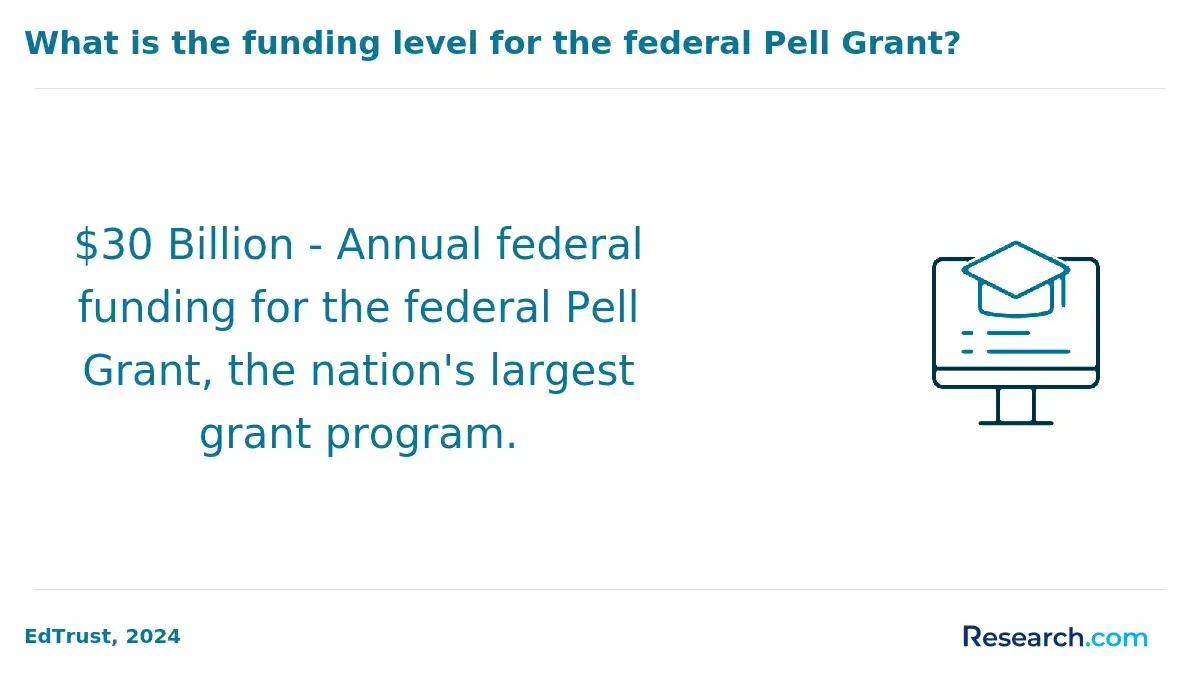
For federal aid planning, the maximum Pell Grant for the 2024-25 award year is $7,395 for eligible undergraduate students. That figure does not cover all costs at many institutions, so students should compare the full cost of attendance, not just tuition per credit.
The table below outlines cost categories that vary by schedule format. This helps students identify expenses that may not appear in the advertised tuition rate.
| Cost Factor | Online | Hybrid | Evening or Weekend | Accelerated |
| Tuition | May be the same as campus tuition or priced separately | Usually follows school tuition structure | Usually follows school tuition structure | Depends on credits taken and term structure |
| Travel | Usually low unless residencies are required | Can be significant for campus meetings | Commute, parking, or transit costs may apply | Depends on delivery format |
| Technology | Reliable computer, internet, software, and backup access are important | Online tools plus campus access may be needed | May still require learning platforms and digital submissions | Technology reliability is critical because deadlines move quickly |
| Childcare | May still be needed for live sessions or protected writing time | Often needed during residencies or campus meetings | Often needed during nights or weekends | May increase due to compressed workload |
| Opportunity cost | Can preserve work hours if asynchronous | May require time off for in-person requirements | May reduce overtime or second-job availability | May require reducing work hours temporarily |
Financial aid rules can also be affected by enrollment intensity. Dropping below half-time may change loan eligibility, deferment status, scholarships, or institutional aid. Graduate students should ask whether assistantships are available to online or low-residency students, since some funding is tied to campus teaching or administrative work.
Students comparing flexible degrees in any field should look beyond sticker price. Research on the easiest MBA programs shows why convenience claims need closer inspection: a format may look simple, but students still need to evaluate workload, accreditation, support, and total cost.
How Should Students Compare Support, Workload, and Outcomes in Flexible Degree Programs?
A flexible schedule is valuable only if the program also provides enough academic and career support. Creative writing students should look for strong workshop facilitation, faculty access, library resources, writing center support, publishing guidance, career advising, and technology help. Online students should not have to build their entire learning community alone.
Career outcomes in creative writing vary widely because graduates may pursue writing, editing, publishing, communications, teaching, marketing, grant writing, content strategy, or graduate study. The U.S. Bureau of Labor Statistics listed the May 2024 median annual wage for writers and authors at $72,270, but that figure covers a broad occupation and should not be treated as a degree-specific salary promise. For students, the practical takeaway is to build a portfolio and transferable writing skills, not rely on the degree title alone.
Use a structured comparison process before enrolling. These steps help students avoid choosing a schedule that looks flexible in marketing materials but proves difficult in real life:
- Request a sample course calendar for at least one workshop and one literature or craft course.
- Ask whether live attendance is required and how missed sessions are handled.
- Confirm how many courses are offered online, at night, on weekends, or in accelerated terms each year.
- Estimate weekly study time for reading, drafting, peer critique, revision, discussion posts, and faculty conferences.
- Check whether thesis, portfolio, internship, publishing, or residency requirements have fixed dates.
- Compare student support services for online, hybrid, evening, weekend, and accelerated students.
- Ask about graduation rates, placement support, alumni publishing activity, and career advising access.
Common mistakes can be expensive. Students often assume online courses are self-paced, overlook required campus visits, choose accelerated terms without reducing other commitments, or enroll in evening classes without calculating commute time after work. Another red flag is vague language such as "some campus participation may be required" without dates, frequency, or consequences for missing sessions.
The best decision is usually the most specific one: choose a program only after you can describe a normal school week in detail. If you know when you will read, write, critique, attend class, meet faculty, and handle emergencies, you are much more likely to choose a creative writing degree schedule that fits your life.
Other Things You Should Know About Creative writing
Often, yes, but the rules vary by school and degree level. Students should ask whether changing pace affects financial aid, scholarship eligibility, cohort placement, thesis timing, or maximum time-to-degree limits.
Policies vary. Some instructors allow make-up responses or recorded participation, while others treat workshop attendance as essential because classmates depend on feedback. Students with caregiving or shift-work conflicts should request the attendance policy before registering.
Students should confirm the program's official time zone and ask whether live events are recorded. If required workshops fall during work hours or late at night, an asynchronous or regionally closer program may be more realistic.
Sometimes. Students may be able to take fewer courses, pause between terms, or move to a standard track, but accelerated cohorts may have fixed sequences. Ask about exit points, leave policies, and course availability before enrolling.
Top Trending Creative writing Rankings
References
- The Making of the Creative Writing Program https://www.forthewriters.com/post/the-writing-workshop-as-an-institution
- Hybrid Programs: Structure, Benefits, and What to Evaluate https://www.theschoolhouse.org/post/hybrid-programs-structured-learning
- Accelerated Programs & Courses at WCC: Pros & Cons https://www.wccnet.edu/learn/accelerated-pros-cons.php
- Create Your Best 2025 with These Top MFA Creative Writing Programs https://www.onlinemastersdegrees.org/best-programs/fine-arts-mfa/creative-writing/
- Most Affordable Online Creative Writing Degrees | AffordableCollegesOnline.org https://www.affordablecollegesonline.org/degrees/best-online-bachelors-in-creative-writing/
- Scheduling Courses for Flexibility and Student Success https://www.facultyfocus.com/articles/trends-in-higher-education-scheduling-courses-for-flexibility-and-student-success/
- Online, Hybrid, and More: Flexible Learning Options in College - ReUp Education https://reupeducation.com/blog/online-hybrid-and-more-flexible-learning-options-in-college/
- Course Format Chart https://www.qualitymatters.org/qm-membership/faqs/course-format-chart
- Creative Writing Programs: Balancing Reading and Writing for Maximum Growth https://www.creativewritingedu.org/blog/creative-writing-programs/
- HETS Online Journal » Structuring Online & Hybrid College Courses. https://hets.org/ejournal/structuring-online-hybrid-college-courses/trackback/