2027 Most Valuable Computer Science Degree Programs Ranking in Seattle

Co-Founder and Chief Data Scientist
Choosing the right computer science degree program in Seattle can shape your future in the tech world. This article features the 2027 Most Valuable Computer Science Degree Programs Ranking in Seattle, created by the Research.com team of data scientists to guide you in making an informed decision.
By exploring these top programs, you'll discover options that balance quality education and career potential. Earning a computer science degree opens doors to exciting opportunities, innovation, and growth.
Let this ranking support your journey toward a rewarding career in technology and beyond.
Key benefits of getting computer science degree in Seattle
- Salary for computer science degree graduates: Graduates in Seattle can expect competitive salaries, with software engineers earning a mean annual wage of $138,110 and web developers making around $95,570, offering strong financial stability.
- Career paths: A computer science degree opens doors to diverse roles such as software engineering, data analysis, and IT support, reflecting versatile opportunities for growth and success in a thriving tech hub like Seattle.
- Benefits of online degrees: Earning a computer science degree online provides flexibility and convenience, allowing students in Seattle to balance work and study while gaining skills valued by employers just like traditional degrees.
- 2027 Most Valuable Computer Science Degree Programs Ranking in Seattle
- What can I expect from computer science degree in Seattle?
- Where can I work with computer science degree in Seattle?
What can I expect from computer science degree in Seattle?
The average cost of earning a computer science degree in Seattle varies but generally ranges between $30,000 and $60,000 per year, depending heavily on the institution. For example, students attending the University of Washington's Paul G. Allen School encounter higher tuition reflecting its research prominence and extensive industry ties, whereas programs at Seattle University or Seattle Pacific University often offer more accessible pricing options.
Graduates often recall the challenge of balancing this investment with living expenses in Seattle's competitive housing market. Yet many describe the price as a gateway to invaluable opportunities-internships at Microsoft or Amazon, for instance, turn classroom theory into real-world achievements. The cost gains perspective when students witness how rapidly Seattle's tech ecosystem embraces them, fueling careers that justify initial expenses with strong earning potential and impactful work.
While tuition may seem steep, graduates emphasize the value of close collaboration with local tech giants and the chance to contribute to groundbreaking research projects, which many believe outweighs the financial burden. The "sticker price" becomes a starting point for a transformative career rather than a final hurdle.
Where can I work with computer science degree in Seattle?
Graduates from computer science programs at institutions like the University of Washington often find themselves immersed in Seattle's vibrant tech ecosystem almost immediately. Facing the question, "Where can I work with a computer science degree in Seattle?" the reality is vast: from titans like Amazon and Microsoft to nimble startups pioneering AI or mobile apps, opportunities span every corner of innovation.
Many graduates share stories of landing roles where their daily work directly shapes technologies used worldwide, fueling a sense of accomplishment and purpose. The city's tech sector isn't just about software engineering-it's about cloud computing, cybersecurity, health informatics, and even government research. For example, some find fulfilling careers at research labs within the University of Washington or defense agencies nearby, applying their skills to real-world problems.
The expanding healthcare industry integrates technology deeply, offering positions where coding meets patient care-a blend that surprises many grads who thought their options were limited to conventional tech companies. This diversity inspires students to envision a career path beyond the obvious, challenging the notion that a computer science degree means just writing code in isolation.
Graduates with a computer science degree from Seattle's top institutions often find themselves stepping into high-paying roles soon after graduation. Imagine completing your studies at the University of Washington and landing a software engineer position earning a mean annual wage of $138,110, reflecting both local demand and the presence of tech giants like Microsoft and Amazon.
Entry-level salaries here typically start between $80,000 and $100,000, but rapid growth is the real story. Experienced software developers can consistently earn above $138,000 annually, with senior roles exceeding $180,000. Consider a graduate who, after a few years of work and perhaps earning certifications, moves into data analysis and pulls in an average of $119,040 a year, demonstrating the tangible benefits of Seattle's tech ecosystem.
Even careers like web development offer competitive pay, with mean salaries around $95,570, while IT support specialists, essential for organizational infrastructure, earn about $63,640. These figures highlight that a computer science degree in Seattle translates not just to opportunity but to tangible financial growth that many graduates find both exciting and fulfilling.
- Tuition at public schools like the University of Washington ranges from $11,745 to $39,114 annually, with private universities often charging over $45,000 per year.
- Starting salaries for computer science graduates in Seattle average about $85,000 per year.
- Experienced professionals in the area can earn between $120,000 and $160,000 annually.
- The job market is growing faster than the national average, especially in software development, data analysis, and cybersecurity.
- Seattle's schools offer strong industry connections through internships, co-ops, and partnerships with tech companies.
- Admission to top programs is competitive and typically requires good grades, recommendation letters, and sometimes test scores.
Completing a computer science degree in Seattle is often seen as a straightforward four-year journey, but graduates from places like the University of Washington or Seattle Pacific University know it's more complex. While full-time students commonly finish within four years, many find themselves adapting the timeline based on personal goals and opportunities. For instance, some choose part-time paths to juggle jobs or family, stretching their studies beyond four years but gaining crucial experience along the way.
Others embrace co-op programs, integrating real-world work terms that not only deepen skills but also add months to their academic calendar. This blend of study and hands-on practice turns out to be a powerful formula, making even extended timelines feel purposeful and rewarding. Graduate students balance full- or part-time commitments with work, sometimes expanding completion from two years to four, especially through flexible options offered by Seattle University.
Ultimately, these timelines reflect more than hours spent in class-they mirror a dynamic, personalized journey shaped by Seattle's vibrant tech ecosystem and the unique ambitions of every student.
Investing in a Computer Science degree in Seattle typically involves tuition costs averaging $17,545 per year for a bachelor’s program, plus living expenses that can total around $25,000 annually. Over four years, the combined investment can reach approximately $170,000. However, graduates enter the market with a mean starting salary near $88,000 and a median Software Engineer salary of $132,930, suggesting a payback period of roughly 1.5 to 2 years. When comparing these figures to regional benchmarks, the accelerated salary growth in Seattle’s tech sector delivers a compelling return on investment (ROI). Several factors can enhance ROI: securing scholarships or grants reduces upfront costs, while part-time work or co-op placements help offset living expenses. Additionally, online and hybrid program formats offer flexibility to earn income during studies, effectively lowering the net investment. For example, students who leverage tuition reimbursement from local employers or enroll in accelerated pathways often see their break-even point shrink by 6–12 months. Beyond initial earnings, long-term ROI is amplified by career progression and advanced credentials. Graduates who pursue specialized master’s degrees can command premium salaries and leadership roles. For those aiming to boost their credentials without relocating, exploring best online data science masters programs offers a strategic avenue to maximize lifetime earnings and career growth.
The difference between online and on-campus computer science degrees in Seattle often comes down to experience more than curriculum. Graduates from local universities frequently recall the energizing buzz of in-person lectures at Seattle campuses, where immediate feedback and spontaneous coding collaborations in campus labs boost understanding. One recalls debugging code alongside peers during late-night study sessions in a University of Washington computer lab, an experience rarely replicated online.
Conversely, online graduates highlight flexibility as a major advantage, fitting coursework between shifts or family hours. Yet they sometimes express missing the dynamic, hands-on projects that Seattle's tech hubs inspire when attending in person. For example, students at Seattle Pacific University who studied online noted fewer opportunities for face-to-face networking with Amazon or Microsoft recruiters, crucial in this fiercely competitive job market.
While costs may puzzle some-public on-campus tuition averaging $11,000 versus private or online fees-Seattle's tech scene visibly favors those physically present. Post-graduation success stories often stem from internships landed through campus connections and career fairs, making presence more than just a convenience-it can be a career catalyst.
The average cost of a computer science degree in Seattle often surprises students, as it spans a broad financial spectrum. Graduates from public universities usually report total expenses near $26,690, a figure that balances moderate tuition with living costs unique to Seattle's urban environment. This amount reflects not only academic fees but also the realities of daily life in a bustling tech hub.
Many students at Seattle's prominent institutions, such as the University of Washington, find this cost a manageable investment, especially when factoring in merit-based scholarships that are commonly available for STEM majors. However, those enrolling as out-of-state students or attending private colleges like Seattle University often face expenses well beyond this median, sometimes doubling the total cost. These students frequently reflect on the importance of weighing tuition against the value of networking and opportunities offered by these schools.
Understanding Seattle computer science degree tuition and fees also means considering the broader financial picture: while tuition is significant, room, board, and supplies add substantially to the final sum. Graduates often share stories of balancing part-time work, internships, and emerging tech projects to navigate these costs creatively, helping them stay financially afloat while building rewarding careers.
Students intrigued by exploring diverse program formats may also consider alternatives like the best online data science masters programs, which offer flexibility and cost efficiencies without sacrificing quality.

Many computer science students in Seattle find their financial pathways shaped by a mix of federal and state aid, challenging the notion that tech degrees must drain wallets. Graduates from the University of Washington often recall how federal Pell Grants lifted them during tight times, offering vital relief without repayment stress. Federal Direct Loans, with their fixed interest rates, also enabled these students to focus on mastering algorithms instead of finances.
State programs like the Washington State Opportunity Scholarship transform aspirations into reality by funneling thousands of dollars to deserving STEM undergraduates, including computer science majors. Students taking advantage of the College Bound Scholarship share stories of how tuition burdens at public schools became far less intimidating, making education feel genuinely accessible.
Beyond aid, assistantships and scholarships at Seattle-area universities provide hands-on learning while easing financial strains. A teaching assistantship at the University of Washington might cover tuition and bring a steady stipend, allowing students to immerse fully in their coding journeys.
Internships with tech giants such as Microsoft offer more than paychecks-they deliver confidence and real-world experience, showing that financial aid often extends beyond aid alone, fostering growth and opportunity.
Most Seattle computer science programs admit students on a fall schedule. Key checkpoints:
- University of Washington early action deadline: December 15
- UW regular decision deadline: January 15
- Other public and private universities: January 1–March 1
- Rolling admissions: community colleges and some privates accept through summer
Allow at least 6 months to gather transcripts, test scores, essays and recommendations. If you’re planning graduate study, compare the cheapest master in data science now to align your application timeline.
Envision stepping into a computer science program in Seattle without the usual checklist-no high school diploma, no solid math foundation, no test scores. You'd quickly realize that foundational credentials really shape your academic journey here. Graduates from the University of Washington's Paul G. Allen School often reflect that their success hinged on early mastery of algebra and calculus-skills that aren't just school subjects but keys to unlocking advanced coursework.
Many students initially underestimate how critical these prerequisites are until they face real challenges in data structures or discrete math. Transfer students share stories about how prerequisite college courses smoothed their transition, preventing a rocky start. When Seattle universities request SAT or ACT scores, it's not mere formality-strong math scores become a confidence booster and a practical advantage in competitive admissions.
Personal statements and recommendation letters add a human dimension, enabling applicants to showcase passion beyond grades. Meanwhile, financial preparedness is another pivotal piece; knowing the in-state versus out-of-state tuition hike at Seattle colleges influences decisions profoundly, as graduates often recall the relief securing scholarships brought to their otherwise daunting budgets.
Investing in a Computer Science degree in Seattle, WA, often yields one of the strongest returns on investment in the nation. With mean annual wages for Software Engineers at $132,930 and Web Developers at $87,580, graduates can expect to recoup tuition and living expenses in approximately 3–5 years, depending on financial aid and scholarship opportunities. When calculating ROI, consider total program cost-including tuition, fees, and living expenses-against projected starting salaries and long-term earning potential. For example, a four-year bachelor’s degree with an average annual tuition of $17,545 plus $20,000 in living expenses amounts to about $150,180. At a mean starting salary of $90,000, a graduate could break even within two years and enjoy substantial earnings growth thereafter, especially in specializations like AI or cybersecurity. For students seeking lower upfront costs, exploring programs outside Seattle can improve ROI even further. You may also compare Seattle’s offerings with more affordable options by checking out the Low Cost Computer Science Degree Programs Ranking in Worcester, MA, which highlights institutions where tuition fees are significantly reduced without compromising educational quality.
In Seattle, computer science students at universities like the University of Washington find themselves immersed from day one in foundational courses such as programming fundamentals and discrete mathematics-essential building blocks that shape problem-solving skills crucial for the tech industry. Graduates often recall how mastering data structures and algorithms felt like unlocking a secret code to efficiently organizing information, a skill that directly applies to real-world software engineering challenges.
Seattle's tech-centric environment pushes students beyond theory; courses in operating systems and computer architecture bring the hardware-software relationship into sharp focus, making abstract concepts palpable. Many students thrive when exposed to programming languages like Java, Python, and C++ that are favored by local giants such as Microsoft and Amazon.
Advanced classes-software engineering, AI, machine learning, cybersecurity-resonate strongly with learners who are eager to tackle tomorrow's problems. Electives in cloud computing or mobile app development provide a playground for creativity, helping graduates feel confident stepping into a bustling, innovation-driven city.
Students pursuing a computer science degree in Seattle often find themselves immersed in a rich variety of specializations tailored to the city's vibrant tech ecosystem. Graduates from renowned institutions in Seattle frequently highlight how their software engineering concentration offered hands-on experience with leading companies like Amazon and Microsoft, merging theoretical knowledge with real-world challenges. This practical edge transforms students' perspectives, making them confident innovators rather than mere coders. Among the top Seattle computer science program concentrations, artificial intelligence captivates many - exploring neural networks and robotics through projects that feel like stepping into the future, where local demand forecasts over 20% job growth by 2030 further energize learners.
Meanwhile, the data science specialization offers a compelling invitation to those who relish uncovering patterns in vast datasets. Graduates often recall the thrill of turning chaotic numbers into actionable insights, supported by courses in statistics and machine learning at Seattle's premier colleges. This path aligns perfectly with Seattle's dynamic economy where a strong demand and high salaries await. For those drawn to security, cybersecurity programs prepare students to guard against evolving digital threats, a responsibility graduates describe as both challenging and deeply rewarding, especially within Seattle's expanding cyber workforce. By combining these with minors or certifications in business or cloud computing, students craft uniquely versatile profiles. For more affordable options, check the Low Cost Computer Science Degree Programs Ranking in Worcester, MA to compare costs and opportunities.
Choosing the best computer science degree in Seattle goes beyond just reputation; it's about finding a program that fits your unique ambitions and daily reality. Graduates from the University of Washington often describe how their coursework connected directly with Seattle's thriving tech scene, opening doors at companies like Amazon and Microsoft. But this kind of success isn't guaranteed-understanding the curriculum and how it aligns with emerging fields such as AI or cybersecurity is crucial. Many students pursuing the best computer science degree programs Seattle rave about programs integrating hands-on projects and internships that make theory tangible and career ready.
Cost can easily sway decisions, yet affordable computer science degrees in Seattle prove you don't have to sacrifice quality. One graduate shared how seeking financial aid and scholarships, combined with part-time enrollment options, made a big difference. For working professionals, exploring fast online degree completion programs for working adults can transform the experience, giving flexibility without losing momentum.
Graduates from Seattle's top institutions often find their skills in high demand within software engineering roles at companies like Amazon and Microsoft, where designing and maintaining cutting-edge systems fuels their passion and income. But limiting the scope to traditional software roles underestimates the vibrant tech ecosystem that powers this city's innovation.
Exploring Seattle computer science degree job prospects reveals thriving opportunities in data science and analytics. Graduates share stories of leveraging machine learning to transform raw data into actionable insights for startups based in the city's burgeoning innovation hubs. The blend of academic knowledge from universities and practical exposure in Seattle's unique environment fosters confidence in tackling real-world challenges.
Cybersecurity and cloud computing also attract many graduates who appreciate the critical role they play safeguarding digital assets and architecting scalable cloud infrastructures. This job market flexibility awakens many to question: is following a single, linear path the best way forward, or do Seattle's diverse career paths encourage a more agile approach?
For those reflecting on their future, understanding what's the easiest masters degree to get can also shape their trajectory-combining skills with market needs in Seattle unlocks unforeseen possibilities beyond standard expectations.
Graduates from universities in Seattle often find themselves at the epicenter of lucrative and dynamic computer science job opportunities in Seattle. The city's tech industry employment outlook is buoyed by the constant expansion of giants like Microsoft and Amazon, offering a landscape where starting salaries can comfortably surpass $90,000. For instance, recent grads from local institutions report landing roles in software development and data science within months, propelled by strong internship pipelines connecting academia and industry. However, the allure of high salaries comes with the reality of Seattle's steep cost of living, which requires careful financial planning despite generous compensation.
What sets Seattle apart is not just job quantity but diversity - roles span cloud computing, cybersecurity, and artificial intelligence, providing fertile ground for graduates eager to innovate. Those considering the financial commitment to a degree might weigh tuition against career returns, especially when programs at public universities remain relatively affordable. Exploring the most profitable majors can also guide decisions toward maximizing long-term rewards.
2027 Most Valuable Computer Science Degree Programs Ranking in Seattle
Investing in your education is a significant decision that can shape your future, and the Research.com team is fully aware of the importance of making well-informed choices. To support prospective students in Seattle, we have thoroughly developed the "2027 Most Valuable Computer Science Degree Programs Ranking in Seattle." Our dedication to quality, credibility, and accuracy is demonstrated by the extensive research and careful analysis behind this ranking.
We utilized the following reputable data sources to ensure a comprehensive evaluation of computer science programs:
By exploring this ranking, readers will gain valuable insights into the most valuable computer science degree programs in Seattle, helping them make confident and informed decisions regarding their educational futures. For more information on how the ranking was created, please visit our Research.com methodology page.


Frequently Asked Questions About computer science
Students pursuing computer science degrees in Seattle can maximize their learning by engaging actively with both their academic curriculum and the local tech ecosystem. Seattle is home to major technology companies like Amazon and Microsoft, offering internships and cooperative education opportunities that provide valuable real-world experience. According to the University of Washington's Computer Science & Engineering Department, nearly 70% of their graduates secure internships in top tech firms.
Participating in coding bootcamps, hackathons, and tech meetups is another effective way to sharpen skills and build a professional network. Local organizations such as Seattle Tech Meetup host events that attract thousands of developers monthly.
Students should also leverage university resources, including research labs and faculty mentorship, to deepen their understanding. According to the National Center for Education Statistics, applied learning experiences increase employment prospects by up to 30% in STEM fields.
The computer science field is rapidly evolving with several emerging niches gaining traction, especially in Seattle's tech ecosystem. One key area is artificial intelligence (AI) and machine learning, where local companies and universities are heavily investing. According to the Seattle Metropolitan Chamber of Commerce, AI job postings have grown by over 30% annually in the past three years.
Another niche is cybersecurity, driven by increasing digital threats. The Seattle region ranks among the top U.S. cities for cybersecurity jobs, supported by initiatives from both public and private sectors. Data science also remains crucial, with demand for experts rising alongside the growth of big data technologies in local industries.
Finally, quantum computing is emerging as a specialty. Institutions such as the University of Washington are expanding programs focused on this advanced technology, reflecting Seattle's role as a hub for innovation in computer science.
Preparing for the job market after completing a computer science degree in Seattle involves targeted strategies that align with the local tech industry. Seattle hosts major employers like Microsoft, Amazon, and smaller startups, making internships and cooperative education crucial. Engaging in internships during study increases employability; for example, the Seattle metropolitan area saw a 12% growth in tech jobs in 2023, according to the Washington State Employment Security Department.
Building a strong portfolio with projects related to cloud computing, AI, or software development improves practical skills. Networking is essential-students should attend career fairs and local tech meetups organized through organizations such as the Seattle Tech Meetup group. Additionally, sharpening soft skills, such as teamwork and communication, can give candidates a competitive edge in interviews and job placements.
Employers in Seattle highly value computer science graduates who possess strong programming skills, especially in languages like Python, Java, and C++. According to the 2023 report by Seattle Tech Association, 78% of local tech companies prioritize candidates proficient in software development and debugging.
In addition to coding, problem-solving abilities and experience with cloud computing platforms such as AWS and Azure are sought-after skills. With Seattle being a hub for technology giants, knowledge of data structures and algorithms remains essential for entry-level and advanced positions.
Moreover, teamwork and effective communication skills are important, as many projects require collaboration across multidisciplinary teams.
Finding internships in Seattle relevant to a computer science degree involves several strategic steps. Seattle hosts major tech employers like Amazon and Microsoft, making it a rich market for CS internships. Students should start by exploring the career services offered by universities such as the University of Washington, which partners with local companies to connect students with internship opportunities.
Online job platforms like Handshake and LinkedIn feature many internship listings targeted at Seattle-based students. Networking events and tech meetups in the city are valuable for building relationships with industry professionals. According to the Seattle Metropolitan Chamber of Commerce, nearly 60% of tech internships in the region lead to full-time job offers, highlighting the importance of local connections.
Registering with Seattle-based tech organizations and participating in hackathons can also improve chances of securing internships. Additionally, applying early and tailoring resumes to highlight relevant programming skills is crucial due to high competition in the area.
Obtaining a computer science degree in Seattle significantly enhances career mobility and advancement. The city is home to numerous tech giants like Amazon and Microsoft, creating abundant job opportunities for graduates with specialized skills. According to the U.S. Bureau of Labor Statistics, Seattle's metropolitan area shows a 15% growth in computer and IT occupations from 2020 to 2030, surpassing the national average.
Employers in Seattle often prefer candidates with formal computer science education due to the complex technical challenges they face. Graduates gain access to competitive salaries, averaging over $110,000 annually as reported by Indeed in 2023.
Moreover, local networking events and internships facilitated by universities improve prospects for rapid career advancement and lateral movement within tech fields.
Studying for a computer science degree in Seattle offers unique preparation for interdisciplinary roles due to the city's strong tech ecosystem and diverse industries. Universities like the University of Washington provide programs that integrate computer science with fields such as biology, business, and engineering. This interdisciplinary approach equips students with adaptable skills that employers highly value.
Seattle's tech industry is home to major companies like Amazon and Microsoft, which often seek professionals who understand both technical and domain-specific knowledge. According to the Brookings Institution, Seattle ranks among the top U.S. metro areas for tech job growth, reinforcing the demand for versatile graduates.
Furthermore, many local programs emphasize project-based learning and collaborations, fostering teamwork across disciplines. This real-world experience strengthens graduates' ability to contribute to varied professional settings.
Choosing between a thesis and a non-thesis computer science degree in Seattle depends on your career goals and learning preferences. A thesis option is research-focused, suitable for students aiming for a PhD or roles in research and development. It involves writing an original research paper under faculty guidance, often requiring 6 to 12 months.
The non-thesis track emphasizes coursework and practical skills, ideal for those pursuing industry jobs immediately after graduation. This option usually requires internships or projects instead of a research thesis.
According to the University of Washington, Seattle computer science graduates with research experience have a higher chance of placement in R&D roles, while non-thesis graduates commonly enter tech companies in the region.
Students in Seattle interested in studying computer science abroad have several pathways available through U.S. higher education institutions and exchange programs. Many Seattle-area universities, such as the University of Washington, offer study abroad options in partnership with universities across Europe, Asia, and Australia. These programs typically allow students to spend a semester or year overseas while earning credits toward their degree.
Additionally, U.S. federal data from the Open Doors Report (2023) show that computer science is among the top STEM fields participating in study abroad programs, reflecting strong global interest. Students can also consider dual-degree arrangements or international internships supported by their home institution. These options provide global experience while maintaining academic progress in Seattle-based programs.
Seattle is a thriving tech hub, offering numerous part-time job opportunities that complement computer science degrees. Many students find internships or roles as software development assistants, gaining practical experience in coding, debugging, and project collaboration. Companies like Microsoft and Amazon frequently recruit interns locally, providing exposure to real-world applications.
Additionally, part-time positions in IT support or network administration help students build essential technical skills. According to the Seattle Office of Economic Development, tech job growth remains strong, allowing students to balance study with valuable work experience. Freelance web development or tutoring in programming languages also offer flexible options tailored to academic schedules.
Seattle offers robust networking opportunities for computer science students through its vibrant tech ecosystem. The city hosts numerous industry events such as the annual Seattle Interactive Conference and various meetups organized by tech groups like Seattle Tech Meetup. These gatherings often attract professionals from top companies including Amazon, Microsoft, and Tableau, providing students with valuable connections.
Many local universities, including the University of Washington, facilitate partnerships with tech firms for internships and co-op programs. According to LinkedIn data, over 25,000 tech professionals are based in Seattle, creating a highly interconnected community favorable for networking.
Students also benefit from access to innovation hubs like the Seattle Startup Week, where they can engage with entrepreneurs and investors. These opportunities support career growth and knowledge exchange essential for computer science students.
Alumni networks play a crucial role for computer science students in Seattle by offering access to a strong professional community. Many graduates remain active in the region's tech industry, including giants like Amazon and Microsoft, which boosts networking opportunities. Students connected to alumni often find internships and job placements more easily, as reported by the National Association of Colleges and Employers.
These networks provide mentorship, helping students navigate career choices and skill development relevant to Seattle's tech landscape. Additionally, alumni often organize workshops, panels, and recruiting events that expose students to industry trends and local startup scenes, enhancing practical knowledge and career readiness.
Customizing a computer science degree in Seattle to fit your career goals starts with choosing a program offering flexibility in coursework and specializations. Many universities allow students to select electives or focus areas such as artificial intelligence, software development, or cybersecurity. This tailored approach helps align studies with industry demands.
Seattle is home to several tech giants like Microsoft and Amazon, influencing local programs to integrate practical skills and internships. According to the National Center for Education Statistics, Washington state awards over 3,000 bachelor's degrees in computer science annually, many from institutions encouraging experiential learning.
Advisors at Seattle schools often assist in planning personalized curricula that connect academic work with professional objectives, ensuring students develop relevant competencies for the local IT job market.
Computer science students in Seattle often face rigorous coursework, balancing theory with practical skills. The competitive atmosphere is heightened by the city's proximity to tech giants like Amazon and Microsoft, which raises expectations for internship and job performance. According to the University of Washington, over 4,000 undergraduates are enrolled in computer science programs, leading to challenges in securing hands-on experience and mentorship.
Many students struggle with staying current in a rapidly evolving field. Continuous learning of new programming languages and technologies is essential, creating pressure alongside academic demands. Additionally, the high cost of living in Seattle adds financial stress, as reported by the Seattle Times, which can affect students' focus. Time management and mental health support remain significant concerns amid intense workloads and competitive environments.
A computer science degree opens doors to several valued professional certifications that can enhance a career in technology. In Seattle, where the tech industry is robust, certifications such as the Certified Information Systems Security Professional (CISSP) and Certified Ethical Hacker (CEH) are highly regarded, especially in cybersecurity roles.
Cloud computing certifications like AWS Certified Solutions Architect are popular due to Seattle's connection with Amazon and other cloud providers. Additionally, certifications in programming, such as Oracle Certified Professional Java Programmer, or in data science, like Microsoft Certified: Azure Data Scientist Associate, align well with regional job demands.
According to the Seattle IT Alliance, professionals holding these certifications often see salary increases of 10-20% over non-certified peers.
To write a winning application for a computer science program in Seattle, start by emphasizing academic excellence. Most top programs require strong grades in math and science courses, with a minimum GPA of around 3.0 to 3.5. Applicants should also showcase relevant experience, such as internships or coding projects, to demonstrate practical skills.
Seattle is home to tech giants like Amazon and Microsoft, making internships highly valuable. Highlighting connections to these companies can improve your profile. Additionally, a well-crafted personal statement explaining your passion for computer science and career goals is essential.
Standardized tests like the SAT or ACT still matter for many schools, but some programs have test-optional policies-check each program's requirements carefully. Letters of recommendation from teachers or professionals who can vouch for your technical abilities and work ethic are also important components of your application.
According to the National Center for Education Statistics, Seattle's computer science enrollment has grown by over 15% in the last five years, increasing competition. Therefore, tailoring your application to each school's strengths and demonstrating knowledge of Seattle's tech ecosystem can give you an edge.
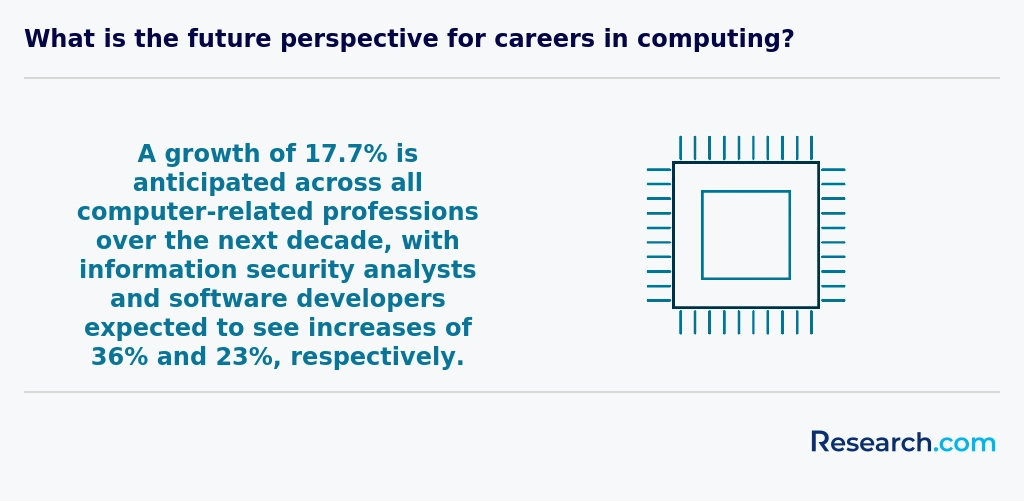
Computer science careers are increasingly viewed as essential worldwide, with the U.S. recognized for its innovation and leadership in technology. Seattle, as a major tech hub, benefits from this global emphasis, attracting students eager to join top companies like Microsoft and Amazon. According to the U.S. Bureau of Labor Statistics, employment in computer and information technology occupations is projected to grow 15% from 2021 to 2031, much faster than the average for all occupations.
Globally, demand for software developers, cybersecurity experts, and data scientists is strong, driven by digital transformation across industries. This trend makes a computer science degree valuable for international career opportunities.
Seattle's universities often collaborate with global firms, enhancing students' ability to work on worldwide projects. This international perspective in education prepares graduates to succeed in diverse, multinational environments.
Students pursuing a computer science degree in Seattle can gain practical experience through internships, cooperative education (co-op) programs, and project-based courses offered by many local universities. Seattle's strong tech industry, with companies like Microsoft and Amazon headquartered nearby, provides abundant internship opportunities for hands-on learning.
Internships often pay well and allow students to apply classroom knowledge in real-world settings. According to the Washington State Employment Security Department, the tech sector in Seattle saw over 6,500 openings for software developers in 2023, which increases chances for student placements.
Additionally, some Seattle schools partner with local startups and corporations to facilitate co-op programs. These programs alternate semesters of work and study, offering extended practical experience.
Students are also encouraged to engage in hackathons, coding competitions, and research projects with faculty to further develop their skills outside formal coursework.
Choosing the right concentration within a computer science degree program in Seattle involves considering your career goals and local industry demand. Seattle's tech hub, home to companies like Microsoft and Amazon, emphasizes areas such as software engineering, machine learning, and cloud computing. According to the U.S. Bureau of Labor Statistics, software development jobs are projected to grow 22% by 2030, faster than the average for all occupations.
To narrow your focus, explore concentrations offered by Seattle universities and compare their curriculum with job market trends. Hands-on experience through internships or research can clarify your interests.
Utilizing resources like the Seattle Tech Employment Report or university career centers can further guide your decision based on Seattle's evolving tech landscape.
- 2027 Most Valuable Computer Science Degree Programs Ranking in Davis
- 2027 Most Valuable Computer Science Degree Programs Ranking in Berkeley
- 2027 Most Valuable Computer Science Degree Programs Ranking in San Francisco
- 2027 Most Valuable Computer Science Degree Programs Ranking in Salt Lake City
- 2027 Most Valuable Computer Science Degree Programs Ranking in Santa Cruz
- 2027 Most Valuable Computer Science Degree Programs Ranking in Santa Barbara
- 2027 Most Valuable Computer Science Degree Programs Ranking in Los Angeles
- 2027 Most Valuable Computer Science Degree Programs Ranking in Claremont
- 2027 Most Valuable Computer Science Degree Programs Ranking in Irvine
- 2027 Most Valuable Computer Science Degree Programs Ranking in Boulder
See What Experts Have To Say About Studying Computer Science
Read our interview with Computer Science experts

Kathleen M. Carley
Computer Science Expert
Professor of Computer Science
Carnegie Mellon University

Imed Bouchrika, Phd
Computer Science Expert
Professor of Computer Science
National Higher School of Artificial Intelligence

Martin Kang
Computer Science Expert
Assistant Professor
Loyola Marymount University

Derek Riley
Computer Science Expert
Professor, Program Director
Milwaukee School of Engineering

- Computer Science Cover Letter: How to Show You're a Top Tech Candidate https://arc.dev/talent-blog/computer-science-cover-letter/
- Top Careers in Computer Science | Careers, Salaries, and Resources https://www.computerscience.org/careers/
- Master of Science (M.S.) Major in Computer Science (Thesis Option) https://mycatalog.txstate.edu/graduate/science-engineering/computer/computerscience-thesis-nominor-ms/
- Computer Science students create live network in simulated scenario https://www.stmartin.edu/news-and-stories/stories/computer-science-students-create-live-network-simulated-scenario
- Ada Computer Science https://adacomputerscience.org/student_challenges
- UK Computer Science Degree Requirements Explained https://accesscoursesonline.com/blogs/news/computer-science-degree-requirements
- How to Find Computer Science Work Experience in Year 12 https://www.savemyexams.com/learning-hub/careers/how-to-find-computer-science-work-experience-year-12/
- Pathway: Computer Science Area of Study https://seattlecentral.edu/programs/computer-science/computer-science-associate-computer-science-csacsaa
- Top 12 Global Careers For Computer Science Degree Graduates https://womeninstemnetwork.com/careers-for-computer-science-degree/
- Computer Science Alumni Council https://www.myniu.com/article.html