2027 Most Valuable Business Degree Programs Ranking in South Dakota

Co-Founder and Chief Data Scientist
Choosing the right business degree program can shape your future career and open doors to countless opportunities. For students in South Dakota, making this choice just got easier and more reliable.
This article presents the 2027 Most Valuable Business Degree Programs Ranking in South Dakota, created by the Research.com team of data scientists. It offers a clear, data-driven look at which programs provide the best value and potential for success.
By exploring this ranking, you'll gain useful insights to confidently select a program that fits your goals and ambitions. Earning a business degree is an exciting step toward a rewarding professional journey.
Key benefits of getting business degree in South Dakota
- Salary for business degree graduates: Graduates often secure well-paying jobs, such as Business Development Executives earning a mean annual wage of $83,190 and Business Analysts making around $112,950, reflecting strong financial opportunities in South Dakota.
- Potential career paths: A business degree holder from a university like South Dakota State University can pursue roles in marketing, management, or consulting, offering diverse and rewarding career options within the state's growing economy.
- Benefits of online business degrees: Online programs from institutions such as the University of South Dakota allow flexible learning schedules and can help graduates balance work and study, making it easier to advance quickly in their careers.
- 2027 Most Valuable Business Degree Programs Ranking in South Dakota
- What can I expect from business degree in South Dakota?
- Where can I work with business degree in South Dakota?
What can I expect from business degree in South Dakota?
The average cost of earning a business degree in South Dakota is notably competitive, especially when compared to national figures. Many graduates from South Dakota State University and the University of South Dakota report that in-state tuition fees are more manageable, often ranging between $8,000 and $12,000 per year for public universities. This affordability reduces financial strain, allowing students to concentrate on practical aspects like internships and networking rather than excessive debt.
Graduates recall balancing coursework with part-time jobs or internships, making the cost-benefit ratio feel favorable. For example, students at South Dakota State University's College of Business and Information Analytics benefit from the AACSB accreditation while paying tuition that stays well below the national average. This combination of quality education and reasonable pricing supports a constructive learning environment but still requires careful financial planning.
However, out-of-state students should be aware that tuition rates rise significantly, sometimes doubling, which could impact return on investment. Flexible learning options, such as online degrees, have helped some professionals manage costs while advancing their careers without pausing their income streams.
Where can I work with business degree in South Dakota?
Business graduates in South Dakota find diverse opportunities across multiple thriving sectors. Graduates from the University of South Dakota and South Dakota State University often share how their education opened doors in Sioux Falls's robust financial and healthcare markets, where companies like Wells Fargo and Sanford Health seek business professionals for roles in management, accounting, and analysis. This firsthand experience reveals how classroom skills translate directly to real administrative and strategic functions in major employers.
Many also engage in agribusiness, where understanding supply chains and farm economics is crucial. South Dakota's strong agricultural economy means graduates frequently step into roles managing agricultural sales or operations, as shared by alumni who work with local farming enterprises. Similarly, the manufacturing sector offers paths in operations and logistics-graduates describe rewarding challenges supporting production efficiency at emerging advanced manufacturing firms.
Retail and hospitality fields, particularly in cities like Rapid City, provide positions in marketing and sales management. Business students often highlight how internships at these companies bring excitement and confidence, illustrating the practical value of their degrees. While opportunities vary, South Dakota's economy supports a wide range of meaningful roles connecting academic preparation to real-world success.
Graduates with a business degree in South Dakota can expect varied earnings depending on their career path. For example, Business Analysts - a common role for many graduates from universities like South Dakota State University - earn a mean annual wage of about $112,950, reflecting strong demand for analytical skills in local industries. Business Development Executives, often entering roles after gaining experience through internships or entry-level positions, have a mean annual wage near $83,190, which is promising for those focused on growth and client relations.
While roles such as Project Manager or Account Manager are popular, lack of specific salary data suggests variability, so graduates should research industry sectors carefully. Those beginning their careers might find salaries nearer to $40,000 at entry-level, especially outside metropolitan areas like Sioux Falls or Rapid City, but with steady growth tied to experience and advanced degrees. Graduates often report a sense of optimism about earning potential, especially when leveraging business connections made during their studies.
In summary, while salaries fluctuate with job function and location, the data highlights solid opportunities for business graduates educated in South Dakota's recognized programs.
- Public universities in South Dakota charge about $9,500 per year for in-state undergraduate business students, while private institutions often exceed $15,000 annually.
- Starting salaries for recent business graduates average around $45,000 per year, increasing to $70,000-$80,000 in mid-career roles.
- The state's job market for business careers is stable with a low unemployment rate of 2.8% as of early 2024, especially in management, financial analysis, and sales.
- Key industries supporting business jobs include finance, healthcare administration, retail, and agriculture business services.
- South Dakota has a lower cost of living than the national average, making it more affordable for students and graduates in business fields.
Completing a business degree in South Dakota typically ranges from two to four years, but individual experiences vary significantly based on program type and personal circumstances. Graduates from institutions like Dakota State University often highlight that accelerated programs can help them finish in under four years by attending year-round, which contrasts with the traditional four-year timeline most bachelor's students expect.
For those enrolled part-time at public universities such as the University of South Dakota, the journey may extend beyond four years, reflecting the challenge of balancing work and study. Community college graduates pursuing an associate's degree at places like Mitchell Technical College usually finish in about two years, often appreciating the focused curriculum that prepares them quickly for the workforce or further education.
Graduate students pursuing an MBA frequently find that one to two years of study fits well with professional commitments, especially when opting for part-time tracks designed for working adults. These variations underscore that the path depends heavily on factors like enrollment status, program format, and personal dedication. Such flexibility allows students to tailor their experience to individual goals and life demands, offering both optimism and realistic pacing.
Choosing between online and on-campus business degrees in South Dakota comes down to lifestyle and learning preferences. Graduates from the University of South Dakota often mention how the on-campus experience allowed them to build strong networks through face-to-face interactions, business clubs, and real-time workshops, which brought a tangible energy to their studies.
Conversely, online students appreciate the flexibility that institutions like South Dakota State University offer, enabling them to balance work or family commitments while pursuing their degree. One graduate recalled completing assignments between shifts, valuing the ability to learn on their own schedule without commuting hassles.
Costs typically favor online programs slightly, as avoiding travel and campus fees eases financial pressure, though South Dakota's public universities already keep tuition relatively affordable compared to national averages. Yet, some employers still regard on-campus degrees as more immersive due to hands-on group projects and direct faculty access, a nuance online students carefully weigh.
Ultimately, both paths uphold South Dakota's academic standards, but the choice hinges on how a student envisions their educational journey and career foundation.
Pursuing a business degree in South Dakota can be made more affordable through a variety of financial aid options and scholarships tailored to in-state and out-of-state students. Below are key resources and strategies to help you minimize educational expenses: 1. Federal Aid Programs - Complete the FAFSA to qualify for Pell Grants and Direct Subsidized Loans, which often form the foundation of your aid package. - Explore Federal Work-Study opportunities at institutions like South Dakota State University and the University of South Dakota for part-time, campus‐based employment. 2. State and Institutional Scholarships - South Dakota Opportunity Scholarship: Merit-based aid awarded to residents with strong academic records. - University-Specific Awards: Many universities offer departmental scholarships for business majors; check your school’s financial aid office for application deadlines. 3. Private and Industry Scholarships - Business Professional Associations: Organizations such as the South Dakota Chamber of Commerce and local Rotary Clubs frequently sponsor scholarships for aspiring business leaders. - Company-Sponsored Awards: Some local firms provide scholarships in exchange for internship commitments or post-graduation employment. 4. Graduate and Online Program Discounts - Universities often provide reduced tuition rates or waivers for returning alumni pursuing a master’s degree. - Working professionals may qualify for employer tuition reimbursement programs. - For those considering further study, be sure to review the Most Affordable Online Master's in Business Degree Programs Ranking in the West to compare cost-effective graduate options. 5. Budgeting and Cost-Saving Tips - Leverage digital textbooks and open educational resources (OER) to cut material costs. - Share housing and transportation expenses through student roommate networks. - Plan coursework strategically to avoid additional semesters and maintain on-time graduation. By proactively researching and applying for these financial aid opportunities, you can significantly reduce the overall cost of your business education in South Dakota and graduate with less debt.
The average cost of a business degree program in South Dakota generally reflects the state's reputation for affordable higher education. Based on median total expenses, in-state students can expect to pay around $9,432 for their entire business degree, while out-of-state students face similar median totals near $25,976. This affordability contrasts with national averages and creates added value for students focused on managing educational expenses carefully.
Graduates from universities like South Dakota State University and the University of South Dakota often share that keeping tuition costs reasonable was a relief during their studies, allowing them to focus more on coursework and networking rather than financial strain. Of course, these figures typically cover tuition and fees but do not include living expenses, books, or additional course materials-which can add significantly to the overall budget.
Attending private institutions such as Augustana University may increase costs, but many students find scholarships and merit-based aid helpful for managing these expenses. It's also important to remember that fees and supplies can add a few hundred to over a thousand dollars annually. For prospective students evaluating total expenses for business degrees South Dakota 2027, such clarity is vital for realistic financial planning.
Students seriously considering their options should explore the cheapest business programs in south dakota. These programs can offer a balanced mix of quality education and cost-effectiveness, making the journey toward a business degree more accessible and positively impactful on a student's future career and personal confidence.

When evaluating business degree programs in South Dakota, one crucial factor to consider is affordability. Prospective students should research not only the tuition fees but also the overall cost of attendance, including additional expenses such as textbooks, supplies, and living costs. For those seeking the most economical options, exploring the cheapest business programs in south dakota can provide valuable insights. This section aims to guide students in making informed decisions about their educational investments, ensuring they choose a path that maximizes their potential in the competitive job market while minimizing financial burden. By understanding the financial aspects of pursuing a business degree, students can better navigate the process of selecting a program that aligns with their career aspirations and budget constraints.
Business students in South Dakota typically rely on a combination of federal, state, institutional, and external financial aid to make their education affordable. Federal aid, such as Pell Grants and Direct Subsidized Loans, often forms the backbone of funding; for example, a graduate from South Dakota State University recalled how a Pell Grant covering up to $7,395 annually eased the pressure of tuition costs, which ranged from $9,000 to $11,000 per year.
State-specific scholarships also play a vital role. The South Dakota Opportunity Scholarship offers up to $6,500 yearly for full-time students maintaining a 3.0 GPA. Graduates from the University of South Dakota frequently mention how this scholarship incentivized academic commitment while providing meaningful financial relief.
Institutional merit-based scholarships further support students. Many business majors have experienced joy and motivation when receiving awards based on leadership or academic achievement, sometimes amounting to thousands of dollars annually. Outside scholarships from groups like the South Dakota Society of Certified Public Accountants foster a strong sense of community and professional encouragement.
Work-study programs add a practical dimension, allowing students to earn money while gaining relevant experience on campus, contributing to both financial stability and career readiness in the business field.
Navigating the cost of a Business degree in South Dakota often requires a strategic approach to financial aid. Start by completing the FAFSA early to access federal grants and work-study programs. South Dakota residents can also apply for state awards like the South Dakota Opportunity Scholarship, which rewards both academic achievement and financial need. Many institutions-such as South Dakota State University and the University of South Dakota-offer merit-based scholarships; deadlines typically fall in December or January, so planning ahead is essential. Beyond institutional aid, explore private scholarships from local business associations and non-profits; awards range from $500 to full-tuition and often prioritize leadership, community service, or specific majors like finance and marketing. Graduate assistantships and teaching fellow positions provide stipend support in exchange for research or teaching duties, reducing out-of-pocket expenses while enhancing your CV. For working professionals, employer tuition reimbursement can cover up to 100% of tuition costs-verify your company’s benefits and maintain satisfactory grades to remain eligible. Additionally, accelerated pathways can lower overall costs by shortening time to completion; for example, prospective students might consider the fastest business degree online to reduce living and tuition expenses through condensed terms. By combining federal aid, state scholarships, institutional awards, and employer support, you can significantly offset tuition and fees, ensuring your investment in a South Dakota Business degree delivers maximum long-term value.
To enroll in a business degree program in South Dakota, applicants typically need a high school diploma or equivalent like a GED, which serves as the basic gateway. Many graduates from universities such as South Dakota State University recall the value of excelling in math and economics during high school, as these subjects form a strong academic foundation for business studies. Standardized tests like the SAT or ACT are usually expected, though some schools now offer test-optional pathways, reducing pressure and opening doors for diverse applicants.
Beyond academics, personal statements and recommendation letters play a key role. Graduates often highlight how these documents allowed them to showcase their leadership skills and extracurricular involvement, helping admissions committees assess their real-world business potential.
For graduate programs like an MBA in South Dakota, holding a bachelor's degree is mandatory, with many institutions valuing relevant work experience. Some business graduates emphasize how submitting GMAT or GRE scores helped them stand out, though waivers for professional achievements are increasingly common, reflecting a flexible approach to admissions.

Securing financial support is a crucial aspect of pursuing a business degree in South Dakota, and understanding your funding options can significantly ease the burden of rising tuition costs. Students should explore a variety of resources including federal and state grants, scholarships offered by both institutions and private organizations, and work-study programs that allow you to gain practical experience while earning money towards your education. For instance, many universities provide tailored scholarship opportunities based on academic merit, community involvement, or extracurricular achievements, which can substantially lower your overall financial commitment. In addition to these traditional funding avenues, consider utilizing online tools and resources to compare loan options and scholarship deadlines that align with your academic goals. Integrating practical experiences into your education, such as participating in programs that outline the benefits of business management degree, can also enhance your resume and potentially open doors to employer-sponsored tuition assistance. By researching and leveraging all available financial aid opportunities, you can create a well-rounded funding strategy that not only minimizes debt but also supports a smooth transition into a rewarding business career.
Business degree programs in South Dakota, such as those at South Dakota State University or the University of South Dakota, commonly include foundational courses that build essential skills for real-world business challenges. Graduates often recall how courses like Principles of Management helped them grasp leadership dynamics by analyzing case studies of local businesses navigating change.
Financial Accounting courses teach students to prepare and interpret statements-skills frequently applied during internships at regional firms. Marketing Fundamentals introduce students to consumer behavior through hands-on projects, like designing campaigns for campus events.
Courses in Business Law provide clarity on contracts and regulations, a crucial asset when graduates enter industries like healthcare or retail, which dominate South Dakota's economy. Economics classes explain market forces affecting local startups and supply chains.
Electives such as international business or entrepreneurship allow students to tailor their education to specific interests, fostering enthusiasm and confidence. Many graduates find that these courses, combined with communication and critical thinking training, directly prepare them for the 5% projected growth in business jobs by 2030 in the state.
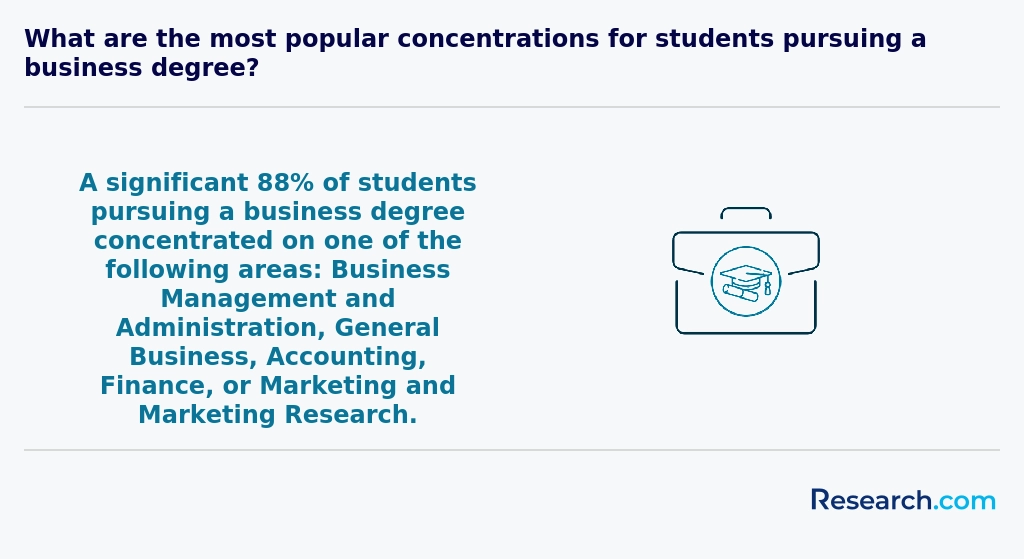
Business degree specializations in South Dakota often include accounting, finance, management, marketing, and entrepreneurship, each reflecting regional economic strengths. Graduates from popular universities appreciate how the accounting track, with its focus on auditing and taxation, prepares them well for local job markets where the average salary reaches about $61,000 annually. Others highlight the finance specialization's relevance given the state's insurance and banking sectors. These experiences help students connect classroom concepts with real South Dakota industries.
Students at institutions known for their business programs report that specializations like management resonate strongly due to leadership needs in agriculture and healthcare businesses statewide. Marketing majors often find their studies highly applicable when engaging with both local businesses and broader markets. Moreover, some choose entrepreneurship to benefit from South Dakota's supportive environment for startups.
Those exploring South Dakota business degree concentration options also mention growing interest in emerging areas like supply chain management and business analytics, which align with technological advancements and logistics. For students weighing various paths, understanding the benefits of business management degree can be crucial in making informed decisions that suit their ambitions.
Choosing the best business degree programs South Dakota requires careful evaluation beyond surface factors like tuition. Graduates often highlight the tangible benefits of AACSB accreditation found at schools such as the University of South Dakota, noting it opened doors to competitive internships and enhanced employer recognition. However, personal interests remain paramount; for instance, students attracted to agriculture finance value South Dakota State University's specialized business tracks, which align closely with local industry needs.
Affordability is another critical dimension. Many prospective students consider affordable business colleges in South Dakota due to lower in-state tuition-about $9,600 yearly at public universities-but each must balance this against resources available, such as small class sizes that foster mentorship and networking opportunities. Alumni frequently recall how campus clubs and career services shaped their confidence and professional connections.
Understanding the local job market is also key. South Dakota's steady business sector growth means choosing a program with strong ties to employers or providing internships can significantly aid employment prospects. Exploring options like the fastest business degree online might suit those seeking accelerated paths without sacrificing these advantages.
Graduates with a business degree in South Dakota often find diverse career paths aligned with the state's economic priorities. Many take on management roles in agriculture-related businesses, a sector deeply embedded in South Dakota's economy, gaining hands-on experience managing supply chains or commodity sales. Others enter finance and accounting fields concentrated in Sioux Falls and Rapid City, where median wages for financial analysts can be quite competitive. These options demonstrate practical applications of a South Dakota business degree career opportunities South Dakota provides.
Students from universities known for business programs often share enthusiasm about marketing and sales positions, enjoying roles that combine creativity with data-driven decisions in retail or healthcare industries. Entrepreneurship is an increasingly popular route, encouraged by local support and cost advantages. Graduates also explore human resources, benefiting from strong communication skills acquired during their studies. For those weighing different outcomes, the range of South Dakota business degree job prospects reflects a balance between traditional sectors and innovative startups.
Real-world insights like those from graduates of top South Dakota institutions highlight how affordability complements opportunity. For students interested in further education options, exploring the Most Affordable Online Master's in Business Degree Programs Ranking in the West can provide valuable guidance.
The job market for business degree holders in South Dakota shows promising signs, particularly for graduates from institutions like South Dakota State University. Many find rewarding employment opportunities across industries such as finance, healthcare, and manufacturing. Observing South Dakota business degree job outlook, graduates often secure roles like financial analysts or human resources managers that offer competitive starting salaries near $50,000. However, job seekers should remain cautious, as regional market shifts can affect demand.
Graduates frequently share positive experiences about networking in cities like Sioux Falls, where internships with local companies provide crucial career stepping stones. The state's relatively low unemployment rate of about 2.6% supports these opportunities but does not guarantee immediate placements for all. Tuition averaging around $9,000 per year at public universities makes the investment practical, especially when paired with available workforce growth.
For students exploring pathways beyond traditional degrees, programs linked to certificate careers that pay well offer alternative routes to enhance employability in South Dakota's competitive job market.
2027 Most Valuable Business Degree Programs Ranking in South Dakota
Investing in your education is a significant decision that can profoundly impact your career, and the Research.com team is committed to helping you make well-informed choices. To support aspiring business professionals in South Dakota, we have carefully developed the "2027 Most Valuable Business Degree Programs Ranking in South Dakota." Our dedication to quality, credibility, and accuracy is demonstrated through rigorous research and thorough data analysis.
We utilized the following reputable data sources to create this comprehensive ranking:
By reviewing this ranking, readers will obtain critical insights into the most valuable business degree programs in South Dakota, empowering them to choose educational paths aligned with their professional goals. For further information on how this ranking was developed, please visit our Research.com methodology page.


# 6 position
National American University-Rapid City
Bachelor of Business Administration


# 10 position
California Intercontinental University
Master of Business Administration

# 12 position
National American University-Rapid City
Master of Business Administration

# 16 position
California Intercontinental University
Doctor of Business Administration
# 17 position
Oglala Lakota College
Bachelor of Business Administration



Frequently Asked Questions About business
Business degree students in South Dakota can maximize their learning by engaging with local industries, as the state's economy includes strong sectors like agriculture, finance, and manufacturing. Internships with companies in Sioux Falls or Rapid City provide valuable hands-on experience and networking opportunities.
Participating in student organizations, such as business clubs or entrepreneurship groups, enhances leadership and teamwork skills. South Dakota schools often offer access to business competitions and workshops, which help apply classroom knowledge.
Additionally, leveraging online resources and certifications in areas like data analytics or supply chain management can increase marketability upon graduation.
The South Dakota Department of Labor and Regulation highlights that business-related fields grew by 2% annually, emphasizing career potential in state markets.
Emerging niches within the business field in South Dakota reflect broader national trends emphasizing technology, sustainability, and data-driven decision-making. One key area is data analytics, where businesses increasingly rely on big data to improve operations and customer insights. According to the South Dakota Department of Labor, jobs in data analysis are projected to grow faster than average through 2030.
Sustainable business practices are also gaining traction, aligning with South Dakota's agricultural and renewable energy sectors. Students focusing on environmental management and green business are well-positioned for roles that balance profitability with ecological responsibility.
Additionally, entrepreneurship and innovation studies are expanding, supported by local incubators and the Sioux Falls business community. The state's low cost of living combined with supportive small business programs makes these niches attractive for new graduates aiming to start ventures.
After earning a business degree in South Dakota, preparing for the job market involves strategic steps to improve employability. South Dakota's low unemployment rate, around 2.4% as of 2023 (U.S. Bureau of Labor Statistics), means competition is still present, especially in urban centers like Sioux Falls and Rapid City.
Internships remain essential; they offer practical experience and networking opportunities. Many South Dakota universities such as the University of South Dakota and South Dakota State University have established connections with local businesses.
Additionally, joining professional organizations like the South Dakota Small Business Development Center can enhance skills and provide valuable industry insights. Strong communication and technology skills, combined with adaptability, also increase job prospects in the evolving market.
Employers in South Dakota highly value business degree graduates who demonstrate strong analytical and communication skills. According to the South Dakota Department of Labor and Regulation, critical thinking paired with problem-solving abilities ranks among the top competencies sought by local employers in finance, marketing, and management roles.
Additionally, proficiency in data analysis and familiarity with digital tools is increasingly important due to the state's expanding sectors like agribusiness and healthcare. Collaborative teamwork and leadership skills are also essential, as South Dakota businesses often emphasize adaptability in dynamic market conditions.
Understanding ethical practices and regulatory compliance specific to South Dakota's economy further distinguishes job candidates in this competitive market.
Finding internships in South Dakota relevant to a business degree involves leveraging local resources and industry connections. Many universities, such as South Dakota State University and the University of South Dakota, offer dedicated career services that connect students with internships in finance, marketing, and management.
South Dakota's business environment features sectors like agriculture, finance, and healthcare, offering diverse internship opportunities. The South Dakota Department of Labor and Regulation provides job listings and internship programs specific to the state, which can be valuable for students.
Networking through business organizations, such as the Sioux Falls Area Chamber of Commerce, also enhances prospects. Students should utilize online platforms like Handshake and LinkedIn to find openings with notable South Dakota employers.
A business degree significantly enhances career mobility and advancement opportunities in South Dakota. According to the U.S. Bureau of Labor Statistics, jobs in management, finance, and marketing-which often require business education-are projected to grow by about 7% statewide through 2030. Employers in South Dakota value the skills taught in business programs, such as leadership, critical thinking, and financial analysis, which can lead to faster promotions and diverse job prospects.
Graduates with business degrees often report higher starting salaries and better job stability in South Dakota's key industries, including agriculture, manufacturing, and healthcare administration. Local economic reports also highlight that networking through business programs opens doors to professional connections essential for career growth.
Studying for a business degree in South Dakota prepares students for interdisciplinary roles by integrating core business knowledge with skills from fields such as technology, communication, and analytics. Many South Dakota institutions emphasize collaboration across departments, fostering adaptability in varied professional environments.
South Dakota's economy is diverse, with strong sectors like agriculture, manufacturing, and finance, encouraging business programs to offer practical learning tailored to these industries. For example, the South Dakota Board of Economic Development highlights the need for graduates who can navigate cross-functional teams effectively.
Business degrees often include coursework in data analysis, project management, and ethical leadership, essential for roles bridging multiple disciplines. This multifaceted approach helps students become versatile professionals ready to meet evolving workforce demands.
Choosing between a thesis and a non-thesis business degree in South Dakota depends on your career goals and learning preferences. Thesis programs often focus on research, appealing to students seeking roles in academia or analytical positions. Completing a thesis involves extensive research and writing, which can enhance critical thinking skills.
Non-thesis programs typically emphasize practical skills through coursework and projects, suiting those aiming for immediate entry into business roles. South Dakota's labor market, shaped by industries like agriculture, manufacturing, and finance, values applied skills and experience.
According to the South Dakota Board of Regents, thesis options may extend program length by several months due to research demands. Assess how each option aligns with your timeline, interests, and professional aspirations.
Students in South Dakota interested in studying business abroad have several options to consider through partnerships between local universities and international institutions. For instance, South Dakota State University supports study-abroad programs in Europe, Asia, and Latin America, allowing students to gain global business perspectives while earning credits towards their degree. The University of South Dakota also offers faculty-led international business trips that combine classroom learning with real-world experience.
Participation in exchange programs can enhance understanding of international markets, a key asset given South Dakota's growing agricultural export economy valued at billions annually, according to the South Dakota Department of Agriculture. These experiences are often supported by scholarships and financial aid dedicated to study abroad, from both the institutions and statewide education grants.
Students pursuing business degrees in South Dakota have access to various part-time job opportunities that enhance their education. Positions in retail management, banking, and customer service are common, providing hands-on experience in sales, finance, and organizational skills. According to the South Dakota Department of Labor, the state's financial services sector employs over 15,000 people, reflecting solid opportunities in banking and insurance roles.
Internships at local businesses or startups in Sioux Falls and Rapid City also expose students to real-world business challenges. Roles in marketing, data analysis, and administrative support help develop practical skills aligned with coursework. Such experience can improve graduates' employability after college.
Business students in South Dakota benefit from a variety of networking opportunities that connect them with local industries and professionals. Universities such as South Dakota State University and the University of South Dakota host career fairs that attract businesses from key sectors like agriculture, finance, and manufacturing. These events provide students direct access to employers actively hiring graduates.
Additionally, organizations such as the South Dakota Chamber of Commerce and local business incubators offer networking events, workshops, and mentorship programs targeted at young professionals. According to the South Dakota Department of Labor, sectors like finance and insurance have seen steady growth, increasing opportunities for business students to build valuable connections.
Internships through university partnerships with companies also serve as gateways to professional networks, helping students gain real-world experience while expanding their contacts within South Dakota's business community.
Alumni networks play a key role in supporting business degree students in South Dakota by providing valuable connections and resources. Graduates often share job leads, mentorship, and internship opportunities with current students, enhancing career prospects. For example, the University of South Dakota's Beacom School of Business reports strong alumni engagement that helps students access local industries like agriculture, finance, and healthcare.
These networks also facilitate professional development through workshops and events, which are crucial in a state where small and medium enterprises dominate. According to the South Dakota Department of Labor, industries connected to business graduates have grown by 3.5% annually, increasing demand for skilled professionals.
Access to alumni can improve students' understanding of regional economic trends and foster relationships that extend beyond graduation.
Customizing a business degree program in South Dakota allows students to align their education with specific career goals. Many universities offer concentrations such as finance, marketing, entrepreneurship, or supply chain management, providing flexibility to focus on industries prominent in the state, such as agriculture, manufacturing, and finance. Elective courses and internships give practical experience relevant to South Dakota's economic landscape. According to the South Dakota Department of Labor, targeted skills in data analytics and business administration are in high demand locally. Choosing programs with connections to local businesses can enhance employment opportunities and networking for graduates.
Business students in South Dakota often face challenges related to limited local internship and job opportunities compared to larger metropolitan areas. According to the South Dakota Department of Labor, while the state's economy is growing, sectors like finance and tech remain smaller, making practical experience harder to find. Additionally, students may encounter difficulties with access to diverse networking events, which are crucial for career development in business fields.
Many also struggle with balancing academic workloads and part-time jobs, a common issue given the average tuition costs at South Dakota universities. Furthermore, adapting to rapidly changing business technologies requires continuous learning, which can add pressure. These challenges highlight the importance of leveraging both campus resources and statewide support programs.
With a business degree in South Dakota, graduates can pursue several respected professional certifications that enhance career prospects. Common options include the Certified Public Accountant (CPA), essential for accounting professionals and recognized nationwide. South Dakota requires 150 credit hours and passing the Uniform CPA Exam.
The Project Management Professional (PMP) certification is valuable for those seeking roles in project leadership, reflecting advanced knowledge and experience in managing projects. The Certified Management Accountant (CMA) is another respected certification focused on financial management and strategy.
According to the Bureau of Labor Statistics, business and financial occupations in South Dakota are projected to grow by 5% between 2022 and 2032, which may increase demand for these certifications.
When applying to business programs in South Dakota, clarity and preparation are key. Start by thoroughly researching the specific colleges, such as the University of South Dakota or South Dakota State University, which are known for their strong business faculties. Tailor your personal statement to reflect your career goals and how the program aligns with South Dakota's economic sectors like agriculture, finance, and healthcare.
Highlight any relevant work or internship experience that showcases your leadership and analytical skills. Many programs value applicants who understand South Dakota's unique business environment, where agriculture contributes over $14 billion annually to the state economy, according to the South Dakota Department of Agriculture. This local knowledge can set you apart.
Also, ensure your application meets all deadlines and includes strong letters of recommendation from academic or professional references familiar with your abilities. Test scores and GPA remain important; competitive applicants often have a GPA above 3.0. Finally, clearly explain how earning a business degree in South Dakota positions you for success in regional or national markets.
The global perspective on a business career increasingly values international experience and cultural competence. Business graduates from South Dakota benefit from programs that emphasize global markets, preparing students to compete worldwide. According to the U.S. Bureau of Labor Statistics, jobs in management and business occupations are expected to grow 8% from 2022 to 2032, including roles that require global skills.
South Dakota's business schools often integrate global case studies and offer study abroad options, enhancing students' understanding of diverse economic systems. This approach helps develop skills sought by multinational companies and regional exporters, especially important in a state where agriculture exports represent a significant economic sector.
Students pursuing business degrees in South Dakota gain insights into ethical international practices, global supply chains, and cross-border trade regulations, aligning with trends identified by the National Association of Colleges and Employers (NACE) regarding the demand for global-ready employees.
Gaining practical experience while studying for a business degree in South Dakota is possible through internships, cooperative education (co-op) programs, and involvement in student organizations. Many universities in the state, like South Dakota State University and the University of South Dakota, have strong connections with local businesses, allowing students to complete internships in industries such as agriculture, finance, and healthcare management. According to the South Dakota Department of Labor and Regulation, internships can improve job placement rates by up to 20% for business graduates.
Additionally, co-op programs offer paid work experiences integrated into academic schedules, enhancing hands-on learning. Students can also join business-related clubs and attend networking events hosted by chambers of commerce to build professional skills. Volunteering for local startups or nonprofit organizations provides valuable real-world exposure that complements classroom education.
Choosing the right concentration within a business degree program in South Dakota involves evaluating personal interests, career goals, and local economic trends. The state's economy includes strong sectors like agriculture, finance, and healthcare, which influence demand for certain business specialties.
Students should research concentrations such as finance, marketing, management, or supply chain management, considering which align with South Dakota's job market. According to the South Dakota Department of Labor, employment in business and financial operations is projected to grow by 8% over the next decade.
Assess academic offerings at South Dakota universities to ensure programs provide relevant skills and internship opportunities tied to regional industries. Consulting career advisors to match concentrations with labor market data enhances decision-making.
- 2027 Most Valuable Online Business Degree Programs Ranking in North Dakota
- 2027 Most Valuable Online Business Degree Programs Ranking in Nebraska
- 2027 Most Valuable Online Business Degree Programs Ranking in Minnesota
- 2027 Most Valuable Online Business Degree Programs Ranking in Iowa
- 2027 Most Valuable Online Business Degree Programs Ranking in Kansas
- 2027 Most Valuable Online Business Degree Programs Ranking in Wisconsin
- 2027 Most Valuable Online Business Degree Programs Ranking in Missouri
- 2027 Most Valuable Online Business Degree Programs Ranking in Oklahoma
- 2027 Most Valuable Online Business Degree Programs Ranking in Michigan
- 2027 Most Valuable Online Business Degree Programs Ranking in Texas
See What Experts Have To Say About Studying Business
Read our interview with Business experts


David W. Stewart
Business Expert
Emeritus President's Professor of Marketing
Loyola Marymount University

Ingrid S. Greene
Business Expert
Clinical Assistant Professor of Management
Loyola Marymount University

- Career Pathways Associate Degree - South Dakota Board of Regents https://sdbor.edu/career-pathways-planning/
- 55 Trending Business Ideas for 2025 and Beyond https://www.uschamber.com/co/start/business-ideas/top-trending-business-ideas
- The Biggest Challenges for Business School Students | EU Business School https://www.euruni.edu/blog/the-biggest-challenges-for-business-school-students/
- How to Use Your MBA for Career Growth While You’re Still Studying - International Career Institute USA https://icieducation.com/blog/how-to-use-your-mba-for-career-growth-while-youre-still-studying/
- How to Write a Statement of Purpose for Business School https://www.statementswritingservices.com/blog/how-to-write-a-statement-of-purpose-for-business-school.html
- Business Administration Degree Requirements - South Dakota https://www.southeasttech.edu/programs/business/business-administration/requirements.php
- BUSINESS MANAGEMENT ENGLISH (THESIS / NON-THESIS) - Lisansüstü Eğitim Enstitüsü https://lee.nisantasi.edu.tr/en/business-management-english-thesis-non-thesis/
- 10 Key Benefits of Part-Time Jobs for Students While Studying https://www.ue-amsterdam.com/blog/top-10-benefits-of-working-part-time-for-students-while-studying
- Bringing global perspectives to leadership in business https://www.eaie.org/resource/global-perspectives-leadership-business.html
- Professional Business Certifications to Boost Your Career in 2025 https://www.business.com/articles/best-business-certifications/