
2027 Most Valuable Business Degree Programs Ranking in New Hampshire

Co-Founder and Chief Data Scientist
Choosing the right business degree program can shape your future career and open doors to exciting opportunities. This article presents the 2027 Most Valuable Business Degree Programs Ranking in New Hampshire, developed by the Research.com team of data scientists.
By exploring this ranking, you'll gain insights into the most rewarding programs available locally. Knowing which programs offer the best value helps you make an informed decision tailored to your goals.
Whether you're starting your college search or considering a change, this guide will inspire confidence and clarity on your educational journey.
Key benefits of getting business degree in New Hampshire
- Salary for business degree graduates: Business graduates in New Hampshire can expect strong earning potential, with roles like Business Development Executives earning a mean annual wage of $83,190 and Business Analysts making about $112,950 per year on average.
- Career paths: Graduates from popular New Hampshire colleges often pursue diverse careers such as business analysis, sales, or project coordination, benefiting from practical skills that open many doors in the local and national job markets.
- Online degree benefits: Earning a business degree online from a well-known New Hampshire university offers flexibility and accessibility, allowing students to balance work and study while gaining the same quality education as traditional programs.
- 2027 Most Valuable Business Degree Programs Ranking in New Hampshire
- What can I expect from business degree in New Hampshire?
- Where can I work with business degree in New Hampshire?
What can I expect from business degree in New Hampshire?
The average cost of earning a business degree in New Hampshire often surprises students who expect sky-high tuition fees. For example, a graduate from the University of New Hampshire reflects on paying around $18,000 annually for in-state tuition, a figure that feels manageable given the quality of education and career prospects. This moderate cost contrasts with private options like Southern New Hampshire University, where tuition is higher but offers invaluable flexibility for those balancing work and study with online and evening classes.
Picture a business student juggling a part-time job and classes at SNHU, appreciating the ability to tailor their schedule without sacrificing educational rigor. The investment in tuition becomes more tangible when paired with internship opportunities and networking chances directly connected to New Hampshire's thriving small business community.
The real cost extends beyond dollars-students gain leadership and strategic skills recognized by employers who value graduates from AACSB- or ACBSP-accredited programs. As one alum recalls, the blend of accessible pricing and real-world experience made their degree feel like a smart and achievable step toward a rewarding career.
Where can I work with business degree in New Hampshire?
Graduates from business programs at institutions like the University of New Hampshire find themselves stepping into a surprisingly diverse job market. It's not just about traditional corporate offices; many land roles in financial services hubs in Manchester and Nashua, managing portfolios or advising clients. Imagine starting your career in a bustling regional bank or an insurance firm, where your business skills directly impact community growth.
Others discover rewarding paths in healthcare administration at places like Dartmouth-Hitchcock Medical Center, where business knowledge supports critical operations behind the scenes. One graduate described the fulfillment of improving patient services by streamlining billing and management processes.
Manufacturing companies in New Hampshire's electronics and aerospace sectors also attract business-savvy professionals who thrive managing supply chains or enhancing project workflows-a dynamic environment far from the ordinary office setting.
Startups in Portsmouth offer energetic atmospheres where business graduates flex strategic marketing and product management skills, fueling innovation. These real-life examples challenge the assumption that business degrees only lead to predictable roles, opening doors to impactful careers across finance, healthcare, manufacturing, and tech.
Graduates from business programs at New Hampshire's well-regarded institutions often find themselves pleasantly surprised by the financial returns of their degrees. Take a business development executive, for instance, who can expect a mean annual wage of around $83,190 in the state- a figure that challenges the notion that entry-level roles offer only modest earnings. Similarly, business analysts emerging from schools like the University of New Hampshire frequently command salaries averaging $112,950, reflecting their vital role in shaping company strategies and driving growth.
Imagine a recent graduate from a local college stepping into the professional world, feeling confident knowing their skills can quickly translate into a rewarding paycheck. These figures reflect not just numbers but real opportunities to thrive financially while contributing meaningfully to New Hampshire's diverse economy. This tangible success often validates the investment in business education and encourages students to envision a career path infused with growth and possibility.
- In-state tuition at public universities for business degrees averages around $18,000 per year, while private colleges charge about $40,000 or more annually.
- The total cost for a four-year business degree can range from $72,000 to $160,000, excluding additional expenses like books and living costs.
- Starting median salaries for business graduates in New Hampshire are approximately $50,000 per year, increasing to around $85,000 with experience.
- Key industries hiring business graduates include healthcare administration, financial services, manufacturing, and technology.
- New Hampshire's unemployment rate is about 2.5%, supporting a strong job market for business professionals.
- Many programs offer practical learning options such as internships and cooperative education to enhance job placement opportunities.
Completing a business degree in New Hampshire often takes the expected four years for a bachelor's degree, but the reality is far more flexible and personal. Graduates from institutions like the University of New Hampshire or Southern New Hampshire University frequently reflect on how their timelines stretched or shortened depending on life's demands and choices.
Some began at community colleges, appreciating how transfer agreements shaved both time and cost, making that four-year milestone feel achievable without overwhelming debt. Others, balancing work and family, embraced part-time or online study, stretching their journey to five or six years but gaining invaluable real-world experience along the way. One graduate shared how an accelerated MBA program condensed intense learning into 12 months, offering a rush of achievement but demanding fierce dedication.
These diverse paths show that the textbook timeline is just a starting point. The real question becomes: how does your unique life story shape the rhythm of your business degree in New Hampshire?
Calculating return on investment (ROI) is essential when comparing business degree programs. By weighing average tuition costs against projected earnings, you can identify which schools offer the greatest value. In New Hampshire, bachelor’s programs typically require about 120 credit hours at an average of $400 per credit, totaling roughly $48,000 before aid. With graduates securing roles such as Project Manager ($80,220) and Business Analyst ($108,790), the break-even point often occurs within two to three years of full-time employment. Key factors that influence ROI include: • Net Tuition After Aid: Grants, scholarships and work-study can reduce your total cost by 20–50%. • Program Length: Shorter pathways lower living expenses and accelerate earning potential. For those seeking an expedited timeline, an accelerated business administration degree can shave months off standard curricula. • Career Services and Placement Rates: Schools with robust employer partnerships and high placement rates often yield faster returns on your investment. By considering these variables, you’ll be equipped to choose a business degree program in New Hampshire that not only aligns with your career goals but also maximizes long-term financial benefits.
The core difference between online and on-campus business degrees in New Hampshire lies in how you experience your education. Graduates from the University of New Hampshire's Paul College often recall the vibrant energy of in-person collaboration-late-night study sessions in campus libraries, spontaneous discussions after classes, and valuable networking events that sparked internships. These moments create a sense of community and hands-on learning that can feel deeply rewarding.
Conversely, those who pursued online business degrees appreciate the flexibility to balance study with real life, whether it's managing a family or a full-time job. A common reflection from online graduates at New Hampshire universities is the empowerment felt when structuring their own schedule, studying lectures on their own terms without missing the crucial coursework.
While both paths cover the same rigorous curriculum accredited by AACSB, the choice often boils down to what type of experience drives you-immersive face-to-face interaction or adaptable independent learning that fits your busy lifestyle.
The average cost of a business degree in New Hampshire presents a nuanced picture that goes beyond sticker price. Graduates from public universities in the state often reflect on managing an average in-state tuition and fees near $19,000, a figure that aligns closely with the median in-state total cost reported for business programs. This cost captures more than just tuition; it embraces the full academic journey filled with growth, challenges, and new opportunities.
For those weighing their options, community colleges such as Great Bay Community College provide a compelling alternative, with significantly lower tuition that often hovers around $5,000 annually. Many students begin here, building foundational business knowledge affordably before transferring to larger institutions. This pathway not only eases financial pressure but instills a sense of accomplishment that resonates deeply with students navigating their educational paths.
Private universities in New Hampshire, known for their robust business curricula, tend to push the cost higher, frequently nearing or surpassing $50,000 in total yearly expenses. Yet, graduates often discuss the personalized attention and networking benefits that justify this investment. Understanding the total tuition and fees for business programs NH demands careful consideration of such qualitative aspects, which enrich the practical value of the degree.
Ultimately, the average cost of business degrees here calls for thoughtful reflection on value versus expense. Prospective students would benefit from exploring financial aid and scholarships extensively. For a well-rounded perspective on options and budgeting strategies, consulting a cheapest business school in new hampshire guide provides crucial insights that bring clarity to these complex decisions.
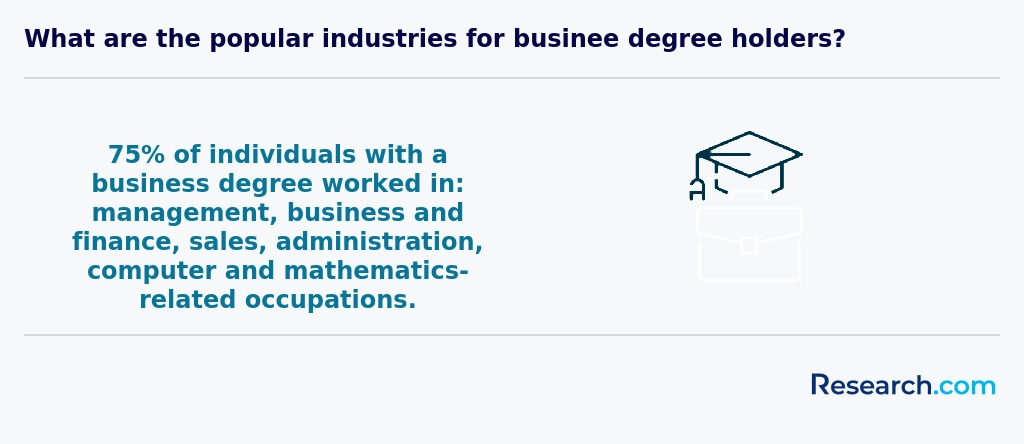
Pursuing a business degree in New Hampshire offers substantial benefits; however, it’s equally important to recognize potential challenges and considerations that can impact your academic journey and future career. Prospective students should evaluate not only the advantages-such as competitive salaries and diverse career opportunities-but also factors like rigorous coursework, evolving industry demands, and the realities of managing expenses. For instance, budgeting carefully is crucial since tuition, living expenses, and other costs (such as the cost of getting business management degree) can affect your overall financial plan. In addition, as the business landscape continuously shifts with advancements in technology and market trends, staying current through lifelong learning and leveraging resources like career services and alumni networks becomes essential. By weighing both the upside and the challenges, you’ll be better positioned to choose a program that balances quality education with real-world preparedness, ensuring that you make an informed decision for your future success.
When pursuing a business degree in New Hampshire, financial aid is more than just a lifeline-it's a gateway to opportunity. Graduates from the University of New Hampshire often recall how Pell Grants, which don't require repayment, helped bridge tuition gaps when they faced tight budgets. The maximum Pell Grant of $7,395 for the 2023-2024 year can dramatically ease the $8,000 to $16,000 annual tuition burden for in-state students.
State scholarships, like those from the New Hampshire Charitable Foundation or the LIVE FREE Scholarship program, have transformed the educational dreams of many Southern New Hampshire University students by reducing debt and empowering focus on studies instead of finances.
Merit-based scholarships at Plymouth State University reward leadership and academic excellence, nurturing confidence in students who might otherwise doubt their financial accessibility. Plus, employer tuition reimbursements offer working professionals a sense of progress and support as they balance jobs with advancing their business skills.
Private scholarships from local organizations complement these options, proving that with persistence and early FAFSA completion, students can carve out a rewarding path despite financial hurdles.
To enroll in a business degree program in New Hampshire, students must first demonstrate a solid academic foundation, typically having completed a high school diploma or GED. Graduates from popular institutions like the University of New Hampshire often recall how meeting the GPA requirement-usually around 2.5-and excelling in core subjects like algebra and statistics proved essential stepping stones.
Contrary to what many expect, standardized tests such as the SAT or ACT are increasingly optional. Yet, some specialized business colleges still weigh these scores, highlighting the importance of checking each school's policies carefully. One graduate reflected that opting to submit her SAT scores opened doors to scholarships she hadn't anticipated.
Preparatory coursework like English or basic economics isn't just a checkbox; it builds critical communication and analytical skills that alumni widely credit for their confident presentations and group projects. Transfer students emphasize the value of submitting official transcripts to showcase prior achievements and secure smooth admission transitions.
Finally, personal statements and letters of recommendation, common at institutions like Southern New Hampshire University, are more than formalities-they offer a chance to articulate real passion and future goals, fostering a connection that can turn an application into an opportunity.

When researching business degree programs in New Hampshire, affordability is a crucial factor to consider. Prospective students often seek institutions that offer high-quality education without excessive financial burden. For those prioritizing cost, exploring options like the cheapest business school in new hampshire can be a strategic move. This approach allows students to invest in their education while minimizing debt, making it a viable path for achieving their career goals in business. By weighing the costs and benefits of different programs, individuals can make informed decisions that align with their financial situation and professional aspirations.
Business degrees in New Hampshire don't just revolve around textbooks; they immerse students in courses that truly reflect the complexities of today's business world. At institutions like the University of New Hampshire, graduates often recall how foundational classes such as Principles of Management brought leadership theories alive, pushing them to think strategically about real organizations they admired.
Courses like Financial and Managerial Accounting are more than number-crunching exercises-they equip students with vital skills to interpret financial statements and make sharp business decisions, experiences many found directly applicable during internships. Marketing Fundamentals, on the other hand, challenged students to decode consumer behavior, sparking creativity as they crafted brand strategies linked to local New Hampshire businesses.
Notably, Business Law classes demystify the legal landscape affecting enterprises, making graduates feel confident navigating US regulations in their careers. These courses, coupled with Business Statistics, taught practical data analysis that many students used to solve real-world problems, illustrating how the typical New Hampshire business curriculum connects theory with hands-on learning in palpable, career-defining ways.
Choosing a business degree specialization in New Hampshire often means weighing traditional fields like Accounting and Finance against innovative areas such as Entrepreneurship and Management Information Systems (MIS). Graduates from prominent colleges find that accounting remains a steady path due to local demands in finance and healthcare sectors, where CPA certification genuinely opens doors. Yet, it's the evolving New Hampshire business degree focus areas that truly excite students who crave dynamic challenges-whether interpreting data in MIS or shaping digital marketing strategies fueled by the state's growing tech startups.
Many students reflect on how studying supply chain management feels incredibly tangible here, given New Hampshire's strategic location near major logistics hubs. The local ecosystem supports not just learning but applying entrepreneurial principles directly, highlighting practical, hands-on experience. Those exploring the cost of getting business management degree quickly realize their investment taps into a thriving regional economy, making their choices in specializations far more than theoretical-it's an invitation to join an active, flourishing business community.
Choosing among the best business degree programs in New Hampshire goes beyond checking off accreditation and cost. Graduates often reflect that the real value emerges when programs tie coursework to the specific economic landscape of the state. For instance, a student at the University of New Hampshire described how specialized classes in finance aligned perfectly with the growing local job market in finance and healthcare administration, making the learning experience tangible and career-relevant.
Affordability is frequently top of mind, yet many find that affordable business colleges New Hampshire offer more than just low tuition-they deliver vital experiential opportunities like internships connected to New Hampshire's technology and manufacturing sectors. One graduate recalled how a cooperative education program helped them secure a pivotal internship, turning classroom theory into valuable workplace skills.
When exploring your options, be mindful that not all business degrees fit every ambition. Consider whether you want a broad foundation or whether a more focused path, such as an accelerated business administration degree, might better match your urgency and career goals.

Graduates with a business degree in New Hampshire find themselves at a crossroads bursting with opportunity, far beyond stereotypes of typical office roles. The state's dynamic economy means career paths stretch across finance, healthcare, technology, and manufacturing. Many graduates from popular institutions like the University of New Hampshire or Franklin Pierce University share how their education empowered them to navigate diverse fields-from financial analyst roles in Manchester's booming finance sector to marketing positions at tech startups in Nashua. These stories reflect the breadth of business degree career opportunities in New Hampshire and challenge the notion that such degrees funnel students into narrow tracks.
Entrepreneurship also pulses strongly here. Business students often recount using their strategic skills to launch ventures, leveraging New Hampshire's low corporate taxes and robust support for startups. Meanwhile, sectors like supply chain management and healthcare administration thrive thanks to the state's logistical advantages and expanding medical facilities in Portsmouth and Concord. For those weighing costs, accessible tuition and a path to certifications like CPA or PMP add to the appeal of a New Hampshire business degree.
Exploring options in this state reveals not just typical jobs but vibrant, high paying jobs with business degree New Hampshire graduates embrace, crafting careers that resonate personally and professionally. For insights on how to pursue these opportunities affordably, prospective students can explore the Affordable Online Business Degree Programs Ranking in the Midwest.
The job market for business degree holders in New Hampshire challenges many assumptions about regional opportunities. Graduates from institutions like the University of New Hampshire often find that the state's economic landscape supports a wide range of career paths, from finance and insurance to healthcare administration. These graduates share stories of quickly landing roles fueled by New Hampshire's notably low unemployment rate, which currently sits well below the national average.
Within this context, New Hampshire business graduate employment outlook illustrates an encouraging reality: median annual wages for business and financial occupations hover around $70,000, reflecting a robust market that values solid business skills. Many graduates speak of the advantage gained through local connections and internships, which are particularly accessible in cities like Manchester and Nashua, as well as in smaller towns focused on small business ventures.
Moreover, students weighing the cost of education appreciate that public universities here offer competitive tuition rates, typically under $15,000 per year. This makes a business degree not only viable but also a smart investment. For those interested in broadening career options even further, exploring the top paying certificate programs can enrich skill sets and enhance employability in the New Hampshire market.
2027 Most Valuable Business Degree Programs Ranking in New Hampshire
Investing in your education is a significant decision that can shape your future, and the Research.com team understands the importance of making informed choices. To assist prospective students in New Hampshire, we have meticulously crafted the "2027 Most Valuable Business Degree Programs Ranking in New Hampshire." Our commitment to quality, credibility, and accuracy is reflected in the extensive research and analysis conducted to compile this ranking.
We utilized the following reputable data sources to ensure a comprehensive evaluation of business degree programs:
By exploring this ranking, readers will gain valuable insights into the most valuable business degree programs available in New Hampshire, empowering them to make well-informed decisions about their educational investments. For more details on our methodology, please visit our Research.com methodology page.


# 11 position
University of New Hampshire College of Professional Studies Online
Bachelor of Science in Business Administration


# 16 position
University of New Hampshire College of Professional Studies Online
Master of Business Administration

Frequently Asked Questions About business
Business degree students in New Hampshire can maximize their learning experience by engaging with local industries, as the state has a strong economy centered on manufacturing, technology, and healthcare. Internships offer practical opportunities to apply classroom knowledge; about 65% of New Hampshire business students participate in them, according to the New England Board of Higher Education.
Additionally, students should utilize networking events and business clubs offered by institutions such as the University of New Hampshire and Southern New Hampshire University. These connections often lead to mentorships and job opportunities.
Participating in case competitions and research projects helps develop critical thinking and problem-solving skills that employers value highly in the state's competitive job market.
Emerging niches within the business field are rapidly shaping career opportunities in New Hampshire. One notable area is data analytics and business intelligence, reflecting a national trend where companies rely on data to improve decision-making. According to the U.S. Bureau of Labor Statistics, employment for data analysts is expected to grow by 25% through 2031, and this trend impacts New Hampshire's growing tech sector.
Another expanding niche is supply chain management, vital for New Hampshire's manufacturing and retail industries. The pandemic exposed vulnerabilities in supply chains, increasing demand for experts who can optimize logistics and distribution.
Sustainability and corporate social responsibility also gain prominence, as businesses adapt to environmental regulations and consumer preferences. New Hampshire's commitment to green initiatives encourages business graduates to specialize in sustainable management.
Preparing for the job market after earning a business degree in New Hampshire involves strategic planning and practical experience. Graduates should utilize career services offered by state universities such as the University of New Hampshire, which report job placement rates near 85% within six months of graduation according to the New Hampshire Department of Education. Internships and cooperative education programs are highly recommended to gain relevant work experience, with the state's robust sectors including finance, manufacturing, and healthcare providing ample opportunities.
Networking is essential, especially through New Hampshire's local business chambers and professional associations. Additionally, strong skills in data analysis and digital marketing are increasingly valued in the state's competitive business environment, as noted by recent reports from the New Hampshire Employment Security office.
Continued education and certification in areas like project management or accounting can further enhance employability and salary prospects within New Hampshire's dynamic job market.
Employers in New Hampshire highly value business degree graduates who demonstrate strong analytical skills. The ability to interpret data and make informed decisions is critical, especially as the state's economy leans heavily on sectors like manufacturing and healthcare.
Communication skills also rank very high. Employers seek graduates who can clearly present ideas and work collaboratively across diverse teams. According to a 2023 report by the New Hampshire Department of Employment Security, effective communication is noted as a key factor for success in local businesses.
Additionally, leadership and problem-solving abilities are essential. Many businesses in New Hampshire emphasize innovation and adaptability, requiring new hires to manage projects and resolve challenges efficiently.
Technical proficiency, particularly fluency with business software and data analytics tools, is increasingly demanded. The regional job market data suggests candidates with combined technical and soft skills stand out the most.
Finding internships in New Hampshire relevant to a business degree involves leveraging local resources and focusing on the state's key industries. New Hampshire's economy includes finance, healthcare, manufacturing, and technology sectors, offering diverse internship opportunities for business students. Many universities, such as the University of New Hampshire, have dedicated career centers that connect students with local employers through job fairs, online portals, and networking events.
Online resources like the Granite State Job Bank and internships.com list opportunities specifically in New Hampshire. Additionally, joining professional organizations like the New Hampshire Business Review or local chambers of commerce can enhance networking. According to the New Hampshire Department of Labor, industries such as finance and insurance have experienced steady growth, increasing the potential for business internships in these areas.
In New Hampshire, earning a business degree significantly enhances career mobility and advancement opportunities. According to the U.S. Bureau of Labor Statistics (BLS), business and financial occupations are expected to grow by 8% in New England through 2031, suggesting steady demand. Graduates with business degrees often qualify for management trainee roles, which serve as gateways to executive positions in local industries like manufacturing, healthcare, and technology. Additionally, regional employers value skills in finance, marketing, and operations-competencies developed through business programs delivered by institutions such as the University of New Hampshire. This creates pathways for salary increases and promotions over time.
Industry reports from the New Hampshire Employment Security also highlight that professionals with formal business education tend to switch roles within the state more easily, improving geographic and sectoral career flexibility. Networking opportunities provided by New Hampshire colleges further support advancement by connecting students with local business leaders and internships. Overall, a business degree in New Hampshire contributes to upward economic and professional mobility by equipping graduates with relevant expertise and region-specific connections.
Studying for a business degree in New Hampshire equips students with skills that go beyond traditional management. Many programs emphasize interdisciplinary learning, combining business principles with technology, communications, and data analytics. This approach reflects local workforce demands, as New Hampshire's economy includes sectors such as manufacturing, healthcare, and technology, which require multifaceted expertise.
Students engage in courses that foster critical thinking, problem-solving, and collaboration across fields. According to the New Hampshire Department of Business and Economic Affairs, companies increasingly seek candidates who understand financial, operational, and technological aspects simultaneously. Universities in the state, such as Southern New Hampshire University, integrate internships and real-world projects, further preparing graduates for diverse roles.
This well-rounded education framework allows business graduates to adapt to evolving industry challenges both within New Hampshire and beyond.
Choosing between a thesis and a non-thesis business degree program in New Hampshire depends largely on your career goals and learning preferences. Thesis programs typically emphasize research skills, ideal for students aiming for academic, consulting, or analytical roles. Non-thesis tracks usually focus on practical applications and internships, suitable for immediate entry into New Hampshire's strong professional sectors like finance and healthcare management.
New Hampshire's business schools often require a thesis for graduate degrees if you intend to pursue a PhD or a specialized research career. The non-thesis option might allow completion in less time, supporting faster workforce entry. According to the U.S. Bureau of Labor Statistics, employment in management occupations in New Hampshire is projected to grow 6% by 2030, making practical skills valuable.
Consider factors such as faculty expertise, research resources, and networking opportunities within New Hampshire's business community when choosing your program.
Students based in New Hampshire seeking to study business abroad have several opportunities through partnerships and exchange programs available at local institutions. For example, schools like the University of New Hampshire often offer study abroad programs in Europe and Asia, focusing on international business practices. According to the Institute of International Education, over 10,000 American students participate in business-related study abroad annually, with many opting for short-term summer programs or semester-long exchanges.
These options allow New Hampshire students to experience global markets firsthand while earning credits toward their degree. Many programs emphasize language skills, cultural immersion, and internships with multinational companies, enhancing career prospects in the competitive business environment.
Students pursuing business degrees in New Hampshire often seek part-time jobs that build practical skills alongside academic knowledge. Common opportunities include roles in retail management, customer service, and administrative support, which develop leadership and communication skills crucial for business careers.
Internships with local companies, especially in finance and marketing sectors centered in cities like Manchester and Nashua, offer valuable hands-on experience. According to the New Hampshire Department of Employment Security, the business services industry has shown steady growth, reflecting expanding opportunities for student employment.
Additionally, positions in small businesses enable students to understand real-world challenges, budgeting, and operations. Many students also pursue part-time bookkeeping or social media management jobs to enhance analytical and digital marketing skills.
Business students in New Hampshire benefit from various networking opportunities that connect them with local industries and professionals. Universities such as the University of New Hampshire and Southern New Hampshire University offer business clubs, career fairs, and guest speaker events to foster connections. The New Hampshire High Technology Council and local Chambers of Commerce regularly host networking mixers and industry panels, giving students a chance to meet employers and entrepreneurs.
Additionally, New Hampshire's business environment-ranked among the top states for economic competitiveness by the U.S. Chamber of Commerce-provides students with access to internships and mentoring programs through corporate partnerships. These resources help build relationships critical for career growth.
Alumni networks offer significant advantages to business degree students in New Hampshire. These networks provide valuable connections to local industries, which is crucial given the state's diverse economy, including strong sectors like healthcare, manufacturing, and finance. Through alumni contacts, students can access mentorship, internships, and job opportunities that might not be widely advertised.
Many universities in New Hampshire have active alumni associations that organize networking events and career workshops. According to the New Hampshire Department of Employment Security, networking plays a key role in over 70% of job placements within the state's business sectors.
Moreover, alumni networks foster long-term professional relationships, supporting career growth well after graduation. This resource helps students navigate New Hampshire's competitive job market by leveraging the experience and influence of graduates working across the region's business communities.
Customizing a business degree program in New Hampshire allows students to align education with career goals. Many colleges and universities offer concentrations such as finance, marketing, management, or entrepreneurship that help tailor learning to specific industries. Elective courses provide further specialization, enabling students to develop skills in areas like digital marketing or supply chain management.
Internships and cooperative education opportunities, common in New Hampshire schools, offer practical experience connected to local business sectors. According to the New Hampshire Department of Employment Security, sectors like healthcare and technology are growing, so focusing on these fields can enhance job prospects.
Advisors and faculty guidance also play a key role in crafting a curriculum that fits individual ambitions while meeting degree requirements.
Business students in New Hampshire often face challenges related to balancing academic demands with the state's competitive job market. According to the New Hampshire Department of Employment Security, the business sector is growing steadily, increasing pressure on students to gain relevant experience alongside their studies. Many find internships scarce due to the state's smaller corporate presence compared to larger metropolitan areas.
Additionally, tuition and living costs in New Hampshire can be a barrier. While public universities offer in-state rates, many students struggle with financial aid limitations, impacting their ability to focus solely on academics. Students also report difficulties adapting to evolving business technologies and the need for strong digital skills, highlighting the importance of continuous learning throughout their programs.
Graduates with business degrees in New Hampshire can pursue various professional certifications to enhance their careers. Popular options include the Certified Public Accountant (CPA) credential for those interested in accounting and finance. This certification is especially valuable given New Hampshire's growing financial services sector.
Other recognized certifications include the Project Management Professional (PMP), highly regarded across industries, and the Certified Management Accountant (CMA), which focuses on financial management and strategy. These credentials provide skills that align with New Hampshire's diverse business landscape.
The Chartered Financial Analyst (CFA) is also pursued by those aiming for investment and financial analysis roles. According to the New Hampshire Department of Labor, business-related roles are projected to grow steadily, validating the value of such certifications.
Writing a winning application for a business program in New Hampshire begins with thorough research on the specific schools and their offerings. Highlight your academic achievements clearly, especially in math or economics, as these are vital for business studies. Admissions committees appreciate applicants who demonstrate knowledge of the state's growing sectors like technology, healthcare, and manufacturing, which contribute significantly to New Hampshire's $83 billion GDP (U.S. Bureau of Economic Analysis, 2023).
Strong personal statements that connect your career goals with the business environment in New Hampshire can improve your chances. Include relevant work or internship experience, particularly within local businesses or startups. Finally, request recommendation letters from professionals who understand your potential in business to reinforce your application's credibility.
Business careers in New Hampshire are increasingly shaped by global trends and economic connections. Graduates with business degrees often engage in international trade, finance, and management due to New Hampshire's strong ties with global markets. According to the U.S. Bureau of Labor Statistics, demand for business professionals with global skills is growing, especially in areas such as supply chain management and international marketing.
Many New Hampshire universities incorporate global perspectives in their business curricula to prepare students for international challenges. The state's proximity to major economic hubs like Boston further enhances exposure to multinational companies.
Studies show that employers value business graduates with cross-cultural communication skills and knowledge of global economic systems. The NH Department of Business and Economic Affairs highlights that local businesses increasingly seek talent capable of navigating global business environments, reflecting nationwide trends.
Students pursuing business degrees in New Hampshire can gain practical experience through internships, cooperative education programs, and networking events. Many universities, such as the University of New Hampshire, have strong partnerships with local companies in finance, technology, and healthcare sectors, providing students with opportunities to work on real-world business projects.
Internships are often integrated into the curriculum, allowing students to earn credits while gaining hands-on experience. According to the New Hampshire Department of Business and Economic Affairs, the state's diverse economy supports thousands of business internships annually.
Additionally, students can join business clubs and attend seminars to build professional skills and connections.
Choosing the right concentration within a business degree in New Hampshire begins with understanding your personal interests and career goals. Popular concentrations include finance, marketing, management, and entrepreneurship, each offering unique opportunities. New Hampshire's economy has strong sectors in finance and manufacturing, making these concentrations especially relevant. According to the New Hampshire Department of Labor, jobs in finance and business services are projected to grow by over 5% through 2028.
Research local labor market trends and speak with academic advisors about course offerings at schools like the University of New Hampshire or Southern New Hampshire University. Consider concentrations that provide practical skills and internships to increase employability.
- 2027 Most Valuable Online Business Degree Programs Ranking in Vermont
- 2027 Most Valuable Online Business Degree Programs Ranking in Massachusetts
- 2027 Most Valuable Online Business Degree Programs Ranking in Maine
- 2027 Most Valuable Online Business Degree Programs Ranking in New York
- 2027 Most Valuable Online Business Degree Programs Ranking in New Jersey
- 2027 Most Valuable Online Business Degree Programs Ranking in Pennsylvania
- 2027 Most Valuable Online Business Degree Programs Ranking in Maryland
- 2027 Most Valuable Online Business Degree Programs Ranking in Virginia
- 2027 Most Valuable Online Business Degree Programs Ranking in Ohio
- 2027 Most Valuable Online Business Degree Programs Ranking in West Virginia
See What Experts Have To Say About Studying Business
Read our interview with Business experts

David Souder
Business Expert
Senior Associate Dean for Faculty and Research
Michigan State University

Ingrid S. Greene
Business Expert
Clinical Assistant Professor of Management
Loyola Marymount University

David W. Stewart
Business Expert
Emeritus President's Professor of Marketing
Loyola Marymount University

- Business Study Abroad Programs | Go Overseas https://www.gooverseas.com/study-abroad/business
- How to Write a Statement of Purpose for Business School https://www.statementswritingservices.com/blog/how-to-write-a-statement-of-purpose-for-business-school.html
- Professional Business Certifications to Boost Your Career in 2025 https://www.business.com/articles/best-business-certifications/
- Business Administration | NHTI https://catalog.nhti.edu/business-administration/associate-of-science/business-administration
- How to Write the Perfect Cover Letter – EU Business School https://www.euruni.edu/blog/write-perfect-cover-letter/
- Business degree: What to study and how to find a job https://brive.com/blog/studies/business-degree-guide-to-study-and-find-a-job/
- Bringing global perspectives to leadership in business https://www.eaie.org/resource/global-perspectives-leadership-business.html
- Finding Networking Opportunities as a Student | National Society of High School Scholars https://www.nshss.org/resources/blog/blog-posts/how-to-find-networking-opportunities-as-a-student/
- Granite Edvance https://graniteedvance.org/
- 1. Online registration https://moderna.edu.pl/majors/management/bachelor-of-management/business-management/


