2027 Most Valuable Online Business Degree Programs Ranking in Vermont

Co-Founder and Chief Data Scientist
If you're a student in Vermont considering an online business degree, this article is here to guide you. The 2027 Most Valuable Online Business Degree Programs Ranking in Vermont was developed by the Research.com team of data scientists to help you make an informed choice.
Choosing the right business degree program is an important step toward a successful future. This ranking highlights programs that offer the best value, so you can invest wisely in your education and career.
Discover opportunities that align with your goals and set yourself up for lasting success.
Key benefits of getting online business degree in Vermont
- Salary benefits: Business degree graduates can earn competitive salaries, such as Business Analysts making a mean annual wage of $112,950 and Business Development Executives earning about $83,190 annually in Vermont.
- Career paths: Graduates from popular Vermont colleges, like the University of Vermont, often pursue roles in analysis, development, and management, opening diverse opportunities for growth and success.
- Online degree advantages: Online business degrees from Vermont institutions offer flexibility and accessibility, helping students balance work and study effectively while gaining the same respected credentials as traditional graduates.
- 2027 Most Valuable Online Business Degree Programs Ranking in Vermont
- What can I expect from online business degree in Vermont?
- Where can I work with online business degree in Vermont?
What can I expect from online business degree in Vermont?
The average cost of an online business degree in Vermont typically ranges from $15,000 to $30,000 for a full program, depending on the institution and the length of study. Graduates from institutions like the University of Vermont often mention that financial aid, scholarships, and federal grants made their education affordable, allowing them to focus fully on coursework without heavy financial stress.
Many students find value in programs that balance cost with quality, such as those offering regional accreditation and direct connections to Vermont's business community. For example, a graduate recalling their experience appreciated how synchronous sessions aligned with work schedules, making the investment worthwhile and manageable.
The availability of scholarships for Vermont residents and adult learners also significantly reduces out-of-pocket expenses. Those budgeting carefully benefit from applying early for financial aid and exploring options through their university's financial office to maximize support.
In practical terms, graduates emphasize that the return on investment is strong given Vermont's growing business sector and robust median wages, making an online business degree a smart financial decision for residents.
Where can I work with online business degree in Vermont?
Graduates with an online business degree in Vermont often find rewarding roles in the state's diverse economy. Many alumni from institutions like the University of Vermont and Champlain College have secured positions in local small to medium-sized businesses, applying their skills to boost operations and lead projects. Imagine working closely with a family-owned retail company to streamline sales processes or helping a growing tech startup manage resources efficiently-these are common real-world opportunities.
Others leverage their degrees in Vermont's financial sector, joining community banks and credit unions as financial advisors or loan officers. The ability to analyze data and advise clients creates a fulfilling career path that blends expertise and personal connection. Hospitality and tourism businesses also hire graduates to enhance marketing efforts and improve customer experience, which adds excitement and variety to daily work.
Additionally, business graduates contribute strongly to public agencies and nonprofits, managing budgets or leading fundraisers. These opportunities offer a chance to make a meaningful impact locally while using the practical knowledge gained through online programs. Vermont's steady job growth in these industries ensures plenty of avenues to build a satisfying career close to home.
Graduates with an online business degree in Vermont can expect to earn competitive salaries, especially in roles where data is available. For example, business analysts, a common position for degree holders, make an average of $112,950 annually. This figure reflects the strong demand and rewarding opportunities in Vermont's growing business sectors, particularly in urban areas like Burlington, where corporate headquarters and tech firms offer higher wages.
Business development executives also enjoy solid earnings, with a mean annual wage around $83,190 and hourly rates near $40. Graduates from well-known Vermont institutions, such as those attending the University of Vermont or Champlain College online programs, report positive experiences transitioning into these roles due to the practical skills and networking opportunities the programs provide.
To maximize income potential, consider supplementing your degree with certifications like PMP or CPA, which many graduates have found invaluable for advancing into management or specialized finance roles. Ultimately, aligning your studies with Vermont's key industries-finance, technology, and healthcare-can open doors to steady salary growth and career satisfaction.
- In-state tuition for online business degrees at public institutions in Vermont ranges from $13,000 to $18,000 per year.
- Private colleges charge between $25,000 and over $40,000 annually for online business programs.
- Early career salaries for business graduates in Vermont start around $50,000 annually, with mid-career salaries averaging $75,000 to $85,000.
- Key job sectors include finance, healthcare management, marketing, and entrepreneurship, with steady demand for business professionals.
- Vermont's unemployment rate is generally below the national average, supporting good employment prospects for graduates.
- Many programs offer internships or cooperative education to help students gain practical skills valued by employers.
Completing an online business degree in Vermont usually takes around four years for full-time students, especially at popular schools like the University of Vermont or Southern Vermont College. Graduates share that balancing work and study is achievable thanks to flexible part-time options, which can extend the timeframe to six years or more but offer the freedom to progress without quitting their jobs.
Many students find accelerated programs appealing because they reduce completion time to two or three years by offering condensed courses or year-round classes. Those with prior college credits or relevant work experience often shorten their studies through credit transfers, making the path faster and more personalized.
For graduate degrees like the MBA, full-time enrollment typically lasts two years, but online learners often choose part-time schedules that stretch to three to five years. This flexibility allows working professionals in Vermont's green and small business sectors to advance their education while maintaining their careers.
Graduates appreciate these adaptable timelines, which let them tailor their studies without sacrificing job stability or personal responsibilities.
When considering the affordability and value of online business degree programs in Vermont, it's essential to weigh the costs against the potential benefits and return on investment. Prospective students can explore various options, including those listed in the cheapest business schools in Vermont, to find a program that fits their budget and meets their academic needs. Many institutions in Vermont offer competitive pricing and financial aid packages, making online business degrees more accessible. By understanding the total cost of attendance, including tuition, fees, and living expenses, students can make informed decisions about their educational investments. Furthermore, examining the program's curriculum, accreditation, and graduate outcomes can provide insights into the value proposition of each online business degree program in Vermont, helping students choose a program that offers the best combination of quality, affordability, and career opportunities.
Online business degrees in Vermont offer unmatched flexibility, allowing students to balance work and studies while accessing courses remotely. Graduates from the University of Vermont appreciate how this format fits their busy schedules and eliminates commuting, making it easier to stay motivated. Champlain College's online programs similarly support students living outside major towns, providing interactive platforms that create a sense of community despite physical distance.
On-campus programs, on the other hand, immerse students in a vibrant environment with face-to-face interaction and networking opportunities. Many Vermont business graduates highlight the value of engaging directly with professors and peers, as well as participating in local internships that enrich their practical skills and career readiness.
Cost is another key difference: online degrees often reduce expenses related to housing and campus fees, potentially lowering total costs close to $30,000, while traditional programs may reach up to $50,000. Both paths demand dedication, but online studies require strong self-discipline, whereas on-campus students benefit from structured schedules and immediate access to campus resources.
Vermont’s online business degree programs offer competitive tuition rates and strong value, but prospective students may wonder how these options stack up against neighboring states. While Vermont institutions average between $296 and $656 per credit hour, states like New Hampshire and Maine often fall within a similar range. However, Massachusetts programs can reach upwards of $700 per credit, making Vermont a cost-effective choice for many learners. Beyond cost, factors such as program flexibility, student support, and specialization tracks also play a key role in deciding where to enroll. When evaluating value across the region, it’s useful to compare key metrics:
- Tuition per Credit: Vermont ($296–$656) vs. New Hampshire ($310–$680) and Massachusetts ($400–$750)
- Average Program Length: Consistently 4 years for bachelor’s degrees, with accelerated MBA options available in all states
- Graduation Rates: Vermont’s top programs boast a 76% graduation rate, on par with neighboring institutions To explore the most budget-friendly options beyond Vermont, consult our comprehensive Most Affordable Online Business Degree Programs Ranking in the Northeast. This ranking highlights how Vermont’s offerings compare to those in Connecticut, Rhode Island, and beyond, ensuring you make an informed decision based on both cost and quality. By understanding regional differences in tuition, support services, and program outcomes, you can choose an online business degree program that not only fits your budget but also aligns with your career goals-whether you remain in Vermont or consider neighboring states for your studies.
The average cost of an online business degree in Vermont generally hovers around $38,160, making it a feasible option for many residents. Graduates from Vermont's public universities often highlight how choosing in-state programs can significantly ease financial pressures, as tuition rates tend to be more affordable compared to private institutions. At schools like the University of Vermont, students have benefited from per-credit pricing that aligns well with this median total cost, reflecting a balance between quality education and budget-friendly expenses.
Many Vermont students pursuing online business degrees find that these programs reduce extra costs such as transportation and housing, helping to keep total expenses down. A common success story among alumni includes leveraging scholarships, state grants, and employer tuition assistance to manage and sometimes cut the overall tuition bill. For example, some have maximized these opportunities to cover a substantial portion of their fees, turning what initially seems a high cost into a more manageable investment in their future.
Those exploring the average cost of online business degree Vermont programs should also consider private colleges, which can offer accelerated paths and flexible scheduling, though often at a higher price. Graduates express satisfaction with the value they received, especially when the degree opened doors to better career options, including internal auditor positions available in various industries and businesses across the state.
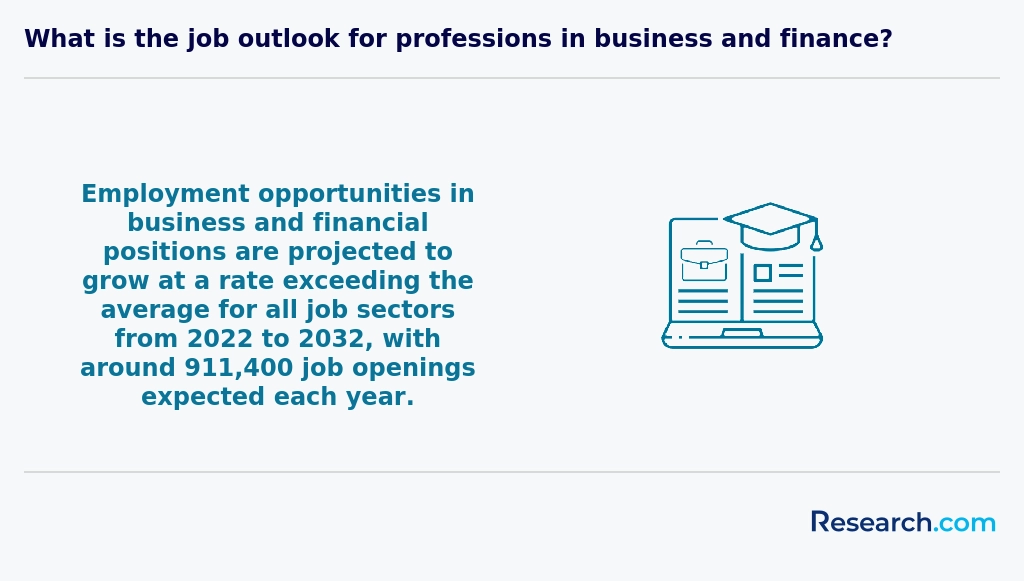
Accreditation and faculty credentials are vital indicators of program quality and long-term value. In Vermont, leading online business degrees typically hold regional accreditation from bodies like the New England Commission of Higher Education (NECHE), ensuring that coursework meets rigorous academic standards. Programmatic accreditations-from AACSB (Association to Advance Collegiate Schools of Business), ACBSP (Accreditation Council for Business Schools and Programs), or IACBE (International Accreditation Council for Business Education)-further validate specialized curricula in areas such as finance, marketing, and management. Faculty profiles often reflect this commitment to excellence. Instructors hold terminal degrees (Ph.D. or DBA) and bring practical industry experience-from C-suite leadership roles to entrepreneurial ventures-into virtual classrooms. Their research contributions in journals on topics like digital transformation and global supply chain management keep course materials current and actionable. Regular webinars and live case-study sessions led by faculty foster engagement, while office hours and discussion forums provide personalized academic support. For prospective doctoral candidates, understanding accreditation pathways is equally important. Research.com’s coverage of low cost online doctorate in business administration programs highlights how cost-effective DBA tracks maintain high faculty-to-student ratios and adhere to AACSB or ACBSP standards. Whether you aim to deepen your expertise or pursue leadership, verifying accreditation status and faculty qualifications ensures your online business degree in Vermont delivers credibility, networking opportunities, and a robust return on investment.
Students pursuing an online business degree in Vermont can access a variety of financial aid options that make education more affordable and manageable. For example, graduates from the University of Vermont often emphasize how Pell Grants and Federal Supplemental Educational Opportunity Grants provided crucial, repayable-free funds during their studies.
The Vermont Grant Program, available to residents attending schools like Champlain College online, offers need-based grants that don't require repayment, easing financial stress. Many students find that completing the FAFSA unlocks eligibility for these awards and additional scholarships administered by the Vermont Student Assistance Corporation (VSAC).
Institutional scholarships and work-study programs at local colleges also help cover technology fees and course materials-key expenses in online learning. Some business students recall how employer tuition reimbursement programs helped them balance work and study without financial strain.
Finally, external civic and business organization scholarships provide extra support, allowing Vermont business students to focus on their education with confidence and peace of mind.
As technology and business practices evolve, online business education in Vermont is poised for exciting growth. Today’s programs are increasingly integrating innovative digital platforms, interactive learning modules, and real-time analytics, ensuring that students develop not only theoretical expertise but also practical skills that align with emerging industry demands. With advancements such as AI-powered tutoring, virtual reality simulations for case studies, and enhanced networking tools, these programs are redefining what it means to learn online. This evolution is a critical factor for prospective students who wish to stay ahead of the curve in a dynamic job market. Furthermore, industry partnerships are becoming more prevalent, providing students with mentorship opportunities and direct access to potential employers. Should you decide to embrace these cutting-edge educational trends, you can also explore ways to get a business degree online while positioning yourself for long-term career success. This forward-thinking approach not only enhances the learning experience but also reinforces the overall return on investment for online business degrees in Vermont.
To enroll in an online business degree program in Vermont, applicants typically need a high school diploma or equivalent for undergraduate admission. Graduates from popular universities in Vermont often emphasize how providing official transcripts showcasing solid academic performance helped them gain acceptance swiftly. A cumulative GPA around 2.5 or higher is commonly expected, though requirements vary by institution.
Many programs also require submission of a statement of purpose that clearly outlines your career goals, which adds a personal touch that admissions committees appreciate. Some students have found that including relevant work experience-especially for MBA applicants, ranging from two to five years-greatly strengthens their applications.
Letters of recommendation can be helpful but are not always mandatory for online pathways, making it easier for busy professionals to apply. For master's level study, holding a bachelor's degree from an accredited school is essential, with some programs welcoming diverse academic backgrounds beyond business.
These practical steps, drawn from successful admits at Vermont's well-regarded institutions, help make your enrollment process smooth and confidence-building.

Accreditation validates program quality, ensures credits transferability and enhances employer trust. Before enrolling, verify both institutional and business-specific accreditation:
- Regional Accreditation: New England Commission of Higher Education (NECHE) approval confirms overall academic standards.
- Business School Accreditation: Seals of excellence from AACSB, ACBSP or IACBE demonstrate industry-aligned curricula.
- Professional Certification Alignment: Accredited programs often include prep for credentials like CPA, PMP or SHRM-CP.
When comparing online business degrees, prioritize accredited options to secure credit transfers, qualify for financial aid and boost career prospects.
Online business degree programs in Vermont typically include core courses such as Introduction to Business, Principles of Management, and Financial Accounting. Graduates from well-regarded institutions in Vermont highlight how these classes build a strong foundation for understanding real-world business challenges, such as running a local startup or managing a nonprofit.
Marketing Fundamentals and Business Law are commonly studied, offering practical skills like crafting effective digital campaigns and navigating legal requirements for Vermont businesses. Many students appreciate learning Economics (both Micro and Macro), which prepares them to analyze market trends relevant to Vermont's unique economy, including its focus on small businesses and sustainable enterprises.
Experiential courses like Strategic Management and Capstone Projects provide hands-on opportunities to apply classroom knowledge by solving actual business problems faced in Vermont's dynamic market. Electives in Sustainable Business Practices resonate with many Vermonters eager to lead in environmental stewardship, a key state priority. Entrepreneurship courses, including New Venture Creation and Small Business Management, are valued for their local relevance and actionable strategies for business growth within Vermont's friendly startup environment.
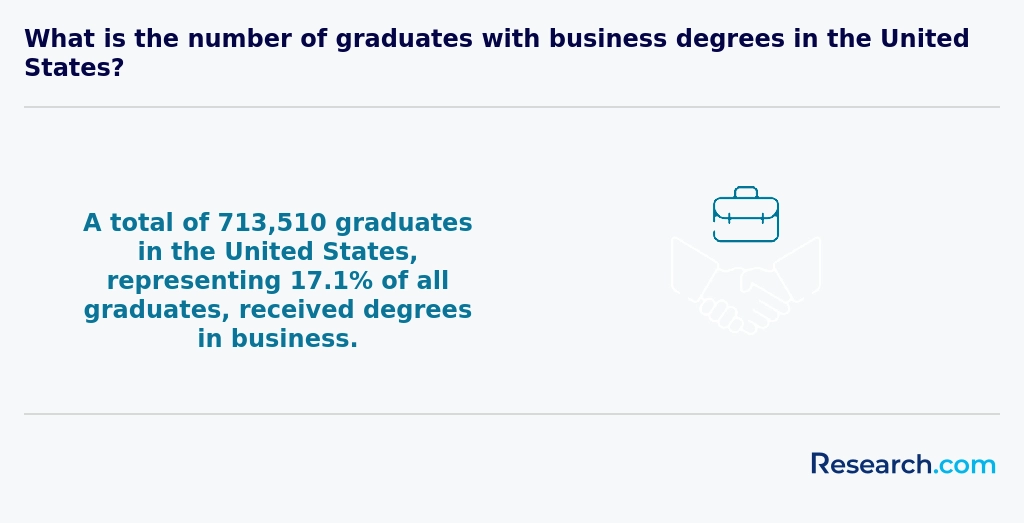
Online business degree specializations Vermont students often choose include marketing, finance, and management. Graduates from popular colleges appreciate learning digital marketing strategies and consumer behavior, which directly benefit small businesses thriving in Burlington. Finance is a strong choice, with courses focusing on investment analysis and corporate finance, reflecting Vermont's growing financial sector.
Many who pursue management specializations gain skills in leadership and strategic planning, preparing them for diverse careers across Vermont's manufacturing and technology industries. Entrepreneurship is another specialization gaining momentum, supported by local programs like the Vermont Small Business Development Center that encourage launch-ready startups.
Additional concentrations such as supply chain management, human resources, and data analytics equip students to improve operational efficiency and make data-driven decisions.
For those exploring options, reviewing the online business management degree rankings can clarify the best business degree concentrations Vermont offers, helping tailor your path to specific career goals.
Start by verifying program accreditation, which assures quality and transferability. Vermont students often choose from top accredited online business programs Vermont like those at flagship state colleges, where graduates appreciate the recognized value of their diplomas. Cost matters too: many find that best affordable online business degrees Vermont offer tuition comparable to in-person rates but with added savings in commuting and materials. Graduates from these programs frequently highlight the financial relief of reduced expenses combined with scholarship opportunities.
Flexibility is crucial for working students balancing family or jobs. Programs with asynchronous classes let you study when convenient, a feature praised by many alumni who managed to advance careers without sacrificing income. Hands-on curriculum focus, whether broad or specialized in marketing or entrepreneurship, should align with your goals. For example, some Vermont learners benefit from local industry connections that foster real-world projects.
Investigate post-graduation success: Vermont's steady demand for business roles means graduates often secure good positions with solid salaries. When comparing programs, also explore options offering experiential learning or support services. Some choose to complement their business degree with resources like the online accounting degree technological requirements page to better prepare for specialized career paths.
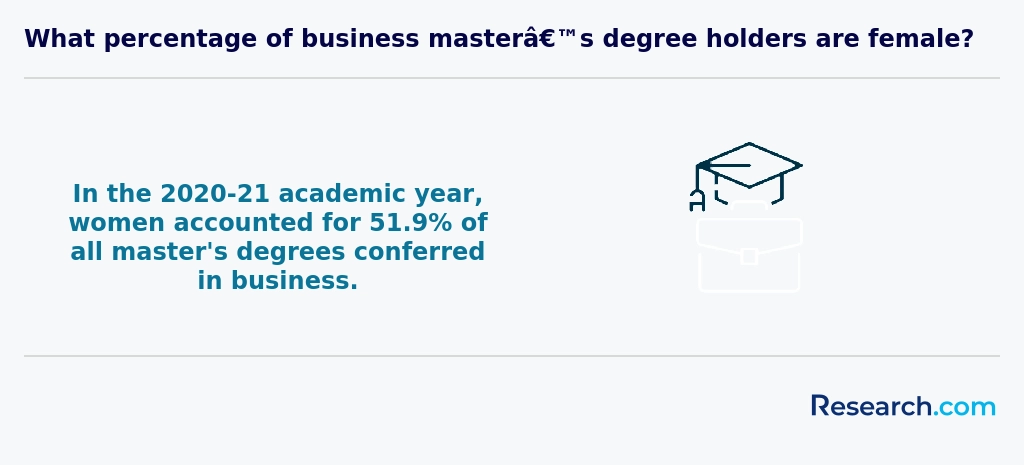
Graduates pursuing online business degree careers Vermont have various options aligned with the state's economic landscape. Many find rewarding roles in management, such as operations or project management, often within Vermont's manufacturing and healthcare sectors. Recent graduates from popular colleges in the state reflect on how hands-on coursework and local internships helped them confidently step into these leadership positions.
Others focus on financial analysis and accounting, sectors that remain robust given Vermont's strong finance and insurance industries. Graduates frequently highlight how skills developed through case studies at their Vermont-based institutions translated into well-paying positions managing budgets and compliance.
Marketing is another promising career path, especially with the growth in digital marketing seen among Vermont's small businesses. Graduates share that learning digital tools in online programs equipped them to support local enterprises effectively.
Entrepreneurial students benefit from Vermont's vibrant small business scene. Many credit the practical knowledge gained at regional universities, as well as local mentorship programs, for enabling them to launch startups. For those budget-conscious, exploring the cheapest business schools in Vermont can make these career paths even more accessible.
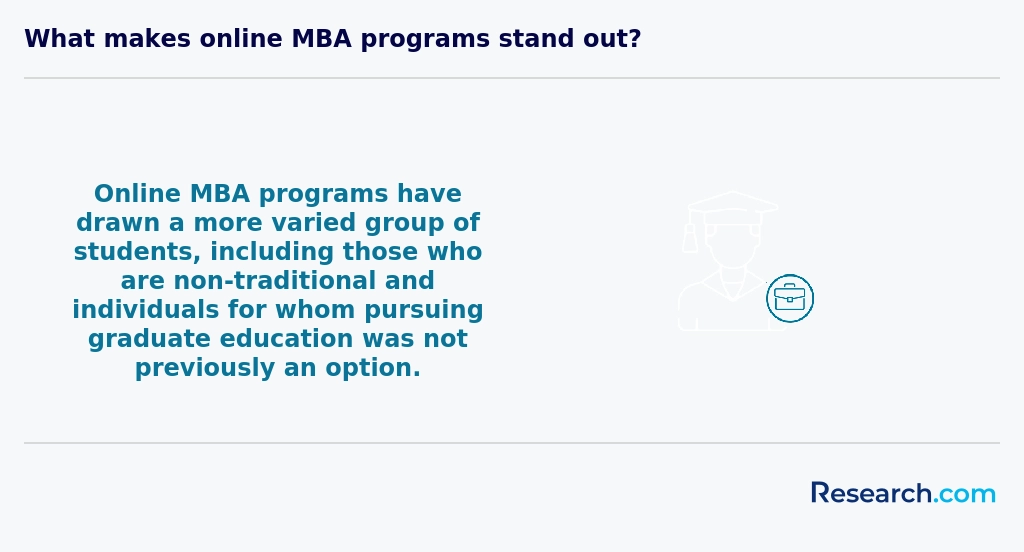
Graduates holding an online business degree in Vermont often find strong job prospects thanks to the state's emphasis on small business, healthcare management, and technology sectors. For many, landing roles as business managers, financial analysts, or marketing specialists is a realistic and rewarding outcome. Vermont colleges offering online business programs prepare students with skills that align well with local employers' expectations, helping graduates confidently enter the workforce.
One key advantage is Vermont's steady growth in management occupations, with salaries around $95,000 annually, which encourages graduates to pursue leadership roles. Several alumni from Vermont institutions report successfully transitioning to remote positions, expanding career options beyond state borders and increasing access to competitive industries like e-commerce and supply chain management.
For Vermont residents considering costs, in-state tuition discounts and flexible online study options make it easier to get a business degree online without compromising quality or career outlook. These factors make the Vermont online business degree market outlook particularly favorable for dedicated students eager to grow in dynamic fields.
2027 Most Valuable Online Business Degree Programs Ranking in Vermont
Investing in your education is a significant decision that can shape your future, and the Research.com team is keenly aware of the importance of making well-informed choices. To support prospective students in Vermont, we have carefully developed the "2027 Most Valuable Online Business Degree Programs Ranking in Vermont." Our dedication to quality, credibility, and accuracy is demonstrated through thorough research and detailed analysis behind this ranking.
We utilized the following reputable data sources to ensure a comprehensive evaluation of business degree programs:
By exploring this ranking, readers will gain valuable insights into the most advantageous online business degree programs in Vermont, enabling them to make confident educational decisions. For a detailed explanation of our evaluation process, please visit our Research.com methodology page.


# 4 position
Vermont State University - Randolph
Bachelor of Applied Business

Frequently Asked Questions About business
Online business degree students in Vermont can maximize their learning by actively engaging with course materials and participating in virtual discussions. Consistent interaction with professors and peers enhances understanding and builds valuable networks. Utilizing resources available through Vermont's universities, such as academic advising and career services, also supports student success.
Vermont's strong small business environment means students should seek internship or project opportunities with local companies to gain real-world experience. According to the Vermont Department of Labor, small businesses represent over 97% of employers in the state, highlighting ample local opportunities.
Time management and setting a dedicated study schedule are critical for balancing coursework with work or family commitments. Finally, students should take advantage of professional organizations like the Vermont SBA for networking and mentorship options.
Emerging niches within the business field reflect shifts in technology and market demands. In Vermont, sectors like sustainable business and green management are gaining prominence due to the state's focus on environmental responsibility. This aligns with the national trend showing that jobs in sustainability consulting are expected to grow by 15% through 2030, according to the U.S. Bureau of Labor Statistics.
Additionally, data analytics and digital marketing are rapidly expanding areas. Vermont businesses increasingly use data-driven strategies to improve efficiency and customer engagement, highlighting the demand for skills in these fields.
Entrepreneurship with a focus on social impact is another growing niche, supported by local incubators and resources in Vermont's economic development programs.
Preparing for the job market after completing an online business degree in Vermont involves several strategic steps. First, gaining practical experience through internships or cooperative education programs is essential. Vermont's small business sector, including industries like manufacturing and tourism, often values hands-on skills alongside academic knowledge (Vermont Department of Labor, 2023).
Networking plays a key role; joining local business groups or Vermont SBA chapters can connect graduates with potential employers. Additionally, updating resumes with relevant skills such as data analysis or financial modeling can improve job prospects.
Finally, Vermont's unemployment rate for business graduates is below the national average, highlighting steady demand in areas like accounting and marketing (BLS, 2024).
Employers in Vermont seek specific skills from business degree graduates, especially those completing online programs. Critical thinking and problem-solving top the list, reflecting the need for graduates to navigate complex workplace challenges effectively. Communication skills, both written and verbal, are also highly valued, enabling clear collaboration and leadership within diverse teams.
Additionally, proficiency in data analysis and basic financial literacy are essential, as Vermont's growing business sectors emphasize data-driven decision-making. According to the Vermont Department of Labor, adaptability and technological competence, including familiarity with business software and digital tools, improve job prospects significantly.
These skills align well with Vermont's small-to-medium-sized enterprises that require versatile employees capable of multitasking and innovation.
Finding internships in Vermont relevant to a business degree involves strategic use of local resources and networks. Start by exploring career services offered by online degree programs; many partner with Vermont businesses for internships. The Vermont Chamber of Commerce and local economic development offices provide listings for internships in sectors like finance, marketing, and management.
Online platforms such as Handshake and VermontWorks.net are valuable for locating business internships within the state. According to the Vermont Department of Labor, industries like professional services and finance, which employ over 10,000 people statewide, frequently offer internship opportunities to students.
Networking through professional organizations like the Vermont Small Business Development Center can also connect students with local companies. Early application and tailored resumes enhance chances of securing competitive internships tied to business studies.
An online business degree can significantly enhance career mobility and advancement opportunities within Vermont's diverse economy. Employers increasingly value candidates with formal business education, especially those who demonstrate adaptability through online learning. According to the Vermont Department of Labor, sectors such as finance, professional services, and healthcare administration show steady growth, with many mid-level management roles requiring a bachelor's degree in business or related fields.
Online programs allow working professionals to gain relevant skills without interrupting their careers, making it easier to pursue promotions or switch industries. The flexibility of studying online aligns well with Vermont's rural communities, where access to traditional campuses may be limited.
Furthermore, data from the U.S. Bureau of Labor Statistics indicates that business degree holders in Vermont earn approximately 15% more on average than individuals without degrees, enhancing both job prospects and salary potential.
Studying for an online business degree in Vermont equips students with skills applicable across multiple disciplines. Vermont's business programs often incorporate elements from economics, communication, technology, and management, fostering a broad knowledge base essential for interdisciplinary roles.
Many institutions emphasize real-world applications, including project management and data analysis, which are valuable in sectors ranging from healthcare to environmental services. According to the Vermont Department of Labor, areas like technology and healthcare account for significant employment growth, highlighting the need for versatile business professionals.
This approach prepares graduates to collaborate effectively across departments, adapting to diverse industry demands and enhancing problem-solving abilities. The integration of interdisciplinary learning also reflects Vermont's focus on innovation and sustainability within business education.
When choosing between a thesis and a non-thesis business degree program in Vermont, consider your career goals and learning preferences. Thesis programs often appeal to students aiming for research roles or further graduate study, as they emphasize critical analysis and original research. Non-thesis options tend to focus on practical skills and may include internships or project-based work, aligning well with those entering the workforce immediately.
In Vermont, the business sector is driven by small and medium enterprises. According to the Vermont Department of Labor, many employers value applied experience and problem-solving skills, which non-thesis programs often provide. Meanwhile, thesis programs may suit those interested in academic or specialized consulting roles.
Evaluate program requirements, faculty expertise, and available resources. Assess if you prefer in-depth research or real-world application. Additionally, consider time commitment-thesis programs can extend study duration.
Students based in Vermont seeking to study business abroad have several options through U.S. institutions offering online degrees with international study components. Many accredited Vermont universities partner with global programs, allowing students to complete coursework online while engaging in short-term study abroad or virtual exchange opportunities. The University of Vermont, for example, integrates international business perspectives in its curriculum, benefiting from Vermont's strategic economic ties to Canada and the global market.
Additionally, Vermont students can access nationally recognized online business degrees featuring global case studies and projects. Data from the National Center for Education Statistics shows increasing enrollment in such flexible, globally-minded programs, which are ideal for working professionals.
Vermont offers a variety of part-time job opportunities that align well with online business degree studies. Roles such as administrative assistants, retail supervisors, and marketing interns help students apply classroom knowledge in real-world settings. According to the Vermont Department of Labor, sectors like professional services and retail trade contribute significantly to the state's economy, providing accessible part-time positions.
Additionally, Vermont's growing small business community offers chances for students to gain experience in business development and customer relations. Opportunities in local banks and financial services firms also allow students to explore finance-related roles during studies. These part-time jobs build valuable skills, enhancing both resumes and academic growth.
Online business students in Vermont benefit from a variety of networking opportunities despite studying remotely. Many Vermont universities with online programs offer virtual career fairs, connecting students with local employers and alumni. For example, the University of Vermont regularly hosts online events that include business networking sessions.
Additionally, students can join statewide organizations such as the Vermont Chamber of Commerce, which supports professional relationships within the local business community. According to the Vermont Department of Labor, small and medium-sized businesses account for over 90% of the state's economy, making these connections crucial for internships and job placements.
Online students are also encouraged to participate in LinkedIn groups focused on Vermont business professionals and specialized webinars hosted by the Vermont Small Business Development Center.
Alumni networks offer significant advantages to online business degree students in Vermont by creating valuable professional connections. Graduates can access mentorship opportunities, industry insights, and job referrals through active alumni communities. According to the Vermont Chamber of Commerce, local business networks are crucial in a state where many companies are small or family-owned.
These networks also provide students with updates on Vermont's evolving business environment, helping them stay competitive. Participation in alumni events and online forums enables students to build relationships that often lead to internships and employment within Vermont's key sectors, such as agriculture, manufacturing, and tourism.
Overall, strong alumni ties enhance career growth by connecting education with local market realities.
Vermont offers various options to customize an online business degree to align with individual career goals. Many institutions provide flexible electives that let students focus on areas like finance, marketing, or supply chain management. For example, the University of Vermont allows online students to select concentrations enhancing specific skills sought in Vermont's top industries such as technology and sustainable agriculture.
Additionally, students can choose between part-time or full-time schedules to balance work commitments while earning their degree. Internships or virtual practicums, when available, offer practical experience and networking opportunities tailored to Vermont's local business environment.
According to the Vermont Department of Labor, business and financial operations roles are projected to grow by 8% through 2030, influencing program customization to meet market demands. Leveraging academic advising and career services is essential to ensure chosen coursework matches personal ambitions and regional job trends.
Online business students in Vermont often face challenges related to limited local networking opportunities. Unlike on-campus programs, virtual students may find fewer chances to connect personally with Vermont's business communities, which are predominantly small and medium-sized enterprises. This can affect internships and job placements, as local connections play a crucial role in Vermont's employment landscape.
Another common issue is balancing studies with work and family responsibilities. According to the Vermont Department of Labor, over 60% of online learners juggle both roles simultaneously, leading to stress and time management difficulties. Additionally, some students encounter technical problems due to inconsistent rural internet access, impacting their ability to participate fully in online classes and group work.
An online business degree from Vermont provides a strong foundation to pursue various professional certifications. Popular options include the Certified Management Accountant (CMA), which enhances accounting and financial management skills, and the Project Management Professional (PMP) credential, recognized nationwide for project leadership expertise.
Many graduates also aim for the Certified Business Analysis Professional (CBAP) certification to boost analytical skills. Additionally, the Certified Financial Planner (CFP) designation is valued for careers in financial advising, a field growing steadily in Vermont according to the Vermont Department of Labor.
These certifications complement an online business degree and improve job prospects across industries including finance, healthcare, and tech sectors prominent in Vermont's economy.
Writing a winning application for an online business program in Vermont requires clear focus and preparation. First, highlight your professional and academic background, emphasizing any experience related to business or leadership. Vermont values practical skills, as reflected in the strong small business and entrepreneurship sectors within the state, according to the Vermont Department of Labor.
Next, tailor your personal statement to demonstrate your understanding of Vermont's unique economy and how the program fits your career goals. Many Vermont schools prioritize candidates who can contribute to local business growth.
Additionally, ensure your application materials are error-free, concise, and well-organized. Strong letters of recommendation from professionals familiar with your business aptitude will strengthen your case.
Business careers today are shaped by a global economy where understanding international markets is essential. Graduates with business degrees in Vermont are increasingly expected to have skills in cross-cultural communication, global supply chain management, and international finance.
The U.S. Bureau of Labor Statistics highlights that business occupations will grow 9% from 2022 to 2032, driven partly by expanding trade relations. Vermont's proximity to Canada enhances opportunities for cross-border business activities and partnerships.
Online business degrees offer Vermont students access to courses that emphasize global business strategies and economic trends. Many programs integrate case studies from multinational companies, preparing graduates to work in diverse environments worldwide.
Students pursuing an online business degree in Vermont can gain practical experience through internships and cooperative education programs offered in partnership with local companies. According to Vermont's Department of Labor, industries such as finance, insurance, and professional services are significant employers, providing ample opportunities.
Many Vermont colleges encourage students to apply classroom knowledge in real-world settings by completing internships remotely or locally. Additionally, participating in virtual case competitions and consulting projects can build problem-solving skills relevant to Vermont's growing small business sector.
Online learners may also engage in networking events hosted by Vermont business associations to connect with professionals and access mentorship.
Choosing the right concentration in an online business degree program in Vermont depends on your career goals and the state's economic landscape. Vermont's key industries include healthcare, manufacturing, and renewable energy, so concentrations in healthcare management, supply chain, or sustainable business can be especially valuable. According to the Vermont Department of Labor, sectors like professional services and financial activities are growing steadily, suggesting opportunities in finance or marketing concentrations. Consider program flexibility, faculty expertise, and internship availability within Vermont's local businesses. Research regional job trends and speak with academic advisors to align your concentration with future job markets and personal interests.
- 2027 Most Valuable Online Business Degree Programs Ranking in Massachusetts
- 2027 Most Valuable Online Business Degree Programs Ranking in New York
- 2027 Most Valuable Online Business Degree Programs Ranking in Maine
- 2027 Most Valuable Online Business Degree Programs Ranking in New Jersey
- 2027 Most Valuable Online Business Degree Programs Ranking in Pennsylvania
- 2027 Most Valuable Online Business Degree Programs Ranking in Maryland
- 2027 Most Valuable Online Business Degree Programs Ranking in Virginia
- 2027 Most Valuable Online Business Degree Programs Ranking in Ohio
- 2027 Most Valuable Online Business Degree Programs Ranking in West Virginia
- 2027 Most Valuable Online Business Degree Programs Ranking in North Carolina
See What Experts Have To Say About Studying Business
Read our interview with Business experts


David W. Stewart
Business Expert
Emeritus President's Professor of Marketing
Loyola Marymount University

Ingrid S. Greene
Business Expert
Clinical Assistant Professor of Management
Loyola Marymount University

- The Seven Biggest Challenges Faced by Student Entrepreneurs https://venturewell.org/blog/five-biggest-challenges/
- 2024 Best Business Schools | How Alumni Rate Their Undergraduate Business Degrees https://poetsandquantsforundergrads.com/news/best-business-schools-alumni-rate-undergraduate-business-degrees/5/
- Online Bachelor's in Business | University of Phoenix https://www.phoenix.edu/online-business-degrees/business-bachelors-degree.html
- Online Colleges in Vermont | OEDb.org https://www.oedb.org/vermont/
- 5+1: Five challenges facing business schools and one solution https://charteredabs.org/insights/opinion/51-five-challenges-facing-business-schools-and-one-solution
- How to balance your career and study online at the same time | Online Business School https://www.onlinebusinessschool.com/how-to-balance-your-career-and-study-online-at-the-same-time/
- Is a Degree Necessary? How Skills Training Leads to Corporate Jobs | Year Up United https://www.yearup.org/about/resources/how-skills-training-leads-to-corporate-jobs
- Business Management https://online.champlain.edu/degrees-certificates/bachelors-business-management
- Business degree: What to study and how to find a job https://brive.com/blog/studies/business-degree-guide-to-study-and-find-a-job/
- Business Study Abroad Programs | Go Overseas https://www.gooverseas.com/study-abroad/business