2027 Most Affordable Business Degree Programs Ranking in New Hampshire

Co-Founder and Chief Data Scientist
Choosing the right business degree program can feel overwhelming, especially with so many options available in New Hampshire. To help you navigate this important decision, we present the 2027 Most Affordable Business Degree Programs Ranking in New Hampshire. This ranking was carefully crafted by the Research.com team of data scientists to provide clear, reliable guidance.
Reading this article will empower you to find affordable programs that match your goals and budget. Earning a business degree opens doors to exciting career opportunities and personal growth, making it a valuable investment in your future.
Key benefits of getting business degree in New Hampshire
- Business degree graduates in New Hampshire can expect competitive salaries, such as a Business Development Executive earning a mean annual wage of $83,190 and a Business Analyst making around $112,950 per year.
- Graduates from local institutions often find diverse career paths in roles like consulting, marketing, or finance, providing exciting opportunities to grow and make an impact within the state's vibrant economy.
- Online business degrees offer flexibility and convenience, allowing graduates to balance studies with work or family, much like students from popular New Hampshire universities who successfully advance their careers without relocating.
- 2027 Most Affordable Business Degree Programs Ranking in New Hampshire
- What can I expect from business degree in New Hampshire?
- Where can I work with business degree in New Hampshire?
What can I expect from business degree in New Hampshire?
Students pursuing a business degree in New Hampshire often find the cost manageable, especially compared to national averages. For example, graduates from the University of New Hampshire report that in-state tuition rates generally hover around $18,000 per year. This affordability allows many to focus more on gaining practical experience through internships and networking rather than worrying about excessive financial burden.
Many business students appreciate the flexibility offered by programs that provide part-time, evening, or online classes. This adaptability helps working professionals balance education with their existing responsibilities, making it easier to progress without significant career interruptions.
Graduates frequently mention that the combination of reasonable costs and high-quality education-bolstered by AACSB accreditation-provides a solid foundation for their future careers. The ability to apply business concepts in real-world settings, particularly through project-based learning at institutions like Peter T. Paul College of Business and Economics, adds value beyond the tuition price, making the investment feel worthwhile.
Where can I work with business degree in New Hampshire?
With a business degree from New Hampshire institutions like the University of New Hampshire or Franklin Pierce University, graduates find rewarding roles across finance, healthcare, manufacturing, and technology sectors. Many step into positions as financial analysts or insurance underwriters at companies such as Citizens Bank or BAE Systems, benefiting from the state's strong finance and insurance growth.
Graduates frequently share how practical internships and networking events held by local colleges help them secure roles in management, marketing, or supply chain operations within well-known regional employers like Dartmouth-Hitchcock Health. Small businesses and startups in tech hubs like Manchester and Nashua provide dynamic opportunities, where recent graduates thrive by applying entrepreneurial skills fostered during their studies.
Public sector jobs also attract those with business degrees, with roles in budgeting and project management at state agencies like the New Hampshire Department of Administrative Services. Many find these positions fulfilling, appreciating the chance to impact community services directly while utilizing business acumen developed through academic projects and campus leadership roles.
Graduates holding a business degree in New Hampshire can expect competitive earnings, especially in roles like Business Development Executive and Business Analyst. For example, Business Development Executives earn a mean annual wage of about $83,190, reflecting solid opportunities in sectors such as manufacturing and technology. Similarly, Business Analysts, many of whom start their careers at institutions like the University of New Hampshire or Southern New Hampshire University, typically earn around $112,950 per year. This higher salary often comes with experience and specialized skills in data analysis or project management.
Recent graduates commonly find themselves entering roles with salaries near the $70,000 range, which grows significantly with certifications or an MBA. Many former students report feeling empowered as they transition from internships to full-time positions in Manchester's growing business scene, leveraging their university network and practical training.
Focusing on developing expertise in in-demand areas like supply chain management or financial analysis within New Hampshire's dynamic economy helps graduates secure roles with upward salary trajectories. Real-world projects and internships provided by local colleges enhance readiness and confidence, encouraging a successful start in competitive business careers.
- Tuition for in-state students at public universities in New Hampshire ranges from $10,000 to $15,000 per year, while private schools charge between $30,000 and $40,000 annually.
- Entry-level business graduates earn an average starting salary of $45,000 to $55,000 per year.
- With experience, median annual salaries can reach approximately $75,000 in fields like management, marketing, or finance.
- The state's unemployment rate is around 2.5%, with strong job demand in finance, insurance, healthcare management, and technology services.
- Many colleges in New Hampshire offer internships and co-op programs to help students gain practical experience and improve employability.
Completing a business degree in New Hampshire typically takes about four years for a full-time bachelor's student at popular institutions such as the University of New Hampshire or Plymouth State University. Graduates often share how managing a full course load alongside campus activities helped them stay engaged and finish on time. For those balancing work or family, many community colleges offer two-year associate degrees that lay a strong foundation and can smoothly transfer into a bachelor's program, cutting down total time spent.
Some motivated students at schools like Southern New Hampshire University find accelerated bachelor's tracks appealing, finishing in as little as three years by studying year-round or applying previous credits. Graduate students pursuing an MBA often experience flexible pacing: full-time programs generally take around two years, while part-time or executive MBA formats extend beyond three years but allow professionals to keep working.
This adaptability enables students in New Hampshire to tailor their education around life's demands, empowering them to progress efficiently toward their career goals without sacrificing balance or quality.
As the business landscape rapidly evolves, business degree programs in New Hampshire are continuously adapting to meet the demands of a digital economy and a globalized market. Today’s curriculum not only emphasizes traditional areas such as finance and marketing but also integrates emerging subjects like data analytics, artificial intelligence, and sustainable business practices. This trend towards digital transformation ensures that graduates are well-equipped to navigate complex market dynamics and drive innovation in their future roles. One of the most exciting developments in business education is the increasing focus on experiential learning. Institutions are partnering with local and international companies to offer real-world apprenticeships, hackathons, and startup incubators, allowing students to apply classroom theories in practical settings. These hands-on experiences help bridge the gap between academic learning and the actual skills demanded by employers, providing students with a competitive edge in the job market. Additionally, the interplay between technology and business strategy is shaping new career paths. Graduates are now exploring roles in digital marketing, e-commerce management, and IT strategy, which reinforce the need for a curriculum that is both forward-thinking and adaptable. For example, by leveraging cutting-edge tools and data-driven insights, recent graduates have successfully transitioned from traditional roles to innovative positions that blend business acumen with technical expertise. To gain further insight into these expanding career opportunities, read more about what are some jobs you can get with business degree. Ultimately, the integration of emerging trends into business programs not only enhances academic rigor but also fosters a mindset geared towards continuous learning and adaptability. As industries transform and new technologies emerge, pursuing a business degree in New Hampshire remains a strategic investment in a versatile and future-proof career.
Choosing between online and on-campus business degrees in New Hampshire depends on your lifestyle and goals. Graduates from the University of New Hampshire often praise on-campus programs for offering direct networking opportunities and hands-on projects, such as internships arranged through local businesses in Manchester or Concord. These face-to-face experiences can boost confidence and build valuable connections in the New England business community.
Meanwhile, online students at colleges like Southern New Hampshire University appreciate the flexibility to study asynchronously, fitting classes around full-time jobs or family responsibilities. One graduate shared how avoiding winter commutes through rural areas made completing assignments less stressful and helped maintain work-life balance.
Both paths cover core areas like finance and marketing with accredited curricula, but on-campus costs include housing and travel, often totaling $12,000 to $20,000 yearly for in-state students. Online options can reduce these expenses, though technology fees apply. Reflect on your priorities-whether immersive campus life or flexible learning fits your New Hampshire situation best.
The average total cost of earning a business degree in New Hampshire generally falls around $19,163 for in-state students and about $52,118 for out-of-state students. These figures encompass tuition, fees, and additional expenses like textbooks and living costs. Graduates from well-known institutions such as Southern New Hampshire University often highlight how the affordable in-state tuition helps ease financial pressure, allowing them to focus more on their studies and career-building opportunities.
Many students pursuing a business degree in New Hampshire benefit from flexible program formats. For example, some programs at Southern New Hampshire University offer online options that can be easier on the budget without compromising educational quality. Business students frequently discuss how combining scholarships, grants, and part-time work can bring costs down significantly.
For those concerned about costs, looking into state-specific financial aid is critical. New Hampshire residents often qualify for scholarships that make studies more affordable, an important factor when considering the average business degree cost in New Hampshire. Students are encouraged to explore opportunities actively and plan carefully to avoid unexpected expenses.
If you are aiming for the cheapest online business school in New Hampshire, you can explore programs that effectively balance cost with quality, ensuring you graduate ready to tackle real-world challenges while keeping debt manageable. This practical approach has empowered many local business students to pursue degrees confidently and with optimism.
New Hampshire students seeking to fast-track their business education can leverage accelerated and fully online formats to earn a graduate credential in as little as 12 months. These programs blend intensive coursework with flexible scheduling, making them ideal for working professionals or career changers aiming to upskill without pausing their income stream. Many institutions in New Hampshire partner with accredited online providers to deliver a rigorous curriculum that focuses on core management principles, leadership development, and real-world applications. Benefits of accelerated one-year MBA programs:
- Time Efficiency: Complete foundational and advanced modules in four consecutive quarters rather than the traditional two-year model, reducing living expenses and opportunity costs.
- Immediate Application: Condensed schedules allow you to implement strategic projects and case studies directly into your current role, enhancing on-the-job performance.
- Networking and Cohort Cohesion: Cohorts move through accelerated tracks together, fostering close relationships and peer-to-peer mentoring that extend beyond graduation.
- Cost Savings: While per-credit tuition may mirror longer programs, the overall cost is contained by limiting additional semesters and fees. To compare program outcomes and select the best fit, evaluate key factors such as accreditation status, faculty expertise, and specialized concentrations. Since many students seek faster completion, Research.com also recommends exploring one year online mba degree programs that balance affordability with academic rigor. By choosing an accelerated online pathway, New Hampshire graduates can quickly access leadership roles, command higher salaries, and achieve a rapid return on investment.
Business students in New Hampshire benefit from a mix of federal, state, and institutional financial aid designed to make higher education affordable. Many graduates recall how Pell Grants-offering up to $7,395 for qualifying students-eased their tuition burden, especially during their first years at public universities like the University of New Hampshire. Others found low-interest Direct Subsidized and Unsubsidized Loans essential for managing costs without overwhelming debt.
State aid through programs like the New Hampshire Higher Education Assistance Foundation is another vital resource. Residents attending local institutions often receive grants that significantly reduce expenses, helping students feel more confident about financing their degrees. Merit-based scholarships targeted at business students, particularly at UNH's Peter T. Paul College of Business and Economics, reward academic success and leadership, sometimes paying thousands annually-making ambitious goals feel much more attainable.
Work-study programs also offer practical opportunities to earn while learning, with many business students balancing part-time campus jobs and studies. This hands-on experience not only supports finances but builds skills valuable for future careers.
When considering online business degree programs in New Hampshire, affordability is often a key factor. For prospective students looking to minimize their educational expenses without compromising on the quality of their degree, researching the most affordable options is crucial. One useful resource for this purpose is the cheapest online business school in New Hampshire, which provides a comprehensive ranking based on critical factors such as tuition costs, program reputation, and graduate outcomes. By exploring such rankings and resources, students can make informed decisions about their educational investments, ensuring they find a program that aligns with their financial situation and career goals.
To enroll in a business degree program in New Hampshire, you generally need a high school diploma or GED, with strong skills in math and English as these are crucial for success in business studies. Graduates from popular institutions like the University of New Hampshire often mention how having a solid foundation in these subjects helped them excel in core classes such as accounting and marketing.
Many schools require SAT or ACT scores, but some have adopted test-optional policies, making it easier for students with strong academic records but test anxiety to apply. Providing official transcripts is essential, especially if you've taken courses elsewhere or want to transfer credits.
Prerequisite courses like introductory economics or statistics are common, helping you start with the right background. Students have said completing these early courses boosted their confidence by easing them into the business world effectively.
Some programs also ask for letters of recommendation or personal statements, giving you a chance to highlight your motivation and fit. Flexible options are often available at colleges offering part-time or online degrees, perfect for working professionals or adults returning to school.

When evaluating the true value of an affordable business degree, it’s essential to consider how New Hampshire’s tuition rates and outcomes stack up against other markets. While New Hampshire offers an average bachelor’s tuition of $12,600–$13,100, regions like Wichita, Kansas, often boast even lower sticker prices without sacrificing program quality. By comparing cost structures and graduate success metrics across states, prospective students can pinpoint the best return on investment for their unique circumstances. In New Hampshire, the average cost per credit hour starts at $109 and can drop to $79 for upper-level courses, but Wichita institutions frequently begin at sub-$90 per credit. Despite these differences, both regions report comparable post-graduation salary averages-New Hampshire’s Business Analysts earn around $108,790 annually, while Wichita graduates report averages upwards of $100,000 within three years of graduation. Return on investment (ROI) hinges not only on tuition but on career support services and alumni networks. New Hampshire institutions often excel in personalized mentorship, yet Wichita programs feature robust online platforms that reduce living expenses and time-to-completion. To further explore cost-effective online options, consider our ranking of Inexpensive Online Business Degree Programs Ranking in Wichita, KS, which highlights institutions combining low tuition with strong career outcomes. By contrasting New Hampshire’s programs with those in other regions, students can better assess hidden fees, living cost differentials, and the long-term earning potential each location promises. This comparative analysis empowers applicants to make data-driven decisions that align with both their financial realities and professional aspirations.
Business degree programs in New Hampshire typically include core courses that build a solid foundation in subjects like accounting, economics, finance, marketing, management, and business law. Graduates from schools such as the University of New Hampshire often share how introductory accounting classes helped them confidently interpret financial statements during internships, highlighting the practicality of these courses.
Communication and ethics are also emphasized, with many students recalling how business communication classes improved their presentation skills, enabling them to pitch ideas clearly in team projects and real business settings. This focus on interpersonal skills is essential for success in any business role.
Students can customize their studies with electives in areas like entrepreneurship, supply chain management, information systems, and international business. For example, graduates from Southern New Hampshire University describe how entrepreneurship courses sparked their innovative thinking, preparing them to launch small ventures after graduation.
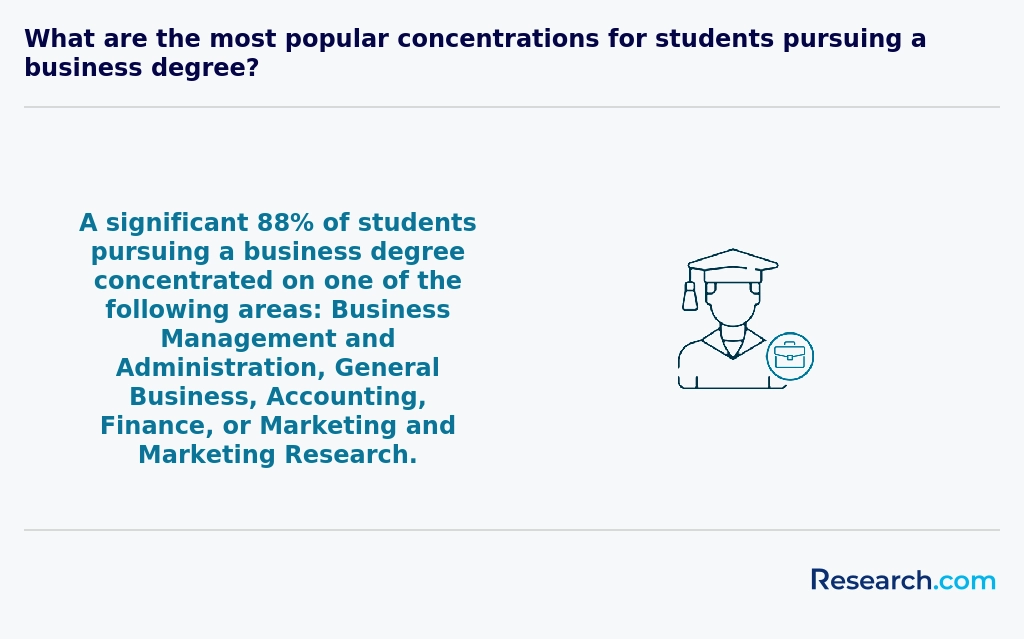
Students pursuing business degree specializations in New Hampshire can choose from several focused areas that align with local industry demands. Popular options include finance, marketing, management, accounting, and entrepreneurship. Graduates from New Hampshire's well-regarded colleges often describe how finance courses helped them develop confidence in analyzing investments within the state's growing financial sector.
Marketing programs emphasize practical skills in digital marketing and consumer behavior, vital for businesses adapting to online platforms. Many students gain hands-on experience managing real social media campaigns for New Hampshire companies, making their learning immediately applicable. Management specializations focus on leadership and strategic planning, preparing graduates to handle challenges in diverse sectors like manufacturing and healthcare.
Accounting remains a reliable path due to high demand from the state's small-business community. Graduates frequently share how mastering auditing and tax preparation improved their job readiness. Entrepreneurship programs, often linked with local incubators, inspire students to launch startups, blending theory with networking in New Hampshire's supportive business ecosystem. For those exploring what are some jobs you can get with business degree options, these concentrations provide clear career pathways and valuable skills.
Additional business degree concentrations options expand to international business, supply chain management, and information systems, offering students broad choices tailored to their ambitions.
Focus first on accreditation and program quality when selecting the best affordable business degrees New Hampshire has to offer. Graduates from AACSB-accredited schools like the University of New Hampshire often highlight how this recognition opened doors for internships and job opportunities in industries such as healthcare and technology. Consider programs with strong ties to New Hampshire's key economic sectors-this practical network can lead to valuable real-life work experiences.
Look closely at curriculum flexibility and delivery formats. Many students juggling work and studies appreciate online or hybrid courses, and exploring options including one year online mba degree programs can save both time and money. Graduates often share how choosing programs near cities like Manchester provided enriching campus experiences and meaningful connections.
Evaluate tuition against expected starting salaries around $50,000 in the state to ensure a strong return on investment. Top business degree programs NH 2027 emphasize career support, so review alumni success stories and faculty engagement to find programs that genuinely prepare you for New Hampshire's competitive business landscape.

Graduates with a business degree in New Hampshire find strong opportunities in management roles such as marketing managers, human resource specialists, and operations managers. These positions often come with competitive salaries, with many graduates from well-known New Hampshire universities quickly stepping into leadership roles that shape company strategy. Exploring business degree careers in New Hampshire, finance stands out as another thriving path. Graduates frequently become financial analysts, accountants, or auditors, supported by the state's robust banking and insurance sectors. Many note the rewarding nature of balancing numbers with strategic growth.
Entrepreneurship is also a popular avenue, especially given New Hampshire's favorable tax climate and resources through Small Business Development Centers. Graduates often feel confident launching startups in tech or retail, turning classroom knowledge into tangible business success. For those interested in logistics, supply chain management roles are expanding, leveraging New Hampshire's strategic proximity to Northeast markets to manage product flow effectively. Business degree holders can explore these New Hampshire business degree job opportunities with a sure path ahead.
For students considering affordable options to start their business education journey, programs like the Inexpensive Online Business Degree Programs Ranking in Wichita, KS provide useful guidance on cost-effective studies that can complement local career advancement strategies.
The job market for business degree holders in New Hampshire is encouraging, with steady growth in sectors like finance, healthcare, and technology. Graduates from local universities often find roles in management, financial analysis, marketing, and human resources, benefiting from the state's diverse economy. Many alumni from popular colleges in New Hampshire share how their practical coursework and networking opportunities helped them secure positions in both small businesses and larger firms.
New Hampshire's close proximity to Boston expands employment options, especially in consulting and corporate management, offering added appeal for those exploring New Hampshire business degree employment opportunities. Salaries tend to be competitive; recent graduates note that average wages for business roles in the state are generally above the national median, reflecting strong demand for skilled professionals.
For those concerned about tuition costs, public universities offer relatively affordable education, with in-state tuition between $10,000 and $15,000 annually. Combining this with internships and connections made during studies creates a pathway to a successful career. Students interested in quicker returns may explore fast paced online degrees as well.
2027 Most Affordable Business Degree Programs Ranking in New Hampshire
Investing in your education is a significant decision that can profoundly impact your future, and the Research.com team recognizes the importance of providing reliable information to support this choice. To help prospective students find the most affordable business degree programs in New Hampshire, we have carefully developed the "2027 Most Affordable Business Degree Programs Ranking in New Hampshire." Our dedication to quality, credibility, and accuracy is demonstrated through rigorous research and data analysis.
We utilized the following reputable data sources to ensure a comprehensive evaluation of business degree programs:
Readers will benefit from detailed insights that make choosing an affordable and high-quality business degree easier and more confident. For further information on how this ranking was created, please visit our Research.com methodology page.
# 1 position
University of New Hampshire College of Professional Studies Online
Bachelor of Science in Business Administration

# 2 position
University of New Hampshire College of Professional Studies Online
Master of Business Administration


Frequently Asked Questions About business
Business degree students in New Hampshire can maximize their learning by actively engaging with the state's strong local economy, which includes significant sectors like healthcare, manufacturing, and finance. Participating in internships with New Hampshire-based companies can provide practical experience and networking opportunities. According to the New Hampshire Department of Business and Economic Affairs, internships and cooperative education programs enhance employment outcomes for business graduates.
Students should also take advantage of regional business seminars, workshops, and networking events offered by universities and local chambers of commerce. Developing skills in data analytics and digital marketing is increasingly important, as many New Hampshire businesses seek graduates with these competencies.
Additionally, cooperative programs with nearby Massachusetts and Vermont schools can broaden academic resources and connections, further enriching the learning experience.
Emerging niches within the business field reflect evolving market demands and technological advancements. In New Hampshire, areas such as data analytics, sustainable business practices, and digital marketing are growing rapidly. According to the New Hampshire Department of Business and Economic Affairs, tech-driven roles in business analytics are expected to grow by 15% over the next decade across the state.
Additionally, with the increasing focus on environmental responsibility, many businesses seek professionals skilled in sustainability management. Digital marketing also remains a potent niche, with New Hampshire's small-business sector heavily investing in online presence to compete regionally and nationally.
These niches offer promising career opportunities for students pursuing business degrees in New Hampshire.
After completing a business degree in New Hampshire, preparing for the job market involves several key steps. First, gaining practical experience through internships or part-time roles is essential. Local industries such as healthcare, finance, and manufacturing offer opportunities for hands-on learning. According to the New Hampshire Department of Employment Security, finance and insurance sectors employ over 15,000 people statewide, highlighting strong job prospects.
Networking is also crucial. Joining professional associations like the New Hampshire Business Review's events or local chambers of commerce can connect graduates with employers. Additionally, developing skills in digital marketing, data analysis, and communication increases employability. Utilizing university career centers for resume building and interview practice is highly recommended.
Employers in New Hampshire highly value business degree graduates who demonstrate strong analytical and communication skills. According to the New Hampshire Department of Employment Security, the state's growing finance and healthcare sectors especially seek candidates proficient in problem-solving and data interpretation.
Additionally, leadership and teamwork abilities are crucial, as many businesses in New Hampshire are small to mid-sized enterprises requiring adaptable professionals.
Technical aptitude, including familiarity with financial software and Excel, is also important given the emphasis on technology in local business practices.
Finally, ethical judgment and understanding of regulatory compliance align with New Hampshire's strict business regulations, enhancing employability in the region's competitive job market.
Finding internships in New Hampshire relevant to a business degree involves leveraging local resources and networks. Many colleges and universities in the state, such as the University of New Hampshire and Southern New Hampshire University, offer dedicated career centers that connect students with businesses across finance, marketing, and management sectors.
The New Hampshire Department of Employment Security reports that popular industries for business interns include healthcare administration, financial services, and manufacturing, reflecting the state's economic strengths.
Students should also explore regional job boards like Granite State Jobs and internship listings on platforms such as Handshake, widely used by New Hampshire colleges.
Networking with local chambers of commerce and professional associations can reveal hidden opportunities and provide valuable mentorship.
In New Hampshire, earning a business degree significantly enhances career mobility and advancement opportunities. The state's diverse economy, which includes sectors like finance, healthcare, and manufacturing, values graduates with strong business skills. According to the U.S. Bureau of Labor Statistics, occupations requiring business knowledge are projected to grow by 7% in New England between 2020 and 2030, aligning with national trends.
A business degree provides foundational skills in management, marketing, and finance that employers in New Hampshire actively seek. Graduates often find it easier to transition into leadership roles, supported by regional networks and internship opportunities available through local colleges.
Data from the New Hampshire Department of Employment Security shows that holders of business degrees earn on average 15-20% more than those without higher education in related fields, emphasizing the degree's impact on upward mobility within the state's job market.
Studying for a business degree in New Hampshire equips students with skills for interdisciplinary roles by integrating core business concepts with other fields such as technology, healthcare, and environmental science. Many New Hampshire institutions emphasize collaborative projects and real-world problem solving, preparing graduates for diverse career paths. For example, the state's growing tech and healthcare sectors require managers who understand both business operations and specialized industry knowledge.
According to the New Hampshire Department of Business and Economic Affairs, sectors like biotech and information technology have expanded by over 10% in recent years, increasing demand for versatile business professionals.
Additionally, business programs often include courses in communication, data analysis, and ethics, supporting analytical and leadership skills important across many disciplines.
Choosing between a thesis and a non-thesis business degree program in New Hampshire depends on your career goals and learning preferences. Thesis programs focus on research and critical thinking, ideal for students considering doctoral studies or research roles. Non-thesis programs prioritize practical skills through coursework and internships, suiting those aiming to enter the workforce quickly. According to the U.S. Bureau of Labor Statistics, the New Hampshire business sector is growing steadily, with opportunities in finance, healthcare management, and technology. Considering local employers' expectations can help guide your decision. Additionally, many New Hampshire schools offer both options with similar tuition rates, so review curriculum details closely before deciding.
Students based in New Hampshire who wish to study business abroad have multiple pathways through their home institutions. Many universities in the state, such as the University of New Hampshire, participate in exchange programs with partner schools worldwide, allowing students to study business courses overseas for a semester or year. These programs often include countries known for strong business education, like the United Kingdom, France, and Spain.
Additionally, some New Hampshire schools offer short-term faculty-led trips that combine business coursework with international experience.
Federal financial aid and scholarships can sometimes be applied to study abroad programs, easing affordability concerns. According to the Institute of International Education, approximately 12% of US business majors study abroad, demonstrating growing interest in global business perspectives.
In New Hampshire, part-time jobs that align well with business degree studies include roles in retail management, customer service, and administrative support. These positions develop practical skills such as inventory control, communication, and office organization, which are valuable for business careers.
The state's growing small business sector, as reported by the New Hampshire Business Review, offers internships and assistant roles in local startups and family-owned enterprises. Such experience deepens understanding of operations and entrepreneurship.
Additionally, opportunities in financial institutions in cities like Manchester and Nashua allow students to gain exposure to banking, lending, and financial analysis, complementing coursework in finance and accounting.
Working in these roles while studying provides networking possibilities and practical knowledge, enhancing both resumes and career readiness.
Business students in New Hampshire benefit from a variety of networking opportunities through local universities and regional organizations. Colleges like the University of New Hampshire and Southern New Hampshire University host events, workshops, and career fairs that connect students to employers in key industries, including finance, healthcare, and technology. The New Hampshire Small Business Development Center provides resources and networking events geared toward entrepreneurship. Statewide chambers of commerce and business associations also offer regular meetings and mixers to foster professional relationships. According to the New Hampshire Department of Business and Economic Affairs, over 700,000 people are employed in business-related sectors, highlighting a robust network for students.
Alumni networks provide valuable support for business degree students in New Hampshire by fostering connections with experienced professionals and local employers. These networks offer mentoring opportunities, career advice, and potential job leads, which are crucial in a competitive regional job market.
In New Hampshire, where small and medium-sized enterprises dominate, strong alumni ties can lead to internships and employment within trusted business communities, enhancing students' practical experience. According to the New Hampshire Department of Employment Security, business-related positions have remained steady, making networking essential for job placement.
Furthermore, alumni often contribute to professional development events and workshops, giving students access to up-to-date industry insights. This local engagement helps students navigate the evolving economic environment in New Hampshire more effectively.
Customizing a business degree program in New Hampshire allows students to align their education with specific career goals. Many state institutions offer concentrations such as finance, marketing, entrepreneurship, or supply chain management. You can select electives that target industries prominent in New Hampshire, like manufacturing, healthcare, or technology.
Internship opportunities with local businesses and organizations enable practical experience, often crucial for job placement after graduation. Additionally, some universities provide flexible scheduling and online options, accommodating working professionals.
According to the New Hampshire Department of Business and Economic Affairs, sectors like professional services and information technology are growing, helping students tailor their studies toward in-demand fields for better employment prospects.
Business students in New Hampshire often face challenges related to balancing academic work with part-time jobs, as the state's median income levels encourage many to seek financial support while studying. According to the U.S. Bureau of Labor Statistics, New Hampshire's unemployment rate has remained low, but competitive job markets mean internships and relevant business experience can be limited in availability.
Another common challenge involves navigating rising tuition costs, with the College Board reporting a steady increase in in-state college expenses. Additionally, students must adapt to evolving business technologies and complex economic trends affecting local industries such as manufacturing and finance.
With a business degree earned in New Hampshire, students have the foundation to pursue various professional certifications that enhance career prospects. Popular certifications include the Certified Public Accountant (CPA), especially valuable for accounting graduates. New Hampshire's Board of Accountancy requires 150 credit hours, often fulfilled through additional education beyond a bachelor's degree.
Other widely recognized certifications are the Project Management Professional (PMP) and the Certified Management Accountant (CMA), both respected across industries. Holding these can increase earning potential and job opportunities locally and nationally.
For those interested in finance, the Chartered Financial Analyst (CFA) designation is prestigious, although it requires passing a series of exams and relevant work experience. Given New Hampshire's growing small business community, certifications in business analysis and human resources, such as the Certified Business Analysis Professional (CBAP) or Professional in Human Resources (PHR), can also be strategic choices.
Sources such as the New Hampshire Department of Labor note that certified professionals often outperform peers in wage growth and career advancement within the state's competitive business sectors.
Writing a winning application for a business program in New Hampshire requires clear demonstration of your academic strengths and career goals. Start by highlighting your GPA and relevant coursework, as many New Hampshire institutions emphasize solid academic performance in business-related subjects. According to the National Center for Education Statistics, New Hampshire business programs often look for applicants with at least a 3.0 GPA.
Next, craft a compelling personal statement focusing on your motivation to study business and how you plan to contribute to the local economy. New Hampshire's business environment is vibrant, with sectors like manufacturing and finance growing steadily, offering numerous career opportunities. Including knowledge of this can strengthen your application.
Finally, secure strong recommendations from professors or employers familiar with your skills. Be sure to follow each school's specific application guidelines carefully to avoid common mistakes.
A business career today is increasingly global in scope, requiring professionals to understand diverse markets and cultural practices. For students pursuing business degrees in New Hampshire, this means opportunities to engage with international business principles throughout their studies. According to the U.S. Bureau of Labor Statistics, global commerce drives nearly 40% of U.S. business activity, which emphasizes the value of global business skills. Many New Hampshire programs incorporate courses on international trade, supply chains, and cross-cultural communication to prepare graduates for worldwide challenges. Employers in New Hampshire's key industries, like manufacturing and technology, often seek candidates with global business acumen.
Gaining practical experience while studying for a business degree in New Hampshire is essential for career success. Many local universities offer cooperative education (co-op) programs that combine classroom learning with paid work placements. For example, the University of New Hampshire supports co-op experiences where students work in real business environments, often in nearby cities like Manchester and Nashua.
Internships are another valuable option. According to the New Hampshire Department of Employment Security, internships in finance, marketing, and management sectors have grown by 12% over recent years, reflecting growing opportunities.
Additionally, students can join business clubs and participate in case competitions hosted by institutions or local chambers of commerce. These activities develop teamwork and problem-solving skills in practical settings.
Volunteering for nonprofit organizations in the state also allows students to apply business principles while contributing to the community.
Choosing the right concentration within a business degree program in New Hampshire depends on your career goals and local industry demand. The state's economy is strong in healthcare, manufacturing, and technology, so concentrations like healthcare management, supply chain, and information systems can be valuable. According to New Hampshire's Department of Labor, business and financial operations jobs are projected to grow 7% through 2030, indicating strong opportunities.
Look for programs offering internships or partnerships with New Hampshire businesses, as hands-on experience is critical. Also consider your personal strengths and interests when selecting areas like marketing, finance, or management.
Review course offerings carefully to ensure they align with your goals and stay current with market trends.
- 2027 Most Affordable Online Business Degree Programs Ranking in Vermont
- 2027 Most Affordable Online Business Degree Programs Ranking in Maine
- 2027 Most Affordable Online Business Degree Programs Ranking in New York
- 2027 Most Affordable Online Business Degree Programs Ranking in New Jersey
- 2027 Most Affordable Online Business Degree Programs Ranking in Pennsylvania
- 2027 Most Affordable Online Business Degree Programs Ranking in Maryland
- 2027 Most Affordable Online Business Degree Programs Ranking in Virginia
- 2027 Most Affordable Online Business Degree Programs Ranking in Ohio
- 2027 Most Affordable Online Business Degree Programs Ranking in West Virginia
- 2027 Most Affordable Online Business Degree Programs Ranking in Kentucky
See What Experts Have To Say About Studying Business
Read our interview with Business experts

David W. Stewart
Business Expert
Emeritus President's Professor of Marketing
Loyola Marymount University


Ingrid S. Greene
Business Expert
Clinical Assistant Professor of Management
Loyola Marymount University

- 5+1: Five challenges facing business schools and one solution https://charteredabs.org/insights/opinion/51-five-challenges-facing-business-schools-and-one-solution
- Exploring Different Types of Business Majors https://www.ivywise.com/ivywise-knowledgebase/exploring-different-types-of-business-majors/
- Networking Tips for Business Students: Building a Foundation for Success https://londonsba.org.uk/blog/networking-tips-for-business-students-building-a-foundation-for-success/
- Business Administration | NHTI https://catalog.nhti.edu/business-administration/associate-of-science/business-administration
- 2024 Best Business Schools | How Alumni Rate Their Undergraduate Business Degrees https://poetsandquantsforundergrads.com/news/best-business-schools-alumni-rate-undergraduate-business-degrees/5/
- Guide to Business Internships | Higherin https://higherin.com/career-guides/business/business-internships
- Business Administration Degree Salary | UE Amsterdam https://www.ue-amsterdam.com/blog/business-administration-degree-salary-how-much-can-you-earn
- How to gain work experience while studying - The 93% Club https://www.93percent.club/blog/work-experience-while-studying
- A 2016 Global Perspective on Business and Career Planning https://careerproinc.com/blogging/a-2016-global-perspective-on-business-and-career
- How to Write the Perfect Cover Letter – EU Business School https://www.euruni.edu/blog/write-perfect-cover-letter/