2027 Most Valuable Business Degree Programs Ranking in Irving

Co-Founder and Chief Data Scientist
If you're considering pursuing a business degree in Irving, this article is crafted just for you. The 2027 Most Valuable Business Degree Programs Ranking in Irving was developed by the Research.com team of data scientists to guide students toward programs that truly deliver value.
Choosing the right degree can shape your future career and open rewarding opportunities. This ranking highlights programs worth your time and investment, helping you make an informed decision with confidence.
Explore the options and take a positive step toward building the skills that will support your success in business.
Key benefits of getting business degree in Irving
- Salary for business degree graduates: Graduates in Irving with a business degree can earn attractive salaries, such as a Business Analyst averaging $112,950 annually and a Business Development Executive earning about $83,190 per year.
- Career paths: A business graduate from a well-known Irving college has diverse options, including roles in analysis, development, and management, offering room for growth and exciting challenges.
- Benefits of online business degrees: Completing a business degree online in Irving provides flexibility and convenience, allowing students to balance work and studies while gaining valuable skills comparable to traditional degrees.
- 2027 Most Valuable Business Degree Programs Ranking in Irving
- What can I expect from business degree in Irving?
- Where can I work with business degree in Irving?
What can I expect from business degree in Irving?
The average cost of a business degree in Irving varies depending on the institution and level of study, but students often report that tuition and fees range roughly from $30,000 to $60,000 for a bachelor's degree at regional universities such as the University of Dallas. Graduates frequently describe the investment as manageable, especially when factoring in local internship opportunities and employer partnerships that reduce ancillary costs and enhance career prospects. Many students appreciate how practical learning components and networking events, prevalent in Irving's business programs, create tangible value beyond tuition expenses.
Business students at institutions near Irving remark on the affordability compared to larger metropolitan universities, which contributes positively to their overall educational experience. Financial aid options, scholarships, and work-study programs further soften the financial burden, encouraging diverse enrollment.
For those pursuing graduate studies in business, costs tend to be higher but remain competitive within the Dallas-Fort Worth metro area. Alumni emphasize that the combination of expert faculty, real-world case studies, and proximity to major corporations makes the cost worthwhile.
Where can I work with business degree in Irving?
Graduates holding a business degree in Irving benefit from abundant career opportunities across diverse industries thanks to the city's dynamic economy. Many alumni from institutions such as the University of Dallas and North Lake College have successfully found roles in corporate management with leading companies like ExxonMobil, where their expertise in finance, marketing, and supply chain management is highly valued.
Business students often secure positions in Irving's thriving technology sector, working as project managers or business analysts who translate complex technical concepts for strategic decision-making. Local graduates recall how their internships with regional tech firms bridged classroom learning with practical experience, fueling a deep sense of professional growth.
Other graduates pursue careers in hospitality and tourism, leveraging Irving's proximity to Dallas Fort Worth International Airport to enter hotel management or event planning. These paths offer vibrant environments where interpersonal skills developed during business studies prove essential.
Entrepreneurship-focused students find a supportive startup ecosystem in Irving, enabling them to launch ventures or innovate within emerging companies. Many express pride in contributing to the city's evolving business landscape.
Finance roles also attract graduates, with regional banks hiring for financial analysis and advisory services. The expanding local economy continues to drive a positive outlook for business professionals in Irving.
Graduates with a business degree in Irving can anticipate competitive earnings that align with the city's dynamic business environment. For example, business analysts, a common role for recent graduates from local institutions such as the University of Dallas or North Lake College, earn a mean annual wage of approximately $112,950 according to the U.S. Bureau of Labor Statistics. This salary reflects the demand for analytical skills in sectors like finance and technology, prevalent in Irving's corporate landscape.
Business development executives typically see annual wages near $83,190, showcasing solid earning potential in roles focused on growth and client relations. These figures are encouraging for graduates stepping into Irving's market, offering financial stability early in their careers.
Business students often share that internships and cooperative programs with Irving-based companies enhance their readiness and salary prospects, bridging classroom knowledge with real-world application.
Overall, pursuing a business degree locally not only connects students to networking opportunities but also positions them to earn salaries well above national averages, reinforcing Irving as a strategic choice for ambitious professionals.
- The cost for a bachelor's degree in business in Irving ranges from $8,000 to $15,000 per year for in-state students.
- Entry-level salaries for business graduates start between $55,000 and $65,000 annually.
- Mid-career professionals can earn around $85,000 to $100,000 or more, depending on experience and qualifications.
- Irving's job market includes opportunities in technology, finance, retail, and logistics sectors.
- Local internships and networking through businesses and industry groups are important for career growth.
Completing a business degree in Irving typically takes four years for full-time undergraduates, aligning with most Bachelor of Business Administration (BBA) programs at local institutions such as the University of Texas at Dallas or North Lake College. Graduates often describe balancing coursework with work or family commitments, appreciating flexible scheduling options these schools provide. For example, a full-time student might finish after completing around 120 credit hours over four years, feeling accomplished upon entering the workforce with a solid foundation.
Part-time students frequently extend their studies to five or more years, fitting classes around jobs or family duties without overwhelming pressure. Accelerated programs available at some Irving colleges allow motivated students to complete degrees in as little as three years by taking summer courses or heavier semester loads, a strategy often praised for its efficiency by recent alumni.
Graduate business students pursuing an MBA in Irving can expect about two years full-time, or up to four years part-time, designed to accommodate working professionals. These options exemplify how institutions in Irving support diverse student needs through adaptable pacing without sacrificing academic quality.
Online and on-campus business degree programs in Irving present distinct experiences tailored to different student needs. Graduates from the University of Texas at Dallas, for instance, often praise the on-campus environment for its dynamic networking opportunities through face-to-face interactions with peers and professors, as well as access to career services and internships linked to local industries.
Conversely, online business students appreciate the flexibility of completing coursework remotely, allowing them to balance professional and family commitments seamlessly. Many find that self-discipline and effective digital communication are crucial to their success, as online formats require active time management without the structured schedule of physical classrooms.
Cost also varies; on-campus tuition in Texas typically ranges from $10,000 to $25,000 annually, while online options may offer competitive rates but entail additional technology expenses. Those choosing in-person programs often benefit from immersive group projects and campus events, fostering deeper engagement and higher graduation rates compared to their online counterparts.
The average cost of a business degree in Irving, Texas, typically ranges based on the type of institution and residency status. For in-state students attending public community colleges like North Lake College, business degree tuition can amount to approximately $10,000 to $15,000 for an associate degree. Graduates from such programs often recall the affordability as a key factor that made pursuing their education manageable while balancing work and life commitments.
At public four-year universities, such as the University of Texas at Dallas, business degree tuition and fees for Texas residents usually fall between $14,000 and $15,000 per year. Many graduates appreciate the value and quality education received here, allowing them to build strong professional networks within the Dallas-Fort Worth business community. When calculating the overall cost, students should also consider additional expenses like textbooks, supplies, and living costs, which can add $3,000 to $5,000 annually.
Private universities in or near Irving typically charge between $25,000 and $45,000 per year for business undergraduate programs. Despite the higher price point, alumni frequently describe their experience as transformative, emphasizing access to extensive resources and personalized support. Students searching for the average cost of business degree in Irving will find significant variation depending on choices between these public and private educational paths.
Many students exploring business degree tuition and fees Irving TX also find financial aid indispensable. Scholarships, grants, and federal loans can substantially decrease the burden of these expenses. For those interested in exploring top options, consider reviewing the valuable business schools in Texas to identify schools that maximize both educational outcomes and cost-effectiveness.
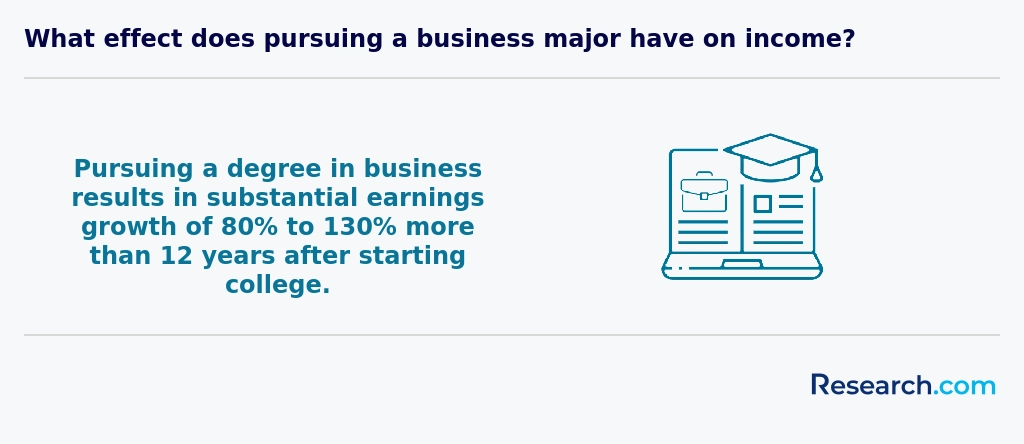
When deciding on a business school in Irving, TX, it's crucial to consider several factors, including accreditation, program variety, tuition costs, institution reputation, acceptance rates, location, and networking opportunities. For instance, understanding the rankings of valuable business schools in Texas can provide valuable insights into the quality of education and potential return on investment. By evaluating these aspects, prospective students can make informed decisions that align with their career aspirations and financial situation, ultimately leading to a successful and rewarding educational experience. Additionally, considering the flexibility of programs, such as online or hybrid options, can also impact the choice, as it allows students to balance their studies with work or personal commitments, making the pursuit of a business degree more accessible and convenient.
Business students in Irving commonly rely on federal financial aid programs like FAFSA, which unlock access to Pell Grants and Stafford Loans, easing tuition costs at institutions such as the University of Texas at Dallas or North Lake College. Graduates often recount how Pell Grants, offering up to $7,395 annually, made a tangible difference during their studies by eliminating debt concerns associated with need-based aid.
State aid through the Texas Grants Program further supports undergraduates demonstrating financial need, a key resource for those attending local campuses. Many appreciate how this aid helped them focus on their coursework instead of financial stress.
Local scholarships from Irving's Chamber of Commerce or employer tuition reimbursements provide tailored help, particularly for students balancing work and education. Graduates frequently highlight how such assistance encouraged them to pursue internships and leadership roles without sacrificing income.
Moreover, merit-based scholarships at Vernon College or community colleges near Irving reward academic excellence and leadership, fueling motivation and reducing out-of-pocket expenses. National private scholarships from business societies supplement these options, offering additional relief and recognition for aspiring entrepreneurs and business leaders.
As the business landscape evolves with rapid technological innovations and shifting market dynamics, future trends are set to redefine the value and structure of Business degree programs in Irving, TX. Prospective students should consider how digital transformation, data analytics, and global market integration are reshaping curricula. Institutions are increasingly incorporating aspects such as artificial intelligence in business strategy, digital marketing innovations, and cross-border commerce to prepare graduates for emerging industries. Additionally, career pathways are expanding beyond traditional roles, with a growing emphasis on agile project management, sustainability in business practices, and entrepreneurial ventures. This forward-thinking approach not only enhances employability but also ensures that skills remain relevant in a competitive job market. For further insights on modern trends influencing business education, consider exploring opportunities such as the Research.com Business & Marketing Degree, which emphasizes a balance of technical expertise and creative marketing strategies.
To enroll in a business degree program in Irving, students must meet several well-defined prerequisites that ensure academic readiness and success. Graduates from local community colleges like North Lake College often recall the reassurance they felt when placement tests accurately matched their skill levels in English and math, fostering confidence as they progressed in business coursework.
For those pursuing bachelor's degrees at nearby four-year institutions such as the University of North Texas at Dallas, applicants typically submit official transcripts demonstrating completion of advanced coursework like the Texas Recommended High School Program. Many students appreciate that test-optional policies reduce pressure related to SAT or ACT scores during admissions.
Graduate business programs require a completed bachelor's degree, often supplemented by GRE or GMAT scores, professional experience, and compelling statements of purpose. Aspiring MBA candidates at Irving-accessible universities describe how fulfilling these prerequisites strengthened their resolve and clarified their career goals, transforming anxiety into motivation.
Overall, the prerequisites in Irving reflect a balance between academic standards and accessible pathways, enabling business students to enter programs ready to thrive.
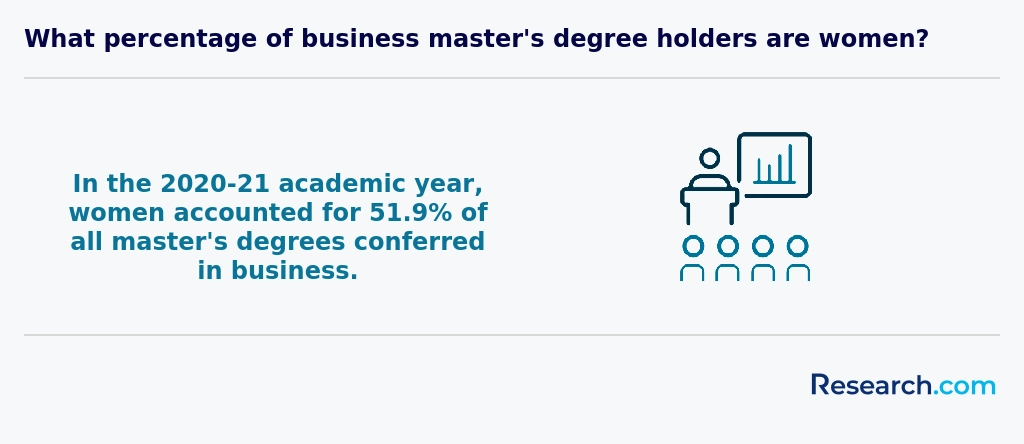
Business degree programs in Irving typically include core courses that provide a strong foundation in key business disciplines. Graduates from well-regarded institutions in the area recall how principles of management courses helped them understand real-world leadership and organizational challenges, preparing them to confidently lead teams in local firms.
Accounting classes, both financial and managerial, teach students to analyze and prepare financial statements, skills often applied during internships with prominent companies based in Irving. Marketing fundamentals courses immerse students in consumer behavior and strategy development, enabling them to contribute effectively to actual marketing campaigns in diverse industries.
Additional courses in business finance, law, economics, and statistics further equip students with analytical tools essential for decision-making and problem-solving in the dynamic Irving business environment. Many graduates highlight how exposure to business ethics and international business prepares them for the complexities of working in global markets, reflecting Irving's position within a vibrant economic hub.
Internships and projects with local corporations reinforce these lessons, making coursework highly practical and directly relevant to career success in Irving's competitive job market.
Business degree specializations in Irving Texas offer a comprehensive range of focused study areas designed to meet the demands of the local economy. Students commonly pursue concentrations in Finance, Marketing, Management, Supply Chain Management and Logistics, Entrepreneurship, and Information Systems. Graduates from popular colleges in Irving frequently highlight how their finance specialization prepared them for roles in the city's thriving financial sector, while those specializing in supply chain management benefit from Irving's strategic position near Dallas/Fort Worth International Airport.
Irving business degree programs and career options often emphasize practical experience; students appreciate the availability of internships with local corporations, enhancing their readiness for real-world challenges. For example, marketing students benefit from hands-on projects employing data-driven strategies tailored to Irving's expanding tech industry. Many graduates describe their experiences as empowering, with programs tailored to connect theory with the city's dynamic business landscape.
Prospective students interested in exploring these valuable options can learn more about the curriculum and career pathways through the Research.com Business & Marketing Degree, a resource tailored for Irving's business education environment.
Choosing the best business degree in Irving requires focusing on program accreditation, specialization, and campus resources. Graduates from well-regarded local universities often highlight the value of AACSB accreditation, which assures rigorous curriculum and strong employer recognition. For those seeking affordable business colleges Irving TX offers options such as community colleges and state universities, where average tuition aligns with budget-conscious students without sacrificing education quality.
Students frequently share how selecting a specialization aligned with Irving's key industries-like telecommunications and logistics-enhanced their career prospects. Many found that programs emphasizing internships and industry partnerships in Irving provided practical experience, boosting confidence and employability after graduation.
Flexibility also plays a critical role. Graduates appreciate programs that offer evening or online classes, allowing them to balance work and study. Exploring resources like career counseling and networking events at these institutions can help in making an informed choice tailored to personal and professional goals. For insights on in-demand fields, consult the top college majors in demand.
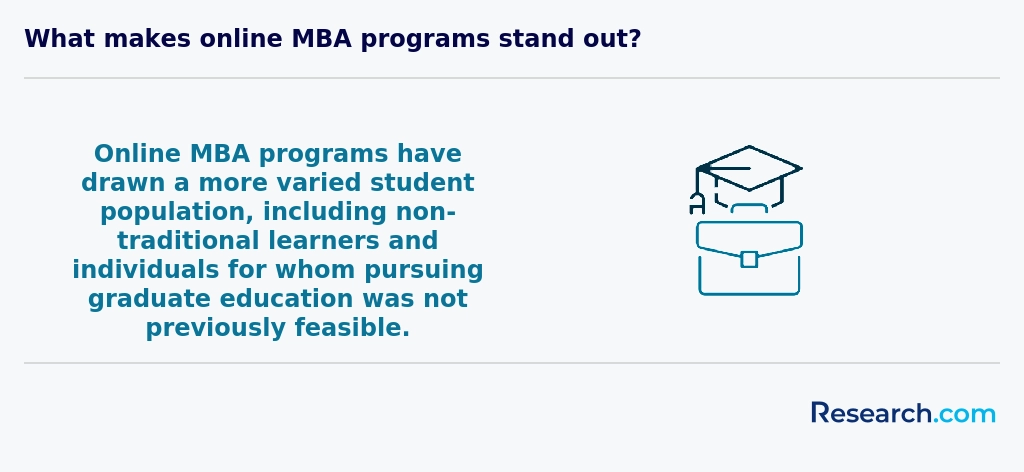
Graduates with a business degree in Irving enjoy diverse career opportunities that leverage the city's thriving economy and strategic location within the Dallas-Fort Worth metroplex. Business degree job opportunities in Irving often include roles in management and administration, such as business analysts, project managers, and operations managers, where graduates apply skills in optimizing organizational efficiency and profitability. Many alumni from local institutions, including those attending popular colleges in Irving, find rewarding positions in finance and accounting, with starting salaries ranging from $55,000 to $80,000. The proximity to corporate headquarters provides excellent access to financial analyst and auditing roles.
Career options with business degree Irving also extend into marketing and sales, where graduates thrive as marketing coordinators or digital marketing specialists amid growing tech and service sectors. The logistics and supply chain industry is particularly robust in Irving, offering opportunities in supply chain management and procurement, supported by the nearby Dallas/Fort Worth International Airport. Several graduates have embraced entrepreneurship, benefiting from business incubators and networking groups in the area. For those interested in advancing their education, exploring the easiest doctorate programs can be a strategic next step.
The business degree job opportunities in Irving benefit greatly from the city's vibrant economic landscape, hosting corporate headquarters and regional offices of major companies. Graduates from local universities frequently find roles in diverse sectors such as finance, technology, and healthcare management. Many report positive experiences leveraging the proximity to these employers, which facilitates internships and networking that directly enhance employability. For instance, business students from nearby institutions often secure entry-level positions in finance centers or technology firms, seeing starting salaries in the mid-$50,000 range with promising potential for growth.
Irving business degree employment outlook is favorable, supported by projected steady growth of 7% in business and financial occupations in the Dallas-Fort Worth area. Graduates enjoy competitive wages with median salaries near $77,000, reflecting the economy's strength in professional services and corporate administration. Prospective students appreciate that tuition costs at regional public universities remain affordable compared to private institutions, making education accessible. Those interested in further advancement can explore the most affordable online masters to enhance their credentials while maintaining local job connections.
2027 Most Valuable Business Degree Programs Ranking in Irving
Investing in one's education is a significant decision that can shape one's career and future, and the Research.com team is fully aware of the responsibility involved in providing trustworthy guidance. To support prospective students in Irving, we have diligently developed the "2027 Most Valuable Business Degree Programs Ranking in Irving." Our dedication to quality, credibility, and accuracy is demonstrated through thorough research and analysis, ensuring that this ranking reflects reliable, data-driven insights.
We utilized the following reputable data sources to create this comprehensive ranking:
By consulting this ranking, readers will gain valuable insights into the most worthwhile business degree programs in Irving, enabling them to make informed and confident educational choices. For further information on how this ranking was compiled, please visit our Research.com methodology page.

# 3 position
DeVry University-Texas
Bachelor of Business Administration

# 5 position
DeVry University-Texas
Master of Business Administration
Frequently Asked Questions About business
Business degree students in Irving can maximize their learning experience by engaging deeply with both academic and practical opportunities. Irving, part of the Dallas-Fort Worth metroplex, offers access to numerous internships and networking events through local corporations such as ExxonMobil and Fluor Corporation. According to the U.S. Bureau of Labor Statistics, hands-on experience can increase job placement rates by up to 20% for business graduates.
Students should also take advantage of resources at Irving-area colleges, including career services and business clubs, which facilitate professional development and peer learning. Participating in case competitions and workshops helps sharpen problem-solving skills essential in business fields.
Leveraging online resources and certifications alongside degree coursework can further enhance marketability in Irving's competitive business environment, where knowledge of emerging trends like digital marketing and supply chain management is increasingly valuable.
Emerging niches within the business field reflect evolving market demands and technological advancements. In Irving, Texas, one notable growth area is data analytics, where professionals use data to drive business decisions. According to the U.S. Bureau of Labor Statistics, jobs in this sector are expected to grow 25% by 2031, well above average.
Another expanding niche is supply chain management, fueled by Irving's role as a transportation and logistics hub near Dallas-Fort Worth International Airport. This specialization focuses on optimizing product delivery from producers to consumers efficiently.
Additionally, digital marketing continues to gain importance, as companies increasingly rely on online platforms to reach customers. Business degrees incorporating these fields offer students strong local career prospects.
Graduates with a business degree in Irving should focus on building practical skills to remain competitive in the job market. Networking is essential; Irving's growing economy, notably in sectors like logistics and technology, offers many local professional groups and events to attend. According to the U.S. Bureau of Labor Statistics, internships and part-time roles during study increase employment chances by 20% nationally. Additionally, obtaining certifications such as PMP or CPA can enhance a resume. Staying informed about Irving's top employers, including those in the Dallas-Fort Worth metroplex, helps tailor job applications to meet local market demands.
Employers in Irving highly value business degree graduates who demonstrate strong analytical skills. According to the Dallas Regional Chamber, 78% of local employers prioritize candidates who can interpret data to drive strategic decisions. Communication abilities are equally important, with 72% of surveyed companies emphasizing clear, professional interaction both internally and with clients.
Leadership and teamwork are critical as well, as Irving's growing business sector often demands collaborative project management. The U.S. Bureau of Labor Statistics cites a 10% projected growth for business-related roles in the Dallas-Fort Worth metroplex through 2031, increasing the competition for these soft skills.
Technical proficiency, especially in software like Excel and CRM platforms, is also frequently requested by Irving employers, making digital literacy essential for new business professionals.
Finding internships in Irving relevant to a business degree involves leveraging local resources and employer networks. Irving is home to a vibrant business community with major companies like ExxonMobil and Fluor Corporation, which often offer internship programs in finance, marketing, and management. Students should consult their university's career services, as many institutions in the Dallas-Fort Worth area have partnerships with these corporations.
Online platforms such as Handshake and LinkedIn frequently list internships available in Irving, tailored to business majors. Additionally, the Irving Chamber of Commerce provides listings and networking events that connect students with local businesses.
According to the Texas Workforce Commission, internships contribute significantly to employability post-graduation, so securing an internship in Irving can offer a competitive advantage in the regional job market.
Obtaining a business degree in Irving significantly enhances career mobility and advancement opportunities within the local job market. The Dallas-Fort Worth metroplex, which includes Irving, hosts a diverse economy with sectors such as finance, technology, and transportation. According to the U.S. Bureau of Labor Statistics, business-related occupations in the region are projected to grow faster than the national average through 2030.
Employers in Irving prioritize candidates with formal business education for roles in management, marketing, and finance. Graduates often benefit from higher starting salaries and quicker promotions compared to those without degrees. Additionally, many local companies offer leadership development programs that require or favor business degree holders.
Networking through Irving's universities and local business organizations further supports career advancement by connecting students with industry professionals and recruiters. Overall, a business degree provides tailored skills that align with the economic needs of Irving's evolving workforce.
Studying for a business degree in Irving equips students with skills essential for interdisciplinary roles by integrating core business knowledge with related fields such as technology, communication, and data analysis. Local universities often offer curricula that emphasize teamwork, problem-solving, and strategic thinking, addressing the needs of Irving's diverse economy, which includes sectors like logistics, finance, and information technology.
Programs frequently incorporate case studies and projects aligned with real-world business challenges faced by major Irving employers, fostering practical application.
According to the U.S. Bureau of Labor Statistics and Dallas-Fort Worth regional data, graduates with interdisciplinary business skills enjoy higher employability in multifaceted roles that require adaptability and cross-sector collaboration.
Choosing between a thesis and a non-thesis business degree program in Irving depends on your career goals and learning preferences. A thesis program requires conducting original research and writing a detailed paper, which is ideal if you aim for careers in academia or research-intensive roles. Non-thesis programs focus more on practical coursework and may include internships or projects, appealing to those seeking immediate entry into business management or industry positions.
In Irving, business professionals benefit from programs that align with the city's strong sectors like technology and transportation, as highlighted by the Dallas Regional Chamber. Students should consider how each option fits their professional plans and available time commitment.
Students based in Irving seeking to study business abroad have various pathways available through U.S. higher education institutions. Many universities in Texas, including those near Irving, offer established study abroad programs specifically for business majors. These programs often partner with institutions in Europe, Asia, and Latin America, allowing students to gain international experience while earning credit toward their degree.
According to the Institute of International Education (IIE), approximately 16% of U.S. undergraduate business students participate in study abroad programs, with popular destinations including the United Kingdom and Spain. Irving-based students can benefit from exchange agreements facilitated by nearby universities like the University of Texas at Dallas, which maintains active international business collaborations.
Additionally, some programs offer short-term intensive study tours combining coursework with industry visits, enhancing global business understanding without lengthy travel interruptions. These options help students develop crucial cross-cultural skills increasingly valued in the global job market.
Part-time job opportunities in Irving that complement business degree education often focus on roles that develop practical skills in management, marketing, and finance. Many students find positions in retail management or customer service within the city's thriving commercial sectors, benefiting from Irving's location near Dallas-Fort Worth International Airport and the Texas market hub.
Internships or assistant roles in local corporate offices, such as those of hospitality and technology companies based in Irving, provide valuable experience in business operations. According to the U.S. Bureau of Labor Statistics, part-time jobs in administrative support and sales are among the fastest-growing positions in the area.
Roles like bookkeeping clerk or social media coordinator also provide real-world applications of business coursework and can strengthen a student's resume for future career opportunities.
Business students in Irving benefit from a variety of networking opportunities supported by the city's strong economic ties to the Dallas-Fort Worth metroplex. Local universities, such as the University of Dallas, offer active business clubs and events that connect students with industry professionals. According to the Irving Chamber of Commerce, over 50% of its members are small to medium businesses, providing ample internship and mentorship possibilities.
Additionally, Irving's proximity to major corporations like ExxonMobil and Kimberly-Clark allows students access to corporate networking events and career fairs. Regional professional organizations, such as the Dallas Business Club, frequently hold meetups and workshops accessible to students seeking to expand their contacts.
Alumni networks provide significant benefits to business degree students in Irving by offering invaluable professional connections and mentorship. These networks often include graduates working in key Dallas-Fort Worth metroplex industries, enhancing job placement opportunities. According to the Dallas Regional Chamber, 78% of local employers prefer candidates with strong community ties, making alumni connections particularly useful.
Students gain access to exclusive internships, workshops, and networking events that help build real-world experience before graduation. Additionally, alumni often share insights about industry trends and local business climates specific to Irving's growing economy.
Active alumni engagement also supports lifelong career growth through job referrals and collaborations, important in competitive business fields.
Customizing a business degree program in Irving allows students to align their education with specific career goals. Many local institutions offer flexible curricula where students can select concentrations such as finance, marketing, or entrepreneurship. This customization helps build relevant skills sought by Irving's growing sectors like technology and healthcare, which contribute significantly to the city's $55 billion economy (U.S. Census Bureau, 2023).
Internships and cooperative education opportunities with Irving-based companies provide practical experience and networking advantages. Students can also choose electives focusing on leadership or data analytics, fields in high demand locally.
Advisors play a key role in tailoring coursework, ensuring each student's plan supports their intended career path effectively.
Business students in Irving often face challenges related to balancing work and study commitments, especially since many enroll in classes part-time while maintaining jobs in the city's thriving corporate sector. According to the U.S. Bureau of Labor Statistics, nearly 40% of business students nationwide work during their studies, and this trend is prominent in Irving due to its proximity to major employers.
Another common difficulty is the cost of education. Tuition fees for business programs in Texas have increased by an average of 3% annually, making financial management a key concern for local students. Additionally, students report challenges adapting to rapidly evolving business technologies and digital tools essential for modern business practices.
Moreover, securing relevant internships can be competitive, as Irving's business market attracts many ambitious candidates. Guidance and networking opportunities are critical but sometimes limited, making professional growth a hurdle for some.
With a business degree, professionals in Irving can pursue several valuable certifications to enhance their careers. The Certified Public Accountant (CPA) credential is popular among those interested in accounting and finance roles.
Many graduates also seek the Project Management Professional (PMP) designation, which is highly regarded across industries. This certification demonstrates expertise in managing projects efficiently.
For those focused on financial analysis, the Chartered Financial Analyst (CFA) certification offers rigorous training and is respected in Irving's growing financial sector.
Additionally, certifications like the Certified Management Accountant (CMA) and Six Sigma Green Belt help sharpen managerial and operational skills that are in demand locally.
To write a winning application for a business program in Irving, start by thoroughly researching the schools you are interested in. Highlight how your goals align with the program's strengths. According to the Texas Higher Education Coordinating Board, Irving is home to several reputable institutions offering business degrees, making it critical to tailor each application.
Emphasize your academic achievements and relevant work experience, especially in local industries such as technology or finance sectors prominent in Irving. Including a well-crafted personal statement that reflects your passion for business and career aspirations can set you apart.
Additionally, strong letters of recommendation from supervisors or professors can strengthen your application. Lastly, ensure all documents follow each school's specific requirements and deadlines, as punctuality and attention to detail are highly valued.
Business careers in the United States, including Irving, benefit from a global perspective due to increasing international trade and cross-border partnerships. According to the U.S. Bureau of Labor Statistics, business occupations are projected to grow by 8% through 2031, driven partly by globalization.
In Irving, home to many corporate headquarters such as ExxonMobil, business graduates gain exposure to international markets and diverse industries. This exposure aligns with worldwide business trends emphasizing cultural awareness, global supply chains, and digital commerce growth.
Students earning business degrees often develop skills valued internationally-such as strategic planning, finance, and marketing-boosting their competitiveness in the global job market. Institutions in Irving frequently emphasize these global competencies within their curricula.
Gaining practical experience while studying for a business degree in Irving is essential to bridge academic knowledge with real-world application. Many local universities, such as the University of Dallas, encourage students to participate in internships with nearby businesses. According to the National Association of Colleges and Employers (NACE), internships improve employment prospects by 60% on average.
Irving's diverse economy, including sectors like finance, technology, and logistics, offers numerous internship opportunities. Students can also engage in cooperative education programs that alternate between classroom study and full-time work.
Additionally, involvement in campus organizations focused on business, such as student-run enterprises and networking groups, helps develop leadership and teamwork skills. According to the U.S. Department of Education, students with such experience often earn higher starting salaries after graduation.
Choosing the right concentration within a business degree program in Irving starts with identifying your career goals and interests. Popular concentrations include finance, marketing, management, and entrepreneurship. According to the U.S. Bureau of Labor Statistics, Irving's growing industries like technology and logistics may influence demand for specialized skills.
Students should also consider local economic trends. For example, because Irving is a hub for transportation and technology companies, concentrations in supply chain management or information systems might offer better job prospects, supported by data from the Irving Chamber of Commerce.
Reviewing course offerings and faculty expertise at Irving colleges can help ensure alignment with your goals. Internships and networking opportunities within the local business community are also critical factors to weigh.
- 2027 Most Valuable Business Degree Programs Ranking in Dallas
- 2027 Most Valuable Business Degree Programs Ranking in Denton
- 2027 Most Valuable Business Degree Programs Ranking in Abilene
- 2027 Most Valuable Business Degree Programs Ranking in Austin
- 2027 Most Valuable Business Degree Programs Ranking in Houston
- 2027 Most Valuable Business Degree Programs Ranking in San Antonio
- 2027 Most Valuable Business Degree Programs Ranking in Lubbock
- 2027 Most Valuable Business Degree Programs Ranking in Wichita
- 2027 Most Valuable Business Degree Programs Ranking in Springfield
- 2027 Most Valuable Business Degree Programs Ranking in Baton Rouge
See What Experts Have To Say About Studying Business
Read our interview with Business experts

David Souder
Business Expert
Senior Associate Dean for Faculty and Research
Michigan State University


Ingrid S. Greene
Business Expert
Clinical Assistant Professor of Management
Loyola Marymount University

- Why Alumni Networks Matter in Business School: 7 Reasons https://europe.ceibs.edu/article/why-alumni-networks-matter-business-school
- A guide to finding an internship https://www.ipag.edu/en/blog/guide-finding-internship
- Networking Tips for Business Students: Building a Foundation for Success https://londonsba.org.uk/blog/networking-tips-for-business-students-building-a-foundation-for-success/
- 2026 Best Business Schools | Total Cost & Scholarships At P&Q’s Ranked Business Schools https://poetsandquantsforundergrads.com/admissions/2026-best-business-schools-total-cost-scholarships-at-pqs-ranked-business-schools/
- Bachelor of Business Administration (B.B.A.) Major in Management https://mycatalog.txstate.edu/undergraduate/mccoy-business-administration/management/management-bba/
- Is a thesis always mandatory in a master's degree program? - EFMU: The Euler-Franeker Memorial University and Institute https://euler.euclid.int/is-a-thesis-always-mandatory-in-masters-degree-program/
- Finding Networking Opportunities as a Student | National Society of High School Scholars https://www.nshss.org/resources/blog/blog-posts/how-to-find-networking-opportunities-as-a-student/
- Closing the Gap in Business Education https://www.peregrineglobal.com/articles/closing-the-gap-in-business-education
- Guide to Business Internships | Higherin https://higherin.com/career-guides/business/business-internships
- Professional Business Certifications to Boost Your Career in 2025 https://www.business.com/articles/best-business-certifications/