2027 Most Valuable Business Degree Programs Ranking in Erie

Co-Founder and Chief Data Scientist
Choosing the right business degree program is a big step toward a successful future. This article introduces the 2027 Most Valuable Business Degree Programs Ranking in Erie, created by the Research.com team of data scientists. It's designed to help students in Erie make an informed choice about which programs offer the best value and opportunities.
Reading this guide will give you clear insights into programs that can boost your career. Getting a business degree opens doors to growth, confidence, and exciting possibilities ahead.
Key benefits of getting business degree in Erie
- Salary for business degree graduates: Business graduates in Erie can expect rewarding salaries, such as a Business Development Executive earning a mean annual wage of $83,190 and a Business Analyst making around $112,950. These figures highlight the strong financial potential that a business degree can unlock.
- Potential career paths: Graduates from popular Erie universities often enter dynamic roles like business analysis or development, enjoying diverse opportunities that match their skills and ambitions. This flexibility helps you shape a career that fits your interests and goals.
- Benefits of online business degrees: Earning a business degree online in Erie offers great convenience and flexibility, enabling you to balance work or family while studying. Many online graduates find this approach enhances their learning experience without delaying their career growth.
- 2027 Most Valuable Business Degree Programs Ranking in Erie
- What can I expect from business degree in Erie?
- Where can I work with business degree in Erie?
What can I expect from business degree in Erie?
The average cost of pursuing a business degree in Erie tends to be more affordable than in many larger cities, particularly at public institutions like Penn State Behrend. Graduates often recount how the competitive tuition rates for in-state residents made managing expenses less stressful, allowing them to focus on learning rather than financial strain. This affordability, combined with Erie's lower cost of living, supports students in maintaining a reasonable lifestyle while studying.
While tuition fees are a crucial factor, graduates emphasize that the value lies also in access to quality education and practical experiences. Erie's business programs typically include internships and networking events, providing real-world exposure without excessive extra cost. This balance often outweighs the slightly higher tuition some private institutions might charge.
Some students express concern about limited scholarship options compared to larger universities, which could impact overall costs. Nevertheless, the city's economic diversity and close-knit community often help students find paid internships that further ease financial burdens, making a business degree in Erie a feasible investment.
Where can I work with business degree in Erie?
Business graduates in Erie find diverse employment opportunities across several key sectors, though it's important to consider the local economic landscape critically. Many graduates from institutions like Gannon University and Penn State Behrend report entering manufacturing firms, where roles such as operations management and supply chain coordination leverage both analytical and leadership skills developed during their studies. However, while manufacturing remains significant, it may demand continuous upskilling due to industry evolution.
Healthcare offers promising alternatives, especially with employers like UPMC Hamot and Saint Vincent Health System nearby. Graduates working in healthcare administration often express satisfaction in balancing business acumen with meaningful impact on community health services. Yet, these roles can require understanding complex regulatory environments beyond typical business curricula.
Other alumni find meaningful work in education or nonprofit sectors around Erie, applying budgeting and program management skills to support local schools or charitable causes. Retail and hospitality also draw graduates eager to engage with Erie's vibrant local economy, though some caution these fields can involve unpredictable hours and variable advancement.
Entrepreneurship and consultancy pathways appeal to those inspired by Erie's Innovation District, offering exciting but uncertain ventures. Graduates note that networking and adaptive learning are vital in translating business degrees into real-world success across Erie's mixed market.
Graduates holding business degrees in Erie can expect varied earning potential depending on their chosen career paths and experience levels. For instance, business development executives in the area earn a mean annual wage of about $83,190, providing a solid income foundation for recent graduates from institutions like Gannon University or Penn State Erie. Business analysts, often prized for their analytical skills, can see significantly higher earnings, with the mean annual wage reaching $112,950-a notable benchmark that reflects both local demand and the complexity of the role.
Many Erie graduates find that starting salaries align with regional median figures around $40,000 to $50,000, but with experience and strategic career moves-such as leveraging internships or certifications-earnings can increase substantially. The local economy's variety, including manufacturing and healthcare sectors, enables different career trajectories that fit a range of interests and skills. These scenarios are encouraging for Erie students who want a competitive salary without the steep cost of living seen in larger cities.
- Tuition at public institutions in Erie typically ranges from $8,000 to $12,000 per year for in-state students, while private colleges may charge between $15,000 and $25,000 annually.
- Additional expenses like books, supplies, and living costs are not included in tuition and increase the overall cost of education.
- Business degree holders in Erie have an average starting salary of about $50,000 to $55,000 per year.
- Experienced professionals can earn upwards of $75,000 annually depending on their specialization and industry.
- Erie's job market for business graduates is growing, especially in finance, marketing, management, and supply chain roles.
- Several Erie institutions have AACSB accreditation, which can improve job competitiveness and access to internships and cooperative education.
Completing a business degree in Erie typically aligns with established timeframes but varies based on individual circumstances and program choices. For example, graduates from Erie Community College pursuing an associate degree often complete their studies in about two years of full-time effort, providing a solid foundation for further education.
Meanwhile, those enrolled full-time in bachelor's programs at Erie's public and private universities generally finish within four years, matching the U.S. Department of Education's standard. These students often balance around 120 credit hours, reinforcing their commitment but also feeling the rewarding sense of steady progress toward their goals.
However, many students opt for part-time study or accelerate their programs by transferring credits, which can extend or shorten their timelines. Graduates have shared how evening classes and internships made their MBA experiences in Erie flexible yet challenging, often taking one to two years full-time or more than three years part-time.
This flexible structure allows students to tailor their journeys, blending academic achievement with real-world responsibilities while building confidence through tangible milestones.
Erie, PA offers more than just a competitive education-it provides a vibrant community and unique regional advantages that set the stage for both academic and professional success. The city's blend of affordable living, a growing local economy, and accessible internship opportunities creates an ideal environment for students pursuing a business degree. Beyond the classrooms, students benefit from engaging local networking events, career fairs, and collaborative projects with regional industries, all of which contribute to real-world experience and professional connections. Many students also appreciate the local community’s strong support for educational initiatives and business innovation, making Erie a hub for both emerging talent and established enterprises. This supportive spirit is evident in the various extracurricular initiatives, guest lectures, and mentorship opportunities that enrich the overall student experience. Institutions in Erie provide tailored career services that help students transition smoothly from academia to industry, ensuring they are well-prepared to meet local and national job market demands. Furthermore, if you are exploring more specialized areas within business, such as a business marketing degree, Erie’s educational network offers diverse programs designed to nurture your interests and professional goals. Embracing the cultural charm and dynamic business landscape of Erie, students can enjoy a well-rounded education that nurtures both personal growth and long-term career achievement.
The distinction between online and on-campus business degrees in Erie largely hinges on delivery style and daily student experience. Graduates from on-campus programs like those at Gannon University or Penn State Behrend often highlight the value of face-to-face interactions with professors and peers, which foster a strong network and provide access to hands-on opportunities such as internships and campus events. These experiences create a vibrant environment that many find motivating and memorable.
Conversely, Erie-based graduates from online programs appreciate the flexibility to balance work, family, and study without the added expenses of commuting or housing. The ability to attend class from anywhere fits well with busy lifestyles, though some note the challenges of building connections and accessing campus resources virtually. Online students rely more on digital advising and remote support, which can feel impersonal but offers convenience.
Cost considerations also play a role. While online options may reduce living costs, attention to fees for technology and reliable equipment is necessary. The choice ultimately depends on personal priorities-whether a student values immersion and networking or flexibility and practical savings.
Erie, PA, stands out as a prime location for business education and career opportunities, offering a unique blend of academic excellence, economic vibrancy, and community support. The city is home to esteemed institutions such as Gannon University and Penn State Erie, The Behrend College, which provide high-quality business programs that cater to diverse interests and career goals. Prospective students can explore the valuable business school in pennsylvania options, ensuring they find the best fit for their educational and professional aspirations.
The average total cost of earning a business degree in Erie is approximately $57,862, according to recent data. This figure reflects a median value that includes both in-state and out-of-state students, with in-state residents typically paying closer to $40,656. For students attending local institutions like Gannon University or Mercyhurst University, these numbers align with the well-documented tuition ranges and associated expenses such as books, supplies, and room and board.
Graduates from these programs often recall balancing the expense with financial aid and scholarships, which can significantly improve affordability. One common experience is navigating the more reasonable tuition fees offered by public universities, such as Penn State Behrend, compared to the higher costs of private schools in Erie. This dynamic often encourages careful financial planning and exploring aid options to manage the total cost of business degree in Erie effectively.
Considering the local context, Erie's business degree costs fall in a range that compares favorably to national averages, influenced by the region's lower cost of living and educational subsidies. For those researching further, rankings and insights into the most affordable and valuable options can be found in resources like the valuable business school in pennsylvania, helping to navigate the balance between quality and cost.

Business students in Erie often rely heavily on federal financial aid, particularly through the FAFSA, to access grants and loans that ease the burden of tuition and living expenses. For example, recipients of Pell Grants, which offer up to $7,395 annually, describe a significant reduction in financial stress, allowing them to focus more on their studies at institutions like Gannon University or Mercyhurst University. However, these grants are need-based, so not all students can count on them.
State aid also plays an important role; the Pennsylvania State Grant Program assists Erie residents attending in-state colleges, which local graduates often praise for making business degrees more attainable. Merit scholarships, commonly ranging from $1,000 to $5,000, reward academic and leadership achievements, providing a welcome boost, though these can be highly competitive.
Many students supplement aid with on-campus work-study jobs, gaining business-relevant experience while earning money, a balance described as both challenging and rewarding by Erie business graduates. Private scholarships and employer tuition programs add further layers of support but require proactive searching and timely application.
Enrolling in a business degree program in Erie commonly requires applicants to have completed high school or earned a GED, with many institutions expecting a GPA between 2.5 and 3.0. Graduates from popular local colleges often recall balancing their academic requirements with personal commitments, noting that meeting these GPA thresholds felt both challenging and motivating. Some programs still request SAT or ACT scores, though an increasing number have adopted test-optional policies, allowing students to focus on strengths beyond standardized exams.
Applicants are usually expected to submit a personal essay, which local students found helpful for expressing their passion for business and illustrating real-world ambitions. Letters of recommendation, while not always mandatory, can enhance applications by lending credibility to a candidate's dedication and skills.
Foundational coursework in mathematics and English is emphasized, as graduates describe how their knowledge of algebra and communication shaped their success in quantitative and presentation-heavy business classes. Transfer students must provide official transcripts, which, according to some, helped schools recognize diverse academic backgrounds. Overall, Erie's business programs strive to balance academic standards with accessibility, creating pathways for motivated students from various situations.
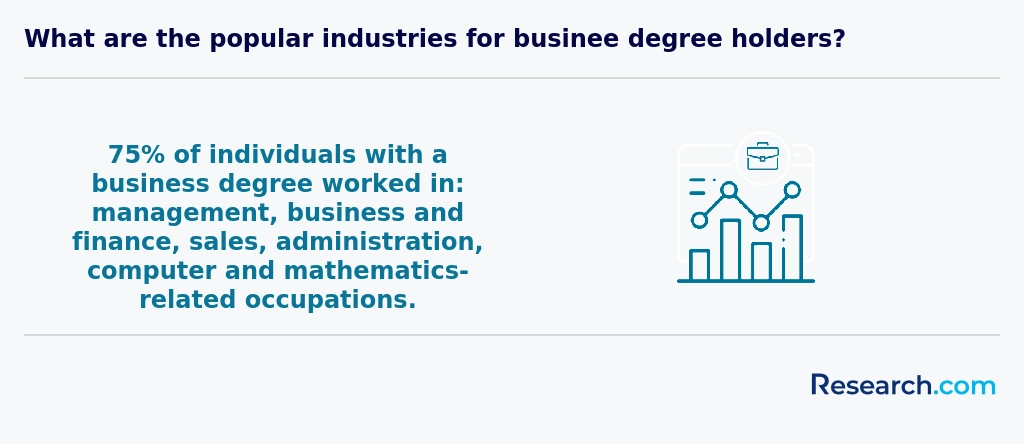
Students pursuing business degrees in Erie typically engage with a curriculum that balances foundational knowledge and practical application. At well-known institutions such as Gannon University and Mercyhurst University, graduates often describe how courses like Principles of Management and Marketing Fundamentals helped them understand everyday business challenges they witnessed in local firms, from retail shops to healthcare providers.
These programs usually cover essential subjects like Financial and Managerial Accounting, which former students recall as vital for interpreting real financial statements during internships with Erie's manufacturing companies. Business Law classes also resonate well, offering clarity on navigating legal concerns many businesses face here.
Economics and Quantitative Methods enhance analytical thinking, helping students make data-driven decisions relevant to Erie's mixed economy. Organizational Behavior and Operations Management courses bring theory to life by examining the interpersonal dynamics and logistics observed in local enterprises.
Overall, Erie's programs encourage hands-on learning aligned with the city's economic sectors, making the coursework both engaging and directly applicable to the job market.
Business degree specializations in Erie commonly include Marketing, Finance, Management, Accounting, Supply Chain and Logistics, and Entrepreneurship. These tracks reflect not only broad business principles but also the unique economic strengths of the Erie region. For example, graduates from Erie's community colleges often highlight how the Supply Chain and Logistics specialization prepares them for roles in the local manufacturing and transportation sectors, which dominate Erie's economy.
Students pursuing a business marketing degree in Erie frequently share positive experiences about mastering digital marketing strategies that align with current industry demands, enhancing their confidence in competitive job markets. Many find the business management program options at local universities valuable for developing leadership skills through practical projects, helping them connect theory with real-world challenges.
It's worth noting that some graduates appreciate interdisciplinary approaches combining data analytics and technology with traditional business studies, which offer versatile skills for evolving careers. This blend reflects Erie institutions' responsiveness to emerging trends while grounding students in reliable, regionally relevant expertise.
Furthermore, affordability factors often influence specialization choices, with Erie Community College standing out as a cost-effective option to start detailed study paths before advancing to broader programs at four-year institutions.
For those keen to explore specific paths, detailed insights into a business marketing degree illustrate how Erie's programs tailor learning to both student ambitions and the local economic context.
Choosing the best business degree in Erie means weighing multiple factors beyond just tuition prices. Graduates from popular Erie colleges often emphasize how selecting a program that aligns with the local job market-especially industries like manufacturing, logistics, and healthcare-can make a tangible difference in securing internships and employment. For instance, students pursuing an affordable business schools Erie 2027 path frequently highlight the advantage of smaller class sizes and faculty accessible for real-world advice.
Cost must be balanced with program quality; accreditation by bodies such as AACSB remains critical to ensure education meets employer expectations. A graduate's reflection on program curriculum often underscores the importance of relevant specializations that match personal career goals rather than generic degrees.
Additionally, prospective students might consider flexible options like an associate degree in 6 months accredited for quicker entry into the business world. Visiting campuses, speaking with alumni, and exploring support services can illuminate which offering truly fits one's ambition and lifestyle in Erie.
Graduates with a business degree in Erie often pursue diverse career paths, reflecting the city's mixed economy and evolving job market. Jobs for business graduates in Erie frequently include financial analysis and accounting, where many find rewarding roles in budgeting and tax planning within the region's small business sector. Some graduates from prominent local colleges express satisfaction in how their education prepared them for these practical responsibilities.
Marketing roles are another common option, particularly in digital marketing and brand management, which align with Erie companies' efforts to strengthen their online presence. Some graduates highlight their excitement working in marketing coordinator positions at local manufacturers, appreciating the blend of creativity and analytics involved.
Management positions, such as operations or project managers, are accessible but require strong leadership skills and strategic thinking. Graduates often remark on the challenge and fulfillment of guiding teams to meet organizational goals in Erie's competitive environment. Alternatively, entrepreneurship appeals to many; with small businesses dominating Erie's economy, starting or consulting for startups feels viable for those seeking independence and innovation.
Those looking beyond traditional roles also find opportunities as supply chain analysts or business analytics professionals, roles growing with the city's shift towards data-driven decision-making. Some Erie business students exploring options also complement their degree with online certifications that pay well without a degree, enhancing their marketability in these emerging fields.
The job market for business degree graduates in Erie offers a balanced opportunity landscape shaped by the city's varied economy. While Erie may not rival larger metro areas in sheer volume of openings, sectors like manufacturing, healthcare, education, and retail create steady demand for business-related roles. Graduates from local institutions often find roles as financial analysts, marketing specialists, or sales managers, where practical skills are highly valued. This combination of opportunity and community allows graduates to build meaningful careers without facing overwhelming competition, which is a common concern in bigger cities, making Erie appealing for those looking for a manageable job search.
Students pursuing a business degree in Erie benefit from affordable education costs and a median salary near the national average, presenting a realistic career pathway. Graduates often share how participating in local business incubators enhances their employment prospects by connecting them with entrepreneurial ventures, showing the vitality of Erie's market for business degree job opportunities in Erie.
Those weighing educational investments in Erie should consider exploring the most lucrative majors in college, aligning ambitions with market realities as they navigate the Erie business degree employment outlook.
2027 Most Valuable Business Degree Programs Ranking in Erie
Investing in your education is a significant decision that can shape your future, and the Research.com team understands the importance of making informed choices. To assist prospective students in Erie, we have carefully developed the "2027 Most Valuable Business Degree Programs Ranking in Erie." Our dedication to quality, credibility, and accuracy is demonstrated through extensive research and thorough analysis underpinning this ranking.
We utilized the following reputable data sources to ensure a comprehensive evaluation of business degree programs:
By exploring this ranking, readers will gain valuable insights into the most reputable and valuable business degree programs in Erie, empowering them to make well-informed decisions about their educational investments. For more information about how this ranking was created, please visit our Research.com methodology page.
# 1 position
Pennsylvania State University-Penn State Erie-Behrend College
Bachelor of Science in Business



Frequently Asked Questions About business
Business degree students in Erie can maximize their learning experience by actively engaging with local industries. Erie's economy includes manufacturing, healthcare, and small business sectors, offering practical internship opportunities. According to the Erie Regional Chamber and Growth Partnership, internships and cooperative education programs can enhance job readiness for students.
Students should also participate in networking events and business clubs hosted by local institutions like Gannon University and Mercyhurst University. These connections often lead to mentorships and job placements.
Additionally, leveraging Erie's proximity to major markets like Pittsburgh allows students to explore diverse business models and regional economic trends by attending seminars and conferences.
The business field is evolving rapidly, with several emerging niches gaining traction nationwide and in Erie. One notable area is data analytics, where professionals interpret complex datasets to support business decisions. According to the U.S. Bureau of Labor Statistics, demand for business analysts is expected to grow 11% from 2022 to 2032.
Another growing niche is sustainable business management. Erie's local economy benefits from manufacturing and logistics, which increasingly adopt green practices to meet environmental regulations and consumer expectations. This shift creates opportunities for specialists in corporate social responsibility.
Additionally, digital marketing remains vital as businesses in Erie embrace e-commerce and social media to reach wider audiences. Expertise in SEO, content creation, and online sales strategies is highly sought after. These niches reflect broader economic trends and provide promising career paths for Erie students pursuing business degrees.
Preparing for the job market after completing a business degree in Erie involves strategic steps tailored to local economic conditions. Erie's diverse economy, including manufacturing, healthcare, and small businesses, offers various opportunities for graduates. Networking is vital; local organizations like the Erie Regional Chamber connect students with employers and internships.
Students should also leverage career services at their institutions to refine resumes and practice interviews. According to the U.S. Bureau of Labor Statistics, the demand for business graduates in Pennsylvania is expected to grow 7% from 2022 to 2032, indicating steady opportunities.
Gaining practical experience through internships or co-op programs enhances employability in Erie's competitive job market.
Employers in Erie value business degree graduates who demonstrate strong analytical skills. The ability to interpret financial data and market trends is crucial, especially given Erie's growing sectors like manufacturing and healthcare.
Communication skills also rank highly. Employers expect graduates to effectively present ideas and collaborate across teams. According to the Erie Regional Chamber of Commerce, 78% of local businesses prioritize clear verbal and written communication.
Problem-solving capabilities are essential as well. Graduates must adapt quickly to challenges in a competitive marketplace. Local employers in finance and logistics frequently seek candidates skilled in critical thinking and decision-making.
Finally, proficiency in technology, including data analysis tools and business software, is increasingly important. As Erie embraces digital transformation, these technical skills enhance a graduate's employability in the region.
Finding internships in Erie relevant to a business degree involves several strategic steps. Start by exploring internships offered through local colleges, such as Gannon University and Penn State Behrend, which maintain strong connections with Erie's business community. According to the Erie Regional Chamber & Growth Partnership, industries like manufacturing, healthcare, and finance are prominent, offering valuable internship opportunities.
Utilize online platforms like Handshake and local job boards to access internship listings specifically tailored to Erie's market. Networking remains crucial; attending chamber events or joining professional organizations can create essential contacts. Many Erie businesses prefer candidates with some coursework in business fundamentals, so aligning academic schedules with internship deadlines is beneficial.
In Erie, obtaining a business degree significantly enhances career mobility and advancement opportunities. According to the U.S. Bureau of Labor Statistics, individuals with a bachelor's degree in business typically experience lower unemployment rates and higher earning potential than those without a degree.
Erie's growing industries, including manufacturing, healthcare, and finance, favor candidates with formal business education for leadership roles. Local employers often seek graduates skilled in management, marketing, and finance to fill mid- and upper-level positions.
Moreover, partnerships between Erie's colleges and local businesses facilitate internships and networking, which expand job prospects. Data from Erie Regional Chamber & Growth Partnership indicates that degree holders have a 15% higher rate of promotion within five years.
Studying for a business degree in Erie equips students with skills that span multiple disciplines essential for today's job market. Programs in Erie emphasize critical thinking, communication, and technological proficiency, preparing graduates to work effectively in diverse teams.
Local institutions often integrate courses from finance, marketing, and information systems, providing students with a broad knowledge base. This interdisciplinary approach aligns with Erie's growing economy, which includes sectors like healthcare, manufacturing, and technology, requiring versatile professionals. According to the Pennsylvania Department of Labor & Industry, interdisciplinary skills enhance employability by 30% in Erie's competitive market.
Students gain practical experience through internships and collaborations with Erie-based businesses, further strengthening their adaptability across fields.
When choosing between a thesis and a non-thesis business degree program in Erie, students should consider their career goals and learning preferences. Thesis programs focus on research and require a formal written project, which benefits those aiming for academic or research roles. Non-thesis programs emphasize practical skills and coursework, fitting for students targeting immediate employment in the local Erie business market.
Erie's economy, with significant sectors like manufacturing and logistics, often values applied business knowledge. According to Erie Regional Chamber & Growth Partnership, internships and experiential learning offered in non-thesis tracks can enhance job prospects.
Thesis students generally commit more time, often 6 to 12 months, to complete research, while non-thesis paths may allow faster graduation.
Students based in Erie seeking to study business abroad can explore various options through partnerships held by local institutions. Gannon University, a prominent Erie university, offers study abroad programs that include business-focused experiences in regions such as Europe and Asia. These programs enable students to gain global business perspectives while earning credits toward their degrees.
Additionally, Erie residents can participate in exchange programs facilitated by Pennsylvania State System of Higher Education schools, which often include international business study opportunities. According to the Institute of International Education, nearly 60% of business students in the U.S. engage in some form of study abroad, reflecting a growing trend that Erie students also follow.
Financial aid and scholarships targeted at study abroad participants are frequently available to Erie business students, helping reduce costs. These programs emphasize enhancing cross-cultural communication and global market understanding-skills valued in Erie's diverse economic sectors, including manufacturing and healthcare.
Erie offers a range of part-time job opportunities that complement business degree studies, providing practical experience alongside academic learning. Retail positions at local shopping centers like Millcreek Mall allow students to develop customer service and sales skills. Internships in Erie's growing logistics sector, supported by the Port of Erie, give hands-on experience in supply chain management, which is key for business careers. According to the Erie Regional Chamber & Growth Partnership, finance and administrative assistant roles in local firms present valuable opportunities to understand business operations and corporate finance.
Business students in Erie have access to various networking opportunities that enhance their educational experience and career prospects. Local universities often host career fairs and networking events connecting students with regional employers. For example, Gannon University and Penn State Behrend organize business-specific meetups featuring industry leaders.
Erie's Chamber of Commerce plays a critical role by offering student memberships and events that foster connections with small businesses and startups in the area.
Additionally, Erie's diverse business community, including manufacturing, healthcare, and logistics sectors, provides ample internships and mentorship options. According to the Erie Regional Chamber, 75% of students attending local business events reported improved job prospects within six months.
Alumni networks offer significant advantages to business degree students in Erie by providing access to experienced professionals and local industry connections. These networks often host events, workshops, and mentoring opportunities that help students develop practical skills and expand their professional circles.
Erie's business community benefits from active alumni engagement, which facilitates internships and job placements within regional companies. According to the Erie Regional Chamber & Growth Partnership, strong alumni ties contribute to a higher employment rate for graduates, enhancing career outcomes.
Moreover, alumni can guide current students through navigating Erie's unique economic landscape, including sectors like manufacturing, healthcare, and logistics, which are vital to the area's economy.
Customizing a business degree program in Erie allows students to align their education with specific career objectives. Many local colleges offer flexible curricula with concentrations such as finance, management, marketing, or entrepreneurship. According to the Pennsylvania Department of Education, Erie institutions emphasize experiential learning opportunities, including internships with prominent local companies in manufacturing and healthcare sectors.
Students can often choose electives or minors that complement core business courses, enhancing skills relevant to Erie's job market. Networking events and partnerships with Erie's regional business groups provide practical exposure and connections. These options help tailor education to meet employer needs and personal career goals effectively.
Business students in Erie face several common challenges as they pursue their degrees. One primary issue is balancing part-time work with academic demands, as many students need to support themselves financially while studying. According to the U.S. Bureau of Labor Statistics, Erie's average median income remains below the national average, increasing pressure on students to find employment during their studies.
Another challenge is limited access to extensive networking opportunities. Erie has fewer large corporate headquarters than bigger cities, which can restrict internships and mentorship prospects crucial for business career growth. This limits practical experience despite Erie's growing sectors like manufacturing and healthcare.
Finally, adapting to changing business technologies poses difficulties. As the business environment rapidly evolves, students must stay current with digital tools and data analytics, often requiring additional self-directed learning outside classroom hours to remain competitive.
With a business degree in Erie, graduates have numerous professional certification options to enhance their career prospects. Common certifications include the Certified Public Accountant (CPA), ideal for those focusing on accounting and finance. The CPA credential is highly valued in Pennsylvania and can lead to roles in local firms or Erie's growing financial sector.
Another popular option is the Project Management Professional (PMP) certification, recognized nationwide and useful for managing projects in industries prominent in Erie, such as manufacturing and healthcare. Additionally, the Certified Business Analyst Professional (CBAP) is suitable for graduates interested in analyzing and improving business processes.
Many professionals also pursue the Chartered Financial Analyst (CFA) designation, especially those targeting investment roles in Erie's banking institutions. These certifications can improve job prospects and earning potential in the region's competitive job market.
Writing a winning application for a business program in Erie begins with demonstrating clear career goals aligned with the program's focus. Erie's business schools value applicants who articulate how their studies will support local economic sectors, such as manufacturing and small business entrepreneurship, which drive the region's economy according to the Erie Economic Development Corporation.
Applicants should highlight relevant experience, internships, or volunteer work, especially roles that showcase leadership and teamwork skills. Including quantifiable achievements can strengthen the application-studies show that specific examples improve selection chances.
Letters of recommendation are also important; choosing referees who can speak about your business potential adds credibility. Lastly, a well-written personal statement, free from errors and tailored to Erie's unique business environment, is essential to make your application stand out.
The global perspective on a business career highlights increasing demand for skills that support international trade, digital innovation, and cross-cultural communication. In Erie, business graduates benefit from exposure to a diverse economy that includes manufacturing, healthcare, and logistics, which align closely with global market trends.
According to the U.S. Bureau of Labor Statistics, business-related jobs are expected to grow 8% nationally from 2022 to 2032, demonstrating sustained opportunity. Erie's local economy, with ties to major Great Lakes shipping routes, offers a unique advantage for students interested in global supply chain management and international business.
Furthermore, many Erie-area business programs incorporate global case studies and language skills to prepare graduates for careers beyond U.S. borders. This approach reflects broader educational goals aimed at fostering leaders who understand global markets. The inclusion of international internships and partnerships also enhances practical understanding, supporting Erie students' competitiveness worldwide.
Gaining practical experience while studying for a business degree in Erie is essential to enhance your resume and improve job prospects. Many Erie-area institutions encourage students to participate in internships, which offer valuable hands-on learning in local industries such as manufacturing, healthcare, and logistics-sectors prominent in the Erie Regional Chamber & Growth Partnership reports.
Additionally, cooperative education (co-op) programs integrate classroom learning with paid work experience. These programs can last one or two semesters, allowing students to apply theoretical knowledge on the job.
Business students can also engage in student-run organizations or consulting projects that collaborate with Erie businesses. This real-world exposure helps develop leadership and problem-solving skills important for future careers.
Choosing the right concentration within a business degree program in Erie requires careful consideration of your career goals and the local job market. Erie's economy is diverse, with strong sectors in manufacturing, healthcare, and logistics, making concentrations like supply chain management and healthcare administration valuable. According to the Erie Regional Chamber & Growth Partnership, demand for business professionals in these fields is expected to grow by 5% annually through 2030.
Research concentrations that align with both your interests and regional opportunities. For instance, finance and entrepreneurship are popular but may face more competition. Look for programs that offer internships or connections with Erie-area companies to gain practical experience.
Finally, evaluate faculty expertise and the flexibility of course offerings to ensure the concentration matches your long-term ambitions and the evolving business landscape in Erie.
- 2027 Most Valuable Business Degree Programs Ranking in Buffalo
- 2027 Most Valuable Business Degree Programs Ranking in Cleveland
- 2027 Most Valuable Business Degree Programs Ranking in Rochester
- 2027 Most Valuable Business Degree Programs Ranking in Ithaca
- 2027 Most Valuable Business Degree Programs Ranking in Ann Arbor
- 2027 Most Valuable Business Degree Programs Ranking in Syracuse
- 2027 Most Valuable Business Degree Programs Ranking in Columbus
- 2027 Most Valuable Business Degree Programs Ranking in Baltimore
- 2027 Most Valuable Business Degree Programs Ranking in Fort Wayne
- 2027 Most Valuable Business Degree Programs Ranking in Arlington
See What Experts Have To Say About Studying Business
Read our interview with Business experts

David W. Stewart
Business Expert
Emeritus President's Professor of Marketing
Loyola Marymount University

David Souder
Business Expert
Senior Associate Dean for Faculty and Research
Michigan State University

Ingrid S. Greene
Business Expert
Clinical Assistant Professor of Management
Loyola Marymount University

- The Biggest Challenges for Business School Students | EU Business School https://www.euruni.edu/blog/the-biggest-challenges-for-business-school-students/
- Online Degree vs. Traditional: Choosing the Right Path https://beal.edu/online-degree-vs-traditional/
- Management & Entrepreneurial Thinking https://www.ec3pa.org/pathways-to-careers-at-ec3pa/management-and-entrepreneurial-thinking
- Global Perspectives: International Opportunities for Business School Students - SBS Swiss Business School https://sbs-uae.org/global-perspectives-international-opportunities-for-business-school-students-3/
- 1. Online registration https://moderna.edu.pl/majors/management/bachelor-of-management/business-management/
- How to Write a Statement of Purpose for Business School https://www.statementswritingservices.com/blog/how-to-write-a-statement-of-purpose-for-business-school.html
- Networking Tips for Business Students: Building a Foundation for Success https://londonsba.org.uk/blog/networking-tips-for-business-students-building-a-foundation-for-success/
- Business Administration | Gannon University https://www.gannon.edu/academic-offerings/engineering-and-business/undergraduate/business-administration/
- Business Administration Degree Salary | UE Amsterdam https://www.ue-amsterdam.com/blog/business-administration-degree-salary-how-much-can-you-earn
- Is a thesis always mandatory in a master's degree program? - EFMU: The Euler-Franeker Memorial University and Institute https://euler.euclid.int/is-a-thesis-always-mandatory-in-masters-degree-program/