
2027 Most Affordable Business Degree Programs Ranking in Iowa

Co-Founder and Chief Data Scientist
Choosing the right business degree program in Iowa can be overwhelming, especially when affordability is a top priority. This article introduces the 2027 Most Affordable Business Degree Programs Ranking in Iowa, created by the Research.com team of data scientists. Their work helps you make an informed decision based on reliable data.
Exploring this ranking allows you to find quality programs that fit your budget, opening doors to new career opportunities. Earning a business degree can be a rewarding step toward your future, and this guide is here to support your journey.
Key benefits of getting business degree in Iowa
- Salary for business degree graduates: Graduates can expect competitive earnings, such as business analysts who earn a mean annual wage of $112,950 and business development executives with a mean annual wage of $83,190 in Iowa, offering strong financial motivation.
- Career paths: A business graduate from the University of Iowa often finds diverse opportunities in roles like business analyst or business development executive, allowing for professional growth in various industries statewide.
- Online degree benefits: Earning a business degree online from institutions like Iowa State University offers flexibility and convenience, enabling students to balance work and study while gaining valuable skills for the modern job market.
- 2027 Most Affordable Business Degree Programs Ranking in Iowa
- What can I expect from business degree in Iowa?
- Where can I work with business degree in Iowa?
What can I expect from business degree in Iowa?
The average cost of pursuing a business degree in Iowa is notably affordable, particularly when compared to national figures. For instance, graduates from the University of Iowa and Iowa State University often report that in-state tuition for business programs ranges from approximately $10,000 to $12,000 annually. This affordability makes Iowa an attractive choice for students seeking quality education without excessive financial burden.
Many students appreciate that public institutions like Drake University also offer competitive tuition combined with robust scholarship opportunities. These financial aids can significantly reduce out-of-pocket expenses, allowing students to focus more on their studies and gaining valuable experience rather than worrying about debt.
Graduates frequently share that the relatively low cost combined with access to internships and cooperative education through well-connected local businesses made their educational journey both manageable and fulfilling. They highlight how such support systems enhance their learning and prepare them for successful careers across Iowa's diverse economic sectors.
Where can I work with business degree in Iowa?
Graduates with a business degree from institutions like the University of Iowa or Drake University find abundant career opportunities across Iowa's key economic sectors. Many begin their careers in the financial services industry, particularly in Des Moines, which is renowned for having one of the largest insurance and financial services clusters in the nation. These graduates often secure roles such as financial analysts or insurance underwriters, leveraging internships and networking connections established during their studies.
Others pursue careers in manufacturing, a robust sector in Iowa that employs nearly 17% of the private workforce. Graduates frequently take on positions in operations management or supply chain analysis at companies specializing in food processing or machinery. Experiencing real-world internships during their studies equips them with relevant skills that employers highly value.
With Iowa's agricultural prominence, business alumni sometimes join agri-business firms in marketing or sales roles, positively influencing company growth. Healthcare management also attracts recent graduates who wish to improve organizational efficiency in hospitals or insurance companies, applying business principles to meet the state's evolving health needs.
Additionally, many find rewarding work in entrepreneurship, retail management, and human resources within vibrant commercial hubs like Cedar Rapids and Davenport, where growing startups seek energetic, well-prepared professionals from Iowa colleges.
Graduates with a business degree in Iowa can expect competitive salaries, especially in key roles supported by recent wage data. For example, business development executives in Iowa earn a mean annual wage of approximately $83,190, reflecting strong demand in urban centers like Des Moines or Iowa City, where many business programs flourish. Business analysts command even higher salaries, with mean annual wages reaching about $112,950, benefiting from the growing need for data-driven decision-making in Iowa's industries.
These figures align well with the experiences of graduates from prominent Iowa institutions such as the University of Iowa and Iowa State University. Graduates often find themselves stepping confidently into roles with lucrative earning potential, enhancing their financial independence early in their careers. For students from these universities, the blend of robust academic training and Iowa's evolving market offers promising pathways to high-paying jobs.
Such salaries not only support a comfortable life but also reward the commitment to education, motivating many business students to pursue internships and certifications to further boost their prospects within the state.
- Tuition for business degrees in Iowa public universities ranges from $8,000 to $10,000 per year for in-state students, while private schools charge between $25,000 and $35,000 annually.
- Community colleges offer associate business degrees at costs usually under $5,000 per year, providing a more affordable option.
- Entry-level salaries for business graduates in Iowa start at $45,000 to $50,000 per year, with mid-career salaries averaging $75,000 to $85,000 annually.
- Job opportunities exist in sectors like finance, insurance, manufacturing, agribusiness, and healthcare, with steady demand in cities such as Des Moines, Cedar Rapids, and Iowa City.
- Business programs often provide practical experience through internships and maintain connections with local companies to support job placement.
- Online and hybrid business degree options are available, offering flexibility for working students or those with other commitments.
Completing a business degree in Iowa usually takes about four years for full-time students enrolled in traditional bachelor's programs at well-known institutions like the University of Iowa or Iowa State University. These students typically follow the standard pathway of earning between 120 and 130 credit hours, blending core business courses with general education requirements.
Many graduates recall balancing coursework with campus activities, internships, or part-time jobs, which can make the four-year timeline both rigorous yet rewarding. For students attending community colleges first, an associate degree may shorten the total time, as credits often transfer seamlessly into a four-year business program, easing financial and scheduling pressures.
Part-time students or those with personal commitments sometimes extend their studies beyond four years, while accelerated programs in Iowa offer motivated learners the option to finish in roughly three years by taking additional courses or summer sessions. This flexibility allows students to tailor their education to fit diverse lifestyles and career goals without compromising quality.
Navigating your business degree program successfully goes beyond classroom instruction-it involves strategic planning, leveraging available resources, and actively engaging with faculty and peers. First, set clear academic and career goals from the start. Creating a structured study schedule, joining study groups, and consistently seeking constructive feedback from professors can boost both your understanding and retention of complex business concepts. Additionally, capitalize on internship programs and networking events; these experiences are invaluable for establishing connections and gaining real-world insights into various industries. Beyond academic excellence, consider enhancing your soft skills-communication, leadership, and problem-solving-which employers highly value. Students are encouraged to seek mentorship opportunities, participate in business clubs, and attend industry seminars to stay informed about emerging trends and technologies. For a broader perspective on how to navigate your educational journey, you might explore our detailed insights on the Business Management Degree, which offers further guidance on planning a successful career in business. Finally, keep abreast of industry developments by reading relevant publications, following market news, and taking advantage of online courses that supplement your in-class learning. This proactive approach not only enhances your competitive edge in the job market but also prepares you to be a versatile and future-ready business professional.
On-campus business degree programs in Iowa, such as those at the University of Iowa and Iowa State University, immerse students in a traditional classroom setting where face-to-face interaction is key. Graduates often recall how engaging directly with professors and peers in dynamic discussions honed their communication skills and expanded their professional networks. Access to campus resources like career centers and student organizations adds tangible value to their experience, fostering a sense of community and motivation.
Conversely, online business degrees offer flexibility crucial for students balancing work or family commitments. Iowa's accredited programs, including those available from the University of Iowa, enable learners to study from any location, reducing commuting and housing expenses. Alumni frequently describe the autonomy required for success, emphasizing improved time management and self-discipline. Interactive multimedia and virtual collaboration tools aim to replicate the engagement of campus life, though the experience naturally differs from in-person connections.
Evaluating the return on investment is essential when comparing affordable business degree programs in Iowa. By weighing total tuition costs against projected salary outcomes and career growth, students can make data-driven decisions that align with both their financial constraints and long-term goals. On average, a bachelor’s business degree in Iowa costs between $12,600 and $13,100. With median starting salaries around $65,000 and strong demand in roles like Project Manager ($80,220) and Business Analyst ($108,790), most graduates recoup their tuition within three to five years. Institutions that offer internships and co-op placements-such as the University of Iowa and Iowa State University-report placement rates exceeding 85%, accelerating the break-even timeline. For students considering advanced credentials, pursuing a best paying masters degree in business can boost earning potential by 30–40% within two years of graduation. Specializations in finance, healthcare management, and entrepreneurship often yield the highest salary jumps, translating to an even faster ROI when tuition differentials are factored in. To maximize ROI, prospective students should: • Compare net cost after scholarships and grants using net price calculators. • Prioritize programs with strong alumni networks and high job placement rates. • Leverage employer‐sponsored tuition assistance or income-share agreements when available. By systematically evaluating cost, salary projections, and career services, Iowa students can ensure their business degree delivers both immediate affordability and sustainable financial returns.
The average cost of a business degree in Iowa varies significantly depending on residency and institution type. For many prospective students, the median total cost to complete a business degree is approximately $47,500. In-state students, benefiting from reduced tuition rates at public universities like the University of Iowa or Iowa State University, can expect median total expenses around $34,762. This affordability allows graduates to pursue their ambitions without overwhelming financial burden, often sharing how manageable costs contributed to a positive and focused educational experience.
Out-of-state students typically face higher expenses, with median total costs aligning near $47,500. Private colleges, while offering prestigious programs, tend to have higher tuition fees, which may challenge some students despite available financial aid opportunities. Community college pathways remain an attractive option for those seeking affordable introductions to business studies or routes to transfer into four-year programs, highlighting one of the more budget-conscious options within the state.
Students navigating the average cost of business degree programs in Iowa often emphasize the value of scholarships, financial aid, and work-study programs. These resources reduce financial stress and enhance the overall college experience. Iowa residents also explore options such as the cheapest online business schools in Iowa, which provide flexibility and cost-effectiveness without sacrificing academic quality.
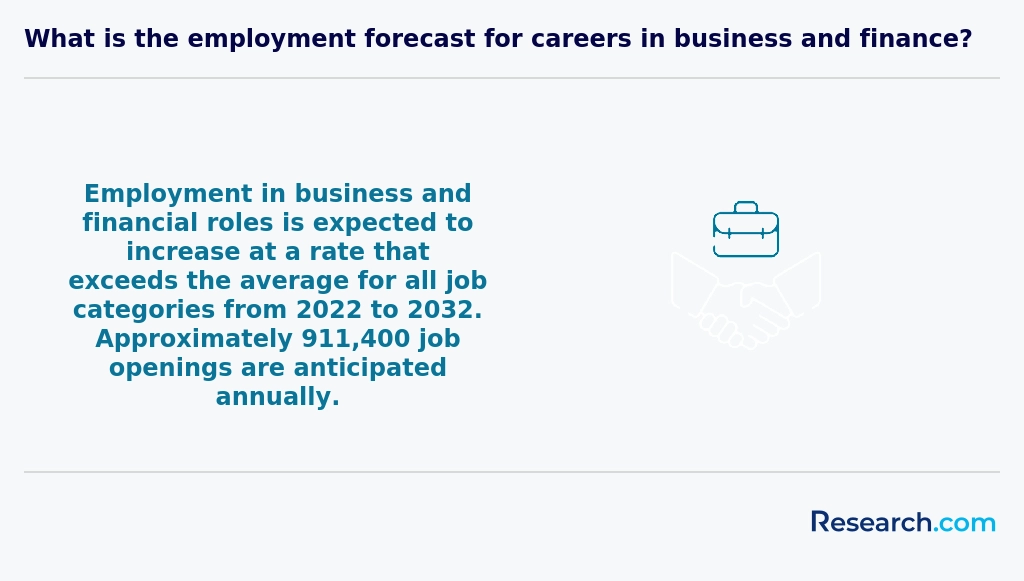
Students pursuing business degrees in Iowa benefit from a range of financial aid opportunities that significantly reduce educational expenses. Federal Pell Grants, offering up to $7,395 annually for eligible students in 2023-2024, provide essential non-repayable support often relied upon by undergraduates at institutions like the University of Iowa. Many graduates recall how these grants alleviated their financial stress during critical semesters.
In addition, the Iowa Tuition Grant supports residents attending private colleges with awards close to $5,000 yearly. This grant is especially valuable for students seeking business programs outside public universities, helping them manage tuition costs effectively.
State scholarships such as the Iowa National Guard Service Scholarship target service members and their families, enabling access to business education without overwhelming debt. Merit-based scholarships offered by universities like Iowa State University reward strong academic achievements or professional experience, motivating students to excel.
For many, federal Direct Subsidized and Unsubsidized Loans with fixed interest rates create flexible repayment paths after graduation. Business students who navigated these financial aids often express confidence in their investment, recognizing the substantial median wage benefits in Iowa's business sectors.
To navigate the myriad of online business degree programs available in Iowa, prospective students must consider several critical factors that can significantly impact their educational and professional journeys. By examining the academic rigor, practical applications, and feedback mechanisms within these curricula, students can make informed decisions about their educational paths, ensuring they choose programs that not only fit their budget but also prepare them for successful careers in business. For those interested in exploring affordable options, checking out the cheapest online business schools in Iowa can provide valuable insights into affordable business degree options, empowering them to make educated decisions that align with their financial and career goals.
Enrolling in a business degree program in Iowa typically requires a completed high school diploma or equivalent, such as a GED. Popular institutions like the University of Iowa and Iowa State University expect applicants to demonstrate strong academic performance in core subjects including math, English, and social studies. Graduates often reflect that solid preparation in algebra and statistics proved invaluable when tackling advanced business courses.
Standardized test scores, such as the SAT or ACT, remain important for many programs, although some colleges have adopted test-optional policies in recent years. For example, admitted students at Iowa's public universities generally report SAT scores between 1100 and 1200, which reflects a balanced level of academic readiness. Many students appreciate that meeting or exceeding these requirements gave them confidence in their studies.
Beyond academics, business programs usually ask for letters of recommendation, a personal statement, or a resume highlighting leadership experiences and extracurricular involvement. Transfers must submit college transcripts, benefiting from articulation agreements that ease credit evaluation. This structured approach ensures students are well-prepared and motivated, setting them on a successful path through respected Iowa business schools.

Evaluating the ROI of a business degree in Iowa involves comparing program costs against long-term earning potential. With bachelor’s tuition averaging $12,600–$13,100 for 120 credits and typical fees of $65 per semester, the total investment hovers around $13,000–$14,000. Graduates stepping into roles such as Project Manager ($80,220 mean annual wage) or Business Analyst ($108,790) can expect to recoup this cost within 1.5 to 2 years, assuming full-time employment and conservative tax estimates. Beyond direct tuition, students should factor in indirect costs-textbooks, living expenses, and opportunity costs of foregone income. For those balancing work and study, part-time enrollment can extend time to degree but reduce lost wages. Constructing a simple payback period model: • Total cost: $14,000 • Net annual salary increase over non-degree peers: $20,000 • Payback period ≈ 0.7 years When considering graduate study options, whether you compare Iowa’s top programs or explore the Most Affordable Online Master’s in Business Degree Programs Ranking in the Northeast, ROI should remain at the forefront of your decision-making. Calculating your expected salary premium against total costs ensures you invest in a degree that pays dividends both financially and professionally.
Business degree programs in Iowa consistently include core courses that build a strong foundation in essential areas such as accounting, finance, marketing, management, and economics. Graduates from institutions like the University of Iowa and Iowa State University often recount how accounting classes taught them to analyze financial statements with confidence, preparing them for real-world auditing challenges. Finance courses typically delve into investment strategies and financial analysis, equipping students to make sound decisions in volatile markets.
Marketing coursework engages students with consumer behavior and advertising techniques, often through projects that mimic actual market research scenarios. Management classes emphasize leadership and human resource skills, fostering the ability to lead teams effectively-a skill many recent graduates say proved invaluable during internships within Iowa's dynamic business community.
Additionally, students frequently explore business law and ethics, gaining a clear understanding of legal frameworks and the moral considerations crucial to Iowa's corporate environment. Many also develop expertise in data analytics and information systems, reflecting the increasing demand for technology-savvy professionals in Des Moines and beyond.
Business degree specializations in Iowa offer diverse pathways to develop expertise aligned with the state's economic landscape. Popular tracks include finance, which prepares graduates for roles in banking and corporate finance through courses in investment strategies and risk management. Marketing specializations focus on digital marketing and consumer behavior, equipping students for Iowa's evolving e-commerce sector. Those pursuing management gain skills in leadership and organizational behavior vital to local industries. Accounting remains critical, meeting CPA requirements and emphasizing auditing and tax law.
Graduates from well-known Iowa colleges often highlight entrepreneurship programs that tap into the state's growing startup culture, particularly around Des Moines and Iowa City. Other emerging fields include supply chain management, which addresses logistics essential to Iowa's agricultural exports, and international business for global trade roles. Students benefiting from Iowa affordable business degree options appreciate connections to internships that enhance practical experience. Many choose to explore programs such as the Business Management Degree that integrate these specializations into a comprehensive curriculum.
Choosing the best affordable business degrees in Iowa involves evaluating program quality, costs, and alignment with career goals. Graduates from top universities like the University of Iowa and Iowa State University often emphasize the value of accredited programs, especially those recognized by AACSB or ACBSP, which boost employer confidence. Many students appreciate curricula tailored to Iowa's strong industries such as finance and agriculture, enabling practical skill-building through local internships and networking opportunities.
Consider personal learning preferences by comparing course delivery options-online, in-person, or hybrid-to find the best fit. Graduates often highlight how access to student support services like career counseling and mentorship contributed to their success and confidence entering the job market. Reviewing graduation rates and job placement statistics can provide useful insight into a program's effectiveness.
For those aiming higher, researching the best paying masters degree in business complements undergraduate studies and can further enhance career prospects. Taking the time to explore these factors ensures a decision well suited to individual ambitions and Iowa's dynamic business environment.
Graduates with a business degree in Iowa find diverse career paths aligned with the state's dynamic economy. Many alumni from renowned institutions such as the University of Iowa and Iowa State University secure roles in management, marketing, and finance, entering positions like financial analysts or operations managers. These roles are prevalent in both traditional corporate environments and Iowa's strong agricultural business sector, where agribusiness management and supply chain logistics are vital.
In Des Moines, a hub for the financial services industry, business degree holders often pursue careers in insurance underwriting and actuarial science, benefiting from the city's status as a leading insurance market. The blend of practical skills gained from Iowa's business programs allows graduates to thrive in these competitive fields. Additionally, business graduates frequently explore entrepreneurship, leveraging resources offered by universities and local incubators to launch startups.
Opportunities in nonprofit management and government roles also appeal to many, especially in urban centers like Cedar Rapids. Those interested in affordability and quality advanced education can consult the Most Affordable Online Master's in Business Degree Programs Ranking in the Northeast, which offers guidance on continued education. Overall, the variety of business degree career opportunities in Iowa provides a solid foundation for long-term professional success.
Business degree graduates in Iowa encounter a steadily growing job market buoyed by the state's diverse economy. Those completing programs at statewide institutions such as the University of Iowa or Iowa State University often secure roles in banking, insurance, and supply chain logistics. These real-world examples underscore the strong job opportunities for business graduates in Iowa, where entry-level salaries typically range from $45,000 to $55,000 annually, reflecting affordability and practical returns on education.
The business degree employment outlook in Iowa remains promising, with mid-career professionals earning median salaries near $75,000. Local employers including Principal Financial Group and Rockwell Collins repeatedly seek skilled graduates, reinforcing a demand for qualified business professionals. Many students find that supplementing their degrees with professional certificates enhances employability and alignment with employer needs.
For those exploring cost-effective educational options, Iowa's public universities offer competitive tuition well below the national average. Prospective students might also consider pathways such as the best 6-month online associate degree programs to begin their careers efficiently while maximizing return on investment.
2027 Most Affordable Business Degree Programs Ranking in Iowa
Investing in your education is a significant decision that can shape your future, and the Research.com team understands the importance of making informed choices. To assist prospective students in Iowa, we have meticulously created the "2027 Most Affordable Business Degree Programs Ranking in Iowa." Our commitment to quality, credibility, and accuracy is demonstrated through the thorough research and analysis behind this ranking.
We utilized the following reputable data sources to ensure a comprehensive evaluation of business degree programs:
By exploring this ranking, readers will gain valuable insights into the most affordable business degree programs in Iowa, enabling them to make well-informed decisions about their educational investments. For more information about how the ranking was created, please visit our Research.com methodology page.


# 12 position
Faith Baptist Bible College and Theological Seminary
Bachelor of Business Administration


Frequently Asked Questions About business
Business degree students in Iowa can maximize their learning experience by engaging deeply with practical opportunities outside the classroom. Internships with Iowa's strong agricultural and manufacturing sectors provide valuable real-world business exposure. According to the Iowa Economic Development Authority, these industries employ a significant portion of the state's workforce, offering ample internship spots.
Joining campus organizations focused on entrepreneurship and consulting helps students apply theory in teamwork settings. Networking with local business leaders through university-sponsored events also enhances career readiness.
Additionally, leveraging resources like Iowa Workforce Development's labor market data enables students to tailor their studies towards high-demand fields such as finance and supply chain management.
Emerging niches within the business field in Iowa reflect broader national trends shaped by technology and sustainability. One key area is data analytics, where businesses increasingly rely on data-driven decisions. Iowa's growing tech sector bolsters demand for professionals skilled in this niche, with roles expected to grow by 25% over the next decade according to the Iowa Workforce Development.
Another rising field is sustainable business practices. Iowa's strong agricultural and manufacturing bases create opportunities for experts in environmental management and corporate social responsibility, aligning with global trends toward greener economies.
Healthcare management also represents a fast-growing sector, driven by Iowa's expanding healthcare infrastructure. Business graduates with skills in this area are positioned to fill crucial administrative roles.
Overall, adapting to these emerging niches can enhance career prospects for Iowa business degree students.
After completing a business degree in Iowa, preparing for the job market involves several key steps. First, gaining practical experience through internships or cooperative education programs is crucial. Iowa's strong agricultural and manufacturing sectors offer many internship opportunities, which can enhance your resume and professional network. According to the Iowa Workforce Development, sectors such as finance, insurance, and professional services are growing, creating new roles for business graduates.
Additionally, developing strong communication and analytical skills is important. Employers in Iowa value candidates who can interpret data and solve problems efficiently. Joining campus career services and attending local job fairs can connect you with Iowa employers.
Finally, consider obtaining certifications like the Certified Business Professional (CBP) to increase job prospects locally. Networking within Iowa's business communities can open doors to positions in cities like Des Moines, a hub for financial services.
Employers in Iowa highly value business degree graduates who demonstrate strong communication and analytical skills. According to the Iowa Workforce Development, effective problem-solving and data interpretation abilities are essential in roles across sectors such as finance, manufacturing, and agriculture. Graduates proficient in Microsoft Excel and other data analysis tools often have a competitive advantage.
Leadership and teamwork competencies are also crucial, as 67% of Iowa business employers prioritize collaborative experience when hiring. Additionally, adaptability and digital literacy, including familiarity with emerging technologies, are increasingly sought-after traits in a rapidly evolving economic landscape.
Finding internships in Iowa relevant to a business degree involves leveraging multiple resources available to students. Start by exploring university career centers, as many Iowa colleges maintain strong connections with local businesses and corporations that offer internships.
Sites like Iowa Workforce Development provide listings specifically targeted to Iowa job and internship markets. Additionally, platforms such as Handshake, used by many universities in Iowa, help students discover business-related internships tailored to their academic interests.
Iowa's economy relies heavily on finance, insurance, manufacturing, and agriculture sectors. Companies like Principal Financial Group and John Deere often offer internships ideal for business students. Networking through local business chambers or attending career fairs hosted by schools further enhances internship opportunities.
According to the National Association of Colleges and Employers (NACE), internship participation boosts employment prospects, making active engagement crucial.
In Iowa, earning a business degree is a key factor in enhancing career mobility and advancement. According to the U.S. Bureau of Labor Statistics, professionals with business degrees frequently experience faster employment growth and higher earnings compared to those without such credentials.
The Iowa Workforce Development reports that industries like finance, insurance, and manufacturing-major employers in the state-value business graduates for leadership and management roles. Graduates often move into supervisory positions within five years of starting their careers.
Additionally, business degrees provide critical skills in communication, data analysis, and strategic planning, which are highly sought after in Iowa's evolving economy. These competencies open doors to promotions and lateral moves across sectors.
Studying for a business degree in Iowa equips students with interdisciplinary skills essential for today's dynamic job market. Iowa institutions often integrate courses in economics, information technology, and communication, fostering a broad understanding beyond traditional business functions. This approach is supported by the Iowa Department of Education, which emphasizes cross-disciplinary collaboration to prepare graduates for roles that require diverse expertise.
Moreover, Iowa's strong presence in agriculture, manufacturing, and finance provides practical case studies and internship opportunities. According to the U.S. Bureau of Labor Statistics, business-related sectors in Iowa are growing steadily, encouraging programs to include data analysis and strategic planning skills.
This comprehensive education ensures students can navigate complex problems and engage with various industries effectively.
When choosing between a thesis and a non-thesis business degree program in Iowa, students should consider their career goals and learning preferences. Thesis programs typically involve conducting original research, which can be ideal for those interested in academic or research-oriented careers. They also develop critical thinking and analytical skills valued in certain business sectors.
Non-thesis programs focus more on coursework and practical skills, appealing to students aiming to enter the workforce quickly or advance in management roles. According to the National Center for Education Statistics, Iowa's universities offer both options, with varying credit requirements and time commitments.
Consider the time investment: thesis tracks may require additional months for research and writing, impacting total program length and costs. Reviewing specific Iowa institutions' program structures and consulting academic advisors can help align choices with professional ambitions.
Students based in Iowa who wish to study business abroad have several opportunities through partnerships between Iowa universities and international institutions. Schools like the University of Iowa and Iowa State University offer exchange programs, allowing business majors to study in countries such as the United Kingdom, Germany, and China for a semester or full academic year.
Many programs include internships or practical projects that enhance global business understanding. According to Iowa Board of Regents data from 2023, about 15% of business students at public universities in Iowa participate in some form of international study.
Financial aid and scholarships specifically for study abroad are also available, helping reduce costs associated with international education.
Part-time job opportunities in Iowa that complement a business degree education are diverse and practical. Students often find roles in retail management or sales associate positions, which help develop customer service and leadership skills crucial for business careers. According to the Iowa Workforce Development, retail jobs remain among the top employers for students in urban areas like Des Moines and Cedar Rapids.
Internships with local companies and startups are also popular, offering hands-on experience in marketing, finance, or operations. Additionally, administrative assistant roles in corporate offices can provide insights into business processes and organization.
Many students in Iowa pursue part-time positions in banking institutions, such as teller or customer service roles, which build financial knowledge relevant to business studies. The U.S. Bureau of Labor Statistics reports consistent growth in financial services jobs in Iowa, supporting these opportunities.
Business students in Iowa have access to various networking opportunities that support their career development. Many colleges and universities host business clubs, such as the Iowa State University's College of Business student organizations, which connect students with peers and industry professionals. Iowa's strong presence in agriculture, manufacturing, and finance sectors offers internships and job fairs specifically tailored for business students. The Iowa Network for Entrepreneurial Growth, for instance, provides mentorship and networking events. According to the Iowa Economic Development Authority, the state hosts over 3,500 business establishments, creating ample local connections for students. These resources enhance practical learning and professional growth.
Alumni networks provide valuable support to business degree students in Iowa by offering access to a broad professional community. These networks enable current students to connect with graduates working in key industries across the state, such as finance, manufacturing, and agriculture. According to the Iowa Business Council, nearly 75% of business-related job placements involve referrals, highlighting the importance of networking opportunities.
Students benefit from mentorship, internships, and job leads facilitated by alumni. Many Iowa universities host events that encourage these interactions, helping students build relationships early. Such connections often lead to higher employment rates and career advancement after graduation.
Customizing a business degree program in Iowa allows students to align their education with specific career goals. Many Iowa institutions offer concentrations in areas like finance, marketing, supply chain management, and entrepreneurship. These specializations help students develop targeted skills relevant to local industries.
Elective courses and internships provide practical experience, giving learners a competitive edge in Iowa's strong agricultural, manufacturing, and financial sectors. According to the Iowa Department of Education, tailoring your coursework can increase job readiness by focusing on in-demand skills, such as data analytics or project management.
Additionally, some schools offer flexible scheduling and online classes to accommodate working professionals seeking advancement or career changes.
Business students in Iowa often face several challenges that can affect their academic success. Many struggle with balancing coursework and part-time jobs, as about 60% of undergraduates in Iowa work while studying, according to the National Center for Education Statistics. Time management becomes critical, especially with demanding subjects like accounting and finance. Additionally, access to internships in Iowa's smaller urban centers can be limited compared to larger metropolitan areas, potentially reducing hands-on experience.
Keeping up with rapidly changing business technologies is another concern. Students must stay current with software tools widely used in Iowa's agricultural and manufacturing sectors. Finally, financing education remains a hurdle, with average tuition for in-state business programs around $9,000 annually at public universities, requiring many to seek scholarships or loans.
With a business degree in Iowa, you can pursue several valuable professional certifications that enhance career opportunities. Popular options include the Certified Public Accountant (CPA) for those interested in accounting and finance. The CPA license requires meeting education and exam criteria established by the Iowa Board of Accountancy.
Another respected certification is the Project Management Professional (PMP), issued by the Project Management Institute, ideal for business graduates aiming to lead projects in various industries.
The Certified Financial Planner (CFP) credential is also widely recognized for roles in financial advising and planning. Iowa's strong agricultural and manufacturing sectors benefit from financial expertise offered by CFP holders.
Lastly, the Six Sigma Green Belt certification helps improve business processes and is valued in Iowa's manufacturing companies. These certifications complement a business degree by verifying skills sought by employers.
Writing a winning application for a business program in Iowa begins with careful preparation. Start by researching the specific program's admission requirements, which often include a minimum GPA, standardized test scores, and relevant coursework. Since Iowa's economy leans heavily on agriculture, manufacturing, and finance, highlighting any experience or interest in these sectors can strengthen your application.
Craft a clear personal statement that explains your goals and why you are drawn to business studies in Iowa. The University of Iowa and Iowa State University emphasize leadership potential and community involvement, so include examples of teamwork or volunteer work.
Letters of recommendation should come from individuals familiar with your academic or professional abilities. Proofread all materials carefully. According to the National Center for Education Statistics, Iowa awarded over 4,000 business degrees in 2022, reflecting competitive programs that attract many applicants.
Business careers today are increasingly shaped by global trends, emphasizing the importance of international knowledge and cultural awareness. For students in Iowa, understanding global markets can open opportunities beyond local industries, many of which are linked to export-driven sectors like manufacturing and agriculture.
According to the U.S. Bureau of Labor Statistics, global business skills enhance employability in roles such as international marketing and supply chain management. Iowa's economy, with companies like Principal Financial Group and Rockwell Collins, benefits from a workforce familiar with global business practices.
Business degrees in Iowa often include coursework on global economics and cross-cultural communication, preparing graduates for diverse challenges. This global perspective helps students adapt to evolving markets and compete internationally.
Students pursuing a business degree in Iowa can gain practical experience through internships, cooperative education programs, and campus-based projects. Many Iowa colleges and universities have partnerships with local companies, offering internships that provide hands-on experience in fields such as finance, marketing, and management. According to the Iowa Workforce Development, internships increase job placement rates significantly for business graduates in the state.
Co-op programs, available at some institutions like the University of Iowa, allow students to alternate between classroom studies and paid work terms. Additionally, business schools often host case competitions and consulting projects involving real Iowa businesses, offering valuable exposure to practical challenges.
Choosing the right concentration within a business degree program in Iowa involves aligning your interests with local economic trends and job market demand. Iowa's economy is strong in agriculture, finance, manufacturing, and healthcare, making concentrations like agribusiness, finance, supply chain management, and healthcare administration particularly relevant.
Data from the Iowa Workforce Development highlights steady growth in finance and management sectors, offering many opportunities for graduates. Assess your career goals and research which concentrations offer internships or partnerships with Iowa-based employers.
Additionally, consider programs accredited by the Association to Advance Collegiate Schools of Business (AACSB), as these meet high standards and often provide better networking prospects within the state.
- 2027 Most Affordable Online Business Degree Programs Ranking in Minnesota
- 2027 Most Affordable Online Business Degree Programs Ranking in Wisconsin
- 2027 Most Affordable Online Business Degree Programs Ranking in Nebraska
- 2027 Most Affordable Online Business Degree Programs Ranking in South Dakota
- 2027 Most Affordable Online Business Degree Programs Ranking in Missouri
- 2027 Most Affordable Online Business Degree Programs Ranking in Kansas
- 2027 Most Affordable Online Business Degree Programs Ranking in North Dakota
- 2027 Most Affordable Online Business Degree Programs Ranking in Michigan
- 2027 Most Affordable Online Business Degree Programs Ranking in Ohio
- 2027 Most Affordable Online Business Degree Programs Ranking in Kentucky
See What Experts Have To Say About Studying Business
Read our interview with Business experts

Ingrid S. Greene
Business Expert
Clinical Assistant Professor of Management
Loyola Marymount University


David W. Stewart
Business Expert
Emeritus President's Professor of Marketing
Loyola Marymount University

- Iowa Career Pathways | Department of Education https://educate.iowa.gov/higher-ed/iowa-career-pathways
- Online and Traditional Business Degrees Comparison | Free Essay Example https://studycorgi.com/online-and-traditional-business-degrees-comparison/
- Business Administration - AAS | SCC Iowa https://www.scciowa.edu/programs/pathways/business/business-administration/bus-admin-aas.aspx
- How to Write the Perfect Cover Letter – EU Business School https://www.euruni.edu/blog/write-perfect-cover-letter/
- Compare 8 Undergrad + 6 Grad Business Schools in Iowa https://www.discoverbusiness.us/education/schools/us/iowa/
- Top 10 Emerging Business Niches of 2026 & How to Plan for Them https://prometai.app/blog/emerging-niches-business-planning
- BUSINESS MANAGEMENT ENGLISH (THESIS / NON-THESIS) - Lisansüstü Eğitim Enstitüsü https://lee.nisantasi.edu.tr/en/business-management-english-thesis-non-thesis/
- Business Transfer Major, AA Degree - Iowa Lakes Community College https://iowalakes.edu/program/associate-in-arts-business-transfer-aa/
- Top 10 Skills Employers Seek in Business Graduates in 2026 https://www.ibat.ie/blogs/top-10-skills-employers-seek-in-business-graduates-in-2026
- 8 Best Places to Study Abroad for Business [+ How to Choose] https://www.semesteratsea.org/study-abroad-for-business/


