2027 Fastest Online Business Degree Programs Ranking in Vermont

Co-Founder and Chief Data Scientist
Choosing the right business degree program can shape your future career and open exciting opportunities. For students in Vermont seeking flexible and efficient online options, this article offers valuable insights.
Our 2027 Fastest Online Business Degree Programs Ranking in Vermont was created by the Research.com team of data scientists to help you make an informed decision. The ranking highlights programs that combine quality education with speed, helping you start your journey sooner.
Explore the best options tailored to your goals and take a confident step toward earning a meaningful business degree.
Key benefits of getting online business degree in Vermont
- Business degree graduates in Vermont can expect competitive salaries; for example, a Business Analyst earns about $112,950 annually, while a Business Development Executive makes around $83,190 per year.
- Career paths for graduates include roles like Business Analyst or Business Development Executive, reflecting diverse opportunities in finance, management, and strategy across Vermont's growing industries.
- Online business degrees offer flexibility and convenience, allowing students from anywhere in Vermont to balance work and study while gaining valuable skills, just like graduates from well-known regional schools.
- 2027 Fastest Online Business Degree Programs Ranking in Vermont
- What can I expect from online business degree in Vermont?
- Where can I work with online business degree in Vermont?
What can I expect from online business degree in Vermont?
The average cost of an online business degree in Vermont generally ranges from $15,000 to $45,000, depending on factors such as the institution, program length, and enrollment status. Graduates from the University of Vermont and the Vermont State Colleges system often highlight that affordability combined with accreditation makes these programs attractive choices for working adults seeking practical and recognized qualifications.
Students pursuing these degrees appreciate the balance of cost and quality, especially given the personalized support and connection to Vermont's local business community. For example, some graduates recall how their coursework, integrated with real-world Vermont business challenges, enhanced the value of their investment. These practical experiences often lead to internship opportunities that help offset expenses by building professional networks early.
Moreover, flexible payment plans and potential financial aid options available at Vermont's public institutions make the financial commitment manageable for many. The institutional reputation and accreditation mean graduates often feel confident in pursuing local career opportunities, which contributes to a positive return on investment overall.
Where can I work with online business degree in Vermont?
Graduates with an online business degree from institutions like the University of Vermont or Champlain College often find abundant career opportunities across Vermont's diverse economy. Many enter the financial services sector in cities such as Burlington, working as financial analysts, loan officers, or insurance underwriters. These roles benefit from the practical skills and theoretical knowledge gained through their studies, offering steady employment and career growth.
Manufacturing companies in the state provide another avenue, with graduates managing supply chains or coordinating projects for firms producing electronics and machinery. Those who value entrepreneurship are drawn to Vermont's thriving small business community, often starting or consulting for local enterprises, leveraging insights developed during their program.
Retail and healthcare industries also employ many business graduates. From managing local retail outlets to overseeing administrative and financial operations in healthcare facilities, students appreciate how their degrees prepare them for versatile and rewarding roles. These tangible outcomes reflect the real-world value Vermont's online business degrees deliver.
Graduates holding an online business degree from Vermont institutions such as the University of Vermont or Champlain College often find themselves positioned for competitive salaries in key roles. For instance, business development executives in Vermont earn a mean annual wage of approximately $83,190, reflecting solid earning potential early in a management career.
More specialized roles, like business analysts, command even higher compensation, with a mean annual salary near $112,950 according to the latest U.S. Bureau of Labor Statistics data. This level of income highlights the value that Vermont employers place on analytical skills and strategic decision-making, critical expertise gained through these programs.
Graduates frequently report that their education, combined with Vermont's robust small business environment, enables them to secure rewarding positions with strong salary growth. Working in business roles across sectors such as healthcare or financial services, many enjoy both economic stability and fulfilling career progression, earning well above state averages as their experience increases.
- Online business degrees in Vermont typically cost between $15,000 and $35,000 for a bachelor's degree, with public universities offering lower tuition around $10,000 to $20,000 for in-state students.
- Early-career salaries for business graduates average about $50,000 annually, with experienced professionals earning $80,000 or more per year.
- Business-related jobs in Vermont are expected to grow by approximately 5% over the next decade, driven by finance, insurance, professional services, technology, and healthcare sectors.
- Accreditation from bodies like ACBSP or AACSB is important for program quality and employer recognition in Vermont.
- Vermont's online business programs often emphasize practical skills through experiential learning and real-world projects.
Completing an online business degree in Vermont typically spans from two to four years, depending on the chosen program and pacing. Graduates from institutions like Champlain College and Norwich University often report that associate degrees take about two years, while bachelor's degrees generally require around four years on a standard full-time track.
Many students appreciate the flexibility of Vermont's online formats, which allow them to accelerate their studies by taking extra courses or enrolling in summer sessions. This approach has enabled some business students to finish their bachelor's degrees in as little as three years, balancing career and family commitments effectively.
Part-time options are common among working adults in Vermont, extending the timeline but providing financial and personal balance. Graduates often highlight the benefit of credit transfer policies, especially those returning to education with prior college experience or professional credits, which significantly reduce time to completion.
Such flexibility and support contribute to positive experiences for Vermont's online business students, fostering both timely graduation and career advancement in the state's growing business sectors.
When evaluating the value of an online business degree in Vermont, it's essential to consider both the costs associated with the program and the potential return on investment. Students should weigh factors such as tuition fees, digital resources, and potential career earnings against the financial investment required for the degree. For those interested in exploring more affordable options, researching an affordable business school in Vermont can provide valuable insights into making an informed decision that aligns with their budget and career aspirations. By understanding the potential salary ranges for roles such as Project Managers and Business Analysts, students can better assess whether the investment in an online business degree will yield a positive return in the form of career advancement and increased earning potential. This consideration is crucial for maximizing the benefits of pursuing higher education in the field of business.
Online business degrees in Vermont, such as those offered by the University of Vermont and Champlain College, provide students with exceptional flexibility. Graduates often describe the freedom to complete coursework around their own schedules, which is highly beneficial for those balancing careers or family responsibilities in Vermont. This mode allows access from any location, eliminating commuting time and related expenses.
Conversely, traditional on-campus business programs provide a structured environment with direct access to campus facilities and face-to-face interaction. Graduates frequently report that in-class discussions and spontaneous networking events at institutions like Saint Michael's College enhance engagement and foster valuable professional connections within Vermont's business community.
Cost differences also emerge; online students routinely save on housing and travel costs, though tuition may be comparable to in-person programs. Both formats require regional accreditation and recognition from bodies like the AACSB to ensure quality. Employers across Vermont's finance and manufacturing sectors increasingly value these credentials regardless of delivery method, reflecting the evolving acceptance of online education.
Accreditation is the cornerstone of academic quality and employer recognition for any online business degree in Vermont. Prospective students should verify that their chosen institution holds regional accreditation from bodies such as the New England Commission of Higher Education (NECHE). Equally important are program-specific credentials from organizations like AACSB (Association to Advance Collegiate Schools of Business), ACBSP (Accreditation Council for Business Schools and Programs), or IACBE (International Accreditation Council for Business Education). These endorsements signal that the curriculum, faculty qualifications, and learning outcomes meet rigorous industry standards. When evaluating Vermont’s online business programs, look for:
- Regional Accreditation: Ensures broad transferability of credits and eligibility for federal financial aid.
- AACSB/ACBSP/IACBE Recognition: Distinguishes programs that emphasize research (AACSB), teaching excellence (ACBSP), or outcomes assessment (IACBE).
- State Authorization: Confirms legal approval to deliver online coursework to Vermont residents. Accredited programs also enhance professional certification prospects-graduates often find it easier to sit for exams like the PMP (Project Management Professional) or to qualify for CFP® (Certified Financial Planner) credentials. Moreover, employer partnerships and internship pipelines are typically stronger in accredited schools, boosting job placement rates. For those aiming to advance beyond a bachelor’s degree without breaking the bank, exploring a cheap mba online that holds recognized accreditation can offer both affordability and credibility, ensuring your investment delivers real career value.
The average total cost of earning an online business degree in Vermont is approximately $38,160. This figure reflects a realistic investment for students attending well-regarded institutions such as the University of Vermont or Champlain College, where graduates often remark on the value of their education relative to the financial commitment. Many students appreciate how public universities offer competitive tuition rates for in-state residents, making these programs more accessible without sacrificing quality.
Graduates from Vermont institutions frequently highlight how the balance between tuition and program flexibility greatly supports their academic and career ambitions. In particular, those pursuing an affordable online business degree program in Vermont find that the overall expense includes not only tuition but also moderate technology fees and course materials, which are essential components of the total cost. These manageable expenses, combined with the opportunity to study remotely, contribute to a satisfying student experience.
Although private institutions may have higher tuition, exceeding $30,000 annually, many students access scholarships or federal aid to reduce financial burdens. Exploring financial assistance options can substantially ease the investment required. Additionally, students looking to specialize or expand their scope should consider the diverse opportunities in risk management field, which some Vermont programs offer as promising career paths linked to business studies.
- University of Vermont – BS in Business Administration: 120 credits, finish in 18 months with continuous eight-week terms.
- Champlain College – BS in Business Administration: 120 credits, complete in 24 months via accelerated sessions and generous transfer policies.
- Vermont State University – BS in Applied Business: 120 credits, designed for completion in 18 months by combining summer intensives and online coursework.
- Norwich University – MBA: 36 credits, accelerated one-year track with flexible seven-week courses.
- Castleton University – MBA: 30 credits, complete in 12–15 months through intensive online cohorts.
Many students looking to accelerate credentials also explore affordable online executive mba programs.
Students pursuing online business degrees in Vermont commonly access federal financial aid through the FAFSA, which unlocks grants like the Federal Pell Grant-offering up to $7,395 annually for eligible low-income applicants-and subsidized loans with manageable interest rates. Graduates from institutions such as the University of Vermont often highlight how this federal support substantially eased their tuition burdens.
State-specific resources also play a critical role. The Vermont Student Assistance Corporation (VSAC) awards the Vermont State Grant, providing up to $3,000 annually based on financial need and enrollment. Many Vermont business undergraduates have found VSAC's counseling invaluable, helping them navigate loan options and repayment strategies effectively.
Moreover, colleges like Champlain College provide institutional scholarships and grants tailored to online business students, significantly lowering costs. Employer tuition assistance further bolsters financial aid, with professionals in Vermont's finance and technology sectors frequently benefiting from employer-sponsored reimbursements, facilitating continuous career growth.
Finally, students often supplement aid with private scholarships from local foundations, combining multiple sources to make their education affordable and rewarding.
As the business landscape evolves rapidly, online business degree programs are adapting to meet future demands and emerging industry trends. Students today can expect curricula to integrate cutting-edge topics such as digital transformation, data analytics, artificial intelligence, and sustainability practices that are increasingly vital across all sectors. These innovations not only redefine the learning experience but also ensure graduates are prepared for the challenges of tomorrow's workplaces. Many institutions are expanding their partnerships with industry leaders to incorporate real-world case studies and interactive simulations that mirror current market dynamics. In addition, the focus on soft skills-like adaptive thinking, online collaboration, and communication-has grown in importance, as these competencies are critical for success in a digital-first business environment. For prospective students keen on leveraging these new trends for career advancement, exploring programs that emphasize these modern skills could be a game-changer. In fact, opportunities for advanced studies in technology-driven business strategies are highlighted in resources such as Highest Paying Business Masters Degrees, offering insights on how specialized education can lead to lucrative career outcomes. By staying informed of the future trends shaping online business education, students can strategically position themselves to thrive in a competitive and ever-changing global market.
Enrolling in an online business degree in Vermont typically requires applicants to have a high school diploma or GED for undergraduate programs, while graduate degrees like the MBA demand a bachelor's degree from an accredited institution. Students from recognized institutions such as the University of Vermont frequently share how meeting these baseline criteria offered a clear starting point, helping them focus on deeper business concepts.
Many Vermont online programs request a minimum GPA around 2.5 to 3.0, reflecting academic readiness. Graduates from Champlain College's online business courses often recall how maintaining this standard fostered a sense of achievement and confidence in managing virtual coursework.
Some programs expect standardized test scores like the SAT or ACT, but numerous schools waive these if students demonstrate relevant work experience or strong GPAs. Reliable internet, updated computers, and digital literacy are essential, as former students emphasize how vital these were for smooth participation and collaboration via learning platforms.
Additionally, letters of recommendation or personal statements may be required, especially for competitive or graduate programs, allowing applicants to convey their passion for business in Vermont's unique economic landscape. prerequisite courses in economics or accounting are sometimes mandated but can often be completed online, providing flexibility while ensuring foundational knowledge.

Succeeding in a fast-paced online business program requires planning, engagement and self-discipline. Implement these strategies to optimize your experience:
- Establish a consistent study schedule and set weekly goals.
- Create a dedicated, distraction-free workspace with reliable technology.
- Actively participate in discussions and reach out to instructors for feedback.
- Network with classmates through virtual study groups and professional platforms.
- Leverage support services (tutoring, career counseling) offered by your institution.
- Compare tuition and fees across fields, including construction management degree cost, to plan your budget effectively.
Online business degree programs in Vermont commonly include core courses such as Principles of Management, Financial Accounting, Marketing, Business Law and Ethics, and Economics. These foundational subjects equip students with essential skills for leadership, financial literacy, market analysis, legal understanding, and economic context, all crucial for success in Vermont's evolving business environment.
Graduates from well-known Vermont institutions frequently share how courses like Corporate Finance and Strategic Management enabled them to confidently navigate real-world financial decisions and long-term planning in local companies. Other advanced classes, such as Operations Management and Data Analytics, provide practical tools that students often apply immediately in internships or remote projects with Vermont's diverse industries, from small manufacturing to sustainable agriculture.
Entrepreneurship is another key focus, reflecting Vermont's growing culture of innovation and social responsibility. Many students appreciate how their coursework challenges them to create viable business ventures that align with community values and ethical standards, strengthening their readiness to contribute to the state's economy.
Online business degree specializations Vermont students pursue reflect the state's dynamic economic environment. Graduates frequently choose concentrations such as finance, marketing, management, accounting, and entrepreneurship, each aligned with Vermont's local industries. For example, those focusing on finance benefit from the growing financial services sector, while marketing students at institutions like the University of Vermont develop skills suited for the vibrant small business and digital startup scene.
Students concentrating in management find real-world relevance in Vermont's extensive small and medium-sized business community, gaining expertise in leadership and strategic planning essential for climbing to executive roles. Accounting specializations prepare learners for CPA certification, responding to high demand for financial professionals among both public and private firms in the state. Entrepreneurship attracts those eager to innovate, with programs emphasizing business plan development and venture finance, enabling graduates to confidently launch startups.
Many local students enhance their experience by participating in business school campus tours FL, which provide practical insights and networking opportunities crucial for career success. These varied options ensure Vermont learners can tailor their education to meet both personal aspirations and regional workforce needs.
Choosing the best online business degree in Vermont requires verifying program accreditation, such as ACBSP or AACSB, which assure rigorous academic standards. Graduates from popular Vermont institutions often highlight how accredited programs enhanced their employability in the state's competitive job market. Affordability is a key concern; considering the average tuition between $12,000 and $15,000 annually at public universities, prospective students appreciate understanding financial aid options and scholarship availability to manage costs effectively. Many learners value programs offering flexible pacing-including accelerated and part-time options-that accommodate working professionals seeking to balance career and study.
Vermont's economy, with strengths in sustainable enterprise and small business, encourages candidates to select degrees with relevant specializations like entrepreneurship or marketing. Graduates often recall engaging projects that directly connected theory with practical experience, boosting confidence and career readiness. For those interested in human resources, numerous hr degree universities in Vermont provide strong career support and alumni networks, which students find invaluable for job placements and ongoing mentorship.
Examining student support services, graduation rates, and job outcomes further guides selection, ensuring programs align with personal career ambitions. Choosing affordable online business programs Vermont residents trust can open doors to meaningful professional opportunities.
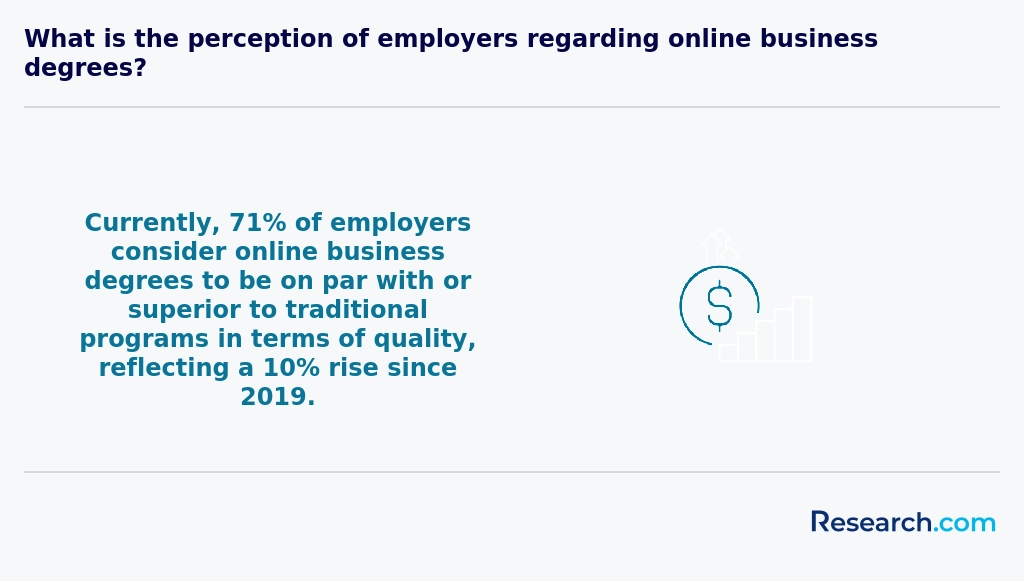
Graduates holding an online business degree in Vermont find diverse career paths tailored to both local industries and broader professional demands. Common roles include business analysts, financial managers, marketing coordinators, and human resources specialists, all essential in Vermont's stable economy. For example, graduates from popular Vermont colleges report entering management positions where their skills in strategic planning and financial oversight prove invaluable. Many leverage the state's entrepreneurial climate to start their own ventures or support local startups in business development, reflecting the positive impact of the Vermont business degree job opportunities.
Additional career avenues include supply chain management and operations within Vermont's manufacturing sector. Students often complement their studies with specialized programs such as online global supply chain management degrees, enhancing employability in logistics roles. Digital marketing specialists enjoy rising demand as companies adapt to e-commerce trends, showing how online business degree careers in Vermont encompass innovative, growth-oriented fields that graduates embrace with confidence.
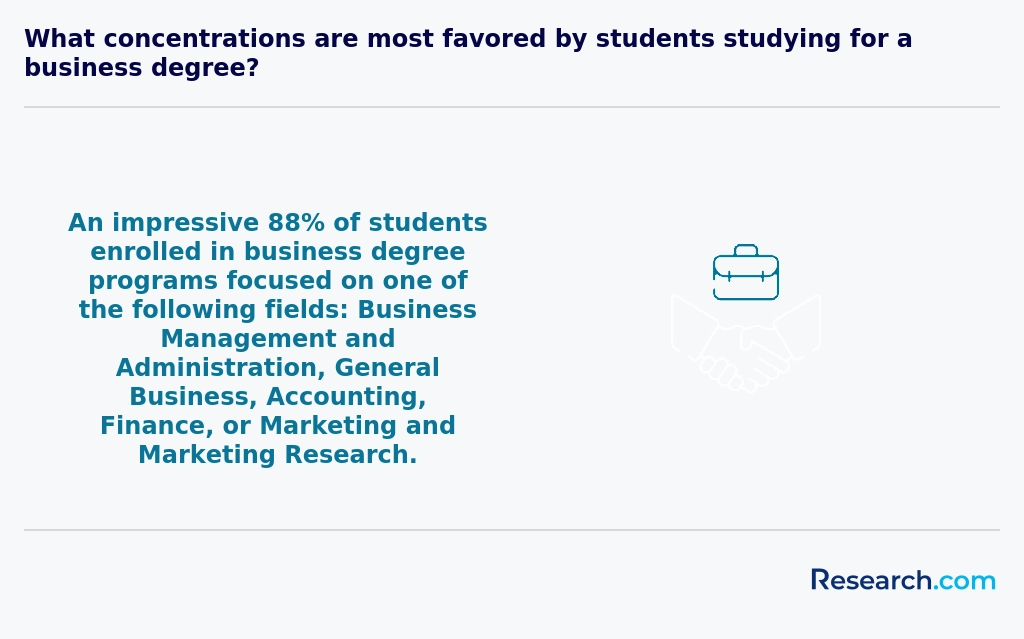
The job market for online business degree graduates in Vermont remains robust, with steady growth across various sectors. Employers consistently seek professionals skilled in management, finance, and marketing. Graduates from Vermont's leading institutions often find roles in healthcare administration, manufacturing logistics, and government policy, reflecting the state's diverse economic landscape. Many who pursue an online business degree in Vermont appreciate the balance of gaining valuable skills while staying local.
Recent graduates report favorable employment opportunities close to home, benefiting from Vermont's strong small business environment and connections to nearby metropolitan areas. This regional proximity broadens access to remote and hybrid positions, enhancing job flexibility and work-life balance. Financial considerations also support this path; students often discover more affordable pathways compared to traditional programs, especially when factoring in in-state tuition rates and online course availability. For those interested in advancing their careers further, understanding the executive mba cost in usa can offer critical insights into future investment decisions.
Overall, the landscape of online business degree jobs Vermont is promising, with graduates confidently stepping into roles reflecting their education and Vermont's dynamic market.
2027 Fastest Online Business Degree Programs Ranking in Vermont
Investing in your education is a significant decision that can shape your future, and the Research.com team is keenly aware of the importance of making informed choices. To support prospective students in Vermont, we have carefully developed the "2027 Fastest Online Business Degree Programs Ranking in Vermont." Our dedication to quality, credibility, and accuracy is demonstrated through thorough research and analysis behind this ranking.
We utilized the following reputable data sources to ensure a comprehensive evaluation of online business degree programs:
By consulting this ranking, readers will obtain valuable insights into the fastest accredited online business degree options in Vermont, facilitating well-informed decisions about their educational investments. For more information on how this ranking was created, please visit our Research.com methodology page.


# 4 position
Vermont State University - Randolph
Bachelor of Applied Business

Frequently Asked Questions About business
Online business degree students in Vermont can enhance their learning by actively engaging with their coursework and using available digital resources. Participating in virtual study groups and discussion forums helps build connections and deepen understanding. Vermont's evolving economy, which includes sectors like agriculture, manufacturing, and technology, offers practical examples for case studies and projects.
Using tools like LinkedIn Learning or Vermont-specific economic reports from sources such as the Vermont Department of Labor can provide additional insights. Staying organized and setting a regular study schedule is crucial, especially for balancing coursework with professional or personal obligations.
Moreover, seeking internships or remote work opportunities within Vermont's growing small business community can offer real-world experience to complement academic study.
Emerging niches within the business field reflect the evolving economic landscape in Vermont and across the U.S. One significant area is sustainable business practices, driven by Vermont's strong emphasis on environmental responsibility. Companies increasingly seek professionals skilled in green management and social entrepreneurship.
Another growing niche is data analytics and business intelligence. According to the U.S. Bureau of Labor Statistics, demand for data-driven decision-makers is expected to grow 25% through 2031 nationwide, including Vermont's expanding tech sector.
Additionally, the rise of e-commerce highlights digital marketing and supply chain management as key skills. Vermont's small business community benefits from these trends, making these niches appealing for online business degree students.
Preparing for the job market after earning an online business degree in Vermont involves combining academic knowledge with practical skills. Vermont's economy relies heavily on sectors such as manufacturing, healthcare, and tourism, which means graduates should tailor their skills accordingly. According to the Vermont Department of Labor, roles in management, finance, and sales are in steady demand.
Networking is essential; students should engage with local business organizations like the Vermont Chamber of Commerce and attend virtual events. Internships or part-time roles, even remote, help build experience.
Additionally, proficiency with business software and data analysis tools is highly valued. Many Vermont employers look for candidates with strong communication skills and adaptability in an evolving market.
Employers in Vermont highly value business degree graduates who possess strong communication skills. Clear writing and effective verbal communication are essential for collaborating in teams and engaging with clients. Analytical thinking is another critical skill, enabling graduates to interpret data and make informed decisions that benefit local businesses.
Technical proficiency, especially with software like Excel and business analytics tools, is increasingly demanded. According to the Vermont Department of Labor, 65% of business roles list computer literacy as a top requirement.
Leadership and project management abilities are also prized, as Vermont companies often seek graduates who can manage diverse teams and complex initiatives efficiently.
Finding internships in Vermont relevant to a business degree involves leveraging local resources and networks. Vermont's strong small-business sector and growing industries like finance, agriculture, and technology offer diverse opportunities. Websites such as Vermont Chamber of Commerce and Vermont Department of Labor provide listings specifically for internships.
Many colleges and universities in Vermont have partnerships with local companies that facilitate internships for business students, even for those studying online. Networking events and local business meetups, often promoted through organizations like the Vermont Small Business Development Center, are valuable for making direct connections.
According to the Vermont Department of Labor, internships in business fields grew by 8% between 2021 and 2023, reflecting increased demand for professional experience. Students should also explore virtual internship options, which have expanded, offering flexibility for online learners while connecting them with Vermont-based firms.
An online business degree in Vermont significantly enhances career mobility and advancement opportunities. According to the Vermont Department of Labor, industries such as finance, insurance, and professional services are growing steadily, increasing demand for skilled business professionals. An online degree provides flexibility for working adults to upskill without disrupting their employment.
Graduates with online business degrees often qualify for higher positions such as management roles, which typically offer salaries 20-30% above entry-level jobs in the state. Employers in Vermont value accredited online programs, recognizing their rigor and practical focus.
Moreover, networking through online platforms and internships supported by many universities expands professional connections vital for career growth.
Studying for a business degree in Vermont offers students a strong foundation in core business principles combined with opportunities to engage in interdisciplinary learning. Many Vermont institutions emphasize integrating skills from fields like information technology, communications, and environmental management into their business curricula. This approach aligns with Vermont's growing sectors, such as sustainable agriculture and tech startups, where teamwork across disciplines is essential.
According to the Vermont Department of Labor, industries requiring cross-functional expertise are expanding, making graduates with interdisciplinary skills highly valuable. Coursework often includes project-based learning and internships with local businesses, fostering practical experience in collaborative settings.
This educational model prepares students effectively to adapt to complex, evolving roles in today's diverse business environments.
Choosing between a thesis and a non-thesis business degree program in Vermont depends largely on your career goals and learning preferences. A thesis option typically involves conducting original research, which is ideal if you plan to pursue a PhD or a research-based career.
In Vermont, where nearly 70% of businesses are small or family-owned (Vermont Small Business Development Center, 2023), practical skills gained in a non-thesis program may better prepare you for management or entrepreneurship roles.
Non-thesis programs often focus on coursework and applied projects, which can be completed faster, fitting the needs of working professionals seeking advancement.
Students based in Vermont interested in studying business abroad have several pathways leveraging online education combined with international experience. Many accredited U.S. universities offer online business degrees with opportunities for short-term study abroad programs or international internships. For example, the University of Vermont and Champlain College provide programs that integrate global business perspectives.
Additionally, students can participate in exchange programs partnered with universities in Europe or Asia to gain international exposure while maintaining their Vermont-based enrollment. According to the Institute of International Education, about 10% of U.S. business students study abroad, emphasizing growing interest. These options help Vermont students develop global business skills without leaving their home state entirely.
Part-time job opportunities in Vermont that complement a business degree are diverse and practical for students. Retail management roles allow students to develop customer service and team leadership skills, which are crucial in business environments. According to the Vermont Department of Labor, sales supervisors earn median hourly wages around $22, offering both experience and income.
Internships in local startups or small businesses, especially those in Burlington's growing tech and finance sectors, provide real-world experience in marketing, finance, and operations. The Vermont Small Business Development Center supports many such companies, making these internships valuable for hands-on learning.
Additionally, positions in accounting firms or financial advisory services help build analytical capabilities, with entry-level bookkeepers earning approximately $18 per hour as reported by the Bureau of Labor Statistics. These roles align strongly with core business principles taught in online degree programs.
Online business students in Vermont benefit from several networking opportunities despite the remote format. Many Vermont institutions offering online business degrees organize virtual career fairs and networking events connecting students with local employers and alumni. For example, the University of Vermont frequently hosts online sessions tailored for business students to engage with Vermont's growing industries.
Additionally, professional organizations such as the Vermont Chamber of Commerce and the Vermont Business Roundtable provide memberships and events. These forums allow students to connect with influential business leaders in sectors like tech, agriculture, and manufacturing, which are vital to Vermont's $35 billion economy (U.S. Bureau of Economic Analysis, 2023).
Networking through LinkedIn groups and state-sponsored entrepreneur hubs also enhances opportunities for internships and mentorship, crucial for career growth in Vermont's tight-knit business community.
Alumni networks offer key advantages to online business degree students in Vermont. These networks foster professional connections that can lead to job opportunities in the state's diverse economic sectors, including finance, healthcare, and manufacturing. According to the Vermont Department of Labor, over 40,000 business-related jobs are projected in the next decade, making networking essential.
By connecting with graduates, students gain insights into workplace culture and trends specific to Vermont's market. Alumni provide mentorship and advice on career paths, enhancing students' chances of success. Furthermore, many Vermont-based companies prefer to hire graduates recommended through these networks.
Customizing an online business degree program in Vermont allows students to align their studies with specific career goals. Many Vermont institutions offer flexible curricula with elective courses in areas like marketing, finance, entrepreneurship, and supply chain management. This helps learners develop skills tailored to local industries, such as the state's robust tech sector and growing professional services.
Students can choose concentrations or specializations to deepen expertise. Some programs also provide options for internships or projects with Vermont businesses, enhancing practical experience. According to the Vermont Department of Labor, professionals with specialized business knowledge tend to have higher employment rates statewide.
Advising services play a key role in guiding students to select courses that match their ambitions. Online formats often allow part-time study, which benefits working professionals aiming to balance education with career advancement.
Online business students in Vermont often face unique challenges related to connectivity and access. Rural areas make up much of the state, where reliable high-speed internet can be limited. According to the Vermont Department of Public Service, about 8% of households still lack broadband access, which can hinder participation in live lectures and timely submission of assignments.
Additionally, students report difficulty balancing coursework with professional or family responsibilities. Many online students are working adults requiring flexible schedules, yet some programs may still demand synchronous sessions at inconvenient times.
Financial constraints are another concern. While online programs can reduce commuting costs, tuition and fees remain a barrier for some. Data from Vermont's Agency of Education shows business degrees constitute one of the higher-enrollment fields, increasing competition for scholarships and financial aid.
Finally, limited local networking opportunities can impact career development. Vermont's small business community may not provide as broad a range of connections compared to larger states, making it important for students to seek virtual industry engagement and mentorship.
With an online business degree in Vermont, you can pursue several professional certifications that enhance your career prospects. Popular certifications include the Certified Business Manager (CBM), Project Management Professional (PMP), and Certified Management Accountant (CMA). These credentials are recognized nationwide and valued by Vermont employers across industries.
Additionally, the Certified Financial Planner (CFP) is a strong choice if you focus on finance. Vermont's growing service sector supports demand for such expertise, according to the Vermont Department of Labor.
Many programs also prepare students for the Six Sigma Green Belt, useful in operations roles common in Vermont's manufacturing and tech firms.
Obtaining these certifications often requires passing exams and relevant work experience, complementing your online degree well.
To write a winning application for an online business program in Vermont, start by clearly demonstrating your motivation and career goals. Admissions committees value applicants who articulate how their education will advance Vermont's growing business sectors, such as finance and agriculture, which contribute significantly to the state's $34 billion GDP (U.S. Bureau of Economic Analysis, 2023).
Highlight relevant work experience and skills, emphasizing leadership and teamwork. Many Vermont employers prioritize these abilities, so showcasing them can strengthen your application.
Ensure all academic records and test scores meet program criteria. Some schools may require letters of recommendation; choose recommenders who can attest to your business acumen.
Lastly, tailor your personal statement to reflect both your individual ambitions and your interest in Vermont's unique economic landscape.
Global perspectives on a business career emphasize adaptability, cultural awareness, and technological proficiency. Business professionals today must navigate international markets, diverse workforces, and evolving digital tools. According to the U.S. Bureau of Labor Statistics, globalization continues to expand opportunities in fields such as supply chain management and international marketing.
For Vermont students pursuing an online business degree, these trends highlight the value of gaining skills in cross-cultural communication and global economics. Vermont's growing export economy, supported by local government and organizations like the Vermont Chamber of Commerce, shows increasing engagement with global trade partners. Online programs often integrate global case studies reflecting real-world challenges.
Mastering a global outlook equips graduates with a competitive edge in U.S. and international business environments.
Students pursuing an online business degree in Vermont can gain practical experience through several effective methods. One common way is engaging in virtual internships offered by local companies such as Dealer.com and Keurig Dr Pepper, which have significant operations in the state. According to Vermont's Department of Labor, internships in business-related fields have grown by 12% over the past three years, highlighting increased opportunities.
Many online programs also encourage participation in project-based courses, where students work on real-world business problems. Additionally, Vermont-based professional organizations, like the Vermont Chamber of Commerce, often provide networking events and mentorship programs accessible virtually.
Choosing the right concentration within an online business degree in Vermont starts with assessing your career goals and local market needs. Vermont's economy emphasizes small business, agriculture, and tourism sectors, which highlights popular concentrations like entrepreneurship, marketing, and management.
Research from the Vermont Department of Labor shows that management and marketing roles are among the fastest-growing in the state, making these concentrations valuable for job prospects. Consider how each specialization aligns with your skills and interests.
Additionally, evaluate the curriculum and flexibility of programs offered by Vermont institutions. Many cater to working adults by providing practical skills applicable in Vermont's unique economic environment. Aligning your concentration with regional employment trends can improve your outcomes.
- 2027 Fastest Online Business Degree Programs Ranking in Massachusetts
- 2027 Fastest Online Business Degree Programs Ranking in New York
- 2027 Fastest Online Business Degree Programs Ranking in Maine
- 2027 Fastest Online Business Degree Programs Ranking in New Jersey
- 2027 Fastest Online Business Degree Programs Ranking in Pennsylvania
- 2027 Fastest Online Business Degree Programs Ranking in Maryland
- 2027 Fastest Online Business Degree Programs Ranking in Virginia
- 2027 Fastest Online Business Degree Programs Ranking in Ohio
- 2027 Fastest Online Business Degree Programs Ranking in West Virginia
- 2027 Fastest Online Business Degree Programs Ranking in North Carolina
See What Experts Have To Say About Studying Business
Read our interview with Business experts

Ingrid S. Greene
Business Expert
Clinical Assistant Professor of Management
Loyola Marymount University


David W. Stewart
Business Expert
Emeritus President's Professor of Marketing
Loyola Marymount University

- Exploring Different Types of Business Majors https://www.ivywise.com/ivywise-knowledgebase/exploring-different-types-of-business-majors/
- How to Find a Job with an International Business Degree - Hunter Recruiting https://www.hirecruiting.com/newsroom/how-to-find-a-job-with-an-international-business-degree/
- 2023 Most Popular Online Business Administration & Management Associate Degree Schools in Vermont - Course Advisor https://courseadvisor.com/majors/business-management-and-marketing/business-administration-and-management/rankings/most-popular-online/associates-degrees/new-england/vermont/
- How to Use Your MBA for Career Growth While You’re Still Studying - International Career Institute USA https://icieducation.com/blog/how-to-use-your-mba-for-career-growth-while-youre-still-studying/
- A guide to finding an internship https://www.ipag.edu/en/blog/guide-finding-internship
- 8 Best Places to Study Abroad for Business [+ How to Choose] https://www.semesteratsea.org/study-abroad-for-business/
- Business Development Cover Letter Samples & Examples 2026 https://www.kickresume.com/en/help-center/business-development-cover-letter-samples/
- Finding Networking Opportunities as a Student | National Society of High School Scholars https://www.nshss.org/resources/blog/blog-posts/how-to-find-networking-opportunities-as-a-student/
- Why Alumni Networks Matter in Business School: 7 Reasons https://europe.ceibs.edu/article/why-alumni-networks-matter-business-school
- Business Management https://online.champlain.edu/degrees-certificates/bachelors-business-management