
2027 Easiest Online Business Degree Programs Ranking in New Hampshire

Co-Founder and Chief Data Scientist
Choosing the right online business degree can feel overwhelming, especially with so many options available in New Hampshire. This article introduces the 2027 Easiest Online Business Degree Programs Ranking in New Hampshire, created by the Research.com team of data scientists. It's designed to help you make an informed choice by highlighting programs that balance quality and accessibility.
Getting a business degree opens doors to new career opportunities and personal growth. By exploring this ranking, you'll discover programs that fit your lifestyle and goals, making your educational journey smoother and more rewarding.
Key benefits of getting online business degree in New Hampshire
- Business degree graduates in New Hampshire can earn strong salaries, with roles like Business Development Executive averaging $83,190 annually and Business Analyst roles paying around $112,950 per year, reflecting promising financial rewards.
- Graduates from popular New Hampshire colleges often find diverse career paths in management, consulting, and analysis, giving them flexibility to grow in industries that excite them.
- Online business degrees offer convenient learning for busy students, allowing flexibility and access to quality education from institutions like the University of New Hampshire without commuting or relocating.
- 2027 Easiest Online Business Degree Programs Ranking in New Hampshire
- What can I expect from online business degree in New Hampshire?
- Where can I work with online business degree in New Hampshire?
What can I expect from online business degree in New Hampshire?
The average cost of an online business degree in New Hampshire varies but generally reflects the state's mix of public and private institutions. Graduates from public universities often recall paying tuition rates that felt manageable, especially as in-state students benefiting from affordable fees. For example, someone attending a well-known public college in the state shared how the reasonable tuition allowed them to focus on balancing work and study without overwhelming financial stress.
On the other hand, graduates from private colleges report higher costs but also highlight the value of specialized courses and smaller class sizes. Despite the greater expense, many appreciate the investment as it provided access to innovative programs and dedicated faculty that enriched their learning experience.
In either setting, students benefit from exploring available scholarships, financial aid, and employer tuition assistance, which often make a significant difference. The flexibility of online formats also brings emotional relief, allowing many to maintain jobs while advancing their education without the pressure of rigid schedules or costly commuting.
Where can I work with online business degree in New Hampshire?
Graduates holding an online business degree from institutions like the University of New Hampshire or Southern New Hampshire University often find themselves stepping confidently into roles that reflect the state's dynamic economy. Many secure positions in finance, marketing, and management within thriving businesses in Manchester, Concord, or Nashua, where regional headquarters value practical business insights and leadership skills gained through their studies.
It's common for students to share how the versatility of their degree opened doors in healthcare administration, where they manage finances and operations at local hospitals, directly impacting patient care quality. Others thrive in manufacturing sectors, overseeing production and logistics, where blending business savvy with technology propels efficiency-a skillset emphasized in their coursework.
Entrepreneurship is a frequent path, too. Graduates often appreciate how their education empowered them to launch startups with confidence, tapping into resources like the New Hampshire Small Business Development Center. These real-world experiences highlight the rewarding career possibilities accessible with an online business degree earned in New Hampshire.
Graduates with an online business degree in New Hampshire often find themselves earning competitive salaries that reflect their skills and dedication. For example, business analysts, a common role pursued by many from universities like Southern New Hampshire University, can expect a mean annual wage around $112,950. This figure shows the value employers place on analytical and strategic thinking skills honed through business programs in the state.
Business development executives in New Hampshire typically earn about $83,190 annually, offering a solid income for those who enjoy building client relationships and expanding markets. These salaries encourage graduates to confidently plan their futures, knowing their education equips them for financial stability.
Many graduates report that studying business online in New Hampshire opens doors not just through earnings but by connecting them with local industries in thriving areas like Manchester and Nashua. This proximity often leads to higher wages and career growth, making the degree a rewarding investment.
Ultimately, the combination of strong academic programs and real-world opportunities within New Hampshire forms a foundation for graduates to achieve satisfying salary outcomes and professional fulfillment.
- Online business degrees in New Hampshire are available through accredited institutions offering fully online or hybrid programs.
- Tuition for in-state online students typically ranges from $10,000 to $20,000 per year, with public universities generally more affordable than private ones.
- Average starting salaries for business graduates in New Hampshire are about $50,000 annually, increasing up to $80,000 or more with experience and specialization.
- Employment in business and financial occupations in the state is expected to grow around 5% over the next decade.
- Many online programs offer flexible options such as part-time study and year-round enrollment to accommodate working adults.
Completing an online business degree in New Hampshire generally aligns with the traditional pace of about four years for full-time students, much like graduates from Granite State College or Southern New Hampshire University have experienced. These institutions offer flexible online formats that many find supportive when juggling work and family life. For those balancing part-time study, the journey can extend to six or seven years, yet this slower pace often brings satisfaction by allowing steady progress without overwhelming pressure.
Some graduates have taken advantage of accelerated tracks offered by these colleges, finishing their degrees in as little as two and a half to three years. This requires dedication and sometimes taking extra credits each term, but the payoff in completing a degree faster while maintaining a career is often worth the effort.
Transfer students frequently find themselves motivated by the ability to apply previous credits, often reducing their time to graduation to around two years. This flexible approach makes earning a business degree in New Hampshire not just achievable but genuinely empowering for many adult learners.
Graduates from universities like the University of New Hampshire often reflect on the distinct experiences between online and on-campus business degrees. Online programs offer remarkable flexibility-one student balanced evening shifts while completing coursework at their own pace, a freedom that on-campus settings rarely allow. This flexibility is invaluable for those managing work or family commitments in New Hampshire's diverse communities.
Conversely, graduates from on-campus programs at institutions such as Southern New Hampshire University highlight the energizing atmosphere of campus life. They recall the spontaneous hallway conversations and networking events that created lasting professional connections. These face-to-face interactions can build confidence and provide support systems difficult to replicate online.
Cost considerations also come into play. Some online students found tuition more manageable due to per-credit pricing, aligning well with their budgets, while others appreciated the rich resources and campus facilities integral to their learning journey on site.
The average cost of earning an online business degree in New Hampshire typically falls around $43,680 in total expenses, depending on whether you are an in-state or out-of-state student. Graduates from well-known institutions like the University of New Hampshire often reflect on how attending a local public university helped them balance quality education with manageable costs. In-state students usually experience total expenses closer to $38,400, which makes the pursuit of an online business degree in New Hampshire more accessible for residents.
Many students appreciate the flexibility and affordability of online programs offered by private schools such as Southern New Hampshire University, where tuition might be higher but scheduling options make it easier to juggle work and study. For those considering the total expenses for online business degree New Hampshire programs, it's important to remember that additional fees for technology and course materials can affect the final cost, but overall, these online options are designed to meet diverse financial and lifestyle needs.
Thinking about long-term value, graduates often highlight how completing their degree online allowed them to save on commuting and housing, making the investment worthwhile. If you're exploring accredited cop schools or other quality programs, visiting resources like accredited cop schools can guide you toward choices that align with both your career goals and financial planning.

Many students pursuing online business degrees in New Hampshire find that financial aid plays a crucial role in turning their aspirations into reality. For example, several graduates from the University of New Hampshire recall how applying for federal aid via FAFSA unlocked Pell Grants that significantly eased their tuition burden. These grants, which don't require repayment, feel like a much-needed lifeline when balancing work and study.
Others attending community colleges such as Manchester Community College have benefited from state-funded merit scholarships like the New Hampshire Governor's Scholarship, which rewards academic achievement and state residency. This aid often feels like a direct acknowledgment of their hard work and dedication.
Institutional scholarships offered by colleges can also take the pressure off, especially when combined with employer tuition reimbursement programs that many working students in New Hampshire rely on. Veterans, in particular, appreciate how GI Bill benefits cover tuition costs, making degree completion feel genuinely attainable. These real-world aids make the financial path clear and hopeful for those committed to advancing their business careers from home.
Earning an online Business degree in New Hampshire not only equips you for local success but also opens doors to exciting global career opportunities. Many graduates go on to secure roles that allow them to work with international clients and partners, expanding their professional networks beyond state lines. For instance, exposure to digital business strategies and innovative case studies can position you to thrive in dynamic international markets. Additionally, tapping into resources like our international business jobs examples page can offer valuable insights into how your skills translate into versatile, global roles. This broadened perspective reinforces the value of an online degree further by connecting academic learning with real-world applications that span across borders, ensuring that you stay competitive in an ever-evolving business landscape.
Enrolling in an online business degree program in New Hampshire starts with having a solid foundation, typically a high school diploma or GED. Graduates from well-regarded colleges like the University of New Hampshire often recall how this basic credential was just the beginning. They found that submitting transcripts played a crucial role in demonstrating their readiness for college-level work, especially in math and English-skills vital for success in business courses.
Many programs remain open to standardized test scores, even if not mandatory. For instance, some graduates mention how including their SAT results strengthened their applications, aligning with the flexible yet thoughtful admissions approach familiar in New Hampshire.
Beyond academics, personal statements or letters of recommendation can showcase motivation and relevant experience, particularly for those balancing work with study. Reliable access to a computer and high-speed internet is another must, echoing the experience of online learners across the state who value seamless connectivity for engaging with lectures and assignments.
Graduates from popular New Hampshire institutions often reflect on how the core courses in their online business degrees laid a clear path to understanding the essentials of business operations. Classes like Introduction to Business offered them a broad perspective, while Financial and Managerial Accounting brought clarity to managing company finances-skills that felt immediately applicable when they started internships or entry-level jobs locally.
Many found Marketing Principles and Business Law especially relatable, since these subjects demystified how businesses connect with customers and navigate regulatory environments in New Hampshire's diverse markets. Operations Management courses resonated with those aiming to work in regional manufacturing or service companies, providing practical tools for improving efficiency.
Electives such as Entrepreneurship and Supply Chain Management allowed students to tailor their studies to their ambitions, whether launching startups or supporting logistics-heavy firms in the state. The flexibility of these online programs made it easier for learners balancing work, family, and study commitments to engage fully with course materials and real-world business challenges around them.
The landscape of online business degree specializations in New Hampshire is thoughtfully crafted to match both the evolving economy and personal career goals. Graduates from well-known state colleges often share how specializations like accounting, marketing, management, finance, and entrepreneurship offered them practical skills they immediately applied in workplace settings-from leading projects to managing budgets effectively.
For instance, those who pursued accounting found their training in financial reporting and auditing indispensable, especially in industries prominent across New Hampshire. Marketing students highlighted how knowledge of consumer behavior and digital trends opened doors in local advertising firms. Others reflected on management courses that sharpened leadership abilities well-suited to the region's diverse companies. Choosing the best business degree concentrations New Hampshire online often means aligning these settings with one's own ambitions and the job market's demands.
Many have also explored the growing fields of supply chain management and business analytics, which respond to global economic shifts. Prospective students seeking a strong foundation in financial principles might consider exploring the best associate degree in accounting online as part of their pathway. This targeted knowledge helps graduates feel confident stepping into a variety of professional roles in New Hampshire's competitive business environment.
Choosing the best online business degree in New Hampshire means focusing on accreditation and practical flexibility. Graduates from well-known local colleges often credit their success to programs recognized by agencies like ACBSP or AACSB, which confirm a quality education that employers value. This assurance can bring peace of mind and better job prospects.
Cost is always a concern. Many students appreciate how New Hampshire's public universities keep tuition affordable for residents, sometimes less than $20,000 annually. Meanwhile, private colleges provide specialized courses that can align closely with your career goals, especially in thriving sectors like technology or healthcare.
Flexibility in online learning is essential. Graduates find that asynchronous classes allow them to balance study with family or work, improving their overall experience. It's worth exploring part-time or accelerated options to suit your pace.
Be sure to look at the curriculum offerings and student services. Those who tailor their studies to local industries enjoy more rewarding internships and networking opportunities. For insight into related degrees, consider the pros and cons of online accounting degrees as well.
These strategies can guide you toward the best online business degree programs New Hampshire offers, helping to ensure your investment supports both your ambitions and lifestyle.

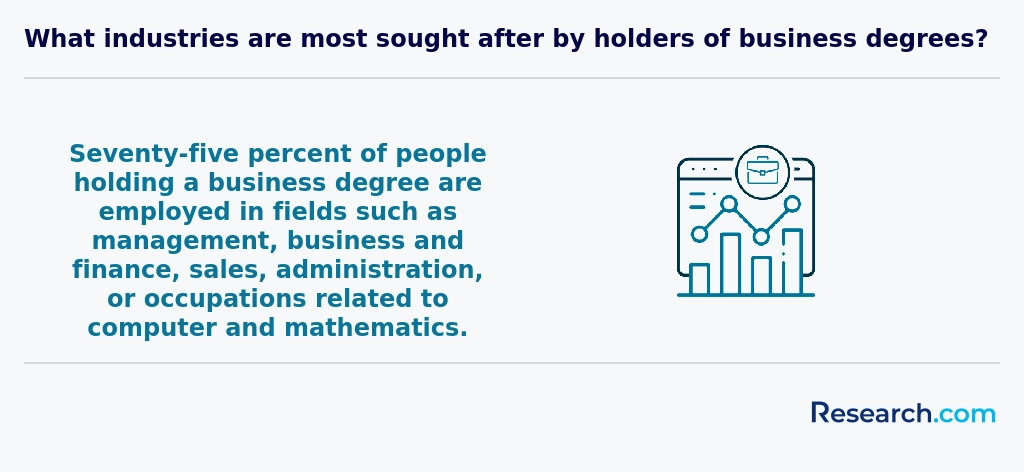
Graduates holding an online business degree from institutions like Southern New Hampshire University often find themselves stepping confidently into diverse career paths. Many enter management roles where they apply strategic thinking to real-world challenges in New Hampshire's expanding service sector, including healthcare and technology. These careers offer a rewarding blend of leadership and problem-solving, reflected in steady job growth nearby.
Others channel their expertise into finance, working as financial analysts or accountants. The competitive salaries in New Hampshire's market, buoyed by proximity to Boston's financial hub, provide a motivating factor for graduates pursuing business degree job opportunities New Hampshire offers. Marketing careers attract those eager to blend creativity with data, as local companies increasingly seek digital marketing talents to expand their online presence.
Human resources professionals with a business degree enjoy meaningful work supporting workforce management in healthcare and manufacturing industries. Entrepreneurship also calls to those with bold ideas; several graduates leverage resources at New Hampshire Small Business Development Center to launch startups that enrich the community. For those aiming even higher, gaining executive positions with an MBA can open advanced doors.
The job market for an online business degree in New Hampshire presents encouraging opportunities for graduates who are ready to apply their skills in a diverse economy. Many find that pursuing their degree through popular institutions such as the University of New Hampshire or Franklin Pierce University provides more than just academic knowledge; it offers networking connections that open doors in fields like finance, marketing, and management. Graduates often reflect on how the flexibility of online programs allowed them to balance work and study, which made transitioning into business roles smoother and more confident.
New Hampshire's relatively low unemployment rate strengthens the appeal of investing in an online business degree job market New Hampshire provides. For example, graduates routinely enter roles as financial managers or marketing coordinators, leveraging internship experiences offered through their colleges. Some report how proximity to Boston's economic hubs enriches their career paths and leads to exciting international business jobs examples. These tangible experiences help bridge the gap between online education and practical employment success, filling graduates with optimism about their future.
2027 Easiest Online Business Degree Programs Ranking in New Hampshire
Investing in your education is a significant decision that can shape your future, and the Research.com team understands the importance of making informed choices. To assist prospective students in New Hampshire, we have meticulously crafted the "2027 Easiest Online Business Degree Programs Ranking in New Hampshire." Our commitment to quality, credibility, and accuracy is reflected in the extensive research and analysis conducted to compile this ranking.
We utilized the following reputable data sources to ensure a comprehensive evaluation of online business degree programs:
By exploring this ranking, readers will gain valuable insights into the easiest online business degree options available in New Hampshire, empowering them to make confident and informed decisions about their educational journeys. For more information on how this ranking was created, please visit our Research.com methodology page.


Frequently Asked Questions About business
Online business degree students in New Hampshire can maximize their learning by actively engaging with interactive coursework and virtual collaboration tools. Utilizing resources offered by accredited institutions, such as live webinars and discussion forums, enhances understanding and networking opportunities.
Students should take advantage of local business organizations, like the New Hampshire High Technology Council, to connect theory with real-world practices. Additionally, focusing on courses aligned with the state's economic sectors-such as manufacturing, healthcare, and tourism-can boost career relevance.
Time management and setting a consistent study schedule are crucial, as 60% of online students report better retention when adhering to structured routines (U.S. Department of Education, 2023).
The business field is evolving rapidly, and several emerging niches are gaining attention in New Hampshire's online business education landscape. One significant area is data analytics, where companies increasingly use big data to make strategic decisions. According to the New Hampshire Department of Labor, jobs in data analytics are projected to grow 15% through 2030.
Another growing niche is e-commerce management, reflecting the rise of online retail and digital marketing strategies. New Hampshire's small business sector shows a growing demand for experts skilled in these areas.
Finally, sustainability management is becoming important as businesses focus more on environmental responsibility, supported by state initiatives promoting green practices.
Preparing for the job market after earning an online business degree in New Hampshire involves strategic planning. Start by gaining practical experience through internships or cooperative education programs. According to the New Hampshire Department of Employment Security, sectors like finance, healthcare, and manufacturing are top employers for business graduates.
Networking is crucial; connect with local business organizations such as the Greater Manchester Chamber of Commerce. Online platforms like LinkedIn can also expand professional contacts. Additionally, honing soft skills like communication and problem-solving is highly valued by New Hampshire employers.
Finally, consider obtaining relevant certifications, such as in project management or data analysis, to improve competitiveness in the state's evolving job market.
Employers in New Hampshire highly value business degree graduates who demonstrate strong analytical and communication skills. According to the New Hampshire Economic and Labor Market Information Bureau, employers prioritize candidates proficient in data interpretation and problem-solving to support the state's growing finance and healthcare sectors.
Leadership and teamwork abilities are also critical, as many organizations look for graduates who can manage projects and collaborate effectively. Digital literacy, including familiarity with business software and data management tools, is increasingly important due to the rise of online operations in the Granite State.
Finally, adaptability and ethical decision-making are emphasized to meet evolving market demands and maintain compliance within New Hampshire's regulatory environment.
Finding internships in New Hampshire related to a business degree requires strategic planning and resourcefulness. Start by exploring partnerships between local universities and businesses, as many schools maintain internship programs with companies in industries such as finance, healthcare, and manufacturing. The New Hampshire Department of Business and Economic Affairs reports that sectors like technology and professional services are growing, increasing internship opportunities.
Utilize online portals such as Handshake and LinkedIn to search for internships specifically tagged for New Hampshire. Networking through local business chambers and career fairs, including virtual events hosted by the Granite State, can uncover hidden opportunities. Additionally, reaching out directly to organizations, including banks headquartered in New Hampshire, can be effective. Lastly, consult your academic advisors, who often connect students with internships aligned to their degree paths.
An online business degree in New Hampshire significantly enhances career mobility by equipping graduates with versatile skills valued across industries. According to the New Hampshire Department of Labor, sectors like finance, healthcare management, and technology increasingly seek professionals with business acumen. Online programs provide flexibility, allowing working adults to advance their education without pausing their careers.
Graduates often report higher earning potential and quicker promotions. For example, business degree holders in New Hampshire earn a median annual wage about 15% higher than those without degrees, per U.S. Bureau of Labor Statistics data.
The accessibility of online degrees also broadens networking opportunities through virtual classrooms and local internships, fostering connections vital for career advancement in the state's dynamic economy.
Studying for a business degree online in New Hampshire equips students with a broad skill set essential for interdisciplinary roles. Programs often integrate courses in finance, marketing, management, and information technology, reflecting the diverse needs of today's workforce. According to the New Hampshire Department of Employment Security, companies in the state increasingly seek professionals who can navigate multiple business functions effectively.
Many New Hampshire institutions emphasize critical thinking and problem-solving skills, which are crucial when collaborating across departments like IT, finance, and human resources. This approach prepares graduates to adapt to various industries, from healthcare to manufacturing, both significant in New Hampshire's economy.
Furthermore, online business degrees provide flexibility for students to engage with real-world projects and case studies, enhancing practical, interdisciplinary understanding. This prepares students to handle dynamic roles that require communication and coordination among diverse business sectors.
Choosing between a thesis and a non-thesis business degree program in New Hampshire depends on your career goals and learning preferences. Thesis programs emphasize research and require students to complete an original project, ideal for those considering doctoral studies or research-focused roles. Non-thesis options typically involve additional coursework and practical experiences, appealing to professionals seeking to advance quickly in business or management positions.
New Hampshire's growing economy, with key sectors like healthcare and manufacturing, often favors applied business skills, making non-thesis programs popular. According to the New Hampshire Department of Business and Economic Affairs, practical skills are in high demand, especially for roles in local firms. Students should evaluate program requirements, faculty expertise, and career services offered by institutions before deciding.
Students in New Hampshire seeking online business degrees with international experience have several options. Many US universities offer study abroad programs that can complement online studies, allowing students to spend a semester or shorter periods abroad while enrolled locally. Institutions like the University of New Hampshire have partnerships with global business schools, enabling access to programs in Europe and Asia.
Additionally, some fully online business degrees include virtual internships and international case studies, providing global exposure without travel. The New Hampshire Department of Education supports such hybrid models to expand opportunity. According to the National Center for Education Statistics, about 15% of US business students participate in study abroad annually, reflecting growing interest in global business education.
Part-time job opportunities in New Hampshire that can complement an online business degree often focus on practical skills useful in management, marketing, and finance. Roles such as administrative assistants, customer service representatives, and sales associates provide hands-on experience with communication and organizational skills. According to the New Hampshire Department of Labor, sectors like retail trade and professional services-which employ many part-time workers-offer valuable environments to apply business concepts.
Internships or assistant positions in local financial institutions or small businesses also enhance understanding of accounting and business operations. These jobs support real-world learning alongside academic studies, improving employability after graduation.
Online business students in New Hampshire benefit from several networking opportunities despite their remote status. Many institutions offer virtual career fairs, webinars, and alumni networking events that connect students with local business leaders and professionals. The New Hampshire High Technology Council, for example, supports networking among business and tech professionals, helping students access industry contacts across the state.
Regional chambers of commerce also frequently hold events and workshops that online students can attend. According to the New Hampshire Department of Business and Economic Affairs, these organizations facilitate connections valuable for internships and job placements.
In addition, students can engage with peer groups and professors via online platforms, fostering collaborative learning and professional relationships.
Alumni networks provide valuable support for online business degree students in New Hampshire by offering professional connections crucial for career advancement. Graduates from New Hampshire institutions often leverage these networks for mentorship, internships, and job opportunities within the state's robust business sectors, including finance and healthcare. According to the New Hampshire Department of Business and Economic Affairs, strong local networks enhance employment prospects in industries experiencing steady growth. These alumni groups also facilitate knowledge sharing through events and online platforms, helping students stay current with industry trends. For online students, who may lack on-campus interaction, alumni connections compensate by fostering a sense of community and professional collaboration.
Customizing an online business degree in New Hampshire starts with selecting a flexible program that offers various concentrations such as management, marketing, or finance. Many schools now allow students to tailor coursework through electives or specialized tracks to match their career ambitions. This flexibility lets you focus on skills in demand within New Hampshire's growing sectors, like technology and healthcare services, which employ a significant portion of the state's business professionals according to the New Hampshire Department of Labor.
Additionally, look for programs that provide practical experiences such as virtual internships or capstone projects. These opportunities help bridge theory with real-world business challenges specific to New Hampshire's economic landscape.
Advising services are also crucial. Academic advisors can guide you in selecting electives that align with your goals and local job market trends, improving your readiness for roles in industries thriving in the state.
Online business students in New Hampshire often face challenges related to balancing coursework with work and family responsibilities. According to the New Hampshire Department of Education, many adult learners juggle full-time jobs while pursuing degrees, which can delay program completion. Limited in-person interaction is another common issue, as virtual learning sometimes reduces networking opportunities crucial for business careers. Additionally, some students encounter technical difficulties, including unreliable internet service in rural areas-a concern highlighted by the New Hampshire Broadband Mapping Project. Navigating financial aid can be complex too, with many students unaware of state-specific scholarships or employer tuition assistance programs available in New Hampshire.
With an online business degree in New Hampshire, you can pursue various professional certifications that enhance your career prospects. Popular options include the Certified Business Manager (CBM), Project Management Professional (PMP), and Certified Management Accountant (CMA). These credentials are widely recognized in New Hampshire's growing business sectors, including finance and healthcare.
The New Hampshire Department of Business and Economic Affairs highlights that demand for skilled managers and accountants is increasing, making these certifications valuable for job seekers. Additionally, certifications like the Chartered Financial Analyst (CFA) are beneficial for those interested in investment and finance roles.
Online business degrees provide foundational knowledge to meet certification prerequisites and prepare for rigorous exams. Pursuing these credentials can significantly improve your competitiveness in the local job market.
Writing a winning application for an online business program in New Hampshire requires clear focus and preparation. Start by researching accredited institutions in the state, such as the University of New Hampshire and Southern New Hampshire University, which are known for reputable online business degrees. Highlight relevant work experience, especially if connected to New Hampshire's key industries like finance and manufacturing, backed by data from the New Hampshire Department of Business & Economic Affairs.
Strong personal statements should explain your career goals and how the program aligns with them. Include specific skills you want to develop, like leadership or project management.
Be sure to submit all required documents accurately, including transcripts and letters of recommendation. Clear, concise writing with attention to detail reflects professionalism valued by admissions teams.
Global perspectives on a business career emphasize adaptability and cultural awareness. For students in New Hampshire pursuing online business degrees, understanding international markets is crucial. The U.S. Bureau of Labor Statistics projects 8% growth in management occupations through 2032, reflecting expanding business opportunities globally.
New Hampshire's economy integrates with global trade, especially in technology and manufacturing sectors. According to the New Hampshire Department of Business and Economic Affairs, over 30% of state exports go to Canada and Europe, highlighting the importance of global business knowledge.
Business careers now require skills in digital communication, cross-cultural negotiation, and data analysis, which many online programs in New Hampshire emphasize to prepare graduates for worldwide challenges.
Gaining practical experience while pursuing an online business degree in New Hampshire is essential to enhance skills and employability. Many institutions offer internships with local companies, allowing students to apply classroom knowledge in real-world settings. The New Hampshire Department of Business and Economic Affairs often promotes internship programs within the state's key industries.
Additionally, students can engage in virtual networking events and business clubs affiliated with their universities. These platforms connect learners with professionals and peers, fostering collaboration and mentorship opportunities. Case studies and project-based courses common in online programs also provide hands-on experience relevant to current business challenges in New Hampshire's economy.
Choosing the right concentration within an online business degree program in New Hampshire depends on your career goals and the state's economic landscape. Key sectors in New Hampshire include manufacturing, healthcare, and professional services, which offer various job opportunities for business graduates. According to the New Hampshire Department of Business and Economic Affairs, concentrations like healthcare management or supply chain management align well with local industry needs.
Consider concentrations that develop skills in high-demand areas such as data analytics, marketing, or finance. Additionally, research programs' course offerings, faculty expertise, and internship options to ensure practical experience and networking within New Hampshire's business community.
- 2027 Easiest Online Business Degree Programs Ranking in Vermont
- 2027 Easiest Online Business Degree Programs Ranking in Massachusetts
- 2027 Easiest Online Business Degree Programs Ranking in Maine
- 2027 Easiest Online Business Degree Programs Ranking in New York
- 2027 Easiest Online Business Degree Programs Ranking in Connecticut
- 2027 Easiest Online Business Degree Programs Ranking in Rhode Island
- 2027 Easiest Online Business Degree Programs Ranking in New Jersey
- 2027 Easiest Online Business Degree Programs Ranking in Pennsylvania
- 2027 Easiest Online Business Degree Programs Ranking in Delaware
- 2027 Easiest Online Business Degree Programs Ranking in Maryland
See What Experts Have To Say About Studying Business
Read our interview with Business experts

David Souder
Business Expert
Senior Associate Dean for Faculty and Research
Michigan State University

David W. Stewart
Business Expert
Emeritus President's Professor of Marketing
Loyola Marymount University


- Skills Employers Look for in Business Graduates – EU Business School https://www.euruni.edu/blog/skills-employers-look-for-in-business-graduates/
- Know more about thesis vs non- thesis: what is the difference? https://studyfans.com/en/blogs/816
- How to Write a Statement of Purpose for Business School https://www.statementswritingservices.com/blog/how-to-write-a-statement-of-purpose-for-business-school.html
- Global Perspectives: International Opportunities for Business School Students - SBS Swiss Business School https://sbs-uae.org/global-perspectives-international-opportunities-for-business-school-students-3/
- Online Degree vs. Traditional: Choosing the Right Path https://beal.edu/online-degree-vs-traditional/
- Is a thesis always mandatory in a master's degree program? - EFMU: The Euler-Franeker Memorial University and Institute https://euler.euclid.int/is-a-thesis-always-mandatory-in-masters-degree-program/
- One moment... https://main.hercjobs.org/jobs/21991577/adjunct-faculty-undergraduate-business-mba-and-dba-programs
- Thesis vs. Non-Thesis Master’s Programs: Which One Is Right for You? | UT Permian Basin Online https://online.utpb.edu/about-us/articles/humanities/thesis-or-no-thesis-which-one-is-right-for-you
- Business Administration | NHTI https://catalog.nhti.edu/business-administration/associate-of-science/business-administration
- Business Administration Degree Salary | UE Amsterdam https://www.ue-amsterdam.com/blog/business-administration-degree-salary-how-much-can-you-earn





