2027 Most Valuable Online Master's in Business Degree Programs Ranking in Massachusetts

Co-Founder and Chief Data Scientist
Choosing the right online business master's program can feel overwhelming, especially with so many options available. This article presents the 2027 Most Valuable Online Master's in Business Degree Programs Ranking in Massachusetts, carefully created by the Research.com team of data scientists to guide you.
By exploring this ranking, you'll gain insight into which programs offer the best value and opportunities for career growth. Earning a business degree opens doors to new possibilities, helping you build skills that matter in today's competitive market.
Discover programs worth your time and investment as you take the next step in your education journey.
Key benefits of getting online business degree in Massachusetts
- Salary for business degree graduates: Graduates in Massachusetts can expect competitive salaries, with roles like Product Manager earning around $166,410 annually and Operations Managers around $129,330, offering strong financial rewards.
- Career paths: Business graduates from popular Massachusetts universities often pursue careers in management consulting, supply chain analysis, or business intelligence, each providing diverse and exciting opportunities to grow professionally.
- Benefits of online degrees: Earning a business degree online offers flexibility for busy individuals, allowing students from anywhere in Massachusetts to balance work and study while gaining the same valuable skills as traditional programs.
- 2027 Most Valuable Online Master's in Business Degree Programs Ranking in Massachusetts
- What can I expect from online business degree in Massachusetts?
- Where can I work with online business degree in Massachusetts?
What can I expect from online business degree in Massachusetts?
The average cost of an online business degree in Massachusetts varies widely but typically falls between affordable rates at public universities and higher tuition at private institutions. Many graduates from well-regarded schools like the University of Massachusetts system appreciate the value of competitive tuition combined with financial aid options aimed at online learners, helping to reduce out-of-pocket expenses. For example, a graduate balancing work and family found that the flexible scheduling and state-resident tuition rates made it possible to earn their degree without overwhelming debt.
Private colleges may charge more, but students often benefit from strong networking opportunities and specialized programs in technology leadership or healthcare management, which can boost career prospects. The blend of accessible pricing and quality education in Massachusetts allows students to plan financially while gaining relevant, real-world skills.
When budgeting, consider that accredited programs, especially those recognized by AACSB, often justify a slightly higher cost by offering superior credentials valued by employers in Boston's competitive job market.
Where can I work with online business degree in Massachusetts?
Graduates with an online business degree in Massachusetts often find rewarding careers in Boston's dynamic job market, where top companies like Fidelity Investments and General Electric hire for roles in financial management, marketing, and operations. Many alumni from schools such as the University of Massachusetts have shared how their flexible online programs prepared them to step confidently into project management or business analytics positions within these firms.
Outside Boston, cities like Cambridge and Worcester provide opportunities in education administration and healthcare management, with institutions like Harvard and MIT driving demand for business-savvy professionals skilled in strategic planning and organizational leadership. Graduates commonly report feeling empowered by their ability to navigate remote or hybrid working environments, an advantage stemming directly from their online learning experience.
Popular career paths include financial analyst, marketing coordinator, and supply chain analyst-positions that reflect the state's growing tech and innovation sectors. Leveraging Massachusetts' entrepreneurial spirit, many graduates also launch startups or join non-profits, capitalizing on their adaptable skills to thrive across diverse industries.
Graduates with an online business degree in Massachusetts can anticipate strong earning potential, especially in roles aligned with the state's thriving industries. For example, operations managers typically earn a mean annual wage of around $129,330, providing a solid income foundation soon after completing a program. Graduates from well-known institutions like Northeastern University or UMass Amherst have reported transitioning quickly into such roles.
Those aiming for specialized positions such as product managers may see even higher salaries, with the mean annual wage reaching approximately $166,410. This reflects the high demand for skilled professionals in tech-driven environments like Boston's innovation hubs.
Analyst roles, such as business intelligence analysts and supply chain analysts, provide starting salaries averaging $83,190 and $115,530 respectively. These positions often appeal to graduates from schools emphasizing practical skills and industry connections.
Networking through alumni groups and leveraging internship experiences markedly improve salary trajectories. Graduates who actively engage with Massachusetts business communities tend to secure leadership roles faster, making over $115,000 annually as management consultants or in related fields.
- Tuition for online bachelor's degrees in business in Massachusetts ranges from $25,000 to $45,000, while master's programs cost between $30,000 and $60,000.
- The average starting salary for business graduates in Massachusetts is between $55,000 and $65,000 annually, rising to around $90,000 or more with 5 to 10 years of experience.
- Key industries employing business graduates include finance, technology, healthcare, management consulting, and insurance.
- Many programs offer internships and networking opportunities connected to Boston's business community.
- Accreditation from organizations like the AACSB ensures programs meet high academic standards.
Completing an online business degree in Massachusetts usually takes around four years for bachelor's programs like the BBA, especially if you study full-time at well-known schools such as Boston University or Northeastern University. However, graduates often share that transferring prior credits or opting for accelerated courses helped them finish in as little as two to three years, balancing work and study effectively.
For MBA programs offered online by institutions like UMass Amherst, the timeline varies widely. Full-time students typically complete their degrees in about two years, while part-time or self-paced learners, often working professionals, take three to four years. Many find asynchronous coursework rewarding as it fits their schedules, enabling steady progress without sacrificing job commitments.
Choosing the right program structure and understanding credit requirements-usually 120-130 credits for undergraduates and 30-60 for master's-can significantly reduce your time to graduation. Embracing flexible online formats lets students avoid commute times, making degree completion not only efficient but also more enjoyable and manageable alongside daily responsibilities.
To make informed decisions about their educational journey, prospective students should also consider the affordability of online business degree programs in Massachusetts. Exploring options like affordable business programs in Massachusetts can provide valuable insights into the cost-effective pathways available. Many institutions in the state offer competitive pricing, scholarships, and financial aid packages that can significantly reduce the financial burden of higher education. By understanding the landscape of affordable education, students can find programs that not only meet their academic needs but also fit their budget, ultimately leading to a more sustainable and successful educational experience.
Online business degrees in Massachusetts offer unmatched flexibility, especially for working professionals juggling careers and family. Graduates from well-known schools report appreciating the ability to study anywhere-from their homes to coffee shops-without the stress of Boston's heavy traffic or relocating. They can fit coursework around busy schedules, using recorded lectures and digital tools to learn at their own pace.
In contrast, on-campus programs at local universities provide a vibrant atmosphere where students engage face-to-face with professors and peers. Graduates often highlight the value of spontaneous discussions, networking events, and campus resources like career centers that foster deep industry connections in Massachusetts' competitive job market. However, these benefits come with extra costs such as housing and meal plans.
Choosing between formats depends on your lifestyle and learning preferences. If you seek flexibility and cost savings, online at Massachusetts institutions offers a practical solution. Those who thrive in interactive settings may prefer the immersive campus experience with its immediate access to support and local opportunities.
Applying to an online master’s in business program in Massachusetts involves clear steps:
- Research accredited programs and verify alignment with your career goals.
- Estimate costs and funding, including exploring the cheapest business degree online.
- Gather academic transcripts, test scores (if required) and letters of recommendation.
- Craft a concise personal statement highlighting your achievements and objectives.
- Submit your application early, track deadlines and confirm receipt of all materials.
Check each program’s website for specific deadlines, application fees and technical requirements.
The average cost of an online business degree in Massachusetts centers around $27,273, offering a competitive price point compared to national averages. Graduates from popular universities in the state share that understanding tuition fees and planning accordingly helped them manage expenses without compromising the quality of their educational experience. Many master's programs in Massachusetts, especially those at public universities, offer tuition rates between $500 and $900 per credit hour for in-state students, typically resulting in total tuition costs falling within a range that aligns with the median.
Students pursuing an online business degree often find that private institutions in Massachusetts charge more, sometimes between $1,000 and $2,000 per credit hour, which can push total tuition closer to $30,000 or more. However, the decision to enroll in these programs is frequently motivated by enhanced networking possibilities and specialized curricula that graduates describe as invaluable for career growth.
Those budgeting for their degree should also consider additional expenses such as fees, books, and technology, although these tend to be modest for online formats. Looking for financial aid through scholarships or employer tuition assistance programs can make a significant difference. For practical advice on finding affordable options tailored to your needs, explore affordable business programs in Massachusetts to identify programs that fit both your budget and career aspirations.
Massachusetts online master's in business tuition fees reflect this balance of cost and value, with many students feeling confident that their investment will yield rewarding professional opportunities in the long run.
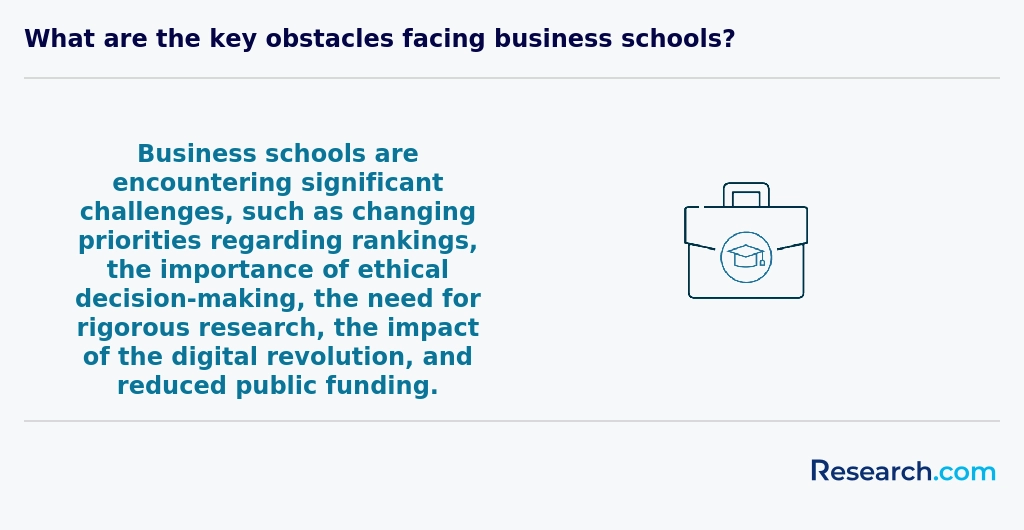
Accreditation serves as a hallmark of quality assurance for online Master’s in Business programs, signaling to employers and licensing bodies that a degree meets rigorous academic standards. In Massachusetts, leading institutions often hold regional accreditation from the New England Commission of Higher Education (NECHE) alongside specialized business accreditation from organizations such as the Association to Advance Collegiate Schools of Business (AACSB), the Accreditation Council for Business Schools and Programs (ACBSP), or the International Accreditation Council for Business Education (IACBE). These credentials not only validate curriculum quality but also enhance graduates’ eligibility for professional certifications like CPA, CFA, and SHRM-CP. Employers frequently prioritize candidates from AACSB-accredited programs, recognizing the advanced teaching methodologies, research opportunities, and industry partnerships these programs provide. Additionally, accreditation impacts students’ ability to transfer credits, qualify for federal financial aid, and access exclusive networking events. Prospective students should verify both regional and business-specific accreditations when comparing programs. For insights into how accreditation aligns with affordability and value, explore our Affordable Online Master's in Business Degree Programs Ranking in New York, which highlights accredited options that balance cost-effectiveness with academic excellence.
Students pursuing online business degrees in Massachusetts often find significant financial aid options that make their goals attainable. Federal aid, accessed through FAFSA, provides loans like the Direct Unsubsidized Loan with an annual limit of $20,500 for graduate students. Many graduates from schools such as Northeastern University mention how these loans' low fixed rates and flexible repayment eased their budgeting stress.
State programs like the MASSGrant may primarily target undergraduates but can sometimes support graduate students, especially those continuing from local institutions like Boston University. Additionally, local private scholarships and employer tuition assistance help reduce costs. Graduates working full-time report that employer reimbursement programs often cover much of their tuition, turning ambition into achievable progress without financial strain.
It also pays to connect with the financial aid offices at Massachusetts business schools, as they frequently offer merit-based scholarships tailored for online learners. Many grads highlight how these institutional awards cut their debt significantly. Professional organizations, including accounting and business associations, add another layer of support with targeted scholarships, boosting confidence and motivation to complete advanced degrees.
Accreditation ensures that an online business master’s program meets rigorous academic and industry standards, boosting employer recognition and transferability of credits.
- AACSB (Association to Advance Collegiate Schools of Business): The gold standard for research-driven business schools.
- ACBSP (Accreditation Council for Business Schools and Programs): Focuses on teaching excellence and student outcomes.
- IACBE (International Accreditation Council for Business Education): Emphasizes continuous improvement and learning objectives.
Before applying, verify both institutional accreditation (regional) and program accreditation (business-specific). For students interested in advanced leadership credentials, consider our related phd organizational leadership.
To enroll in an online business degree program in Massachusetts, applicants must first have completed a high school diploma or GED for undergraduate studies. Graduates recall how submitting official transcripts with a minimum GPA of around 3.0 was a clear step, demonstrating their readiness for college-level work. For MBA hopefuls, holding a bachelor's degree from an accredited institution-often in business or related fields-is essential, although some programs accept diverse academic backgrounds.
While many programs have made standardized tests like the GRE or GMAT optional, competitive schools still encourage submitting scores to strengthen applications. Letters of recommendation and personal statements that reveal genuine career ambitions and motivation prove invaluable. For example, online students from prominent Massachusetts universities found that detailed essays helped showcase their professional goals effectively.
Non-native English speakers should prepare TOEFL or IELTS results, as proficiency remains a must. Work experience is sometimes requested, especially for accelerated MBA tracks, adding real-world perspective that admissions committees value.
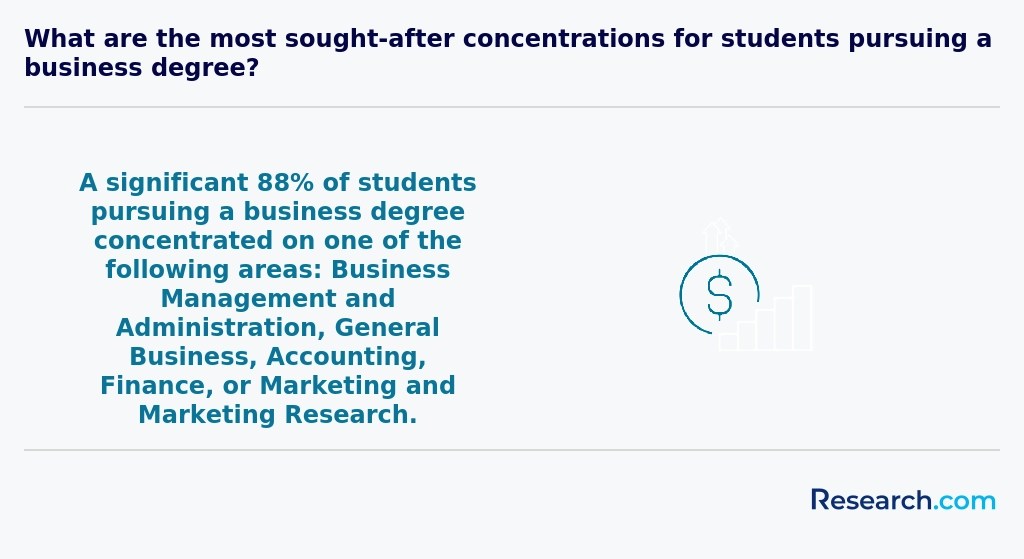
Accreditation ensures that an online business program meets rigorous academic standards and is recognized by employers and other institutions. In Massachusetts, accredited institutions typically hold regional accreditation from bodies such as the New England Commission of Higher Education (NECHE). Regional accreditation validates the overall quality of an institution, while programmatic accreditation-such as AACSB (Association to Advance Collegiate Schools of Business)-focuses specifically on business curricula. Employers often favor graduates from AACSB-accredited programs, as this designation signifies a commitment to continuous improvement and excellence in business education. When evaluating online business degrees, verify accreditation status by consulting the U.S. Department of Education’s Database of Accredited Postsecondary Institutions and Programs (DAPIP) or the Council for Higher Education Accreditation (CHEA). Accreditation affects eligibility for federal financial aid, credit transfer between institutions, and the acceptance of your degree by professional licensing bodies. Without proper accreditation, students risk investing time and money in a program that may not be recognized by employers or qualifying for graduate studies. Beyond bachelor’s and master’s credentials, accreditation plays a critical role in doctoral programs. For those considering advanced leadership roles or academic careers, it’s wise to explore low cost online doctorate in organizational leadership degrees, which combine accredited coursework with research opportunities to enhance both credentials and career prospects. Ultimately, confirming accreditation status is a fundamental step in choosing an online business degree in Massachusetts. It safeguards your educational investment, ensures access to financial aid, and provides confidence that your credential will be valued in the competitive job market.
Online business degree programs in Massachusetts typically include courses that build practical management and analytical skills essential for today's competitive market. Graduates from local schools often praise how classes like Principles of Management helped them confidently lead teams by understanding leadership styles and organizational dynamics in real business settings.
Students also benefit from Financial Accounting, where they learn to interpret financial statements-a skill they quickly applied during internships in Boston's finance sector. Marketing courses emphasize digital strategies, reflecting the state's tech-driven economy and enabling graduates to thrive at startups. Programs frequently feature Business Analytics, which equips students to make data-driven decisions, a highly valued ability in Massachusetts' evolving industries.
Other key courses include Managerial Economics for making informed market choices, Operations Management relevant to local manufacturing firms, and Strategic Management to develop long-term business plans. Ethics classes empower students to champion responsible practices, resonating with the state's focus on sustainability.
Online business degree specializations in Massachusetts are tailored to match the state's dynamic economy and professional landscape. Graduates from programs at popular institutions often praise specializations like finance, which leverages Boston's extensive financial sector, offering practical skills in investment strategies and corporate finance that align with local job markets. Marketing is another sought-after concentration, focusing on digital campaigns and brand management, ideal for those aiming to thrive in Massachusetts' bustling startup ecosystem.
Many students also opt for management or data analytics tracks, which prepare them to lead projects and analyze business intelligence effectively-skills highly valued in Massachusetts industries. Entrepreneurship stands out too, with curriculum geared toward innovation and venture capital, reflecting the state's tech and biotech startup buzz. Supply chain management is popular for those interested in logistics and operations within local manufacturing and healthcare.
For prospective students weighing the best fit, assessing Massachusetts online MBA concentration options can clarify career paths, especially combined with cost-saving benefits from online study. Some explore low cost online doctorate in organizational leadership degrees to deepen expertise while balancing work and life commitments.
When choosing the best online business degree in Massachusetts, start by confirming the program's accreditation, especially AACSB certification, which signals high academic standards. Graduates from institutions like Northeastern University often praise how this accreditation boosted their confidence with employers locally and nationally. Next, look at the curriculum and specialization options that fit Massachusetts' strong industries, such as healthcare management or technology, which can open doors in the state's vibrant job market.
Cost is a critical factor; Massachusetts programs tend to be on the higher side, but many students find financial aid or employer tuition assistance invaluable. Comparing tuition across schools helps; some explore alternatives listed in the Affordable Online Master's in Business Degree Programs Ranking in New York for budgeting ideas. Additionally, prioritize schools with robust online student support services-graduates often feel these resources made remote learning effective while preparing them for competitive local careers. Focusing on these practical steps will help you find an affordable online master's in business Massachusetts students trust and thrive in.
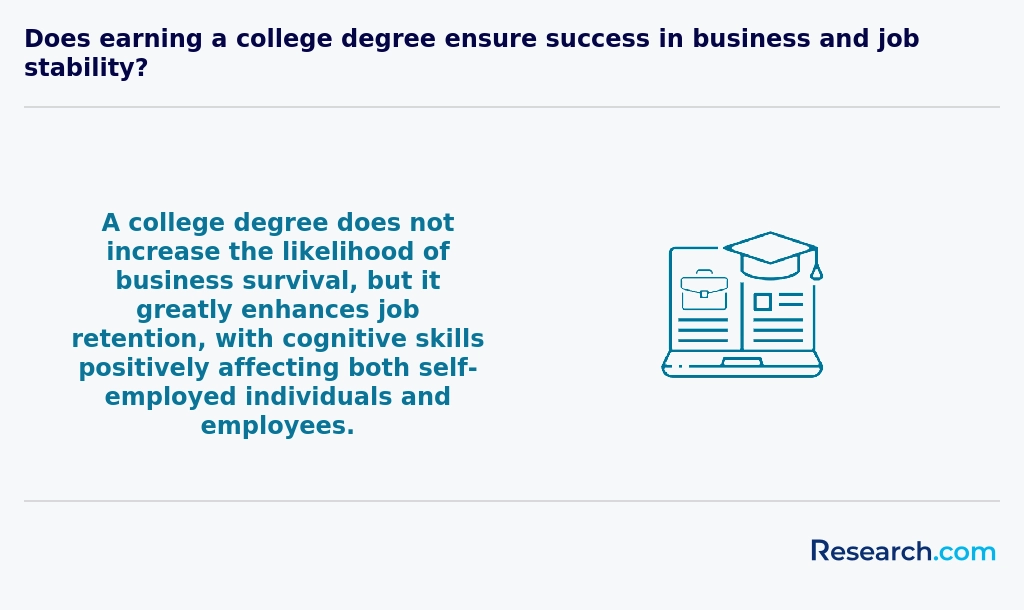
Graduates with an online business degree in Massachusetts find diverse career paths shaped by the state's robust economy. Many take roles as management analysts, financial managers, or operations managers, with Boston's startup scene providing exciting opportunities to grow strategic leadership skills. For instance, graduates from well-known Massachusetts colleges often share how their studies prepared them for roles as business development managers or even chief financial officers in biotech firms.
Massachusetts business degree job opportunities also include marketing directors and human resources specialists, especially with skills in digital marketing and data analytics emphasized in local programs. Alumni have reported success moving into roles like market research analysts or IT project managers, particularly in Greater Boston's tech-driven environment.
Prospective students can explore affordable options and financial aid through local universities. Many find that pursuing best 6-month associate degree programs online can be a strategic step to launch their careers faster and build relevant expertise within Massachusetts' business landscape.
The job market for online business degree graduates in Massachusetts is vibrant, especially in hubs like Boston where companies value practical skills in management, marketing, and data analysis. Many graduates from well-known institutions such as Boston University or Northeastern University find roles quickly in sectors like finance and technology, thanks to strong employer demand. Employers like Fidelity Investments and State Street Corporation frequently seek capable professionals for positions including financial analysts and marketing managers, offering rewarding career paths.
Graduates report feeling confident about their career prospects due to the state's robust economic landscape and competitive salaries, with entry-level roles typically paying between $60,000 and $75,000. This positive outlook is reinforced by Massachusetts' steady growth in business and financial occupations.
When considering where to study, costs vary but investing in an online business degree at in-state institutions often translates to solid returns in pay and job satisfaction. For those wondering which path to take, exploring which phd is easiest to get can be a helpful step toward further education and advancement in this field of growing opportunity for online business degree jobs Massachusetts.
2027 Most Valuable Online Master's in Business Degree Programs Ranking in Massachusetts
Investing in your education is a significant decision that can shape your future, and the Research.com team understands the importance of making informed choices. To support prospective students in Massachusetts, we have meticulously developed the "2027 Most Valuable Online Master's in Business Degree Programs Ranking in Massachusetts." Our dedication to quality, credibility, and accuracy is demonstrated through thorough research and careful analysis conducted to create this ranking.
We utilized the following reputable data sources to ensure a comprehensive evaluation of business programs:
By exploring this ranking, readers will gain valuable insights into the most valuable online master's business programs in Massachusetts, aiding them in making confident and informed educational decisions. For more information on how this ranking was created, please visit our Research.com methodology page.


Frequently Asked Questions About business
Online business degree students in Massachusetts can maximize their learning experience by actively engaging with both virtual resources and local industry opportunities. Massachusetts hosts a dynamic business environment, including leading sectors like finance, biotech, and technology, which offer valuable networking and internship prospects.
Students should take advantage of partnerships many Massachusetts universities have established with nearby companies to gain practical experience. According to the Massachusetts Executive Office of Labor and Workforce Development, the state's business sector grew by 1.8% in 2023, highlighting expanding opportunities for business graduates.
Moreover, online learners benefit from setting a structured study schedule and utilizing interactive platforms to collaborate with peers and faculty. Access to Massachusetts' extensive digital libraries and business research databases can further deepen understanding of regional market trends and best practices.
The business landscape in Massachusetts is evolving, with certain niches gaining prominence. One growing area is digital marketing and e-commerce, reflecting the surge in online consumer activity. According to the Massachusetts Technology Collaborative, companies specializing in digital solutions have expanded by over 15% in recent years.
Another emerging field is sustainable business and green management. With Massachusetts committed to environmental goals, firms seek expertise in sustainability, creating demand for professionals blending business acumen with environmental knowledge.
Healthcare management also remains vital, given Massachusetts's large healthcare sector. Online business programs often offer specializations to prepare students for roles in healthcare administration and biotech management.
After completing an online business degree in Massachusetts, graduates should focus on gaining practical experience to enhance employability. Internships and cooperative education programs are valuable for building real-world skills and expanding professional networks.
Massachusetts boasts a diverse economy with strong sectors in finance, technology, and healthcare, which offers varied job opportunities for business graduates. According to the Massachusetts Executive Office of Labor and Workforce Development, the state's business management and financial occupations are projected to grow by 8% from 2020 to 2030.
Professional certifications like PMP, CPA, or CFA can complement a business degree and increase job prospects. Additionally, leveraging career services provided by online programs and attending local networking events can connect graduates with employers in the region.
Staying informed about market trends and continuously updating skills through workshops or short courses is essential in Massachusetts' dynamic job market.
Employers in Massachusetts highly value business degree graduates who possess strong analytical and communication skills. According to the Massachusetts Department of Unemployment Assistance, problem-solving abilities and data-driven decision-making are crucial in the state's competitive business environment. Graduates with proficiency in financial analysis, project management, and technology use, such as Excel and business intelligence tools, are in demand.
Leadership and teamwork remain essential, with many companies seeking candidates who can adapt quickly and collaborate effectively in diverse workplaces. Additionally, knowledge of local industries like finance, healthcare, and biotechnology adds significant advantage when applying for jobs in Massachusetts.
Finding internships in Massachusetts relevant to a business degree involves targeted research and networking. The state's robust economy supports numerous industries like finance, technology, and healthcare, providing diverse internship opportunities. Websites like MassHire, the official state workforce agency, list current internship openings specifically in Massachusetts.
Students should also explore partnerships through their online business programs, which often connect learners with local companies. Boston, a major economic hub, hosts internships at leading firms such as Fidelity Investments and Boston Consulting Group. According to the Massachusetts Department of Higher Education, nearly 60% of business students secure internships before graduation, aiding career launches.
Professional networking platforms like LinkedIn and industry-specific events further help students identify and apply for internships. Additionally, many universities provide virtual career fairs and resources geared toward online students to access Massachusetts-based internships.
In Massachusetts, earning an online business degree can significantly enhance career mobility and advancement. The state's diverse economy-featuring strong finance, technology, and healthcare sectors-demands professionals with versatile business skills. According to the Massachusetts Executive Office of Labor and Workforce Development, business-related occupations are expected to grow by 7% through 2030, signaling increased opportunities for degree holders.
An online business degree offers flexible access to quality education, allowing working adults to upskill without interrupting employment. Graduates often find elevated roles in management, consulting, or entrepreneurship more attainable.
Employers in Massachusetts value accredited online degrees, especially those from regionally recognized institutions. This credential helps candidates demonstrate competency, strategic thinking, and leadership-key traits for promotion and career growth in the state's competitive job market.
Studying for a business degree in Massachusetts equips students with skills that extend beyond traditional business topics. Many programs emphasize interdisciplinary learning, integrating insights from technology, healthcare, and finance-key industries in the state's economy. According to the Massachusetts Department of Higher Education, online business degrees often include coursework in data analytics, leadership, and ethics, preparing graduates to navigate complex organizational environments.
Massachusetts is home to a strong network of innovative companies and startups, amplifying opportunities for students to engage with real-world interdisciplinary challenges. This approach fosters adaptability, critical thinking, and problem-solving abilities valued across multiple business sectors.
Graduates leave their programs ready to collaborate across departments and contribute to diverse teams, a necessity in today's evolving job market.
When deciding between a thesis and a non-thesis online business degree program in Massachusetts, consider your career goals and learning style. Thesis programs focus on research and critical analysis, ideal for students aiming for doctoral study or research-oriented roles. Non-thesis programs emphasize practical skills and coursework, fitting for professionals seeking advancement or immediate application in business roles.
Massachusetts has a strong economy, with sectors like finance and technology growing rapidly, as reported by the Massachusetts Executive Office of Labor and Workforce Development. This growth supports diverse career paths, making non-thesis programs appealing for quick skill acquisition.
Research requirements in thesis programs can extend study time, while non-thesis degrees often allow faster completion. Check each university's curriculum and faculty expertise to ensure alignment with your interests.
Students based in Massachusetts interested in studying business abroad typically explore online programs with international partnerships or exchange options. Many Massachusetts universities offering online business degrees have affiliations with global institutions, allowing students to gain cross-cultural business perspectives without leaving home. According to the Massachusetts Department of Higher Education, several top-ranked schools provide such collaborative programs, blending domestic coursework with international modules.
Additionally, some online business degrees incorporate study abroad residencies or virtual internships with global companies, enhancing practical experience. For those seeking traditional on-site study abroad, Massachusetts students often participate in semester-long programs through their university's global education office, focusing on regions with strong economic ties to Massachusetts industries like finance and technology. This combination supports a global business education while accommodating the flexibility of online learning.
Part-time job opportunities in Massachusetts that complement a business degree often focus on roles with direct application of business concepts. Common options include administrative assistant positions, sales associates, and marketing interns. These roles help develop skills in communication, customer relations, and project management.
Massachusetts is a hub for finance and technology, with Boston being a key regional center. Part-time positions in local banks or startups can provide valuable exposure to financial analysis and digital marketing strategies. According to the Massachusetts Executive Office of Labor and Workforce Development, the professional and business services sector employs over 10% of the state's workforce, indicating strong opportunities.
Internships or part-time work in consulting firms also offer practical experience relevant to business coursework. Additionally, roles in data entry or social media management help students build technical expertise increasingly demanded by employers in Massachusetts' competitive business environment.
Online business students in Massachusetts benefit from strong networking opportunities linked to the state's robust economy. Several universities offering online business degrees connect students with alumni networks, career services, and virtual events tailored for remote learners. For example, institutions like the University of Massachusetts provide platforms for students to engage with local business leaders and attend webinars featuring Massachusetts-based entrepreneurs.
The state's dynamic sectors, including finance, biotechnology, and technology, generate numerous virtual internships and collaborative projects. According to the Massachusetts Technology Collaborative, nearly 200,000 professionals work in the state's innovation economy, offering a broad professional network.
Additionally, online students can join statewide business associations and chambers of commerce, facilitating connections that enhance career growth and job prospects in Massachusetts.
Alumni networks play a crucial role in supporting online business degree students in Massachusetts. These networks offer access to established professionals within the state's dynamic business community, including key industries such as finance, biotechnology, and technology. According to the Massachusetts Business Alliance for Education, nearly 70% of job placements for graduates occur through networking opportunities fostered by alumni connections.
Online students benefit by participating in mentorship programs, gaining career advice, and accessing exclusive job postings. This support can be especially important in Massachusetts, home to prominent business hubs like Boston and Cambridge.
Additionally, alumni events and virtual meetups provide valuable chances to build long-term professional relationships that can advance graduates' careers locally and beyond.
Customizing an online business degree in Massachusetts begins with selecting programs that offer flexible curricula. Many universities allow students to choose from concentrations such as finance, marketing, entrepreneurship, or data analytics. This flexibility helps align the degree with specific career goals.
Massachusetts is home to a strong business ecosystem, especially in technology, healthcare, and finance sectors. According to the Massachusetts Executive Office of Labor and Workforce Development, financial activities comprise about 10% of the state's employment, highlighting the importance of targeted skills.
Students can often tailor their degrees by selecting electives, internships, or projects that relate directly to industries thriving in Massachusetts.
Additionally, online programs frequently provide networking opportunities with local business professionals and access to career services, further enhancing career alignment and job readiness.
Online business students in Massachusetts often face challenges related to balancing their studies with work and personal commitments. Given the state's high cost of living, many students juggle employment alongside coursework, which can limit their available study time. According to the Massachusetts Department of Higher Education, nearly 60% of online learners are working adults managing multiple responsibilities simultaneously.
Another significant challenge is accessing hands-on networking opportunities. In business education, building connections is key, yet online formats can restrict face-to-face interactions with peers and local industry professionals in Boston and beyond.
Technical difficulties and inconsistent internet access also affect some students, especially those outside major urban areas. These issues can disrupt learning and delay progress.
With an online business degree, graduates in Massachusetts can pursue several professional certifications that enhance career opportunities. Popular certifications include the Project Management Professional (PMP), which is widely respected in various industries and valued in the state's growing tech and finance sectors.
Additionally, the Certified Public Accountant (CPA) credential is available for those focusing on accounting, with Massachusetts requiring 150 credit hours and specific business coursework. The Certified Management Accountant (CMA) is another option, emphasizing financial management and strategic skills.
Massachusetts' strong healthcare and biotech industries also create demand for Certified Business Analysis Professional (CBAP) certification, reflecting the need for skilled business analysts. According to the Massachusetts Department of Labor, these certifications can significantly improve salary prospects and job stability in the region.
To write a winning application for an online business program in Massachusetts, start by understanding the program's requirements and deadlines. Carefully tailor your personal statement to highlight your career goals, leadership skills, and how the program aligns with Massachusetts' thriving economy, especially in finance and technology sectors, which contribute over $649 billion annually to the state GDP (Massachusetts Department of Revenue, 2023).
Showcase relevant professional experience or internships, emphasizing any roles involving teamwork, strategic thinking, or data analysis. Include strong recommendation letters from supervisors familiar with your business acumen. Finally, ensure your resume is clear, concise, and free of errors to present a polished and professional application.
Global perspectives on a career in business increasingly emphasize the value of cross-cultural understanding and international experience. For students in Massachusetts pursuing online business degrees, this trend reflects the state's growing role in global trade and innovation. According to the Massachusetts Executive Office of Labor and Workforce Development, businesses here engage extensively in exports, highlighting the need for graduates to grasp global markets.
Business education programs often integrate global case studies and international economics to prepare students for this reality. Understanding global supply chains, diverse customer bases, and international regulations is essential.
Moreover, employers in Massachusetts seek graduates with skills in digital communication and global collaboration, reflecting today's interconnected economy.
Gaining practical experience while studying for an online business degree in Massachusetts is achievable through internships, cooperative education (co-op) programs, and virtual project collaborations. Many Massachusetts universities with online business programs maintain partnerships with local companies, allowing students to apply concepts directly in real business settings. The state's diverse economy includes strong sectors such as finance, healthcare, and technology, offering numerous opportunities for practical exposure. According to the Massachusetts Executive Office of Labor and Workforce Development, internships in business fields grew by 7% in 2023, reflecting increasing demand for hands-on experience.
Additionally, online students can engage in case competitions, consulting projects, or remote internships, which provide flexibility while building professional skills. Some schools also provide access to career services that connect students with mentors and business networks throughout Massachusetts, enhancing future job prospects.
Choosing the right concentration within an online business degree program in Massachusetts requires careful consideration of your career goals and the regional job market. Massachusetts is a hub for industries like biotechnology, finance, and technology, which may influence specialization choices. For instance, concentrations in healthcare management or finance might align well with local opportunities.
Research from the Massachusetts Department of Labor highlights strong growth in financial services and tech jobs, suggesting demand for skills in those areas. Additionally, consider your own strengths and interests, as well as program flexibility and available faculty expertise in the concentration.
Look for programs that offer practical experience, such as internships or projects linked to Massachusetts businesses. Accreditation and program reputation also matter when selecting a specialization to ensure a quality education that employers recognize.
- 2027 Most Valuable Online Master's in Business Degree Programs Ranking in New York
- 2027 Most Valuable Online Master's in Business Degree Programs Ranking in New Jersey
- 2027 Most Valuable Online Master's in Business Degree Programs Ranking in Pennsylvania
- 2027 Most Valuable Online Master's in Business Degree Programs Ranking in Maryland
- 2027 Most Valuable Online Master's in Business Degree Programs Ranking in Virginia
- 2027 Most Valuable Online Master's in Business Degree Programs Ranking in Ohio
- 2027 Most Valuable Online Master's in Business Degree Programs Ranking in West Virginia
- 2027 Most Valuable Online Master's in Business Degree Programs Ranking in Kentucky
- 2027 Most Valuable Online Master's in Business Degree Programs Ranking in North Carolina
- 2027 Most Valuable Online Master's in Business Degree Programs Ranking in South Carolina
See What Experts Have To Say About Studying Business
Read our interview with Business experts

Ingrid S. Greene
Business Expert
Clinical Assistant Professor of Management
Loyola Marymount University

David W. Stewart
Business Expert
Emeritus President's Professor of Marketing
Loyola Marymount University

David Souder
Business Expert
Senior Associate Dean for Faculty and Research
Michigan State University

- The Seven Biggest Challenges Faced by Student Entrepreneurs https://venturewell.org/blog/five-biggest-challenges/
- Business Administration Degrees https://mcla.edu/academics/academic-departments/business-administration/
- A guide to finding an internship https://www.ipag.edu/en/blog/guide-finding-internship
- 5+1: Five challenges facing business schools and one solution https://charteredabs.org/insights/opinion/51-five-challenges-facing-business-schools-and-one-solution
- Why Alumni Networks Matter in Business School: 7 Reasons https://europe.ceibs.edu/article/why-alumni-networks-matter-business-school
- Business degree: What to study and how to find a job https://brive.com/blog/studies/business-degree-guide-to-study-and-find-a-job/
- Exploring Different Types of Business Majors https://www.ivywise.com/ivywise-knowledgebase/exploring-different-types-of-business-majors/
- BBA in Business Administration https://www.umassglobal.edu/academic-programs/bba-business-administration
- Business Administration Degree Salary | UE Amsterdam https://www.ue-amsterdam.com/blog/business-administration-degree-salary-how-much-can-you-earn
- 55 Trending Business Ideas for 2025 and Beyond https://www.uschamber.com/co/start/business-ideas/top-trending-business-ideas